
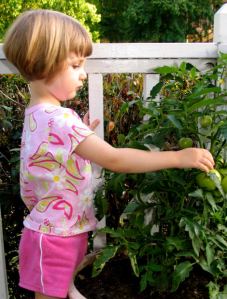
 In last week’s post I shared information about research projects students could become involved in to be scientists in real life. Some of the projects such as Project BudBurst and BudBurst Buddies encourage junior scientists to observe and record changes in plants throughout the changing seasons. Many commenting on the post agreed that projects such as these would make the learning of science come alive. Pauline King the Contented Crafter even commented that she may have to reconsider her opinion of schools if children were involved in projects such as these.

Shortly after posting I read an article on Co.Exist describing a preschool that doubles as urban farm where “Kids learn among the plants and animals in this design for a radically different education environment.” A bit like my concept of an early learning caravan, the school does not actually exist. The design was entered into and won an architecture competition. It is an interesting concept and I especially like the suggestion that children spend more time learning about nature through experiencing it in wild spaces in the outdoors rather than only through classroom activities and books, both of which do have their role.
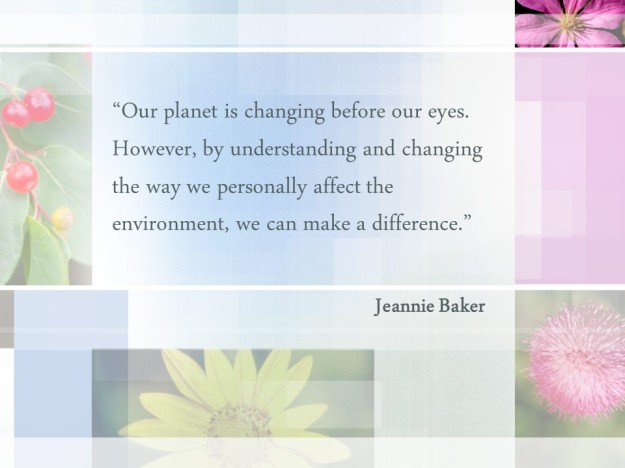
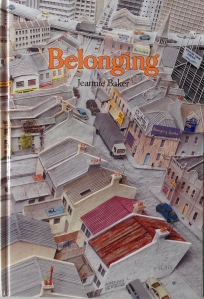
I have previously shared the wonderful books of Jeannie Baker which have strong environmental themes encouraging children to care for nature and appreciate the natural wonders and beauty of the world around them.

This morning, thanks to a recommendation from Sarah Brentyn who blogs at Lemon Shark, I received another lovely book in the post that will sit among my favourites. The Curious Garden by Peter Brown tells the story of how a curious boy helps transform a city from a drab grey concrete jungle to a one filled with gardens and gardeners. The story affirms the belief that the actions of one person can make a difference.

I am currently listening to Earth in Mind: On Education, Environment and the Human Prospect, an interesting and thought-provoking book by environmentalist David W. Orr who challenges the focus of schools and advocates for learning outdoors in the natural environment. He may approve of the preschool farm, but he’d probably be more in favour of a forest preschool.
This, however, is only a small part of his position and I do not wish to misrepresent it. In an article, which reads like a chapter from the book, Orr describes “Six myths about the foundations of modern education, and six new principles to replace them”. The part of me that strives towards meliorism is seriously challenged by the picture Orr paints. The picture books, stories, and research projects are fine; but there’s much more to be done if we want to do more than simply wish for a greener future.
I agree with Orr wholeheartedly that education for, with and through the environment is essential; and that many of our problems are caused by miseducation. However, I had not thought about education in the way that Orr explains. I think I’ll be sharing more of his work in future posts.

Thank you for reading. I appreciate your feedback. Please share your thoughts.


 Norah Colvin
Leave a reply to roweeee Cancel reply