
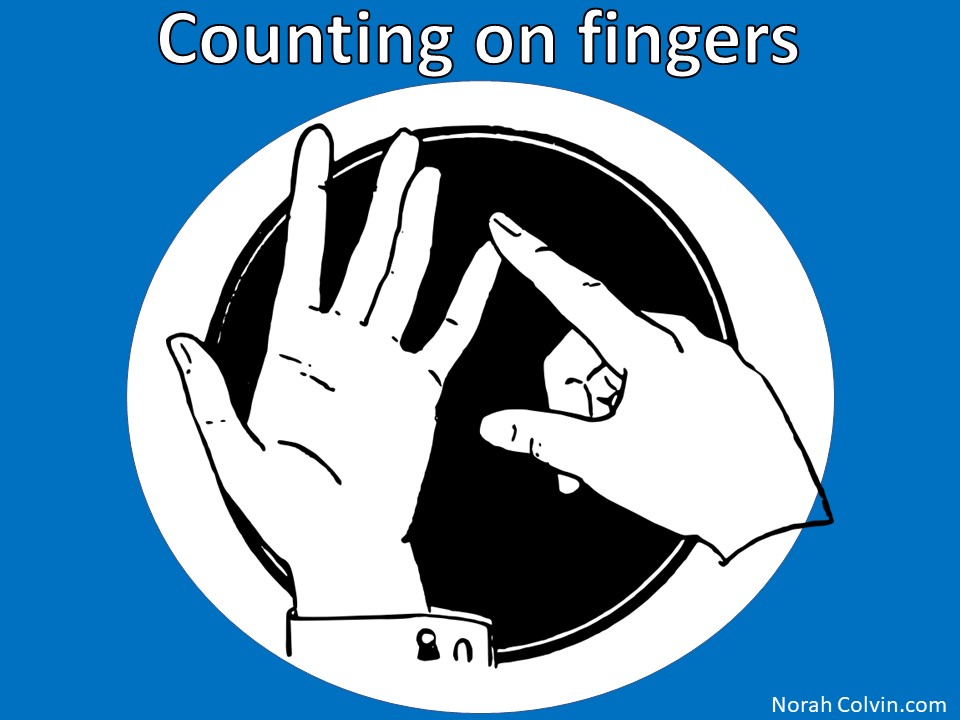
This week at the Carrot Ranch, Charli Mills challenged writers to In 99 words (no more, no less) write a story about fingers that fly. Think about the different ways we use our fingers and what happens when we add speed. Go where the prompt leads.
I thought about the use young children make of their fingers when counting. It may increase their speed and ease of calculation in the beginning, but continued use tends to slow them down.
I also thought about magicians, and how the speed of their fingers amazes us with tricks and sleight of hand.
Combining both thoughts brought me to the mathemagician Arthur Benjamin who never ceases to astound with his calculations.
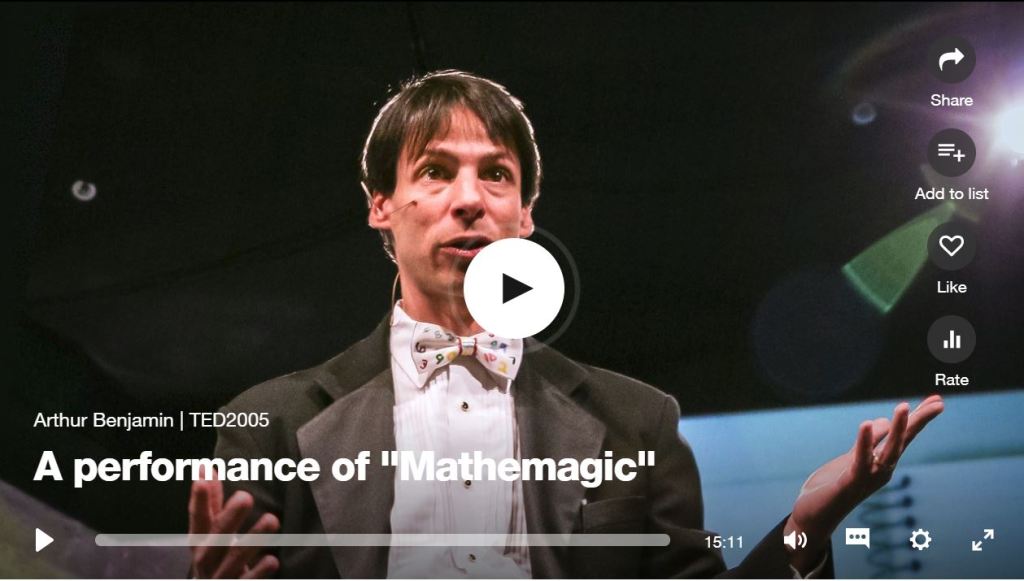
Are you a math whiz, solving complicated problems and making calculations with large numbers effortlessly, or do you still need to count on your fingers at times?
I don’t think I was ever what would be considered a maths whiz, but I did have my confidence in maths taught out of me. Sadly, I think this happens to far too many.
Many children who have been provided experiences with number and engaged in discussions about number from a young age develop strong understandings and are able to calculate with little effort, arriving at answers almost intuitively. While it can be good to help them develop metacognition by asking them to explain how they knew, or how they worked it out, sometimes they don’t know how—they just know.
While some children need to be taught methods of working out answers, requiring maths intuitive thinkers to use the same working can cause them to second-guess themselves and to lose confidence by breaking what they know down into steps that only cause confusion.
I was interested to hear Arthur Benjamin’s plan for improving maths education when he is made “Czar of Mathematics”.
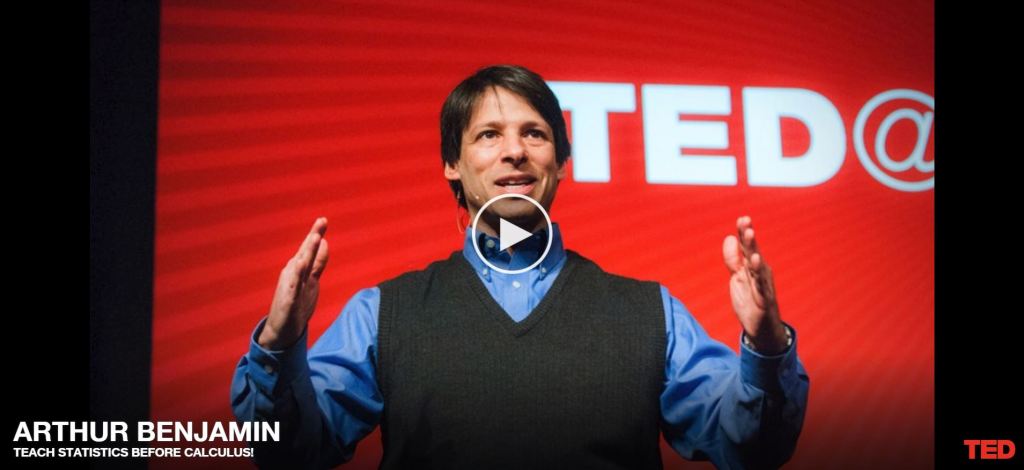
His suggestions relate more to high school than primary, but probability and statistics still have their place in the early years, as I’ve shown with many readilearn resources.
For my response to Charli’s prompt, I’ve considered what may occur if a child’s intuition with maths is neither appreciated nor encouraged.
Counting on fingers
Everyone said she had a way with numbers. Even when still in nappies she was counting effortlessly to large numbers in multiples of twos, fives and tens as well as ones. The parents didn’t dare think they’d bred a genius, an outlier. They wished for an ordinary child who fitted in, unnoticed, like them. They strove to inhibit her talent and discourage her enthusiasm. She tried to hide her ability by delaying responses with finger actions resembling calculation aids. But they slowed her none and flew too fast, earning her the nickname “Flying fingers” and ridicule instead of appreciation.

Thank you for reading. I appreciate your feedback. Please share your thoughts.


I appreciate your feedback. Please share your thoughts.