

Is the jar half full or half empty?
Many years ago I was employed to be an “agent of change” in a school. My job title was Resource/Remedial Teacher and my role was two-fold: to fix up the children who were “failing”, in reading especially, and to “teach” the teachers more effective strategies for teaching and learning. To say it was a difficult role is an understatement. Think of the old lightbulb jokes.

It is just as difficult for change agents.
But the job wasn’t without some rewards.

Easy fix
Teachers considered that one brief session each week in a small group of other children would not only be sufficient to “fix” a child’s learning difficulty, it would also fulfil any requirement to provide differentiated instruction for the learners in their classrooms. “He goes to remedial,” both explained the child’s lack of progress and released the teacher from the obligation to make any other concessions or attempts to support the child.
Improve teaching
It soon became obvious that the attitudes of teachers fitted into two opposing “camps”, with a smattering of differences along a continuum stretched between. There were those who focused on the children, what they knew, what they needed to know and how to help them learn. These teachers were creative and innovative in their approaches, trying out new ideas and constantly on the lookout for ways to engage, motivate and inspire children.
There were those who were focussed on what was to be taught, on their lesson plans, assessment and results. They expected the children to attend, respond and learn because that was what was expected of them. If the students failed to learn what was taught, the teachers questioned neither their methods nor the content for its suitability to student needs. Rather they found the fault to be with the students who were lacking in some way. Their view was of students as empty vessels to be filled, and if they did not fill from what they were offered, then it was the vessel, not the method of filling that was faulty.
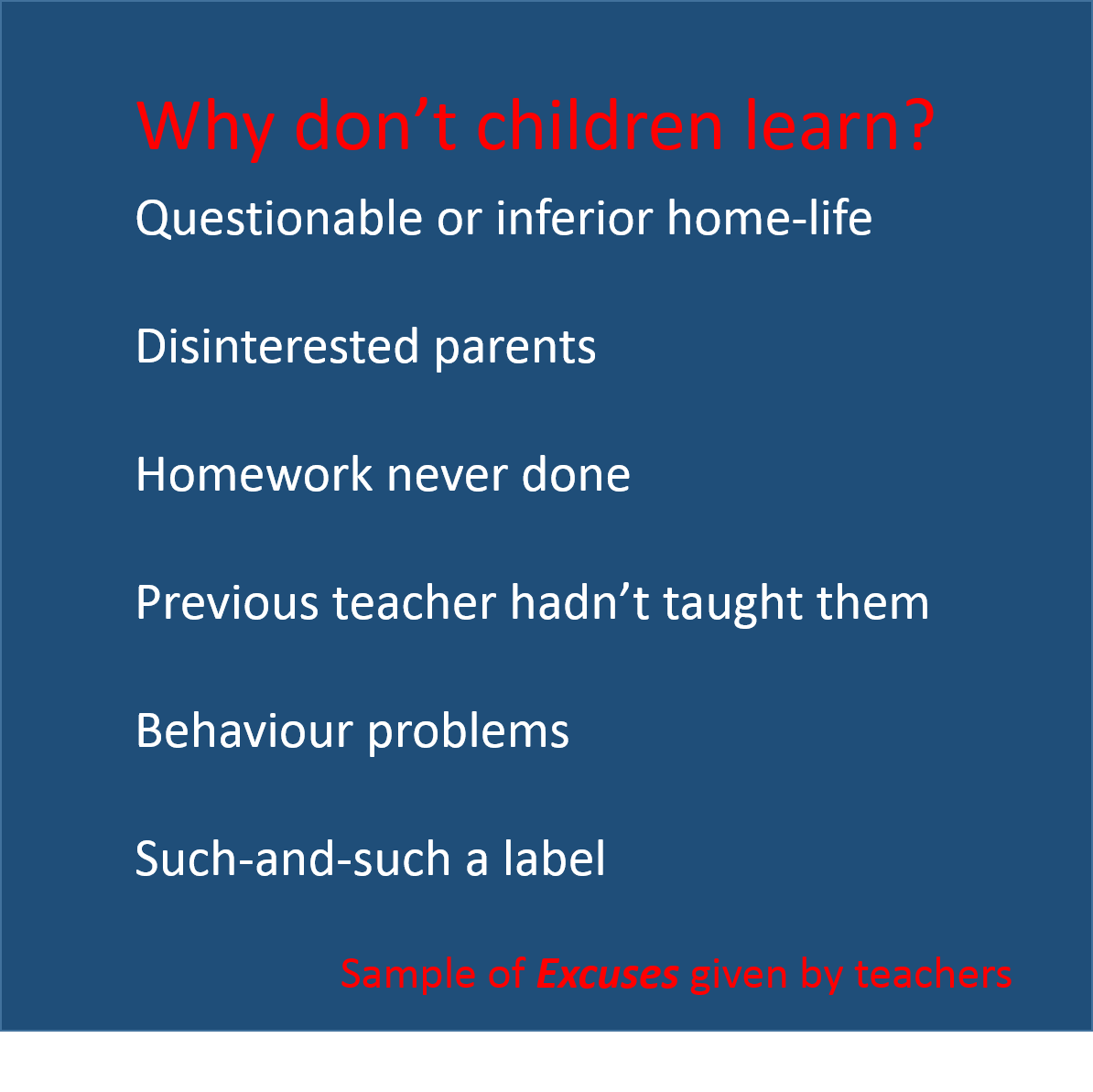
So many times the teachers would complain that they had “taught” the work but the students hadn’t learned it.
In “my world”, if there was no learning there had been no teaching; and I found this attitude difficult to comprehend or accept. Nonetheless I tried to be understanding, patient and supportive, listening to and restating their complaints to ensure them I had understood. I would then make gentle suggestions like “Have you tried?” “Have you thought about?” Rarely was I successful in getting them to reflect upon, interrogate or make adjustments to their practices. I guess if they saw no fault with their practices, why should they change?
A current focus in assessment driven school programs is what the students can and can’t do, with the main focus on the “can’t”. I much prefer changing perspective to the “not yet” thinking and growth mindset of Carol Dweck.

This week at the Carrot Ranch Charli Mills is talking about perspective. She challenges writers to In 99 words (no more, no less) write a story that has a shift in perspective. It is right up my alley. Thanks Charli!
Inside
They slumped around the table, eyes transfixed on hands clasping coffee cups, bemoaning their lot, each desperate to outdo the other in frustration and despair.
“They just don’t get it.”
“I’ve tried everything.”
“They don’t listen —”
“They’re so rude —“
“In my day we wouldn’t dream —“
Outside
They welcomed the kiss of sun upon their cheeks, the freshness of air to their lungs; and breathed as one in wonder.
They found cloud-painted sky pictures, brightly coloured beetles in green grass stalks, claw-made scratches in the rough tree bark; and brimmed with wonder.
and dared to dream …

Thank you for reading. I appreciate your feedback. Please share your thoughts about any aspect of this post or flash fiction.


 Norah Colvin
Leave a reply to lucciagray Cancel reply