
Fifteen differences between traditional and alternative approaches to schooling

This list itemises some of the differences between traditional and alternative schools. The list is meant to contrast the stereotypes rather than reflect the culture of any particular school.
It is unlikely that a school would have all the characteristics of one approach and none of the other. Most schools will have some characteristics of both approaches to a greater or lesser degree.
As you read the list, consider each characteristic with regard to the schools you attended, or those attended by your children.
 Traditional schools are authoritarian organisations in which children are expected to conform. Alternative schools are run more democratically with children involved in planning and decision making.

- Teachers in traditional schools direct activities
 from a pre-established curriculum; while activities in alternative school are more spontaneous and child-centred, with children involved in planning and choosing their educational experiences.
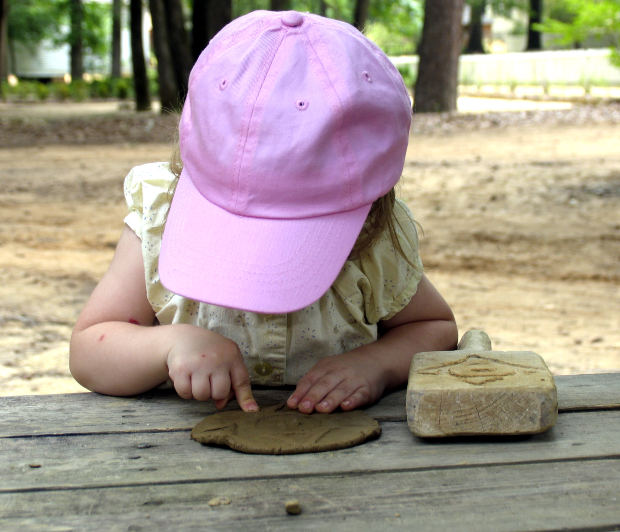
- In traditional schools, students are passive recipients of information; while in alternative schools, students are actively involved in learning, both mentally and physically.
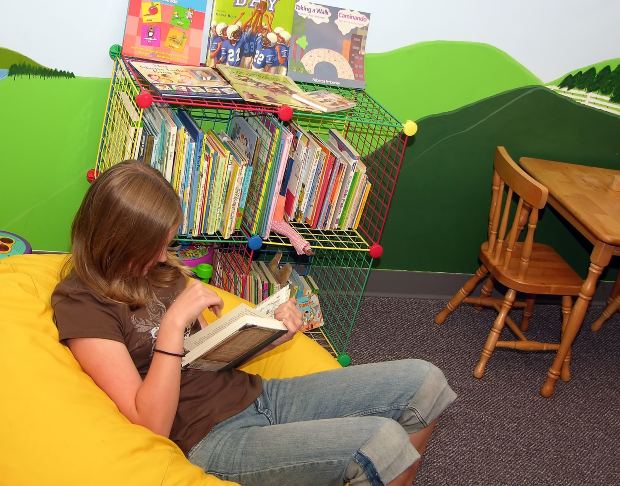
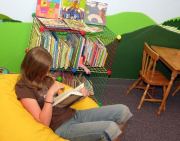 Information taught in a traditional school has an academic orientation and is often disconnected; while students in alternative schools learn about a wide range of topics by making connections with prior knowledge, and through interaction with the environment.
- In traditional schools, information is transmitted by someone or something else; while in alternative schools, students discover their own answers, solutions, concepts and create their own interpretations.
 Most communication in traditional schools is one way: the teacher talks and students listen. Communication between students and teachers, and among children in alternative schools is reciprocal.
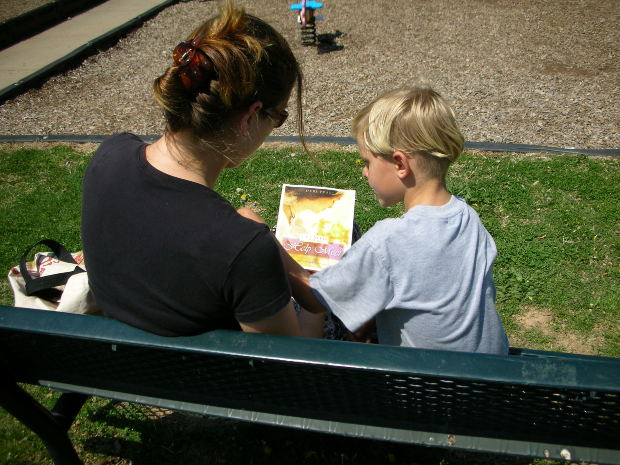
- Most questions asked by traditional teachers are closed and deal with facts; while students in alternative schools are involved in reflective thinking, problem solving, and learning how to learn.
 Students in traditional schools do a lot of written work while emphasis is given to hands-on-activity in alternative schools.

- Traditional teachers provide little corrective feedback or guidance to students; while teachers in alternative schools usually provide guidance, evaluation and direction to students.
 In traditional schools, instruction is usually given to the class as a whole. A greater emphasis is placed upon individual instruction in alternative schools.
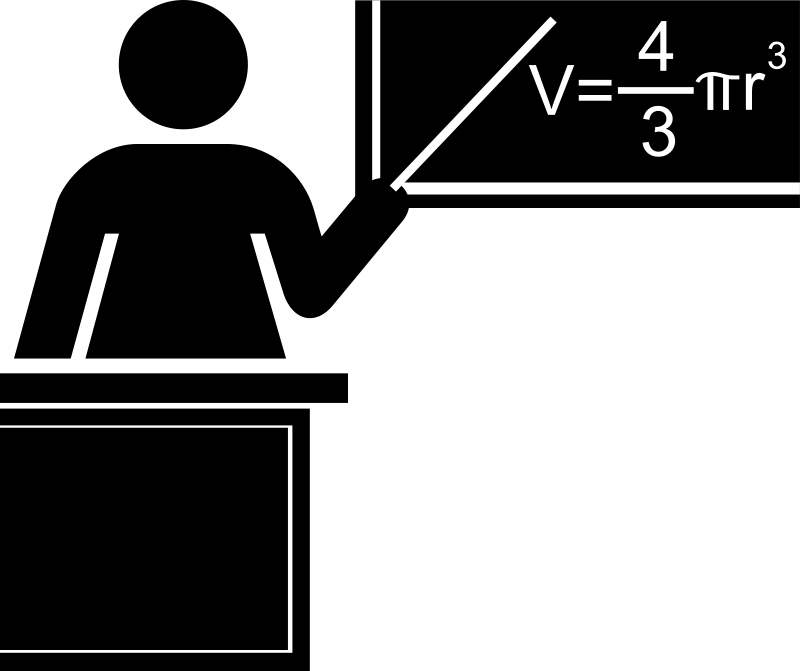
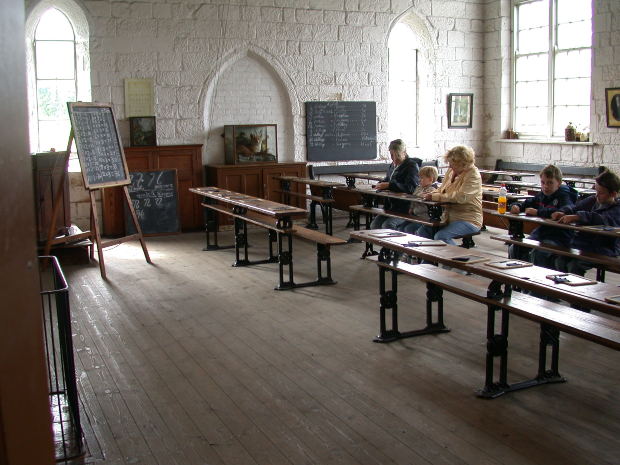
 Desks are usually arranged to face the chalkboard or whiteboard in traditional schools; while space is used more flexibly in alternative schools.
- The main focus in a traditional school is on imparting the existing values and roles of the society and culture. In an alternative school emphasis is placed upon the importance of the child in society and on educating the child for a responsible, thinking role.

- In traditional schools students are generally grouped for work by ages, but in alternative schools children work at their own pace.
 The traditional school day is divided into sessions according to subject matter, while the organisation in an alternative school is flexible and loosely structured.

- In traditional schools students remain dependent; while students in alternative schools are encouraged to develop independence.
How closely do the characteristics describe the schools attended by yourself or your children?
What do you see as the main similarities and differences?
Where would they sit along the continuum?
The school that I attended as a child was firmly embedded in traditional practices without any characteristics of an alternative approach.
However some changes in pedagogical theories have occurred over the years, and the schools attended by my own children, and those in which I have recently taught, while still traditional, have moved a little along the continuum towards a less rigid and more flexible approach in some areas.
In an earlier post “To school or not to school” I shared some thoughts I considered when making choices for the education of my children.
I invite you to leave a comment and share your views.
Which of the characteristics are most important to you when choosing a school for your child?
Which characteristics would encourage you to choose against a particular school?
All photos courtesy of http://www.morguefile.com/
Clipart from www.openclipart.org


 Norah Colvin
Leave a reply to nco04662 Cancel reply