At this time of the year, people around the world are preparing to celebrate a variety of holidays. Christmas, celebrated by almost half of the world’s population, is perhaps the biggest holiday of the year. While traditionally a Christian celebration, its focus for many is now more secular than religious and is celebrated by both Christians and non-Christians. Even within the Christian community, there are many ways in which the festival is observed.
In addition to Christmas, children in Australia are preparing for the end of the school year and their long summer holidays from approximately mid-December to late January. While not as long as that of some of our northern cousins, the six-week break challenges parents in thinking of ways to keep the children occupied, while ensuring that the achievements of the year are not lost before the new school year begins.
In this post, I share some suggestions and readilearn resources to assist in preparation for both.
This week at the Carrot Ranch, Charli Mills is talking about the effect of changing a lens on how things are viewed. She says,
“No matter what lens we apply, there is something to be seen in each of us that is worthy.
Perhaps if we focus differently, we might actually achieve peace.”
This is true too of children. Sadly, I think too often children are seen for what they are not yet, rather than appreciated for what they are. Childhood is all too fleeting, and with the current focus on assessment and teaching-to-the-test in many educational systems, it is becoming almost non-existent. Recess and free-play times are being eroded to cram in more cramming time.
I recently read an article in the Washington Post that told of children in a US school having to walk laps during a 20-minute recess. The supposed intention was to get the children active. However, most children would be naturally active if allowed the freedom to run and play. The benefits of free-play activities for health, well-being, and social development would be far greater than that of walking laps.
This practice contrasts with one described in an article in the Sydney Morning Herald. Children in Finland have fifteen minutes of mandatory outdoor play every hour, whatever the weather. “Fresh air, nature and regular physical activity breaks are considered engines of learning.”
Each of these practices recognises the importance of activity, but each has a different way of providing for it, and only one is effective. I wonder why those with the power to make positive changes in education, fail to see the damage being done by didactic and test-driven practices that rob children of any love for or joy in learning. It seems to matter little what lens is used, they are unable to focus clearly on what matters most.
Towards the end of the talk, beginning at 12:45, Nancy says,
“The difference between understanding concepts and reciting facts is very important for us to understand right now, because it captures the essence of what is happening in education today. There is a gross misunderstanding of what education is that has swept across the country, and the unfortunate belief is that you can direct teach, and you can measure and you can quantify learning; but the truth is, it is only the most superficial and the most mechanical aspects of learning that can be reduced to numbers. Unfortunately, this mistaken idea about the nature of education has pushed down to our youngest children. “
She says that when we “drill and grill” kids, we not only lose the power of the learning experience, we lose all the amazing capacities that children bring to us in education:
initiative
creativity
the ability to define and solve their own problems
originality of thought
invention of new ideas
perseverance
cooperation.
She says that when we take those capacities out, we take away the love of and joy in learning, not only from the children but from teachers too.
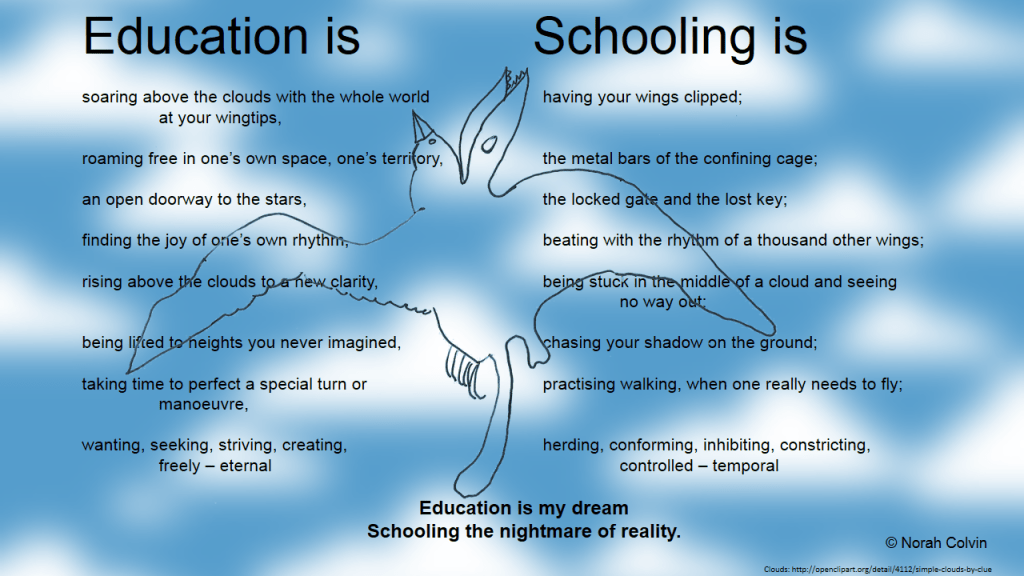
These are themes that are familiar to regular readers of my blog, and the most influential when I decided to leave the classroom. More than thirty years ago I wrote a poem to describe the differences between what often is, and what could be.
Unfortunately, I couldn’t find my rose-coloured glasses.
What you see
They saw him for what he wasn’t and what he lacked, not for what he was and what he could be. Their ill-fitting garments failed to clothe, and their unpalatable diet failed to nourish. If only they’d zoomed in upon his potential. Instead the wide-angled lens showed a panorama of disadvantage: an excuse for failure to fulfil his needs or enable his possibilities. A lens in proper focus may have seen a burning curiosity, a rich imagination, a wisdom older than time, and a heart in harmony with the universe. Instead they considered the negatives not worthy of development.
Thank you for reading. I appreciate your feedback. Please share your thoughts.
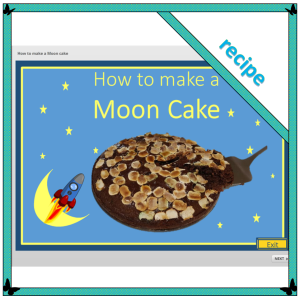
Reading and following procedures is a part of everyday life. We need to follow a procedure to make a cake, take medicine, repair a bicycle, treat head lice, assemble a DIY bookcase, or install an app on a digital device. The list in inexhaustible.
Sometimes procedures are presented as text, sometimes as illustrations or diagrams, and sometimes as a combination of both. They work best when each step of the sequence is accurately described and illustrated.
However, not all procedural texts are created equal. Sometimes the language may be inappropriate and unclear. Sometimes steps are omitted or sequenced incorrectly. Sometimes diagrams have little resemblance to what is required and confuse, rather than clarify, the process.
Trying to figure out what to do can cause a great deal of frustration in such circumstances. The more practised we are with following procedures, the more adept we are at interpreting inadequate instructions to achieve a good outcome.
It is never too soon for children to learn to read and follow procedures. The inclusion of procedural texts in a classroom literacy program has many benefits.
Following a procedure provides a context and purpose for reading. It requires children to interpret instructions through a combination of text and visual representation. It generally implies that children are doing or making something, which engages their interest and encourages participation. It develops an essential real-life skill that is transferrable to a range of situations. The sense of achievement in successfully completing a project is both affirming and empowering and often requires no other feedback.
Procedural texts can be easily incorporated into a class reading program as an independent or group reading activity. An assistant to support, encourage and oversee can be invaluable.
Features of procedural texts
The reading of a procedural texts differs from reading fiction or non-fiction texts.
The title, and sometimes a short description, tells what will be done or made.
There is generally a list of requirements.
The body of the procedure is written as a sequential series of commands.
The verb, telling the action to be performed, occurs at the beginning of the sentence.
The sentence is directed to the reader, and means, “You do this.”
Each sentence is generally short with one action to be performed in each step.
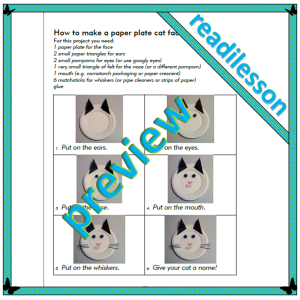
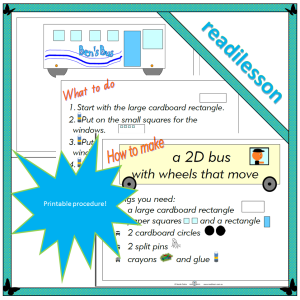
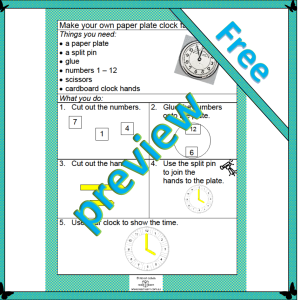
There is a range of readilearn resources to involve children in reading and following procedural texts. Many of the procedures are provided in different formats for use with the whole class or with small groups or by individuals. Some are supported by additional resources, and How to make a paper plate cat face is presented with two levels of text.
I hope you and your children enjoy using these resources. They were always enjoyed in my own classroom, and have been the most popular resources in my Teachers Pay Teachers store.
Please contact me if you have any questions. I welcome your feedback, especially suggestions for improvements to existing resources and ideas for new ones.
Remember, if you haven’t yet subscribed, an introductory discount of 20% is available to all who subscribe this year. Just use the coupon code welcome2 at the checkout to receive your discount.
I’ll see you next week. In the meantime, enjoy the weekend.
Hi, welcome to the readilearn blog and the first in our Author Spotlight series.
Spring is here and summer is on its way in Australia. The excitement of new life is everywhere as flowers bloom, birds sing, and insects abound. The excitement flows into the classroom as children observe and record the life stages of the amazing minibeasts that inhabit our world.
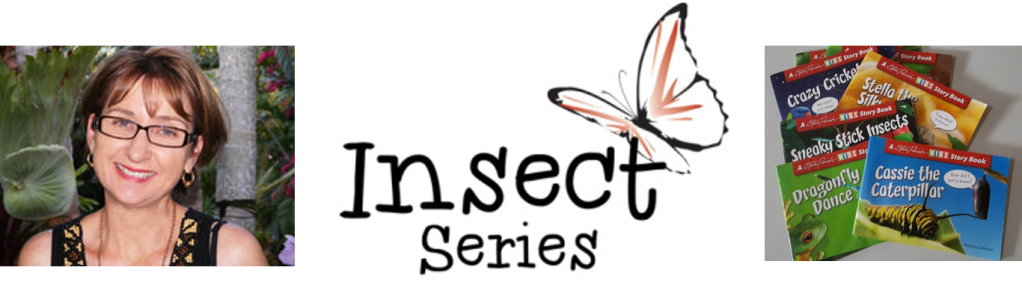
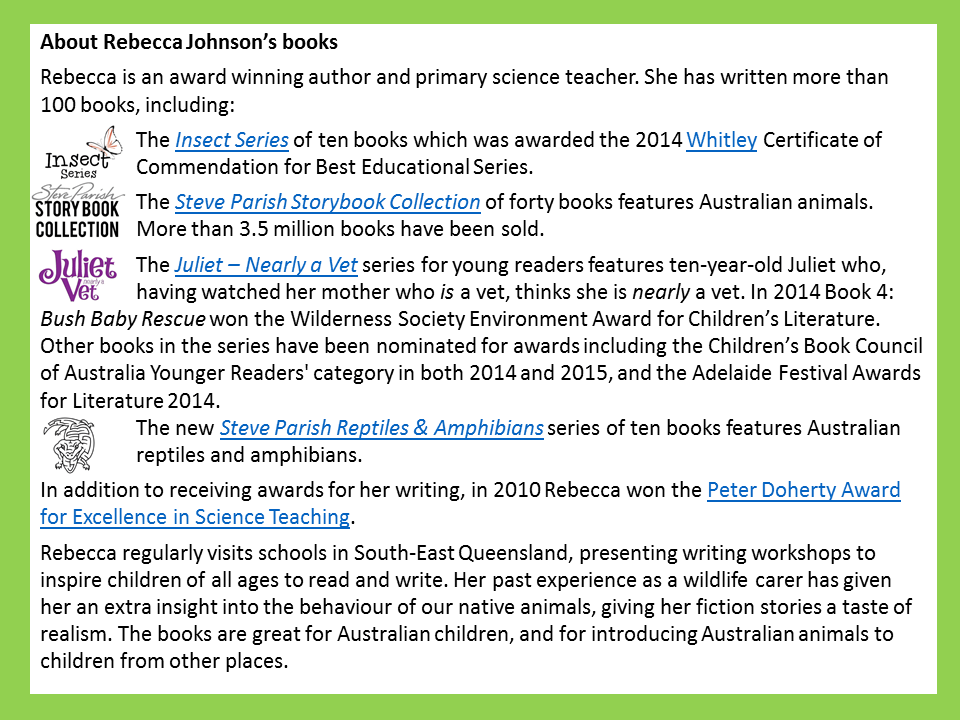
There is no better time than spring to introduce you to Brisbane author Rebecca Johnson and her Insect Series which was awarded the 2014 Whitley Certificate of Commendation for Best Educational Series.
Rebecca Johnson: award-winning author and primary school science teacher
Rebecca’s Insect Series of ten books focuses on metamorphosis, survival, adaptations, properties of natural materials and the usefulness of insects through fiction stories. The stories are accompanied by stunning close-up photos of insects of all kinds.
The books, which won the 2014 Whitley Award for Best Educational Series, have strong listed links to the Australian Curriculum for many year levels. They are a great resource for teaching and learning about insects. The fiction stories that accompany the facts make the learning even more fun. Two free blackline masters support the use of each book. The blackline masters can be accessed on the Blake Education Website.
While the books feature Australian insects and have links to the Australian curriculum, they are loved by children all over the world. I am happy to introduce you to Rebecca and her lovely series of books.
Welcome to readilearn, Rebecca. We are looking forward to getting to know you a little better.
Thanks for inviting me!
When did you know you wanted to be a writer?
When I was reading a lot of picture books to my very young children and could see how much they loved them.
Where do you write? Do you like to be by yourself in the quiet, or do you like to write in a noisy space?
I do most of my ‘writing’ in my head. I think about my stories for ages and pitch them verbally to victims until I am sure I have it all sorted in my head, then I sit to write in my lovely, quiet study overlooking my garden. I encourage children to tell their stories out loud before they write too, because, in my opinion, it is almost impossible to write a good story if you can’t tell one.
What do you use to write – pencil and paper or computer?
Head first. VERY few drafts, then I type it into the computer. I can type a 7000 word novel in a week that is publisher-ready, but I have thought about it and pitched it and sounded it out in my head for weeks beforehand. I hate sitting down all day, and I hate re-doing things over and over even more, so I do heaps of my drafting mentally whilst I do other (fun) stuff like gardening, then by the time I sit down to write, it’s like typing out a movie I know really well. People give you more honest feedback too, when you tell them a story. They feel less nervous about letting you know how they really feel about it. Try it some time.
When is the best time for you to write?
I do my best work from 5am when the house is really quiet. I’m always too tired at night (I still teach three days a week) for anything too creative.
When and where do you get your ideas?
From my life’s experiences as a mother, teacher, child and my own children. I think you have to write about what you know and love.
What gave you the idea for this series about insects?
I am a science teacher and I love insects, and I just couldn’t find the books I needed to succinctly and factually tell kids about the life-cycles and characteristics of insects in a fun way, so I wrote some.
What do you like best about the series?
Kids love them because they are funny and a bit silly, but they are still full of facts and information. I think they remember things better if it is presented in more appealing and humorous way.
What can you tell us about the photographs that illustrate the books?
My sister (Narinda Sandry) took most of them and it was hilarious. We didn’t want to harm any of the insects, so we had to put some, like the mealworms, in the fridge for a while to slow them down to get the shots. I will always smile as I recall the day we sat around a cow pat in a paddock trying to photograph dung beetles before they re-dug themselves in! The old farmer that had let us into the paddock stood to the side scratching his head in disbelief.
How did your feel when you wrote these stories?
I was really pleased when they came out because the photos are just gorgeous, and they were very well received by schools and parents. Winning the Whitley awards was really lovely recognition too.
How do you hope readers will feel?
Hopefully empowered with more information and knowledge, and perhaps inspired to look more closely at the wonderful world of insects and an appreciation of the benefits they bring.
How would you like teachers to present your books to children?
I’d love them to make them part of their science lesson, and even team them with some real insects (like mealworms) to make it all so much more engaging. There are two free blackline masters for each one too, that are designed to be able to be used independently by children in reading groups etc. There are heaps of facts inside the covers, and a glossary of terms, so plenty to learn in each one.
Are there any messages you would like them to discuss?
The main thing is that insects are so important and not just a good excuse to whack something!
Do you have any advice for teachers in their role as writing guides?
As I said earlier….talk before writing as much as you can. It is amazing how hard kids find it to describe something verbally and yet we ask them to do it in the written form all the time with disappointing results.
Do you have any advice for children as writers?
Tell, tell, tell, and don’t be too hard on yourself if it takes a long time to get it right. It took me five years to get my first book published.
What is your favourite picture book? What do you like about it?
I have so many favourites, but Bob Graham’s Greetings from Sandy Beach always makes me laugh out loud, and humour is really important to me in a book.
Who is your favourite children’s author? What do you like about his or her work?
The Lion the Witch and the Wardrobe (CS Lewis). He made me see a movie in my head. I could picture every scene, decades before there was a movie. I remember thinking that one day, I wanted to make a reader feel like that.
Thank you Rebecca Johnson for sharing these insights about your Insect Series and your writing process. We wish you success.
Thank you, and thanks for having me!
To find out more about Rebecca and her award winning books visit her website at rebeccajohnson.com.au. You can find out about and purchase her Insect Series and other books on her website.
This interview and information about Rebecca is available as a printable resource in a new subcategory in readilearnliteracy resources: Author Spotlight. The information may be displayed in your classroom or included in a class book about authors and illustrators.
Hi, and welcome again to the readilearn blog. I hope you’ve had a good week. Thank you for your interest in readilearn. I apologise to those who have experienced difficulty in applying the discount coupon codes at the checkout. Know that I will honour the coupon offer with a PayPal discount refund if your subscription goes through with payment in full. I appreciate your persistence and patience while we improve flow with the payment system. Please contact me if you experience any difficulties.
Getting to know readilearn resources
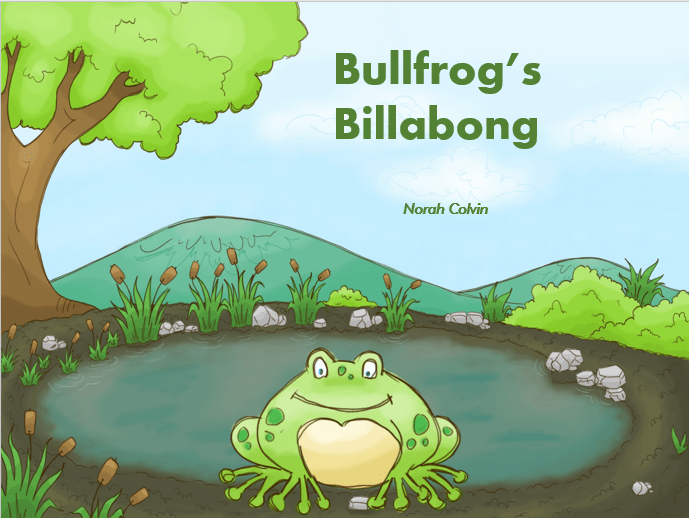
In this post I discuss the Bullfrog’s Billabong suite of resources.
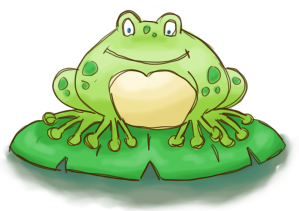
Bullfrog’s Billabong is a cumulative story which takes place at a fictitious Australian Billabong. Bullfrog is the first to arrive at the billabong. He decides it would be a great place to live and makes it his home. Each day, more animals arrive at the billabong. They too think it would be a good home and, after asking permission, decide to stay. Unfortunately, as the billabong becomes more and more crowded, the animals have difficulty in getting along. Their racket attracts another visitor who also sees the potential of the billabong as a home.
The story includes mathematical concepts including counting, growing patterns and days of the week.
The repetitive structure supports children’s reading and encourages them to make predictions based upon obvious patterns involving counting and days of the week. Their knowledge of narrative structure encourages prediction of possible events and conclusion. The end may surprise some children and they may or may not approve of the author’s choice. A discussion of alternative ways to conclude the story could lead to some interesting writing, and an understanding that what happens in stories is a choice made by the author.
While the animals will be familiar to Australian children, the story provides a great opportunity for children from other countries to find out about them too.
I hope you and your children enjoy reading the story and using the resources.
Bullfrog’s Billabong – Covered cloze (This interactive resource for use on the whiteboard is great for teaching effective reading strategies. For best effect, it should be used before any other Bullfrog’s Billabong resources.)
I have been working on new resources to support and complement the existing Bullfrog’s Billabong resources.
This week I have added three new resources to the collection:
Bullfrog’s Billabong – The facts (This information sheet explains what a billabong is and verifies that all the story’s animals may live in a billabong, though possibly not the same one.)
Bullfrog’s Billabong – Days of the week (Use these three sets of printable cards when teaching or revising the days of the week. There are A5 cards for use with the whole class, and smaller cards for use by individuals or small groups.)
I am working on other resources to add to the suite, including presentation of the story as a play. There is also a set of animals to print that can be used to make pop stick puppets for a performance. Watch for these, and others, coming soon.
I hope you and your children enjoy using these resources. I had fun making them and thinking about the responses of children.
Please contact me if you have any questions. I welcome your feedback, especially suggestions for improvements to existing resources and ideas for new ones.
Introductory discount
Remember, if you haven’t yet subscribed, an introductory discount of 20% is available to all who subscribe this year. Just use the coupon code welcome2 at the checkout to receive your discount.
I’ll see you next week. In the meantime, enjoy the weekend.
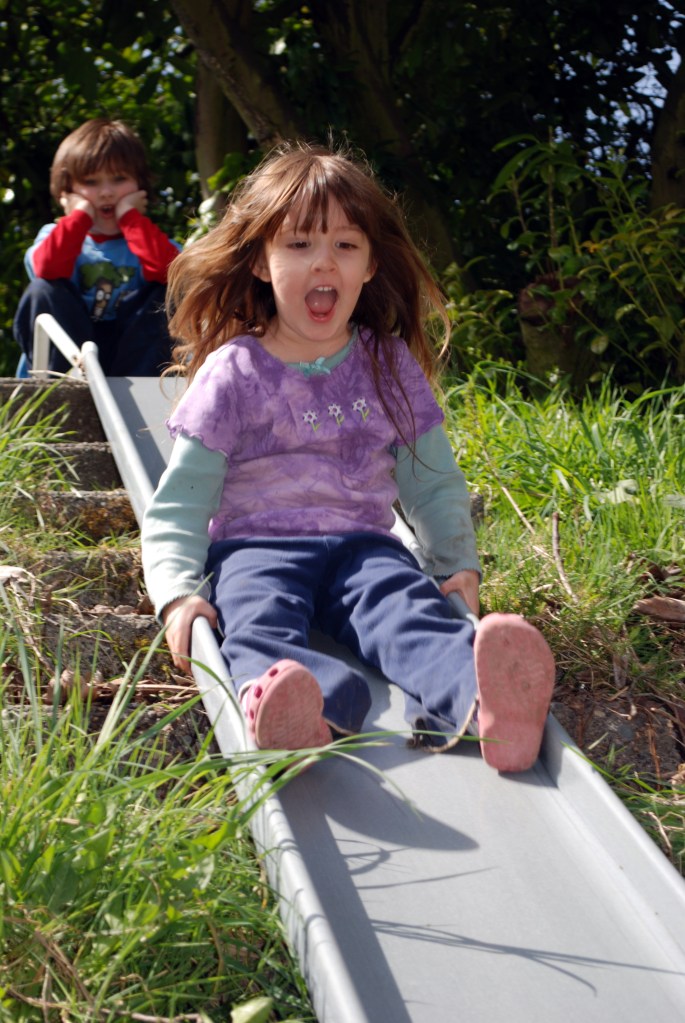
This week at the Carrot RanchCharli Mills is talking about playgrounds. I love playgrounds. Who doesn’t? They are a familiar part of life. Most neighbourhoods have at least one park or playground where children can go to play.
Playgrounds are great places for children to:
Meet other children
Learn to socialize, through sharing of equipment and taking turns
Develop physical skills such as coordination, balance, strength
Develop confidence and persistence, and a willingness to have a go and try out new things
Play imaginatively, on one’s own or collaboratively
Be outdoors in the fresh air and in nature
Be active
Charli suggested we think about empty playgrounds. I thought about the differences between modern playgrounds and the playgrounds of my childhood.
So many pieces of play equipment that were common and popular in “my day” are no more. They disappeared over the years, due to changing attitudes to safety and responsibility. So much of the playground equipment I played on as a child would not be allowed in a playground today.
It got me thinking about the history of playgrounds and playground equipment, and I was surprised to find that playgrounds are a fairly recent invention, little more than 150 years old. This article about playgrounds on Wikipedia states that playgrounds originated in Germany and were attached to schools. The first “purpose built public-access playground was built in a park in Manchester England in 1859.” The first in the USA appeared in San Francisco in 1887.
I was pleased to find that the philosophies of both Froebeland Dewey had been influential in the early days of playground design. I wrote about Froebel, the father of kindergarten, and provided links to information about his works in a previous post Let them Play! My thoughts about education and pedagogy were heavily influenced by the philosophy of progressive educator John Dewey. I previously shared some of his ideas, though not specifically related to play, in John Dewey’s Dream.
Of course I couldn’t write about playgrounds without including something about school playgrounds. I hope that all schools have somewhere for children to run and play at break times. I recently read This is why Finland has the best schools and was impressed to find that
‘schoolchildren in Finland have a mandatory 15-minute outdoor free-play break every hour of every day. Fresh air, nature and regular physical activity breaks are considered engines of learning. According to one Finnish maxim, “There is no bad weather. Only inadequate clothing.””
The benefits to health, happiness and learning must be enormous.
Play at break time can be the highlight of a child’s day. Children may love the opportunity to run and play with their friends in a relatively unstructured, but safe environment. However, it is not so for all children. Some children dislike the freedom, the space, the lack of structure, the noise. Some don’t know how to make friends or how to play.
While it is great for children to have unstructured play time. It is also important to have equipment to support their play, be it imaginative, social, or physical. I have seen many disagreements occur when children have nothing to play with and no ideas for creating games of their own. It seems that many of the games we used to play, before the invention of video games and (cough cough) television, have been lost to subsequent generations. One day I will compile a list!
For now I will leave you with my response to the flash fiction challenge set by Charli at Carrot Ranch Communications. She challenged writers to
She stopped abruptly as her scattered thoughts aligned to focus on the playground gate. As if restrained by an invisible chain, she was motionless. Beyond the gate children called to each other; but never her. She was not welcome, never included. Their taunts stabbed at her emptiness, twisting as they penetrated deep into the chasm within. She’d wait until they’d gone.
Suddenly a child was there, eying her quizzically; then a mother, appraising her, uncertain.
“Miss. Miss. Are you all right?”
“Y-yes,” she said, straightening herself. “J-just reminiscing.” How could a life once empty, be now so full?
Self-determination.
Thank you for reading. I appreciate your feedback. Please share your thoughts.
Responses to a previous post on the importance of feedback suggested that I trial republishing readilearn posts here. As the suggestion came from a number of people I considered it sound advice and worth trying. As always, I will be interested to hear what you think.
The first day of September marks the first day of spring in Australia. It is also recognised throughout Australia as Wattle Day. The golden wattle is our national floral emblem. Its colours give the recognisable green and gold to our sporting teams.
Like the people of our land, it is a plant that shows both diversity and resilience. There are hundreds of species of wattle growing in many different habitats across Australia. They may be seen growing wild in bush areas and national parks, and cultivated in botanic gardens, on footpaths and in home gardens.
I have three varieties of wattle growing in my garden. Last year, when the plants were one-year-old, they flowered abundantly and were home to ladybirds. It was wonderful to watch each stage of the ladybird’s growth, from egg to adult. This year, the trees were more heavily laden with blossoms, but there were no ladybirds. I was disappointed as I was looking forward to seeing the ladybirds again. However, it has been suggested that the absence of ladybirds may indicate the tree is healthier this year. I don’t know.
In Australia we generally refer to seasons as occurring in particular months:
Spring in September, October, and November
Summer in December, January, and February
Autumn in March, April, and May
Winter in June, July, and August.
However, it is not as simple as that. Australia is a land of extremes, with different climate zones and types of weather experienced across the country. It can be cooler in the summers of southern areas than it is the months called winter in the north. For example, the average January (summer) daytime temperature in Hobart is 21.7⁰C, and the average July (winter) daytime temperature for Darwin is 30.5⁰C.
Spring is a great time for exploring the garden and it’s inhabitants. What is spring like where you are?
Getting to know readilearn resources
Also coinciding with the beginning of spring is the Australian Father’s Day, celebrated on the first Sunday in September. It is a day not just for dads, but for grandfathers, stepfathers, and other male carers and role models. It is a day to let them know how much they are appreciated.
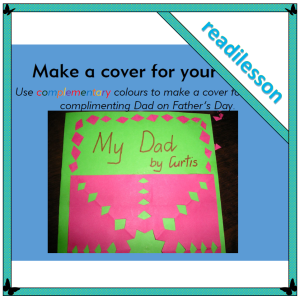
One great way of providing children with a purpose and targeted audience for writing is to get them to make a book for their father figure. I have provided some ideas to get the writing started in the resource How to make a book cover. The resource itself provides step by step instructions for making a cover for a book using complementary colours. The instructions can be displayed on the white board for children to read and follow.
Suggestions for writing include:
A list of statements about their Dad e.g. My Dad goes to work. My Dad makes my breakfast. My Dad has curly hair and a bushy beard. Children write and illustrate one statement on each page.
A recount or memoir about a favourite holiday or activity they do with their Dad.
A series of things about fathers e.g. Some fathers ride motorbikes. Some fathers ride horses. Children finish with a statement about their own dads, for example; But my father rides a skateboard.
A list of things that Dad likes, one to each page.
Five Fabulous books to read for Father’s Day
Guess How Much I Love You by Sam McBratney, illustrated by Anita Jeram
My Dad by Anthony Browne
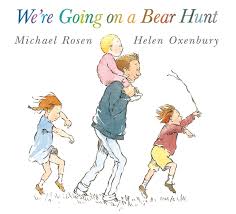
We’re Going on a Bear Hunt by Michael Rosen, illustrated by Helen Oxenbury
Just Me and My Dad by Mercer Mayer
Hey, I Love You by Ian Whybrow, illustrated by Rosie Reeve
Of course, there are many more too.
The readilearn estory The Ice Cream Shop also features an outing with Dad. However, before reading it with your children, decide if you wish to use the interactive covered cloze version with them. If desired, for most effective teaching and learning, the covered cloze should be used prior to any other familiarisation with the story. (You can find information about covered cloze as a teaching strategy here.)
Please contact me if you have any questions. I welcome your feedback, especially suggestions for improvements to existing resources or ideas for new ones.
Remember to use your coupon codes at the checkout to activate your discount. If you can’t see where to enter the coupon code, select “View basket“.
Thank you for reading. I appreciate your feedback. Please share your thoughts.
I thought it was quite timely for me as I had just written a piece about audiobooks. However, I have decided to keep that for posting another day and have instead decided to look at picture books. Regular readers may not be surprised.
Picture books are often a child’s first introduction to stories, poems, fantasy and other worlds. The language of picture books is immensely important and must captivate the ear as the illustrations engage the eye. Through picture books children are learning the sounds of the language: its rhythms and intonations; its accents and pronunciations; its beauty and its meaning.
Many picture books are written in rhythmic, rhyming language and we are quick to note when the timing is a little off or the rhyme not quite right. Successful picture book authors write and rewrite until they get the sound of the language just right for a read aloud experience. Though the words may be few, the task may be difficult. Children, their parents, and teachers are a discerning audience.
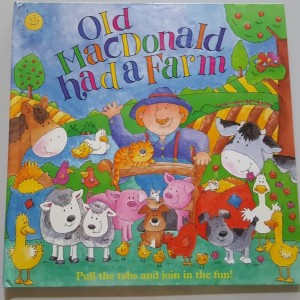
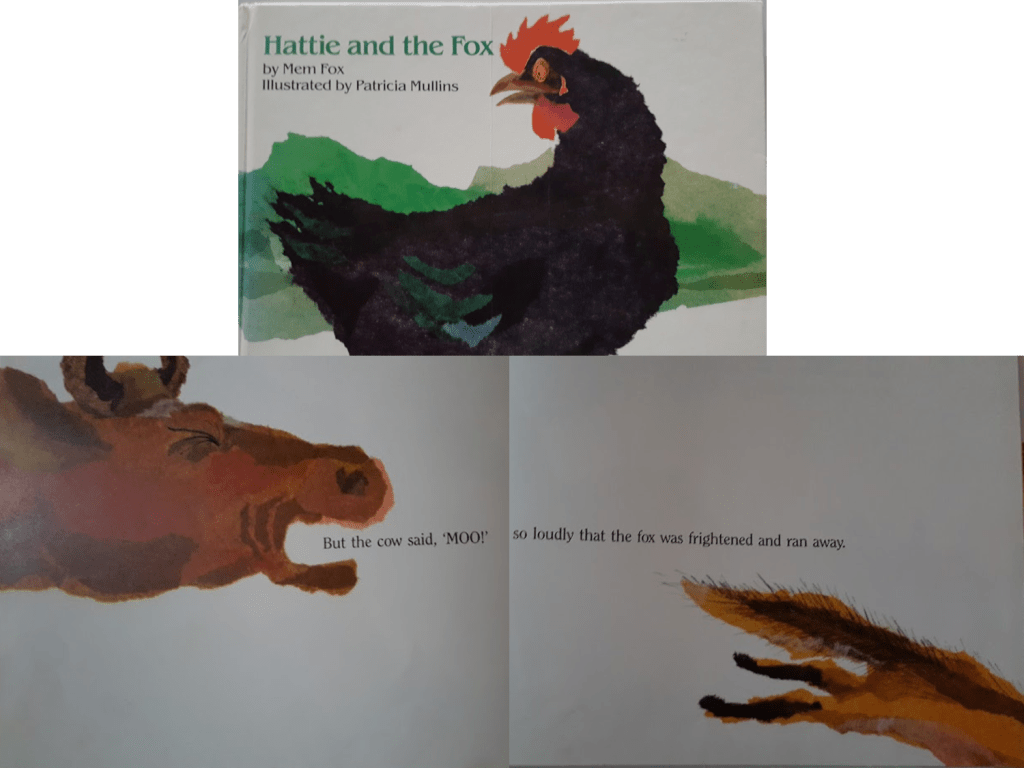
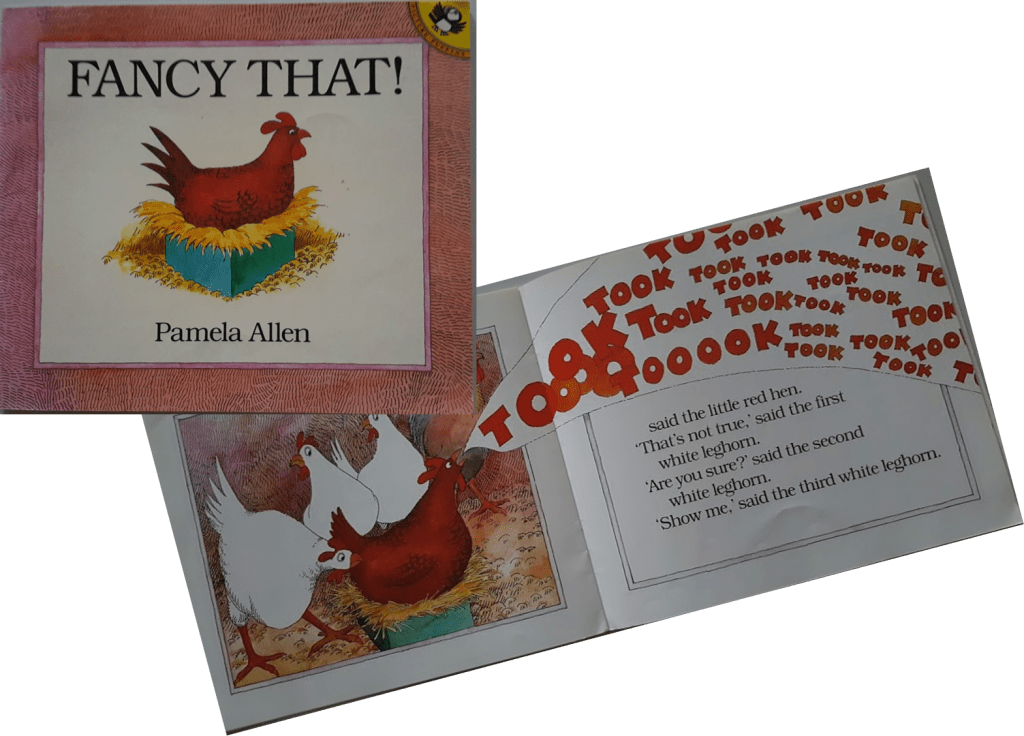
Animal sounds, familiar through songs such as Old MacDonald Had a Farm, frequently occur in picture books, including Hattie and the Fox and Fancy That!
The sounds of machines are also popular. Some of you may recall the song about The Marvellous Toy that “went zip when it moved, and bop when it stopped, and whirr when it stood still.”
The repetitive rhythmic sound of a train’s motion is frequently portrayed, as in The Train to Timbuctu that went
and The Little Engine that Could with its
“I think I can – I think I can – I think I can – I think I can – I think I can – I think I can – I think I can – I think I can – I think I can.”
followed by
“I thought I could. I thought I could. I thought I could. I thought I could. I thought I could. I thought I could.”
A great demonstration of a growth mindset.
There are also the sounds of musical instruments as in Bertie and the Bear.
There are the sounds associated with actions, like the swish of the broomstick and the plop of the hop toad in Old Old Witch;
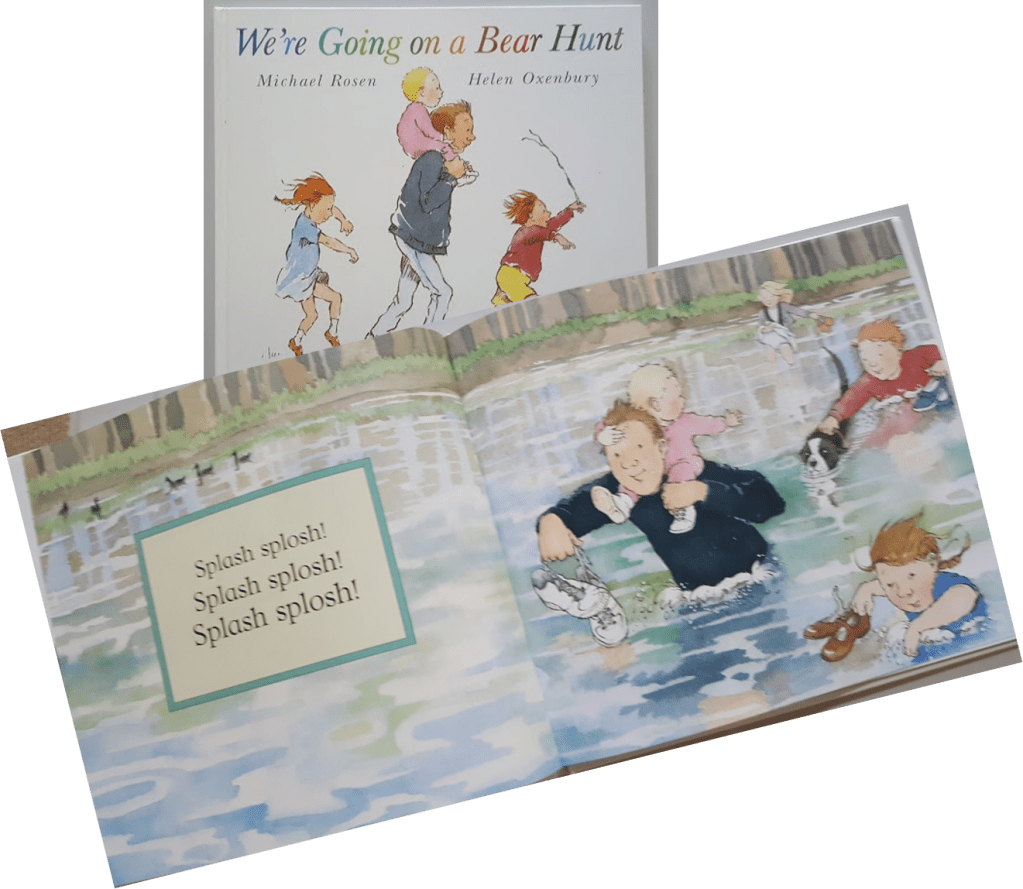
and those from Going on a Bear Hunt with its swishy swashy of moving through grass, splash splosh of wading through water, and squelch squelch of walking in mud.
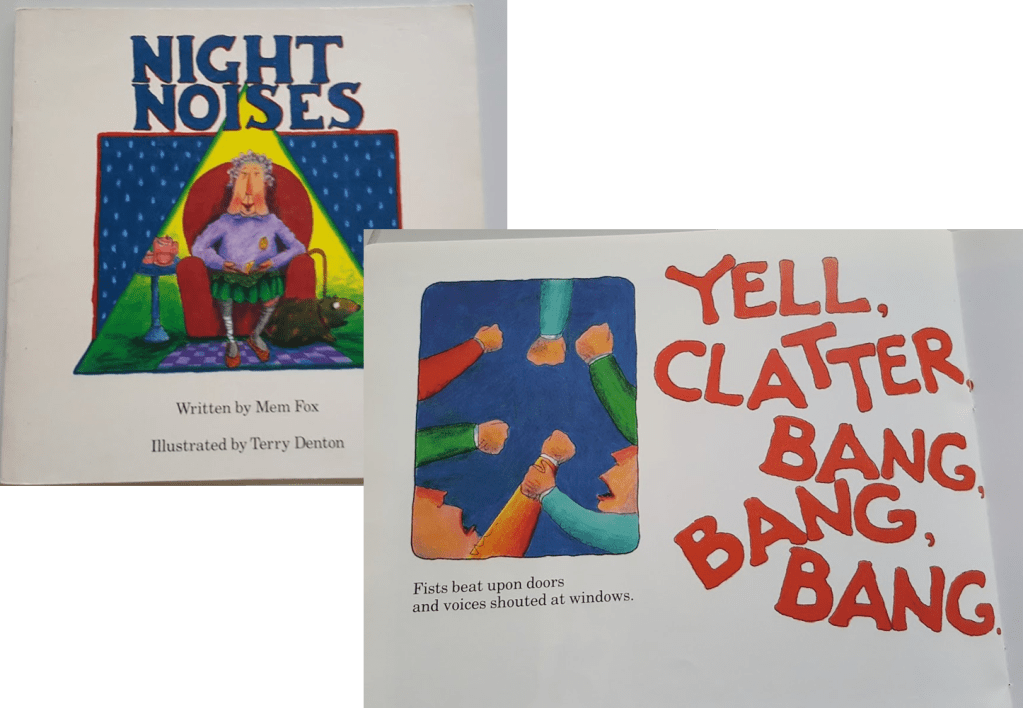
Some stories introduce a variety of onomatopoeic words. Night Noises, about a surprise party for Lillie Laceby who was nearly ninety, includes the click clack of car doors opening and closing, the crinch crunch of feet tip-toeing on a garden path, the murmur and mutter of voices whispering, the creak crack of knees, and the snick snack of bolts on the door.
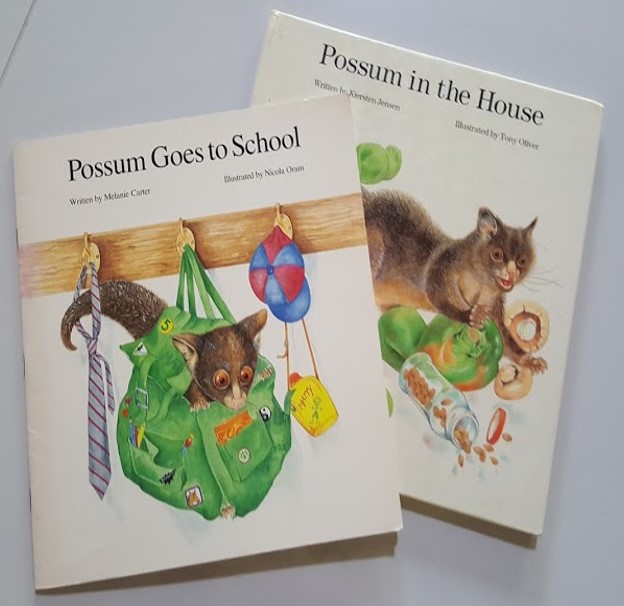
When there’s a Possum in the House or Possum Goes to School, there is nothing but trouble, with possum making a mess at every opportunity.
At home, in the pantry the cornflakes go crunch crunch, in the kitchen the saucepans go clatter clatter, and in the study the pages go rustle rustle. Each time the possum’s whereabouts is discovered, it goes screech screech and runs off to another room to create yet more mess.
The same occurs at school with paints going drip drip in the art room, claws going scratch scratch in the staff room, and the goldfish going splash splash in the science room.
Then of course, there are also the body noises that children seem to take delight in, like those from Burping Baby.
I recently discovered Lauri Fortino’s Frog on a [B]log, a blog celebrating picture books. Lauri has a delightful picture book of her own The Peddler’s Bed, illustrated by Bong Redila. Lauri recently shared a reading of the story on her blog. Since we are talking about sounds, if you have a few spare minutes, pop over and have a listen. You will also find an example of onomatopoeia in her story with the repetition of squeak squeak squeak.
Onomatopoeic words are often presented in fonts of different size or colour, or even different type. Children are fascinated by them, pointing to, asking about, maybe even recognising them, long before they are able to recognise any other words. You can help to get them started by pointing to the words and inviting them to join in the hullabaloo. What a great introduction to the world of reading.
Now that I have reminded you of these types of onomatopoeia and provided you with these wonderful examples, I wonder what I was thinking. How can I match them in my flash? I need a flash of inspiration, or maybe a flash of lightning to begin my story about a mother and child hurrying to make it home before the storm hits. I hope you enjoy it.
The eye of the storm
“Storm’s coming!”
Pit pitter-patter Pat pitter-patter hasten four feet.
Lightning and thunder boom down the street.
“H-h-h-hurry.” Mum urges. “Home – nearly there.”
Pit scuffle-scuffle Pat scuffle-scuffle “Straight up the stair.”
Clink-chink-fumble-fumble “No need to knock.”
Scritch-scratch “I’ve managed – the key’s in the lock.”
Whoosh! chortles wind, as it rushes inside.
Damn! cusses chair chucked onto its side.
P-u-sh! The door bangs! Avoid pellets of ice
Smashing and tumbling like millions of dice.
Rat-a-tat raindrops, another crash-boom!
Shuffle and scurry. “Straight to the safe room.”
Huddled together, hardly daring to breathe,
Listening and waiting for the monster to leave.
…
Then sudden quiet, the child whispers hope
“Is it all over?” Mum answers, “Nope.”
The first fifteen lines meet Charli’s 99 work criteria. I added the last two because I was thinking of the eye of a storm that brings a quiet calm but not the end of the storm – there’s still more to come. I’d love to know what you think.
Thank you for reading. I appreciate your feedback. Please share your thoughts.
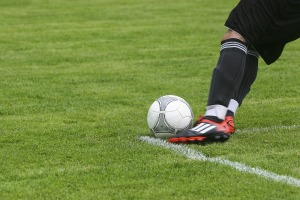
Feedback, whether inherent in the task itself or supplied by another, is essential to learning. This is true whether figuring out what happens when an item is dropped from a high chair (will it always land on the floor; will a carer always retrieve it?), how hard and at what angle to kick a ball to send it over the goalpost; how much a sibling can be antagonised before retaliation ensues; or whether your performance meets expectations.
In almost all of these cases, the tasks are self-selected and the feedback is integral and immediate, enabling the learner to adjust what happens next accordingly. While those conditions may also be true when considering the success of performance; such as our own assessment of our output, it is not always so.
Students and employees may be engaged in tasks that are not of their choosing, which provide little inherent feedback, and are reliant upon feedback from others that may be neither timely nor specific to the learners’ needs. Sometimes the feedback can be unhelpful and hinder, rather than encourage, learning, without any real explanation of how improvement could be made.
As a teacher, I found it necessary for an exchange of feedback between me and my students. This was sometimes supplemented with feedback from carers and other school personnel. How well the students engaged in the classroom, participated in class activities and performed tasks provided me with feedback on my performance as a teacher and provided important information about what to do next, which in turn involved feedback to students.
While feedback is an essential ingredient in any classroom task, one of the most enjoyable for me was the daily journal. Each morning the children would write to me and every afternoon after they had gone home I would read and respond to their messages. The children loved writing these diaries as much as I loved reading and responding to them. Responding was time consuming but I believe it was worth it:
The children had a purpose for writing
Their writing had an audience
They saw writing as a tool for communication
When responding to their writing, I would make neither corrections nor changes. However, I would model correct grammar, spelling and punctuation as I responded to the content of their messages. The children were then able to refer to my comment when writing their next message.
Sometimes the children would tell me about something different each day. Sometimes we would have conversations that could extend over weeks. I always felt it a privilege to have this window into the children’s lives. At the same time, it provided a record of their development as writers.
At the end of the year I would bundle up all of the journals that had been filled during the year and present them to the children to take home. Recently when I was talking to the mother of a child I taught in the eighties, she told me how they had been looking at those journals with his young children who are now at a similar age to his when he wrote them. How gratifying it is to know that they were treasured by at least one family.
When I started blogging, unbelievably, almost three years ago, I had no idea of what to expect. I am a little more knowledgeable now, with thanks to those who provide feedback by reading and commenting. I am very grateful to all who have joined me along the way. The conversations here or on your own blogs are what have made the journey enjoyable and worthwhile.
Now I have a decision to make and I would appreciate your feedback in helping reach it.
At the same time as I have been blogging, I have been preparing early childhood teaching resources for my website readilearn. I always expected readilearn to include a blog and a newsletter. I knew I couldn’t write that additional content alongside posting twice weekly here and preparing new readilearn resources as well. I thought to:
post once a week on the readilearn blog with content written specifically for early childhood teachers rather than general readership.
However, it has recently come to my attention that it may not be possible for readers to leave comments on the readilearn blog, which leads to my quandary.
I enjoy the discussions in response to posts almost as much as writing them; and
I am disappointed when I am unable to “like”, leave a comment on, or share another’s blog post I have enjoyed.
It seems some bloggers are more interested in broadcasting than engaging with a community, but that is not my way.
Newsletters differ from blogs, though, and the readilearn newsletter, which will provide information about new resources, teaching suggestions and other educational content, will “broadcast” and not invite feedback.
How important, then, is it to have a blog that doesn’t invite feedback. I’m thinking that, without feedback, I’ll quickly lose motivation.
What do you think?
When you read blogs, do you look for an opportunity to add your voice through a “like” button, leaving a comment, or sharing content on social media? Is the ability to engage with the writer important to you, or do you simply read?
As a blogger, do you welcome comments and discussion, or is it more important just to get your ideas out there?
Thank you for reading. I am very interested to know what you think and appreciate your feedback. Please share your thoughts.
This week at the Carrot RanchCharli Mills is talking about needs. She questions why necessities sometimes feel like luxuries and why basic necessities, such as drinking water and access to a bathroom, incur a fee. While she is temporarily homeless, she is seeing first hand some of the ongoing difficulties of others faced with long-term homelessness. Surely to be treated with some compassion and afforded the dignity of respect is equally a basic human need and a right.
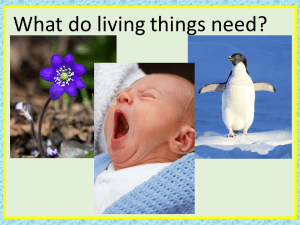
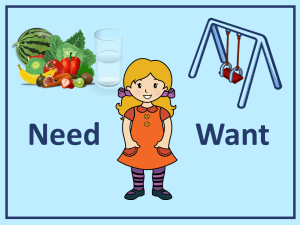
Young children begin to learn about needs when they start caring for plants and animals. In science they learn about the needs of living things and how those needs are met. It is not long before they start to learn about the differences between a need and a want. This understanding, and acceptance, can take a long time to develop. Some never develop it.
Perhaps if there was a greater understanding of the difference between a need and a want, the gap between those who have much and those who have little would decrease. But perhaps not. While there is little increase to basic needs over time, the wants increase exponentially; and the more one has, the more one wants.
If it is difficult for adults to distinguish between needs, wants and must haves, imagine how much more difficult it is for young children. It is possibly even more difficult for young children in an age with frequent replacement of one model for another, one gadget and one gimmick for another; the latest is always the best.
“And you want to be cool like Marco and Christopher?”
His eyes flickered.
“Will you still be cool when they get the next best thing? What about Yin and Amir? Will they still be your friends?”
####
In a recent post Home is where the start is, I wrote about the importance of the early years to a child’s development. I suggested that it is difficult to regain what is missed in those early years. However, as Sarah Brentyn who blogs at Lemon Shark said: it may be difficult, but not impossible to make improvements. Sarah was concerned that parents may not make an effort if they thought it was too late. I agree with Sarah that it is never too late to make improvements. However, it is much more difficult to change established patterns and to make up for lost learning time. Not impossible. Difficult. It is even more difficult for those who have not had their basic needs met.
The parents of the other boy were too poor to do the same for their child. He now suffers from chronic malnutrition, or “stunting”, which affects growth, strength of the immune system, and brain function. According to the article, 1 in 4 children worldwide suffer from chronic malnutrition. The statistics reported in the article are quite confronting, and challenge a privileged view of needs and wants.
After reading the article, it is with some embarrassment that I now admit to a need to be away from the blogosphere for the next few weeks. I will be back intermittently to read and respond to your comments. I apologise in advance for any delay in doing so. Please know that I do enjoy our conversations and appreciate your comments. I will be back to respond to you as soon as I can.
Thank you for reading. I appreciate your feedback. Please share your thoughts.

 At this time of the year, people around the world are preparing to celebrate a variety of holidays. Christmas, celebrated by almost half of the world’s population, is perhaps the biggest holiday of the year. While traditionally a Christian celebration, its focus for many is now more secular than religious and is celebrated by both Christians and non-Christians. Even within the Christian community, there are many ways in which the festival is observed.

























 Norah Colvin