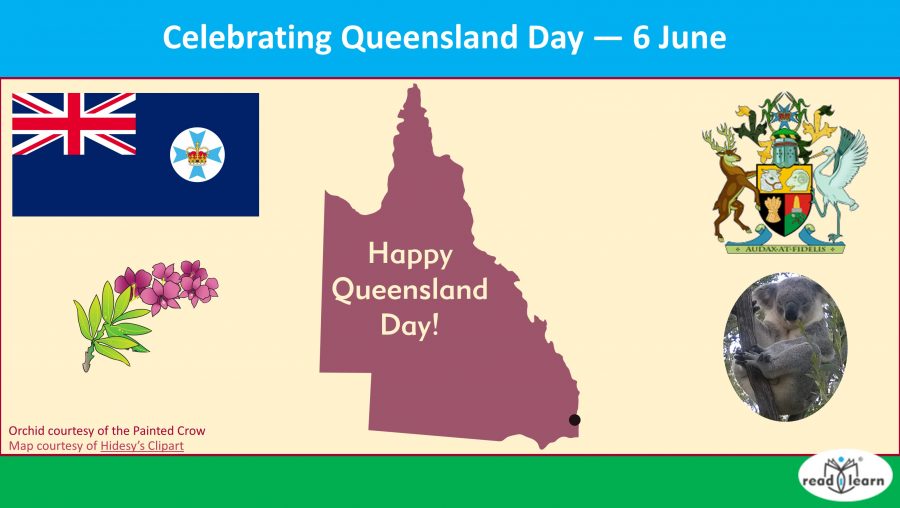
Queensland is my home state and, since we celebrate Queensland Day on 6 June, I thought I’d share a little about my state and its special day.
On 6 June 1859, Queensland separated from New South Wales to become an independent colony. It was awarded this status by Queen Victoria who reigned from 1837 until 1901.
Queensland Capital
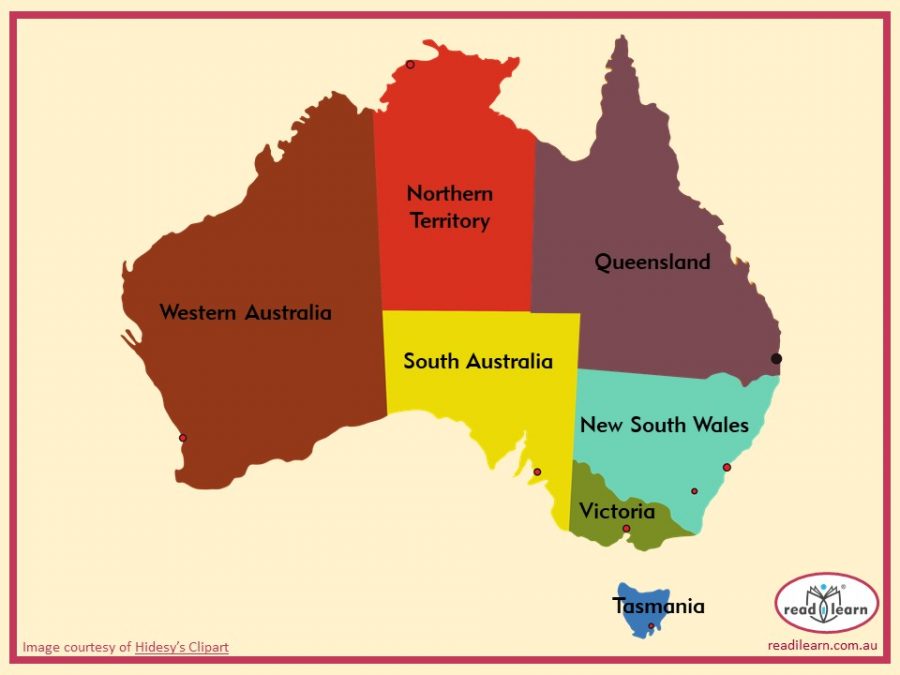
Brisbane, located in the south-east corner of the state, is the state capital.
It’s almost June already and the change of season is upon us. I don’t know how you have felt during lockdown, but for me it has felt like time has stood still and sped by at the same time. Where have those months gone when so much has been put on hold, but teachers have still been working as they learn new ways of teaching and interacting with their students? I hope wherever you are, that you are staying safe and well and finding much to enjoy in life.
In this post, I share some dates in June you may wish to celebrate with your students, whether teaching in the classroom, as most are in Australia now, or online, as some are still doing overseas.
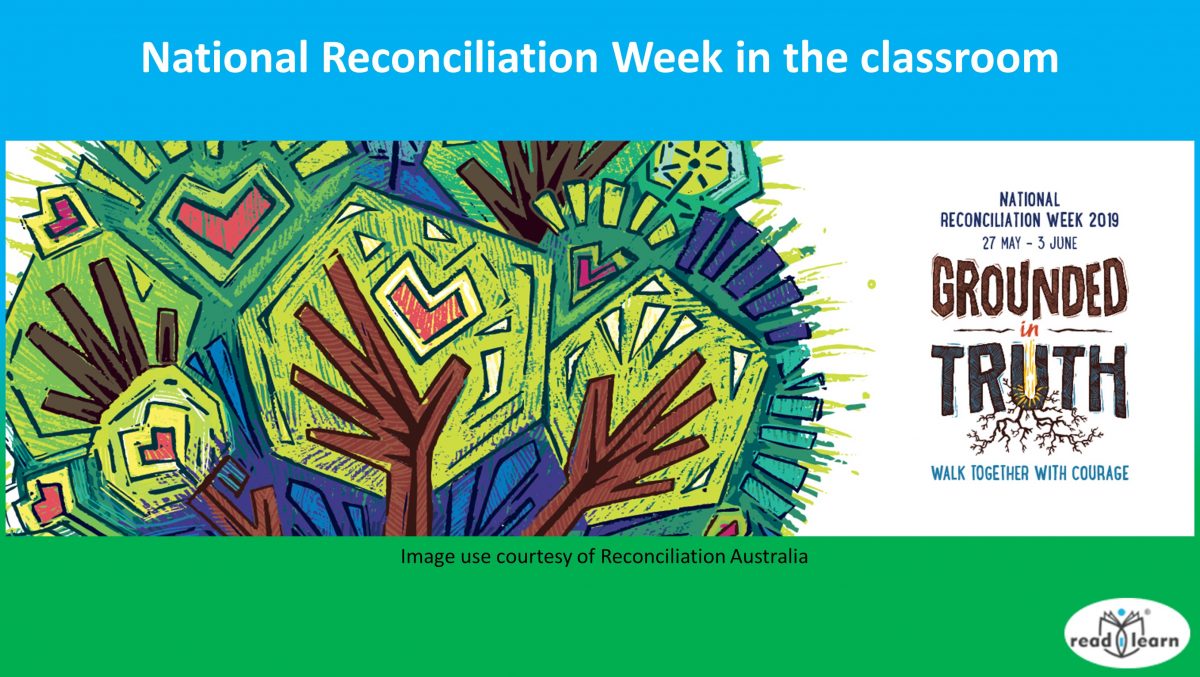
National Reconciliation Week is celebrated from 27 May until 3 June so it’s not too late to join in the celebration now. The aim of the week is to provide “a time for all Australians to learn about our shared histories, cultures, and achievements, and to explore how each of us can contribute to achieving reconciliation in Australia.” For this to occur, “Reconciliation must live in the hearts, minds and actions of all Australians as we move forward, creating a nation strengthened by respectful relationships between the wider Australian community, and Aboriginal and Torres Strait Islander peoples.”
The theme for this year is “In this Together”.
You may wish to refer to the post I wrote last year for some suggestions and a list of picture books to read.
The list of picture books may be downloaded here (free).
World Environment Dayis celebrated on 5 June . The theme of this year’s World Environment Day is Biodiversity with a focus on the ‘interdependence of humans and the webs of life, in which they exist’.
Follow this link to take a biodiversity quiz, find out how you can be involved in the day, and discover a wide range of projects for engaging children in activities that promote environmental awareness and action.
An understanding of number is crucial to navigating our complex world. It is something we use everyday whether we are aware of it or not. From things as seemingly simple as matching the number of socks to our number of feet, to scheduling our day, through to more complex activities like balancing our budget, an understanding of number and mathematics is involved.
It always saddens me when people say, ‘Oh I can’t do maths’, especially when those people are young people. I think a lot of the inability and fear was learned. I know it was for me. Perhaps that is why I am on a mission to make learning in maths enjoyable and meaningful. It doesn’t have to be fearfully abstract and complex if we build strong foundations in the early years.
There are already well over one hundred mathematics resources in the readilearn collection, and this week I have added three more. Two of the resources are interactive lessons ready to teach on the interactive whiteboard in the classroom or, for those still teaching online, via screen sharing software. The third is a printable resource. All support your teaching and are open-ended and adaptable to the needs of you and your learners.
Repeating Patterns
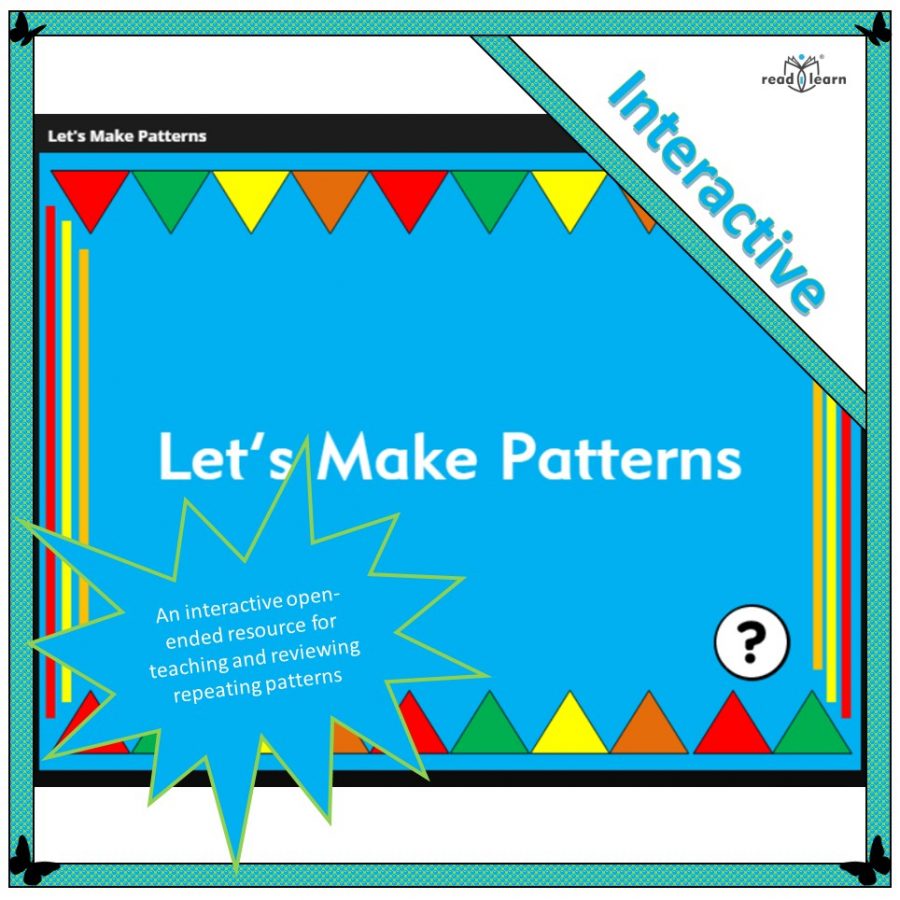
Let’s Make Patternsis designed for teaching and reviewing repeating patterns on the interactive whiteboard. Patterns are an important part of mathematics. Learning about patterns with objects helps children understand the patterns upon which our decimal number system is based.
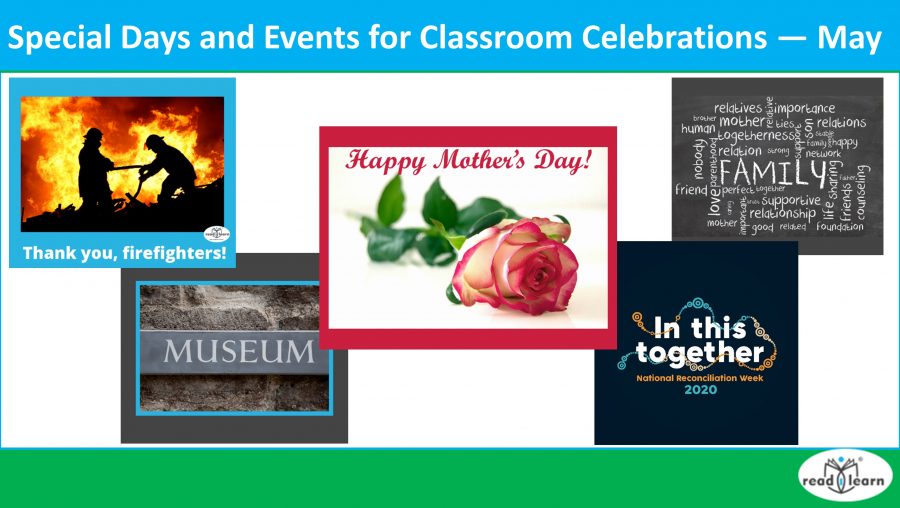
May is almost upon us so I’ve put together a list of days and events that you may like to celebrate whether you are teaching in the classroom, online or at home.
Before I present the list though, I’d like to let you know that readilearn interactive lessons, of which there are over 70, are ready for you to teach in any of those circumstances in which you find yourself. While they were designed to use on the interactive whiteboard in the classroom, you can use them if you are teaching online using screen sharing software such as Zoom. I’ve made a video to explain.
Now let’s check out these days to celebrate in May. You may read them below or download the free list here.
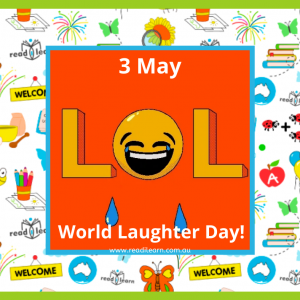
World Laughter Day is celebrated on the first Sunday in May, which is the 3rd this year. There is no denying that we could all do with a little more laughter in our lives. While we may not be able to gather together to laugh in large groups this year, there are still many ways we can find to add laughter to our day. We could have a laughter get-together online, watch a funny movie or videos of comedians. What will make you laugh on World Laughter Day?
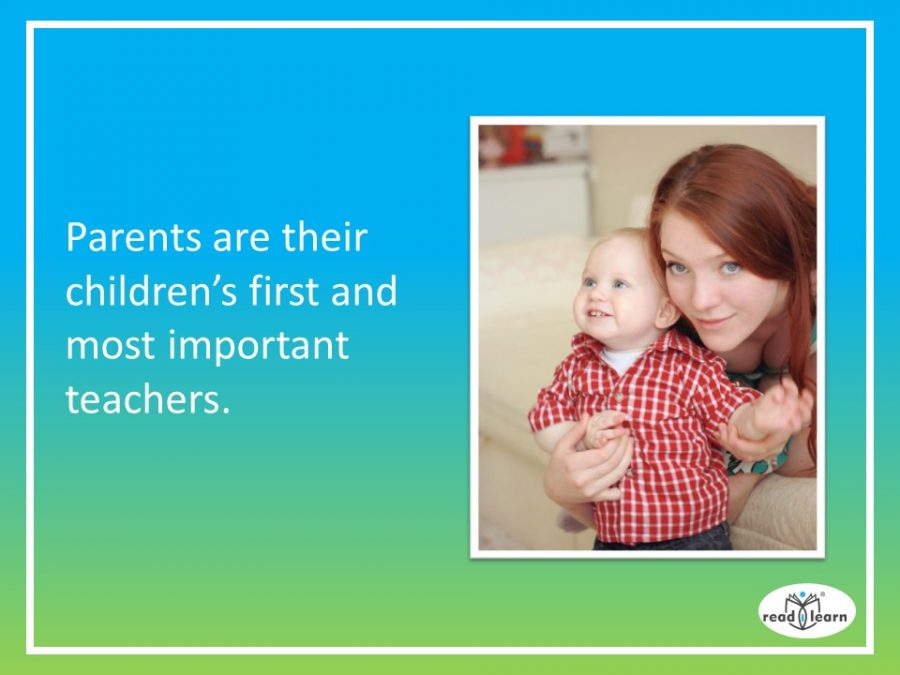
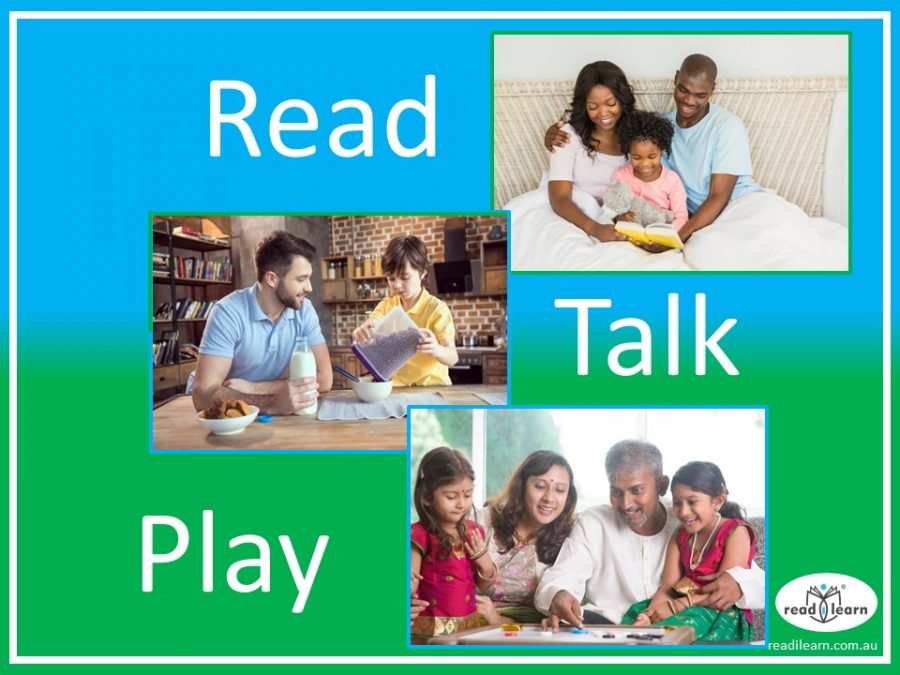
Not all learning happens in school. It has always been that way. While teachers are responsible for children’s learning of curricula, and held responsible for more than they really should be, parents have always been their children’s first and most important teachers.
It is in those years before school that children learn many of their attitudes to life and learning, develop language and, hopefully, a love of reading. It is parents who are the primary influencers in the early years. And that doesn’t change once they start school. Ask any teacher.
Now that many schools are closed and parents are required to support their children’s learning at home, many parents are feeling anxious and lacking in confidence about their ability to do so. It is understandable when, for so long, it has been the expectations that, at age five or six, parents will pass over the responsibility for their children’s academic progress to teachers.
Parents, you’ve got this.
Parents, I say to you, for these, hopefully, few short months out of school, you’ve got this.
The situation for us at Easter this year is very different from any we’ve experienced before and, hopefully, are unlikely to experience again. Wherever you are, I hope you are able to find some joy in the traditional Easter message of hope.
I have uploaded three new resources this week to add to the readilearn Easter collection. As my Easter gift to you, I have made these three new resources available free until the end of April. Many other free resources are also available in the collection. Please enjoy!
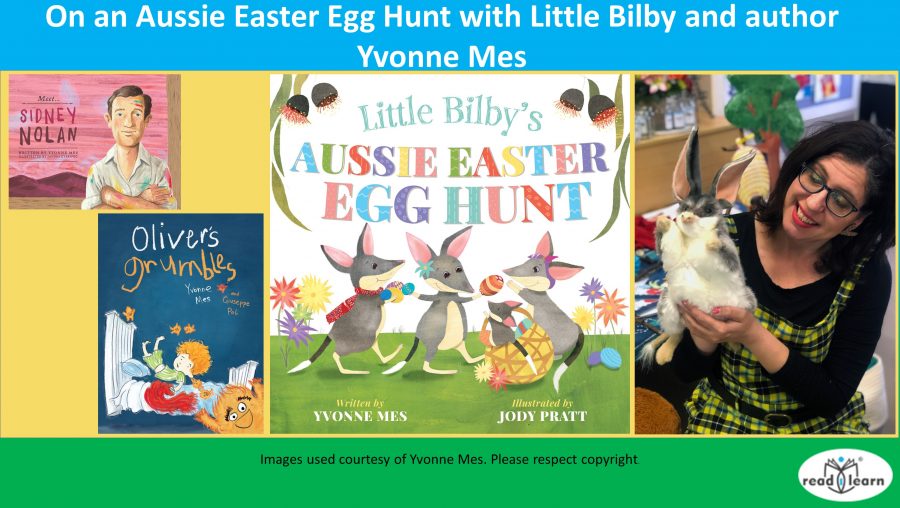
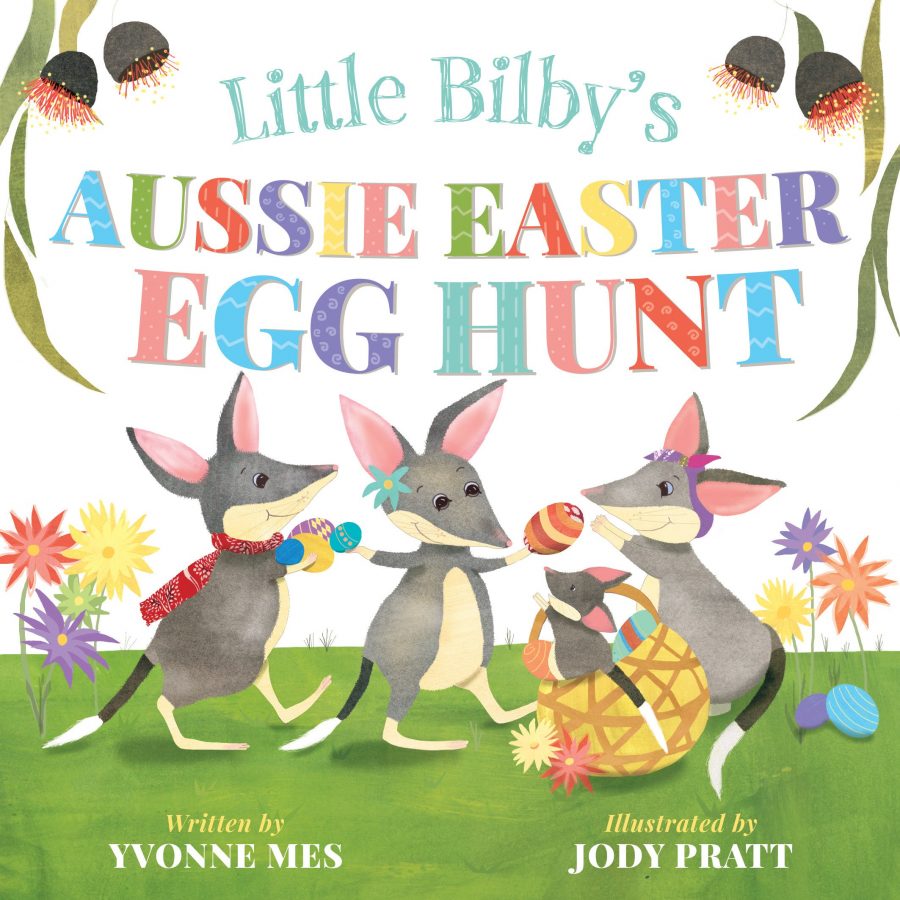
Today, it is with great pleasure that I introduce you to Yvonne Mes and her delightful new picture book Little Bilby’s Aussie Easter Egg Hunt.
About Yvonne Mes
Yvonne Mes is a children’s author and illustrator from Brisbane. Her latest picture book is Little Bilby’s Aussie Easter Egg Hunt. Other picture books by Yvonne are Oliver’s Grumbles (Yellow Brick Books) and Meet Sidney Nolan (Penguin Random House).
Yvonne coordinates Brisbane based writers’ group, Write Links, reviews children’s book for KBR (Kids’ Book Review) and runs No Nonsense Critiques. She buys more books than she can read, comes up with more ideas than she can write or illustrate and has more children than she can manage. But she does try very hard, and best of all, she is NEVER bored.
About Little Bilby’s Aussie Easter Egg Hunt
Near bush and scrub and oceanfront, they tiptoe on their Easter hunt . . .
A group of baby bilbies are on an Easter egg hunt. They find all kinds of eggs – a kookaburra’s egg, a turtle’s egg, a cassowary’s egg – before the little bilbies finally find what they’ve been looking for: Easter eggs to share with all their friends.
This colourfully illustrated picture book showcases the diversity of Australia’s egg-laying animals. Each spread reveals an egg in its natural environment and asks the question ‘Whose egg could this be?’. After turning the page, the egg is matched with the animal it belongs to.
Why I like this book
Little Bilby’s Aussie Easter Egg Hunt, gorgeously illustrated by Jody Pratt, is a fun story that is sure to delight young children as they go on an Easter egg hunt with Little Bilby, finding eggs that belong to others before they find the eggs that they can share.
If they are not already drawn in by the sparkles on the front cover, children will love the rhythm and rhyme and join in with the repetitive text as they seek and find eggs belonging to Aussie egg-laying animals, kookaburra, turtle and cassowary.
We are only a quarter into the year but it seems so much longer with so much happening and situations changing constantly. While the situation will be far from business as usual for most of you, I will try to keep this post as close to usual as possible.
Whether children are at home or at school, their learning must continue. readilearn supports you with lessons and activities that focus on progressing children’s learning rather than simply keeping them busy. With resources easily affordable, and many of them free, readilearn is good value for teachers or parents working with children aged 5 – 7. If you feel yours is a special situation which places this low-cost resource out of your reach, please contact us.
April Fools’ Day
Be careful on 1 April as it is April Fools’ Day and tricksters and pranksters are about. Be on the lookout for fake news stories and all sorts of jokers trying to trip you up. Who will you trick?
My passion is education in general with a focus on the education of young children. The development of literacy is a major part of that. Much of one’s success in life depends upon being literate. Literacy is recognised by the United Nations as a basic human right. Anything that impedes a child’s ability to learn to read and write violates that right.
Being literate is not only empowering, it can be a source of joy and escape. A literate population requires access to books of all kinds so that readers can choose materials relevant to interests and purpose.
I fail to see any sense behind decisions to have school libraries without trained teacher-librarians, or indeed, to close school and public libraries. I was incredulous when I learned that new schools were opening without a library, let alone a teacher-librarian. In my opinion, the library should be the hub of the school. I am happy to say I am not alone in that thought.
But the idea needs more support. Fortunately, there is at least one Australian politician who agrees.
As reported on the SCBWI blog, NSW Member of Parliament David Shoebridge says that “libraries should be the heart of every school and that investment in school libraries is essential!”
In the next sitting of Parliament, he is moving that “every public school student in NSW has access to a quality school library and a qualified teacher librarian.”
If only we could get all MPs in every state to support the same movement for all our children, in every state, in every school.
Last week I wrote a story about a library cat. It was well received so I decided to write another episode this week.
Rainbow Cat clawed through the rubble. One by one she pulled out the survivors — Little Red Riding Hood, Little Miss Muffet, The Gingerbread Man; even Wolf who promised to behave.
“Where are we going?” squealed the Three Little Pigs as they piled onto the bus.
“Where children will love us, like before.”
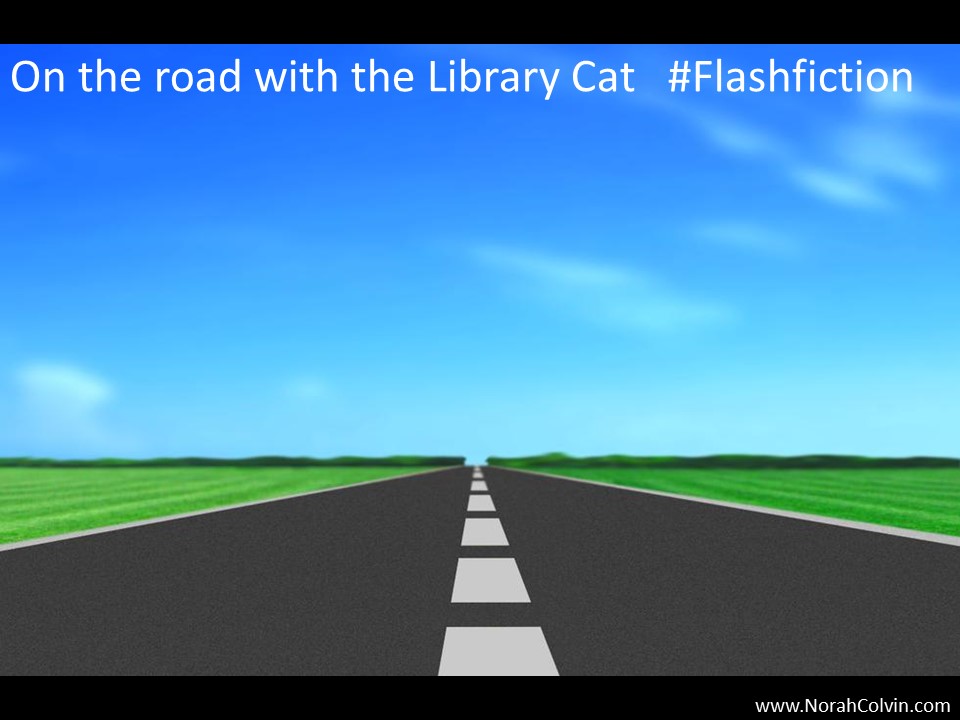
For many, this was their first time beyond the covers of a book. As the bus roared down the open road, they peered through the windscreen and out the windows, dreaming up new adventures yet untold.
Spontaneously, they burst into a chorus of On the Road Again.
Thank you for reading. I appreciate your feedback. Please share your thoughts.
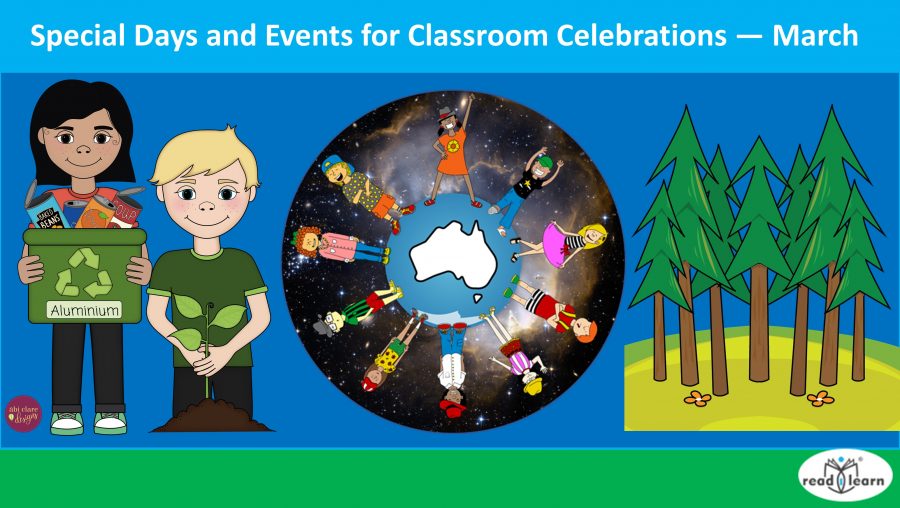
As we step into March, here in the Southern Hemisphere, we are looking forward to some cooler weather and a reprieve from summer’s heat as autumn begins. In the Northern Hemisphere, many will be looking forward to springtime and warmer days.
Things to do in March
Regardless of your location, March is a good time for discussing the seasons and observing changes in the environment.
Records might include observations of changes in:
plants (remember this is the International Year of Plant Health so add that to your discussions)
animals
the weather including temperature
their own activities
the clothing they wear
the foods they eat
Records could be made using photographs, artworks (including drawing, painting, collage) and words.
The first of March is Clean up Australia Day. The website provides useful information to assist each of us to be proactive in eliminating waste and reducing pollution. Each section in helping us to ‘Clean Up Our Waste’ explains the problem and suggests actions we can take. Whether large or small, every action makes a difference. Why not encourage your students to employ positive actions for the environment.
The website also lists ways individuals, schools and communities can become involved in cleaning up Australia on Sunday 1 March. (Clean Up Schools Day is today, 28 February.)


















 Norah Colvin