In this post, I share suggestions for easy, fun and inexpensive activities you can do with family and friends of all ages over the holiday period. Most of the suggestions aren’t new but are simply reminders of easy ways to have fun together that are often forgotten during hectic preparations and celebrations. They are great for the lull times and the ‘What can we do?’ times. Enjoy!
A — Acrostic
Write an acrostic poem for yourself. Each person writes their name vertically and writes a word or phrase about what Christmas means to them for each letter.
For example, here’s one for me:
Naughty or nice? Why, nice of course.
Opening gifts — loving the look on recipient’s faces
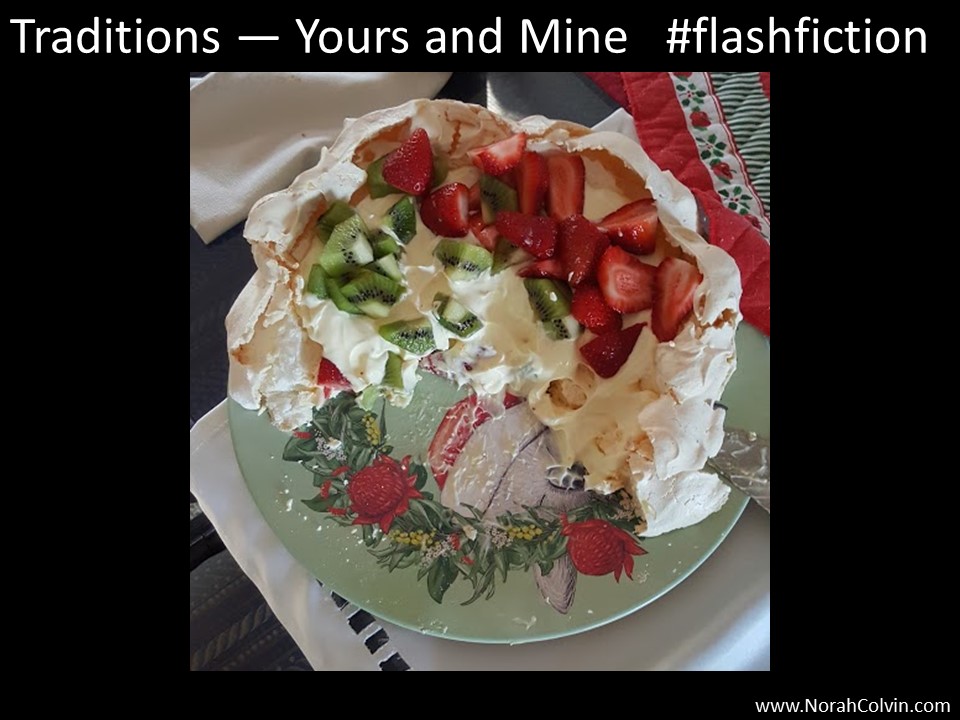
Recipes for celebrating — pavlova, everyone’s favourite
All the family together playing games and having fun
Home is the place to be.
B — Book
Everyone choses a favourite book, perhaps one received for Christmas, and reads uninterrupted for half an hour (or more!).
This is a wonderful opportunity to help everyone get to know a little more about each other, or it would be if we were sharing actual, as opposed to fictional, traditions, which some might of course.
I think learning about each other’s traditions is a valuable way to get to know each other, to expand our knowledge of the world’s people and develop understanding and empathy. It was for this reason that I created several resources for the readilearn collection that help children get to know each other.
One of the main resources for this purposes is a unit of work called Family Traditions and Celebrations. It includes worksheets and surveys to help children learn about the traditions of their own family as well as of other families.
When I was implementing this unit in my classroom, I was surprised that third and fourth generation Aussies thought they didn’t have any traditions to write about, that theirs were nothing out of the ordinary. That changed when I explained that every family has its own traditions and its own way of interpreting the traditions of the wider community. Sometimes, those traditions are secret.
I recently watched a video in which Australia’s popular Coronavirus medical spokesperson explained his family’s secret tradition of Christmas celebrations when growing up Jewish in Scotland. It’s an interesting story, particularly when his family discovered they weren’t the only ones with a secret.
Sadly, I can’t find a way of sharing the video here, but it can be viewed on Facebook.
And if you’d like to know a little more about the man, you may enjoy this interview.
Some traditions may be passed down through generations. Other traditions may change, be abandoned or introduced as families change, combine and grow.
When my children were growing up, we had a quiet Christmas day at home with only us. We would just hang out together (I can’t say ‘chill’ when we sweltered on most Christmas Days), eating and playing board games. We would visit with family and friends on other days, but not on Christmas Day.
This tradition continued when they grew into adulthood and even when they brought partners to share our day. The tradition was interrupted when the grandchildren arrived, and they required a different sort of attention and were too young to play the games. They are now old enough to play so the tradition is re-established.
However, our celebration has now changed from Christmas Day to Christmas Eve (for this year anyway) to accommodate the needs of other families (in-laws) and the grandchildren have decided we need a new tradition.
Last Christmas Eve we celebrated here with both our children, their partners and our two grandchildren. We had a Christmas lunch and an afternoon of playing board games and having fun in the pool. After tea (the evening meal), we opened our gifts. And then the fun began — a wrapping paper fight. Perhaps I should say here that the fight was initiated by Hub, perhaps the biggest child of them all. Everyone scrunched up balls of wrapping paper and threw them at each other. The children thought it was amazing fun and they want to do it again this year. And why not? It won’t elicit the same feelings as the lovely tradition shown in the following video, but it’s a great indication of our family that loves to have fun together.
I think the only one who wasn’t so keen on the activity was the housekeeper who was still finding balls of wrapping paper behind and under furniture six months later. Perhaps she should have done a better job earlier on! 😊
Thanks to Jim Borden for alerting me to this wonderful video.
So, now it’s time to share my response to Charli’s prompt. I hope you enjoy it.
Out with the Old. In with the New.
Lizzie pressed her lips together and shook her head.
“Come on,” said Mum. “Just a little bit.”
“No!”
“Try it. You’ll like it.”
“I won’t.”
“You can’t have dessert, until you eat your veg.”
“Dessert first. Then veg.”
“We don’t do it that way, Lizzie. Veg first, then dessert.”
“No! Dessert first!”
“If you have dessert first, you won’t eat your veg.”
“Will so.”
“Promise?”
“Promise.”
Lizzie ate her dessert. Then she ate her veg. A promise is a promise.
Now, when Lizzie’s children’s friends ask why they always eat dessert first, they shrug. “Dunno. Always have,” they say.
Thank you for reading. I appreciate your feedback. Please share your thoughts.
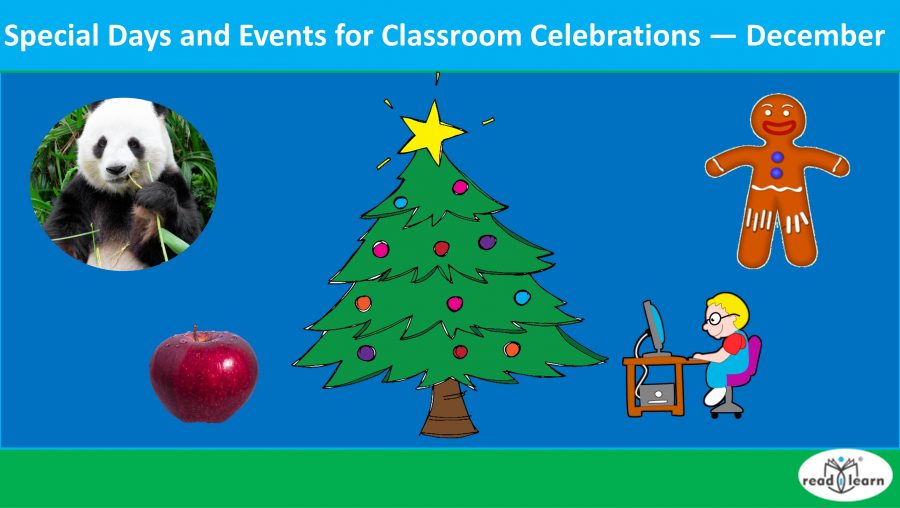
Here it is December already, the final month in a year unlike any other. We can only hope that things improve as we leave this one behind and step into the new year. But for now, I have some December days and events you may wish to celebrate with your children whether at home or at school.
Eat a Red Apple Day on 1 December is the perfect time to remind ourselves to eat healthy food, particularly as the party season is just beginning. It is also the perfect time to thank teachers for all the hard work they have done during the year.
International Day of People with Disabilityon 3 December aims to develop an understanding of disability, promote respectful ways of relating to those with a disability, and create an awareness of the benefits of an inclusive society that takes the needs of people with a disability into consideration. “Disability Day is not concerned exclusively with either mental or physical disabilities, but rather encompasses all known disabilities, from Autism to Down Syndrome to Multiple Sclerosis.”
When shopping recently, I was reminded of how difficult it can be for some to carry out everyday tasks that most of us take for granted, and how far we have yet to go to be fully inclusive.
December is packed with excitement for children in Australia. It marks the end of the school year and the beginning of the long summer, often called ‘Christmas’, holidays and, of course, Christmas itself.
Once final assessments for the year are done, it can be difficult keeping children focused on learning when their thoughts are turning to imminent adventures.
However, it needn’t be so, and here at readilearn we have a variety of lessons that keep the children learning while having some Christmas fun.
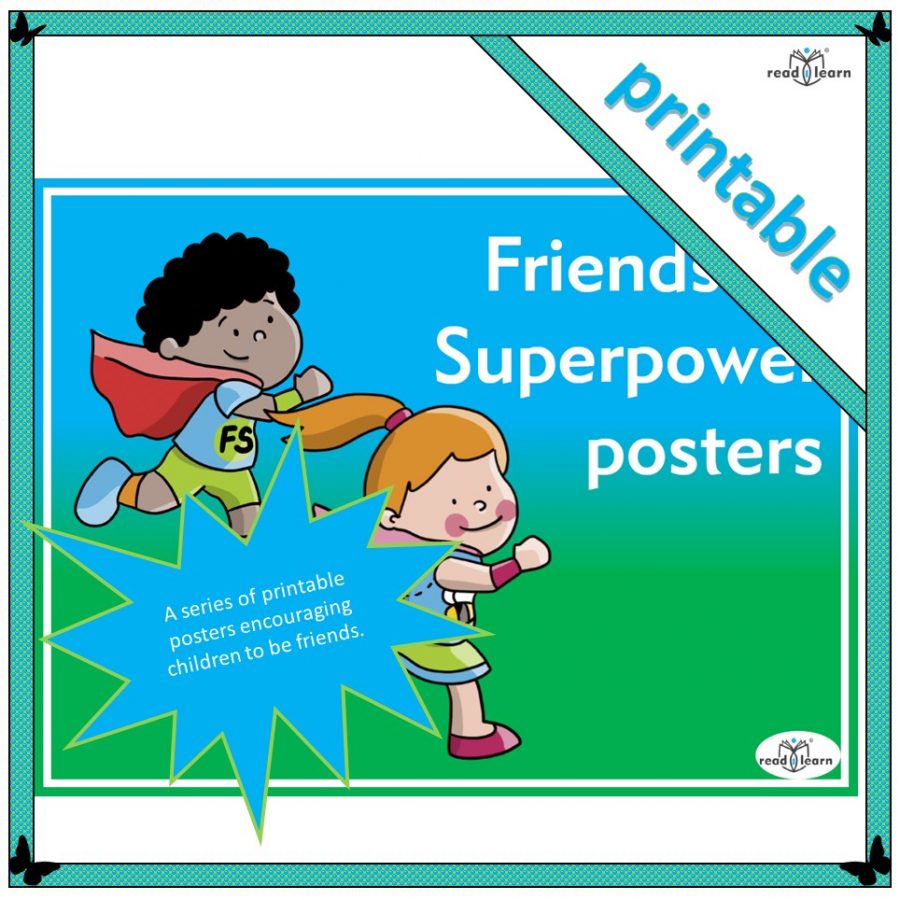
For me, the real meaning of Christmas is being kind and generous in spirit. But of course, those values are not confined to Christmas and hopefully children have been developing their friendship skills and ability to get along throughout the year. Maybe you’ve used some of the readilearn friendship skills lessons to support their development.
Who celebrates Christmas?
Before you dive into Christmas activities, a survey will help you find out which children in the class do and do not celebrate Christmas. While you will already have an idea of which children do, it can be an interesting way to begin the discussion of different cultural traditions celebrated by children in your class.
The main ingredient in any of these discussions should always be respect, and it is important to find ways of making classroom activities inclusive. A generosity of spirit develops when we see that what we share is more important than the ways in which we differ. Learning about each other is an important way of developing understanding.
Another month down. While I’m not wishing time away (I think most of us would always like more of that), I’m hoping that, as we step into this last quarter of 2020, we are stepping closer to a world free of restrictions, lockdowns and Covid-19. I’m sure you are all with me on that.
October begins in a wonderful way with World Smile Day on the first Friday in October — this year, 2 October. The day is a great reminder to spread smiles and share kindness with others. One of the best ways to spread smiles is by having an open heart and being friendly towards others.
Here at readilearn, we have many resources you can use to teach your children friendship skills and encourage them to get along with each other. Resources include:
September has almost arrived, bringing spring to the Southern Hemisphere. I always enjoy spring when the world seems to brighten, and gardens fill with flowers, insects, birds and other small creatures. The days are pleasantly warm and don’t yet have the stinging heat of summer.
I hope wherever you are and whatever season you are in, you enjoy it too and that you find this list of September days and events useful.
Before we get into September days though, I want to share with you the sad news that Sir Ken Robinson passed away on Saturday 21 August after a brief battle with cancer.
Sir Ken has been an education hero of mine, and of millions of others around the world, since first hearing his TED Talk Do Schools Kill Creativity? Recorded in 2006, it is the most popular TED Talk of all time. This tribute in The Washington Post written by Valerie Strauss provides an overview of his career and impact on educational thinking.
To honour this great man, I again share his influential video on schools and creativity. It can never be shared or viewed too often.
He may be gone, but never forgotten, and greatly missed. Thank you for your contribution to making this world a better place, Sir Ken Robinson.
On Monday 24 August, readilearn will be four years old, and what an amazing four years it has been — one day, one week, one month, one year at a time. We haven’t been without our hiccups, but we haven’t been without our successes either. I express my sincere gratitude to everyone of you who has supported me along the way. Rest assured, the journey is not over yet.
About Norah, founder of readilearn
For those who don’t know, below are #12 things about me that preceded and contributed to the establishment of readilearn, a collection of teaching resources to support teachers of the first three years of school.
Education is my life, my passion, especially literacy development and the education of young children.
I decided at age 10 that I wanted to be a teacher. That desire has never waned.
When I left school, I went straight into teachers’ college, and from there back into the classroom, but on the other side of the teacher’s desk.
I wasn’t always happy with everything that was expected of me as a classroom teacher and read widely about education and alternatives to schooling.
I undertook further study into language and literacy development.
It’s August already and we are starting to see a change in the seasons. Here in the Southern Hemisphere we are getting ready for Spring, while in the Northern Hemisphere, you are maybe hoping things will start to cool soon. Wherever we are, it seems the uncertainty caused by the pandemic still has us in its grip. I think I’d probably be right in saying that we’d all like that to change, and soon.
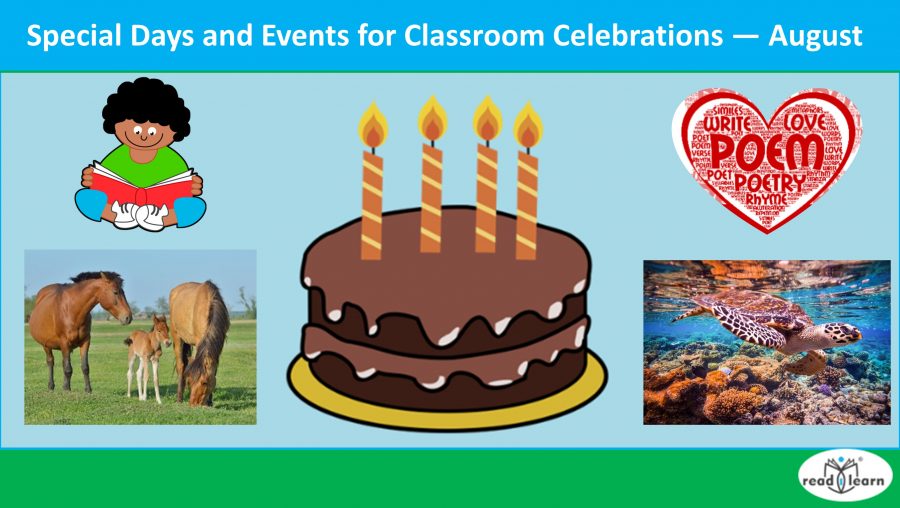
The help lighten your workload and inject something a little different into the routine, I’ve listed some special days and events you might like to celebrate in the classroom this month.
The MS Readathon runs throughout the month of August. The purpose of the MS Readathon is to encourage children to read and, at the same time, raise money to help kids who have a parent with multiple sclerosis. Teachers can register their class or children can register individually. Find out more and download some great resources from their website.
The Horses’ Birthday is celebrated on 1 August in the Southern Hemisphere. Horses born after 1 August in will be considered one year old on 1 August the following year.
In the Northern Hemisphere, 1 January is recognised as the horses’ birthday. The dates are chosen as most foals are born in late winter.
Why not celebrate with a carrot cake, or give your favourite horse a carrot treat?
Children may enjoy discussing the question, “What if we had a people’s birthday, and celebrated everyone’s birthday on the same day, regardless of when they were born?”
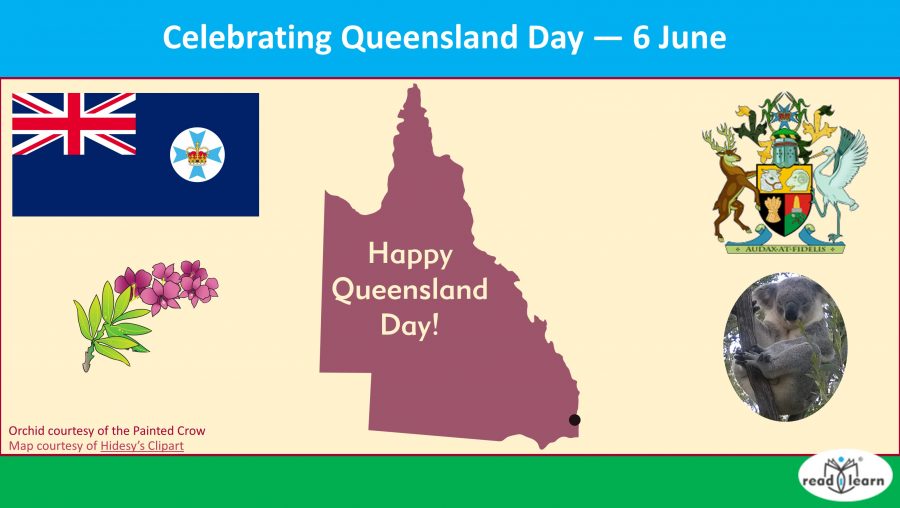
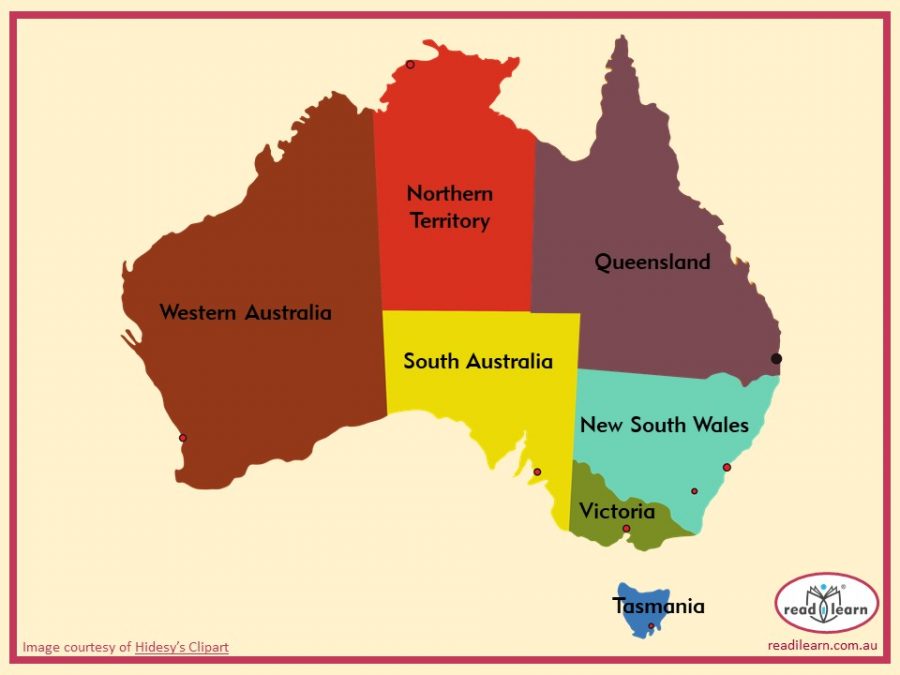
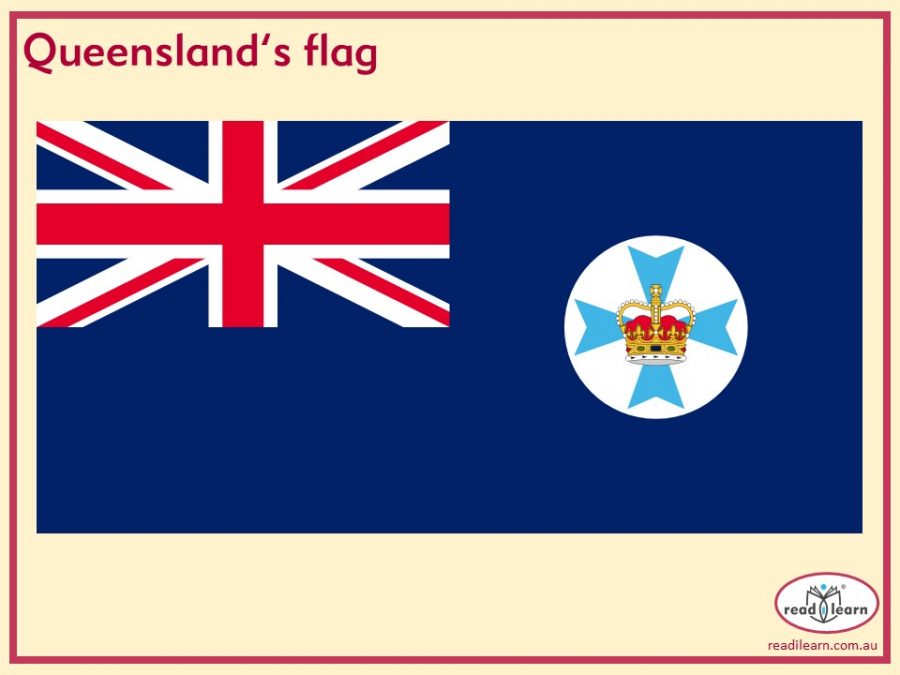
Queensland is my home state and, since we celebrate Queensland Day on 6 June, I thought I’d share a little about my state and its special day.
On 6 June 1859, Queensland separated from New South Wales to become an independent colony. It was awarded this status by Queen Victoria who reigned from 1837 until 1901.
Queensland Capital
Brisbane, located in the south-east corner of the state, is the state capital.
It’s almost June already and the change of season is upon us. I don’t know how you have felt during lockdown, but for me it has felt like time has stood still and sped by at the same time. Where have those months gone when so much has been put on hold, but teachers have still been working as they learn new ways of teaching and interacting with their students? I hope wherever you are, that you are staying safe and well and finding much to enjoy in life.
In this post, I share some dates in June you may wish to celebrate with your students, whether teaching in the classroom, as most are in Australia now, or online, as some are still doing overseas.
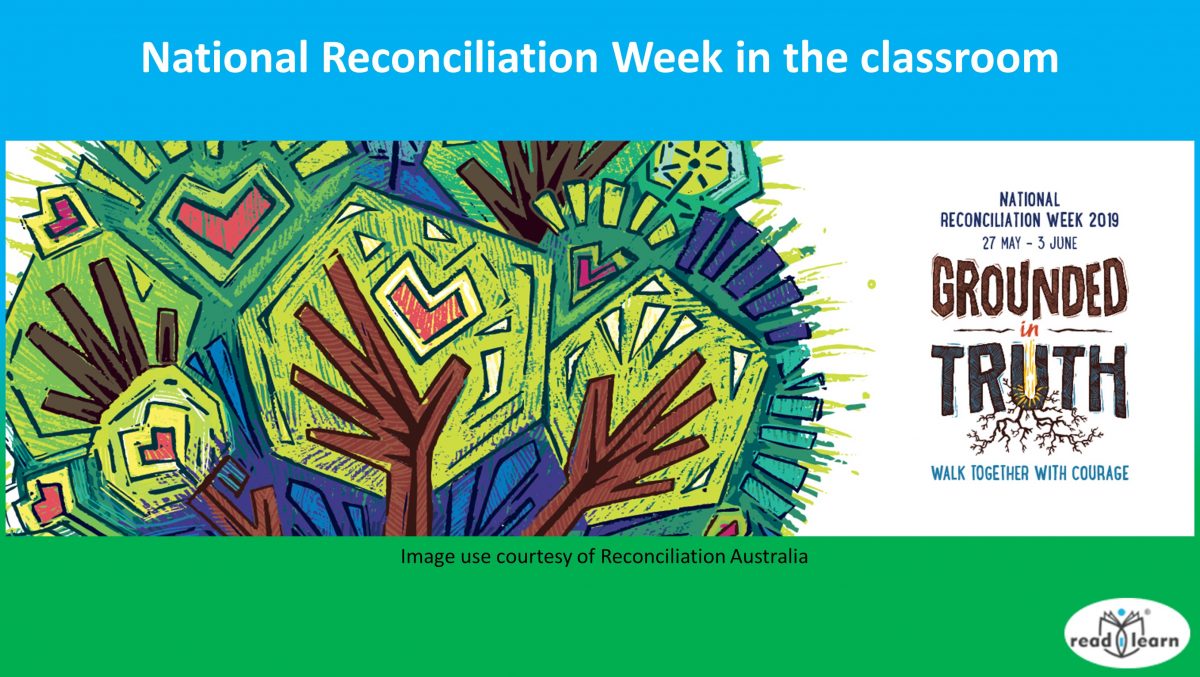
National Reconciliation Week is celebrated from 27 May until 3 June so it’s not too late to join in the celebration now. The aim of the week is to provide “a time for all Australians to learn about our shared histories, cultures, and achievements, and to explore how each of us can contribute to achieving reconciliation in Australia.” For this to occur, “Reconciliation must live in the hearts, minds and actions of all Australians as we move forward, creating a nation strengthened by respectful relationships between the wider Australian community, and Aboriginal and Torres Strait Islander peoples.”
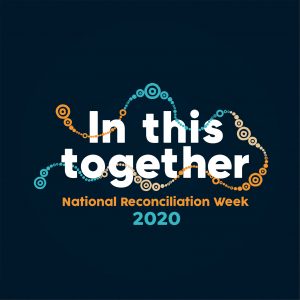
The theme for this year is “In this Together”.
You may wish to refer to the post I wrote last year for some suggestions and a list of picture books to read.
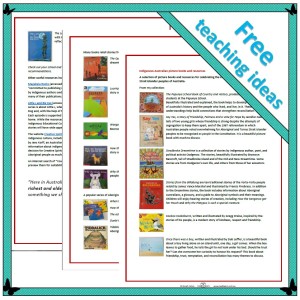
The list of picture books may be downloaded here (free).
World Environment Dayis celebrated on 5 June . The theme of this year’s World Environment Day is Biodiversity with a focus on the ‘interdependence of humans and the webs of life, in which they exist’.
Follow this link to take a biodiversity quiz, find out how you can be involved in the day, and discover a wide range of projects for engaging children in activities that promote environmental awareness and action.















 Norah Colvin