Live Love Laugh Learn … Create the possibilities

Tag: play

  • Welcome to my world

    www.openclipart.org
    http://www.openclipart.org

    When children enter school for the first time it takes a while for them to adjust to the unfamiliar culture and environment which pertains only to school. They need to settle in, get used to the new routines, and understand what is and is not allowed.  A supportive classroom environment with established procedures for welcoming new students makes for a smoother transition.

    Children also need to be familiarised with the physical surroundings so that they are able to confidently navigate their way to, from and between their classroom and places like the amenities block, the office, the canteen, the library, and the playground.

    Students moving from one school, or even one class within the same school, to another, also require a period of adjustment. While some understandings of the culture from the previous situation may be transferrable, there will be some aspects which are unfamiliar. No two classes or schools are identical or have the same set of rules and expectations.

    school rules

    I saw the difficulty experienced by each of my children when the newcomer in an established group. While both were confident and resilient children, verbally able to express themselves, both struggled initially to find their place within already established friendship groups that were comfortable and confident in their familiar surroundings.

    My son changed schools at the beginning of his second year at school and was the only addition to an existing class. A more sensitive teacher with established procedures for welcoming new students may have eased his transition. Although, due to delivery delays, he was wearing his previous school’s uniform, his teacher failed to realise that he was new to the school and class and did nothing to help him integrate into the group or to familiarise him with school procedures and facilities.

    ist day of school
    Bec’s first day of school © Norah Colvin

    The situation for my daughter was a little different. Her first experience of school was at age nine when she entered year four. Although I had explained what she might expect, everything about the culture and the environment was unfamiliar. While her teacher was a little more sensitive and did what she could to help her settle in, there was much about the established culture and environment that others took for granted.

    When we are familiar with and comfortable in a situation it can be easy to forgot how unfamiliar and daunting it can be to someone new to an environment in which nothing can be taken for granted, nothing is known for sure.

    I always established a welcoming classroom but the experiences of my own children confirmed its importance. If they, as members of the majority culture, found it difficult, how much more difficult would it be for those from minority groups.  I suggest that every teacher should have in place procedures for welcoming new students.

    image courtesy of www.openclipart.org
    image courtesy of http://www.openclipart.org

    Here are just a few suggestions:

    Welcoming a new class of students at the beginning of the year:

    • Provide many opportunities for students to get to know each other through group activities, discussion circles and paired work with many different combinations of children
    • Explain expectations and rules. It is no fun being chastised for a misdemeanour that resulted from lack of knowledge as opposed to poor choice
    • Take students on a walk around the school showing them places they will need to visit (as well as any places they are not allowed); for example:
      • Toilets
      • The office
      • The library
      • The playground
      • The canteen
      • Where to eat lunch, and to dispose of their rubbish
      • Where to line up
      • Where to place bags and other belongings

    school directions

    Procedures for welcoming new students throughout the year may differ slightly. It is not always practical to repeat the same procedures that were used when familiarising an entire class.

    However, students still need to have the expectations explained to them, as some may differ from what has already been experienced, for example: are they required to put up their hands for individual release when the play bell rings or are they dismissed for play en masse; do they keep their water bottles on their desks or are they stored somewhere else; do they line up with a row of boys and a row of girls or are the rows mixed?

    I always found it a useful practice to include newcomers when messages were sent to the office, the canteen or the library, for example. This would help children get to know and be known by other school personnel, as well as get to know their way around the school.

    https://openclipart.org/image/800px/svg_to_png/192642/Children_holding_hands.png
    https://openclipart.org/image/800px/svg_to_png/192642/Children_holding_hands.png

    Until their own friendship groups were established I ensured there was a friend to “look after” them at break time, showing them where to sit, where to play, where to line up and, especially, to play with them. There were always plenty of willing friends.

    I have been thinking about the importance of showing students around the classroom and school this week in response to the flash fiction challenge at the Carrot Ranch. Anne Goodwin, author of Sugar and Snails, took over the reins from Charli Mills this week, prompting writers to compose a 99-word flash on the theme of showing someone around a property As usual the prompt allows for a variety of interpretations and Anne suggests that we not let out imaginations be confined by four walls.

    I never like to think of imaginations being confined and in recent posts I have talked about the importance of imaginative play, even introducing many to a new term: loose parts play.

    I decided to play with loose parts this week, and include a welcoming environment. It occurs in a home, rather than a school. I hope you enjoy it.

    New world

    Thinking it much too quiet, Sally excused herself from the conversation.

    She peeked through the door. A sheet was draped from the top bunk to the curtain rail. The drawers were stacked staircase-like, their contents piled high in the corner. Emily, adorned in crown and cape, watched Jessica, in cowboy boots, fossick in the overturned toy box. Max sat nearby reading to assorted stuffed animals. All three sensed Sally’s presence simultaneously.

    “Mum! Look what we made!” beamed Jessica. Sally suppressed her initial reaction: mess.

    “Come in. We’ll show you! This is our cave. This is our mountain …”

    Thank you

    Thank you for reading. I appreciate your feedback. Please share your thoughts.

  • Let them loose

    johnny_automatic_playing_dress_up

    It is a wonderful thing to see children engaging in imaginative creative play. Let them loose with an assortment of bits and pieces and it’s amazing to see what they can construct, both physically with the equipment and in the ways they interact with their constructions, creating imaginative worlds and stories.

    A fabric offcut might be a cape, a veil, an apron, a dress, the sail of ship, a red carpet, or the curtain for a puppet theatre.

    A cardboard box might be a car, a home for a pet, a high-rise building, an explorer’s ship or a magician’s table.

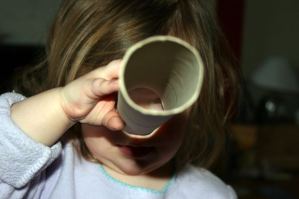
    A cardboard tube might be a ship’s funnel, a car’s garage, a railway tunnel, a fairy wand, or a telescope for gazing at the far-off stars and planets.

    www.morguefile.com
    http://www.morguefile.com

    Anything can create magic in a child’s imagination. Sometimes the cheapest things can offer the most value. You only have to watch a young child discard the expensive toy and spend hours playing with the wrapping and packaging materials to see this.

    Of course there is value in construction sets and other toys that allow children to imagine and create. However, a cardboard box decorated by the child can be as effective an oven as a fancy store bought one. And while most construction sets come with suggestions of what to build, it is best to put the instructions away and let the children discover for themselves what they can create, and how to incorporate the materials into their play.

    While learning to read and follow instructions is an important skill, making only what someone else has already created stifles the imagination and can even suppress the willingness to try, especially if the instructions and constructions are too difficult for the child, and sometimes even the adult, to follow.

    I expect young children to have ready access to a variety of materials, as well as opportunities to use them to support their play, both at home and in educational settings they attend. It is something I take for granted as being fundamental to early childhood development. It’s always been, and hopefully will always be.

    I was surprised, therefore, when I recently came across an unfamiliar term and theory for describing this type of play.

    Loose Parts Theory, according to articles like this one, was first proposed by architect Simon Nicholson. He believed that it is the loose parts in our environment, such as those that can be “moved, carried, combined, redesigned, lined up, and taken apart and put back together in multiple ways”, that stimulate creativity.  The term was unfamiliar, but not the thinking.

    It took me a little while to find the source of this theory but I finally found a paper written by Nicholson through this post by Kate on An Everyday Story.

    I find use of the term Loose Parts interesting. It is appropriate. However, the creative, imaginative play it describes was occurring long before anyone thought to apply such a term to it. If I suggested that it could be a “trendy” term to describe what has always been, I’d be showing just how much of a slow learner I am. Nicholson proposed the term in 1972!

    What do you think of Loose Parts Theory? Have you heard the term before? Did you engage in loose parts play when you were a child, or have you observed children playing imaginatively and creatively with loose parts?

    Thank you

    Thank you for reading. I appreciate your feedback. Please share your thoughts.
  • Who teaches whom?

    GDJ, Playful stick figures https://openclipart.org/detail/230070/playful-stick-figure-kids
    GDJ, Playful stick figures https://openclipart.org/detail/230070/playful-stick-figure-kids

    The importance of play to a young child’s development and learning is a recurrent theme on my blog. Equally so is the recognition of parents as their child’s first and most important teachers. Alongside this is my acknowledgement of the contribution made by my children to my own learning, especially to my understanding of how children learn.

    Although I was often reminded that I had declared, “I’ll teach him,” when a younger brother was born, I had never given a great deal of thought to the teacher-role of siblings. How much that had to do with the reminders of my promise only coming when “naughty” things were occurring, I’m not sure.

    Whatever the reason for my lack of consideration, I was quite delighted when I came across the post Siblings are a young child’s most influential teacher by Deborah Stewart on Teach Preschool. In this lovely post Deborah provides a wonderful list of lessons learned from siblings, and supports it with beautiful photographic evidence of her three gorgeous grandchildren.

    Included in her list are things like learning to:

    • be imaginative
    • trust
    • be brave
    • try new things
    • be kind
    • laugh, and
    • love.

    I have a large number of siblings from whom I’m sure I learned many things. As my younger brother could testify, probably not all of them were good. Deborah’s post challenged me to think about what those lessons might have been.

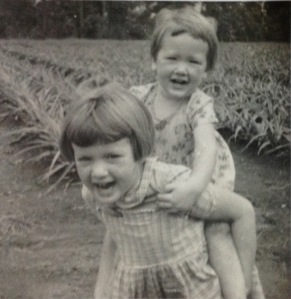
    My big sister and me © Norah Colvin
    My big sister and me © Norah Colvin


    Here are some of the (better) ones I thought of, that weren’t on Deborah’s list:

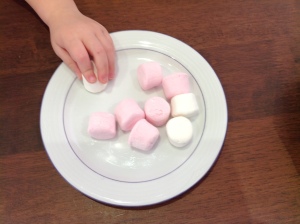
    • to share, to take turns, and to wait (unless there’s only a few more cookies or lollies on the plate, then you’d better get in quickly before someone else does!)

    marshmallow 5

    • that you can’t always be first or win, and
    • that the world doesn’t revolve around you
    • to make our own fun by creating our own games
    • to get along with children of all ages
    • to play without the constant participation or supervision of adults
    • to look out for and look after each other
    • to plan together
    • to forgive and get on with it
    • that a combined effort was more likely to get us an ice cream from the ice cream van than a succession of individual appeals.
    www.morguefile.com
    http://www.morguefile.com

    Some of these lessons weren’t easy, and some are still in progress, but important life lessons nevertheless.

    What about you? Do you have siblings, or are you an only child? If you have siblings, what have you learned from them?

    Thank you

    Thank you for reading. I appreciate your feedback. Please share your thoughts.
     

  • Don’t fence me in

    This week at the Carrot Ranch Charli Mills is talking about anxiety, panic attacks and agoraphobia.

    The following statements taken from the Mayo Clinic website explain agoraphobia as:

    “a type of anxiety disorder in which you fear and often avoid places or situations that might cause you to panic and make you feel trapped, helpless or embarrassed.”

    “The anxiety is caused by fear that there’s no easy way to escape or seek help if intense anxiety develops.”

    “Most people who have agoraphobia develop it after having one or more panic attacks, causing them to fear another attack and avoid the place where it occurred.”

    “Agoraphobia treatment can be challenging because it usually means confronting your fears.

    Sometimes, as Charli says, we can face our fears head on and defeat them with the choices we make. Other times we may need support to help us overcome them. Sometimes therapy and medication may be needed to help those suffering the debilitating effects of anxiety. I will not be discussing those paths in this post. Nor am I going to talk about the anxieties of children with Asperger’s or Autism. There are others who do a much better job of it and are much more knowledgeable than I, such as Sherri Matthews and Shawna Ainslie.

    school cropped

    However, it is not uncommon for a child to occasionally feel anxious and stressed by situations that occur at school. The incidence increases when children are placed in situations that are inappropriate to their development and don’t respect their needs. Sometimes the anxiety and stress is manageable and alleviated by more appropriate circumstances outside of the school environment. But sometimes the distress to the child and family can increase to a level at which more help and support is required.

    A school environment more suited to children’s needs would reduce the number of anxious and stressed students, parents, and teachers. Creating a nurturing and supportive school environment requires a firm understanding of child development and a belief in their ability to learn. It also requires that children are respected and appreciated for who they are, and that they receive timely and appropriate feedback, encouragement, and support.

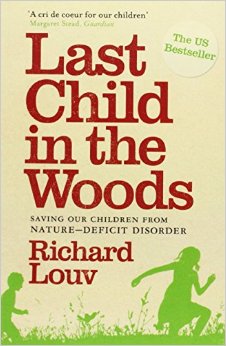
    last child in the woods


    In recent posts I have mentioned the importance of play, and of time spent in, and learning outdoors, in nature. In his book Last Child in the Woods, Richard Louv espouses the importance of nature to the development of healthy children, as well as to the physical health and well-being of adults. Perhaps more time in nature would provide the calm that is needed to combat the hustle and bustle of modern life and pressures of formal, test-driven classrooms.

    In fact, it is not just “perhaps”. In his article The School of Nature Louv provides evidence of benefits to learning that nature-based and place-based education can bring. He says, “greening schools may be one of the most cost-effective ways to raise student test scores.

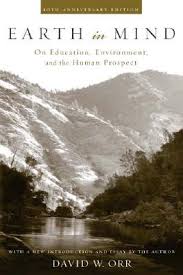
    earth in mind

    David Orr agrees. In his book Earth in Mind: On Education, Environment and the Human Prospect, he also stresses the importance of learning about, from, and in nature.  He says, that, “all education is environmental education. By what is included or excluded we teach students that they are part of or apart from the natural world.”

    It is easy to talk about the failings of the school system and suggest ways it could be improved. It is more difficult to make the desired changes happen. While the majority of teachers work hard to create warm, supportive, nurturing environments for children, there are many situations over which they have no control. It is important then to have strategies for dealing with anxiety and stress if they occur.

    stress can really get on your nerves

    I recently came across a book that may be useful if your child tends towards anxiety.  Stress Can Really Get on Your Nerves aims to provide children with strategies for coping with stress. Written by Trevor Romain and Elizabeth Verdick, it is published by free spirit Publishing as one of a series aimed at helping 8 – 13 year-olds “get through life rough spots”. With Trevor’s fun, cartoon-like illustrations on every page, the book promises to turn stressed out kids into “panic mechanics” with a toolkit of suggestions for reducing their own stress levels. I’d have to say, they’re not bad strategies for anyone’s toolkit.

    https://openclipart.org/detail/2921/toolkit
    https://openclipart.org/detail/2921/toolkit

    I first heard about the book on the free spirit publishing blog in a post by Trevor in which he explains how drawing helped him cope with his learning difference. Trevor may be an outlier, but his story certainly provides inspiration for those who struggle in the traditional classroom.

    cropped forest

    I think time outdoors, breathing the fresh air, and enjoying the natural world is a great antidote to stress. I may no longer gambol in the grass, but I can sit in stillness and quiet, appreciating the beauty around me as I unplug from technology and reconnect by grounding myself in nature. I’m not sure how that works for agoraphobics with a fear of open places though. Perhaps having more time in nature as a child and learning techniques for coping with anxiety and stress could work as a preventative. But it’s only a thought. I am no expert.

    This brings me back to Charli Mills and her flash fiction prompt to In 99 words (no more, no less) write a response to an agoraphobic moment.  I have used the Mayo Clinic’s broader interpretation rather than the “narrow” definition of “fear of open spaces”. (I’d rather not be fenced in!) I hope my story portrays a recognisable response that could occur in a variety of circumstances. Please let me know what situation you think of as you read, and whether you consider my attempt successful.

    Confrontation

    She could hardly manage to chew, let alone swallow, the morsel of cereal occupying her mouth.

    Her vacant stare and stifled moans alerted him.

    “Are you okay?”

    “I’m trying,” she mumbled, and squeezed her hands between her quivering knees.

    “You’ll be fine. You haven’t had an attack for months. And, you’re prepared.”

    “I know.” She pressed her arms against her gurgling belly. “But …”

    He waited.

    Finally, she looked at him. “But …”

    He sponged her clammy forehead.

    She looked away. “What if they don’t like me?”

    “They won’t like you. They’ll love you. Come on. I’ll take you.”

    What did you think of as you read? I wrote the piece about young teacher about to meet her first class. Did you pick it?

    While anxiety about school is more commonly thought of as presenting in children, it is not uncommon for teachers to suffer from school anxiety as well. We accept that teaching is a stressful role, but for some it can also cause anxiety.

    I think there are few who are immune from anxiety. We need to be more open in talking about mental health in general. Recognition, acknowledgment and supportive discussion are important factors in helping to overcome the effects of anxiety.

    Thank you

    Thank you for reading. I appreciate your feedback. Please share your thoughts.

  • Let’s Talk About Purposeful Play

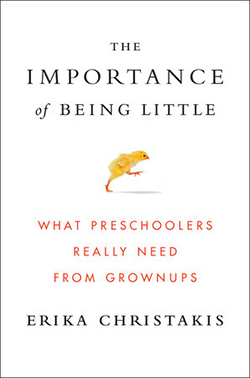
    Earlier this week I shared a post and a new book, The Importance of Being Little by Erika Christakis, about the importance of play for young children.

    the importance of being little
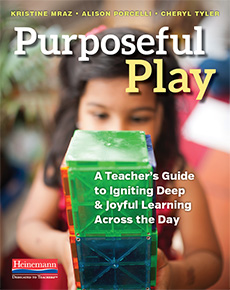
    Today I wish to share another post and another new book about the importance of play. This book by Kristi Mraz, Alison Porcelli, and Cheryl Tyler is called Purposeful Play with the tagline Igniting Deep and Joyful Learning Across the Day. (Hint: Click on Kristi’s post here for a chance to win a copy of the book. Read more about the book here to download the first chapter free!)

    Purposeful play
    These three teachers begin by stating that all play is purposeful and explain ways of honouring children and their play throughout the day in early childhood classrooms. This book is full of practical ideas for teachers who want to incorporate more play to foster children’s learning and maintain their enthusiasm for and enjoyment of it.
    If you wish to make your teaching day more playful, either of these books will provide ideas to get you started.

    Thank you

    Thank you for reading. I appreciate your feedback. Please share your thoughts.

    kristimraz's avatarkinderconfidential

    I am so excited to share that in a week or so my new book (with Alison Porcelli and Cheryl Tyler- play gurus and authors of this handy book on choice time) about PLAY will descend upon this fine earth!!!! Now, listen, there is nothing I like to do more in advance of a new book coming out then have imaginary conversations of excitement and anxiety in my head. As a matter of fact, if you wake up at 3 AM to go to the bathroom, please rest assured that I am staring at my ceiling trying to execute everything I learned while writing A Mindset for Learning.

    So, in the hopes of getting the word out about the book, and also maybe stop communing with my ceiling in the wee hours of the morning, I thought it might be nice to put out a post that conquers some of the…

    View original post 1,278 more words

  • Let them play!

    GDJ, Playful stick figures https://openclipart.org/detail/230070/playful-stick-figure-kids
    GDJ, Playful stick figures https://openclipart.org/detail/230070/playful-stick-figure-kids

    Play is essential to learning, and creating an environment which allows for play while nurturing children’s learning and development is as important as creating an environment that nourishes and encourages the growth of plants in a garden. The link between the two was first recognised by Froebel in the early 19th century when he coined the term “kindergarten” which translates to “garden for children” (kinder meaning child and garten meaning garden), and created the first educational toys.

    Froebel “devoted his life to educating children and developing methods to maximize human potential”. He was the first to recognise the importance of a child’s early years (birth to three) and considered creativity to be something in all of us.

    Froebel’s kindergartens were the first “formal” education for young children and his work greatly influenced that of other educators such as Maria Montessori and Rudolf Steiner. His beliefs, for example that children have both unique needs and capabilities are still influential today. He believed in the importance of play and some of his toys were favourites of people such as Buckminster Fuller and Albert Einstein.

    I have touched on the topics of playcreativity and children’s uniqueness in previous posts. A respectful, encouraging, nurturing and stimulating environment underpins all that I value in education; as does a belief in the power of play to develop understandings of self, of others and relationships, of the world and how things work, and to inspire thoughts of what could be, to imagine possibilities never before imagined.

    johnny_automatic_playing_dress_up

    While Froebel’s beliefs, and those of his followers, are still valid, sadly they are often disregarded by those who wield the power in education, who dictate otherwise.

    In a previous post I shared an article by Paul Thomas who attributed his readiness to learn at school to the richness of his home environment. He also decried the formal tedium of school lessons which contribute much to curbing a child’s enthusiasm for learning. Paul is not alone in his views. There are many teachers who agree with him, myself included, as I have shared many times before, including here and here.

    I am not the only early childhood teacher to be saddened and appalled by the formal approach that has been enforced upon teachers, replacing play-based approaches in classrooms for children as young as four. With the administration of standardised tests and the publication of graded results, children are labelled successes or failures before they have had a chance to develop. Those children from privileged backgrounds, as described by Thomas in Formal Schooling and the Death of Literacy will be immediately successful. Those from less advantaged backgrounds will be labelled failures. Unfortunately, the labels are often reinforced with little chance of replacement.

    A+   F

    I am always gladdened when I hear another expounding the benefits of play and the importance of child-centred approaches to learning and teaching. I hope that when enough voices unite in this important message, the tide will start to turn, and those with the power to make changes will do so in favour of children.

    the importance of being little

    This week I read another article stressing the importance of play for young children. The article, written by Susan Gonzalez for Yale News, introduces a recently published book by Erika Christakis The Importance of Being Little. I have not yet read the book, but I know that I will agree wholeheartedly with its content. The title itself tells me the value of its message.

    © Norah Colvin
    © Norah Colvin

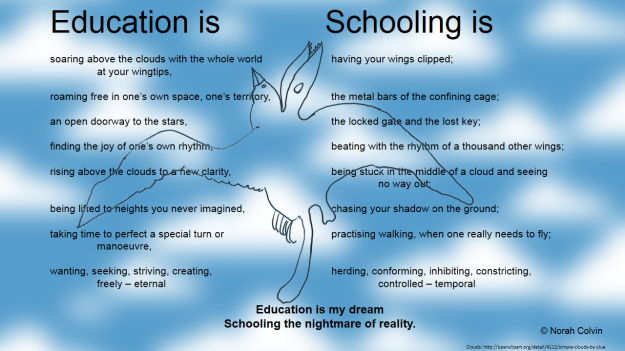
    In words reminiscent of my poem “Education is” Christakis says that “schooling and learning are often two different things.” Here is just a sprinkling of her thoughts reported in the article.

    • children are capable and powerful but our expectations are often mismatched
    • we ask too much of children pragmatically but not enough cognitively
    • there is too much teacher-direction and not enough time for play in many preschool classrooms
    • teachers need to take the time to listen to children’s stories, to laugh with them, to get down on the floor, at their eye level, and figure out what makes them tick … (through) … respectful observation
    • childhood pedagogy should be based on ideas, not on the repetition of simple skills
    • respect for early childhood as a life stage worthy in its own right and not merely as a training ground for an adult future

    These are ideas I have oft repeated here on my blog. Please read the article in full and, if you are as inspired as I am, read the recently published book The Importance of Being Little. I’d love to know what you think.

    Thank you

    Thank you for reading. I appreciate your feedback. Please share your thoughts.
  • On children and parents – more from the Contented Crafter

    In a previous guest post Pauline King, The Contented Crafter shared her Reflections on living a contented life, teaching and school. The richness of the discussion that ensued, including additional clarifying comments from Pauline, made for interesting reading. One thing I have found consistent throughout life is that everyone has an opinion about education and schools. However, there is great diversity in the opinions held. I love to hear them all for the opportunity they provide for clarifying my own thinking.

    In this second guest post Pauline shares some of her wisdom about children and parenting. Pauline and I share much of the same philosophy and background knowledge and are aware that some statements may require clarification out of that shared context. We therefore welcome your responses and look forward to the discussion that these thoughts may instigate.

    What do you think is the most important thing for parents to understand about their children? What advice would you love to give every new parent?

    I seriously think every parent should read and study Khalil Gibran’s chapter about Children in his poem ‘The Prophet’.  Children are not just short adults; they are not there to fulfil a parents dreams [though they may]. 

    Kahlil Gibran Children(Note: This is just a short extract of Gibran’s words about children. You can read them in full here)

    Children need to be allowed to enjoy their childhood, let them play, let them dream, let them imagine.  Very little ones learn through imitation and play so be careful what you model for them. 

    1 (8)

    Send them into formal learning when they reach their seventh year.  But let that learning proceed through imagination, through practical practise and first-hand experience.  Let the education content grow and deepen as the child matures.  Don’t just stuff stuff into their heads because you think it’s a good idea or something awful has happened in the world. 

    1 (2)

    Don’t discuss adult issues with young children.  Keep them safe and secure while their bodies and brains mature.  Give them time to grow up. 

    Parents study your child and all other children.  Raising children is not a competition.  It is not a case of keeping your child safe and clean and out of your way while you are busy.  Think more of ‘The Waltons’ and let each child have a task to perform to help the family.  Teach them all how to help prepare meals, set tables, make beds and other chores that need to be done. 

    105

    Start to think less about how clever [or not] your child is, but what talents and attributes your child is exhibiting.  Don’t stream, let them all do everything and let everyone have something they are good at and see there is something that someone else is better at – because that is the way of the world and we all have contribution to make and our lessons to learn.  Understand that just as your child is special, all children are special. Understanding this is the first step in making a wholesome community.

    Don’t be fearful of your child hurting themselves.  As a wise man recently said ‘the purpose of our lives is not to arrive safely at our death!’ 

    147

    My personal opinion is that the increase in a society that reveres ‘health and safety’ has been responsible for the rise of lost teenagers, those aimless, disinterested kids who suffer from low self-esteem, drinking and drug taking and mindless vandalism.  Take your older kids camping, hiking, abseiling.  Do it with them and have lots of fun.  Give them physical challenges and the ability and skills to succeed in them.  It really is true that the family who plays together, stays together.

    3

    But mostly love and respect your child.  Keep them safe when they are small and slowly teach and release them as they grow older.  Feed them good food, positivity and encouragement and watch them blossom into the people they were born to be.

    Give them time and lots of your time.  They don’t need stuff and they don’t need to keep up with the Joneses.  They just need you.

    In responding to a previous post you said that you could write a post-length comment about the wisdom of children. Could you share a few ideas about that here. We might come back to that longer post in the future, if you are willing.

    Observe your children, listen to them, know they are their own little being and as such bring their own personality and gifts into the world.  Watch how they approach life and activities and you will see they have come with a wisdom about themselves and their purpose that we, the adults, may not be privy to.  This is the wisdom of childhood and we, as parents and teachers, are really beholden to respect this and not try to ‘change’ the child to suit us, society or anything else. 

    Most teachers know that most children reach similar developmental points at around the same time.  There is a great wisdom in this and when we become aware of it, it can help us understand what they are ready for in terms of learning, activities and life in general. 

    1 (3)

    All of this Norah, is part and parcel of the training of a Steiner Teacher – understanding child development is the open secret that drives the curriculum. 

    Wow! Thank you, Pauline, for sharing your wisdom. Kahlil Gibran’s The Prophet is one of my favourite books and his passage about children is never far from my mind. Your words in this post reflect very much the words and intent of his. You have given us much to think upon, and I appreciate it, as I’m sure the readers do too.

    Connect with Pauline on Twitter or on her blog The Contented Crafter where you can also check out her delightful Gift Shop

     Thank you

    Thank you for reading. I appreciate your feedback. Please share your thoughts.
     

  • Are you game?

    This week at the Carrot Ranch Charli Mills is talking about childhood games and has challenged writers to In 99 words (no more, no less) write a story that involves a children’s game or rhyme. I think she chose this topic just for me. Thank you, Charli.

    I love games and am a strong believer in the use of games to enhance learning. I have memories of playing games that span my lifetime, from early childhood until the present, and have visions of playing games far into the future.

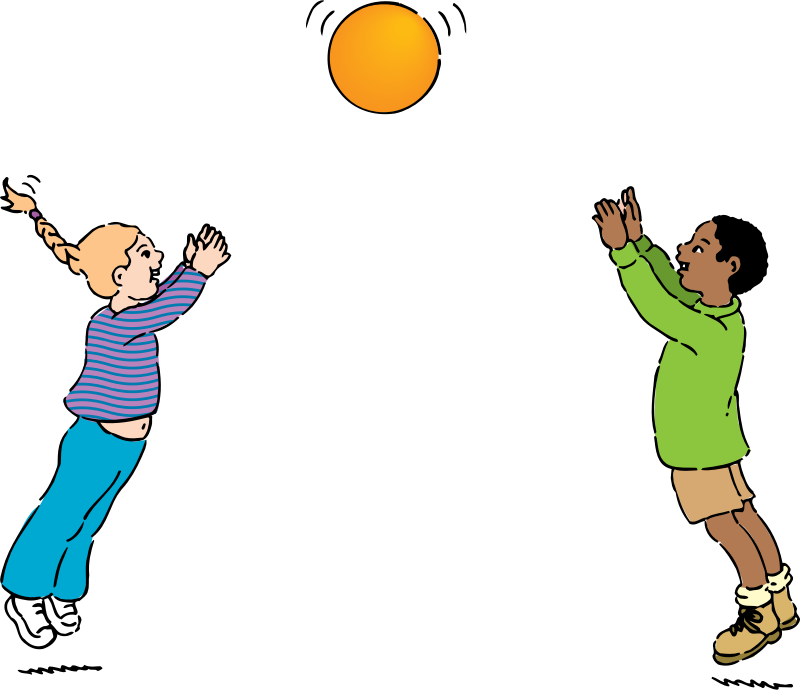
    Johnny Automatic, cartoon of a girl and boy playing with a ball https://openclipart.org/detail/721/playing-ball
    Johnny Automatic, cartoon of a girl and boy playing with a ball https://openclipart.org/detail/721/playing-ball

    One of my earliest memories of an organised game was of “Drop the hanky” played at a birthday party. I was about five years old at the time. I think that perhaps, until this event, I had only ever played imaginative games with my brothers and sisters. I was obviously not familiar with the rules or the ethos of the game. I’ll let my flash (non-) fiction explain.

    Plum pudding

    We sat in the circle chanting,

    “I wrote a letter to my love and on the way I dropped it.”

    “It” skipped around the outside, waving a handkerchief.

    “One of you has picked it up and put it in your pocket.

    Not you. Not you. Not y-o-u!”

    Suddenly “It” was running and children were scrabbling behind them.

    “Run,” they called.

    Then “It” was beside me.

    “Plum pudding!” they all screamed hysterically.

    The adult pointed to the centre of the circle. “We’ll have you for dessert,” he grinned.

    I cried, wondering what it would be like to be eaten alive!

    © Norah Colvin 2015
    © Norah Colvin 2015

    Obviously I was traumatised for the memory to be so vivid and almost nightmare-like since the memory ends abruptly with the fear. Obviously I wasn’t eaten for dessert, I survived the trauma and, to complete the fictional narrative, I guess you could say “I lived happily ever after.”

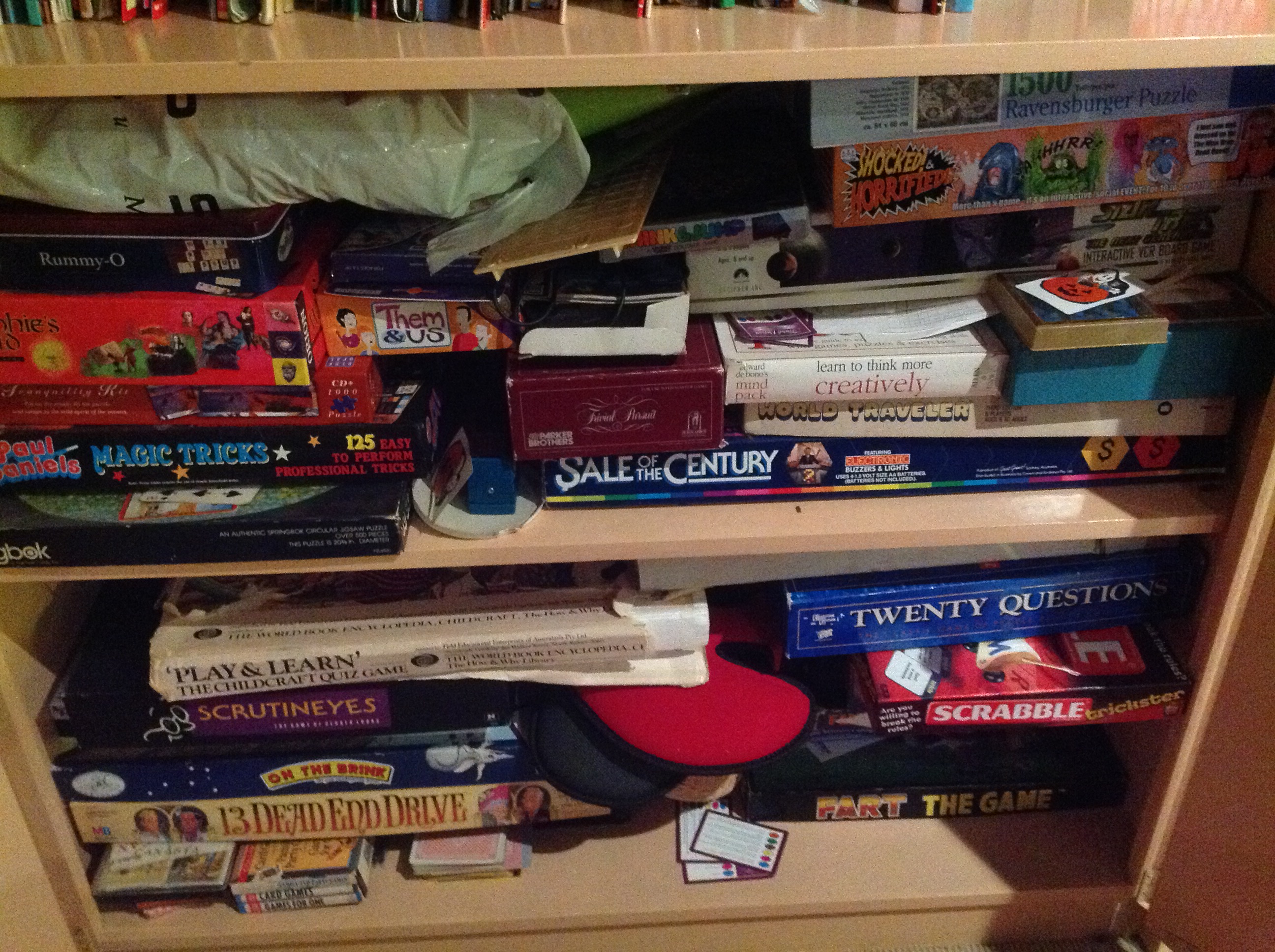
    But games don’t need to be traumatic. Games are better when they are fun; and I have many more memories of having fun with games than I do of being traumatised by them. Some of my “best” memories are of the laughs shared playing games like “Balderdash” and “Billionaire” when we (hub, son, daughter and partners) set aside traditional holidays for playing games together as a family. My house may have shelves laden with books, but they also have cupboards bursting with games.

    © Norah Colvin
    © Norah Colvin

    We didn’t always play purchased games. Sometimes we made up our own. It takes some skill in problem solving to think up a new game that will be fun to play with just the right amounts of challenge and competition, and an equal chance of “winning”, if there is a winner. Games without a winner, played for the fun of playing, are just as enjoyable.

    I have always included games in my class program. As well as being fun, if carefully chosen they can also progress learning. Games can be played at the beginning and conclusion of sessions; at transition times to reenergise, refocus and refresh; and as part of the teaching/learning program with whole class, small group or individual participation for targeting practice of particular concepts.

    One obvious benefit of playing games is the development of social skills such as:

    • Sharing
    • Taking turns
    • Cooperation
    • Dealing with competition
    • Accepting a loss
    • Accepting a win graciously

    In their book “A New Culture of Learning: Cultivating the Imagination for a World of Constant Change”, Douglas Thomas and John Seely Brown talk about ““arc of life” learning, which comprises the activities in our daily lives that keep us learning, growing and exploring.” They say, “Play, questioning, and — perhaps most important — imagination lie at the very heart of arc-of-life learning.”

    Throughout the book they talk about the importance of collaboration in engaging online in multi-player games and say that When understood properly . . . games may in fact be one of the best models for learning and knowing in the twenty-first century . . . Because if a game is good, you never play the same way twice.

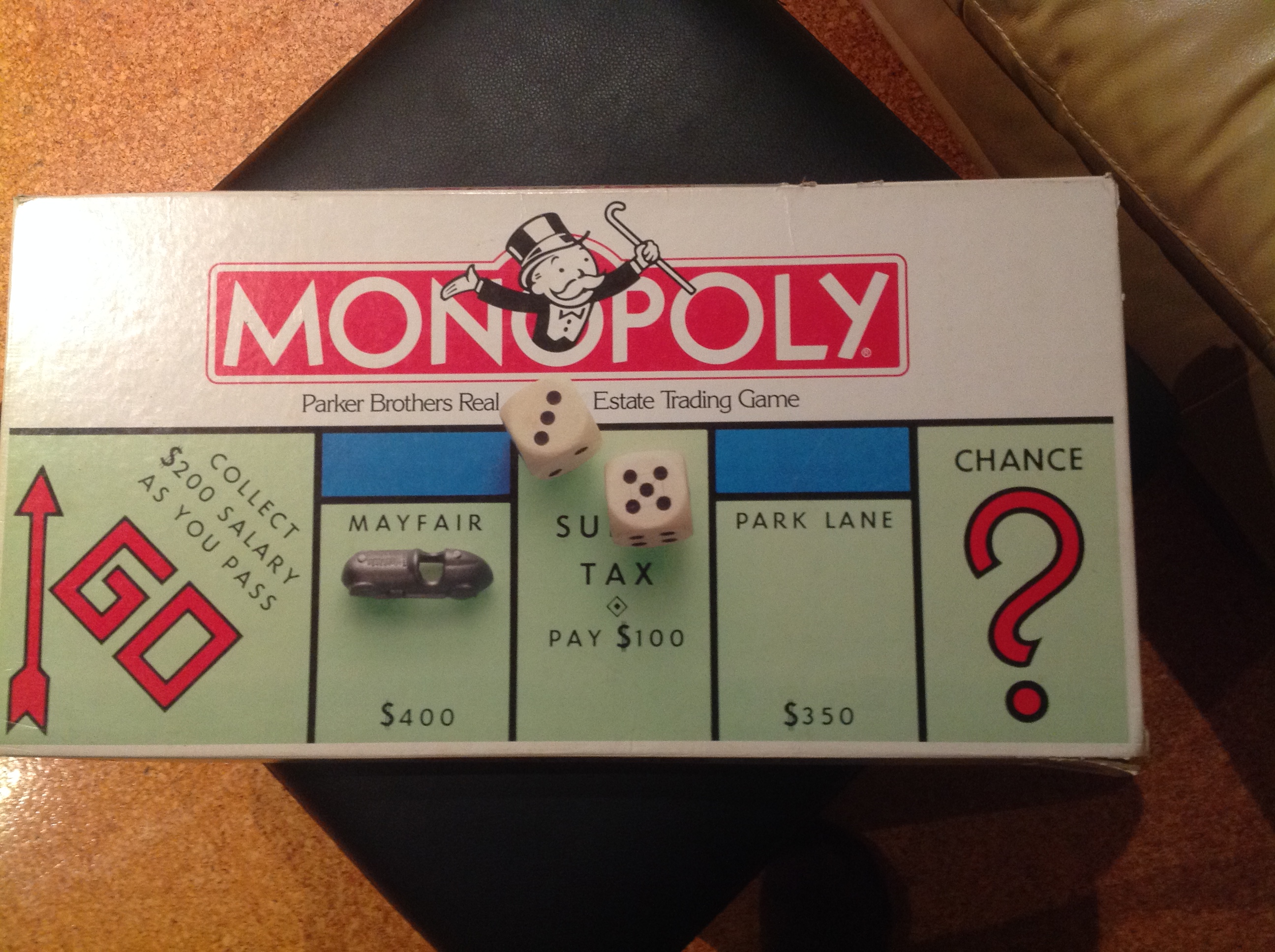
    monopoly

    Robert Kiyosaki in his book “Why “A” Students Work for “C” Students and Why “B” Students Work for the Government” talks about the importance of learning through games and explains how he learned, and was inspired to learn more, about finance from playing “Monopoly”. He says that Games are better teachers than teachers.” While I prefer to not agree with that statement in its entirety (I don’t even like playing Monopoly), I could understand his reasons for making it.

    Rarely a day would go by that at least one game wasn’t played in my classroom. We would play games in literacy groups that required children to read and think critically. We would play games in maths groups to practice skills in fun ways or to solve problems cooperatively. We would play games in science to try out ideas or research information. Some of the games involved physical as well as mental activity. Some were played with the entire class, and some on their own.

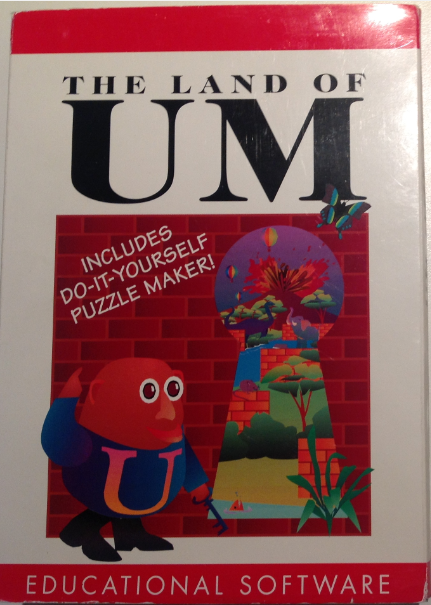
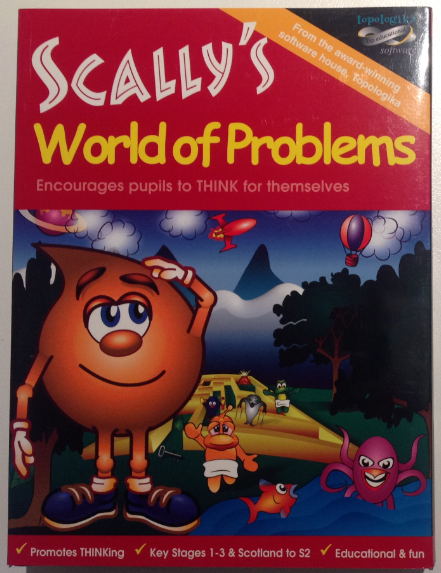
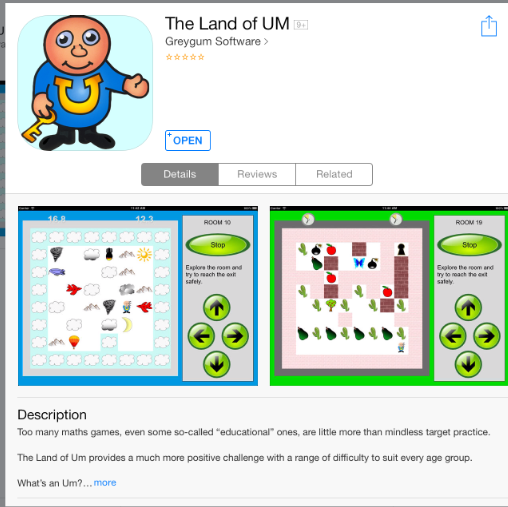
    One game we used in maths groups as well as an activity in the last few minutes of the day was a problem solving game that I was involved with from its inception, The Land of Um or, as it is known in the UK, Scally’s World of Problems. (Also available as an app.)

    http://www.greygum.com.au/nebula/index.php/the-land-of-um

    Scally


    When I was asked for an idea for a program, I suggested something that required children to explore to find out “what happens if” and “how things work”, much as they learn from their exploration of the “real world”. I also suggested that what they learn be consistent and apply at the next level. From that small seed and through the collaboration and synergy of a small group of creative people the “Land of Um” was born.

    Because, in my recollections anyway, it was “my” idea, I am very proud of “Um” and enthusiastic about its potential to encourage children to develop the thinking skills involved in solving problems.

    Um app

    In my class the children worked enthusiastically and collaboratively in small groups on an interactive whiteboard, taking turns to control the “Um” while working together to find the solution to each puzzle. As the level of difficulty increased the children needed to plan ahead, to visualise steps and predict what would happen and the effects of different actions. At each new level and in each new world, while the basics remained consistent, there was always something different to learn and explore. The children never tired of the using the program and were always eager to be the one to suggest the solution to the next problem. It was/is a joy to know that I had a part to play in the design of this program that has so many benefits to learners, not least of which is the fun of working together to solve problems.

    How significant are games in your life? What special memories do you have?

    If you are interested, there are many more stories about games to read on Charli’s blog.

    Thank you

    Thank you for reading. I appreciate your feedback. Please share your thoughts on any aspect of this post or flash fiction.


  • Playing with possibilities

    127

    Creating an environment which nurtures children’s learning and development is as important as creating an environment that nourishes and encourages the growth of plants in a garden. The link between the two was first recognised by Froebel in the early 19th century when he coined the term “kindergarten” which translates to “garden for children” (kinder meaning child and garten meaning garden), and created the first educational toys.

    Froebel “devoted his life to educating children and developing methods to maximize human potential”. He was the first to recognise the importance of a child’s early years (birth to three) and considered creativity to be something in all of us.

    Froebel’s kindergartens were the first “formal” education for young children and his work greatly influenced that of other educators such as Maria Montessori and Rudolf Steiner. His beliefs, for example that children have both unique needs and capabilities are still influential today. He believed in the importance of play and some of his toys were favourites of people such as Buckminster Fuller and Albert Einstein.

    I have touched on the topics of play, creativity and children’s uniqueness in previous posts. A respectful, encouraging, nurturing and stimulating environment underpins all that I value in education; as does a belief in the power of play to develop understandings of self, of others and relationships, of the world and how things work, and to inspire thoughts of what could be, to imagine possibilities never before imagined.

    The poem Education is expresses my beliefs about education and has informed my decision making every step of the way.

    In documents prepared for introducing myself to other educators or potential employers I explained it this way:

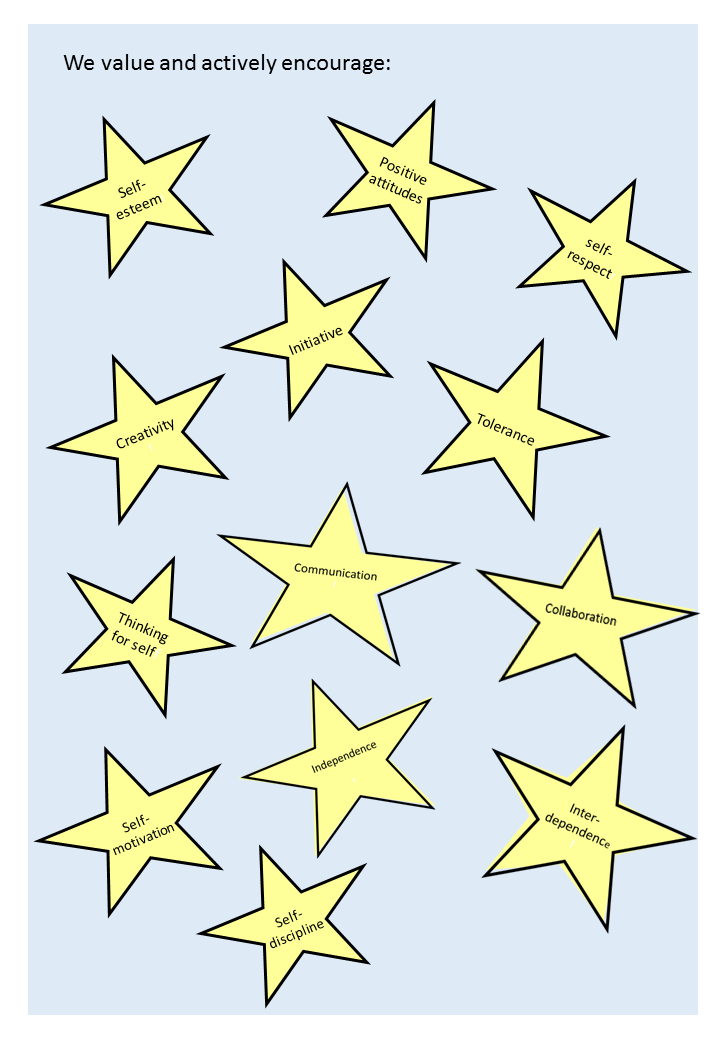
    Statement of values:

    I value individuality over group consensus

    I value creativity over conformity

    I value self-discipline over imposed order

    I value ingenuity over “one right way”

    I value choice over restriction

    I value questioning over silence

    I value independence over dependence

    I value self-confidence over submission

    I respect children as people in and with their own rights. I provide an environment which is rich, stimulating, open and caring, and in which the characteristics I value can flourish.

    At the time of writing it I believed it to be a true reflection of my values and the environment I provided in my “Create-A-Way” sessions, and would provide in the independent/alternative school I was working towards establishing.

    The values of the “school” I was setting up were stated this way:

    Colo Values

    Just as it is important for gardeners to learn from the wisdom collected by other gardeners, it is important for teachers to learn from the wisdom collected by other educators.

    56


    Without a set of guiding principles it is easy to be blown off-course by the winds prevailing at the time. While I acknowledge that I may have fallen far short of the values espoused, that they guided my direction, decisions and choices could not be questioned. The current climate makes it difficult, but I am yet to read of a time that could be considered a golden age of education.

    36

    This week at the Carrot Ranch Charli Mills is talking about roses; roses that grow in gardens and roses as symbols of life’s pleasures and joys. She challenged writers to In 99 words (no more, no less) write a story that includes a rose.

    Because my blog has an educational focus, I always like to give Charli’s prompt an educational twist. Over recent months I have enjoyed the additional challenge of finding a way of applying the prompt to the life of Marnie, a character whose story I have been developing.

    Marnie is from a dysfunctional family and suffers many disadvantages. Fortunately she has found an ally in an art teacher who helps her develop self-respect and hope for a better future. A few weeks ago (in response to a different prompt) we learned that she had lived under a different name after leaving home. Could it perhaps be Rose, a name inspired by this interaction with her adored teacher?

    99

    Still life

    Marnie observed the roses Miss R. had arranged for class, carefully assessing the colours and studying the lines while sketching them on the canvas, striving to match their perfection. Oblivious to all but Miss R. and the roses, for one hour nothing else mattered.

    As other students streamed out Marnie hung back to chat with Miss R.

    Miss R. handed her a rose from the vase saying, “You are that rose. You may be surrounded by thorns, but the beauty of the rose is inside you. Remember that always. A rose by any other name would smell as sweet.

    Thank you

    Thank you for reading. I appreciate your feedback. Please share your thoughts about any aspect of this post or flash fiction.

  • Child’s play – the science of asking questions

    Unknown source. Apologies. Happy to attribute if informed.
    Unknown source. Apologies. Happy to attribute if informed.

    I often say that children are born scientists. From the moment they are born they are actively finding ways of figuring out how the world works, and how they can get it to work for them.1

    Some people say children are sponges. But I say they are more than that. They are creators. They don’t just copy what they see. They don’t just repeat what they hear. They find new ways of working things out, new ways of expressing ideas, and new ways of thinking about things. Parents often remark, when children exhibit new behaviours or cute new phrases or ways of expressing themselves, “Where did they get that from? Where did they learn that?” Often the source cannot be identified, for the source is within the child.

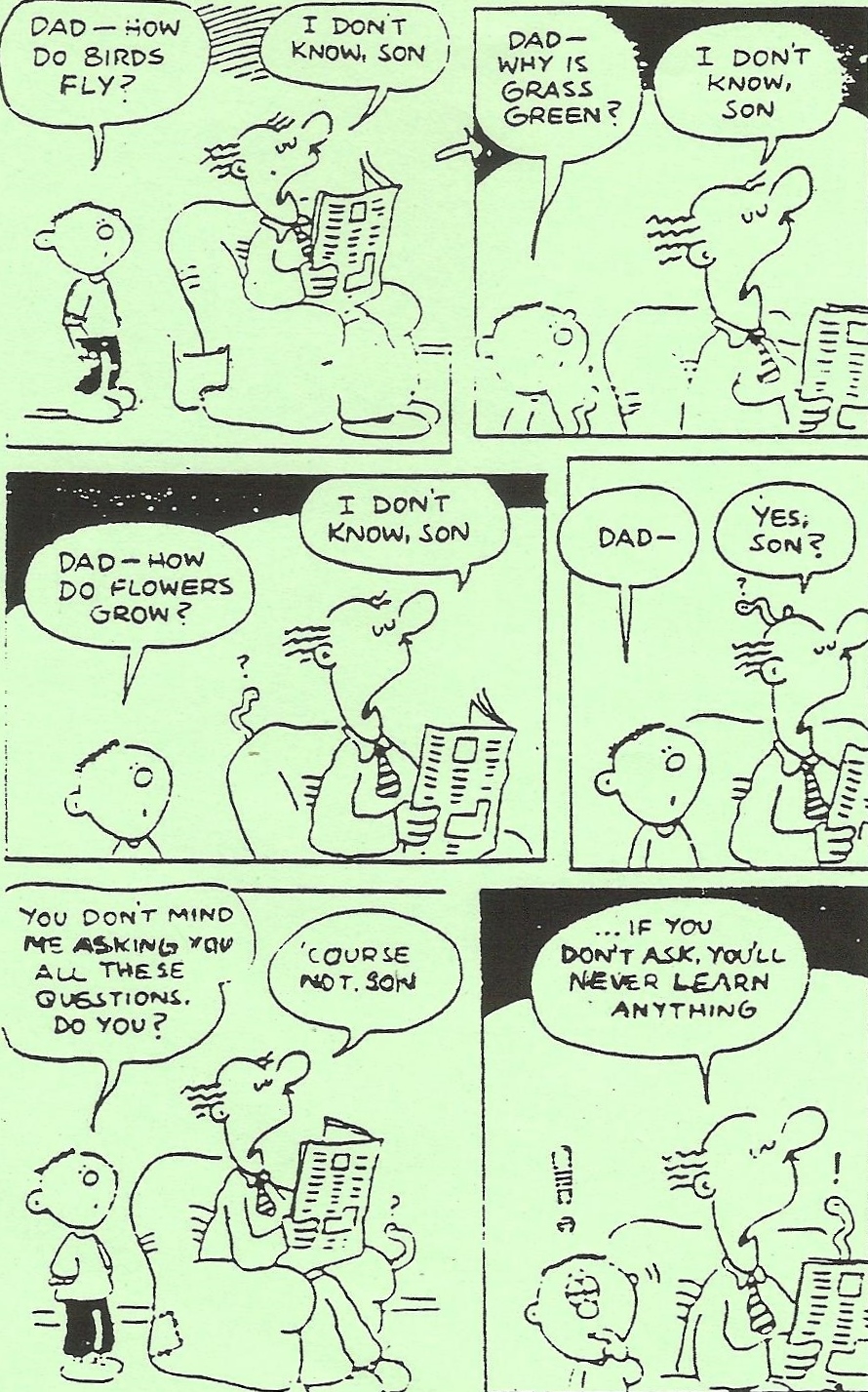
    An important way to keep children creating their own understandings and ideas is to not only allow them to ask questions, but to actively encourage them to do so, and to help them seek answers to their questions. Adults can be quick to quiet children’s questions for a number of reasons including not knowing the answer, being too busy at the time to investigate an answer, or even considering the question unimportant or “dumb”.

    Unknown source. Apologies. Happy to attribute if informed.
    Unknown source. Apologies. Happy to attribute if informed.

    Remember, many things that adults may take for granted or that they may no longer question but simply accept (possibly as a result of not receiving appropriate answers or responses to their childhood questions) are new and unfamiliar to the child.

    Sometimes it is easier to accept than to question for questioning means that something is unknown; and not knowing can lead to feelings of insecurity, doubt and instability. But it is these self-same feelings which drive innovation and progress. If everything was known, there would be no room for improvement, no need for anything new, no need for greater understanding.

    This inspiring TED talk by Beau Lotto and Amy O’Toole, Science is for everyone, kids included emphasizes the need for children to be given the opportunity of asking, and exploring answers to, questions.

    Beau explains that what we see is based upon our experience, upon our expectations. But he asks,

    “if perception is grounded in our history, . . . (and) we’re only ever responding according to what we’ve done before . . . how can we ever see differently?”

    He goes on to explain that seeing things differently begins with a question and that questions lead to uncertainty. He says that

    The-best-questions-are

    and explains that the answer to uncertainty is play. He says that play “is a way of being” and is important for five reasons:

    • Uncertainty is celebrated in play and makes play fun
    • Play is adaptable to change
    • Play is open to possibility
    • Play is cooperative
    • Play is intrinsically motivated

    “Play is its own reward.”

    Beau says that science, also, is a way of being; and that science experiments are like play.

    He describes working with a group of 8-10 year old children, encouraging them to ask questions and involving them in an investigation of a question they posed.

    Amy O’Toole, one of the children involved, joins Beau and describes the experiment which investigated the ability of bees to “adapt themselves to new situations using previously learned rules and conditions.”

    The really exciting thing about the project, Amy says, was that they “had no idea whether it would work. It was completely new, and no one had done it before, including adults.”

    The process of taking the findings of the project to publication, as Beau explains, was rather complex with a variety of complications, taking two years to achieve. The experiment itself took only four months! Publication of the paper made Amy and her friends the youngest ever published scientists.

    The response to the paper, The Blackawton Bees is amazing:

    30 000 downloads on the first day

    Editor’s Choice in Science (a top science magazine)

    the only paper forever freely accessible on Biology Letters and

    the second-most downloaded paper from Biology Letters in 2011

    Amy wraps up the talk by stating that

    “This project was really exciting for me, because it brought the process of discovery to life, and it showed me that anyone, and I mean anyone, has the potential to discover something new, and that a small question can lead into a big discovery.”

    She finishes by saying that

    “science isn’t just a boring subject … anyone can discover something new.”

    We might not all make those big scientific discoveries, but it is the questions we ask each day which lead to our own discoveries, no matter how small; it is our curiosity which keeps us learning.

    What have you learnt today?

     Changing-the-way-a

    1 This is just my opinion formed from observations, discussions and reading. I am not supporting it with research references.