Live Love Laugh Learn … Create the possibilities

Tag: education

  • What you don’t know . . .

    One of my favourite quotes is that of Manuel in the BBC television series Fawlty Towers: “I know nothing.” I love quoting this but, just like Manuel, I too am learning. And what a wonderful gift it is to be able to learn.

    Recently I read a post This time it’s personal by Tony Burkinshaw on his blog.

    He explained unconscious incompetence in the following way: “A total ignorance of just how much you don’t yet know for the simple reason that you don’t yet know enough to recognise that you don’t yet know what you don’t yet know.”

    This got me thinking about knowledge and learning and about some of the subtle ways in which our attitude to knowledge and learning is manipulated.

    When I was a teenager, my brother wrote for me in my autograph book: “What you don’t know won’t do you any good either.”

    My father was not impressed and stated quite emphatically, “What you don’t know won’t do you any harm.

    I think he subscribed to the same philosophy as many of my teachers: “Ignorance is bliss.”

    I mentioned in my article To school or not to school, a belief that the natural curiosity and eagerness to learn I’d had as a young child had been somewhat diminished during childhood by the attitudes of others around me. That’s not to say that they didn’t want me to do well in school, for they did, and always encouraged me and supported me to do my best; but it was my best at what the teachers told me to do and what the teachers told me to learn.

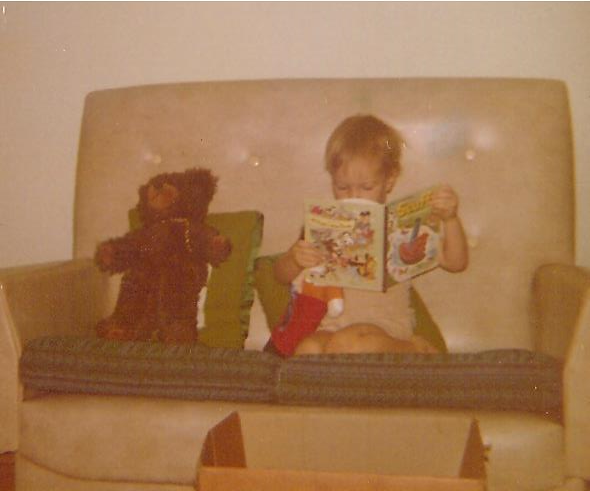
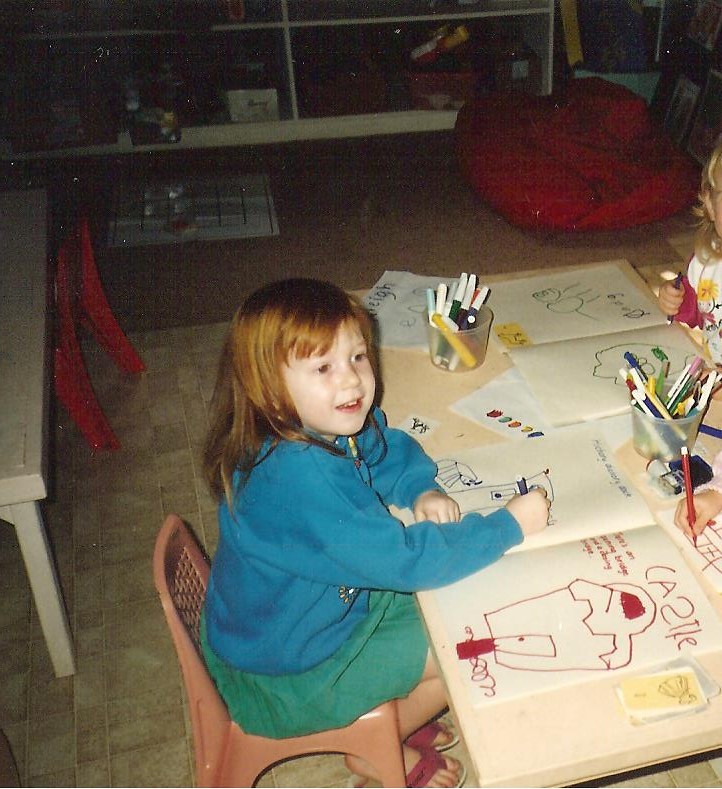
    Ready for school - year 2
    Ready for school – year 2

    Knowledge is power; and one of the easiest ways to suppress and maintain power over others is to keep them ignorant.

    While I am certain that my own willingness to be manipulated and need for acceptance also contributed, an encouragement of curiosity and active inquiry would have had the opposite and more positive effect. I am sure there are others who may not have bent so willingly under pressure and whose natural love of learning flourished despite it or even in response to it. But I know there are many more who bent and failed to rebound and are now trapped by their “unconscious incompetence” in an unassailable comfort zone; not knowing what they don’t know, for “Ignorance is bliss”.

    I am one of the lucky ones for, while I know a lot about some things, I know that there are things that I don’t know, and lots of them! Rather than make me a conscious incompetent, it makes me a willing learner, and passionate about ensuring the flames of curiosity and love of learning are maintained in others.

    Throughout their childhoods, I encouraged my children to question everything, including me, for I wanted them to arrive at their own understandings and did not want their thinking to be restricted the way mine had been.

    For many of you, a love of learning and an ability to acquire knowledge may have been a constant throughout your life. I ask then, that you do not dismiss those who don’t have the advantage of your information and your education. Many do not know what they do not know and they can’t even begin to imagine the questions they could start asking to ignite their learning. If they have had their natural curiosity suppressed and their wills broken, been convinced that submission and conformity were the way to being “good”, and willingly entered the cage and threw away the key; instead of judgment, derision and laughter, what they need is to be shown the open doorway … shown what they don’t know so they too, can start asking questions and filling in the gaps in their knowledge to regain power over their own lives.

    The saying “A little knowledge is a dangerous thing” is very true.

    How many times have you heard someone bemoan, “I wish I knew then what I know now”?

    What can you do to encourage a love of learning or pique someone’s interest today?

    How has your attitude to learning been influenced by the attitudes of others?

  • Enhance learning potential – talk and read daily

    Reports in the media this week asserted that parents are not making the time to read to their children on a regular basis. They also stated that children are beginning school unable to talk.

    So what’s new and why does it matter?

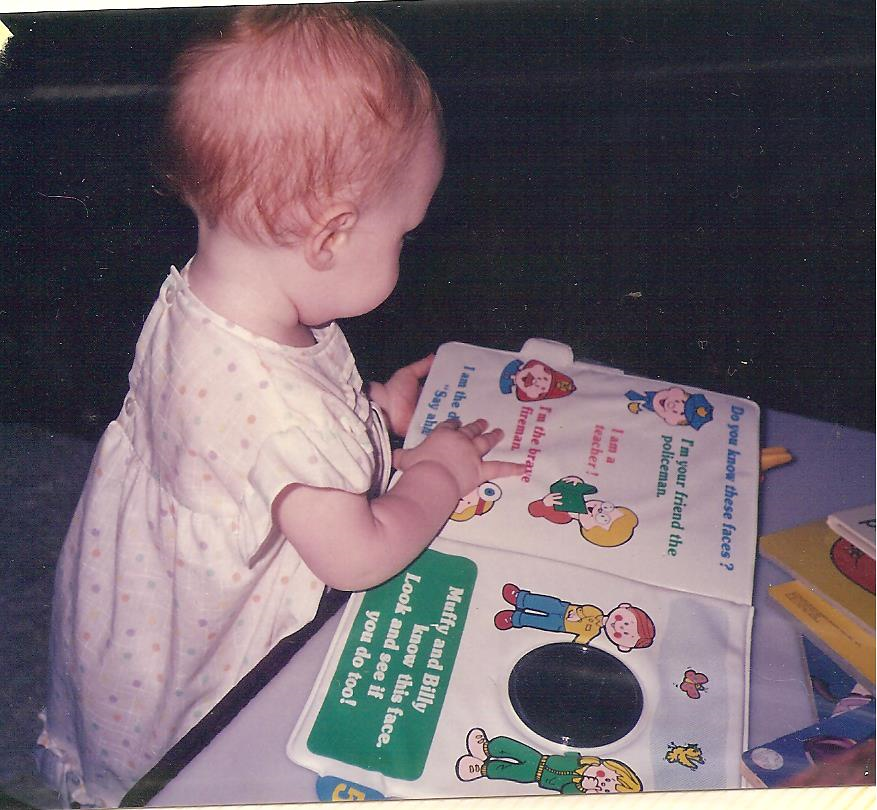
    Beckii readingSimilar allegations have been made for decades and it is saddening to see that the situation persists despite the increased volume of good quality children’s books being readily available at affordable prices and the torrent of information available in easily accessible media, including information about the importance of talking with and reading to children.

    Children who start school with a love of reading and learning have an enormous advantage over those who don’t.

    Robert 2Teachers of children in their first years of schooling are easily able to identify the children who have been talked with and read to in their before school years. These children display a broader general knowledge, a larger vocabulary and fluency with language, a comfortable familiarity with books and an expectation of enjoyment with learning.

    Children whose before school years have been bereft of meaningful conversations with adults and lacking in regular and frequent incursions into books, generally present with limited general knowledge, restricted vocabulary, little expectation that books will provide joy and diminished interest in or incentive for learning.

    Why then are parents not making the time to talk with and read to their children?

    Busy schedules and work commitments make it seem as if there is just not enough time to fit in talking and reading to children every day. But how much time does it take to do that?

    Simple changes in routine can open up new avenues for communication without requiring an extra commitment of time.

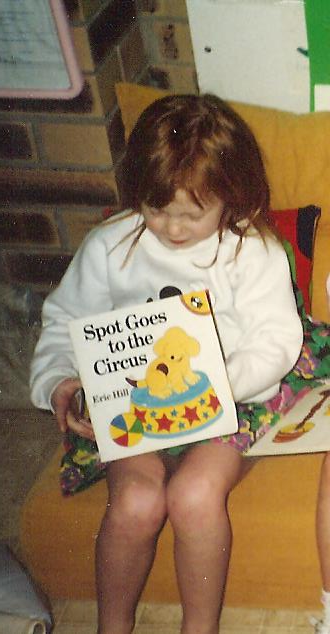
    reading Spot

    Here are just two suggestions for easily adding a talk and a book to the daily schedule without requiring any more time.

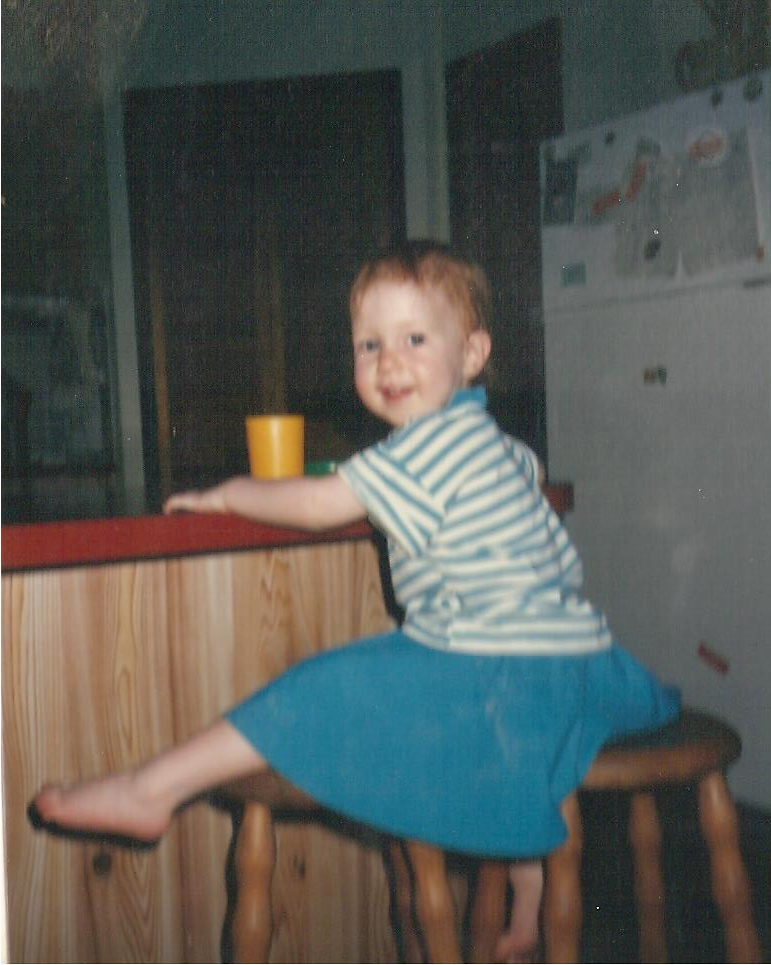
    Sit a child on a stool beside you and chat about the day’s events while preparing the evening meal.

    Beckii on stoolThis simple activity requires no further expenditure of time but greatly enhances the child’s communication skills and the parent-child relationship as well. Vocabulary is extended to include words that name and describe foods and the actions that are used in the preparation. Enlisting their help further boosts their sense of self and independence and may encourage a greater willingness to try a wider variety of foods.

    The promise of a story at bedtime can help to make the transition from a busy day to a restful night easier and more enjoyable.

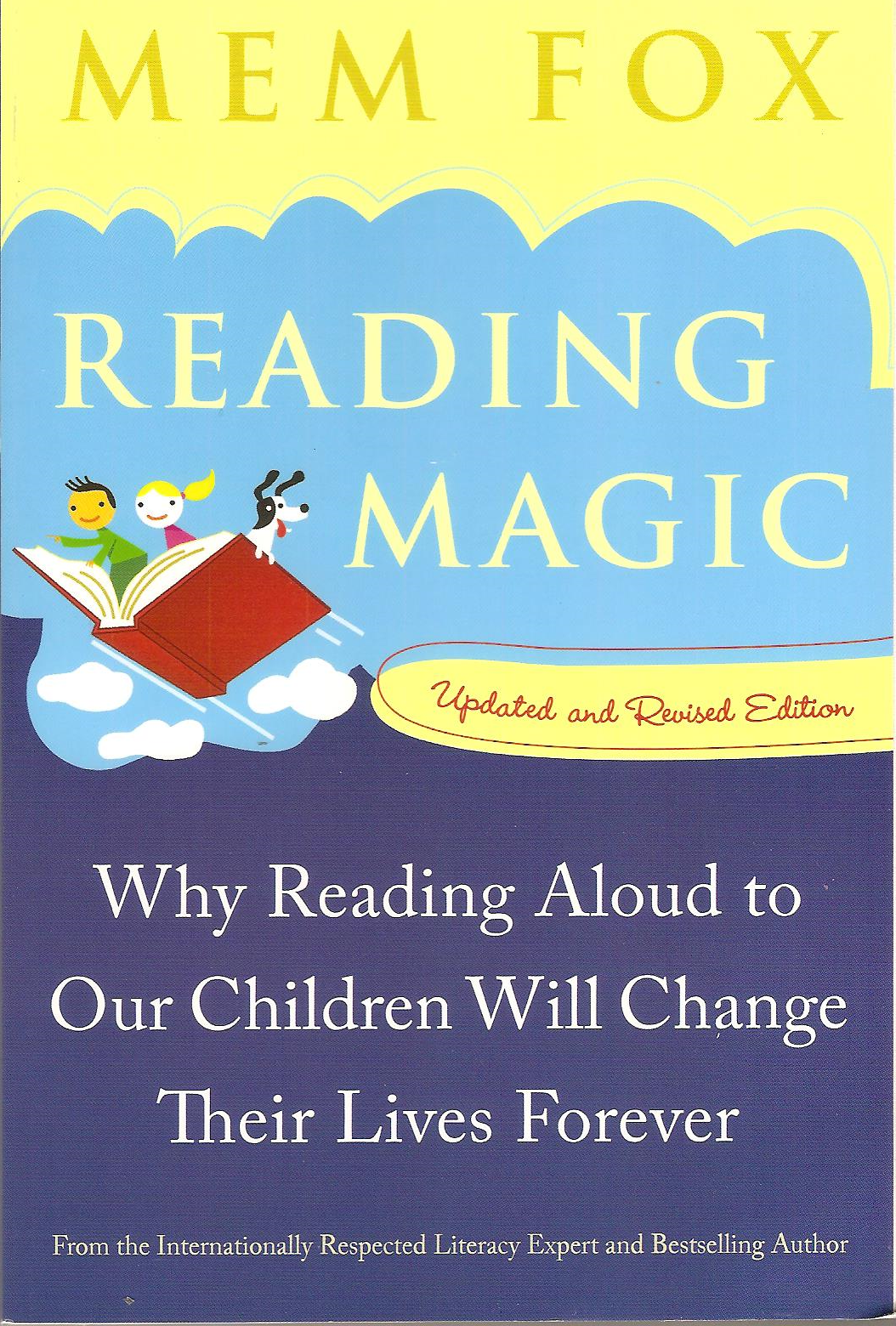
    Reading magicA short time is all it takes to share the joy of a story.  In her book Reading Magic Mem Fox recommends 10 minutes of reading to children every day. Ten minutes of story time gives far more pleasure to both child and parent than ten minutes fraught with coaxing and struggling. Snuggling up in bed for a special quiet story time with a parent eases the child into relaxation and a slowing down in preparation for sleep.

    In addition to strengthening the child-parent bond, a love of books and an enjoyment of language and story is being nurtured; a love that can be maintained throughout one’s life.

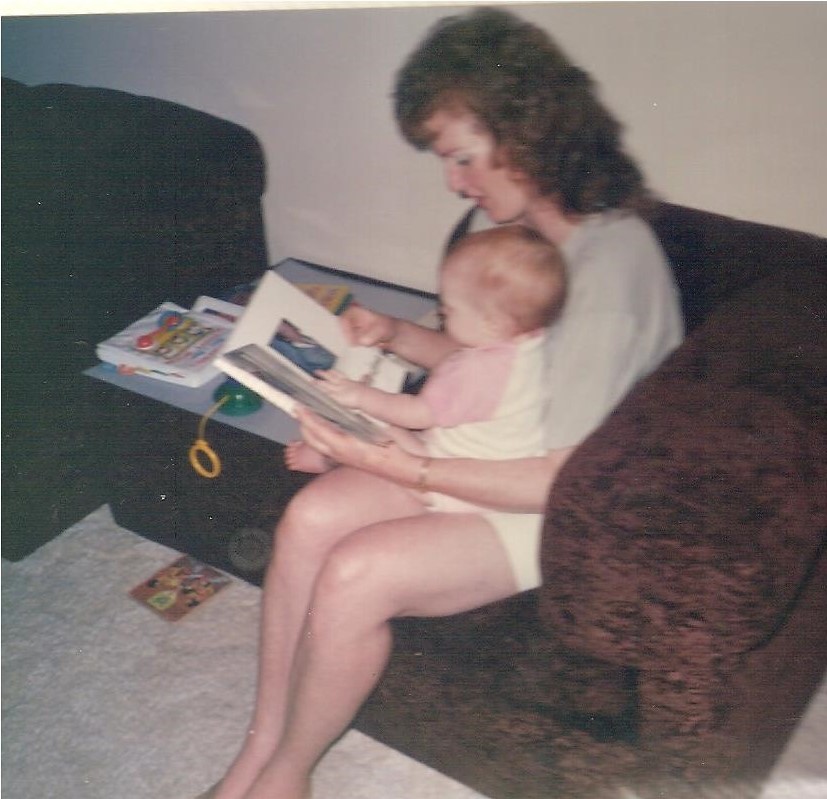
    Nor and Bec reading

    How do you fit talking and reading into your busy schedule?

  • Reflections on learning

    In a previous post To school or not to school I explored some issues I was grappling with as my daughter reached school age. I stated then that in future posts I would explore the effects of decisions I made upon my children’s (and my) education.

    My daughter, Bec, now 26 and working towards a PhD in Environmental Management at UQ, has beaten me to the post by writing the following reflections on her schooling experiences. Who better to explore the effects upon her education than she herself?

    Bec’s reflections on learning

    When I was a wee girl I felt I had a very prolonged ‘childhood’. Not that I became a (painful) teenager later than others, or even an adult later; but more that the early years went for longer for me than they did for others. While other children I knew were in school, wearing uniforms and filling in worksheets, I was on my way into the Brisbane library with my mother, excited about the new books I would get to read. (I always anticipated the craft activities which were on offer, and specifically recall excellent activities related to owls.)

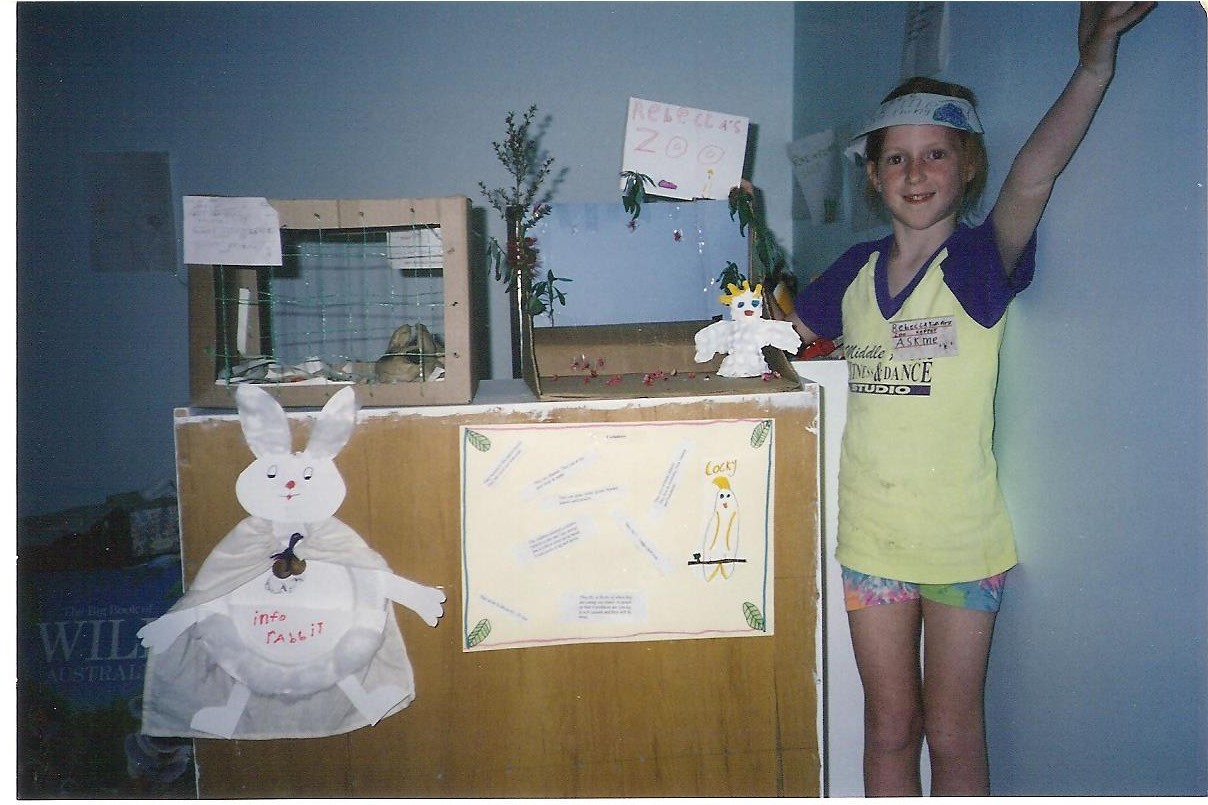
    I also remember that when most other children were in school, I got to play with clay at home, and used the clay to create ‘exhibits’ for a zoo about my favourite animal. It was a great motivation to find out as much as I could about the animal, and I immersed myself in it. I started with rabbits (which I still love though have a real ethical struggle with given they’re such a disastrous environmental pest here in Australia) and then moved onto the Sulphur Crested Cockatoo.
    rabbit and cockatoo projects

    koala cuddleAnother memory, from my very long childhood, was that when most other children were in school, I set up at home ‘The Rainforest Club’, where I made a desk, a rainforest-related library, and a membership program. What was the point of the club? Who knows – but the evidence is still present in a number of Norah’s books which include markings on the inner cover to the effect of ‘This belongs to the library of the Rainforest Club’.

    I remember frequent trips to the Sciencentre when it was in its old digs on the other side of the river, and a day starting with picking strawberries at a local farm, then bringing them home to mix into home-made strawberry ice cream. I also remember being very proud of myself when I got to cartwheel in a parade at the ‘Out of the Box’ celebration at Southbank.

    Out of the box

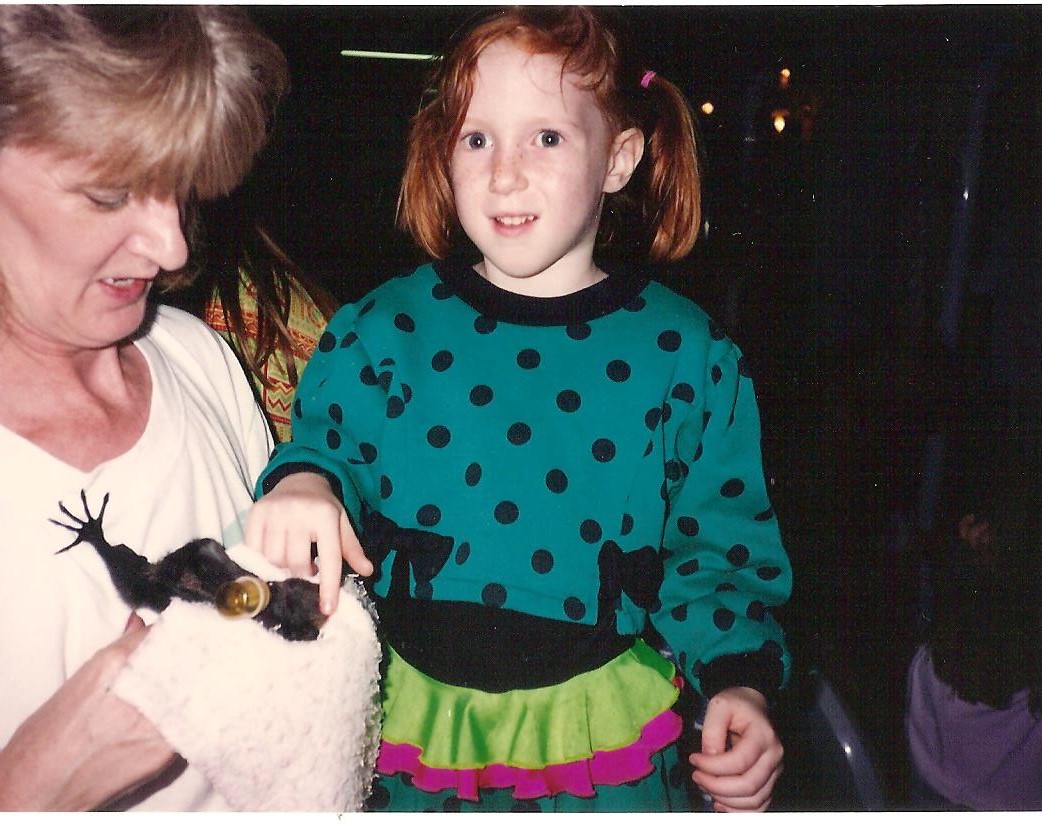
    Then there was the day when an intimidatingly large cane toad launched toward me when I was sitting at the front of a group of children watching an engaging talk about animals (unlike the bunny rabbit, I am not quite so much torn between heart and mind about this invasive species, although increasingly it seems that the story of the cane toad in Australia reflects the story of post-1788 colonisation in Australia). A less traumatic animal experience was going on the ‘Batty Cruise’ down the Brisbane River as the macro bat colonies were stirring shortly after sunset. It was absolutely incredible – there were thousands of bats flying overhead – and an expert on board had a baby bat AND a baby echidna.

    batty cruise

    I also know Norah still has the story I wrote which explained all of the mysteries of neuroscience; “How the Brain Works”. Obviously, it’s a little man who lives in my brain, working efficiently with a series of filing cabinets.

    What this little man didn’t work out at the time though – and only really worked through the files to figure out years later – was that despite not being at the time in School with a capital S, I was in school during every moment of the day and night during those early years. I LOVED visiting the library and the museum and the Sciencentre. I LOVED reading books, researching about animals, writing stories and experiencing my world.

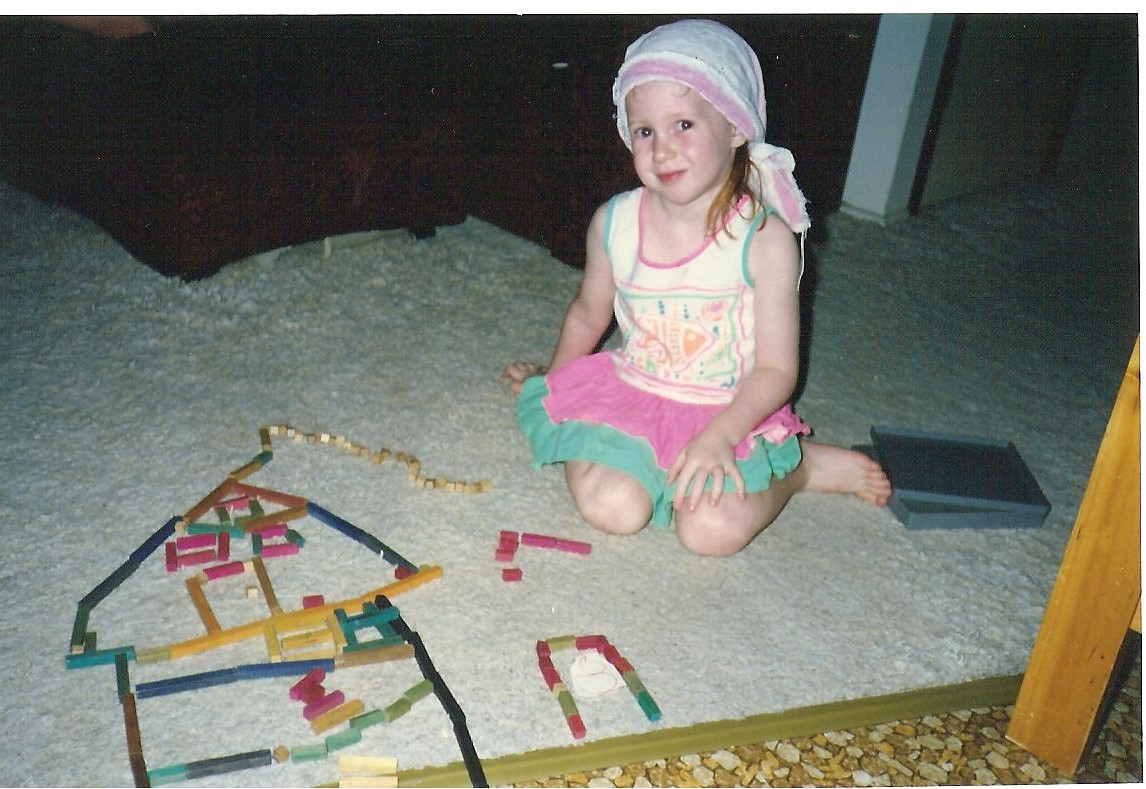
    Bec's cuisinaire house may 91        writing

    There’s no evidence in my memories that I was ever actively Being Schooled – I remember playing, spending time with my mother, going on fun day trips, and being creative. All of this, as far as I knew, without a formal lesson plan presented to me in the morning, without worksheets to complete (though I did spend a lot of time writing for fun – can you imagine such a thing?), without testing which would give me a reductive and quantitative measure of my intellect, abilities, and ranking against other children.

    I started School with a capital S in grade 4, which was very hard to begin with. ist day of schoolThe decisions which led to my enrolment in a School are absent from my memories of the time, but I think I remember that I wanted to be with other children. It makes me sad to think back on this, because I worry that as a child knowing nothing but my own life as the basis for all of my understandings about the world, that perhaps I didn’t appreciate Norah enough, and maybe I hurt her feelings when I wanted to be with other children. When I started School, I have a vivid and poignant memory on the first or second day being given a worksheet with no idea about how to complete it, as it was such a foreign concept. I felt out of my depth and incapable of fitting in, and I was upset. It took a little while to make friends (which resulted in a number of lonely lunch breaks), but once I did I was happy. I enjoyed most of the school work, and as far as I am aware my schooling experience from that point on was no more extraordinary than that of any other child at a state School. I missed being with Norah during the day but I was lucky that she was involved as a parent helper in my class, and then had a teaching position at my School.

    So there is no dramatic end to the story – I was home educated and then I went to a School. I find this difficult to explain, but as a child, there is no other life that I knew. So it didn’t feel like my home education years were cut short by going to School, nor did it feel like I was starting School late (though I was aware that I was a bit different in terms of my schooling). Now as an adult and with hindsight, I am very thankful for the gift of home education that Norah gave me. (I am also proud to know that I was a bit different in terms of my schooling.)

    I would like to offer some evidence of the impact that being home educated has had on my life, but I am not sure how to do this, after all, I’m the experiment and there’s no control for comparison. I can, however, say that I loved my childhood and I still have a very strong and driving love of learning.

    Click on the link below to see some photos from Bec’s scrapbook.Photos from the scrapbook

    These early photos portray activities that continue to interest Bec to this day: a love of animals and nature, an enjoyment in cooking and sewing, creative crafts, mathematics and writing.

  • Spider encounter

    Spider encounter

    What value a bug’s life? What value a child’s uniqueness?

    Have you ever found a spider in your shower?
    What did you do? How did you react?

    Click on the link to read the poem “Hello Spider”.

    Hello Spider

    I wrote the poem this week after encountering an 8-legged friend in my shower.

    As the poem reveals, I am quite happy to share my world with spiders. However I am rather reluctant to share my shower with them – they just might jump on me! Arggh!

    I don’t really know why I crushed the spider with the broom after it had so willingly vacated the shower. I suffer deep pangs of remorse at having done so; but I did keep a very watchful eye on it while I was in the shower – just to make sure it wasn’t going to come back and jump on me. And all the while, it didn’t move. It stayed very still.

    Later, out of the shower and fully dressed, I spotted a spider of similar size on the ceiling. Two spiders in one morning, I thought: must be an infestation! I checked out the spider on the floor, and found it wasn’t there. It was the spider on the ceiling – resurrected! Now that there was no possibility of it interrupting my shower, I was greatly relieved to see that I hadn’t killed it after all.

    While I did write this poem as a bit of fun, it does raise a philosophical dilemma.

    Do we have the right to kill other creatures? And if so: Which ones? When? Why?

    These questions lead far deeper too, into many other issues about which we must make ethical decisions. However, at the moment I am just considering our right to kill these tiny creepy crawlies that invade our homes and personal spaces. It is okay, isn’t it? What value a bug’s life anyway?

    Various readings have contributed to how I think about this. A few in particular spring to mind un-beckoned when confronted with tiny creatures in my home. For example if a cockroach should dare to make an appearance in my kitchen, invariably I grab the closest killing implement (e.g. shoe) and put the tiny creature out of its misery – or mine.

    But I always apologise to the cockroach for having robbed it of its life, so that makes it alright. Right?

    But is it really alright if I persist in repeating that very same action every time I find another cockroach in my kitchen? Is it real remorse? Do I really have the right to do this to one of the most resilient and perennial creatures on Earth?

    Many years ago when reading Chesapeake by James A. Michener (Random House, 1978) I was challenged by the description of an attitude held by the colonialists towards various groups of people who were considered to be non-human animals. I thought that if it was so easy to disregard the humanity of so many groups of people, are we underestimating the worth of animals.

    The tenet of Buddhist philosophy, ‘do no harm’ is also challenging, and niggles away with thoughts that pop-up to tease and taunt me whenever the issue of life or death presents itself.

    And of course, the unmerciful slaughter of Roald Dahl’s hero, Lexington, in the short story Pig (Collected Short Stories, Penguin Books, 1992) makes me cringe with abhorrence. Why not then for the pigs?

    So many thoughts. So many issues. So many ethical decisions.
    Please feel free to comment on any related issue that may be of importance to you.

    I’m going to take it just one step further to another analogy, that of education.

    When we try to mould a child to fit a certain expectation at a particular age, when we impose a set curriculum that provides no opportunity for negotiation, when we leave no room for self-directed investigation, when creativity and curiosity are lightly valued, are we not quashing the essence of what makes that child unique? Of what potential is the world being robbed? Are not the free thinkers, the innovators, the ones who see outside the square, the ones who challenge what is for what might be, are they not the ones who change the world?

    Sometimes it seems that the uniqueness of child can be as carelessly squashed as a spider in a shower.

    “Some men see things as they are and say why? I dream things that never were and say why not?” George Bernard Shaw (Back to Methuselah, 1921)

  • To school or not to school

    For most people this is not a question.
    Schools exist. You send your children to school. They go to the local government school. Decision made.
    For some, the question of choosing between a government and a private school arises.
    If the decision favours private schooling, then further decisions must be made, including which school and when to enrol. The choice may be influenced by a variety of factors such as location, cost, religion, family tradition, uniform or discipline, amongst others.
    A smaller number of families opt for non-traditional independent schools offering alternative or individual programs.
    Fewer still choose the path of home education.
    The reasons for choosing any one of these options may be as varied and individual as are the families. The level of satisfaction with each, and the success to be achieved within each is also individual. While no one situation is best for everyone; one situation may be better for some than others, and each has its advocates and detractors.
    My personal journey with education has led me along each of these paths at various times: sometimes teacher, sometimes student, always learner. I was educated in a Catholic school, have taught in both government and Catholic schools, attempted to establish an alternative school, and home educated my daughter for a short while.
    Attached to this blog is an article that was first published 20 years ago when my daughter was 6 years old and my son 18. As you will read, I had long held misgivings about the effect of formal schooling on the development of the individual and on the ability of a large institution to cater for the needs of each developing learner. I felt I had suffered somewhat from the imposed restrictions of my schooling and, although my son had been taught by one or two wonderful teachers, there were many more who were less inspiring. When my daughter came along, I knew I wanted something different for her education.
    Many of the thoughts, attitudes and emotions expressed in this article are just as fresh now as they were then; and I am no less concerned for the education of my grandchildren in the current educational environment, than I was for my own children so long ago.
    Future posts will explore decisions I made and the effects upon my children’s (and my) education.
    I would love you to share your own thoughts about learning, education and schooling.
    I have found that if there is one thing that everyone has an opinion about it is school: been there done that!
    Love it or hate it, tell me what your think!

    To school or not to school

    Click on the link to read the article.