Live Love Laugh Learn … Create the possibilities

Tag: Carrot Ranch flash fiction

  • Living for fame posthumously

    Living for fame posthumously

    Would you sell your soul to the devil to be rich and famous in life, or would you be content with fame after your death?

    While most of us might say that it’s not fame or fortune we seek, many spend untold energy and funds on marketing our writing, hopeful of reaching a few extra readers and recouping a few of those hard-earned dollars.

    Most of us would say we have no desire to go down in history like some of these whose works were unknown or unrecognised in life, but lauded after death; including:

    • Edgar Allan Poe (Writer)
    • Emily Dickinson (Poet)
    • Franz Kafka (Writer)
    • Galileo Galilei (Scientist)
    • Henry David Thoreau (Philosopher)
    • Herman Melville (writer)
    • John Keats (Poet)
    • Oscar Wilde (writer)
    • Stieg Larsson (writer)
    • Vincent Van Gogh (Artist)

    and others you can read about at ScoopWhoop here and here, and also on Toptenz here, where the suggestion is made to never give up because there is no way of knowing what lies ahead.

    However, this article by Daniel Grant writing for the Huffington Post and this one on Quora both address the question of an artist’s posthumous fame and agree that, if you weren’t famous in life, you’re unlikely to be famous in death. Perhaps we’d better go for the fame and fortune while we live.

    Carrot Ranch flash fiction challenge - unremembered

    Why am I thinking about posthumous fame? It’s not that I’m thinking of dying and then being discovered anytime soon. No, it’s as a result of the flash fiction prompt set by Charli Mills at the Carrot Ranch this week.

    Charli challenged writers to In 99 words (no more, no less) write a story about someone unremembered. Is it a momentary lapse or a loss in time? Play with the tone — make it funny, moving, or eerie. Go where the prompt leads you!

    This is how my story plays out.

    Unremembered

    A recluse, unremarkable and forgotten in life and unremembered in death, she’d lived in her own world hidden behind overhanging branches and overgrown gardens. Unseen for so long, newcomers didn’t know she existed, thinking it was simply undeveloped land.

    One day, developers came and pushed down the trees and cleared the undergrowth. They paused at the sight of the tiny wooden structure their work revealed. Unsure how to proceed, they investigated. Though not art enthusiasts, they knew that what they discovered was something special. When the work was curated and exhibited in galleries worldwide, she was never unremembered again.
    Thank you blog post

    Thank you for reading. I appreciate your feedback. Please share your thoughts.

  • Unpacking the greatest gift — comparatively speaking

    Unpacking the greatest gift — comparatively speaking

    Carrot Ranch flash fiction challenge - greatest gift

    This week at the Carrot Ranch, Charli Mills challenged writers to In 99 words (no more, no less) write a story that includes the greatest gift. Answer it as if it were a question, or show what it could be. Go where the prompt leads you!


    As usual, my mind jumps all over the place trying to find somewhere solid to land.

    For example:

    Do you remember learning the comparative and superlative at school?

    great                    greater                 greatest

    But what could be described as the greatest, indeed the greatest gift?

    Muhammad Ali had no trouble in declaring that he was the greatest.

    And ever since reading Charli’s post, I haven’t been able to get Whitney Houston out of my head.

    According to liveaboutdotcom, Whitney Houston“has been cited by the Guinness Book of Records as the most awarded female performer of all time.” It appears that those awards were not enough. Perhaps had she been able to find that love, it would have been her greatest gift

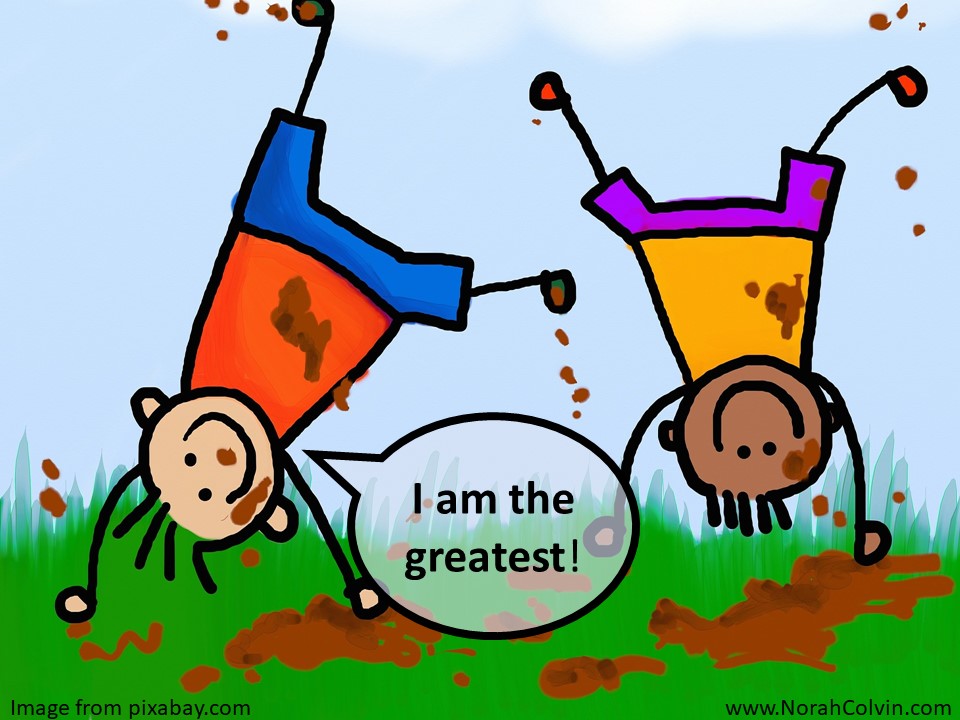
    Then there’s a chant I used to hear in the playground. A group of girls would gather and one would call out, “I am the greatest”. Others would respond, “No you’re not.” Then everyone would do a handstand. And so, it would repeat. I think whoever held the handstand the longest was entitled to call, “I am the greatest.” If only it were that easy.

    I am the greatest - playground game

    If one was to be the greatest at anything, would that be the greatest gift?

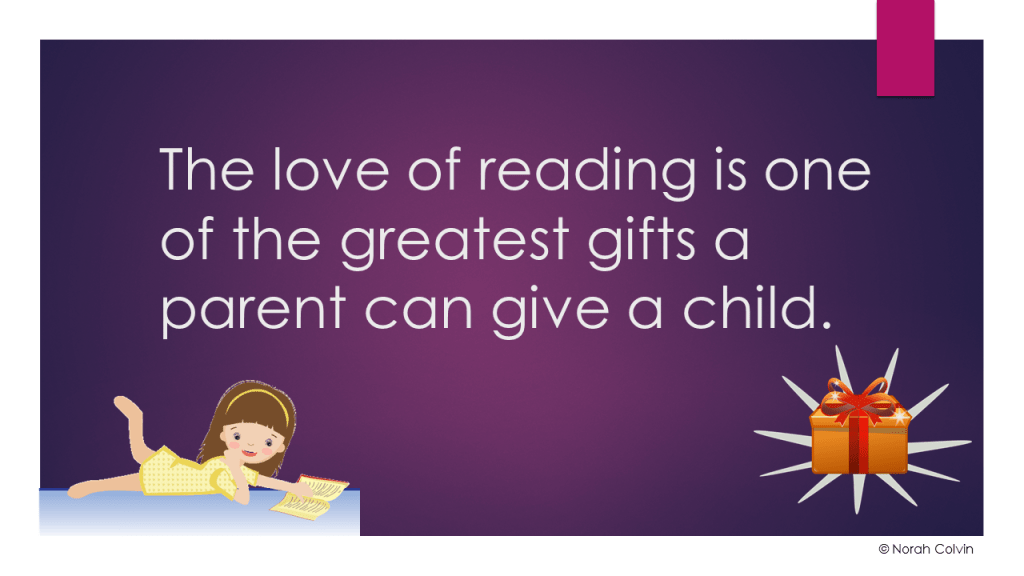
    I’ve often said that a love of reading is one of the greatest gifts that a parent can give a child.

    the love of reading is one of the greatest gifts a parent can give a child

    It is one of the greatest gifts not only for the joy that reading can give, but even more because the ability to read is empowering. It enables one to fully participate in what societies have to offer, to navigate one’s way through our complex environments and seek knowledge for oneself.

    If it is but one of the greatest gifts, what are the others, and is there one that is greatest of them all? Is it the gift of life? Of unconditional love? Of being accepted as you are? The most expensive car? The biggest house? The largest inheritance?

    Was winning the World Heavyweight Championship the greatest gift for Muhammad Ali? The greatest number of awards wasn’t the greatest gift for Whitney Houston.

    I think it’s too difficult to intellectualise. I’ve gone back to the concrete thinking of six-year-olds for my answer.

    The Greatest Gift

    The class was aflame with a mix of sadness and excitement.

    “She’s is leaving.”

    “She’s gunna have a baby.”

    “I’m gunna bring her a gift.”

    “I am too.”

    On her final day, the children jostled to give first, hopeful she’d love their gift the best.

    “Mine’s bigger than yours.”

    “Mine’s better.”

    “Mine’s the greatest.”

    The children gloated and nudged each other as the teacher opened the gifts.

    “How perfect.”

    “This is great.”

    “Thank you, everyone.”

    Finally, Tommy edged forward. His hands were empty. He looked shyly into his teacher’s eyes and whispered, “I’ll miss you, Miss. You’re the best.”

    Thank you for reading. I appreciate your feedback. Please share your thoughts.

  • What’s Grit Got to Do with It?

    What’s Grit Got to Do with It?

    Carrot Ranch flash fiction challenge - true grit

    This week at the Carrot Ranch, Charli Mills challenged writers to In 99 words (no more, no less) write a story that shows true grit. You can use the phrase or embody the theme. Who or what has true grit? Go where the prompt leads you!

    Grit is a combination of many things including perseverance, determination, resilience, persistence, doggedness. It’s an ability to overcome the small obstacles that litter life’s path without allowing them to overwhelm and prevent a way forward.

    Teaching requires grit. Along with the enormous expectations and responsibilities of the role, there are the needs of many little people to be met. Most days teachers cope admirably, but some days can offer a little more challenge.

    One of our roles as teachers is to help children develop grit, to have a go, persevere, be persistent and resilient. In any class, there will be children with varying degrees of grit. There will be those who are just a little more needy, requiring a little more encouragement and support. Most days they might cope admirably, other days may offer a little more challenge.

    As John Denver sang, “Some Days are Diamonds. Some Days are Stones.”

    Some days may be just a little grittier than others and we might need a whole bucketful of grit to make it through.

    A Bucketful of Grit - flash fiction

    A Bucketful of Grit

    “Miss, Jimmie’s crying.”

    “Thanks for letting me know, Susan,” she smiled through gritted teeth.

    What now? Couldn’t she just finish her tea for once? Something trivial, no doubt. Better go see, just in case.

    She met a small posse escorting Jimmie across the playground. Their imploring eyes begged her sympathy.

    “What’s wrong, Jimmie?”

    “I, I —”

    “He got grit in his eye, Miss.”

    “Let’s see. Ah, yes. Better take him to First Aid.”

    The children moved off as one, except George. He turned and held out a bucket.

    “What’s that?”

    “You told Jimmie to find some grit. Here ‘tis!”

    Thank you blog post

    Thank you for reading. I appreciate your feedback. Please share your thoughts.
  • What does your daddy do?

    What does your daddy do?

    This week at the Carrot Ranch, Charli Mills challenged writers to In 99 words (no more, no less) write a story about the safebreaker’s daughter. Who is she, what did she do, and where? Go where the prompt leads you!

    Carrot Ranch flash fiction challenge - safebreaker's daughter

    In her post, Charli linked to the song The Safebreaker’s Daughter. After taking us on a deep mapping journey around the streets of her home, Charli contemplated what might occur should the safebreaker’s daughter turn up on one of those streets and wrote 99 words to share her thoughts. Please pop over and read if you would like to respond to her challenge as well.

    As I have spent most of my life in the classroom, as usual, and not surprisingly, that’s where the prompt took me.

    As teachers in public schools, we work with children from many different backgrounds, family configurations and status. The children of parents who ‘earn’ their living by not-so-honest means must also attend school. Unless those parents are the ‘wealthier’ white-collar criminals and seemingly respectable until caught out, many of the children attend public schools. Most teachers, at some time, will have worked with children whose parents engaged in practices outside the law or may have even been incarcerated. Sometimes we know. Sometimes we suspect. Sometimes we have no idea.

    It is more than likely that the safebreaker’s daughter would have attended school and at some stage, as most children do, written about her parents and their work as part of her social studies. As we’ve just celebrated Father’s Day here in Australia, I decided to place the safebreaker’s daughter in a class writing about their father’s employment.

    What Does Your Daddy Do?

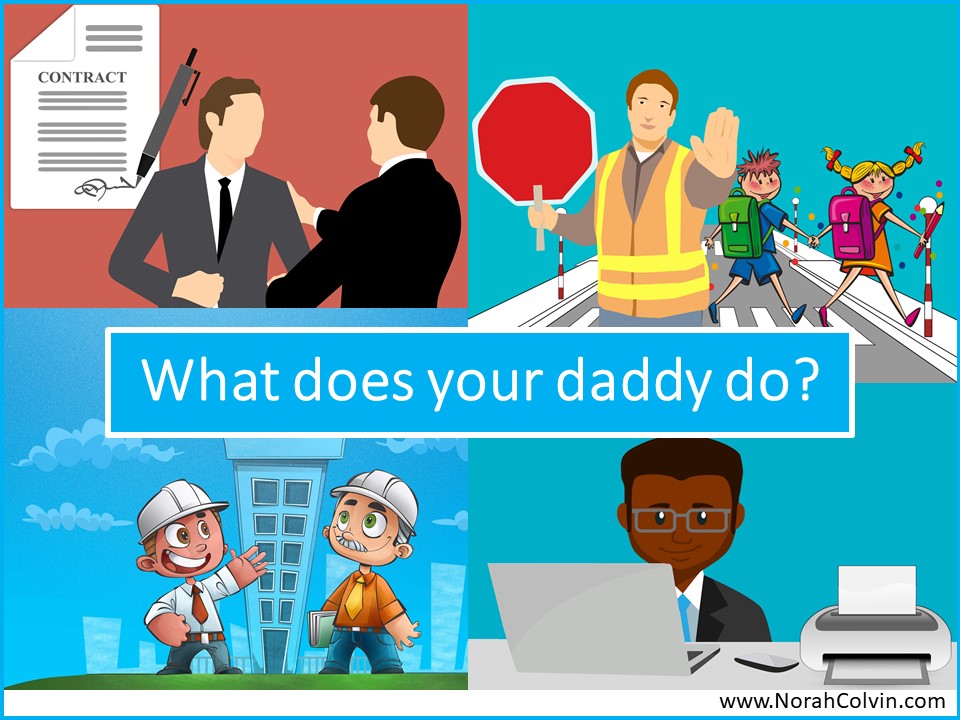
    The children drew portraits and wrote profiles of their fathers’ work. Some had accompanied their father to work and related first-hand knowledge of laying bricks, wearing a fireman’s helmet, sitting in the manager’s chair, or distributing medication to patients. Then it was Patsy’s turn. She read:

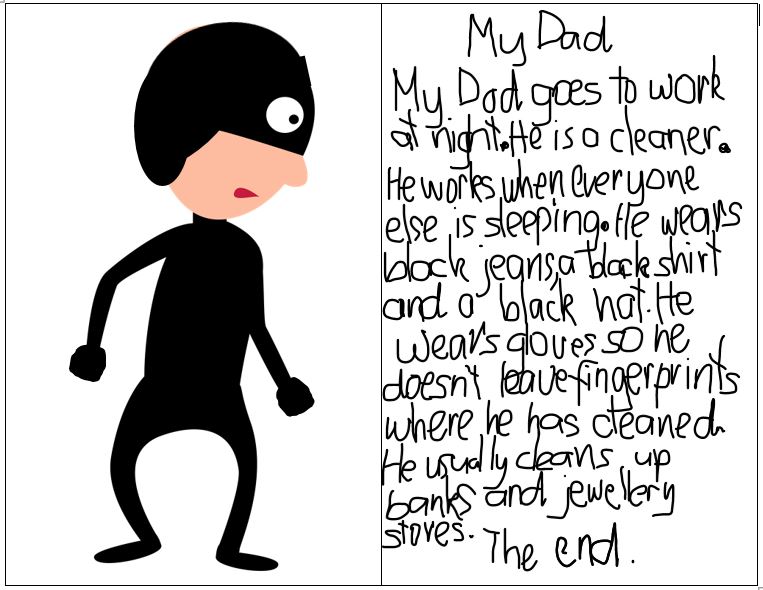
    “My Dad

    My dad goes to work at night. He is a cleaner. He works when everyone else is sleeping. He wears black jeans, a black shirt and a black hat. He wears gloves so he doesn’t leave fingerprints where he has cleaned. He usually cleans up banks and jewellery stores.

    The end.”


    My Dad - a childish story

    Note: The burglar illustrating Patsy story is an alteration of an Image by Joe Alfaraby from Pixabay.

    Thank you blog post

    Thank you for reading. I appreciate your feedback. Please share your thoughts.
     

  • Old World — So Last Century

    Old World — So Last Century

    Carrot Ranch flash fiction challenge old world

    This week at the Carrot Ranch Charli Mills challenged writer to In 99 words (no more, no less) write a story about old world charm. It can be nostalgic or irreverent. You can invent an “old world,” return to migrant roots or recall ancient times. Go where the prompt leads you!

    Born mid-way last century and unlikely to see the middle of this, from this angle anyway, I have to admit that I’m of the ‘old world’. The young ones think I’m ancient.

    When my daughter, now an adult herself and ‘old’ to younger eyes, was but a child, she often asked me to tell her what life was like ‘in the olden days’ when I was a child. She even asked what the dinosaurs were like!

    Although she teased, it has become entrenched in family lore. (Most family members have been obsessed by dinosaurs at some time — perhaps in the hope of locating ancestors?) But perhaps the juxtaposition is not that unlikely if one has not yet developed an understanding of the evolutionary timeline.

    I’ve always appreciated the quote, often mistakenly attributed to Einstein, that says the only reason we have time is to prevent everything happening at once. There is another that questions whether, if a tree was to fall in the forest and no one was there to hear it, would it make any sound?

    Could it be that for children, until they develop a sense of time, anything that has occurred outside of their memory, prior to their birth, seems to have happened all at once in that long ago, old world time.

    The first children to have been born this century are already reaching adult status but it is difficult for them to imagine life before mobile phones, text messaging, iPads, social media, the internet, instant information, streaming and video games, let alone television. Even for some of us who experienced those ‘olden days’, it can be difficult to remember just what it was like.

    This video of children reacting to rotary phones may help you recall.

    How did we meet up with friends when we didn’t have phones, never mind mobile phones? What did we do when we were waiting for an appointment or an event and we didn’t have our phones for entertainment? What did we do when we wanted to know something and we weren’t at the library, beside a set of encyclopedias, or someone knowledgeable? No wonder our parents answered our questions with statements such as; “Because it is” and admonished us for asking too many questions. No child should ever have their questions shut down now with answers just a button away.

    This year marks the 50th anniversary of momentous events such as the Moon Landing, Woodstock, and my final year of school. I may not have roamed with the dinosaurs, but how life has changed since then. My story reflects back on time in that ‘old world’. I hope you like it.

    So Last Century

    “What did you play on the iPad when you were little, Grandma?”

    “There weren’t any iPads when I was little.”

    “What?”

    “We didn’t even have computers.”

    “What? How did you watch movies? On your phone?”

    Grandma laughed. “No, we couldn’t watch movies on our phones. They didn’t have screens. And we couldn’t carry them in our pockets either. We went to the cinema to watch movies. When I was really little, we didn’t even have television.”

    “Wow! What did you do then?”

    “Lots — played games, read books, made our own fun.”

    “Can we play a game?”

    “Of course, love.”

    Thank you blog post

    Thank you for reading. I appreciate your feedback. Please share your thoughts.


  • Sweet Strawberry Jam

    Sweet Strawberry Jam

    Carrot Ranch Flash Fiction challenge Sweet Jam

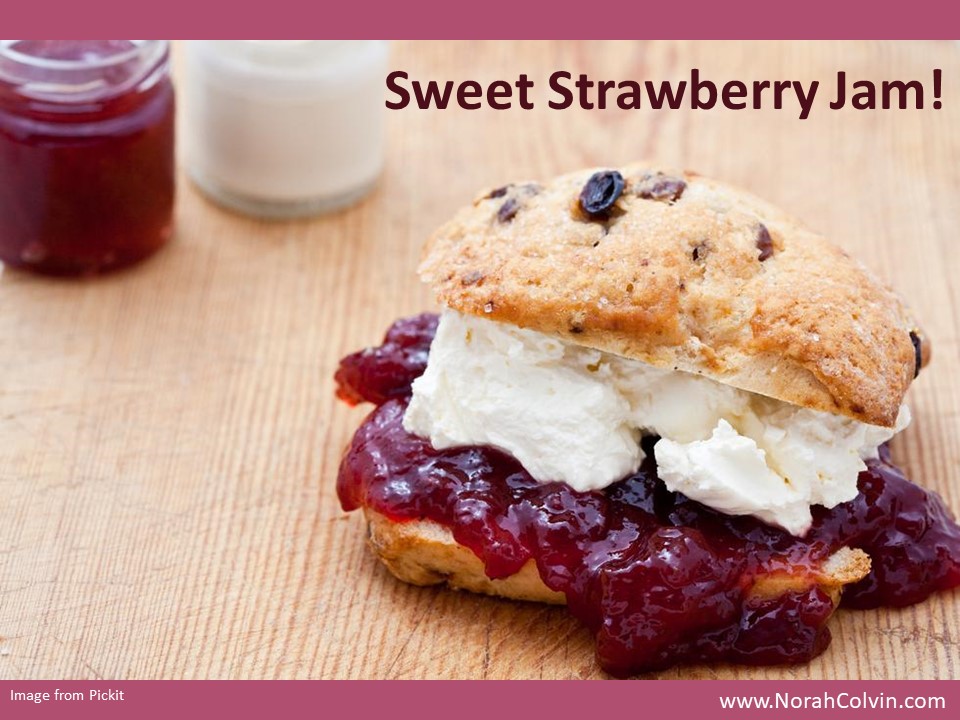
    This week at the Carrot Ranch, Charli Mills challenged writers to In 99 words (no more, no less) write a story that includes a sweet jam. It can take you to the kitchen or the smokey room of a back-alley bar. What makes it sweet? Go where the prompt leads you!

    Although my mother was a great one for preserving and making jams from surplus fruits and vegetables, I never followed her example. I recall her pressure cooker filled to the brim with sweet sticky concoctions which were then sealed into Vacola jars for storage and future use.

    Mulberry, fig, quince and tomato are just a few of the jams I remember her making. They were always a favourite heaped onto fresh white bread. Sometimes so much jam was applied, someone would sarcastically ask, “Would you like bread with that?” to which the only appropriate answer was, “Only if I have to.”

    But we didn’t just spread jam on bread. Mum would use jam in some of her favourite sweet recipes including a coconut tart, raspberry slice and jam drops, all of which we children devoured as quickly as she could make them.

    Although I didn’t take up the challenge of making jam, I’ve always enjoyed a word challenge. Even at school, I liked being asked to write a sentence to show the different meanings of the same word; for example, ‘bow’. I much preferred the creative aspect of such activities to simply filling in a missing word which usually had only one right answer and was a no-brainer.

    The word jam and its variety of uses appealed to me in this way and I’ve jammed a few into my response to Charli’s challenge. I hope you enjoy it.

    Sweet Strawberry Jam

    Overhearing a conversation about the jam session at Lorna’s that night, Ailsa assumed the email was buried in spam which had jammed her inbox recently. She collected her Vacola jars and headed for the motorway. Discovering the traffic jam too late, she had no choice but to wait. The jam drops prepared for supper eased the monotony. At Lorna’s, she jammed her car into a tight spot and rushed inside. The living room was jam-packed, and music indicated a different kind of jamming. Setting down her Vacola jars, she leaned against the door jamb. “Sweet strawberry jam!” she breathed.

    And how could I not have a post about jam without a reference to that Newbeats’ hit of the ‘60s I Like Bread and Butter.

    Thank you blog post

    Thank you for reading. I appreciate your feedback. Please share your thoughts.


  • Apples for the teacher

    Apples for the teacher

    My entire life has been focused on education, both in school and out. As explained in my poem Education is, I don’t consider education and school to be synonymous. While some learning may take place in school, education encompasses much more than that. It occurs through living and is lifelong.

    While my views have always challenged the traditional approach, I haven’t always found other like-minded educators in my personal circle. When I do meet others with a similar passion for children and learning, I feel exhilarated and renewed, excited by the prospect of what could be.

    Recently, on Facebook, I viewed this video by Prince Ea, musician and motivational speaker.

    The video led me to the Innovation Playlist and Ted Dintersmith. I knew I had found others of similar mind when I saw that the first video on the Playlist was Do Schools Kill Creativity by Sir Ken Robinson, which I shared last week (and previously here, here and elsewhere). What joy!

    There is much to explore on the Innovation Playlist, and I have only just begun. If like me, you believe traditional schooling could do with some improvement and are heartened by good things that are going on in many places, I highly recommend you take a look.

    So far, I have watched Ted Dintersmith’s movie Most Likely to Succeed and am currently listening to his book What School Could Be. His book is a fascinating expose of schools in the United States of America. In one school year, he visited schools in every State discovering innovative “teachers doing extraordinary things in ordinary settings, creating innovative classrooms where children learn deeply and joyously.” His findings are inspiring and reassuring that schools can do more than prepare children for tests, they can prepare children for life. It is a fascinating read. If you live in the US, you will find something about schools in your own State. If you live outside the US, you will find something to inspire you.

    For a quick overview of Dintersmith’s book and findings, read this article published in Education Week last year What’s Actually Working in the Classroom?

    This discussion between Ted Dintersmith and Prince EA provides an insight into their motivations for improving education.

    Carrot Ranch flash fiction challenge - poisoned apple

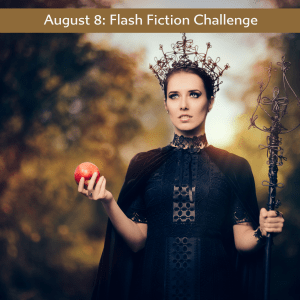
    This week at the Carrot Ranch, Charli Mills challenged writers to In 99 words (no more, no less) write a story about a poisoned apple. Let’s explore dark myth. Deconstruct the original or invent something new. Negotiate the shadows, shed light, but go where the prompt leads you!

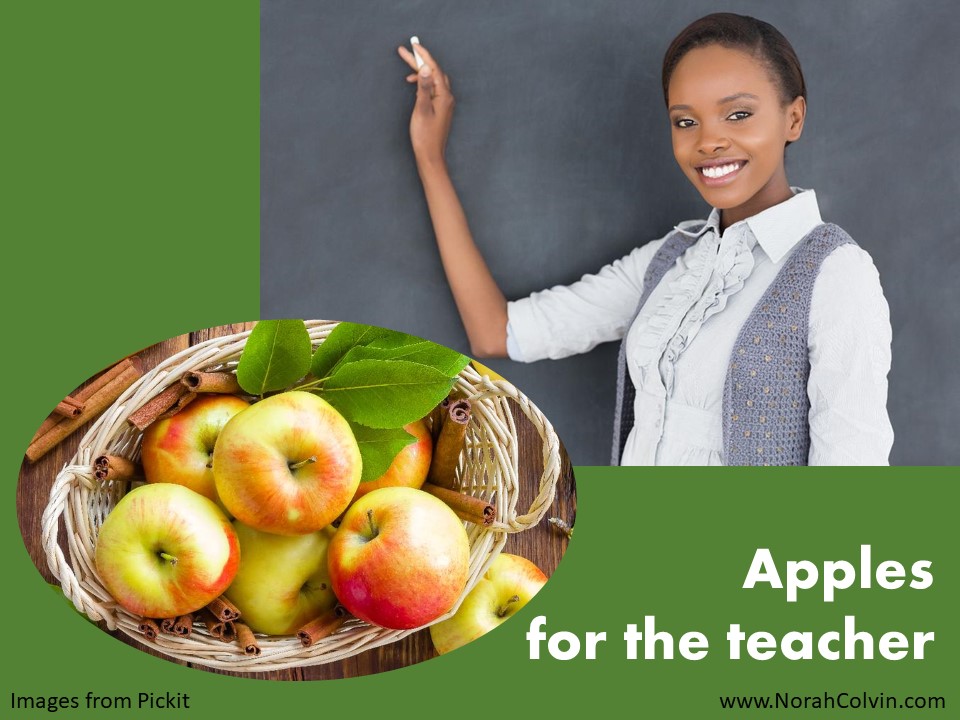
    An apple is often used as a symbol for the teacher, and we talk about ‘an apple for the teacher’. Rather than write a fractured fairy tale, of which I am fond, I thought a poisoned apple was a perfect analogy for what happens when the focus of schooling is on test scores rather than children and learning. Let’s see what you think.

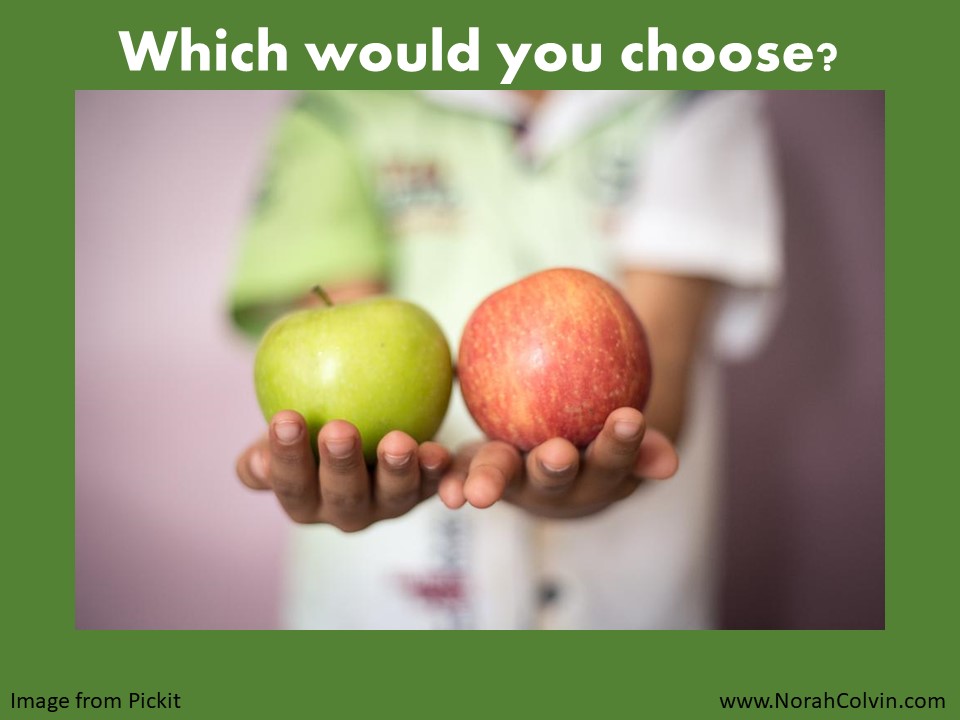
    apples - which would you choose

    It’s an institution

    They arrived with bright eyes, open hearts and curious minds. As they entered, each was handed a shiny apple full of promises. They took their places and followed instructions. In unison, they bit off small portions of their apple and chewed to the beat of the enormous metronome suspended above. On cue, they swallowed but, with insufficient time before the required regurgitation, were unable to digest any components. Before they had finished, the taste was bland, swallowing difficult and regurgitation almost impossible. On exiting, their eyes were dull, their hearts closed, and their minds shrivelled, poisoned by false promises.

    The antidote

    They arrived with bright eyes, open hearts and curious minds. As they entered, each was handed a shiny apple full of promises. No instructions were given. Each was guided in making their own discoveries. Some investigated flavour, nutritional benefits, and created award-winning recipes. Some explored seed propagation, discovering ways of increasing productivity and limiting food scarcity. Some peeled the apple and inspected it layer by layer to determine its innermost secrets. Some cut it in half to reveal and release the stars within unlocking unlimited potential and the secrets of the universe. All were filled with wonder and learning.

    «»

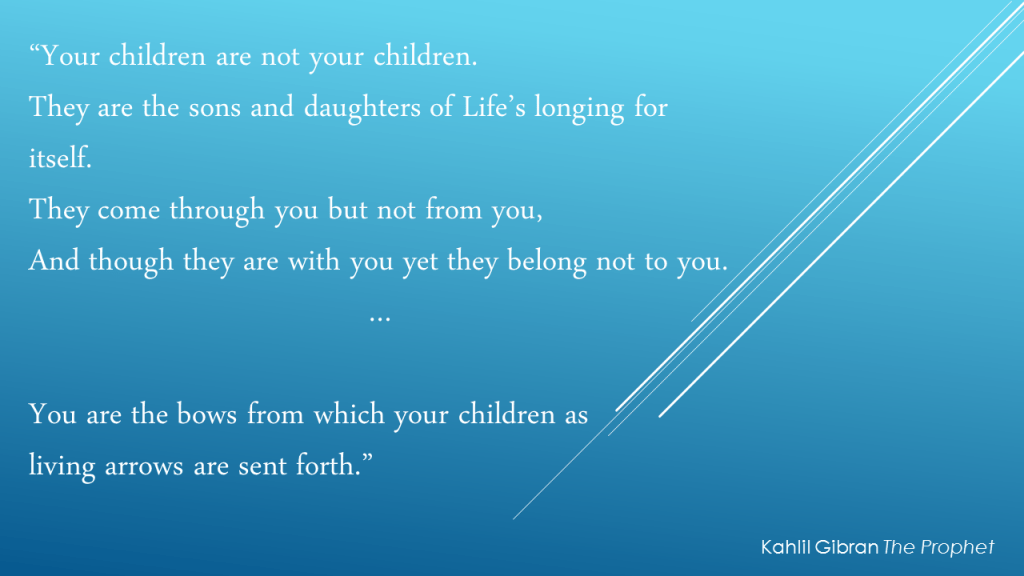
    I conclude with a video in which Prince EA speaks to his teacher and explains to him why he is not a failure and why what happens in the classroom does not inspire learning. He includes one of my favourite quotes by Kahlil Gibran. What’s to not like?

    Kahlil Gibran Children


    Thank you teachers

    To all the wonderful teachers in my community, I thank you for your hard work and dedication, and the positive difference you are making to the lives of so many children and their families. You make the world a better place.

    Thank you blog post

    Thank you for reading. I appreciate your feedback. Please share your thoughts.

  • Move it like a rock star

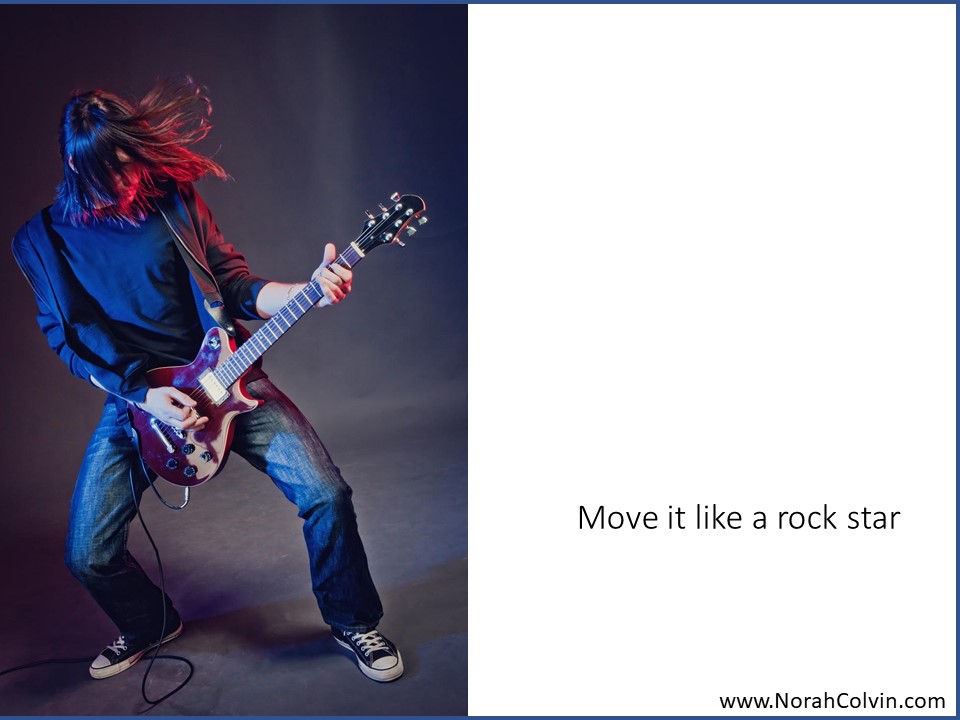
    Move it like a rock star

    Charli Mill's flash fiction challenge - rock star

    This week at the Carrot Ranch, Charli Mills challenged writers to In 99 words (no more, no less) write a story about a rock star. You can feature a central character or write about the feeling like a rock star. Go where the prompt leads!

    One of my favourite TED talks is Ken Robinson’s Do Schools Kill Creativity? If you haven’t watched it yet, I recommend it as a very entertaining 20 minutes. I find it both heartbreaking and inspiring at the same time.

    In the video, Ken suggests that all kids have tremendous talents, and we squander them, pretty ruthlessly.” He quotes Pablo Picasso as saying that every child is an artist. Remaining one into adulthood is the problem.

    Robinson then goes on to talk about having lived at Snitterfield just outside Stratford, which is where Shakespeare’s father was born.”

    He asks, Are you struck by a new thought? I was. You don’t think of Shakespeare having a father, do you? Do you? Because you don’t think of Shakespeare being a child, do you? Shakespeare being seven? I never thought of it. I mean, he was seven at some point. He was in somebody’s English class, wasn’t he?”

    Now that’s an interesting thought. I wonder if your English teachers remember you from their classes. Could they have made any of the comments that Robinson suggests may have been made about the young William Shakespeare, including:

    “Must try harder.”

    or at bedtime, being sent to bed by his dad,

    “Go to bed, now!”

    “And put the pencil down!”

    “Stop speaking like that.”

    “It’s confusing everybody.”

    It’s quite a thought. Perhaps as writers, we should reveal our school reports that are relevant to our writing careers. How well did our teachers predict our futures?

    But we’re not discussing writers in this post. We’re discussing rock stars. I guess most rock stars started out in someone’s classroom too. And that made me think of this inspirational video by Clint Pulver, professional drummer and motivational speaker, who discusses one moment and one teacher who changed his life.

    We all hope for a Mr Jensen in our lives to help us realise our full potential.

    Movin’ It

    Miss Prim turned from the board just in time to see Max land a punch on Michael.

    “Ma-ax!”

    “He bumped me.”

    Miss Prim sighed. “What were you doing, Michael?”

    “Noth—”

    “He was rocking the desk again.”

    “How many times—”

    Without direction, Michael removed himself to sit in the corner. Before long, his feet were twitching, his elbows were pumping and his whole body was squirming.

    “Michael!”

    Everyone looked.

    “Sorry, Miss,” Michael muttered.

    But he couldn’t keep still.

    Years later, when he was a rock star, Miss Prim said, “I knew he’d make something of himself one day.”

    «»

    I chose the name Michael for my character for three rock stars, only one of whom is still living (the oldest) but all of whom had the moves.

    Mick Jagger

    Michael Hutchence

    Michael Jackson

    Thank you blog post

    Thank you for reading. I appreciate your feedback. Please share your thoughts.
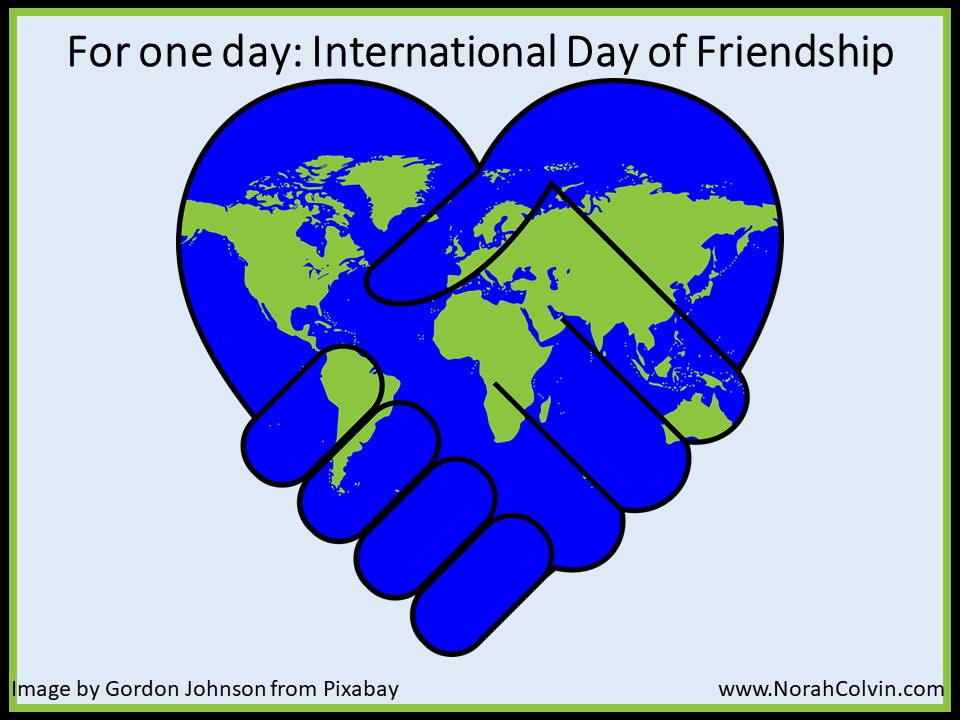
  • For one day: International Day of Friendship

    For one day: International Day of Friendship

    Carrot Ranch flash fiction challenge - for one day

    This week at the Carrot Ranch, Charli Mills challenged writers to In 99 words (no more, no less) write a story that includes the phrase “for one day.” The words single out a special occurrence. What is the emotion and vibe, where does it take place and why? Go where the prompt leads!

    For more than one day, I have thought about what to write. I was drawn by the theme of empathy, of walking in someone else’s shoes, of being able to see oneself through the eyes of another, or of having the opportunity to heal past wounds, for one day. But I couldn’t quite get it. It was elusive, until I came across this video of Chris Rosati.

    Chris Rosati decided that what he wanted to do most with his life was spread kindness. It led me to consider what the world might be like if, for one day, everyone of us, wherever we are, put aside our differences and spread kindness. Perhaps then, we wouldn’t need to walk in the shoes of another, see ourselves as others see us, or heal old wounds. Kindness would prevail.

    Pandemic

    It started slowly. First an outbreak in a school in central Australia, barely newsworthy. Then another in South America. A post on social media drew a few views but was largely ignored. When a third occurred in Western Europe, reports flooded news services. Soon, small isolated pockets erupted on every continent, and they multiplied and spread. The touch of a hand, a pat on a shoulder, the nod of a head, a brush of lips, the trace of a smile; all were infectious. The contagion was rampant. Random acts of kindness proliferated, and unbridled bursts of joy exploded everywhere.

    A bit too Pollyanna? Maybe. But wouldn’t it be wonderful? And since today, 30 July, is International Day of Friendship, it’s totally appropriate.

    friendship
    https://openclipart.org/detail/117199/Friendship

    Teaching friendship skills was always a big part of my classroom practice and many of the lessons I develop for the readilearn collection of teaching resources for the first three years of school also focus on the development of friendship skills; including:

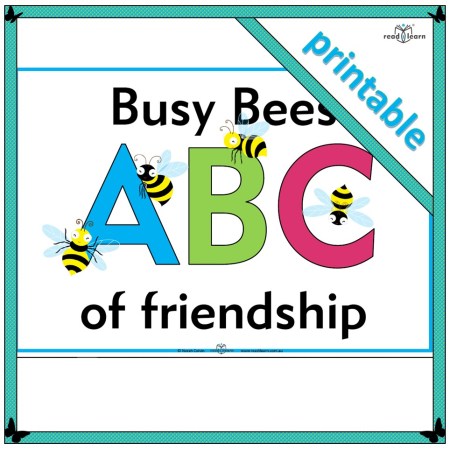
    busy bees ABC of friendship

    Busy Bees ABC of Friendship

    friendship superhero posters

    Friendship Superpower posters

    Getting to know you surveys 1

    Getting to know you surveys

    Extend the hand of friendship

    Extend the hand of friendship

    how to make a friendship tree

    How to make a friendship tree


    SMAG

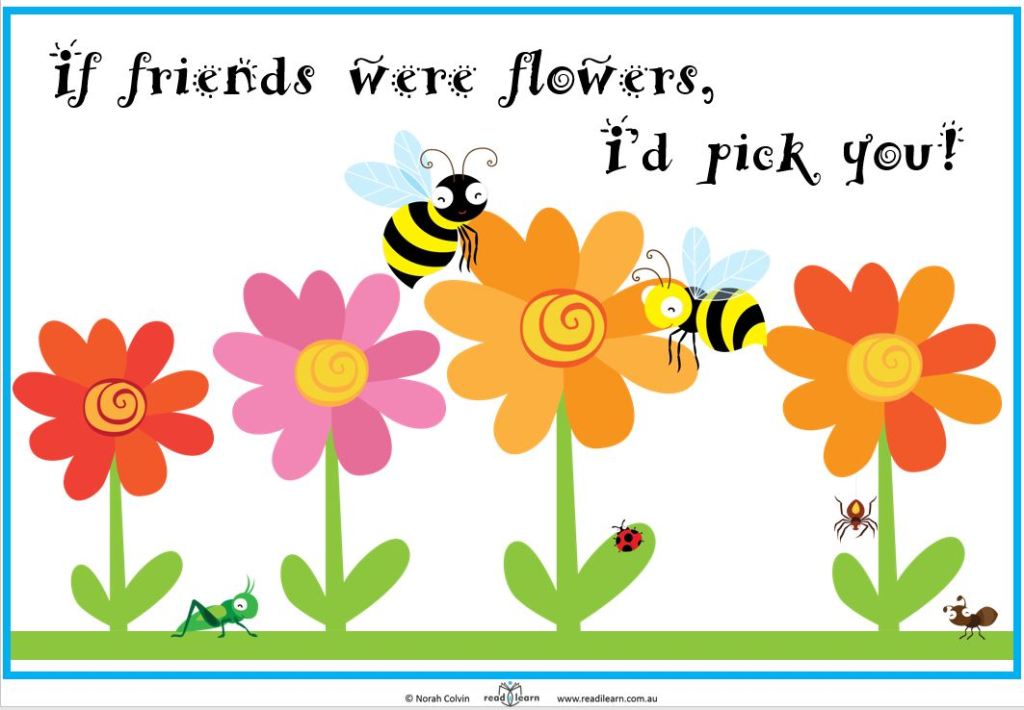
    Happy International Day of Friendship to all my friends. Thank you for bringing joy to my life.

    If friends were flowers I'd pick you

    Thank you blog post

    Thank you for reading. I appreciate your feedback. Please share your thoughts.


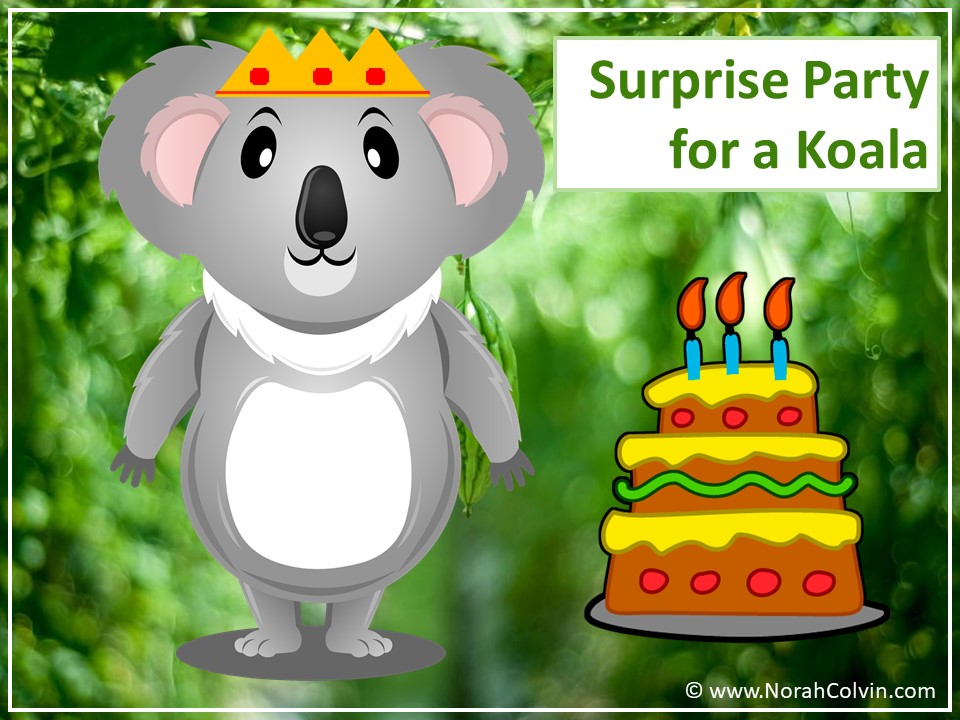
  • Surprise Party for a Koala

    Surprise Party for a Koala

    Carrot Ranch flash fiction challenge Koala

    Last week at the Carrot Ranch, Charli Mills challenged writers to In 99 words (no more, no less) write a story about a koala in a kingdom. You can create a character out of Norah’s koala and give it a Vermont adventure. Or you can make up a story however you want! Can you pull off a BOTS (based on a true story)? Go where the prompt leads!

    While most prompts run for just one week, this one runs for two as Charli has been in Vermont conducting the inaugural and very successful Carrot Ranch Writers’ Refuge.

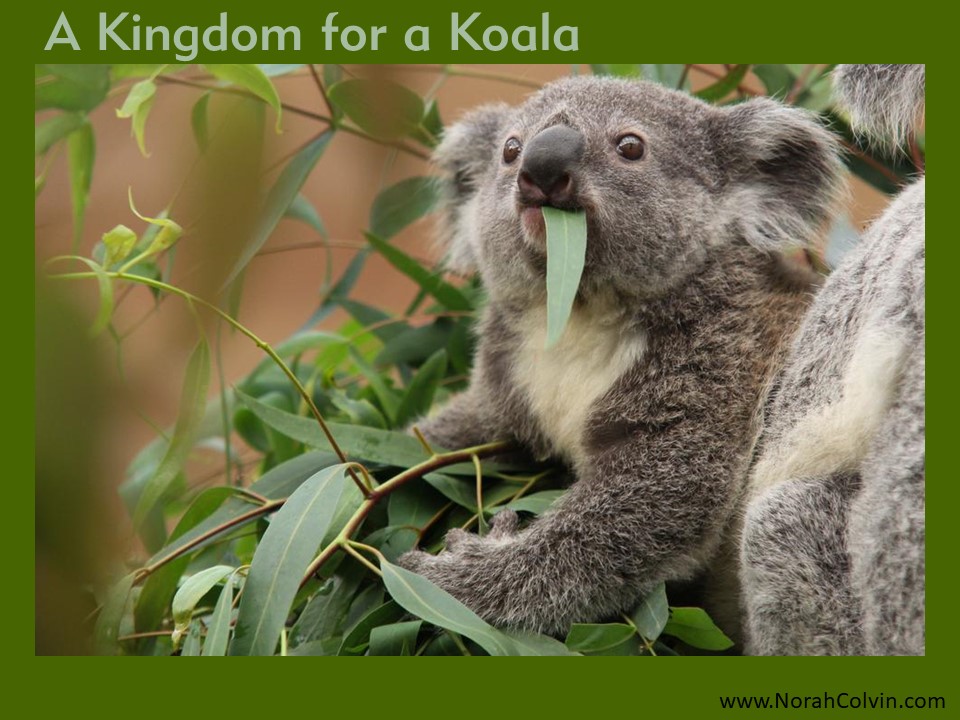
    A Kingdom for a Koala flash fiction

    Although I submitted A kingdom for a Koala in response to the prompt last week, I thought I’d have another go this week. The koala is one of my favourite Australian animals and also the animal emblem of my home state Queensland.

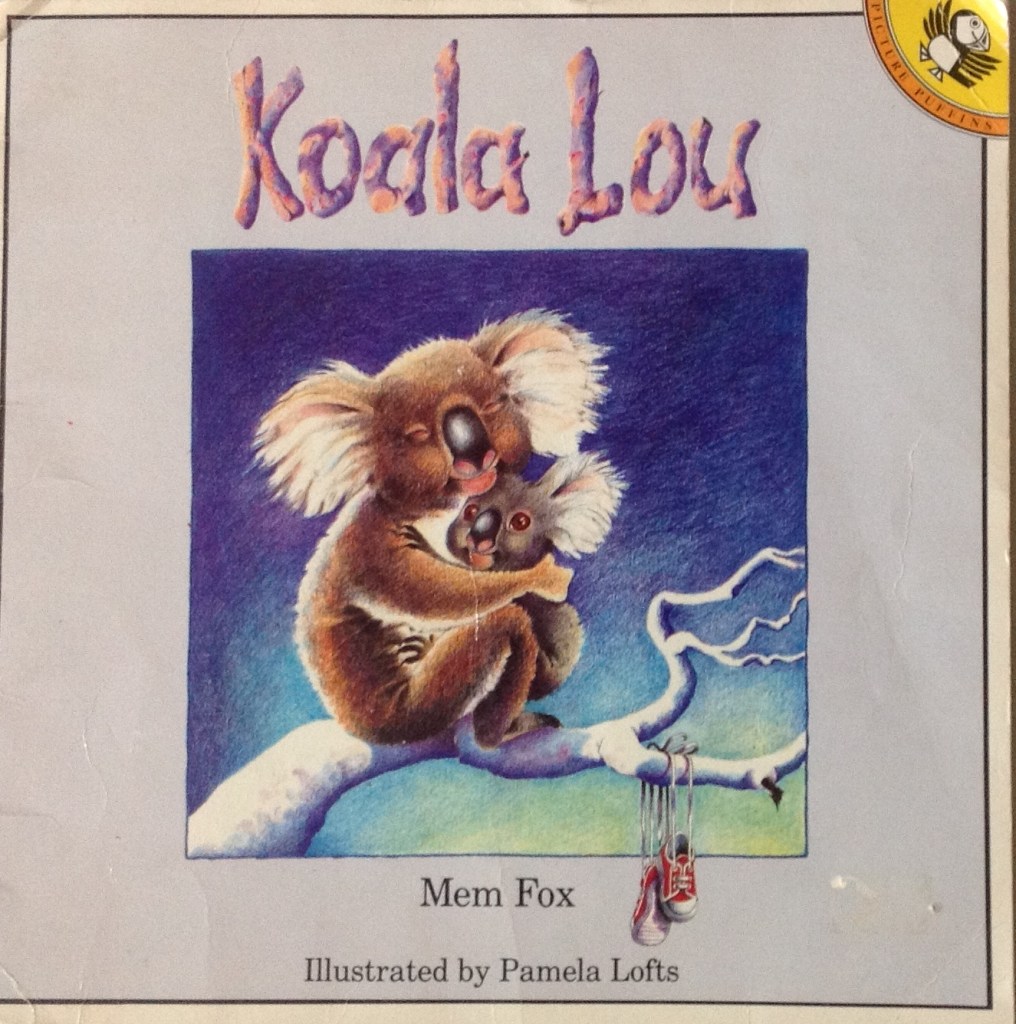
    Koala Lou by Mem Fox

    I always list Koala Lou by Mem Fox among my (many) favourite picture books. (You can listen to Mem read it by following that link.)

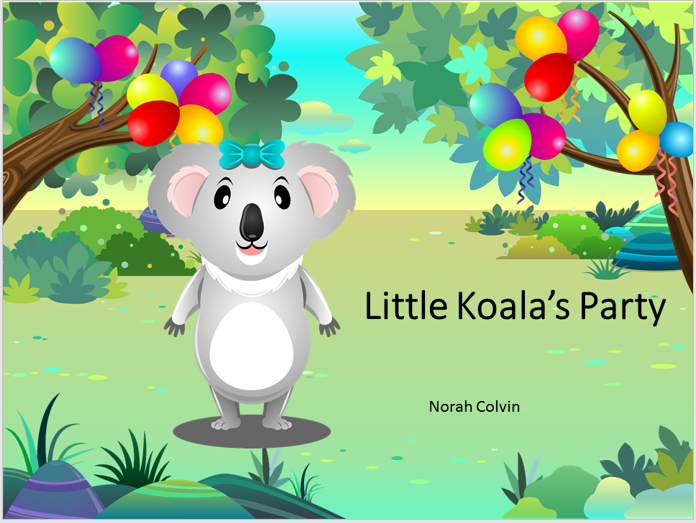
    Little koala's party

    Little Koala’s Party — a story for problem solving is one of my favourite readilearn teaching resources. The story engages children in helping Little Koala work out the number of guests and items required for her party. They can then use the same strategies to organise a party of their own. I always loved the illustrations that were done by an artist I met on 99designs.

    That’s a lot of favourites so how could I not write another koala story? I decided that, for this week’s story, I would link Charli’s prompt with thoughts of a party. I hope you like it.

    Surprise Party for a Koala

    BANG! BANG! BANG!

    Little Koala’s eyes pinged open.

    There it was again. BANG! BANG!

    She stretched, clambered down the tree and headed towards the noise.

    She stopped under possum’s tree and peered into the branches.

    “What’s going on here?”

    Possum peeked out, glancing left and right. “Nothing.”

    “Tell me!”

    “Nothing. Go away.”

    Koala scrambled up the tree. “What’re you doing?”

    Possum grimaced, pointing to a sign.

    “You know I can’t read yet.”

    Possum placed a crown on Koala’s head. “It was supposed to be a surprise. Happy birthday.”

    Koala felt special as a princess when all her friends arrived.

    Thank you blog post

    Thank you for reading. I appreciate your comments. Please share your thoughts.