Live Love Laugh Learn … Create the possibilities

Category: Literacy education

  • Storybook pirates and early childhood learning

    nicubunu, Comic Characters: Pirate https://openclipart.org/detail/21919/comic-characters-pirate
    nicubunu, Comic Characters: Pirate https://openclipart.org/detail/21919/comic-characters-pirate

    Would you believe that with the hundreds of picture books I have in my possession I do not have one about pirates! That surprises me. There must be oodles of books about pirates on the market.
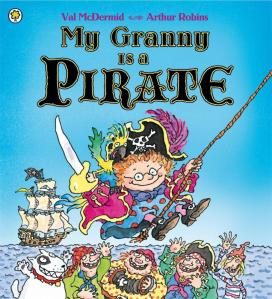
    my granny is a pirate

    When I was in London last year I did buy a delightful book for my grandchildren called My Granny is a Pirate by Val McDermid.  We had enormous fun reading it and laughing at the wonderful illustrations by Arthur Robins.

    Although I own many titles by Mem Fox, I don’t own her “all time classic and long-lasting bestselling” pirate book, Tough Boris . In the information about the story on her website, Mem explains how the story came to be and raises issues of sexism, particularly regarding the over-representation of male characters, in picture books. This is a topic that is very familiar to me.
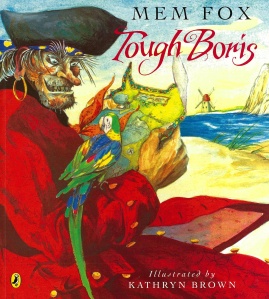
    Tough boris

    In addition to not owning books about pirates, I can remember using a pirate theme for teaching on only one occasion. This surprises me too as pirates seems to be a perennial theme for birthday and fancy dress parties. Children and adults find the idea of pirates fun. You have only to look at the success of the Pirates of the Caribbean series to know that.

    Of course, in this post I am referring only to the pirates of picture books and movies such as these, that were no more real than other fanciful characters such as giants, fairies, elves and dragons.

    The occasion for my using a pirate theme was over twenty years ago when I was running early childhood classes as part of my home-based business Create-A-Way, and the inspiration for it was of a practical rather than literary nature. I was required to wear a patch over an eye after having a pterygium removed. A pirate day seemed like a great way to avoid upsetting the children and to have a bit of fun as well. Perfect!
    https://pixabay.com/
    https://pixabay.com/

    But why am I thinking about pirates you may wonder. Well, it’s in response to the post by Charli Mills at the Carrot Ranch and her challenge to writers to In 99 words (no more, no less) write a pirate story. As always Charli gets me thinking about different things with her prompts. She is talking about the piracy from her internet data service and drinking rum before 10 am, which is apparently something pirates do.

    As usual I take the prompt to the early childhood education setting, and I’m excited by doing so. Ever since reading Charli’s prompt I have had ideas for teaching and learning experiences based on a pirate theme swirling around in my head. I may be late coming to the party, but I’m not coming underdressed.
    https://pixabay.com/
    https://pixabay.com/

    One of the things I have always loved about teaching is the opportunity to be creative: to write and prepare fun educational resources to use with my children. What wonderful things could be done with a pirate theme. I can’t believe I have never done it. And while I am no longer in the classroom and the opportunity is not there for me to use them with my own class, I can make them for my website to share with other teachers. The fun of thinking, writing, and creating is still mine!

    I’m pleased to announce that my website is underway. I have signed with a web designer and developer. It should be ready to go live by the end of January, ready for the start of the new school year in Australia. I can’t wait. Well, I can wait. I still have so much work to do in the meantime. I have resources to finish and new ones to write. There are many “in progress”. While I won’t be rushing into making pirate themed resources, I am putting them on my list. I have lots of ideas.

    Actually now that I think about it, the mix of feelings I have now that the website is imminent may be similar to those experienced by someone walking the plank: there is no way back and the choice for the future is to either sink or swim. If I do manage to hold my head high and above water level, I hope I don’t get eaten by sharks!
    wsnaccad, shark https://openclipart.org/detail/19732/shark
    wsnaccad, shark https://openclipart.org/detail/19732/shark

    On my website subscribers will be invited to suggest or request resources to match their requirements. I love thinking of resources to suit particular topics or to teach particular skills or processes. I would love a request for pirate materials so that I could get started on making them sooner rather than later.

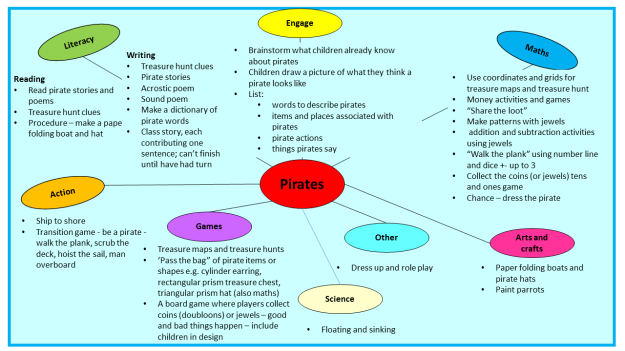
    Here are a few ideas I have to start with. I’m sure I would come up with many more given a little longer.
    © Norah Colvin 2015
    © Norah Colvin 2015

    But now here is what got me thinking about pirates in the first place: my flash fiction response to Charli’s prompt. I’m definitely sticking with my early childhood theme and a bit of fun for this one.

    https://pixabay.com/
    https://pixabay.com/

    If I was …

     If I was a pirate

    I would sail the ocean blue,

    In a boat made out of cardboard

    With my parrot Libby-Lou.


    I would wear a red bandana

    And purple polished boots.

    I would flash my pearls and silver sword

    And plunder pirate loot. 


    I would dig for buried treasure

    In the spot marked with an X,

    And all I’d find I’d stow inside

    My handy wooden chest.


    I would have no one to boss me

    I could do just as I please,

    Until my dad would call me

    “Anna, come, it’s time for tea!”

    Thank you

    Thank you for reading. I appreciate your feedback. Please share your thoughts about any aspect of this post or flash fiction.

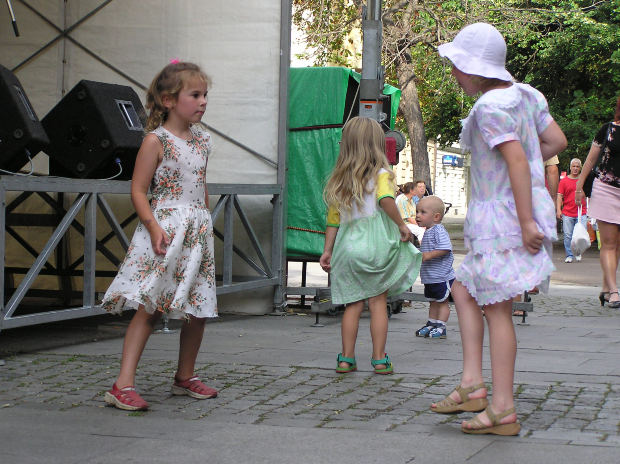
  • Let’s dance!

    www.morguefile.com
    http://www.morguefile.com

    I have always enjoyed working in early childhood classrooms. Being able to share and assist children’s pathways into literacy is as much a privilege as it is exciting. To keep alive their innate curiosity, wonder and joy of learning is an aspiration that rewards me as much as it does them.

    However the role can be rather daunting at times. It requires that one be a generalist, able to move comfortably through and teach effectively in the full range of subjects: English, mathematics, sciences, the humanities and social sciences, technology, health and physical education, and the arts. But the diversity can also provide opportunities for fun.

    Take dance, for example.  Dance can fit into both the arts and physical education programs. While the formal subject areas require some progression of learning in skills and understanding, some form of movement or dance can be incorporated into daily routines such as transition times. I touched on this briefly in a recent post about using the game Freeze, which involves moving to music.

    Moini, Dancing Penguins https://openclipart.org/detail/124759/dancing-penguins
    Moini, Dancing Penguins https://openclipart.org/detail/124759/dancing-penguins

    These are some other ways I incorporated movement and dance into daily routines:

    • At the beginning of each day, after giving the children a few minutes to organise their belongings, I would play a video of music and dance moves. This would signify to the children that it was time to join in and be ready for our day’s work together. By the end of the dance everyone was ready.
    • During our morning sessions children shared items related to their interests or our units of work. Sometimes I asked them to bring in a favourite piece of music to share, with the proviso that they teach us some dance moves to it. The children enjoyed showing their moves as much as they enjoyed following the moves of others.

    In addition to using the game Freeze, I had other CDs of music with patterns of moves that could be used to transition from a noisy to quiet activity, to regain children’s attention after independent or group work, or to complete the tidying of the room at the end of the day.

    • Sometimes I used music that had set dance routines.
    • Other times we moved to the music freely, or responded to the tempo, pitch or volume with large, small, high, low, fast, slow, loud or quiet movements.
    • Sometimes dance routines were performed independently but in unison such as The Hokey Pokey. The Chicken Dance and The Macarena.
    • Sometimes they required participation as a group, for example learning simple square dances.

    Whichever way we did it was always fun and the children loved to participate. They had no need of being told to “Dance like there is nobody watching.”

    Dance like there's nobody watching

    I wonder at what age that becomes a necessity. Perhaps the phrase,and if they are watching, dance anyway” needs to be added.

    My thoughts turned to dance this week in response to the flash fiction prompt set by Charli Mills of The Carrot Ranch to In 99 words (no more, no less) write dance into your story. Charli is talking about writing as her dancing partner.

    Of course my thoughts turn to the classroom (as explained above) and to books about dance.

    2015-09-19 11.15.56

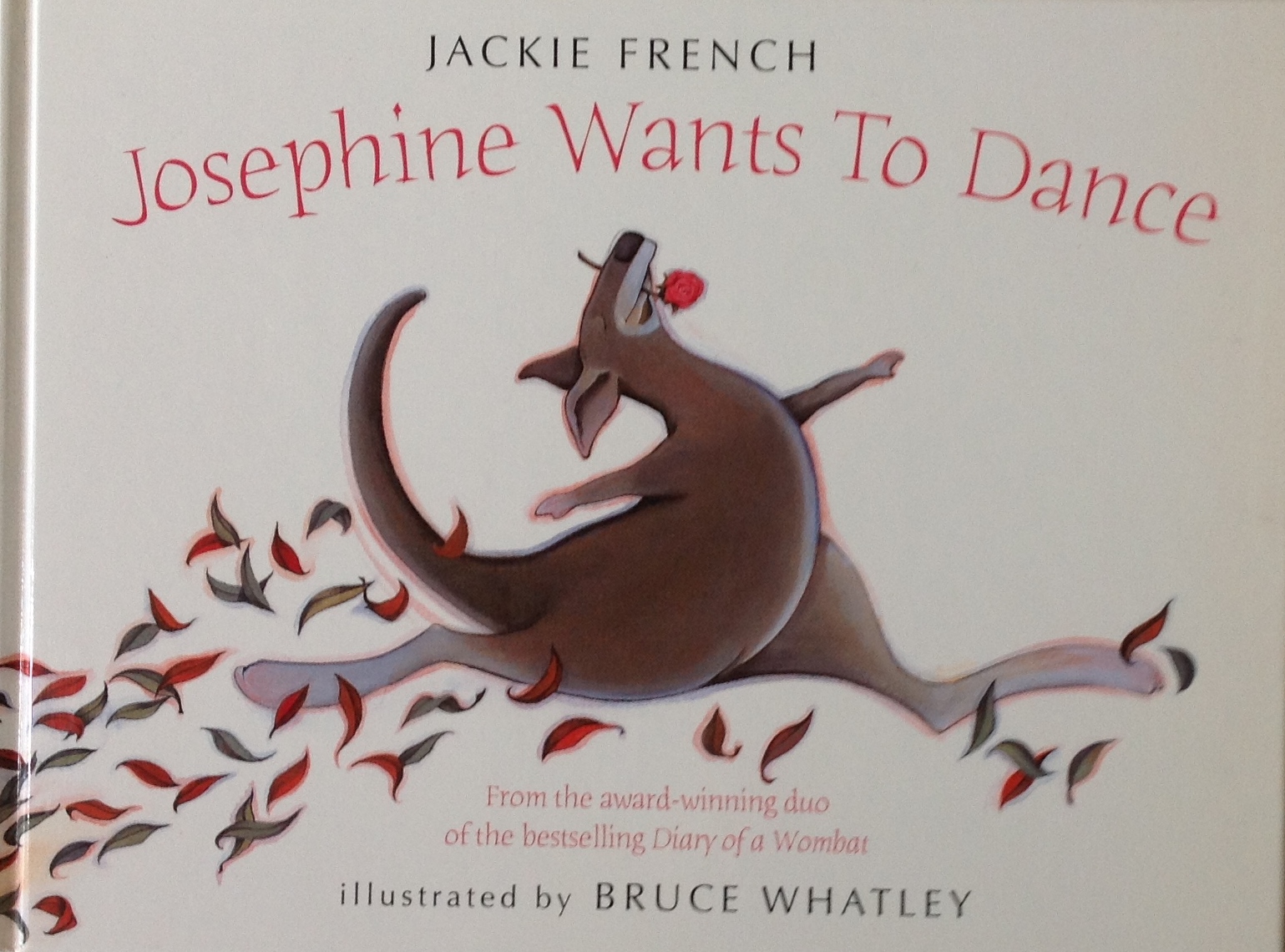
    In a previous post about Australian picture books by Jackie French I wrote about Josephine Wants to Dance. This book, illustrated by Bruce Whatley, is a delightful story of a kangaroo who loved to dance but dreamed of dancing another way. One day the ballet came to town and Josephine decided that was how she wanted to dance. Though others discouraged her, Josephine was determined to give it a try. It is a lovely story of believing in yourself and following your dreams.

    giraffes can't dance

    Another delightful picture book about dance is Giraffe’s Can’t Dance by Giles Andreae, illustrated by Guy Parker-Rees. While I have read this book many times, it took the recent reading of a post To Thine Own Self Be True by Sarah Brentyn on her blog Lemon Shark to remind me of it. The title of Sarah’s post beautifully sums up the theme which is expressed in the book this way: “We all can dance when we find music that we love.”

    We can all dance

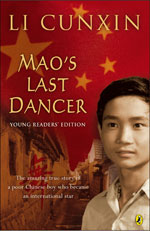
    For adults there is the story of Mao’s Last Dancer, the inspirational story of Li Cunxin, who is now the artistic director of the Queensland Ballet, based in my home city. He was Queensland’s Australian of the year in 2014.

    Mao's_Last_Dancer_book_cover

    This leads me to my flash fiction response:

    A Night at the Ballet

    The audience hushed as the lights dimmed. Marnie shuffled. Darkness was not to her liking. Josephine patted her hand reassuringly. The girls on her other side twittered with anticipation. They’d been to theatre before. Observing their confidence earlier had Marnie feeling even more conspicuous as she balanced on unfamiliar heels and clutched a borrowed evening bag so tightly it left imprints on her hand. At least now the darkness hid her from view.

    Soon the darkness was banished by a brightly lit stage and enormous Christmas tree surrounded by happy children dancing. Marnie was mesmerised. So this was ballet!

    Thank you

    Thank you for reading. I appreciate your feedback. Please share your thoughts about any aspect of this post or flash fiction.
  • The comfort zone

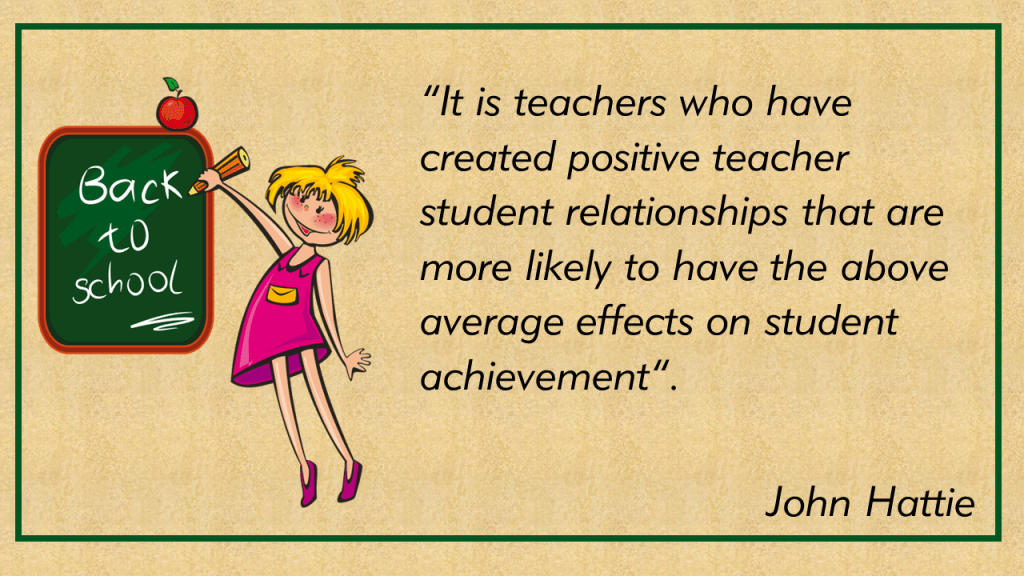
    John Hattie

    Creating a positive classroom environment in which students feel welcome, accepted and respected is probably high on the agenda for most teachers. It certainly was for me during all my years of classroom practice.

    Students require an environment in which they feel comfortable and supported, as well as encouraged and challenged to stretch beyond current levels of skills and knowledge, to step beyond their current comfort zones with confidence in the knowledge that, while learning anything new can be a risky business, they will be supported in the process.

    But this does not just come from a “feel good” place in teachers’ dreams and imaginations. Research provides evidence that it is true. Professor John Hattie, a researcher in education, undertook a very ambitious project, synthesising data from over 800 studies involving more than 80 million students. He published his findings in two books called Visible Learning and Visible Learning for Teachers.

    Hattie says that

    “It is teachers who have created positive teacher student relationships that are more likely to have the above average effects on student achievement”.

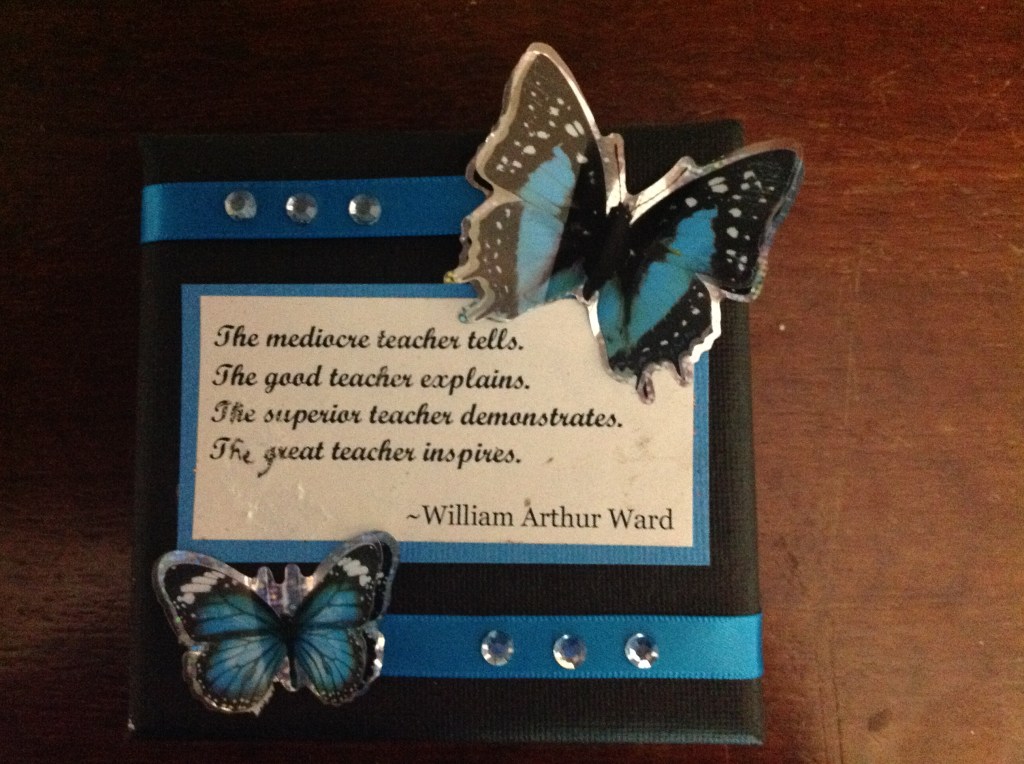
    Thank you to my wonderful students, and their lovely Mum who made this for me!
    Thank you to my wonderful students, and their lovely Mum who made this for me!

    This article, which summaries some of Hattie’s findings about teacher-student relationships, states that

    “the quality and nature of the relationships you have with your students has a larger effect on their results than socio-economic status, professional development or Reading Recovery programs. It is not that these things don’t matter, but rather that your relationships with students matter more.”

    It is wonderful to find that what I have always believed and practiced is now firmly backed up with research.

    I have written before about my use of affirmation songs and of connecting literacy learning to children’s lives and interests. In this post I will share just a few of the physical attributes of the classroom that contributed to that overall positive and supportive environment I worked so hard to establish.

    Readilearn bookmark

    From the very first day of any school year I ensured that children not only felt welcome in the classroom but knew that it was their classroom, that they had part ownership of the space and its environment.

    I would prepare a large welcome chart for the door with my name and photograph and the words: “Welcome to grade one.” Children’s names and photographs would be added by the close of the day.

    Welcome to year one

    In our school each child was allocated an individual desk with a tidy tray underneath for storing belongings. I would arrange the initial seating of children in groups based on what I knew of their friendship groups from the previous year. For each child I would place on the allocated desk:

    • A desk name (to identify the desk, to use as a model for writing, to assist children in learning to read each other’s names)
    • A welcome letter
    • A name badge (to identify them and their class at break time)
    • A small gift e.g. a pencil or keyring
    Welcome pack
    Welcome pack

    During the day I would photograph each child and print two of each.

    One of each child’s photographs would be added to the welcome chart  with the child’s name. (see above)

    The other would be added to a self-portrait and displayed on a classroom wall.

    I am Michael

    I usually asked the children to complete these during the first session so that I could have them on display when the children returned to class after first break.

    This was just the start. Throughout the year my classroom was a constantly changing display of children’s work. Children love to see their work displayed. It gives them an immediate sense of belonging, of being valued, and of ownership. Parents love to see it too, as this (unsolicited) letter written by a parent to the principal at the end of a school year testifies.

    Marianne's letter

    This week at the Carrot Ranch Charli Mills has challenged writers to In 99 words (no more, no less) write about a place of comfort that is a refuge.

    My classroom welcomed everyone: children, parents, volunteers, aides and administrators. It was a comfortable place to be. Fortunately it was not often required to be a refuge in the true sense of the word, though allowing me to experience over and over the joys of being six certainly shielded me from many less pleasant situations that may have been met elsewhere.

    While Marnie of my stories is a fictional character, sadly there are many children suffering as much as or more than I portray for her. It is for children like her that a warm, caring relationship with a special teacher can be empowering and life-changing, the one bright spot in an otherwise difficult life. I wish for all children a loving place of safety, acceptance, trust and respect. Marnie found it in a special teacher, Miss R.

    Safety

    Marnie loved art classes with Miss R. She loved art, but she loved Miss R. more. The days when art class was last were best; had been ever since that first time when she’d dallied, nervously, reluctant to leave, and Miss suggested she stay and “help”.

    Miss R. understood Marnie and Marnie trusted Miss R. Sometimes they would tidy in silence. Other times they’d chatter lightly about distracting things like television, music or books. But sometimes, when dark clouds loomed, Miss R. would gently ask, “What would you like to tell me?” Today the clouds looked about to burst.

    Thank you

    Thank you for reading. I appreciate your feedback. Please share your thoughts about any aspect of this post or flash fiction.

  • Power tools


    www.openclipart.org
    http://www.openclipart.org

    This week at the Carrot Ranch Charli Mills has challenged writers to In 99 words (no more, no less) include a tool in a story. I open this post with a quote by Jackie French I used to close my previous post.

    Jackie French - books - tools

    Books are a great tool. So is the ability to think creatively.

    Being literate is a key that opens many doors. Being able to think opens many more. You could say they are the power tools of education and success.

    In his book The Outliers (recommended to me by Rowena who blogs at Beyond the Flow), Malcolm Gladwell talks about the role of intelligence in success. He says that “intelligence only matters up to a point”, and that “past that point, other things — things that have nothing to do with intelligence — must start to matter more”. He raises the question of what those things are.

    He makes a suggestion to

    “Write down as many different uses that you can think of for the following objects:

    1. a brick
    2. a blanket”

    and calls it a “divergence test”. Rather than asking you to come up with a one right answer, a divergence test “requires you to use your imagination and take your mind in as many different directions as possible.”

    Gladwell describes the test as a measure of creativity, of the ability to come up with imaginative and unique responses rather than a list of commonplace uses. He considers this imaginative thinking combined with intelligence, not intelligence alone, to be what is required to make new discoveries such as those that may be awarded Nobel Prizes.

    www.openclipart.com
    http://www.openclipart.com

    Can this sort of creative thinking be taught?

    Edward de Bono certainly thinks so. As long ago, dare I say, as the late 60s I read (and did) The Five Day Course in Thinking, a series of puzzles to help readers (thinkers) understand their thinking strategies. The puzzles in the book are divided into three sections: Insight Thinking, Sequential Thinking, and Strategic Thinking.

    Over the years I read a number of de Bono’s books including but not limited to Lateral Thinking, Six Thinking Hats, How to Have a Beautiful Mind, Teach Your Child How to Think, Textbook of Wisdom and Why I Want to Be King of Australia. I had a thirst for learning how to think, as thinking had not been encouraged and memorising content had not come easily in my younger years. Discovering that I was able to think, and think outside the box, was empowering.

    www.openclipart.org
    http://www.openclipart.org

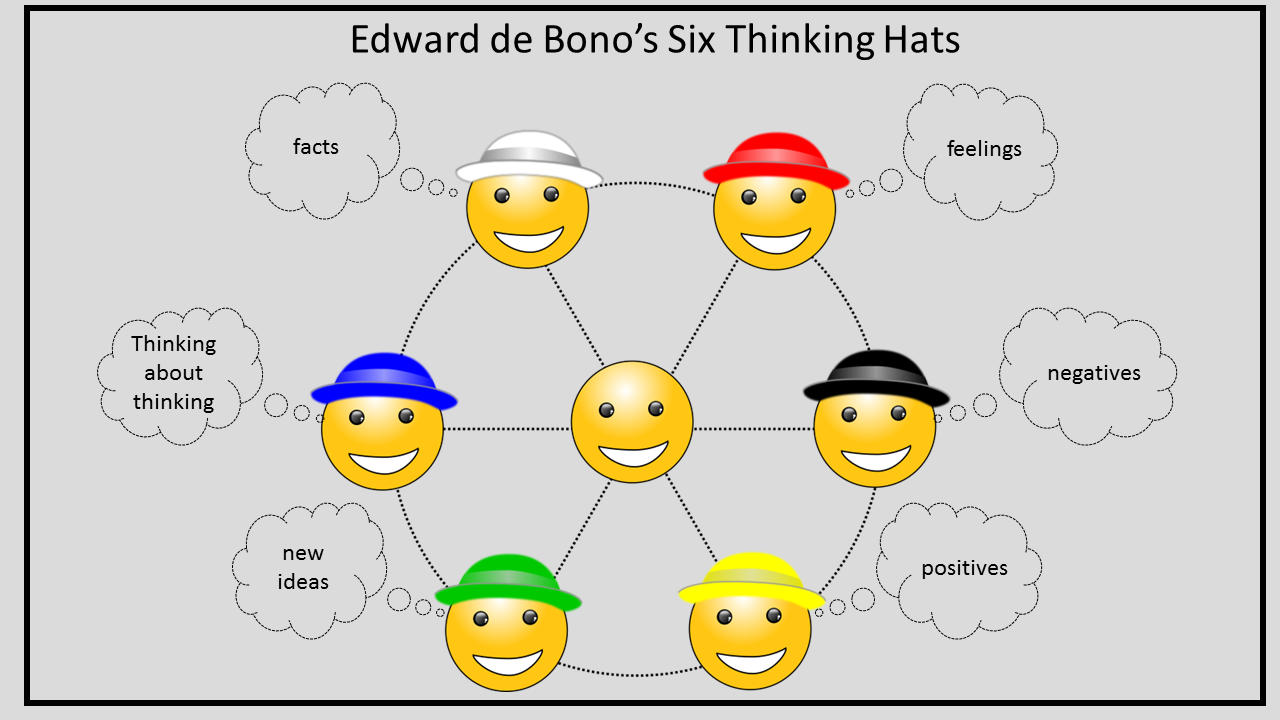
    I enjoyed using de Bono’s strategies and teaching them to my own children as well as to children in my classrooms over the years. His Six Thinking Hats are used in classrooms worldwide as are many others of his thinking strategies.

    six hats

    In this video de Bono talks about creativity, creative thinking, and thinking “outside the box”:

    Tony Ryan is another educator who believes it can. He has published a number of books that aim to get students thinking in creative ways. His Thinkers Keys “a powerful program for teaching children to become extraordinary thinkers” is designed to do just that.

    Tony Ryan says that we now need to think beyond the square and think “outside the dodecahedron”.

    In a comment on a previous post about Lifetime Changes, Steven linked to an amusing video showing the reactions of 21st century children to our earliest computers, tools of technology. This is it in case you missed it:

    I combined the notions of books, creative thinking and technology as tools for learning, productivity and success with a little bit of backward (historical) thinking to inspire my futuristic flash this week. I hope you enjoy it.

    tools for learning

    Relic

    The family shuffled amongst the haphazard collection of primitive artefacts without attempting to disguise disinterest or disdain. The waiting seemed interminable in this “so-last-century” outpost.

    Haven’s seen one of these before,” they’d been told. “I’ll need to order a specialized tool as well as the part. Shouldn’t take long though. Look around while you wait.”

    Confidence in the simpleton’s tools “upstairs”, even if the correct parts arrived, was as low as their interest.

    Hey look!” one called. “Is this …?”

    Can’t be.”

    All destroyed centuries ago.”

    Would be worth a fortune though.’’

    They opened it.

    A book!” they gasped.

    Thank you

    Thank you for reading. I appreciate your feedback. Please share your thoughts about any aspect of this post or flash fiction.

  • A celebration of Australian picture books #6 — Jackie French

    If-you-want-intelligent children

    This post is the sixth in a series celebrating picture books by Australian authors. If you missed earlier posts, please follow these links to the introduction, Mem Fox, Kim Michelle Toft, Narelle Oliver and Jeannie Baker.

    In this post I reintroduce you to Jackie French, prolific and well-known Australian author and advocate for literacy and the environment. She is currently the Australian Children’s Laureate with the task of promoting the importance and transformational power of reading, creativity and story in the lives of young Australians. In January she received an Australian of the Year Award for her contribution to literacy. Jackie’s words from her acceptance speech “If you want intelligent children, give them a book” resonated with me.

    You can listen to Jackie’s acceptance speech in its entirety here:

    These are some of my favourite quotes from the speech:

    Failure-is-not-an-option

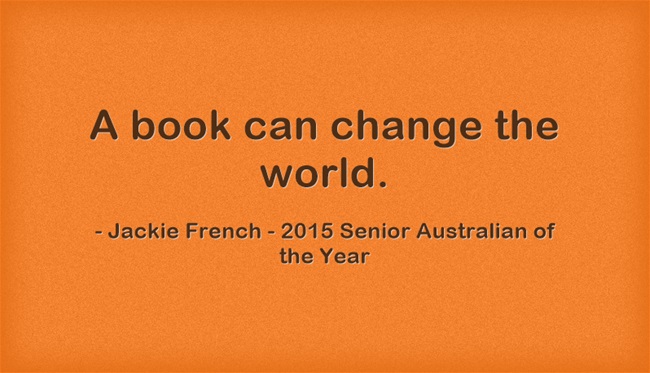
    A-book-can-change-the

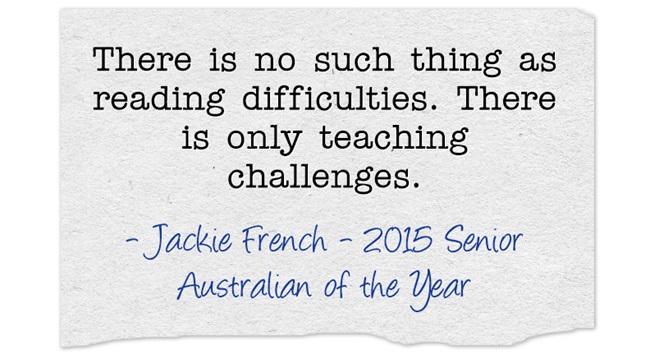
    There-is-no-such-thing

    Jackie has written over 140 books and won more than 60 awards. I am not going to share all of Jackie’s books here; just a few of her picture books that I own. This complete(ish) list of her books indicates the range of genres in which Jackie writes. Although in Standing on the Shoulders of Giants by Mark Rifidi Jackie describes it differently. She says,

    “People assume I write in different genres. From my point of view I don’t. Whether it’s history, ecology, or the fiction I’m writing about now, it’s all grounded in the way of life here and the landscape here.”

    (Jackie lives a self-sufficient life in the Araluen valley on the edge of the Deua wilderness area.)

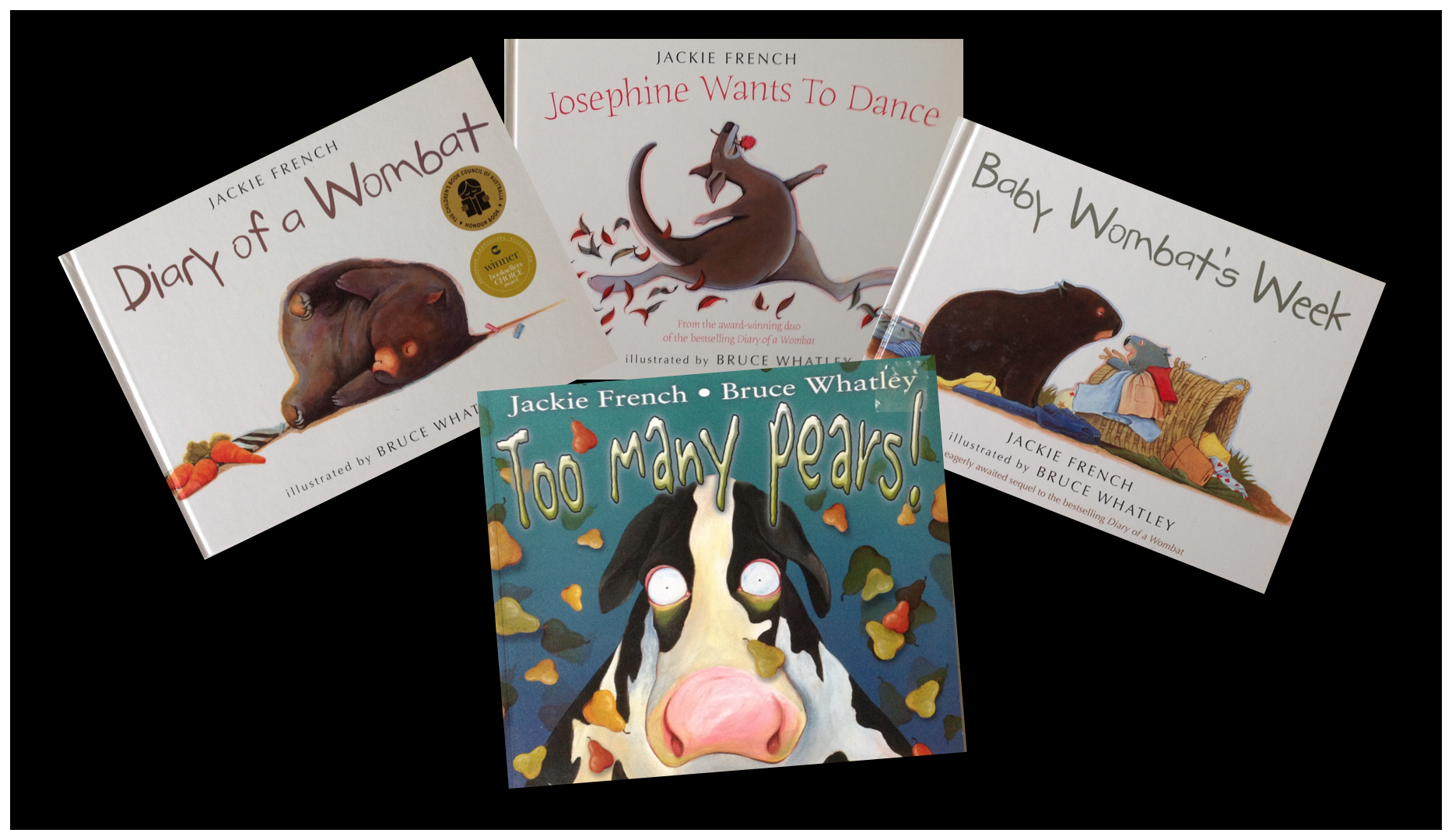
    jackie french's books

    These are the four of Jackie’s picture books that I currently own. I have read others and given others away as gifts. While these four are illustrated by Bruce Whatley, Bruce is not the only illustrator of her work.

    2015-09-19 11.19.08

    Diary of a Wombat is probably Jackie’s best known and most popular picture book. This is what Jackie says about it, as recorded in Standing on the Shoulders of Giants:

    Diary of a Wombat isn’t fiction … (it) is pretty much a week in the life of Mothball, who is one of the wombats that got fed last night” 

    The seeming simplicity of the text coupled with Bruce Whatley’s gorgeous illustrations make this book a joy to read, over and over.

    In the book Mothball sleeps, eats, scratches, eats, sleeps, and easily trains humans to be “quite good pets”.

    You can listen to Jackie read it here.

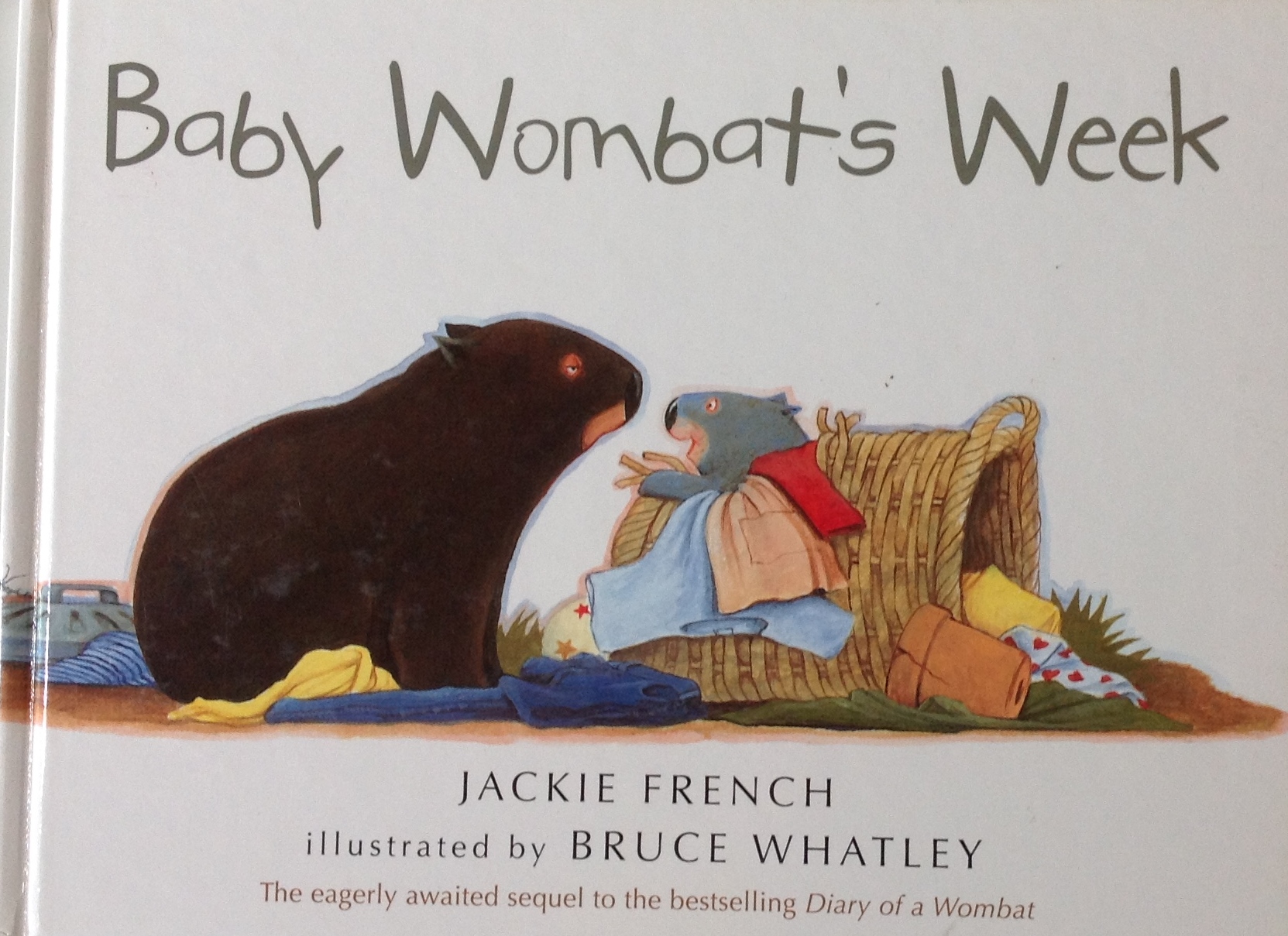
    2015-09-19 11.16.36

    A sequel to the Diary, Baby Wombat’s Week is pretty much a week in the life of Mothball’s baby. It is just as delightful and humorous as the original story with new adventures and escapades; but still lots of sleeping and eating.

    There are two other books in the series: Wombat Goes to School and Christmas Wombat. The Secret World of Wombats is a non-fiction text exploring “everything you ever wanted to know about wombats.”

    2015-09-19 11.15.56

    Josephine Wants to Dance is a delightful story of a kangaroo who loved to dance but dreamed of dancing another way. One day the ballet came to town and Josephine decided that was how she wanted to dance. Though others discouraged her, Josephine was determined to give it a try. It is a lovely story of believing in yourself and following your dreams.

    2015-09-19 11.18.32

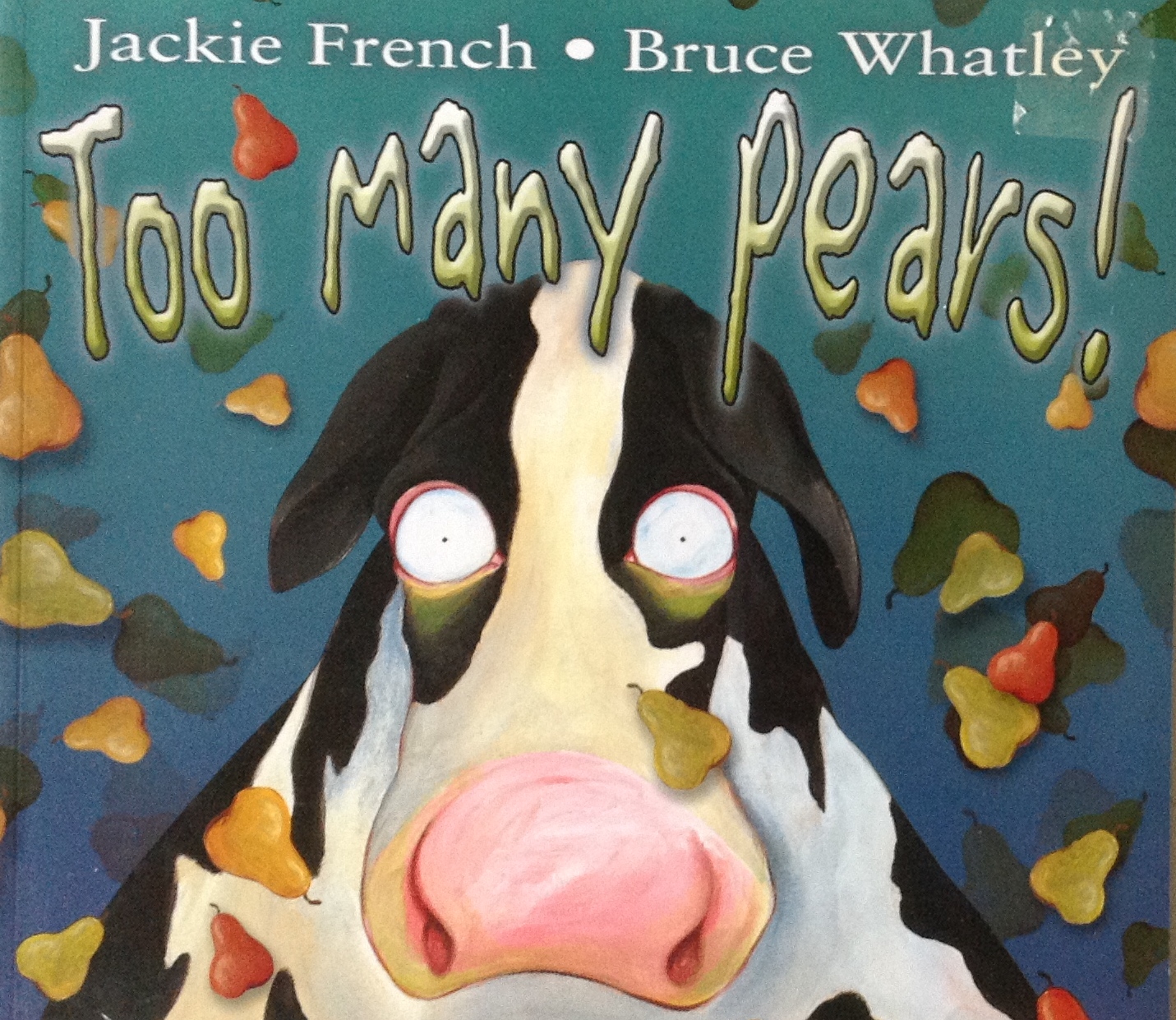
    Too Many Pears is another delightful and humorous story with illustrations that add interest and humour. (It reminds me a little of the battle Charli Mills had with gophers in her vegetable patch.)

    Pamela, a cow, loves pears. She loves them straight from the tree, in pies, with ice cream … any way she can get them. Amy and her family have to figure out a way of stopping Pamela from eating all their pears. They do. But then Pamela spies the apples!

    I am happy to recommend each of these books. They will not disappoint. Jackie’s text coupled with Bruce’s perfectly matched illustrations continue to delight during repeated readings.

    Jackie’s website too is a treasure trove of interesting stuff. On her Kids’ Facts and Info for School Projects page she shares her writing process and a lot of other information that would be of interest to writers as well as to kids. She also has a page of Writing  Tips and Advice and a page about How to Get Kids Reading, topics close to my heart.

    In addition to illustrating Jackie’s books, Bruce Whatley writes and illustrates books of his own as well as those of other authors. In a recent post I talked about drawing on the right side of your brain. In this video Bruce challenges everyone to have a go at drawing with their left hand. Is that engaging the right side of your brain?

    I am very grateful to Sarah Brentyn, who blogs at Lemon Shark, for alerting me to Standing on the Shoulders of Giants by Mark Rifidi just in time for this post. Thank you Sarah and Mark. I’m certain I will be having more to say about Mark’s book in future posts. It is a great resource celebrating the work of 20 Australian picture book authors and illustrators.

    In the final paragraph of her biography chapter in Mark’s book, Jackie says,

    “The one thing you show readers by writing about history is not to be afraid of change. Tomorrow always is going to be different from yesterday. It always has been. But human beings are extraordinarily good survivors, superb adapters. We are very good at creating a sort of world that we want. Books are perhaps the most effective tool to help us find it.”

    I like her thinking!

    Thank you

    Thank you for reading. I appreciate your feedback. Please share your thoughts about any aspect of this post.


  • Curiosity, dead chooks, science and the S.T.E.M. push

    Curiosity, questioning and science are recurring themes on my blog. How could a post entitled “Curiosity, dead chooks, science and the  S.T.E.M. push” not appeal to me? While I don’t think I’ve written about dead chooks, yet, when I was six I was the best chicken catcher in the family and I definitely saw a few chooks running around with their heads chopped off!
    In this post Sheryl Gwyther talks about the awakening of her scientific questioning at age four when seeing a similar a spectacle. The transcript of a talk delivered to other authors “Children are born scientists … It’s called curiosity” (my words exactly!) is included in the post. Sheryl urges authors to include science in their writing for children and suggests three rules for doing so:
    Never be didactic
    Entertain
    Create characters that children can connect with
    While she doesn’t say it in so many words, I think the message of keeping the science accurate is implied. (I have questioned the inaccuracy in The Very Hungry Caterpillar in previous posts.)
    Sheryl’s closing paragraphs motivate and inspire writers. She says,
    “We have the opportunity, the passion and hopefully, the commitment to reach out to young Australian children through stories about the wonder of science, and the responsibility for their future custody of this planet.
    Great stories, cleverly laced with scientific understanding not didactic waffle.
    Great stories to make them feel and think, and question.
    Great stories – for the sake of their future on this planet.”

    Some of the authors from my celebration of Australian picture book series are doing just that:
    Kim Michelle Toft
    Narelle Oliver
    Jeannie Baker
    Please read Sheryl’s post in its entirety. She offers much good advice and inspiration. You can find out more about Sheryl by following these links:
    Sheryl Gwyther SCBWI Assistant Regional Advisor Queensland Public Profile
    Author webpage
    Author blog
    Twitter

    Thank you

    Thank you for reading. I appreciate your feedback. Please share your thoughts.

  • A Celebration of Australian picture books #5 — Jeannie Baker

    Jeannie Baker - planet changing

    This post is the fifth in a series celebrating picture books by Australian authors. If you missed earlier posts, please follow these links to the introduction, Mem Fox, Kim Michelle Toft and Narelle Oliver.

    In this post I introduce you to Jeannie Baker, a collage artist and author. Jeannie was born in the UK but has lived most of her adult life in Australia, and most of her books, though having universal themes, are set in Australia.

    2015-09-19 11.09.45

    Jeannie had already published a number of books prior to 1992 when I first became aware of her work through “Window”, winner of the Australian Picture Book of the Year Award.

    Window tells, in beautifully detailed collage, of the transformation of a landscape from natural bush to city-scape. The changes are observed through a window by a boy as he celebrates alternate birthdays from birth to 24 years. Like many of Jeannie’s books, “Window” carries a strong environmental message. In her note at the end of the book, she says,

    “Our planet is changing before our eyes. However, by understanding and changing the way we personally affect the environment, we can make a difference.”

    The intricate details in this textless picture book provide many opportunities for discussion. Children and adults are enticed to study and compare the changes that take place in each successive picture. The carefully constructed collages give a sense of being able to almost step into the scene and experience the sights, sounds and smells of each landscape.

    Jeannie Baker - time

    I was fortunate to attend an exhibition of Jeannie’s artwork for “Window” as it toured the country in 1992. What surprised me most was the size of the collages. With all their detail I had expected them to be quite large; but they weren’t. They are miniature, much smaller than a page of the picture book on which they appear. The collection and arrangement of a mix of natural and artificial materials is amazing. Jeannie describes the process of constructing her collages here.

    2015-09-19 11.11.04

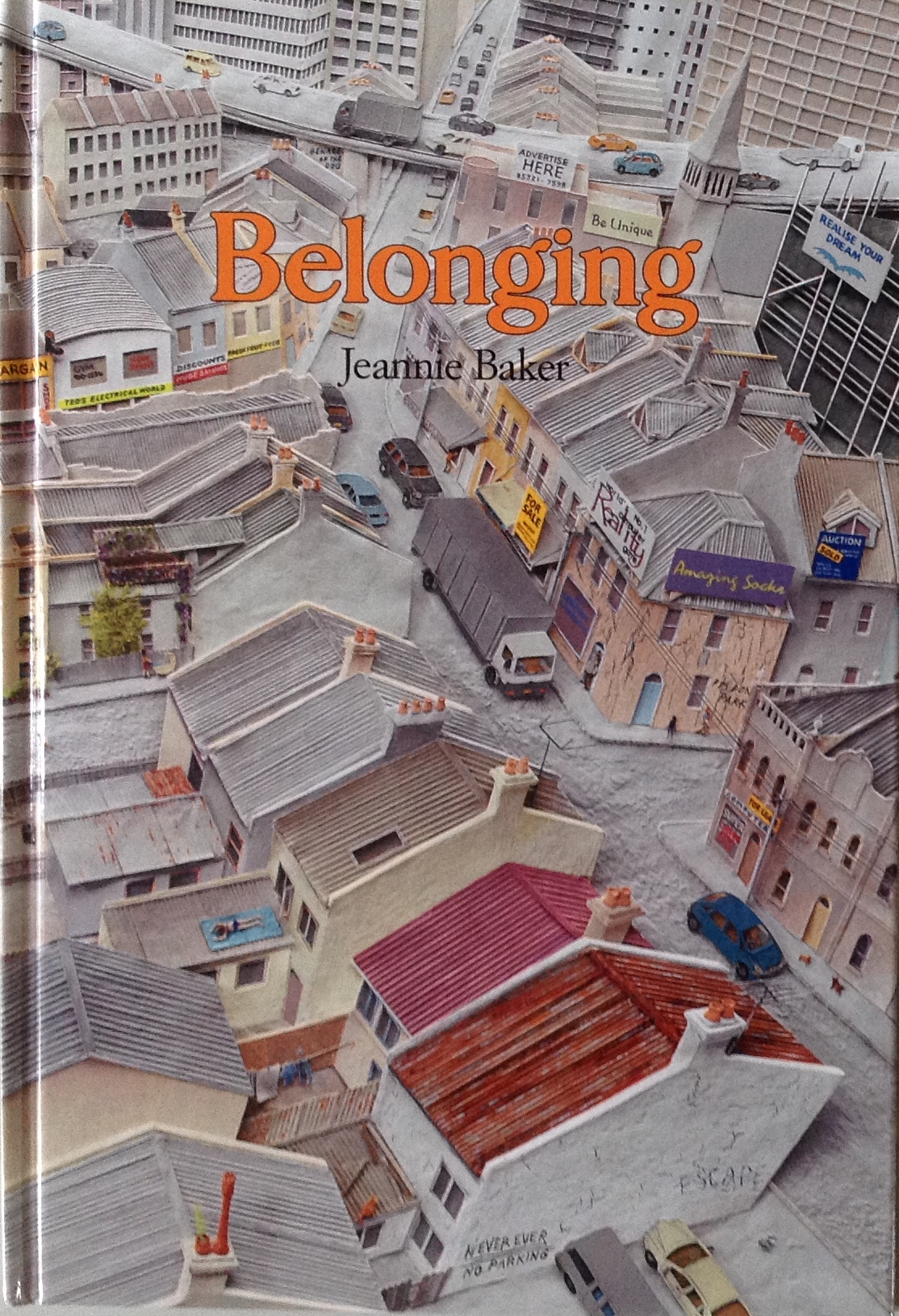
    In 2004 Jeannie published a companion book to “Window” called “Belonging, which, in 2005, also received a number of awards, including one from the Wilderness Society. This textless picture book tells a story of a changing landscape over a number of years as a city is transformed with plants and welcoming spaces for children and families. In a note at the end of this book, Jeannie says,

    “It takes time … But by understanding the land on which we live and by caring for it we can choose between just having a place to live or belonging to a living home.”

    2015-09-19 11.10.25

    One Hungry Spideris the third of Jeannie’s books I own. Unlike “Window” andBelonging, the illustrations in this one are accompanied by text. One Hungry Spideris a counting book, but a counting book with a difference: it includes information about the spider. For example when one of seven ladybirds gets caught in the web we find out that “the spider took no notice (because) spiders don’t like the taste of ladybirds.” And when nine wasps fly by the spider left the web and hid because wasps catch spiders. Additional details about the spider are provided at the back of the book. Once again the illustrations throughout the book are magnificent.

    Surprisingly I own only these three of Jeannie’s books. However I am familiar with others. At school I had access to many of her titles in big book format (approximately 50 x 40 cm) which were perfect for sharing with a class of children.

    4 of Jeannie Baker's books

    These are other favourites:

    Where the Forest Meets the Sea”, “The Hidden Forest”, “Mirrorand The Story of Rosy Dock”.

    Are you familiar with Jeannie’s work? If so, which ones and what do you think of them?

    Please check out these and other titles of Jeannie’s if you have a chance. Their illustrations will intrigue you and their positive messages will inspire you.

    As a writer, I found inspiration in Jeannie’s response to the question,

    “Of all the books you have made, which is your favourite?”

    She answered,

    “When a book is finally finished, I find it hard to think about it anymore …I want to fill my
    head with something totally different, with a new book.  My favourite book is the
    ‘new’ book I’m working on, still working out and trying to make better than the books I
    made before it!”

    I think that indicates a strong growth mindset and Jeannie’s joy in the “continual challenges this medium gives … to invent techniques and explore and experiment with materials and their textures.”

    Jeannie Baker - favourite book

    It affirms the quest for improvement and a reason to embrace the challenges we both set for ourselves and meet along the way.

    Thank you

    Thank you for reading. I appreciate your feedback. Please share your thoughts.

  • It’s a steal

    cyberscooty, The Thief https://openclipart.org/detail/220956/the-thief
    cyberscooty, The Thief https://openclipart.org/detail/220956/the-thief

    This week at the Carrot Ranch Charli Mills is talking about theft; of family pets, of the apples from her garden, of property, and even of good name through myths and false accusations.

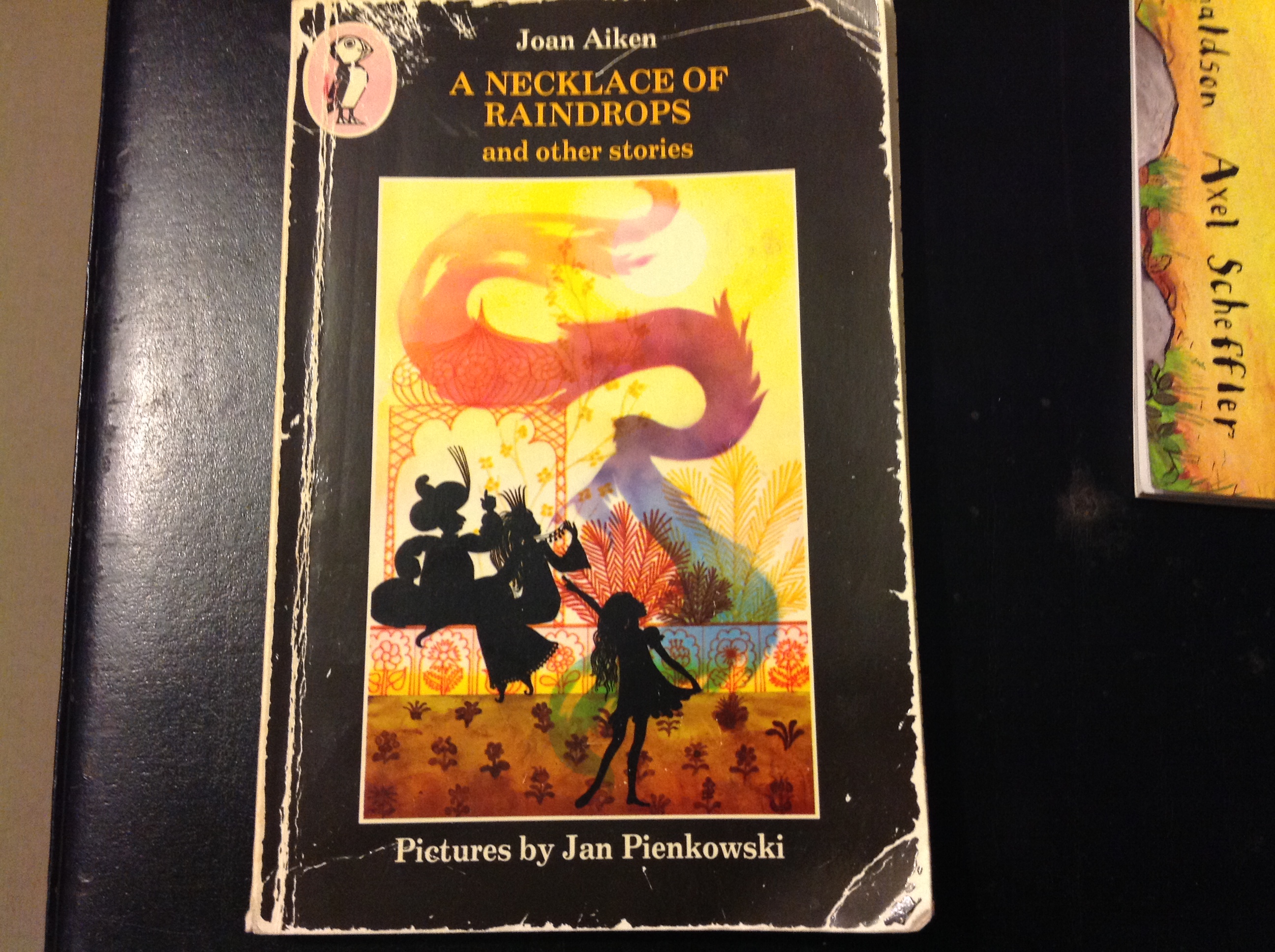
    I didn’t have to think for long to come up with three fairy tales that deal with the issue of theft. Why three? Because three is the fairy tale number. I’m sure most of you will be familiar with these two traditional fairy tales: Goldilocks and the Three Bears, and Jack and the Beanstalk. Some will not be familiar with Joan Aiken’s more modern (1968) fairy tale A Necklace of Raindrops.

    girl and bear

    If you were to search online for teaching resources to support use of Goldilocks and the Three Bears in an early childhood classroom, you would have much from which to choose. Many of the available resources are worksheets and printables with few requiring children to think beyond the surface level of the story.

    youk_k, Beanstalk https://openclipart.org/detail/20020/beanstalk
    youk_k, Beanstalk https://openclipart.org/detail/20020/beanstalk

    The same is true for Jack and the Beanstalk. A search for supporting teaching resources also brings up a plethora of worksheets and printables for colouring, cut and paste and writing activities.

    While it’s no secret that I am not a fan of worksheets, activities such as those may have a place if they are used to stimulate language development through retell and role play, support beginning readers and writers in a meaningful context and develop basic mathematical concepts. Children might also be involved in activities associated with the story such as making porridge or growing beans.

    www.openclipart.com
    http://www.openclipart.com

    However children can be encouraged to think more deeply through discussion of the motives and feelings of the characters and the morality of their actions. After all, both Goldilocks and Jack were guilty of break and enter and theft; Jack repeatedly so. Jack didn’t follow his mother’s instructions and was “conned” by the man with the beans. Goldilocks was also guilty of vandalism.

    A strategy for encouraging thinking:

    Ask children to:

    • retell story events
    • tell about the character and character traits
    • make a judgement about  the character’s actions: Was what Goldilocks did good or bad? Was what Jack did good or bad? (Note: It is best for children to make and record this judgement independently of others before sharing their thoughts. The method of recording would be dependent upon the age and ability of the children. They could, for example, write the word “good” or “bad” in a book; or colour a picture of the character e.g. green for good, red for bad.)

    Tally and/or graph children’s responses.

    Invite individuals to explain the thinking behind the decision. A lively discussion may ensue, particularly if there are mixed responses. It would be of interest to note which children maintain their position, which waiver and which change their opinion.

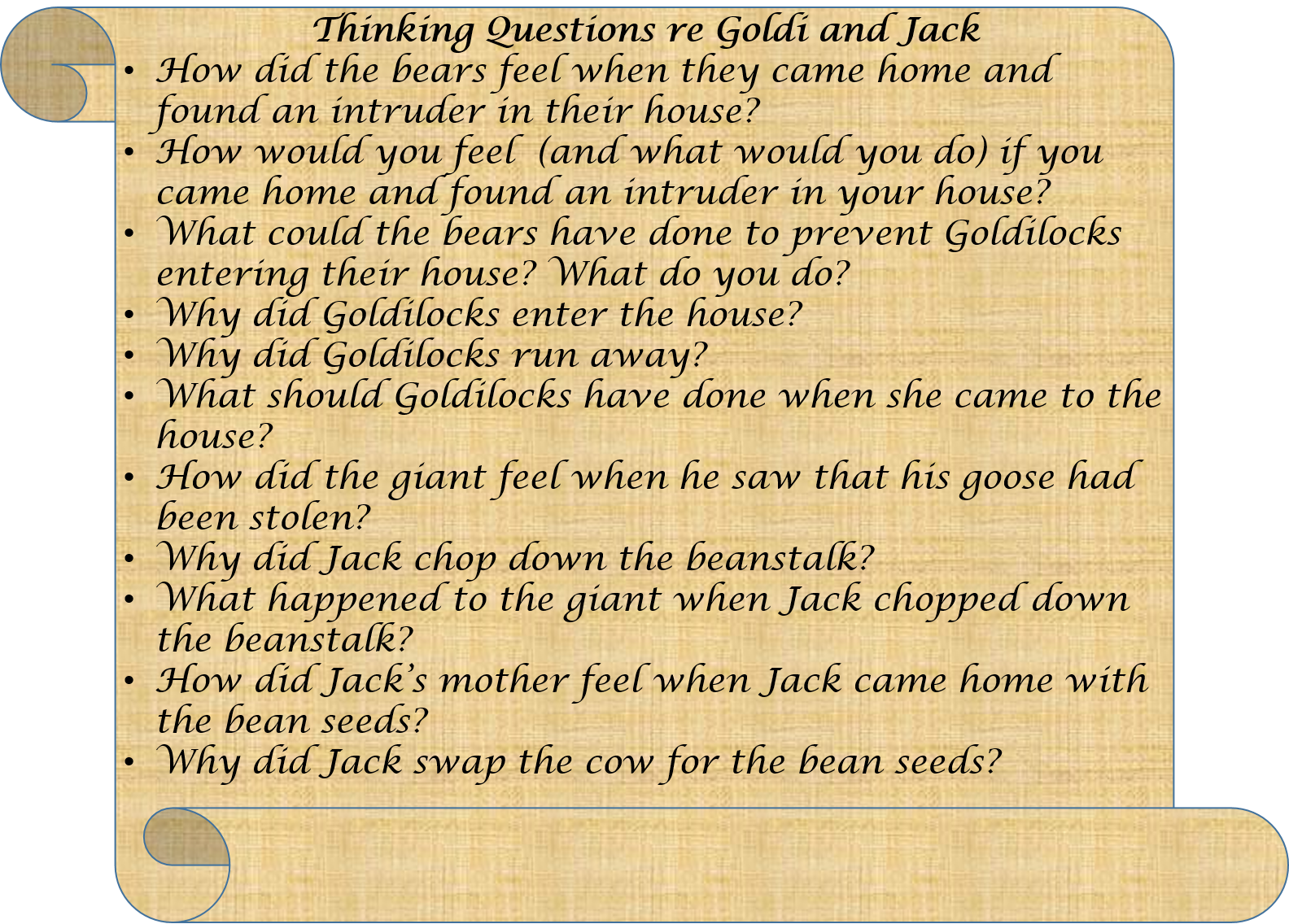
    Other questions can also be asked, and children can be encouraged to ask questions of their own, for example:

    Questions re Goldi and Jack

    Hopefully the events of these stories will be just as fanciful to the children as the settings. Most children will not have records of breaking and entering, and any incidences of petty pilfering or even vandalism will have occurred as part of their learning about property and ownership. Some appropriation of another’s toys or breakages in frustration or misuse are common and nothing to cause concern about future morality.

    a necklace of raindrops

    While the setting of A Necklace of Raindrops is equally fanciful with the personification of the North Wind, talking animals and a magic necklace, the situation, involving schoolyard jealousy and theft, may be more familiar. You will find few teaching resources to support it in an online search.

    book 3

    Here is a brief synopsis:

    A man frees the North Wind from a tree.

    The North Wind gives the man a necklace of raindrops with magical powers for his baby girl, Laura.

    Each year a new raindrop with new powers is added.

    Laura must not remove the necklace.

    At school Meg is jealous of Laura’s necklace. She tells the teacher who insists Laura remove the necklace.

    Meg steals the necklace.

    The animals help Laura get the necklace back.

    The North Wind punishes Meg.

    (Note: My few words have not done justice to Joan Aiken’s beautiful story. If you can, please read the full version.)

    The story is rich with opportunities for discussion with children, including:

    Envy and jealousy — feelings familiar to many children who may have taken, borrowed or used something that didn’t belong to them. They may have squabbled about ownership or use of an item or had someone take something of theirs. Learning a sense of ownership as well as sharing is important in early childhood.

    Telling the teacher — sometimes called “dobbing” in Australia. When is it important, when doesn’t it matter? What were Meg’s motivations?

    Honesty — Was it okay for Meg to tell her father that she had found the necklace on the road? Why did she tell him that? What would he have done if she told him the truth?

    Finders keepers” — Is it ever okay to keep something you find? When might it be okay to do so?

    Following the rules – The teacher insisted that Laura remove the necklace. What could Laura have done or said? What else could the teacher have done? Was it fair for Meg to tell the teacher?

    Stealing the necklace — Was Meg good or bad to take the necklace? Why?

    Why did the magic not work for Meg?

    Was the North Wind’s punishment of Meg appropriate? (He blew the roof off her house so she got wet.)

    Thinking of these issues familiar to many in the schoolyard and playground made me think of Marnie who has experienced some similar situations. In this episode a boy dobs on Marnie for having a unicorn at school. Toys weren’t allowed, but this boy knew it meant Marnie was troubled again and needed the teacher’s help. A teacher is also called upon in this episode when Marnie has locked herself in the toilet and won’t come out. In both those instances the children were dobbing for good reason.

    In this episode Marnie is purposefully tripped and falls into a puddle losing hold of her “security” unicorn, and in this longer episode we find that, later that day, the same boy took her paint brush, and stashed it out of reach on a high shelf. He hadn’t taken it because he wanted it, as Meg had taken the necklace. He had taken it simply to torment, be mean and bully.

    Children, like Brucie, who tease, torment and bully are often themselves victims of similar behaviour. They feel powerless, lacking control in their own lives, and probably lowest in the pecking order at home. Targeting someone more vulnerable provides an opportunity to find a sense of power; for a while at least.

    So that’s where I’m headed for my response to Charli’s challenge to In 99 words (no more, no less) write a story about a thief or a theft. 

    Motives

    The morning started badly; nothing unusual in that. He’d been woken in the night by shouting, slamming doors, and screeching car tyres. Nothing unusual there either.

    There was no milk to moisten his cereal, only a slap to the head for daring to ask. He grabbed his bag and disappeared before she used him as an ashtray, again.

    Looking for a fight, he couldn’t believe she was just sitting there clutching her stupid unicorn. He snatched it; danced a jig to her wails, then threw it onto the roof.

    “I’m telling,” said a witness.

    “Who cares?” was his response.

    Thank you

    Thank you for reading. I appreciate your feedback. Please share your thoughts about any aspect of this post or flash fiction.

  • A celebration of Australian picture books #4 — Narelle Oliver

    This post is the fourth in a series celebrating picture books by Australian authors. If you missed earlier posts, please follow these links to the introduction, Mem Fox and Kim Michelle Toft.

    Narelle Oliver

    In this post I introduce you to Narelle Oliver, a Brisbane-based author and illustrator. There is much to explore on Narelle’s site, including: information about her writing process and tips for would-be picture book authors; the research involved in creating her books, many of which are about nature; and illustration techniques that involve the use of linocut printing and rubbing, and other assorted media.

    Narelle conducts workshops for children and adults. She visits schools to share with children the wonder of her books and talks to them about her writing and illustrating processes. When she visited “my” school she brought along first thoughts and illustrations for, and a dummy book of, The Very Blue Thingamajig, plus a soft toy prototype – and we all wanted one! She also brought a fox from the museum and talked about illustrating Fox and fine feathers. She read to the children, involved them in activities and gave them an experience of linocut printing. It was fascinating for both children and teachers.

    Narelle talks about her workshops and sessions in this video.

    While you can find a complete list of Narelle’s books here, I will share those I have on my bookshelf (in no particular order).

    2015-09-19 11.14.10

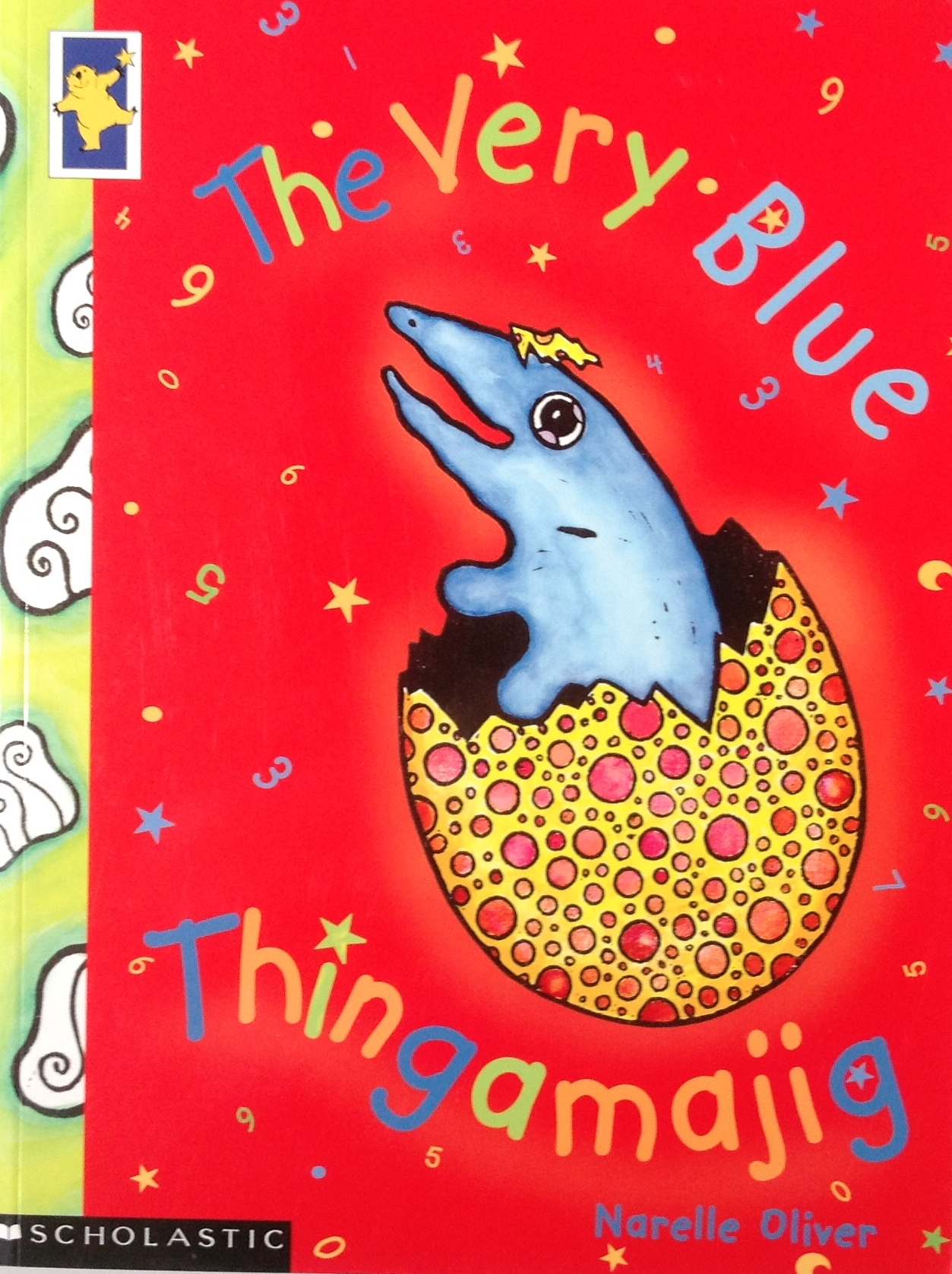
    The Very Blue Thingamajig is as story about difference and acceptance told in a fun way involving mathematical concepts of patterns, counting and days of the week. The colourful illustrations made using hand-coloured linocuts are appealing, and children love to find the little bird who provides a secondary story throughout the book. On Narelle’s fun page you can colour and decorate your own thingamajig.

    2015-09-19 11.11.44

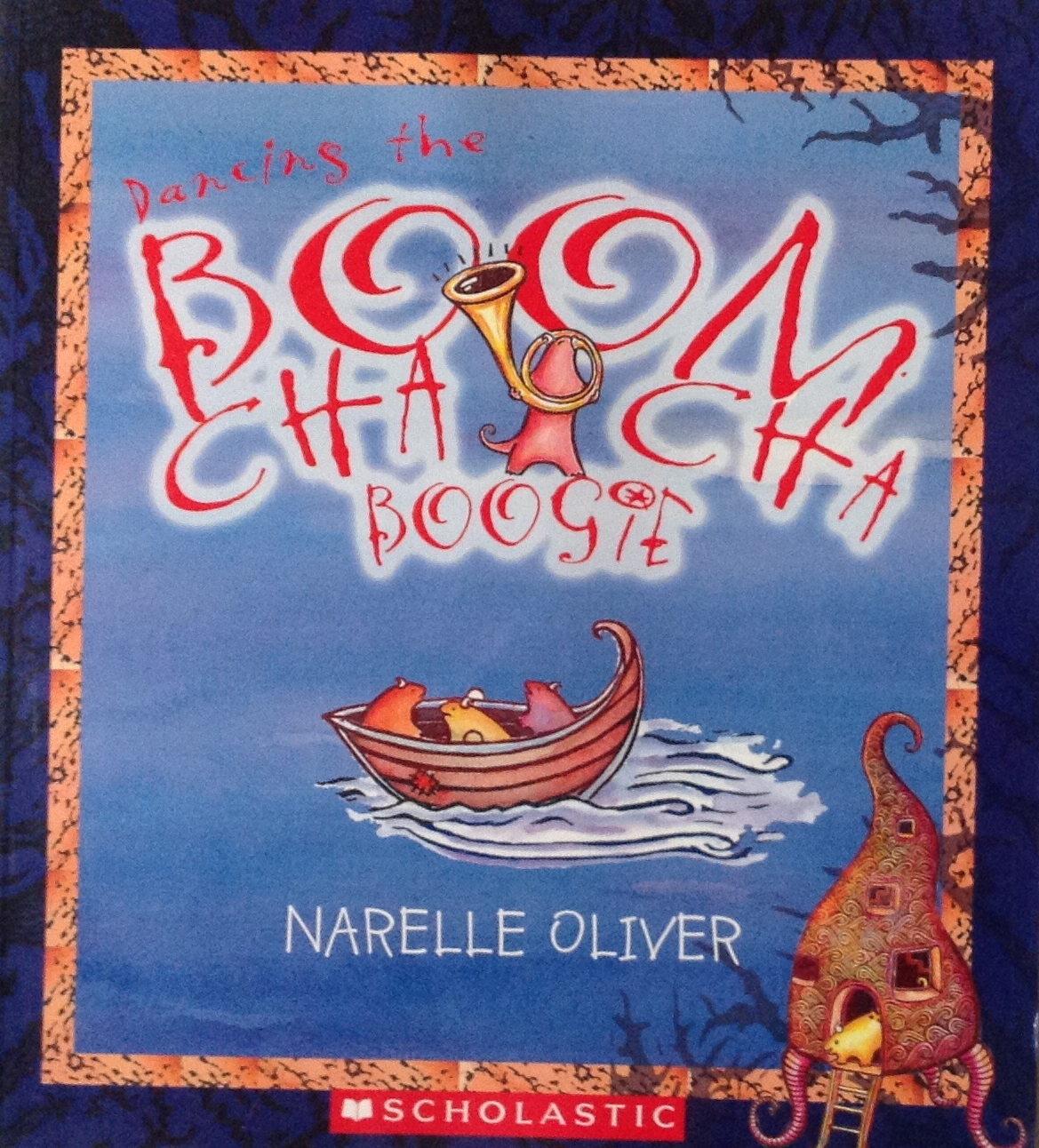
    Dancing the Boom Cha Cha Boogie is a gorgeous tale of three little murmels who are washed out to sea in an arkel and arrive on a foreign shore where they are not welcomed by the resident snigs. They are imprisoned until when, the arkel is repaired, they are to leave. At night a young snig releases the murmels who teach the snig to have fun. In the end the murmels are accepted and stay happily in Snigdom with the snigs, learning from and enjoying each other’s company. This book is illustrated with hand-coloured linocuts.

    2015-09-19 11.13.26

    Fox and fine feathers is a story of friendship, of looking out for each other and keeping each other safe. The attention to detail in these linocut illustrations coloured with pencils and pastels is amazing and accurately depicts the five creatures and the forest setting. Narelle has supported the story with information about the birds, their habitat and the dangers imposed by the feral fox, which is now a serious threat, along with other feral animals, to native species in Australia.

    2015-09-19 11.12.23

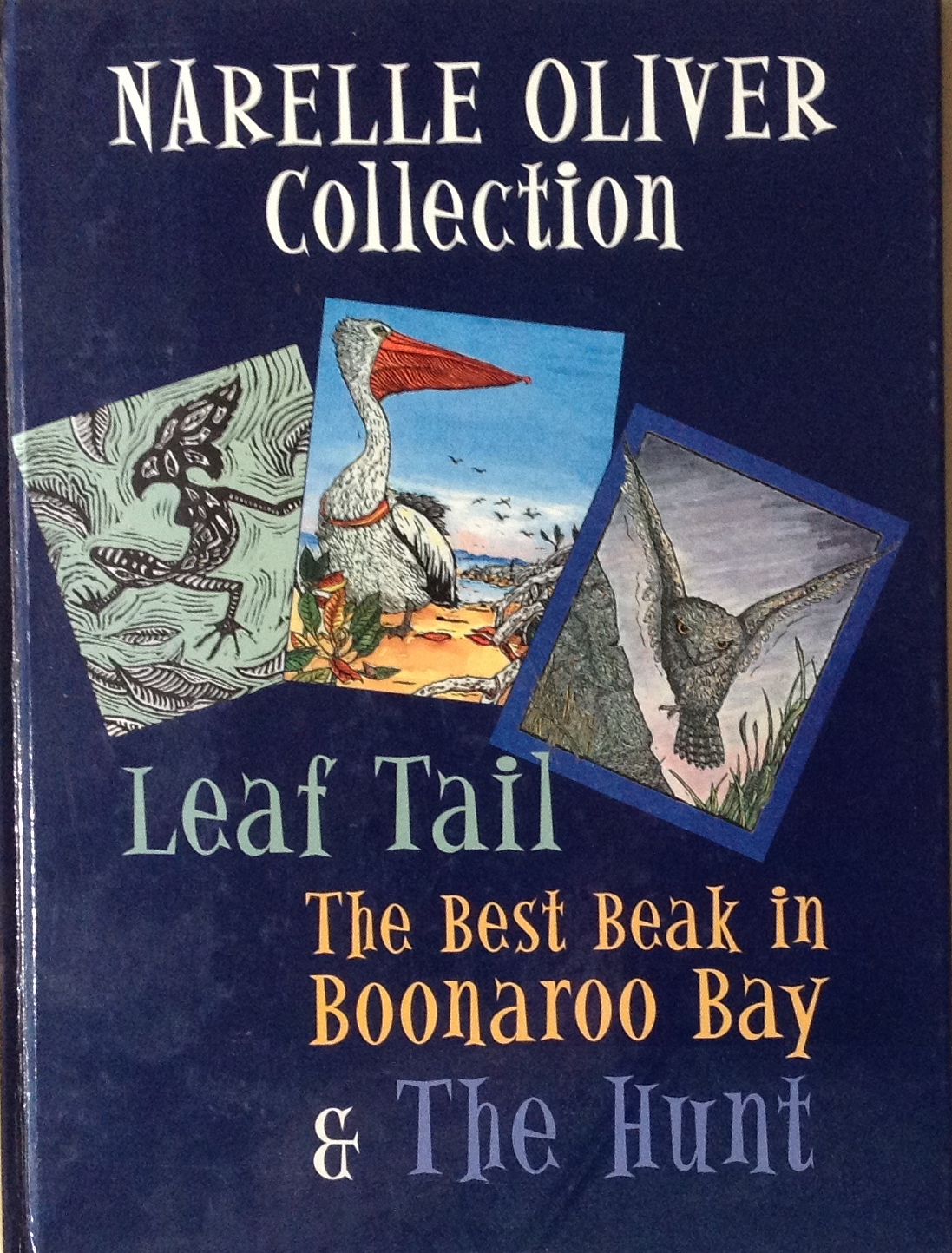
    Narelle Oliver Collection of three stories: Leaf Tail, The Best Beak in Boonaroo Bay and The Hunt.

    • Leaf Tail, Narelle’s first picture book, illustrated by beautiful linocuts, tells the story of a leaf tail gecko and the importance of camouflage to survival in the Queensland forest.
    • The Best Beak in Boonaroo Bay, also illustrated with hand-coloured linocuts, tells of a squabble between five different birds, each professing its own beak to be the best. Finally clever pelican holds a contest that enables the birds to see that each beak is best in its own way. As well as a delightful story about wildlife, it also provides a springboard into discussions about, and appreciation of, differences.
    • The Hunt is another beautifully illustrated wildlife story of camouflage and survival. The story is supported with information about its setting and the workings of animal camouflage and disguise. There are also black and white drawings showing where to find the animals camouflaged in each illustration. It is fun to see if all the animals can be found without referring to the guide.

    2015-09-19 11.15.11

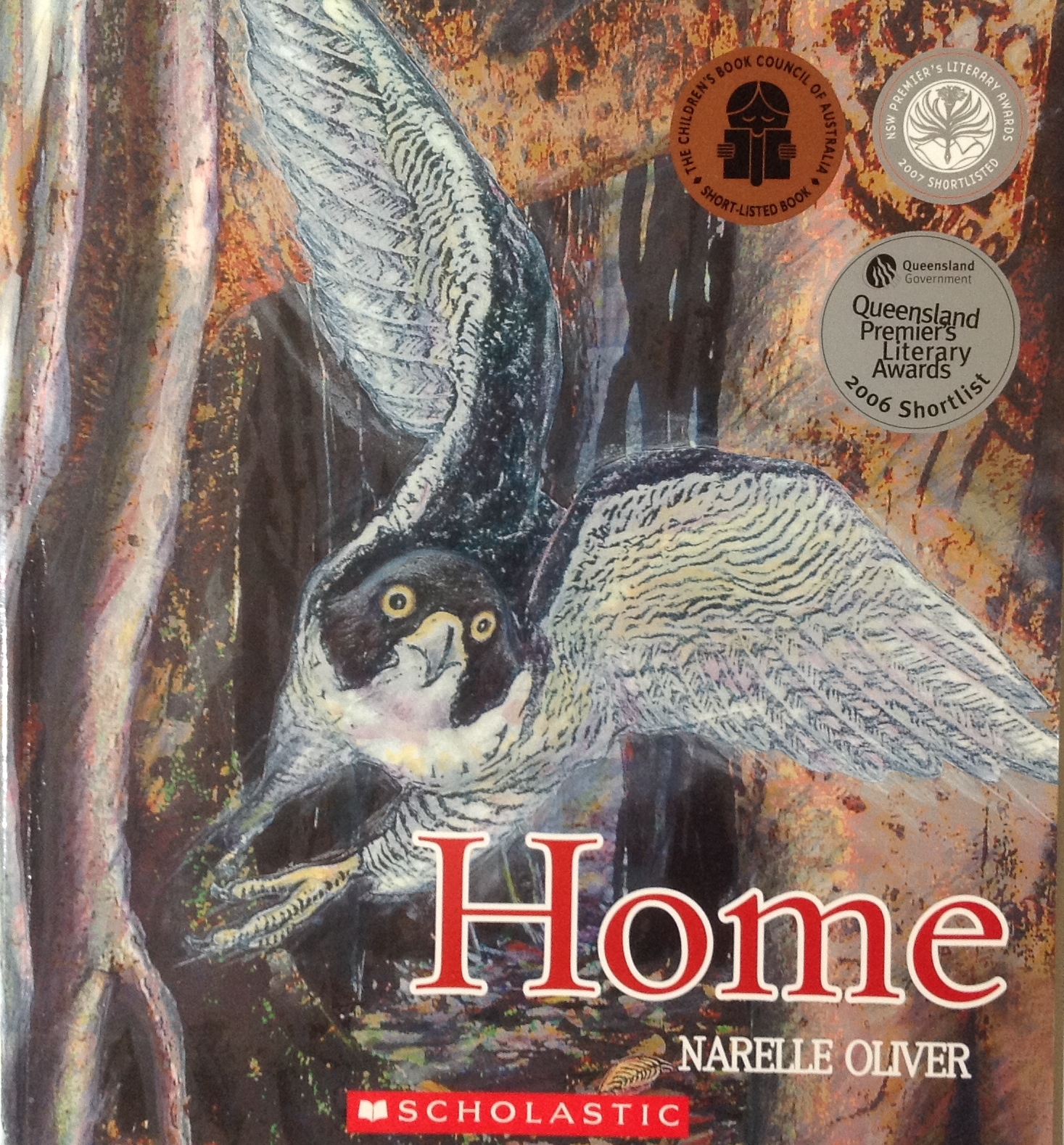
    Home, referred to in a previous post Home or away, is perhaps a favourite if only because it is based on a true story of a pair of peregrine falcons that nested at the top of a 27-storey building in the city of Brisbane. The birds, named Frodo and Frieda, fascinated a city and, for a while, had their own reality show “Frodocam”. The story, beautifully illustrated using a combination of media including linocut rubbings, collage, photographs, pencil, pastels and watercolours, tells of the adaptation of wildlife to new landscapes and environments.

    Each of these books can be appreciated for its story or used as a springboard for discussion. The illustrations appeal to adults and children alike for the attention to detail and accurate representation of wildlife. The addition of supporting information encourages an appreciation for wildlife and their habitats and develops an awareness of the need for their protection. They would be a wonderful addition to any book collection and be much appreciated as gifts.
    Thank you

    Thank you for reading. I appreciate your feedback. Please share your thoughts.

  • Home or away

    Many people look forward to a holiday away from home; an opportunity to escape the routines of the everyday and enjoy new experiences.  Many people look forward just as much to the return home, to familiar comforts and routines.

    During the past twelve months I have enjoyed a few escapes away.

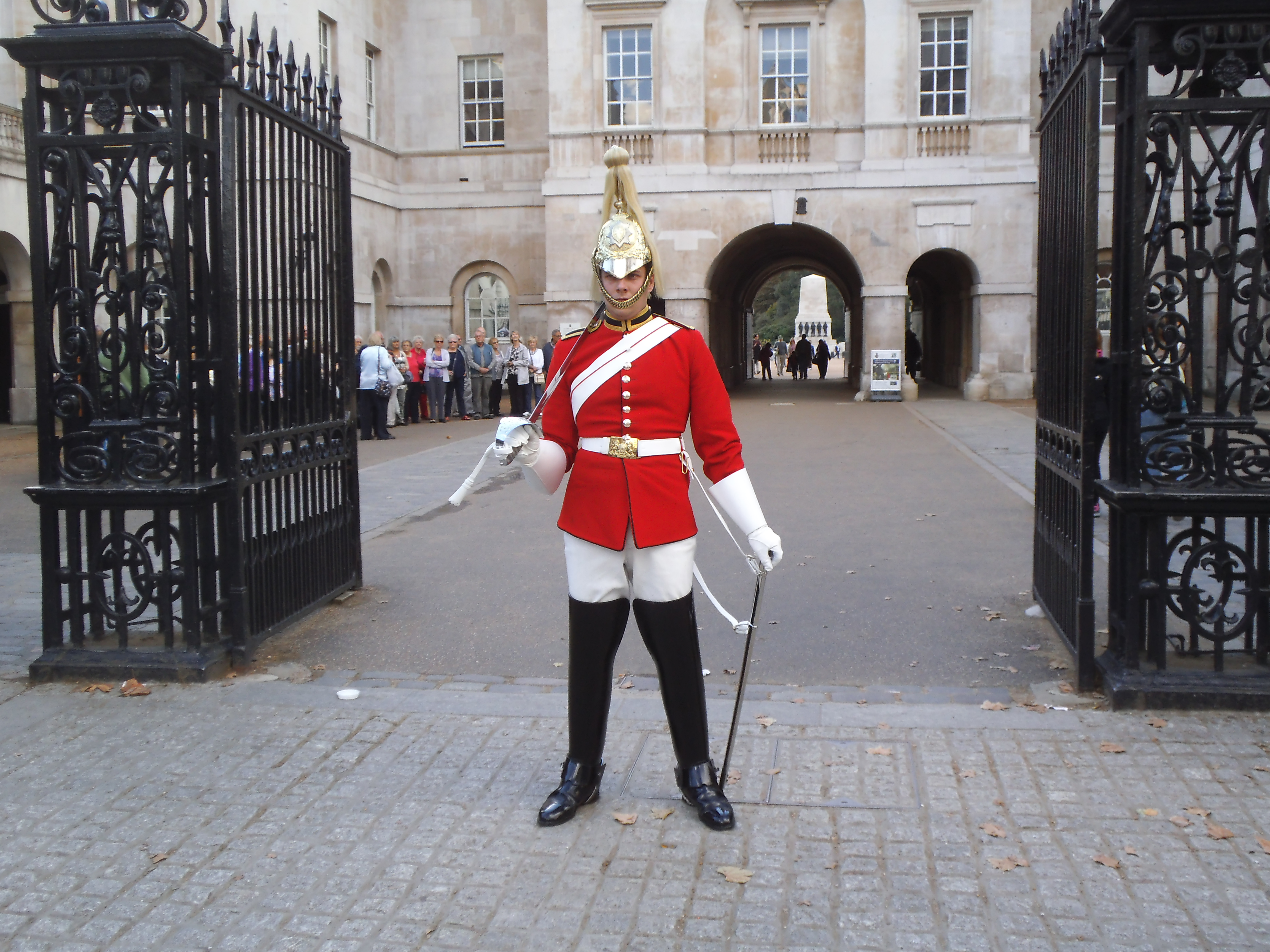
    I travelled overseas and far away for my first visit to London.

    Whitehall, London © Norah Colvin
    Whitehall, London
    © Norah Colvin

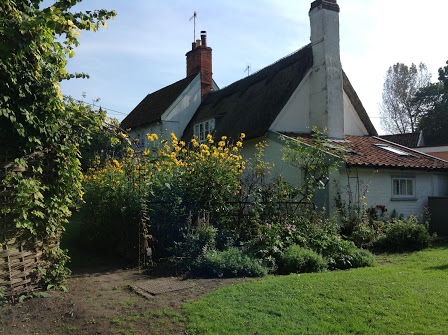
    My visit to the UK included a few days at Saxmundham to the north

    Cottage at Saxmundham © Norah Colvin
    Cottage at Saxmundham
    © Norah Colvin

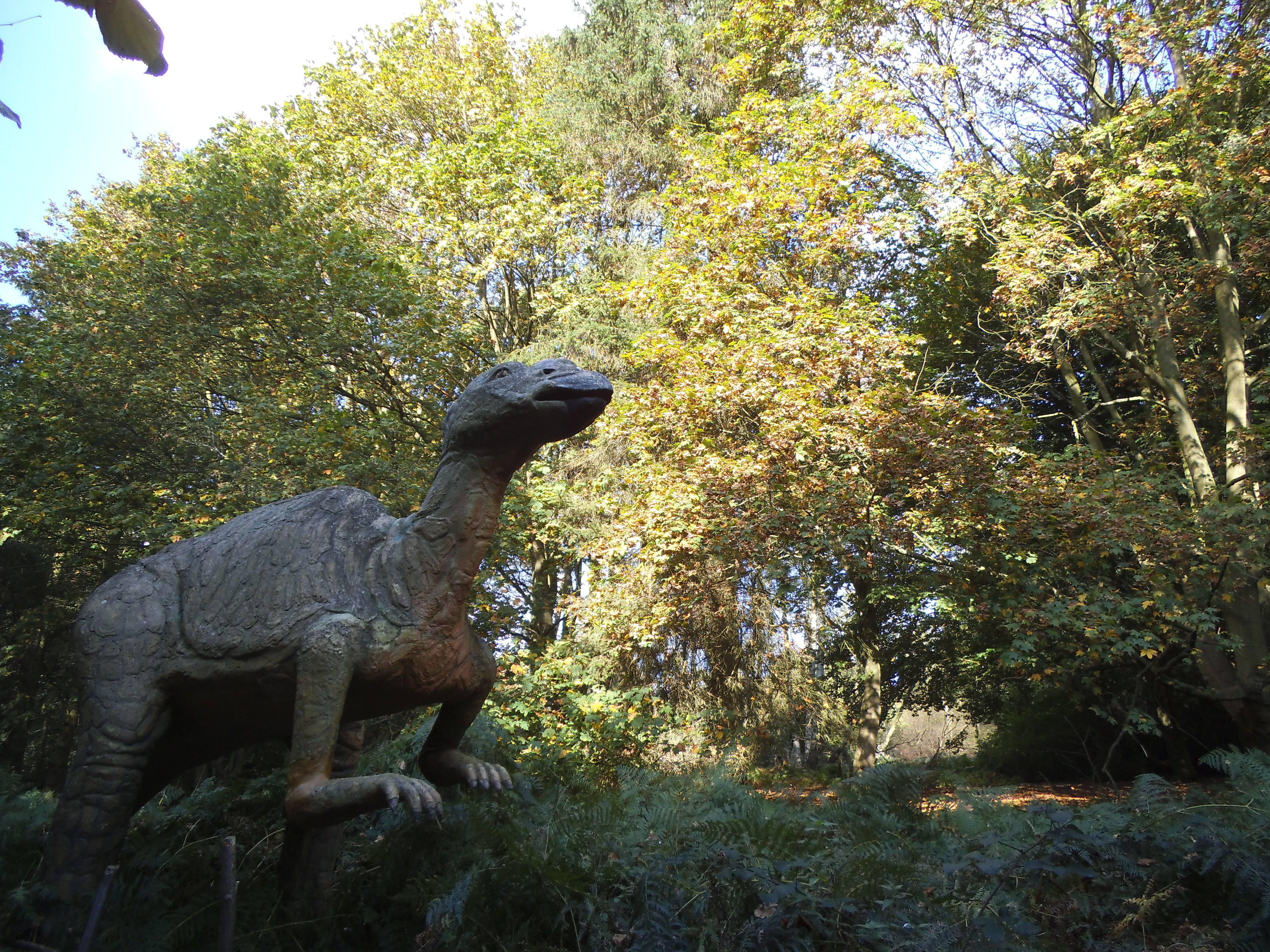
    and a visit to Dinosaur Adventure at Norwich for Grandson’s fifth birthday.

    Dinosaur Adventure, Norwich © NorahColvin
    Dinosaur Adventure, Norwich
    © NorahColvin

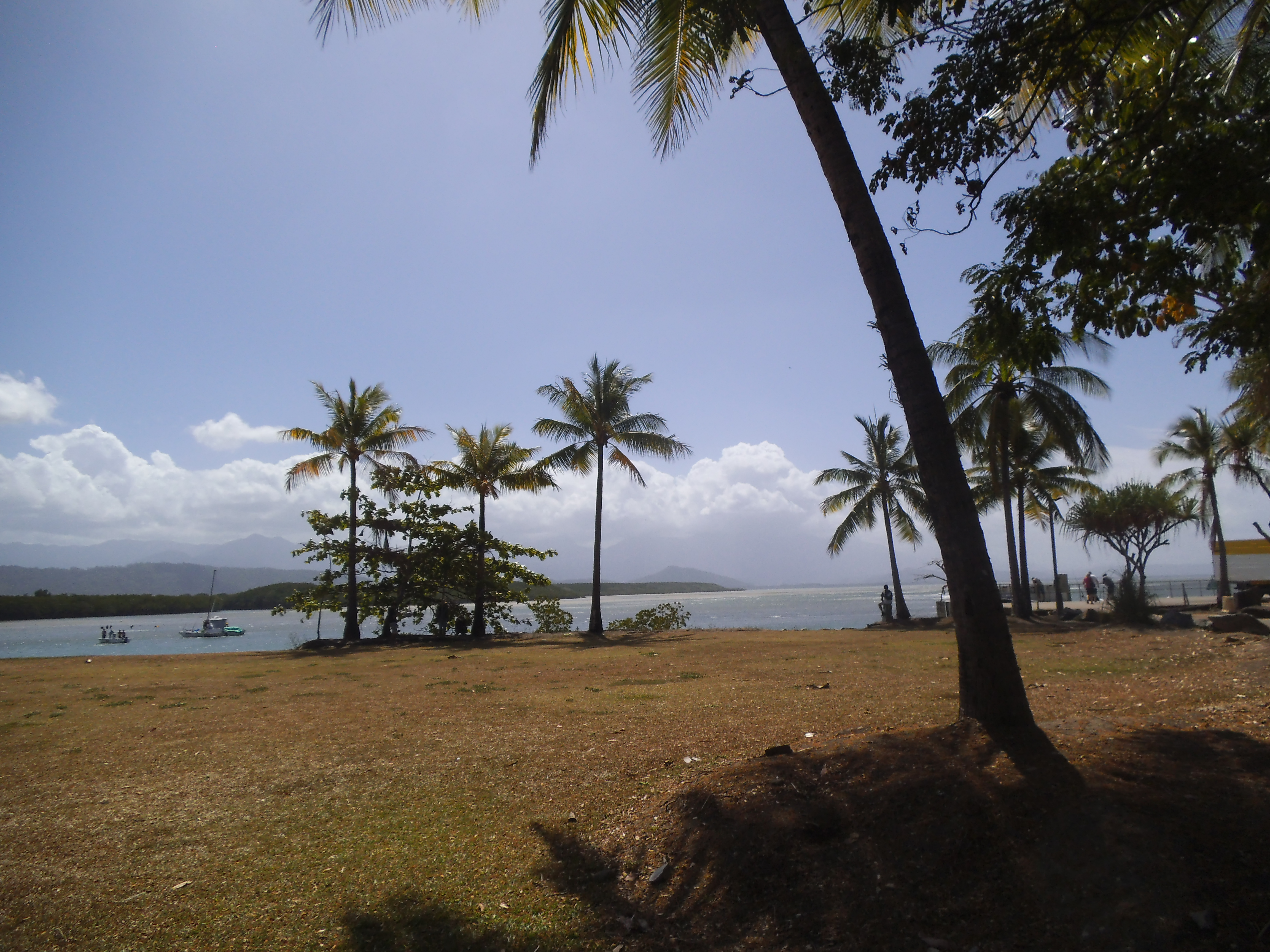
    I travelled to Cairns and Port Douglas in northern Queensland,

    Port Douglas © Norah Colvin
    Port Douglas
    © Norah Colvin

    and from north to south through Tasmania from Hobart to Launceston.

    Hobart © Norah Colvin
    Hobart
    © Norah Colvin

    I visited Alice Springs and Uluru in Central Australia.

    Uluru © Norah Colvin
    Uluru
    © Norah Colvin

    I also visited some seaside locations closer to home, including Hervey Bay and Marcoola to the north and Coolangatta to the south.

    Hervey Bay © Norah Colvin
    Hervey Bay
    © Norah Colvin

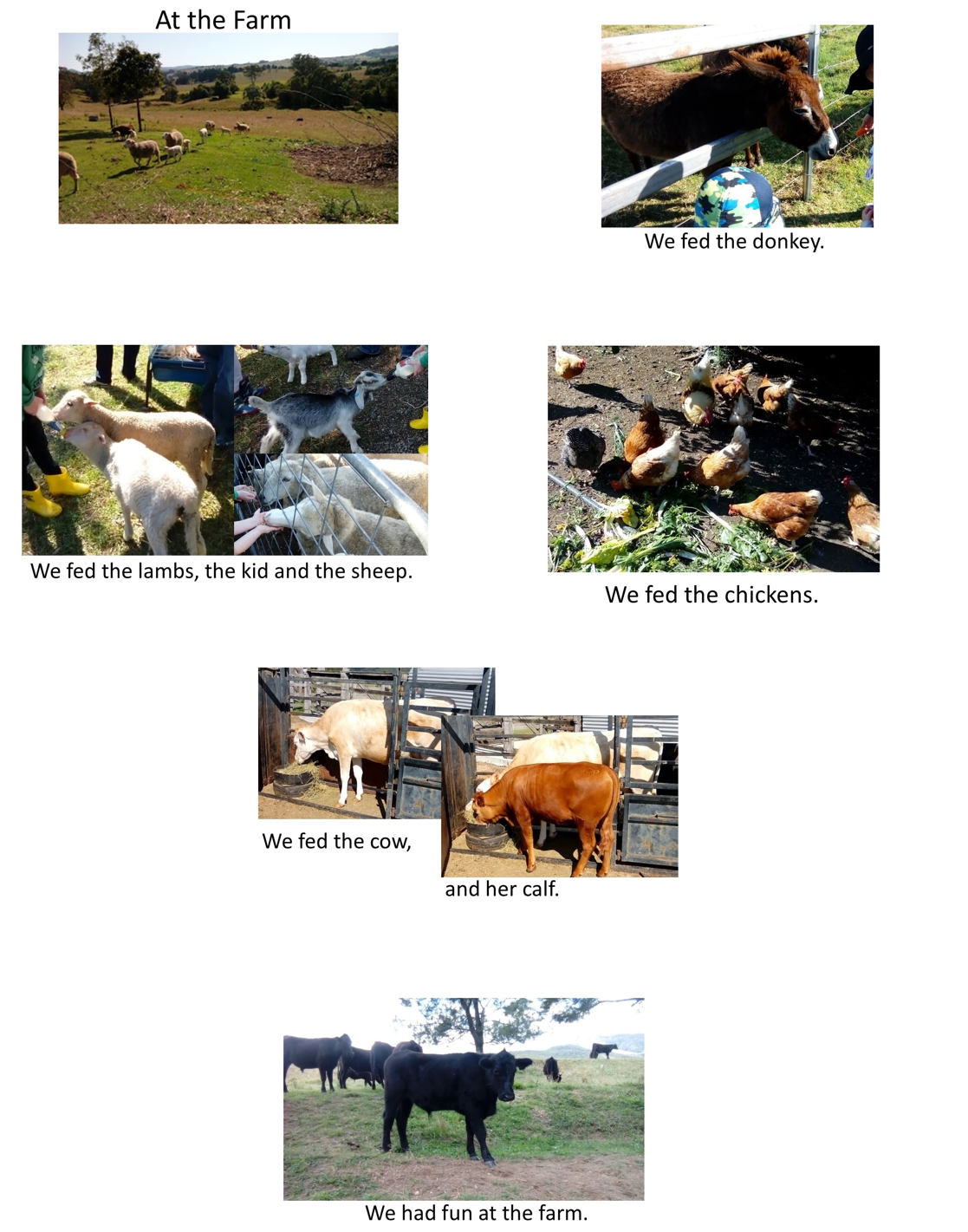
    Just last week I enjoyed a few days at a farmstay celebrating Grandson’s sixth birthday.

    Farm © Norah Colvin
    Farm
    © Norah Colvin

    Looking at that list, one might think I am never at home; but it doesn’t seem that way to me.

    Visiting places away from home can be educational as well as enjoyable and fun; meeting new people, learning about different cultures and ways of life, experiencing new foods, activities and routines, and seeing different geographical features. This is true for adults and children alike. The learning is integral to the experience, not an add-on or a lesson.

    However the experiences can be recorded by, with or for children to enhance learning opportunities; for example, but not restricted to:

    • Photo stories with accompanying text provide wonderful opportunities for reading and discussion and for keeping the memories alive over the years.
    • Diary or journal records that include dates, places and events provide opportunities for writing and reading. These entries can be supported with photographs, drawings, or “souvenirs” such as stickers, postcards, entry tickets and brochures.
    • Letters and postcards sent to family and friends provide further opportunities for sharing, writing and reading.
    • Emails can also be used to share highlights with family and friends and provide opportunities for using and learning about technology. I have found that including myself as a recipient for each email provides an effective alternative, or addition, to diary writing.
    • Marking routes and places visited on maps helps develop a sense of location and direction. Combining these with photographs or photo stories or diaries makes them even more meaningful.
    • Using a calendar to count down the weeks or days until departure, mark the days at each location, and the date of returning home helps to develop an understanding of the passage of time as well as the ability to read and use a calendar.
    • Discussion of departure and arrival times, the time until and the duration of journeys or events,  and relating these to time shown in both digital and analogue format helps develop an understanding of the use of time measurement and the passage of time. Use of printed and online timetables, as well as those displayed in airports, train stations and at bus stops provides opportunities for in-context and purposeful learning.
    Example of a simple photo story for preschoolers
    Example of a simple photo story for preschoolers © Norah Colvin

    Books, including atlases and photo books, can be used to ignite interest in places to be visited during a planned holiday or generally to arouse interest in other places. Stories can also be used.

    Felix

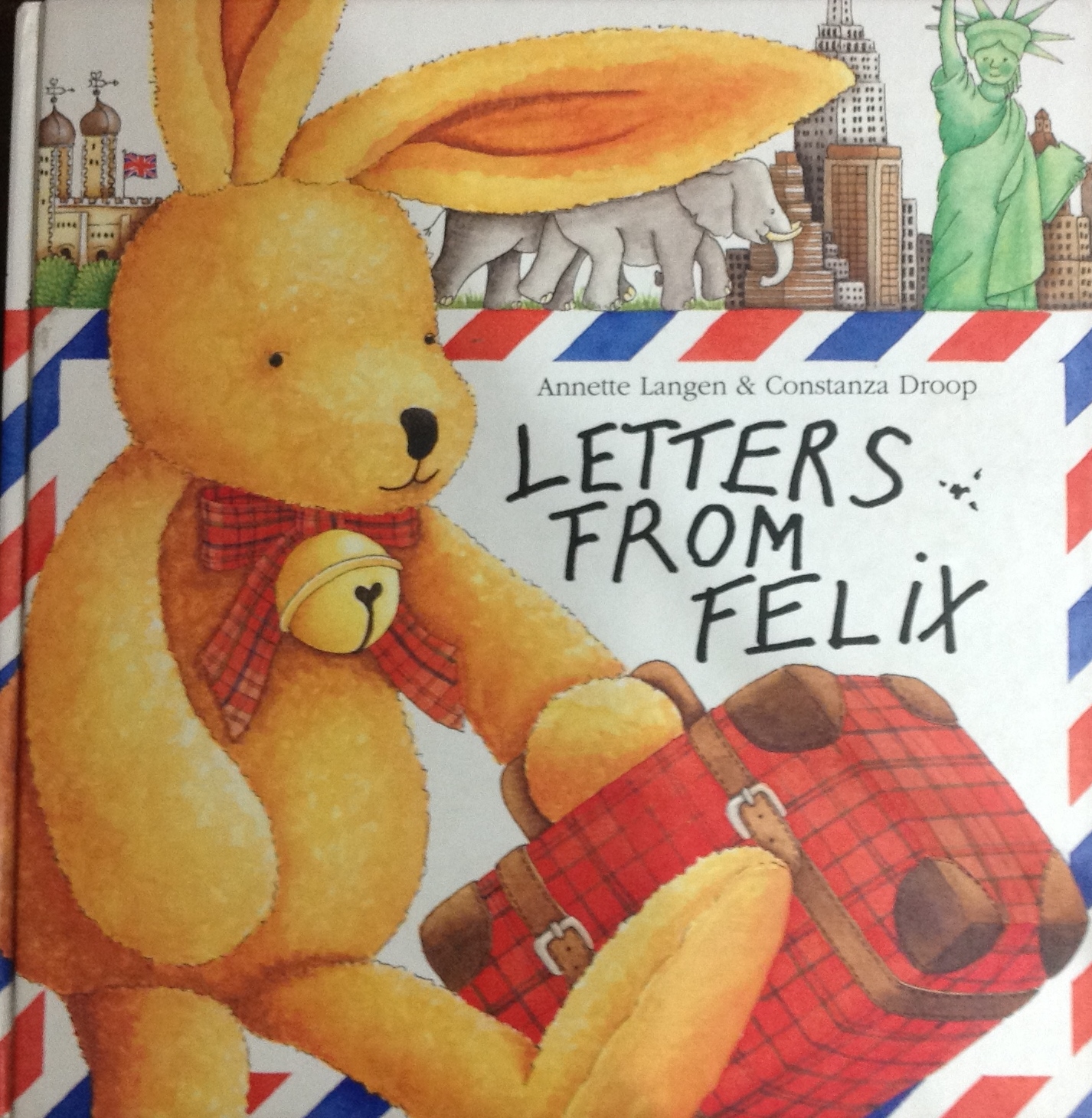
    One such story is Letters from Felix by Annette Langen and Constanza Droop. It tells of Felix, a toy bunny who was lost at the airport, as he travels the world on his way home to Sophie. In my version Sophie lives in Hobart, Tasmania and she receives letters from Felix in London, Paris, Rome, Cairo, Kenya and New York. (If anyone owns a different version, I’d love to know the countries included.) In each letter, the information shared by Felix inspires Sophie to find out more about the location. When Felix finally arrives home he has a surprise gift for Sophie: a sticker from every location visited.

    Letters from Felix is a great story to read at any time, but takes on extra meaning when one, or someone known, is travelling or returning from travels. It can be used to support or encourage an interest in geography in the classroom or at home. If children are not visiting locations as exotic as those visited by Felix, they may still be encouraged to record and share their experiences in the ways described above.

    Of course, when children arrive home, they may be just as excited to rediscover their familiar comforts, toys and books and reconnect with friends and family left behind. As the song says, “There’s no place like home.”

    What inspired me to think about holidays and home this week is the flash fiction challenge set by Charli Mills at the Carrot Ranch to In 99 words (no more, no less) write a story about a return to home. I have written about Marnie’s return to the place she had grown up but had never felt was “home”. It also provides a segue to the next post in my series celebrating Australian picture books which includes “Home” by Narelle Oliver. I hope you will join me for that post. In the meantime, here is my flash:

    The return

    Her eyes looked outward but her gaze was inward, trying to unravel the confusion of tumultuous emotions: anger for what had been, sadness for what wasn’t, regret she hadn’t escaped sooner, fear of her reaction, coldness at their passing. The bus carried her back; some things familiar, some as different now as she, returning “home” after so many years. Home? She’d called it home, back then, but now realised it hadn’t been home, not really; not safe and warm and loving as any home should be. She’d left vowing to never return. She returned now for finality and closure.

    Thank you

    Thank you for reading. I appreciate your feedback. Please share your thoughts about any aspect of this post or flash fiction.