Live Love Laugh Learn … Create the possibilities

Category: Favourite reads

  • Books make the #1 best gifts!

    The love of reading is gift

    I am notorious for gifting books. I’ve written about this before in Guess what you’re getting for Christmas and other posts. It would not surprise me if you are also a notorious gifter of books. Perhaps that could be our super power: The Book Gifters!

    Reading is empowering. A book is a gift that continues to give, long after the occasion has past. It’s effects cannot always be measured.

    books-life-memories

    In this post, I suggest some books you may like to purchase for special people in your life. And why not treat yourself with one or two as well?

    Most, but not all, are fairly recent releases. A few are long-time favourites.

    Most, but not all, are written by people I know personally or through blogging. You might recognise their names from comments on other of my blog posts. A few are long-time favourites written by people who inspire me.

    I have read most. The only two not read (the books of short stories) are very, very recent. However I am happy to recommend them as I am already familiar with some of the stories, and the writers’ work  from their blogs.

    Disclaimer: These are books that appeal to me. They may not appeal to you. The important thing in choosing books for others is in finding something that they will like.

    The list is not exhaustive. It is just a beginning to provide a few ideas that you may not have considered. There are many other wonderful books that could just as easily have been included.

    I have arranged my list in this way:

    For children:

    Picture books (including fiction, non-fiction, and poetry)

    Early chapter books (for readers of about 7 to 12 years)

    For adults:

    Books of short stories

    Novels

    Memoirs

    Books for teachers and parents

    If you follow the links you will be able to discover more about the writers and their other work.

    For children:

    Picture books – Fiction

    picture-books

    Lauri Fortino The Peddler’s Bed This heart-warming story demonstrates that a kindness given can encourage kindness in others. You can read a lovely interview with Lauri on the readilearn blog here.

    Tara Lazar Little Red Gliding Hood In this fun fractured fairy tale, Little Red Riding Hood needs a new pair of skates. The only way she can acquire them is by winning a skating competition. But which fairy tale character will be her partner?

    Galvin Scott Davis Daisy Chain This is a beautifully illustrated, animated and interactive, anti-bullying book app, narrated by Kate Winslet.

    Non-fiction

    non-fiction-picture

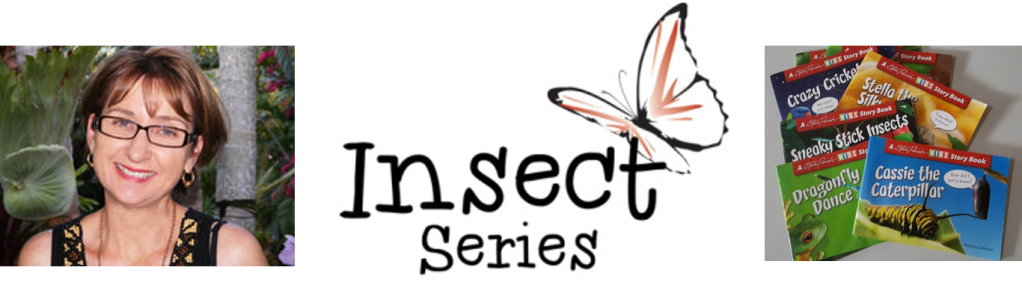
    Rebecca Johnson The Insect Series This series of ten little books, each about a different insect, combines both fact and fiction with stunning close-up photographs. You can read a lovely interview with Rebecca on the readilearn blog here.

    Sue Fliess The Bug Book This book about bugs is beautifully illustrated with stunning photographs. Written in rhyme, it introduces children to many tiny creatures.

    Poetry
    book-cover

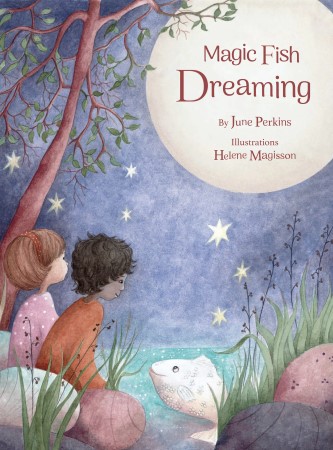
    June Perkins Magic Fish Dreaming This gorgeous book of poems with its focus on nature will uplift and inspire you and your children. You can read a lovely interview with June on the readilearn blog here.

    Early chapter books (about 7 to 12 years)
    early-chapter-books

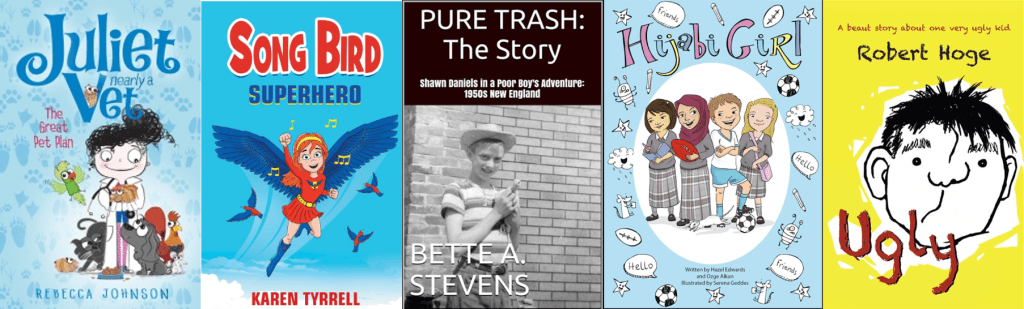
    Rebecca Johnson Juliet nearly a Vet This lovely series of books tells of the adventures of ten-year-old Juliet who aspires to be a vet, just like her mother.

    Karen Tyrrell Song Bird Superhero This story tells of Rosella Bird and her quest to fly. While she battles the bully at school and at home, she is empowered and discovers the joy of flight when she finds her voice.

    Bette A. Stevens Pure Trash: The Story Set in New England in the 1950s, this story tells of a Saturday afternoon adventure of two young boys. The Kindle version is free on Amazon until 29 November (today – be quick!). 

    Hazel Edwards & Ozge Alkan Hijabi Girl In this story, when eight-year-old Melek is deciding what to wear to the book parade, she is unable to find a super-hero who wears a hijab, so she creates her own.

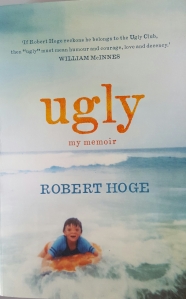
    Robert Hoge Ugly (a memoir) Robert’s story is one of resilience, of survival against the odds, and of making hard decisions. While coping with difference and bullying, Robert shows that strength of character is a trait of survivors. I have introduced you to Robert previously here and here.

    Books of short stories

    short-stories

    Sarah Brentyn Hinting at Shadows This book is a collection of very short stories, each 100 words or less. While each may be a quick read, they will give insight, inspiration, and a greater understanding of what it means to be human.

    Hugh Roberts Glimpses Launching on 2 December, available for pre-order “28 short stories that will take your mind on a rollercoaster of a ride into worlds that conceal unexpected twists and turns.”

    Novels
    novels

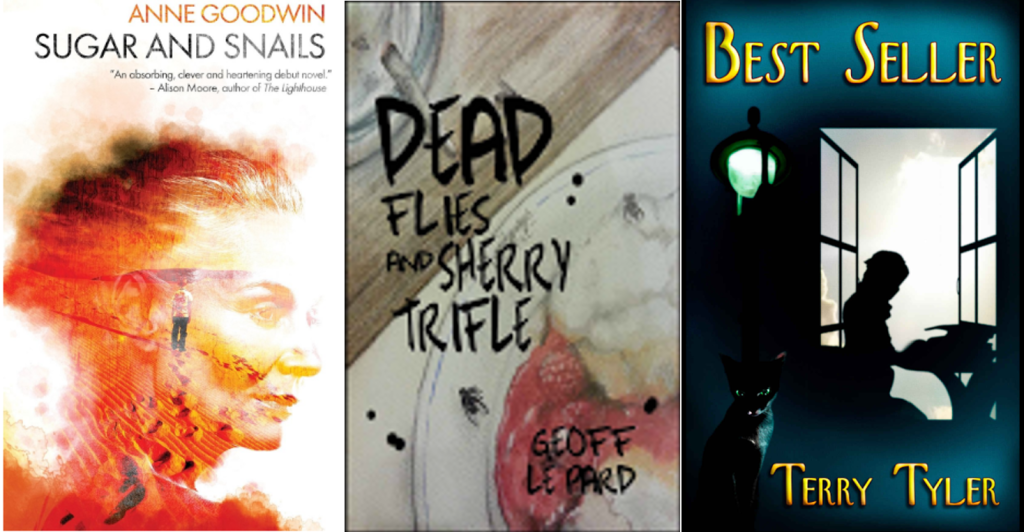
    Anne Goodwin Sugar and Snails In this mid-life coming-of-age story, Diana Dodsworth has some tough decisions to make as she comes to terms with who she really is. Anne has previously talked about her book on my blog here and here.

    Geoff Le Pard Dead Flies and Sherry Trifle This story about nineteen-year-old Harry Spittle, who is home from university for the hottest of hot holidays, will have you laughing out loud at his misadventures.

    Terry Tyler Best Seller This intriguing novella is about three writers, all of whom wish to write a best seller. One does; but which one?

    Memoirs

    memoir

    Robert Hoge Ugly (a biography) Robert’s inspirational story is one of resilience, of survival against the odds, and of making hard decisions. While coping with difference and bullying, Robert shows that strength of character is a trait of survivors. I have introduced you to Robert previously here and here.

    Lesley and Tammy Williams Not Just Black and White Told as a conversation between mother and daughter, this inspirational story tells of the importance of family, of difficulties experienced by many Indigenous Australians in relatively current times, with a drive to ensure that history is neither forgotten nor repeated.

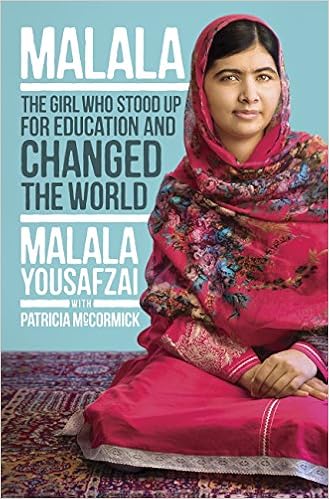
    Malala Yousafzai Malala The Girl Who Stood up for Education and Changed the World The story of Malala, winner of the Nobel Peace Prize, is one of courage and of the difference that one person can make in the world. I have previously written about Malala here.

    Magda Szubanski Reckoning: A Memoir With a Polish father, a Scottish mother and an Australian childhood, Magda’s story is complex, courageous, compassionate, and inspirational.

    Books for teachers and parents

    for-teachers-and-parents

    Mem Fox Reading Magic This book provides lots of practical advice and support for parents in developing a love of reading in their children. I have introduced you to Mem many times previously, including here and here.

    Michael Rosen Good Ideas: How to be Your Child’s (and Your Own) Best Teacher This very readable book is packed full of suggestions for encouraging curiosity and learning in children (and you!) I have previously introduced you to Michael here and here.

    Vivian Kirkfield Show Me How Vivian passion’s for picture books and her understanding of the importance of literacy are obvious in this book that provides great ideas for reading and extending the learning experience associated with many picture books.

    Or, for a special early childhood educator, gift a subscription to readilearn, a collection of teaching resources that can be used throughout the year.

    special-gift-for-special-teacher-ad

    It’s easy. Simply send an email to hello@readilearn.com.au, arrange payment for the currently discounted subscription, and you will be emailed a voucher with a coupon code, unique to your special teacher. Print the voucher and personalise it with your own message before presenting your gift.

    Note: The subscription is for 12 months from date of activation, not purchase: a gift that will go on giving all year long.

    2

    I hope there is something in this list that you can add to your gift list.
    Thank you

    Thank you for reading. I appreciate your feedback. Please share your thoughts.


  • Author Spotlight: Lauri Fortino – Readilearn

    The author in the spotlight this month is the wonderful Lauri Fortino, author of The Peddler’s Bed, illustrated by Bong Redila, published by Ripple Grove Press.

    Please pop over to the readilearn blog to read all about Lauri’s writing process and her delightful picture book.

    Source: Author Spotlight: Lauri Fortino – Readilearn

  • Author Spotlight: Rebecca Johnson

    This post is republished from the readilearn blog.

    Hi, welcome to the readilearn blog and the first in our Author Spotlight series.

    Spring is here and summer is on its way in Australia. The excitement of new life is everywhere as flowers bloom, birds sing, and insects abound. The excitement flows into the classroom as children observe and record the life stages of the amazing minibeasts that inhabit our world.

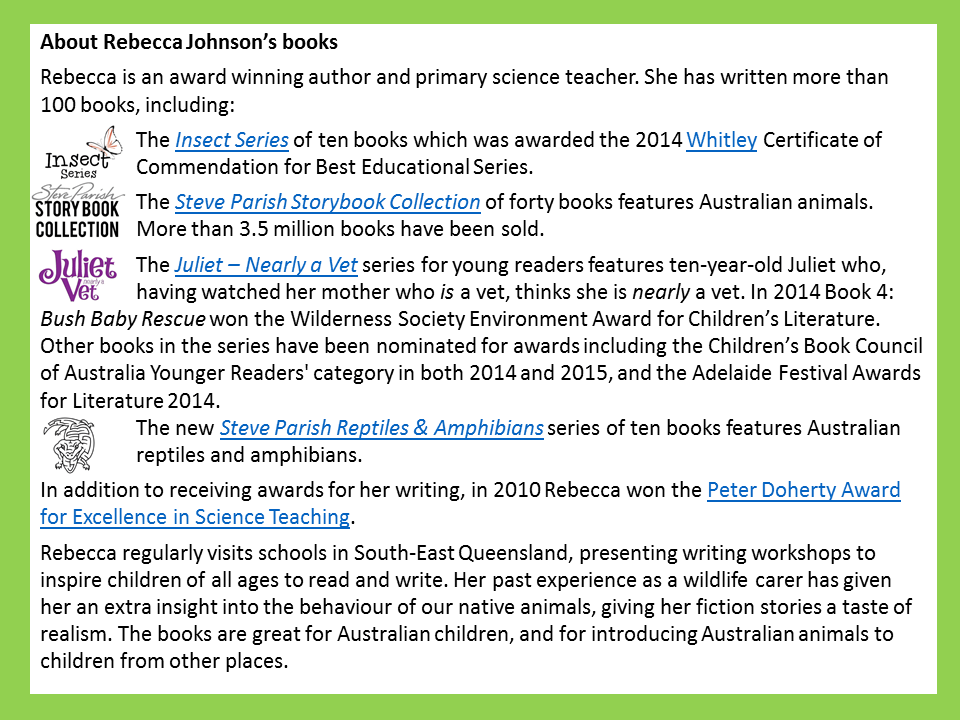
    There is no better time than spring to introduce you to Brisbane author Rebecca Johnson and her Insect Series which was awarded the 2014 Whitley Certificate of Commendation for Best Educational Series.

    rebecca
    Rebecca Johnson: award-winning author and primary school science teacher

    about-rebecca-johnsons-books

    Rebecca’s Insect Series of ten books focuses on metamorphosis, survival, adaptations, properties of natural materials and the usefulness of insects through fiction stories. The stories are accompanied by stunning close-up photos of insects of all kinds.

    The books, which won the 2014 Whitley Award for Best Educational Series, have strong listed links to the Australian Curriculum for many year levels. They are a great resource for teaching and learning about insects. The fiction stories that accompany the facts make the learning even more fun. Two free blackline masters support the use of each book. The blackline masters can be accessed on the Blake Education Website.

    While the books feature Australian insects and have links to the Australian curriculum, they are loved by children all over the world. I am happy to introduce you to Rebecca and her lovely series of books.

    Welcome to readilearn, Rebecca. We are looking forward to getting to know you a little better.

    Thanks for inviting me!

    When did you know you wanted to be a writer?

    When I was reading a lot of picture books to my very young children and could see how much they loved them.

    Where do you write? Do you like to be by yourself in the quiet, or do you like to write in a noisy space?

    I do most of my ‘writing’ in my head.  I think about my stories for ages and pitch them verbally to victims until I am sure I have it all sorted in my head, then I sit to write in my lovely, quiet study overlooking my garden. I encourage children to tell their stories out loud before they write too, because, in my opinion, it is almost impossible to write a good story if you can’t tell one.

    What do you use to write – pencil and paper or computer?

    Head first. VERY few drafts, then I type it into the computer. I can type a 7000 word novel in a week that is publisher-ready, but I have thought about it and pitched it and sounded it out in my head for weeks beforehand. I hate sitting down all day, and I hate re-doing things over and over even more, so I do heaps of my drafting mentally whilst I do other (fun) stuff like gardening, then by the time I sit down to write, it’s like typing out a movie I know really well. People give you more honest feedback too, when you tell them a story. They feel less nervous about letting you know how they really feel about it. Try it some time.

    When is the best time for you to write?

    I do my best work from 5am when the house is really quiet. I’m always too tired at night (I still teach three days a week) for anything too creative.

    When and where do you get your ideas?

    From my life’s experiences as a mother, teacher, child and my own children. I think you have to write about what you know and love.

    What gave you the idea for this series about insects?

    I am a science teacher and I love insects, and I just couldn’t find the books I needed to succinctly and factually tell kids about the life-cycles and characteristics of insects in a fun way, so I wrote some.

    What do you like best about the series?

    Kids love them because they are funny and a bit silly, but they are still full of facts and information. I think they remember things better if it is presented in more appealing and humorous way.

    What can you tell us about the photographs that illustrate the books?

    My sister (Narinda Sandry) took most of them and it was hilarious. We didn’t want to harm any of the insects, so we had to put some, like the mealworms, in the fridge for a while to slow them down to get the shots. I will always smile as I recall the day we sat around a cow pat in a paddock trying to photograph dung beetles before they re-dug themselves in! The old farmer that had let us into the paddock stood to the side scratching his head in disbelief.

    caterpillar-spread

    How did your feel when you wrote these stories?

    I was really pleased when they came out because the photos are just gorgeous, and they were very well received by schools and parents. Winning the Whitley awards was really lovely recognition too.

    How do you hope readers will feel?

    Hopefully empowered with more information and knowledge, and perhaps inspired to look more closely at the wonderful world of insects and an appreciation of the benefits they bring.

    How would you like teachers to present your books to children?

    I’d love them to make them part of their science lesson, and even team them with some real insects (like mealworms) to make it all so much more engaging. There are two free blackline masters for each one too, that are designed to be able to be used independently by children in reading groups etc. There are heaps of facts inside the covers, and a glossary of terms, so plenty to learn in each one.

    Are there any messages you would like them to discuss?

    The main thing is that insects are so important and not just a good excuse to whack something!

    Do you have any advice for teachers in their role as writing guides?

    As I said earlier….talk before writing as much as you can. It is amazing how hard kids find it to describe something verbally and yet we ask them to do it in the written form all the time with disappointing results.

    Do you have any advice for children as writers?

    Tell, tell, tell, and don’t be too hard on yourself if it takes a long time to get it right. It took me five years to get my first book published.

    What is your favourite picture book? What do you like about it?

    I have so many favourites, but Bob Graham’s Greetings from Sandy Beach always makes me laugh out loud, and humour is really important to me in a book.

    Who is your favourite children’s author? What do you like about his or her work?

    The Lion the Witch and the Wardrobe (CS Lewis).  He made me see a movie in my head. I could picture every scene, decades before there was a movie.  I remember thinking that one day, I wanted to make a reader feel like that.

    thank-you-authors-and-illustrators

    Thank you Rebecca Johnson for sharing these insights about your Insect Series and your writing process. We wish you success.

    Thank you, and thanks for having me!

    To find out more about Rebecca and her award winning books visit her website at rebeccajohnson.com.au. You can find out about and purchase her Insect Series and other books on her website.

    Look what's new

    This interview and information about Rebecca is available as a printable resource in a new subcategory in readilearn literacy resources: Author Spotlight. The information may be displayed in your classroom or included in a class book about authors and illustrators.

    Check out the readilearn resources My Minibeast ABC and Minibeast Alphabet – A list for teachers which can also be used when learning about minibeasts.

    Thank you

    Thank you for reading.

    Happy teaching and learning.

    Norah


    You can contact me:

    via email hello@readilearn.com.au

    via the Contact page

    on Twitter @readilearn or @NorahColvin

    on Facebook @readilearnteachingresources

    on my other blog NorahColvin.com

    I invite you to rate and review any resources you use, and to share information about readilearn on social media.

  • Welcome to spring!

    Responses to a previous post on the importance of feedback suggested that I trial republishing readilearn posts here.  As the suggestion came from a number of people I considered it sound advice and worth trying. As always, I will be interested to hear what you think.

    This post is republished from the readilearn blog.

    © Norah Colvin
    © Norah Colvin

    The first day of September marks the first day of spring in Australia. It is also recognised throughout Australia as Wattle Day.  The golden wattle is our national floral emblem. Its colours give the recognisable green and gold to our sporting teams.

    Like the people of our land, it is a plant that shows both diversity and resilience. There are hundreds of species of wattle growing in many different habitats across Australia.  They may be seen growing wild in bush areas and national parks, and cultivated in botanic gardens, on footpaths and in home gardens.

    © Bec Colvin
    © Bec Colvin

    I have three varieties of wattle growing in my garden. Last year, when the plants were one-year-old, they flowered abundantly and were home to ladybirds. It was wonderful to watch each stage of the ladybird’s growth, from egg to adult. This year, the trees were more heavily laden with blossoms, but there were no ladybirds. I was disappointed as I was looking forward to seeing the ladybirds again. However, it has been suggested that the absence of ladybirds may indicate the tree is healthier this year. I don’t know.

    In Australia we generally refer to seasons as occurring in particular months:

    Spring in September, October, and November

    Summer in December, January, and February

    Autumn in March, April, and May

    Winter in June, July, and August.

    However, it is not as simple as that.  Australia is a land of extremes, with different climate zones and types of weather experienced across the country. It can be cooler in the summers of southern areas than it is the months called winter in the north. For example, the average January (summer) daytime temperature in Hobart is 21.7⁰C, and the average July (winter) daytime temperature for Darwin is 30.5⁰C.

    Spring is a great time for exploring the garden and it’s inhabitants. What is spring like where you are?

    Getting to know readilearn resources

    Also coinciding with the beginning of spring is the Australian Father’s Day, celebrated on the first Sunday in September. It is a day not just for dads, but for grandfathers, stepfathers, and other male carers and role models. It is a day to let them know how much they are appreciated.


    how to make a book cover - cover

    One great way of providing children with a purpose and targeted audience for writing is to get them to make a book for their father figure. I have provided some ideas to get the writing started in the resource How to make a book cover. The resource itself provides step by step instructions for making a cover for a book using complementary colours. The instructions can be displayed on the white board for children to read and follow.

    Suggestions for writing include:

    • A list of statements about their Dad e.g. My Dad goes to work. My Dad makes my breakfast. My Dad has curly hair and a bushy beard. Children write and illustrate one statement on each page.
    • A recount or memoir about a favourite holiday or activity they do with their Dad.
    • A series of things about fathers e.g. Some fathers ride motorbikes. Some fathers ride horses. Children finish with a statement about their own dads, for example; But my father rides a skateboard.
    • A list of things that Dad likes, one to each page.

    Five Fabulous books to read for Father’s Day

    2015-09-19 10.52.00

    Guess How Much I Love You by Sam McBratney, illustrated by Anita Jeram

    My Dad

    My Dad by Anthony Browne

    going on a bear hunt

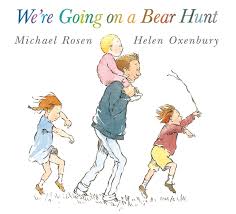
    We’re Going on a Bear Hunt by Michael Rosen, illustrated by Helen Oxenbury

    Just Me and My Dad

    Just Me and My Dad by Mercer Mayer

    2015-09-19 10.54.00

    Hey, I Love You by Ian Whybrow, illustrated by Rosie Reeve

    Of course, there are many more too.

    The Ice Cream Shop - estory

    The readilearn estory The Ice Cream Shop also features an outing with Dad. However, before reading it with your children, decide if you wish to use the interactive covered cloze version with them.  If desired, for most effective teaching and learning, the covered cloze should be used prior to any other familiarisation with the story. (You can find information about covered cloze as a teaching strategy here.)

    Please contact me if you have any questions. I welcome your feedback, especially suggestions for improvements to existing resources or ideas for new ones.

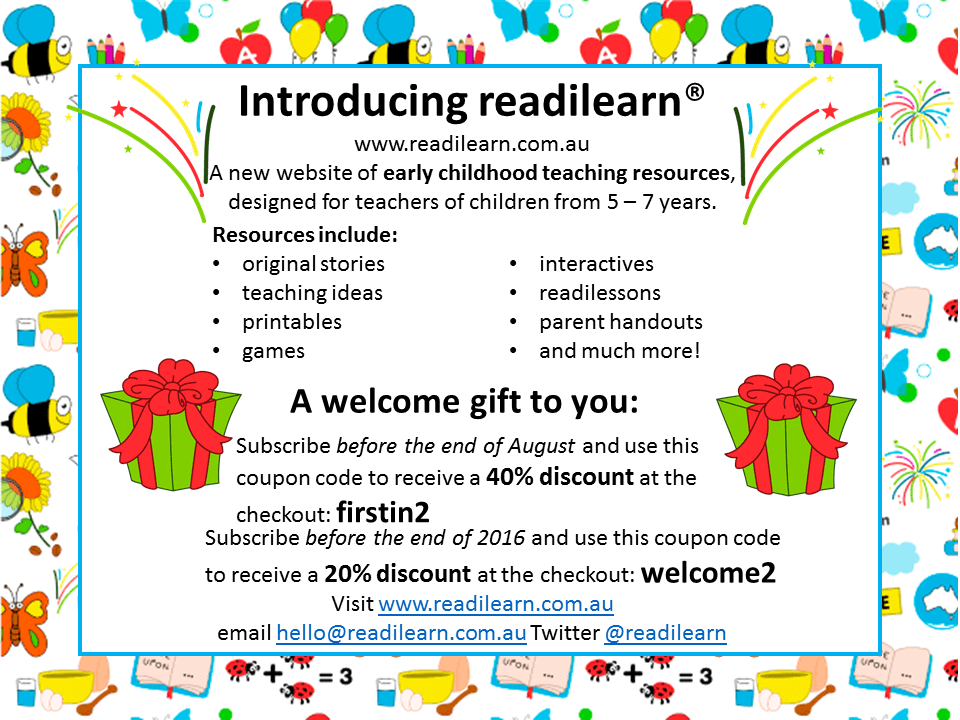
    Remember to use your coupon codes at the checkout to activate your discount. If you can’t see where to enter the coupon code, select “View basket“.

    ncblog firstin2


    Thank you

    Thank you for reading. I appreciate your feedback. Please share your thoughts.


  • If not you, then who?

    chocolate
    http://www.morguefile.com

    Earlier this week in my post Smile! It’s contagious I mentioned the commonly held misconception that adults usually know when children are lying. I say ‘misconception’ because it’s been shown that adults have no idea whether children are lying or not, and it appears that children, also, have no idea if others, even their siblings, are lying.

    This inability to distinguish the liar from the truth-teller is portrayed clearly in an incident in the book Ugly, a memoir, by Robert Hoge. We’ll call it The Chocolate Incident.

    Ugly cover

    Robert is the youngest of five siblings. One day the five of them were called to a family meeting in the lounge room. When they were all standing up straight in a line from oldest to youngest Robert knew that something was up. Their mother soon informed them that chocolates had been taken from a box on top of the fridge, and not just a couple that wouldn’t be missed, but more than that.

    Both parents were involved in the interrogation. Their mother said, “We’re going to ask who took the chocolates. We’re going to look you in the eye and ask you, and you’d better come clean or there’ll be real trouble.

    Robert explains that in turn she approached each child, starting with the oldest. She stared at each for a few seconds, then asked, “Did you take any chocolates?” In turn each child replied in the negative and, as they did so, turned to look at the next in line.

    As the parents moved from child to child Robert, knowing he was innocent, observed the responses of his siblings. Who took the chocolates? The looks of dread, panic and fear that were so obvious on each face convinced him of their guilt. But no, each sibling denied it.

    When the fourth child denied taking chocolates and turned to face Robert, he realised that he was the last in line, “there was no one there for me to look at. Not even Sally, our dog.

    He continues, “I started crying before Mum got to me. One by one the others turned to look at me. Dad glared ominously over Mum’s shoulder and I tried to say, “It wasn’t me. It wasn’t me.” But everything was lost to my sobbing and I got the blame. I still don’t know who took those chocolates.

    I wonder if there’ll ever be a confession! Or if the culprit ever felt remorse for Robert, the youngest, having to take the blame.

    There is more to Robert than this one incident portrays. His is a remarkable story. I have heard it many times and am yet to tire of hearing it. I first heard him speak at a writers’ seminar, the seminar that was the final impetus to set me on my blogging journey. I heard him speak again at a Writers’ festival at which I purchased his memoir. I have also seen him tell his story on television more than once.

    My signed copy from the writers' festival!
    My signed copy from the writers’ festival!

    I own three versions of Robert’s memoir: paperback, audiobook and the Kindle version for younger readers. Robert reads the audiobook, which is a special treat. It gives authenticity to the listening experience, particularly since I was already familiar with his voice. It also means when I read his books to myself, that I hear his voice telling me his story. All versions are written in a pleasant, easily readable and conversational tone, as if we are sitting together, chatting over a cup of tea and a Tim Tam.

    tim tam and tea

    When I handed my Mum a copy of the book, I wasn’t sure whether she’d enjoy it or not. However, after 70+ years of adult reading (she was 90), she informed me that it was the best book she had ever read.

    I’m not sure why this story makes such a strong impression on us. Maybe it’s because we think it could have happened to either of our families. Robert is only two years older than my Robert, and six years younger than Mum’s youngest of ten.

    Houghton Highway

    Maybe it’s because the family’s culture, growing up in another Brisbane bay-side suburb just across the bridge, was similar to ours.

    Maybe it’s because it’s a story of resilience, of survival against the odds, and of making hard decisions. Maybe it’s a bit of all of these, and more, including the raw honesty with which Robert writes.

    Ugly for kids.PNG

    There are many opportunities for learning in Robert’s book, many different topics I could choose to write about; so many that I haven’t known where to start. After the previous discussion about lying, this seemed an appropriate introduction.

    I haven’t told you much of Robert’s story. It is better to have him tell you himself. He introduces himself in this TED talk.

    Links to other interviews, and to connect with Robert online, can be found here

    I recommend Robert’s story to you. It is definitely a story worth sharing.

    Thank you

    Thank you for reading. I appreciate your feedback. Please share your thoughts.

  • Scary monsters

    https://openclipart.org/detail/170917/little-monsters
    https://openclipart.org/detail/170917/little-monsters

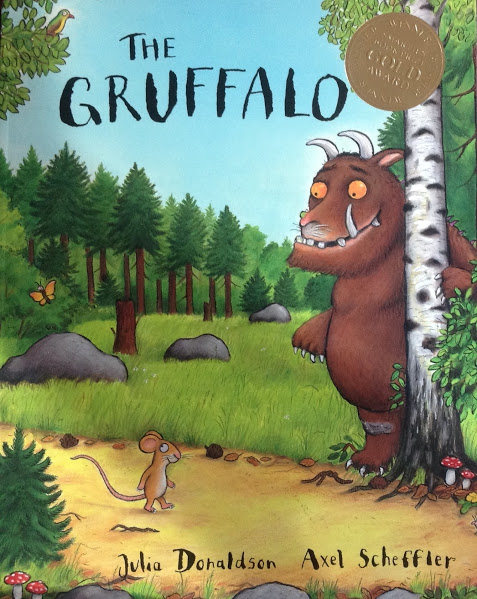
    This week at Carrot Ranch Communications Charli Mills has challenged writers to In 99 words (no more, no less) write a monster story.  Being an early childhood teacher I think immediately of picture books. Two of my favourites are The Gruffalo, written by Julia Donaldson and illustrated by Axel Scheffler, and The Monster at the End of this Book , written by Jon Stone and illustrated by Michael Smollin.

    The Gruffalo

    The Gruffalo is as fearsome as any monster you are likely to meet with its “terrible tusks, and terrible claws, And terrible teeth in his terrible jaws”; “a poisonous wart at the end of his nose” and “purple prickles all over his back”. The quick witted mouse, who imagines the Gruffalo into storybook “reality”, must find a way of ridding himself of the monster’s inherent danger and once again uses his ingenuity to escape.

    I’m not sure if it was Donaldson’s intention, but I think this is a great analogy for the monsters we create for ourselves such as self-doubt, unrealistic expectations, and (you can add your own monster here). Not that I’d be sharing that thought with young children.

    In this video Axel Scheffler explains his concept of the Gruffalo and even hints, a couple of times, that he too may be troubled by that all too common of personal monsters, self-doubt.

    Monster at the end of this book

    Throughout The Monster at the end of this Book Grover, from Sesame Street, pleads with the reader to not turn the page as there is a monster at the end of the book. You could almost say he is immobilised by this fear, or that he tries to immobilise the reader. Of course it is a lot of fun and provides much laughter. When we (reader and Grover) do get to the end of the book, he is rather embarrassed to find that he, “lovable, furry, old Grover” is the Monster. He tries to assure us that we, and not he, were the scared ones.

    Of course Grover wasn’t the monster only at the end of the book. He was always the “lovable, furry” harmless monster. It was his fear that was the real monster. How often are we immobilised by our fear, and how often when we take that jump despite it, do we find our fears to be groundless? Sometimes I think, or is it only me, we are our own worst monsters setting ourselves impossible targets with too-high expectations that lead us only to disappointment if we don’t achieve them.

    But if we view ourselves as works in progress, in the process of working out where we want to be and how to get there, we can find contentment in what we achieve along the way, in where we are and how far we have come, rather than ignoring those milestones and looking only at how much further we must (in our own minds) go.

    It is all too easy to contribute to the development of children’s personal monsters by doing to them what we do to ourselves: setting unrealistic targets, expecting too much, insisting on error-free work, measuring them against external benchmarks … To avoid this, we need to view them also as works in progress and encourage them, through a growth mindset, to reach their own milestones and goals in the time that is right for them.

    Like the mindset of the mouse in The Gruffalo who was able to think on his feet and overcome the obstacles, or that of Grover who realised there was really nothing to be worried about at all.

    We need to be not afraid of the monsters under the bed or in the cupboard, most of which we have created in our imaginations and stuffed there, sometimes with the assistance of others, allowing them to multiply like wire coat hangers until there is no room left for anything good. I have taken the theme of internal monsters for my response to Charli’s challenge.

    Open, close them, open anew

    The picture was clear. Taken with wide open shutters and long exposure, then developed in black and white for extra clarity, the result was undeniable and exactly what would be expected.

    “You’ll never amount to anything.”

    “That’s rubbish.”

    “Pathetic.”

    “You’re always the troublemaker.”

    “Because I said.”

    “Shut up!”

    “Stop asking questions.”

    An existence devoid of value was drilled with reminders hurled unrelentingly from birth. Well-schooled in self-loathing, the lessons were regurgitated without effort or question. The monsters without had created the monster within. How could one escape from what was recognised only as truth?

    And now for something a little lighter:

    The Monster Mash

    Thank you

    Thank you for reading. I appreciate your feedback. Please share your thoughts.
  • Learning environment


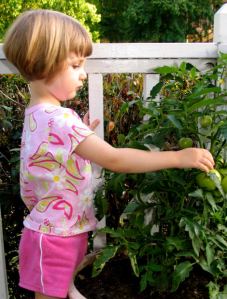
    gardeningIn last week’s post I shared information about research projects students could become involved in to be scientists in real life. Some of the projects such as Project BudBurst and BudBurst Buddies encourage junior scientists to observe and record changes in plants throughout the changing seasons. Many commenting on the post agreed that projects such as these would make the learning of science come alive. Pauline King the Contented Crafter even commented that she may have to reconsider her opinion of schools if children were involved in projects such as these.

    © Norah Colvin
    © Norah Colvin

    Shortly after posting I read an article on Co.Exist describing a preschool that doubles as urban farm where Kids learn among the plants and animals in this design for a radically different education environment.”  A bit like my concept of an early learning caravan, the school does not actually exist. The design was entered into and won an architecture competition. It is an interesting concept and I especially like the suggestion that children spend more time learning about nature through experiencing it in wild spaces in the outdoors rather than only through classroom activities and books, both of which do have their role.

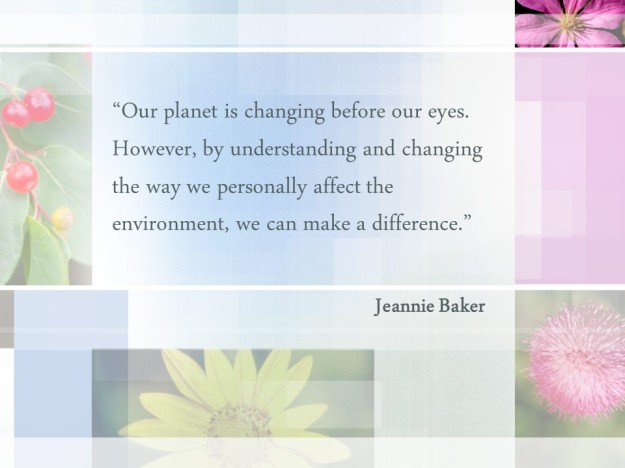
    Jeannie Baker - planet changing

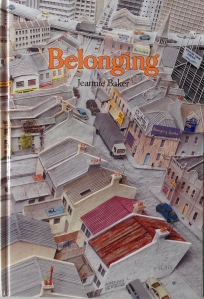
    I have previously shared the wonderful books of Jeannie Baker which have strong environmental themes encouraging children to care for nature and appreciate the natural wonders and beauty of the world around them.

    2015-09-19 11.09.45 2015-09-19 11.11.04

    This morning, thanks to a recommendation from Sarah Brentyn who blogs at Lemon Shark, I received another lovely book in the post that will sit among my favourites. The Curious Garden by Peter Brown tells the story of how a curious boy helps transform a city from a drab grey concrete jungle to a one filled with gardens and gardeners. The story affirms the belief that the actions of one person can make a difference.

    Never-doubt-that-a-small - Margaret Mead

    I am currently listening to Earth in Mind: On Education, Environment and the Human Prospect, an interesting and thought-provoking book by environmentalist David W. Orr who challenges the focus of schools and advocates for learning outdoors in the natural environment. He may approve of the preschool farm, but he’d probably be more in favour of a forest preschool.

    This, however, is only a small part of his position and I do not wish to misrepresent it. In an article, which reads like a chapter from the book, Orr describes “Six myths about the foundations of modern education, and six new principles to replace them”. The part of me that strives towards meliorism is seriously challenged by the picture Orr paints. The picture books, stories, and research projects are fine; but there’s much more to be done if we want to do more than simply wish for a greener future.

    I agree with Orr wholeheartedly that education for, with and through the environment is essential; and that many of our problems are caused by miseducation. However, I had not thought about education in the way that Orr explains. I think I’ll be sharing more of his work in future posts.

    Thank you

    Thank you for reading. I appreciate your feedback. Please share your thoughts.


  • Thankful and inspired: schools and education

    In recent posts there was some discussion about the importance of education, the value of schools and the role of teachers. I thought it timely to re-share this post, first published in July 2015.

    Earlier this week I read a post by Kimmie of Stuck In Scared about Ten Things of Thankful. I have also read many other posts about things to be thankful for. These posts prompted me to share something for which I am thankful: schools and education.

    I know that I often write about what I consider the shortcomings of traditional schooling and make suggestions of how schools could be improved. However I live in a country that values education and in which every child has a right to a free education. For that I am thankful. Those of us who have access to schools and education are the lucky ones.

    This week I have been listening to Malala The Girl Who Stood Up for Education and Changed the World by Malala Yousafzia with Patricia McCormick (Indigo).

    Malala-The-Girl-Who-Stood-Up

    Malala’s is an inspirational story of courage, and how one person can change the world. In this trailer for the movie of her story to be released later this year, she says,

    “One child, one teacher, one book and one pen can change the world.”

    (Note: I haven’t seen the movie yet. I’d love to know if any readers have.)

    In her speech accepting the Nobel Peace Prize in 2014, Malala says,

    “I am just a committed and even stubborn person who wants to see every child getting quality education, who wants to see women having equal rights and who wants peace in every corner of the world.”

    The Malala Fund, of which she and her father are co-founders and to which she donated her prize, “empowers girls through quality secondary education to achieve their potential and inspire positive change in their communities.”

    She calls world leaders and people everywhere to take action and make education their top priority, for all the children of the world, not just their own children.

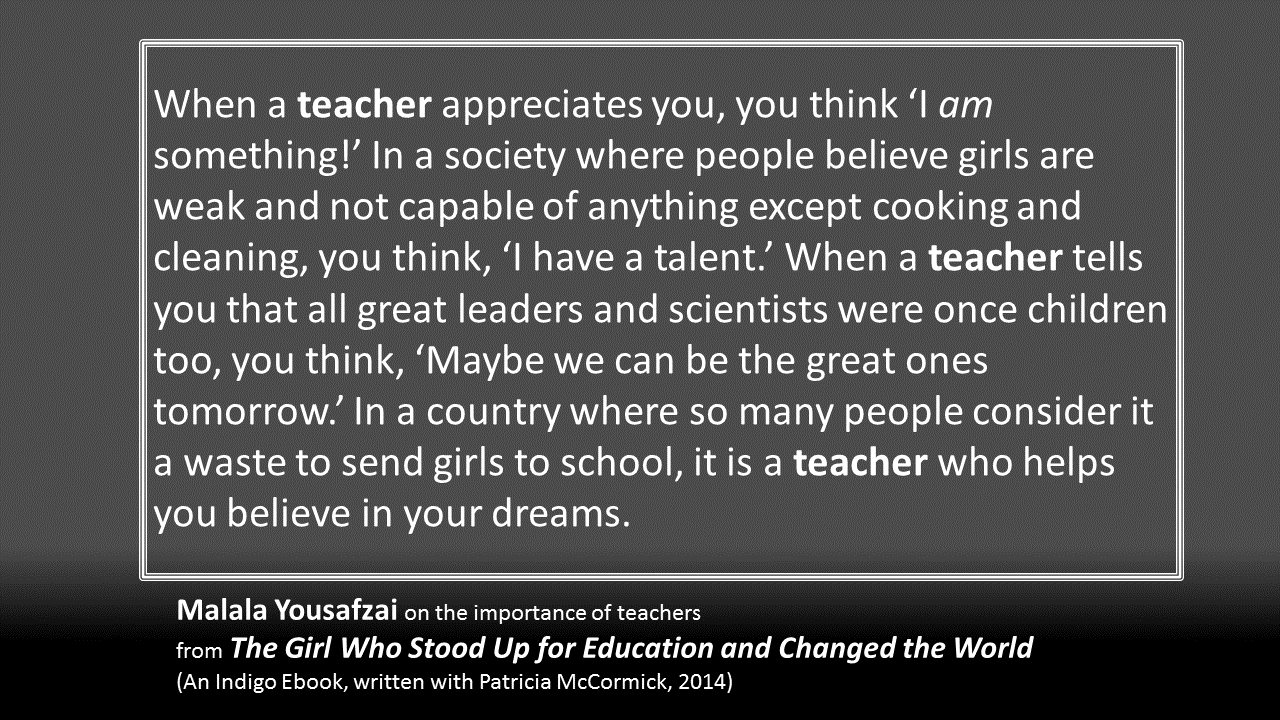
    This is one of my favourite quotes from the book:

    Malala - teachers

    I think one of her most influential teachers must be her father.

    Thank you

    Thank you for reading. I’m sure you have found Malala’s story just as inspirational as I have.

    I appreciate your feedback. Please share your thoughts.

  • On children and parents – more from the Contented Crafter

    In a previous guest post Pauline King, The Contented Crafter shared her Reflections on living a contented life, teaching and school. The richness of the discussion that ensued, including additional clarifying comments from Pauline, made for interesting reading. One thing I have found consistent throughout life is that everyone has an opinion about education and schools. However, there is great diversity in the opinions held. I love to hear them all for the opportunity they provide for clarifying my own thinking.

    In this second guest post Pauline shares some of her wisdom about children and parenting. Pauline and I share much of the same philosophy and background knowledge and are aware that some statements may require clarification out of that shared context. We therefore welcome your responses and look forward to the discussion that these thoughts may instigate.

    What do you think is the most important thing for parents to understand about their children? What advice would you love to give every new parent?

    I seriously think every parent should read and study Khalil Gibran’s chapter about Children in his poem ‘The Prophet’.  Children are not just short adults; they are not there to fulfil a parents dreams [though they may]. 

    Kahlil Gibran Children(Note: This is just a short extract of Gibran’s words about children. You can read them in full here)

    Children need to be allowed to enjoy their childhood, let them play, let them dream, let them imagine.  Very little ones learn through imitation and play so be careful what you model for them. 

    1 (8)

    Send them into formal learning when they reach their seventh year.  But let that learning proceed through imagination, through practical practise and first-hand experience.  Let the education content grow and deepen as the child matures.  Don’t just stuff stuff into their heads because you think it’s a good idea or something awful has happened in the world. 

    1 (2)

    Don’t discuss adult issues with young children.  Keep them safe and secure while their bodies and brains mature.  Give them time to grow up. 

    Parents study your child and all other children.  Raising children is not a competition.  It is not a case of keeping your child safe and clean and out of your way while you are busy.  Think more of ‘The Waltons’ and let each child have a task to perform to help the family.  Teach them all how to help prepare meals, set tables, make beds and other chores that need to be done. 

    105

    Start to think less about how clever [or not] your child is, but what talents and attributes your child is exhibiting.  Don’t stream, let them all do everything and let everyone have something they are good at and see there is something that someone else is better at – because that is the way of the world and we all have contribution to make and our lessons to learn.  Understand that just as your child is special, all children are special. Understanding this is the first step in making a wholesome community.

    Don’t be fearful of your child hurting themselves.  As a wise man recently said ‘the purpose of our lives is not to arrive safely at our death!’ 

    147

    My personal opinion is that the increase in a society that reveres ‘health and safety’ has been responsible for the rise of lost teenagers, those aimless, disinterested kids who suffer from low self-esteem, drinking and drug taking and mindless vandalism.  Take your older kids camping, hiking, abseiling.  Do it with them and have lots of fun.  Give them physical challenges and the ability and skills to succeed in them.  It really is true that the family who plays together, stays together.

    3

    But mostly love and respect your child.  Keep them safe when they are small and slowly teach and release them as they grow older.  Feed them good food, positivity and encouragement and watch them blossom into the people they were born to be.

    Give them time and lots of your time.  They don’t need stuff and they don’t need to keep up with the Joneses.  They just need you.

    In responding to a previous post you said that you could write a post-length comment about the wisdom of children. Could you share a few ideas about that here. We might come back to that longer post in the future, if you are willing.

    Observe your children, listen to them, know they are their own little being and as such bring their own personality and gifts into the world.  Watch how they approach life and activities and you will see they have come with a wisdom about themselves and their purpose that we, the adults, may not be privy to.  This is the wisdom of childhood and we, as parents and teachers, are really beholden to respect this and not try to ‘change’ the child to suit us, society or anything else. 

    Most teachers know that most children reach similar developmental points at around the same time.  There is a great wisdom in this and when we become aware of it, it can help us understand what they are ready for in terms of learning, activities and life in general. 

    1 (3)

    All of this Norah, is part and parcel of the training of a Steiner Teacher – understanding child development is the open secret that drives the curriculum. 

    Wow! Thank you, Pauline, for sharing your wisdom. Kahlil Gibran’s The Prophet is one of my favourite books and his passage about children is never far from my mind. Your words in this post reflect very much the words and intent of his. You have given us much to think upon, and I appreciate it, as I’m sure the readers do too.

    Connect with Pauline on Twitter or on her blog The Contented Crafter where you can also check out her delightful Gift Shop

     Thank you

    Thank you for reading. I appreciate your feedback. Please share your thoughts.


  • Life — A “choose your own” adventure?

    This morning Hub mentioned a book he had read about and asked if I had heard of the author Wayne Dyer. “Of course,” I replied and proceeded to explain that I had read many of Dyer’s books, had gone to a seminar to hear him speak and had been swept off my feet by accompanying speaker Deepak Chopra. I mentioned that a favourite book of his was marked now by a gap on my shelves, a phenomena recently mentioned by both Caroline Lodge, who blogs at book word and talked about missing books, and Anne Goodwin, who blogs at annethology and talked about the dilemma of lending books.

    Wayne Dyer
    I think there may be more than one missing from my self!
    Deepak Chopra
    I think. looking at these titles, its time for some re-reading!

    This favourite book, read and lent many times, What Do You Really Want for Your Children? was very influential in shaping the way I parented and taught. It is one of a few books that I read and re-read with a highlighter and sticky notes. There was much in it for me to get my head around. While I am unable to now refer to it for its wisdom, one of the things that I remember most was a hypothetical letter from a child thanking parents for the way they had parented. I considered it a letter any parent would love to receive, personalised of course.

    As often happens, Hub got the long (love) story as it tumbled out in a torrent of reminiscences and of joys in discovering inspiring minds. When I paused long enough to take a breath, I remembered to ask about the book to which he referred. He said it was about the recollections of past lives as told by young children, of children choosing their parents and of being in heaven.  Later research informs me that the book is Memories of Heaven, subtitledChildren’s astounding recollections of the time before they came to Earth.

    I had previously, many years ago, heard the suggestion that children choose their parents. I like to think (though don’t believe) that my children chose me, and often thank them for doing so. They have taught me a lot about life. I am a strong believer in the wisdom of young children: if we are attentive and take the time to observe and listen, we can learn much from them. Sometimes it seems they enter the world with wisdom but “we” do our best to obliterate it as quickly as we can.

    www.openclipart.com
    http://www.openclipart.com

    As it is wont to do, my thinking followed a circuitous path with if, buts, maybes and questions. Children choosing parents may be a nice idea; but what of the children living in poverty, with famine, and in war-torn areas? Why would anyone choose those conditions?

    That question led me through my basic understanding of the Buddhist philosophy in relation to karma and rebirth. I have read a few books on the subject but don’t profess to have any real knowledge. I don’t like to think that these situations may be endured as the result of bad karma from a previous life, and am not even sure if they would be viewed that way in Buddhist thinking. Perhaps these situations could be an improvement on the previous, a step to the next? Maybe that’s not so unpleasant a thought.

    Dalai LamaTibetan book of living and dying

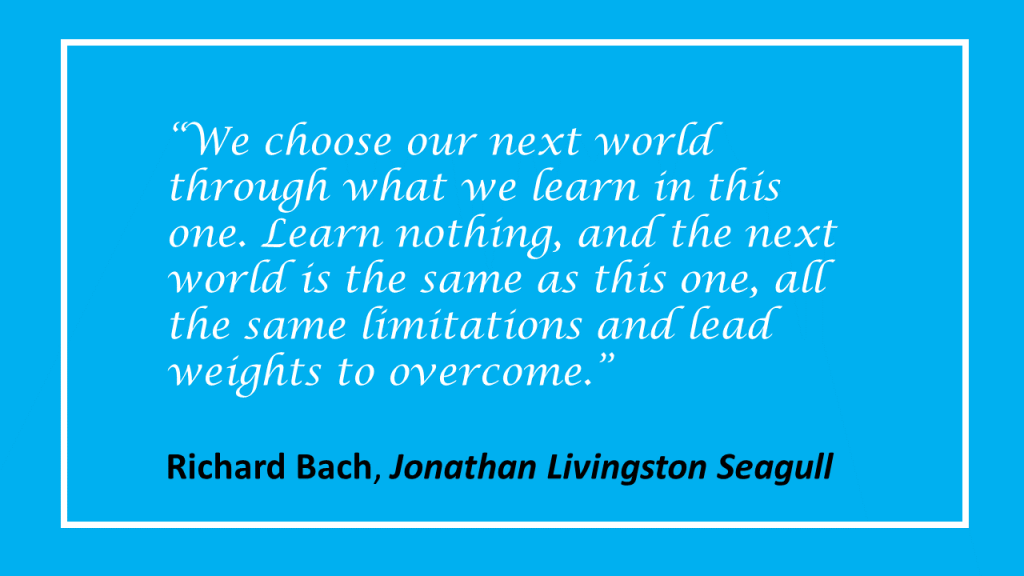
    I like the idea of improvement, of always learning, of striving for perfection and enlightenment. It is probably one of the reasons that the “yet” thinking of a growth mindset fits nicely into my philosophy. It explains why one of my favourite books (I almost wrote “of all time” – what would that say about me and my past lives?) is Jonathan Livingston Seagull by Richard Bach, who dedicated the book “To the real Jonathan Seagull, who lives within us all”.

    Jonathan Livingston Seagull

    Slide2

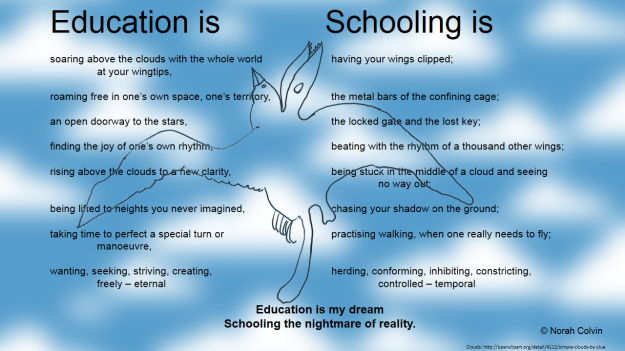
    I had always thought that being a bird would be pretty amazing with the freedom to fly above the world and look down upon its beauty. Maybe this is one reason Jonathan’s story appealed to me. Perhaps it explains the analogy of flight in my poem about education. Maybe it’s why I love to sit at an airplane’s window and marvel at the scenes below.

    education-is-2

    And so my thoughts meandered, drifting through clouds and pockets of time, until they were suddenly interrupted by the voice of the child next door singing, “Let it go”.

    I think those three words “Let it go” may be the only ones that anyone sings along with, but the message of the song is powerful: to let go of insecurities and realise the potential within; don’t care “what they’re going to say” and acknowledge that “It’s time to see what I can do”.

    Slide1

    The message is not unlike that of Jonathan Seagull: to stretch beyond the limits imposed by others and their labels and to attain self-realisation. It is a journey undertaken by most thinking people, as demonstrated by the identity crisis that has befallen Sarah Brentyn who blogs at Lemon Shark. What is that if not a call for release from chains that may bind to enable the freedom for flight?

    The end of a year is generally a time for reflecting on what has been achieved and what is yet to be. Perhaps it is also a time for letting go in preparation for what lies ahead.

    Slide3

    I hope that, as you reflect, you are happy with what you have achieved, with where you are, and with the path that lies ahead. I wish you a safe, fun and fruitful journey along the “road to find out”.

    I have enjoyed your company this year and appreciate your feedback. The conversations are what keep me going, growing and learning. Thank you. I look forward to the journey continuing.

    Thank you

    Thank you for reading. I appreciate your feedback. Please share your thoughts.