Live Love Laugh Learn … Create the possibilities

Category: Education

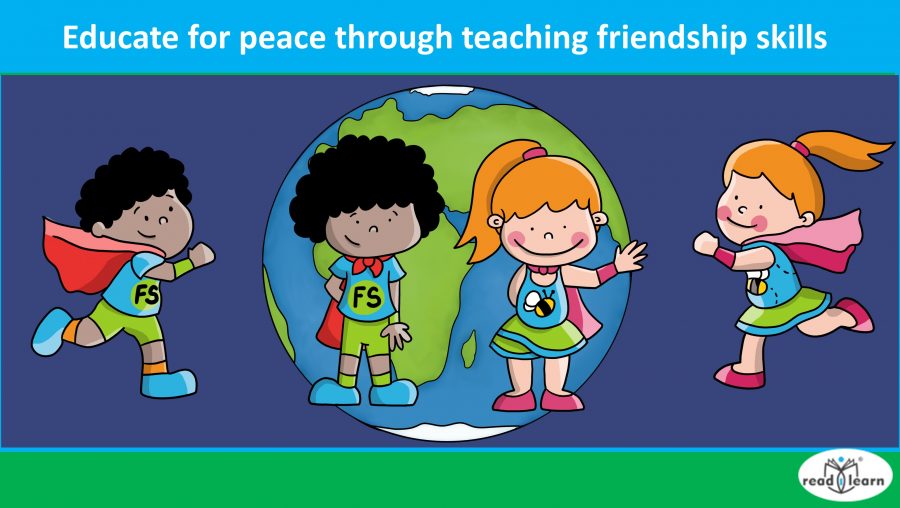
  • Educate for peace through teaching friendship skills – #readilearn

    Educate for peace through teaching friendship skills – #readilearn

    The UN International Day of Friendship on 30 July promotes friendship between peoples, countries, cultures and individuals in order to inspire peace and build bridges between communities.

    Education has an important role in fostering friendships at a grassroots level that can transform communities both small and large. We begin by developing respect, understanding and empathy among students in our classrooms and schools and reaching out to others in our local, national and international communities.

    The basis for developing friendships in the classroom is the establishment of a supportive classroom environment in which everyone is welcomed and respected. It means that we, as a class, teachers and children, get to know each other and learn to appreciate our similarities and value our differences.

    Establish a supportive classroom environment

    I have suggested strategies for establishing a supportive classroom environment in previous posts, including:

    Establishing a supportive classroom environment from day one

    Starting out right — classroom organisation

    Preparing the classroom for a successful school year

    The posts link to resources to support your work in setting up a welcoming classroom.

    Continue reading: Educate for peace through teaching friendship skills – readilearn

  • Developing ethical thinking, empathy and emotional intelligence with Ginnie and Pinney – #readilearn

    Developing ethical thinking, empathy and emotional intelligence with Ginnie and Pinney – #readilearn

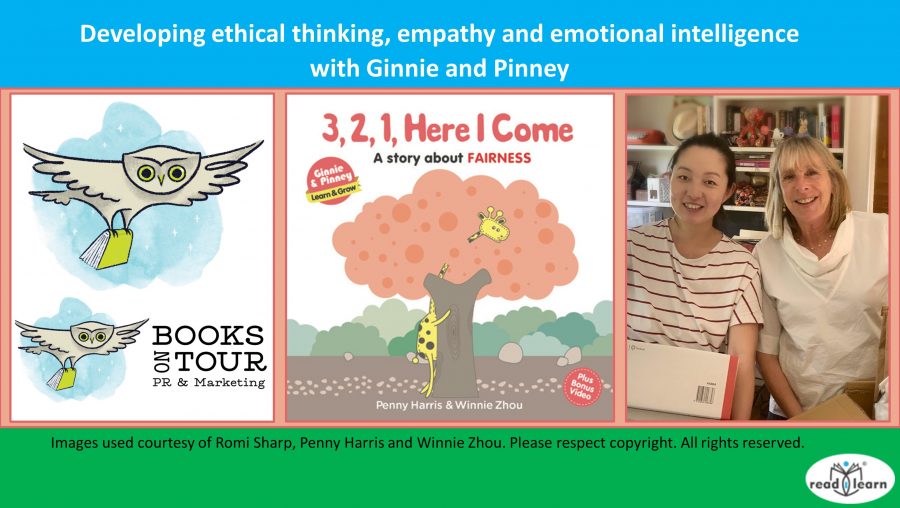
    Today it is my pleasure to introduce you to Penny Harris who is launching the first two titles in the Ginnie and Pinney Learn and Grow series of books and videos for young children. The series of eight books encourages the development of ethical thinking, empathy and emotional intelligence. The first two books are Ginnie & Pinney; ‘3, 2, 1 and Here I Come’ and ‘Pinney the Winner’. This interview is part of a Books on Tour promotion. You can find a list of other blogs in the promotion at the end of the post.

    About the author Penny Harris

    Penny Harris is a multi-national and international award-winning animator, author and multi-media developer. She has worked with the Australian Children’s Television Foundation, Film Victoria as well as a number of Australian universities and institutions.

    About the Illustrator Winnie Zhou

    Winnie Zhou has a Masters of Multimedia Design from Monash University and is a talented illustrator and multimedia developer. Winnie lives in Melbourne and has worked closely with Penny to develop the series.

    About the series Ginnie and Pinney Learn and Grow

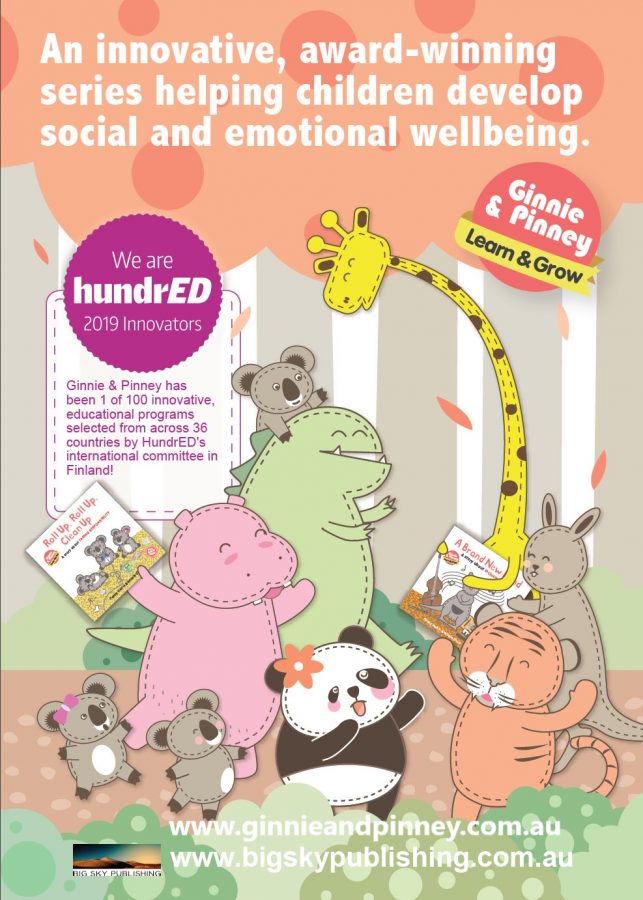
    The series consists of 8 story books, animated videos, teacher resources and finger puppets; aligns with Australian Early Years Learning Framework; and is consistent with social and emotional learning.

    The stories feature Ginnie & Pinney and their friends. Their daily social interactions, concerns and decisions pose dilemmas that model positive self-identity and behaviours: selflessness, persistence, sharing, fairness, inclusiveness, responsibility, accepting difference and learning to say sorry.

    The videos, accessed from QR codes supplied on the back of each book, are perfect for display on an interactive whiteboard in the classroom or used on any other digital device at home or at school.

    Open-ended questions included at the back of each book can be used to stimulate deep discussion and encourage social and emotional learning.

    The series was selected by the Finnish Educational Org.HundrEd, as one of a hundred of the most innovative educational programs for 2020 and was also selected by the Victorian Dept. of Education and Training as a recommended resource for 2020 for their School Readiness Funding program.

    The books

    Continue reading: Developing ethical thinking, empathy and emotional intelligence with Ginnie and Pinney – readilearn

  • Meet retired teacher Pete Springer author of They Call Me Mom – #readilearn

    Meet retired teacher Pete Springer author of They Call Me Mom – #readilearn

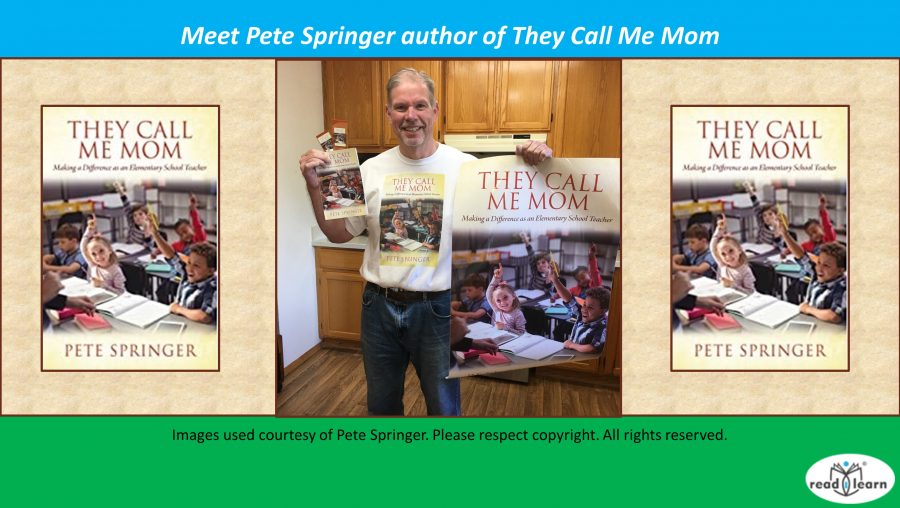
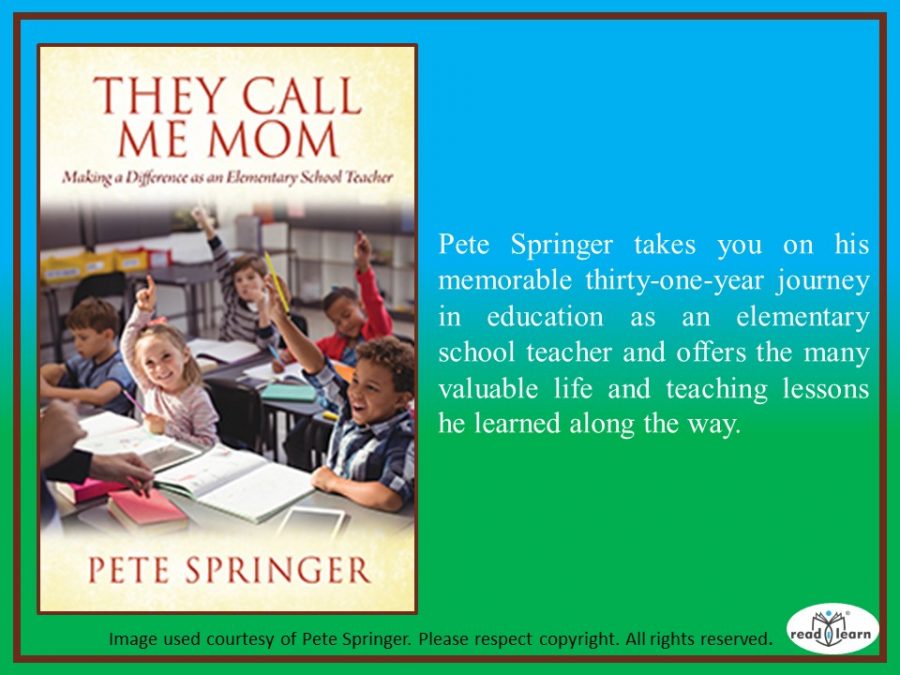
    Today it is my great pleasure to introduce you to Pete Springer. Pete was a classroom teacher for over thirty years. When he retired, he decided to share his experiences and wisdom with others who may be at different stages of their teaching journey. His book is a pleasure to read. He writes from the heart and every teacher will find something within the pages of his book with which they can identify or/and learn from. It will have you nodding your head in agreement, inspire an ‘aha’ moment, make you laugh and make you cry. From when you open the book until you close it, you will know that this is the honest voice of an authentic teacher who made, and continues to make, a positive difference to the lives of others.

    About Pete Springer

    Hi Pete, welcome to readilearn. Before we begin the interview, please tell us a little about yourself.

    I taught elementary school (grades 2-6) for thirty-one years at Pine Hill School in Eureka, California.  I loved everything about being a teacher, and I want to be a role model for the next generation of teachers the way others inspired me to want to become a teacher.  I was a master teacher to four student teachers.  I was chosen for the Excellence in Teaching Award in 2006.  That is an annual award recognizing ten top teachers in the county.  I belong to the Humboldt County Children’s Author Festival Committee which brings in twenty-five nationally known children’s authors to speak to children in over eighty schools in the county.  My future goal is to write books for middle-grades.

    About the book They Call Me Mom — the blurb

    Continue reading: Meet retired teacher Pete Springer author of They Call Me Mom – readilearn

  • Combat Boredom with Board Games

    Combat Boredom with Board Games

    I was over at the Carrot Ranch last week, discussing the benefits of playing board games as a family with the children. Pop over there to see which games I suggest and add your own favourite board games in the comments.

  • Resources for teaching Aboriginal and Torres Strait Islander Histories and Cultures – #readilearn

    Resources for teaching Aboriginal and Torres Strait Islander Histories and Cultures – #readilearn

    NAIDOC Week celebrations, which would normally take place in early July, have been postponed until November this year due to Covid-19. However, that is no reason to cancel sharing Indigenous stories and lessons with your class. After all, Aboriginal and Torres Strait Islander Histories and Cultures is one of the cross-curriculum priorities in the Australian Curriculum and is an important part of our national heritage. While some may not feel confident teaching Indigenous perspectives, the only way to become more confident is by being informed.

    In this post I share some websites and resources that you may find useful in preparing lessons and some organisations whose goals of improving the education and future success of our Indigenous students you may wish to support.

    Raising culturally aware kids

    In this article, How to Raise Culturally Aware Kids written for ABC Life, Samantha Turnbull introduces us to Kirby Barker a Bandjalang worman and early childhood teacher from northern New South Wales. Kirby teaches her preschoolers to counter racism with kindness. The article shares Kirby’s advice on how to present information to young children including words that can be used to explain the history. She discusses

    • the need to celebrate difference
    • ways of explaining traditional owners and inviting them into the classroom
    • how to talk about reconciliation with children
    • the importance of sharing stories
    • learning Indigenous languages
    • developing empathy.

    While only a brief article, you will glean many ideas from Kirby Barker which, though easily implemented, will have a profound effect.

    Indigenous Literacy Foundation

    The aim of the Indigenous Literacy Foundation is to raise literacy levels by supplying books to remote communities.

    Continue reading: Resources for teaching Aboriginal and Torres Strait Islander Histories and Cultures – readilearn
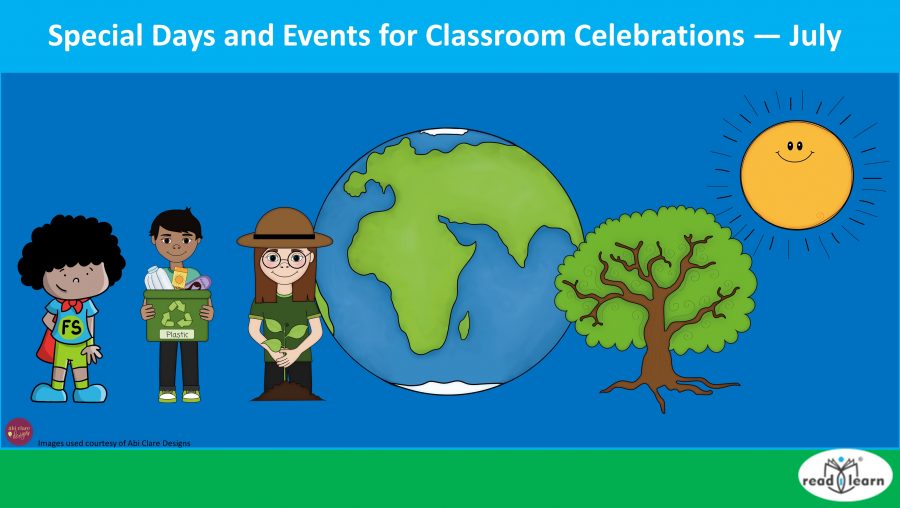
  • Special Days and Events for Classroom Celebrations — July – #readilearn

    Special Days and Events for Classroom Celebrations — July – #readilearn

    As we step into the second half of 2020, I hope you continue to stay well and happy. So many changes occurred during the first half of the year and life has not yet returned, if it ever will, to how it once was. In some areas where change is required, that’s perhaps a good thing, but many of us mourn the freedoms and security we once enjoyed.

    In this post, I list some days and events you may wish to celebrate with your children, whether at home or at school, hopeful that some may inspire you and renew your resolve to work towards a better future.

    International Plastic Bag Free Day on 3 July is a great way to start the month focusing on the environment and making small steps towards a positive future. The aim of the day is to increase awareness of the harmful effects of plastic waste upon the environment, especially the marine environment, and encourage everyone to reduce their use of plastics.

    Some things to think about and discuss:

    • More than 500 billion plastic bags are used around the world each year, about one million every minute.
    • Each plastic bag is used on average for less than half an hour.
    • Plastic bags remain in the environment for up to 500 years. Plastic pollution doesn’t just affect those of us alive today. It affects generations for hundreds of years to come.

    If we can all reduce our use of plastics, especially single-use plastics, it will have a positive impact upon Earth’s future and the future of all its inhabitants, including plants, animals and humans.

    What can you do?

    Continue reading: Special Days and Events for Classroom Celebrations — July – readilearn

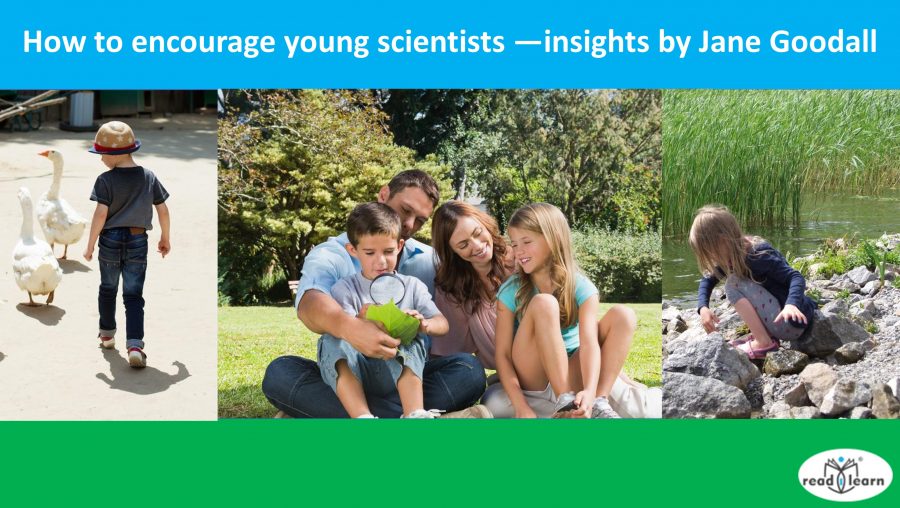
  • How to encourage young scientists — insights by Jane Goodall – #readilearn

    How to encourage young scientists — insights by Jane Goodall – #readilearn

    In this post, I am sharing a video by Jane Goodall Sowing the Seeds of Hope.

    In a previous post, I shared some insights by the ACT Scientist of the Year, climate scientist Dr Sophie Lewis. Since then, Dr Lewis has been appointed ACT Commissioner for Sustainability and the Environment. Some events that shaped Dr Lewis’s journey to becoming a scientist include:

    • Her parents took an active interest in the world and natural events, such as the passing of Halley’s Comet, and encouraged Sophie to do the same by including her in their adventures.
    • Her family spent time outdoors in the natural environment and encouraged Sophie to explore, investigate and take an interest in every aspect of the environment.
    • Sophie received gifts that encouraged and extended her ability to explore and investigate the environment; both up-close with a slide-making kit, and from a distance with a telescope.
    • In school, she extended her interest by studying science and maths.

    You’ll find that the experiences of Jane Goodall reiterate the importance of parental encouragement in developing positive attitudes to science. In fact, Goodall attributes her success to her mother, who she describes as ‘extraordinary’. Goodall says that she was born with an innate love of animals and that her mother always supported and encouraged it.

    One of the first books that Jane bought with her own money was Tarzan of the Apes and, at just ten years of age, she began dreaming of going to Africa to live with animals and write books about them. Although others scoffed, her mother continued to encourage her, telling her that if she really wanted something, she’d have to work hard, take advantage of all opportunities and never give up.

    I’m sure, whether educating at school or at home, you will find the words of Jane Goodall as inspirational as I did.

    Continue reading: How to encourage young scientists — insights by Jane Goodall – Readilearn

  • Celebrating Queensland Day — 6 June – #readilearn

    Celebrating Queensland Day — 6 June – #readilearn

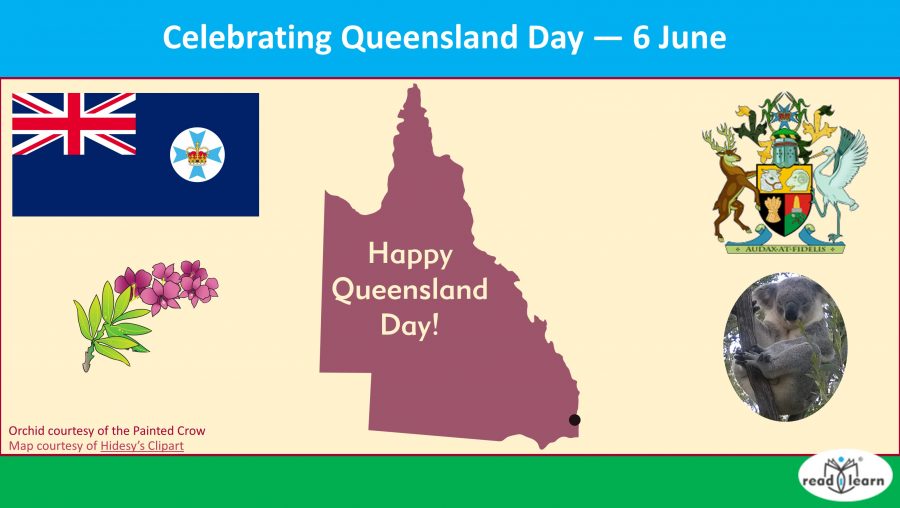
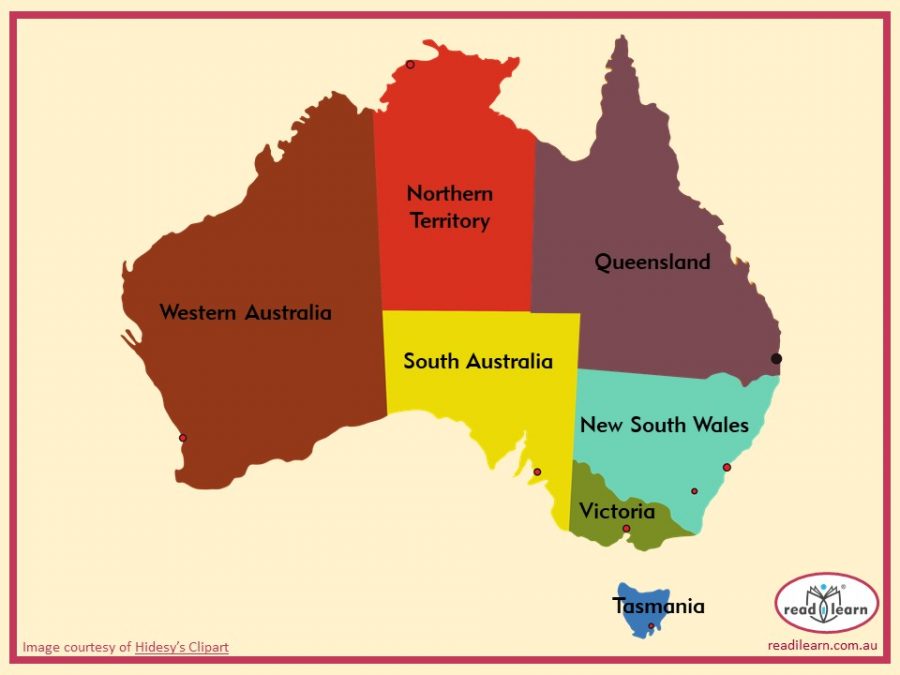
    Queensland is my home state and, since we celebrate Queensland Day on 6 June, I thought I’d share a little about my state and its special day.

    On 6 June 1859, Queensland separated from New South Wales to become an independent colony. It was awarded this status by Queen Victoria who reigned from 1837 until 1901.

    Queensland Capital

    Brisbane, located in the south-east corner of the state, is the state capital.

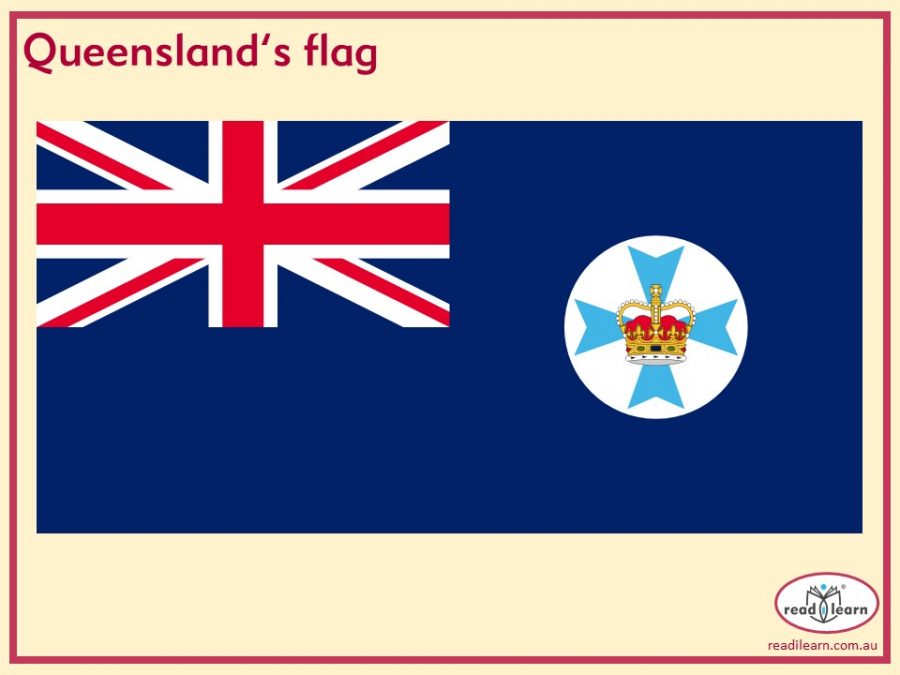
    Queensland Flag

    Continue reading: Celebrating Queensland Day — 6 June – readilearn

  • Special Days and Events for Classroom Celebrations — June – #readilearn

    Special Days and Events for Classroom Celebrations — June – #readilearn

    It’s almost June already and the change of season is upon us. I don’t know how you have felt during lockdown, but for me it has felt like time has stood still and sped by at the same time. Where have those months gone when so much has been put on hold, but teachers have still been working as they learn new ways of teaching and interacting with their students? I hope wherever you are, that you are staying safe and well and finding much to enjoy in life.

    In this post, I share some dates in June you may wish to celebrate with your students, whether teaching in the classroom, as most are in Australia now, or online, as some are still doing overseas.

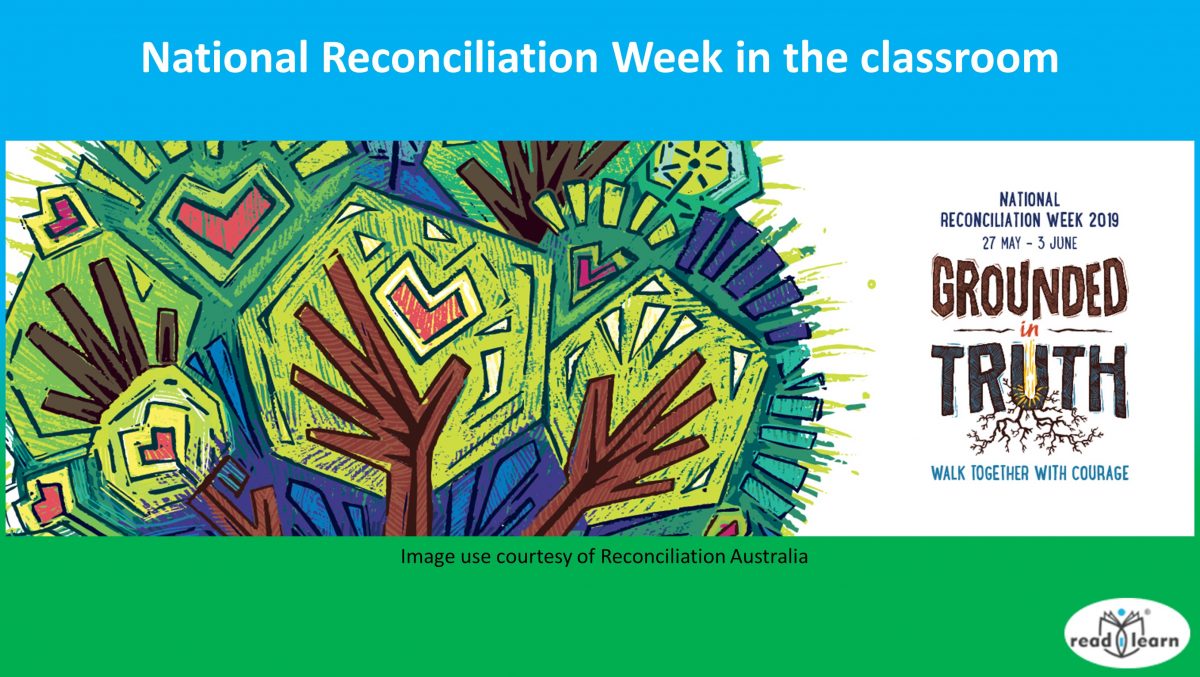
    National Reconciliation Week is celebrated from 27 May until 3 June so it’s not too late to join in the celebration now. The aim of the week is to provide “a time for all Australians to learn about our shared histories, cultures, and achievements, and to explore how each of us can contribute to achieving reconciliation in Australia.” For this to occur, “Reconciliation must live in the hearts, minds and actions of all Australians as we move forward, creating a nation strengthened by respectful relationships between the wider Australian community, and Aboriginal and Torres Strait Islander peoples.”

    National Reconciliation Week

    The theme for this year is “In this Together”.

    You may wish to refer to the post I wrote last year for some suggestions and a list of picture books to read.

    The list of picture books may be downloaded here (free).

    World Environment Day is celebrated on 5 June . The theme of this year’s World Environment Day is Biodiversity with a focus on the ‘interdependence of humans and the webs of life, in which they exist’.

    Follow this link to take a biodiversity quiz, find out how you can be involved in the day, and discover a wide range of projects for engaging children in activities that promote environmental awareness and action.

    Continue reading: Special Days and Events for Classroom Celebrations — June – readilearn

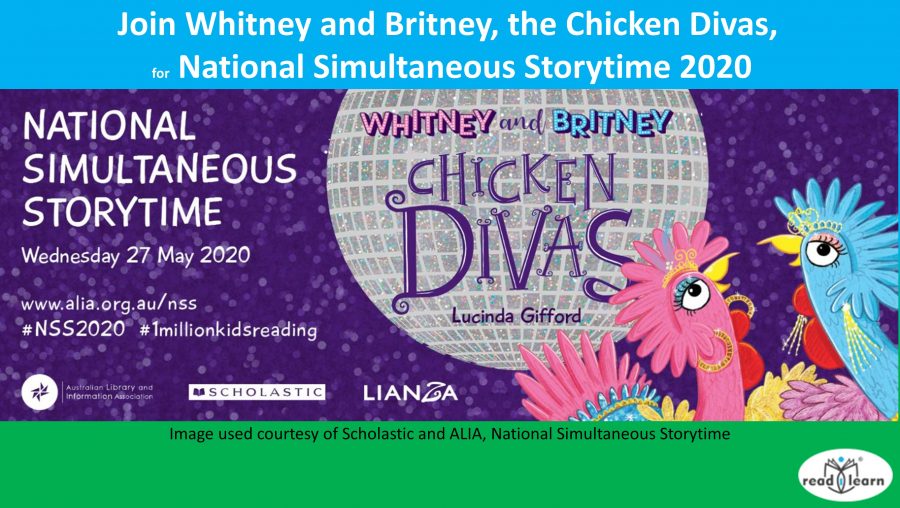
  • Join Whitney and Britney, the Chicken Divas for National Simultaneous Storytime 2020 – #readilearn

    Join Whitney and Britney, the Chicken Divas for National Simultaneous Storytime 2020 – #readilearn

    In less than a week, we will be celebrating the 20th National Simulateous Storytime. Are you ready?

    National Simultaneous Storytime is an annual event held in Library and Information Week, the last week of May, in Australia and New Zealand. The event is organised by the Australian Library and Information Association (ALIA) with the aim of promoting the value of reading and literacy.

    Each year an Australian picture book is chosen to be read simultaneously in libraries, schools, pre-schools, childcare centres, family homes, bookshops and many other places around the nations on either side of the Tasman Sea. Selected books explore age-appropriate themes and address key learning areas of the National Curriculum for Foundation to Year 6.

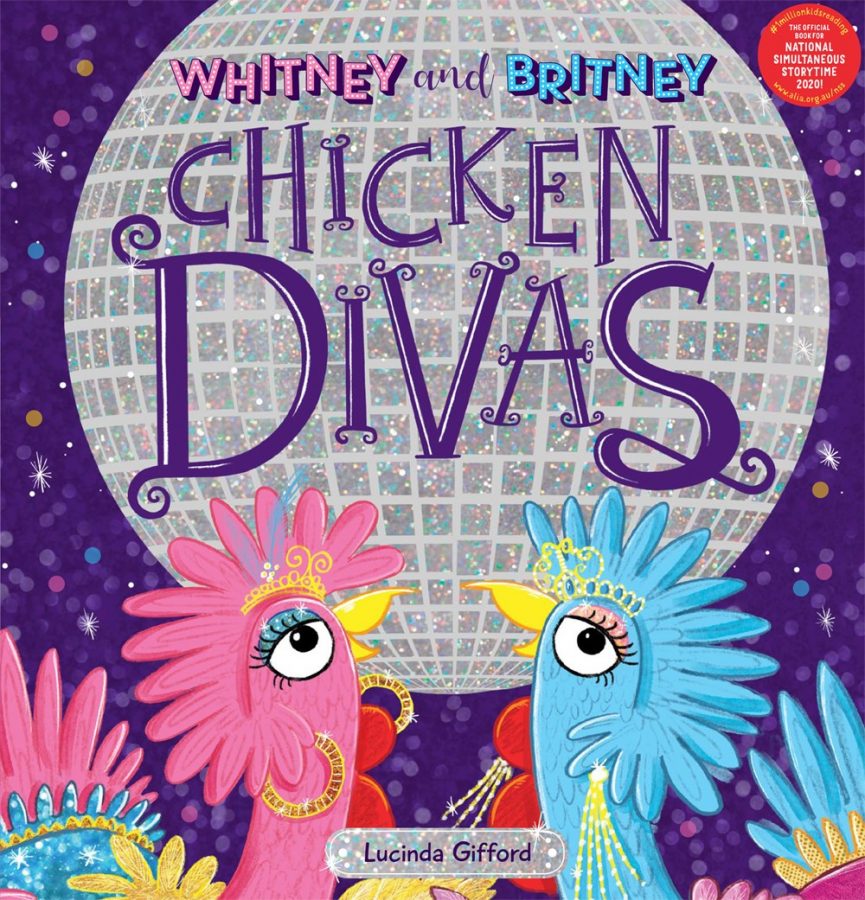
    This year the book is Whitney and Britney Chicken Divas, written and illustrated by Lucinda Gifford.

    This book is fun and exciting and will appeal to the adults reading it as much as to the little ones listening to it. While the children may not yet be aware of the original Whitney and Britney divas, their parents and teachers will be.

    12 Dancing Princesses
    Arthur Rackham / Public domain

    When I first began reading the book, I was reminded of the Grimm’s fairy tale The Twelve Dancing Princesses. However, the ending is different and modernised and perhaps more enjoyable for the readers as well as the characters.

    Whitney and Britney are gorgeous chooks who live with the elegant Dora von Dooze. While she appreciates their eggs, she’d also enjoy their company. Alas, they sleep throughout the day, which makes Dora a little curious.

    Dora determines to discover what they get up to each night while she is asleep; and discover she does. But how does she react and what happens when she finds out?  You will have to read the book to find out what surprises await Dora as well as Whitney and Britney.

    Continue reading: Join Whitney and Britney, the Chicken Divas for National Simultaneous Storytime 2020 – readilearn