“John Dewey dreamed of the teacher as a guide helping children formulate questions and devise solutions. Dewey saw the pupil’s own experience, not information imparted by the teacher, as the critical path to understanding. Dewey also contended that democracy must be the main value in each school just as it is in any free society. The education system in Finland is . . . shaped by these ideas of Dewey and flavored with the Finnish principles of practicality, creativity, and common sense. What the world can learn from educational change in Finland is that accomplishing the dream of a good and equitable education system for all children is possible. But it takes the right mix of ingenuity, time, patience and determination.
The Finnish Way of educational change should be encouraging to those who have found the path of competition, choice, test-based accountability, and performance-based pay to be a dead end. . . . the Finnish way reveals that creative curricula, autonomous teachers, courageous leadership and high performance go together.” (Sahlberg, Pasi 2011 Finnish Lessons, What can the world learn from educational change in Finland?)
John Dewey (1859 – 1952) was an American philosopher and educator. Dissatisfied with traditional practices for what he saw as their inability to keep pace with changing needs of learners and society, opened his Laboratory School in Chicago, proposing a more child-centred approach focusing upon individual needs of the children who would be engaged in a variety of activities of interest and meaning to them. The term “progressive education” refers to the movement against formal traditional practices which, following Dewey’s lead, began in America in the late 19th Century.
Pasi Sahlberg’s book “Finnish Lessons” is “about Finland and how the Finns transformed their educational system from mediocre in the 1980s to one of the models of excellence today. International indicators show that Finland has one of the most educated citizenries in the world”.
In the introduction Ann Lieberman writes, “In the Finnish context, teaching is a high-status profession, akin to being a doctor. Those who enter not only stay in teaching, but many continue their studies, not to leave, but to learn more and contribute more to their profession. This heightened sense of professionalism makes teaching a sought-after position and one obtained only by those who are fortunate enough to be chosen for candidacy.”
The debate about the value of a traditional versus a child-centred approach to education has waged for centuries. It seems that Finland has incorporated many of Dewey’s progressive ideals into their educational philosophy and pedagogical practice. I can’t help but get excited when I read of what happens in schools in Finland.
Which other countries will follow Finland’s lead to transform their educational system into one of excellence? For me, it can’t happen soon enough!
Our self-esteem flourishes when we are happy and wilts when we are sad. It is much easier to boost someone when they are up, and to hit them when they are down. Maintaining a healthy self-image requires just the right amount of self-knowledge and confidence to be resilient when faced with negative feedback and to not adopt an inflated sense of importance when receiving false, or genuine, positive input.
As a teacher I have always considered it to be equally or more important to strengthen a child’s self-image as it is to extend their thinking and learning abilities.
My primary aim has always been to cultivate a group of happy children, with strong senses of self, confident in what they could do and willing to have a go to extend their learning. I believe that these qualities are necessary in order for children to learn efficiently.
A child who lacks confidence and is fearful of having a go lest a mistake be made, will make slow progress, finding it difficult to move out of the “comfort zone” into the unknown.
Because children have no choice in whether to be in school or not, despite whether they like it or not, then, I believe, it must be a happy place, a place where they want to be and look forward to coming. How powerless must they feel if they are compelled to attend every day in a situation which gives them no pleasure.
Sometimes the response to this remark is, “It’s life. They just have to get used to it.”
But really, when you think of it, adults, no matter how trapped they may feel in certain situations, do have a choice. The choices may be no more palatable than the one they are in, but they are able to make that choice. My point is: children don’t make this choice. The choice is made for them. We are lucky that most children accept, and most rather willingly, indeed with enjoyment, this institution of childhood.
Start each day with a song
image courtesy of openclipart.org
Because these beliefs and values guided the choices I made as a teacher, I started every day with at least a song or two, and always one of affirmation. It is almost impossible to frown when singing, and almost as impossible to not join in when everyone around is singing too.
There were mornings when it was just as important for me to sing the songs as it was for the children. As for them, it gave me time to forget the problem that had occurred outside the classroom, the difficulty getting something to work the required way, or the disagreement that had taken place some time earlier. As for them, it gave me a quiet time to reflect and reassure myself, “I’m okay. I can do this. Let’s get on with our day.”
I noticed, too, that when parent volunteers or other visitors were with us for our song, they also joined in with our singing and invariably followed up with a spontaneous comment about how much they appreciated, and needed, the song as well. Many times I received comments from passers-by about how the class’s happy singing had helped them start their day.
I took every possible opportunity to remind parents of how wonderful their children were and we always shared at least one of these songs with parents during end-of-term celebrations of work. I believe the songs help to model, for parents as well as teachers, a way of sharing positive feedback and affirmations with their children.
Affirmation songs
Some of the songs we sang regularly in the mornings were from Anne Infante’s “Special as I can be” CD, the title song of which is my favourite and always the first I introduce to the children.
Anne Infante (image courtesy of Anne)
Click here to find out more about Anne and her songs.
I always wrote the songs out on charts so that, from the first day of school, we could follow along with the words as Anne sang them, even before most of the children could recognise any of them. The melody and repetitive structure of each verse invited the children to join in:
“Nobody else is just like me.
I’m as unique as I can be.
I am beautiful, wonderful and
beautiful, special as I can be.”
The following verses substituted things such as “Nobody’s face, nobody’s smile, nobody’s eyes.” I simply told them, before the verse started, the words that changed each time.
It wasn’t long before the children were joining in with the singing and recognising some of the words repeated in the songs e.g. “I” and “beautiful”.
If ever I was called away during the song, they took great delight in being the one to point to the words for the rest of the class to follow.
As the children became confident with one song, I would introduce another; and as our repertoire built, we would sing a different one each day. Sometimes the children would change the chart I had selected for another of their choosing for that particular day.
The children loved these songs, and often during the day, while they were working on another task, someone would start quietly singing a song, and before long everyone would be joining in with joyful affirmation. I loved it when they left the classroom in the afternoon singing another of Anne’s songs, “Today I’m feeling happy. I am, I am, I am.”
More than 30 years ago I had the extreme good fortune of being at a literacy teachers’ conference at which Bill Martin Jr. (author of “Brown Bear, Brown Bear”) was speaking. What a memorable occasion it was.
At the moment I can recall no other speakers, but I have never forgotten the captivatingly melodic and sonorous voice of Bill and the power of his message.
Bill inspired his audience as he spoke about coming to reading later than most, at about the age of twenty, by teaching himself to read through his love of poetry. He attributed this love to being read to daily as a child. His delight in and playfulness with language was obvious as his voice danced through his stories, poems and songs to the accompaniment of his rich lilting laughter.
He demonstrated, through audience participation, the joy of learning through song and the importance of the sounds and rhythms of language. Having fun and playing with language provides much joy for adults and children alike.
In the days of overhead projectors, long before the now familiar electronic slideshows, Bill displayed a simple song “I love the mountains” on the screen. In an instant he had the audience rollicking in their seats, singing along with the words on the screen, and following the rhythmic lead of his voice without any other accompaniment. The energy created by this spontaneous engagement of the audience was electrifying. How could anyone not wish to participate? I quickly noted the words and tried desperately to commit the tune to memory. (I have since found out that this is a traditional camping song but, since I am not a camper, it was unfamiliar to me at the time though it may have been known by other members of the audience.)
image courtesy of openclipart.org
Every year since then, I have shared that song with my children.
At the beginning of year one, in their 2nd or 3rd week of school, long before many of them could read or write very much at all, I would write the words on a chart and have them singing along, sharing through me, Bill Martin’s joy of song and language.
One title in the “Sounds of Language” series
Then, as soon as they were masters of the tune, we would engage in another of Bill’s suggested activities, “transforming sentences”. As Bill recommended, they were “taking an author’s structure and hanging their own thoughts on it.” (Sounds of Language, 1972)
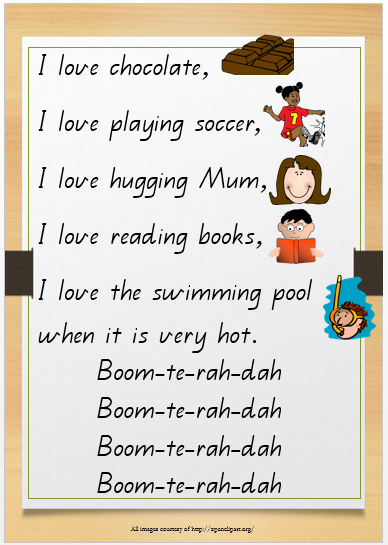
We changed Bill’s choice of “loves” for our own, and wrote our own collective song, which we sang repeatedly and with great gusto. Although the original did include a rhyme, we didn’t concern ourselves with that at this stage. We just concentrated on sharing our loves in a song such as this one:
While they were having fun with language, the children were also learning a subtle and unstated lesson about how powerful a tool for communication self-expression through language, both oral and written, could be.
The children’s suggestions for things they loved were many more than the lines of one collective song would allow, so there was nothing else to do but write one of their own. Which they did. They had already seen how easy it was. They knew the rhythm. They had the basic sentence structure. All they had to do was substitute their own thoughts and make the song their own.
How wonderful it was to hear the children singing their own lyrics as they wrote them, ensuring that the words telling of their loves fitted the rhythm of the song. The children delighted in sharing their songs with each other and with anyone else who would listen. At the end of the day they took them home to share with their parents as a special gift of themselves for Valentine’s Day.
While my children did not have the benefit of Bill’s magical voice, or even a tuneful model from me, they delighted in his song. You can share a version (without Bill’s voice, or mine) by clicking here.
Why not create your own songs, and support your children to create theirs, using this song model. You’ve seen how easy and joyful it can be. A song to sing about things you love is a little “happiness pill” that can be taken daily with no known side effects.
I invite you to share your own versions here for us all to enjoy.
Bill Martin Jr. wrote in Sounds of Language (1972):
“As children gain skill in using their ears to guide their eyes in reading, they have a qualitatively different reading experience. Consider the young child who has frequently heard his teacher read “Ten Little Indians.” Once a child has these sounds clearly and solidly in his ear, he has little difficulty reading this old rhyme in its printed form. Once his ears begin telling him what his eyes are seeing, he approaches the reading with confidence and expectation. And when he comes to his teacher and exultingly declares,
I know that word, Miss Barber! That word is “little!”
she has evidence that he is relating sight and sound in reading.”
What a joy and honour it is, as an early childhood teacher (including parent) to share a child’s journey into independent and joyful reading and writing.
It was a sad day when Bill Martin Jr. passed away on August 11, 2004, but his legacy lives on in the hearts of many readers, both young and old, whose lives have been touched by his love of language, and who may have indeed stepped across the threshold into reading through one of his many wonderful books.
Click on the title to listen to Bill singing another fabulous song “I am Freedom’s Child” and his message for democracy: what another great song to start each day!
I will have more about Bill Martin Jr. and his legacy in future posts.
If you liked this post, please subscribe to follow.
In a previous post “To school or not to school” I discussed thoughts I had pondered and issues I had considered when deciding the future education of my daughter.
Although the main focus of that article was whether to school or not, home education was not only not my first choice, but not even a consideration.
The merest hint of an idea of starting my own school had niggled away in the back of my thoughts for a long time. More than ten years before that article was written, I was in college studying the teaching of literacy when the idea popped into conscious thought. In response to an assigned task, which required that I explain how I would implement a literacy program in a school, I surprised my lecturer (and myself) by explaining how I would do so in a school that I established. Although I was never afraid of placing my own spin upon a set task, I never really expected the idea of establishing a school of my own to be anything more than just that.
In the ensuing years prior to the birth of my daughter, my son completed his primary schooling and I taught in a variety of roles, some of which were the most rewarding of my career. During those years I met many other teachers with a similar dream of starting their own school. They were mostly creative and innovative teachers, passionate about their own learning as well as the learning of their students. They inspired their students with an energy that at times seemed infinite. But they felt stymied by the formality and top-down approach of traditional schooling which they, like me, believed to be detrimental to children’s learning and personal growth.
Many of these teachers left the profession, unable to conquer the battle between philosophy and practice waging within. Others continue teaching, constantly trying to balance their beliefs about learning and the needs of their students within the confines of the expected formal and didactic approach to teaching. Others have become burnt out, feeling isolated and unsupported, succumbing to the pressure to conform.
Few teachers take action to make their dream a reality. Whatever one’s beliefs, it takes a great deal of courage to step outside the norm of accepted practices. To establish an alternative school, in addition to this courage, requirements include a bottomless well of financial resources, an infinite ability to persist under the onslaught of unremitting obstacles, and a firm commitment to ideals and philosophies.
When Bec was born the nagging of this idea was so insistent that I was compelled to bring it out from where it was hiding and give it some serious consideration. Without any real understanding of the magnitude of the task ahead, without a well of financial resources, but with a firmly-held belief in what I was undertaking, I set upon the road to turn the dream to reality.
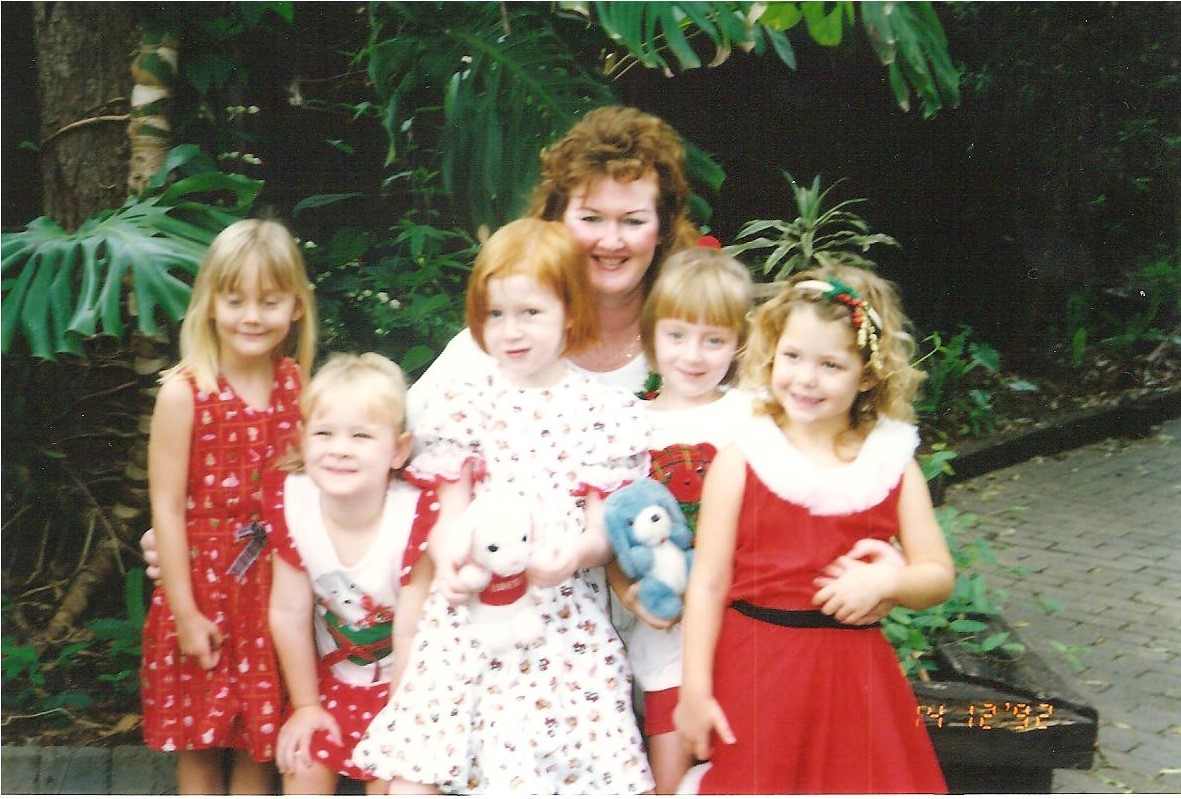
Me with a group of “my” children, including Bec in the middle.
When Bec was about 2, I established a small home-based (but not profitable) business providing educational care for other 2-3 year olds and educational play sessions for parents and children.
For the children in care, I provided a stimulating learning environment with lots of talk, books and hands-on exploratory activities. I provided support as they learned to have a go and developed confidence in their abilities.
In the play sessions I guided parents’ engagement with their children in play, explained how they could develop vocabulary and concepts, and provided suggestions for them to continue at home. Even after 20 years, parents still tell me how valuable those session were to their children’s education.
At the same time I investigated and explored alternatives to traditionally schooling available in my area but was disappointed that none exactly met my criteria. Some were too laissez faire, others followed pedagogical approaches I believed to be unsupportive of children’s learning, and others were based on philosophies I didn’t agree with.
I began constructing a vision of what my ideal school would be. I invited other like-minded teachers to join me and we got to work on building a team, enlisting families, and seeking out a facility.
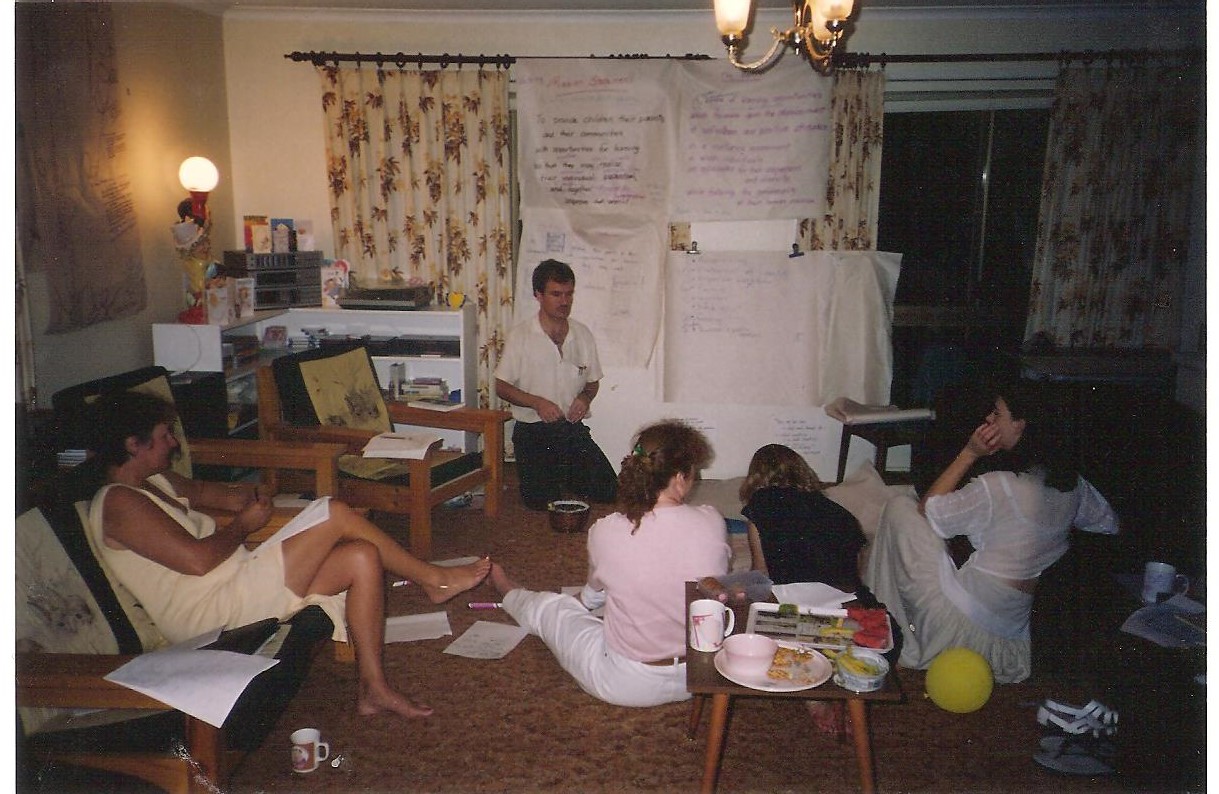
Composing the vision statement.
Approval by the education department was easily achieved and interest of parents was forthcoming. In the end, the greatest stumbling block and final inhibitor of the project was town planning.
Throughout those establishment years Bec was not enrolled in a school. She was educated at home while we waited for my alternative school to open. We participated in some home schooling group activities, and I continued to conduct home-based educational sessions for Bec and other children. After about 5 years and two aborted starts, the project was terminated and Bec’s home education came to an end. Well, it really didn’t come to an end. She continued to do a lot of learning at home, but as she was enrolled in the local government school, it was her official education provider.
I often wonder what our lives would be like now if my dream of opening an alternative school had been achieved.
It was difficult making the decision to let it go. I was torn between two equally compelling but conflicting pieces of advice which vied for my attention:
I do believe I gave the dream my best shot, but after a long time and many false starts, I decided that perhaps I should listen to the messages. With most families, like ourselves, more interested in an alternative school than in home schooling, it was time to let it go. Other families, like me, were not enamoured with the local offerings, but then, also like me, had to decide the future of their children’s education.
I no longer felt comfortable asking families to stay committed to the goal with no tangible start date in sight, and after a final search for a suitable property hit another dead end, the idea was abandoned. I was not committed to home education as a long-term alternative for Bec’s education, and so finally, in year 4, she started school.
One of my favourite quotes is that of Manuel in the BBC television series Fawlty Towers: “I know nothing.” I love quoting this but, just like Manuel, I too am learning. And what a wonderful gift it is to be able to learn.
He explained unconscious incompetence in the following way: “A total ignorance of just how much you don’t yet know for the simple reason that you don’t yet know enough to recognise that you don’t yet know what you don’t yet know.”
This got me thinking about knowledge and learning and about some of the subtle ways in which our attitude to knowledge and learning is manipulated.
When I was a teenager, my brother wrote for me in my autograph book: “What you don’t know won’t do you any good either.”
My father was not impressed and stated quite emphatically, “What you don’t know won’t do you any harm.”
I think he subscribed to the same philosophy as many of my teachers: “Ignorance is bliss.”
I mentioned in my article To school or not to school, a belief that the natural curiosity and eagerness to learn I’d had as a young child had been somewhat diminished during childhood by the attitudes of others around me. That’s not to say that they didn’t want me to do well in school, for they did, and always encouraged me and supported me to do my best; but it was my best at what the teachers told me to do and what the teachers told me to learn.
Ready for school – year 2
Knowledge is power; and one of the easiest ways to suppress and maintain power over others is to keep them ignorant.
While I am certain that my own willingness to be manipulated and need for acceptance also contributed, an encouragement of curiosity and active inquiry would have had the opposite and more positive effect. I am sure there are others who may not have bent so willingly under pressure and whose natural love of learning flourished despite it or even in response to it. But I know there are many more who bent and failed to rebound and are now trapped by their “unconscious incompetence” in an unassailable comfort zone; not knowing what they don’t know, for “Ignorance is bliss”.
I am one of the lucky ones for, while I know a lot about some things, I know that there are things that I don’t know, and lots of them! Rather than make me a conscious incompetent, it makes me a willing learner, and passionate about ensuring the flames of curiosity and love of learning are maintained in others.
Throughout their childhoods, I encouraged my children to question everything, including me, for I wanted them to arrive at their own understandings and did not want their thinking to be restricted the way mine had been.
For many of you, a love of learning and an ability to acquire knowledge may have been a constant throughout your life. I ask then, that you do not dismiss those who don’t have the advantage of your information and your education. Many do not know what they do not know and they can’t even begin to imagine the questions they could start asking to ignite their learning. If they have had their natural curiosity suppressed and their wills broken, been convinced that submission and conformity were the way to being “good”, and willingly entered the cage and threw away the key; instead of judgment, derision and laughter, what they need is to be shown the open doorway … shown what they don’t know so they too, can start asking questions and filling in the gaps in their knowledge to regain power over their own lives.
The saying “A little knowledge is a dangerous thing” is very true.
How many times have you heard someone bemoan, “I wish I knew then what I know now”?
What can you do to encourage a love of learning or pique someone’s interest today?
How has your attitude to learning been influenced by the attitudes of others?
Reports in the media this week asserted that parents are not making the time to read to their children on a regular basis. They also stated that children are beginning school unable to talk.
So what’s new and why does it matter?
Similar allegations have been made for decades and it is saddening to see that the situation persists despite the increased volume of good quality children’s books being readily available at affordable prices and the torrent of information available in easily accessible media, including information about the importance of talking with and reading to children.
Children who start school with a love of reading and learning have an enormous advantage over those who don’t.
Teachers of children in their first years of schooling are easily able to identify the children who have been talked with and read to in their before school years. These children display a broader general knowledge, a larger vocabulary and fluency with language, a comfortable familiarity with books and an expectation of enjoyment with learning.
Children whose before school years have been bereft of meaningful conversations with adults and lacking in regular and frequent incursions into books, generally present with limited general knowledge, restricted vocabulary, little expectation that books will provide joy and diminished interest in or incentive for learning.
Why then are parents not making the time to talk with and read to their children?
Busy schedules and work commitments make it seem as if there is just not enough time to fit in talking and reading to children every day. But how much time does it take to do that?
Simple changes in routine can open up new avenues for communication without requiring an extra commitment of time.
Here are just two suggestions for easily adding a talk and a book to the daily schedule without requiring any more time.
Sit a child on a stool beside you and chat about the day’s events while preparing the evening meal.
This simple activity requires no further expenditure of time but greatly enhances the child’s communication skills and the parent-child relationship as well. Vocabulary is extended to include words that name and describe foods and the actions that are used in the preparation. Enlisting their help further boosts their sense of self and independence and may encourage a greater willingness to try a wider variety of foods.
The promise of a story at bedtime can help to make the transition from a busy day to a restful night easier and more enjoyable.
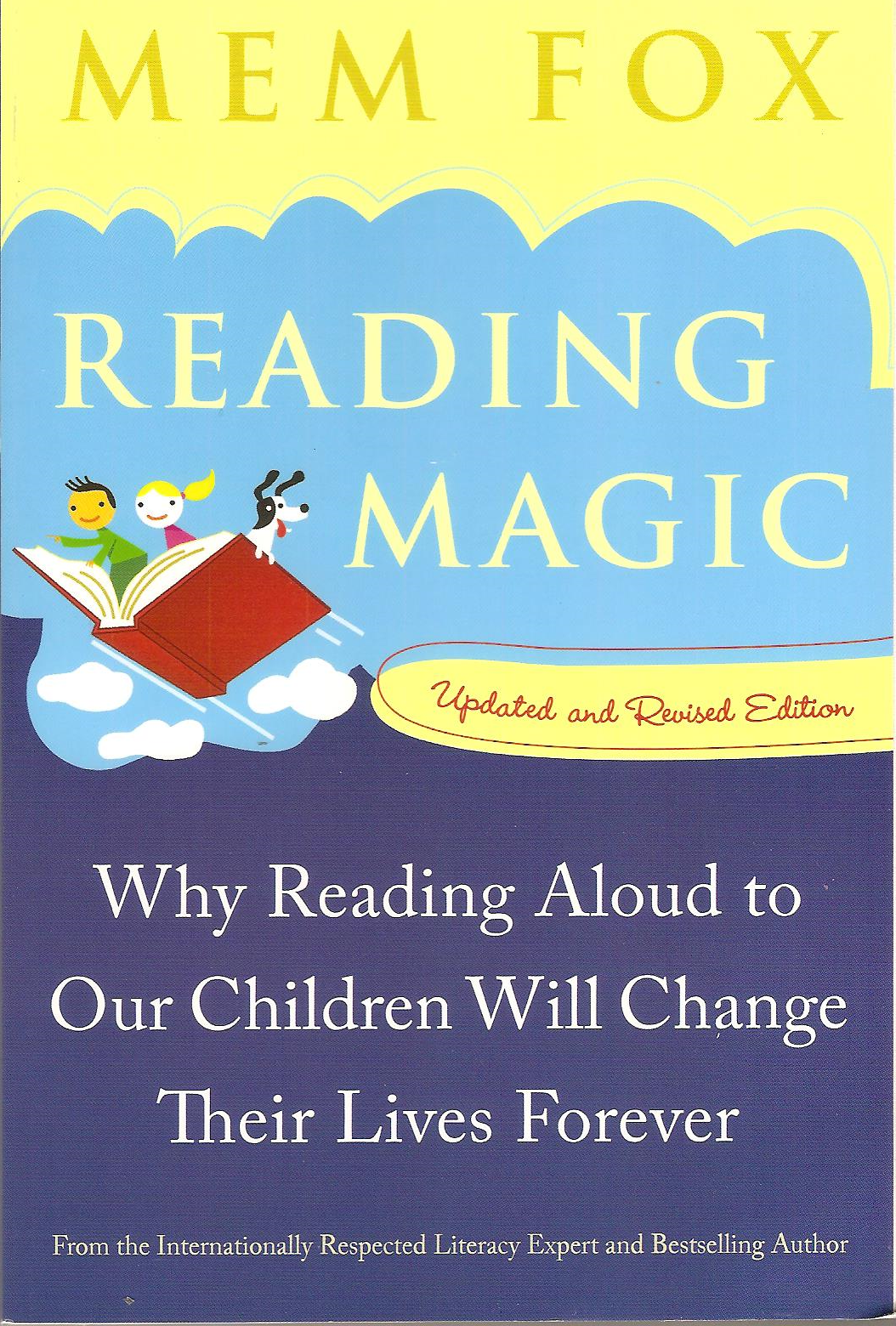
A short time is all it takes to share the joy of a story. In her book Reading Magic Mem Fox recommends 10 minutes of reading to children every day. Ten minutes of story time gives far more pleasure to both child and parent than ten minutes fraught with coaxing and struggling. Snuggling up in bed for a special quiet story time with a parent eases the child into relaxation and a slowing down in preparation for sleep.
In addition to strengthening the child-parent bond, a love of books and an enjoyment of language and story is being nurtured; a love that can be maintained throughout one’s life.
How do you fit talking and reading into your busy schedule?
In a previous post To school or not to school I explored some issues I was grappling with as my daughter reached school age. I stated then that in future posts I would explore the effects of decisions I made upon my children’s (and my) education.
My daughter, Bec, now 26 and working towards a PhD in Environmental Management at UQ, has beaten me to the post by writing the following reflections on her schooling experiences. Who better to explore the effects upon her education than she herself?
Bec’s reflections on learning
When I was a wee girl I felt I had a very prolonged ‘childhood’. Not that I became a (painful) teenager later than others, or even an adult later; but more that the early years went for longer for me than they did for others. While other children I knew were in school, wearing uniforms and filling in worksheets, I was on my way into the Brisbane library with my mother, excited about the new books I would get to read. (I always anticipated the craft activities which were on offer, and specifically recall excellent activities related to owls.)
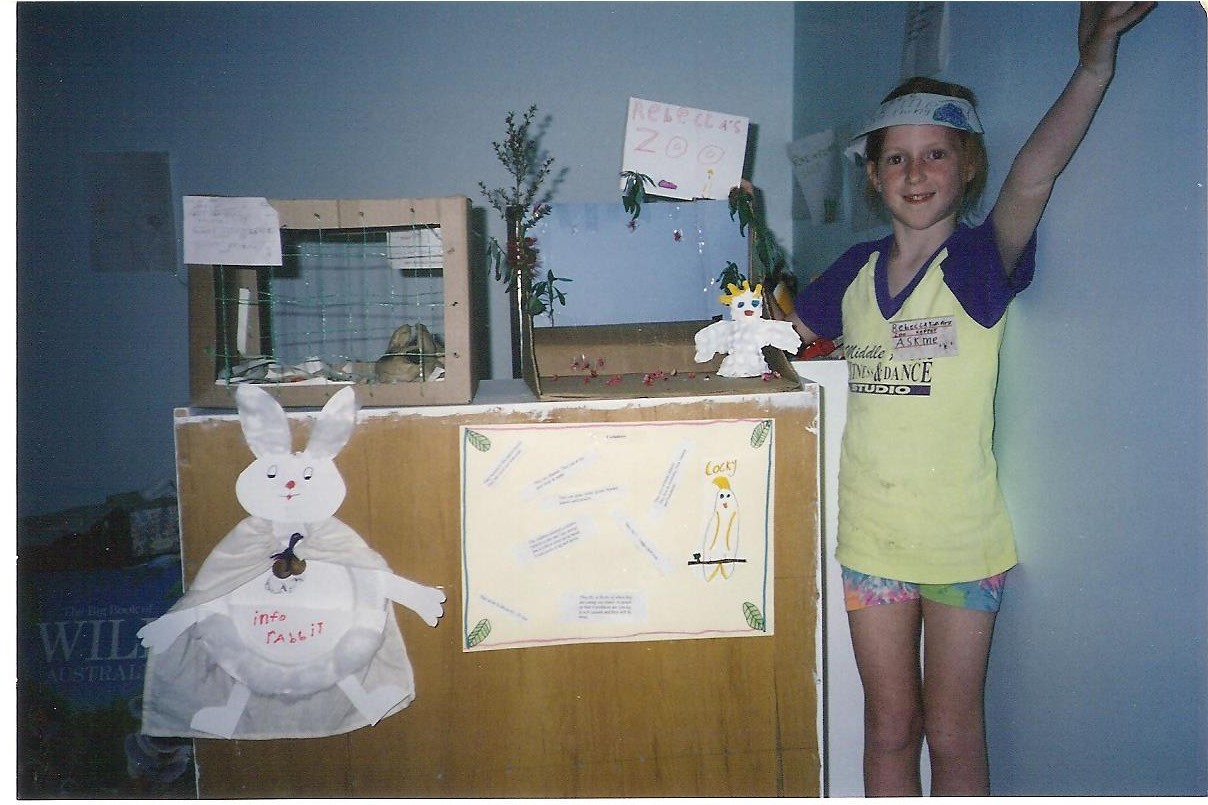
I also remember that when most other children were in school, I got to play with clay at home, and used the clay to create ‘exhibits’ for a zoo about my favourite animal. It was a great motivation to find out as much as I could about the animal, and I immersed myself in it. I started with rabbits (which I still love though have a real ethical struggle with given they’re such a disastrous environmental pest here in Australia) and then moved onto the Sulphur Crested Cockatoo.
Another memory, from my very long childhood, was that when most other children were in school, I set up at home ‘The Rainforest Club’, where I made a desk, a rainforest-related library, and a membership program. What was the point of the club? Who knows – but the evidence is still present in a number of Norah’s books which include markings on the inner cover to the effect of ‘This belongs to the library of the Rainforest Club’.
I remember frequent trips to the Sciencentre when it was in its old digs on the other side of the river, and a day starting with picking strawberries at a local farm, then bringing them home to mix into home-made strawberry ice cream. I also remember being very proud of myself when I got to cartwheel in a parade at the ‘Out of the Box’ celebration at Southbank.
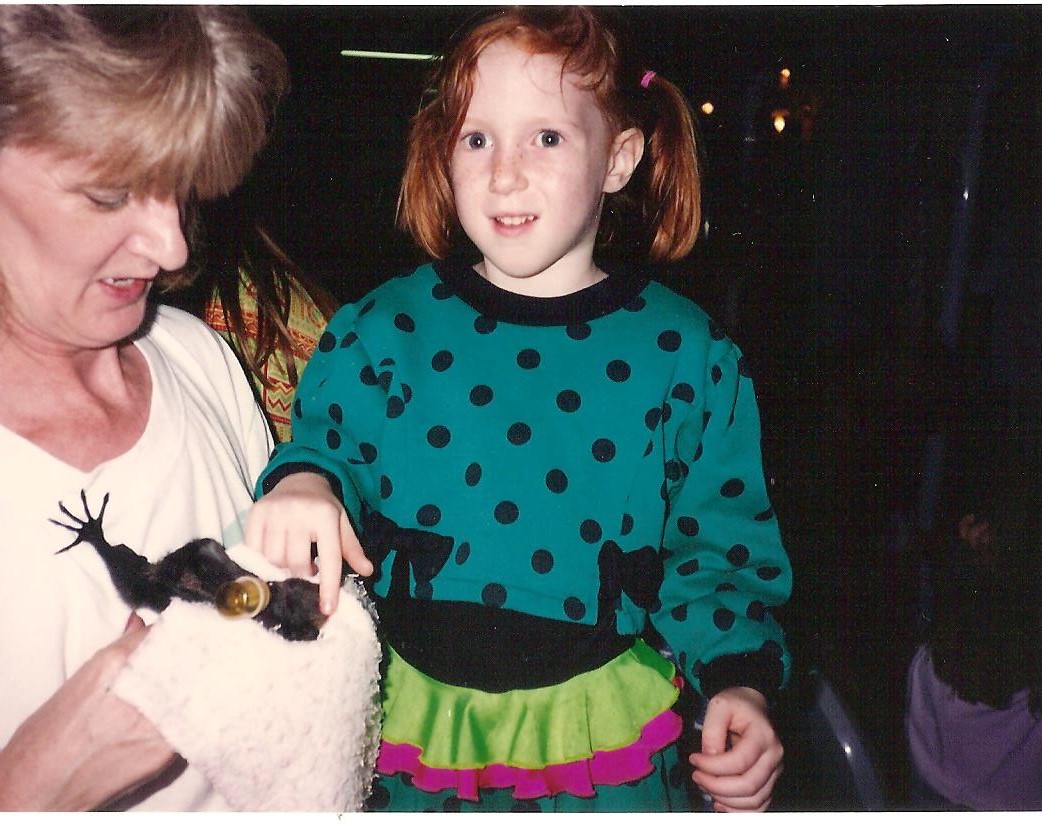
Then there was the day when an intimidatingly large cane toad launched toward me when I was sitting at the front of a group of children watching an engaging talk about animals (unlike the bunny rabbit, I am not quite so much torn between heart and mind about this invasive species, although increasingly it seems that the story of the cane toad in Australia reflects the story of post-1788 colonisation in Australia). A less traumatic animal experience was going on the ‘Batty Cruise’ down the Brisbane River as the macro bat colonies were stirring shortly after sunset. It was absolutely incredible – there were thousands of bats flying overhead – and an expert on board had a baby bat AND a baby echidna.
I also know Norah still has the story I wrote which explained all of the mysteries of neuroscience; “How the Brain Works”. Obviously, it’s a little man who lives in my brain, working efficiently with a series of filing cabinets.
What this little man didn’t work out at the time though – and only really worked through the files to figure out years later – was that despite not being at the time in School with a capital S, I was in school during every moment of the day and night during those early years. I LOVED visiting the library and the museum and the Sciencentre. I LOVED reading books, researching about animals, writing stories and experiencing my world.
There’s no evidence in my memories that I was ever actively Being Schooled – I remember playing, spending time with my mother, going on fun day trips, and being creative. All of this, as far as I knew, without a formal lesson plan presented to me in the morning, without worksheets to complete (though I did spend a lot of time writing for fun – can you imagine such a thing?), without testing which would give me a reductive and quantitative measure of my intellect, abilities, and ranking against other children.
I started School with a capital S in grade 4, which was very hard to begin with. The decisions which led to my enrolment in a School are absent from my memories of the time, but I think I remember that I wanted to be with other children. It makes me sad to think back on this, because I worry that as a child knowing nothing but my own life as the basis for all of my understandings about the world, that perhaps I didn’t appreciate Norah enough, and maybe I hurt her feelings when I wanted to be with other children. When I started School, I have a vivid and poignant memory on the first or second day being given a worksheet with no idea about how to complete it, as it was such a foreign concept. I felt out of my depth and incapable of fitting in, and I was upset. It took a little while to make friends (which resulted in a number of lonely lunch breaks), but once I did I was happy. I enjoyed most of the school work, and as far as I am aware my schooling experience from that point on was no more extraordinary than that of any other child at a state School. I missed being with Norah during the day but I was lucky that she was involved as a parent helper in my class, and then had a teaching position at my School.
So there is no dramatic end to the story – I was home educated and then I went to a School. I find this difficult to explain, but as a child, there is no other life that I knew. So it didn’t feel like my home education years were cut short by going to School, nor did it feel like I was starting School late (though I was aware that I was a bit different in terms of my schooling). Now as an adult and with hindsight, I am very thankful for the gift of home education that Norah gave me. (I am also proud to know that I was a bit different in terms of my schooling.)
I would like to offer some evidence of the impact that being home educated has had on my life, but I am not sure how to do this, after all, I’m the experiment and there’s no control for comparison. I can, however, say that I loved my childhood and I still have a very strong and driving love of learning.
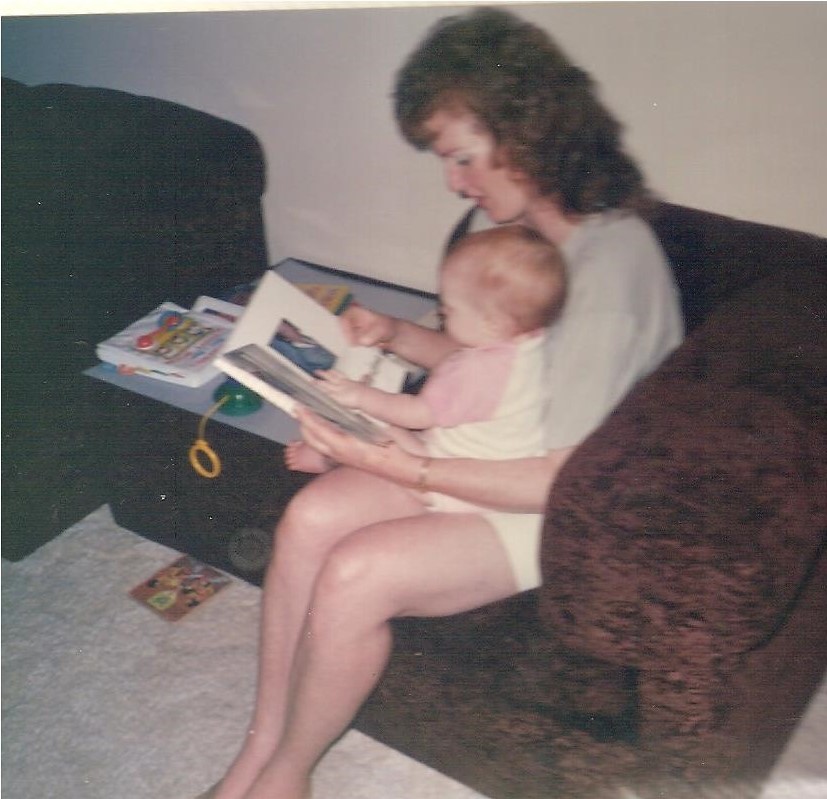
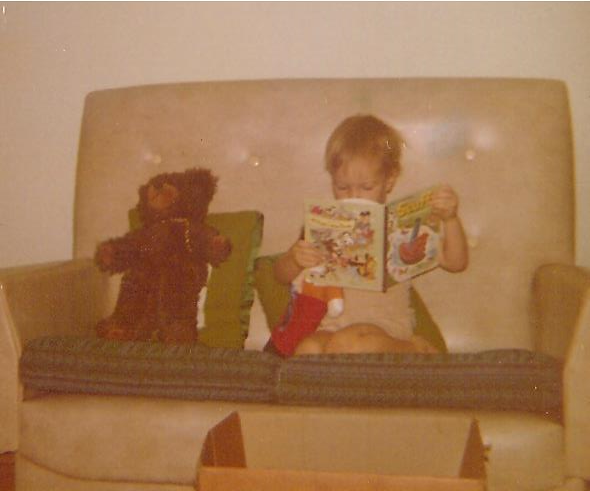
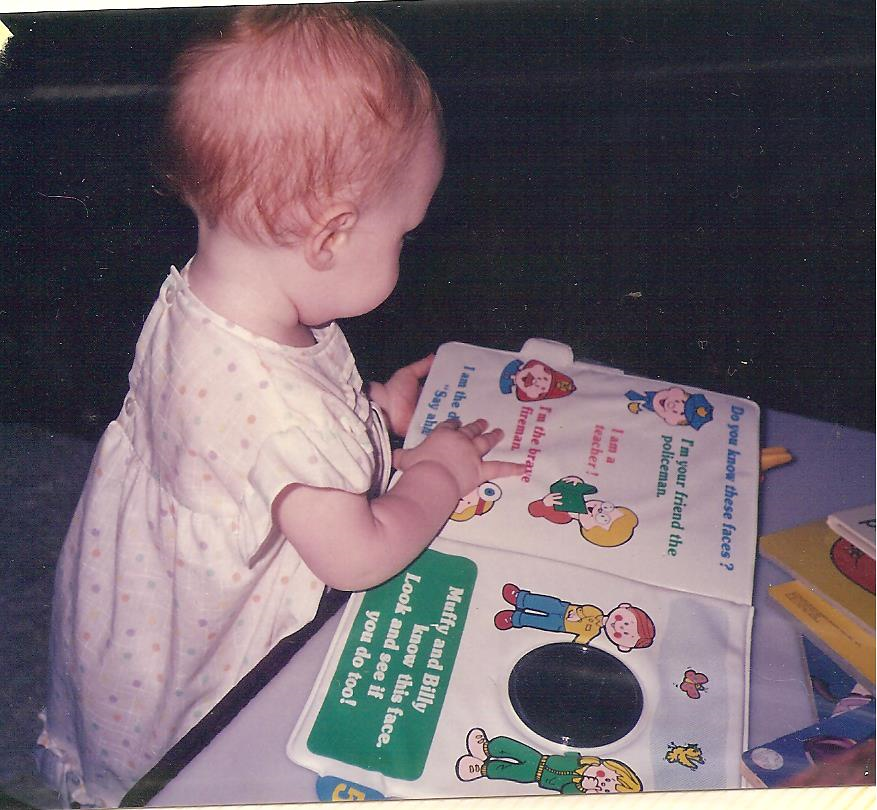
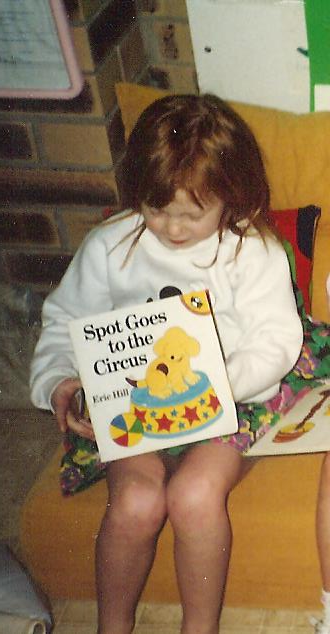
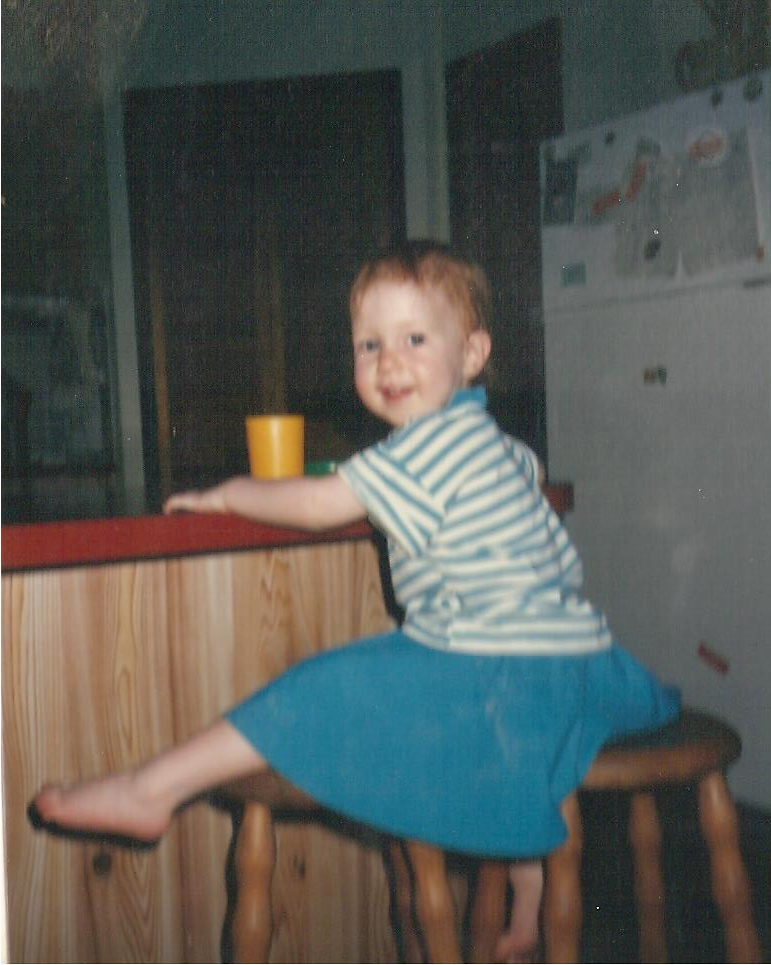
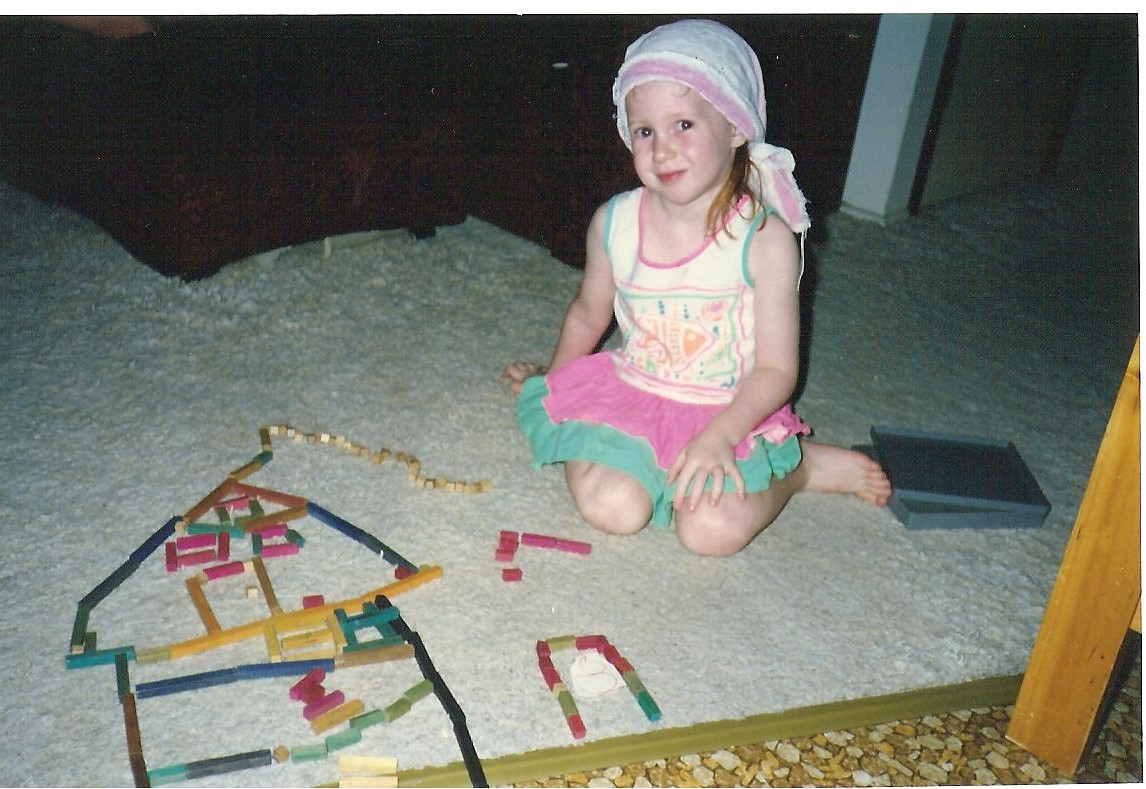
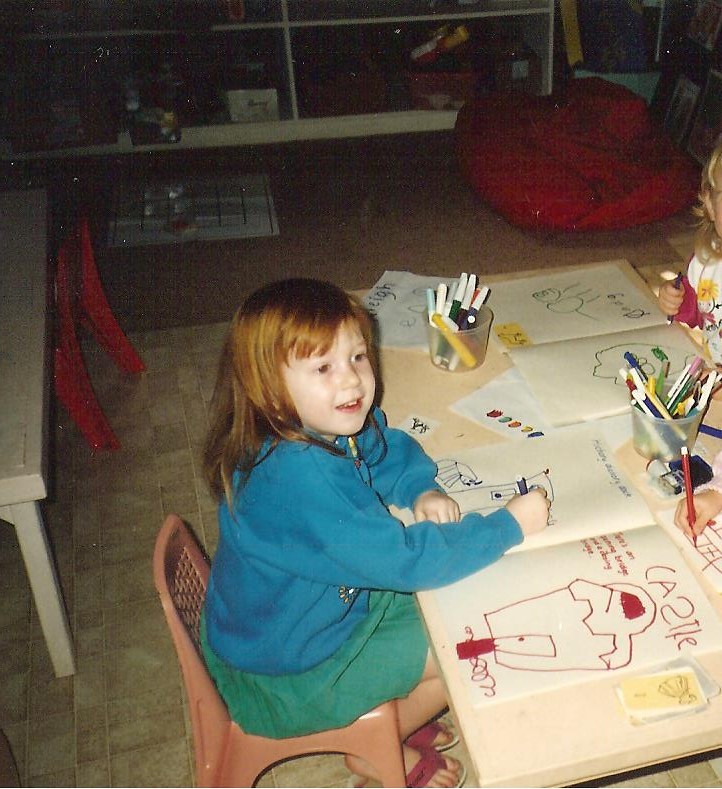
These early photos portray activities that continue to interest Bec to this day: a love of animals and nature, an enjoyment in cooking and sewing, creative crafts, mathematics and writing.
I wrote the poem this week after encountering an 8-legged friend in my shower.
As the poem reveals, I am quite happy to share my world with spiders. However I am rather reluctant to share my shower with them – they just might jump on me! Arggh!
I don’t really know why I crushed the spider with the broom after it had so willingly vacated the shower. I suffer deep pangs of remorse at having done so; but I did keep a very watchful eye on it while I was in the shower – just to make sure it wasn’t going to come back and jump on me. And all the while, it didn’t move. It stayed very still.
Later, out of the shower and fully dressed, I spotted a spider of similar size on the ceiling. Two spiders in one morning, I thought: must be an infestation! I checked out the spider on the floor, and found it wasn’t there. It was the spider on the ceiling – resurrected! Now that there was no possibility of it interrupting my shower, I was greatly relieved to see that I hadn’t killed it after all.
While I did write this poem as a bit of fun, it does raise a philosophical dilemma.
Do we have the right to kill other creatures? And if so: Which ones? When? Why?
These questions lead far deeper too, into many other issues about which we must make ethical decisions. However, at the moment I am just considering our right to kill these tiny creepy crawlies that invade our homes and personal spaces. It is okay, isn’t it? What value a bug’s life anyway?
Various readings have contributed to how I think about this. A few in particular spring to mind un-beckoned when confronted with tiny creatures in my home. For example if a cockroach should dare to make an appearance in my kitchen, invariably I grab the closest killing implement (e.g. shoe) and put the tiny creature out of its misery – or mine.
But I always apologise to the cockroach for having robbed it of its life, so that makes it alright. Right?
But is it really alright if I persist in repeating that very same action every time I find another cockroach in my kitchen? Is it real remorse? Do I really have the right to do this to one of the most resilient and perennial creatures on Earth?
Many years ago when reading Chesapeake by James A. Michener (Random House, 1978) I was challenged by the description of an attitude held by the colonialists towards various groups of people who were considered to be non-human animals. I thought that if it was so easy to disregard the humanity of so many groups of people, are we underestimating the worth of animals.
The tenet of Buddhist philosophy, ‘do no harm’ is also challenging, and niggles away with thoughts that pop-up to tease and taunt me whenever the issue of life or death presents itself.
And of course, the unmerciful slaughter of Roald Dahl’s hero, Lexington, in the short story Pig (Collected Short Stories, Penguin Books, 1992) makes me cringe with abhorrence. Why not then for the pigs?
So many thoughts. So many issues. So many ethical decisions.
Please feel free to comment on any related issue that may be of importance to you.
I’m going to take it just one step further to another analogy, that of education.
When we try to mould a child to fit a certain expectation at a particular age, when we impose a set curriculum that provides no opportunity for negotiation, when we leave no room for self-directed investigation, when creativity and curiosity are lightly valued, are we not quashing the essence of what makes that child unique? Of what potential is the world being robbed? Are not the free thinkers, the innovators, the ones who see outside the square, the ones who challenge what is for what might be, are they not the ones who change the world?
Sometimes it seems that the uniqueness of child can be as carelessly squashed as a spider in a shower.
“Some men see things as they are and say why? I dream things that never were and say why not?” George Bernard Shaw (Back to Methuselah, 1921)
For most people this is not a question.
Schools exist. You send your children to school. They go to the local government school. Decision made.
For some, the question of choosing between a government and a private school arises.
If the decision favours private schooling, then further decisions must be made, including which school and when to enrol. The choice may be influenced by a variety of factors such as location, cost, religion, family tradition, uniform or discipline, amongst others.
A smaller number of families opt for non-traditional independent schools offering alternative or individual programs.
Fewer still choose the path of home education.
The reasons for choosing any one of these options may be as varied and individual as are the families. The level of satisfaction with each, and the success to be achieved within each is also individual. While no one situation is best for everyone; one situation may be better for some than others, and each has its advocates and detractors.
My personal journey with education has led me along each of these paths at various times: sometimes teacher, sometimes student, always learner. I was educated in a Catholic school, have taught in both government and Catholic schools, attempted to establish an alternative school, and home educated my daughter for a short while.
Attached to this blog is an article that was first published 20 years ago when my daughter was 6 years old and my son 18. As you will read, I had long held misgivings about the effect of formal schooling on the development of the individual and on the ability of a large institution to cater for the needs of each developing learner. I felt I had suffered somewhat from the imposed restrictions of my schooling and, although my son had been taught by one or two wonderful teachers, there were many more who were less inspiring. When my daughter came along, I knew I wanted something different for her education.
Many of the thoughts, attitudes and emotions expressed in this article are just as fresh now as they were then; and I am no less concerned for the education of my grandchildren in the current educational environment, than I was for my own children so long ago.
Future posts will explore decisions I made and the effects upon my children’s (and my) education.
I would love you to share your own thoughts about learning, education and schooling.
I have found that if there is one thing that everyone has an opinion about it is school: been there done that!
Love it or hate it, tell me what your think!


















 Norah Colvin