Live Love Laugh Learn … Create the possibilities

Category: Education

  • Searching for purpose in a picture book – Part B

    Searching for purpose in a picture book – Part B

    What is the purpose of picture books? Is their purpose simply to entertain with an interesting story and rhythmical language that is fun to read and recite? Is it simply, as I said in my previous post Searching for meaning in a picture book – Part A, “. . . a special time of togetherness, of bonding; of sharing stories and ideas . . . “ Could the purposes of picture books extend beyond entertainment alone? I think most people would acknowledge that reading picture books to young children has a profound effect upon children’s learning and development. In addition to entertainment, picture books can be used for a multitude of purposes, including:

    • to encourage a love of reading and books
    • to develop vocabulary and knowledge of language (through immersion and engagement rather than direct instruction)
    • to provide a link between the language of home and the language used in the wider community and in education
    • to support children embarking on their own journeys into reading
    • to inspire imaginations
    • to provide opportunities for discussing feelings, emotions, ideas, responses
    • to develop feelings of empathy, identification, recognition, hope
    • to instill an appreciation of art by presentation of a wide variety of styles, mediums and techniques

    I’m sure you can think of many more than I have listed here. But what of knowledge, information and facts?

    yves_guillou_question
    http://www.openclipart.org

    How, and when, do children learn to distinguish fiction from fact, or fact from fiction? At the moment that question is too big for me to even think about answering, but it is a question that I ponder frequently and may return to in future posts.

    ryanlerch_thinkingboy_outline
    http://www.openclipart.org

    Children seem to realise early on that animals don’t really behave like humans and wear clothing.
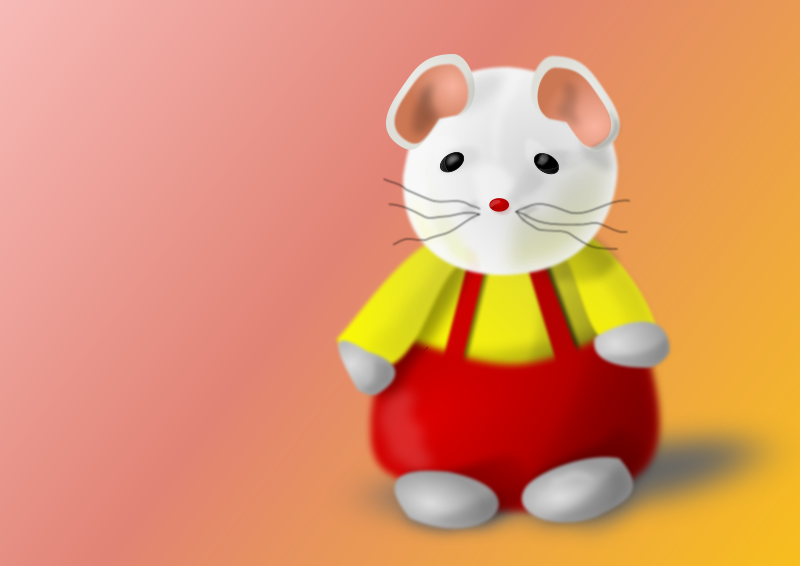
    mouse dressed up
    http://www.openclipart.org

    They don’t expect their toys to come to life and start talking.

    teddy_bear_and_doll
    http://www.openclipart.org

    They quickly understand, when it is explained to them, that unicorns and dragons are mythical creatures and, to our knowledge, don’t exist.

    toy unicorn
    http://www.openclipart.org
    dragon_on_a_leash
    http://www.openclipart.org

    But what happens when the lines between fact and fiction blur and content, though presented in fiction, has the appearance of being based in fact? For example: The lion is often referred to as “King of the jungle” and appears in that setting in many stories. However, lions don’t live in jungles. According to Buzzle, they live in a variety of habitats and jungle isn’t one of them. You knew that didn’t you? But what about the children? When will children learn that lions are not really kings of the jungle? Do you think it matters if children grow up thinking that lions live in jungles?

    Lion_Cartoon
    http://www.openclipart.org

    What about when animals that don’t co-exist appear in stories together? For example: Penguins often share a storyline alongside polar bears. Does this encourage children to think that penguins and polar bears co-exist? When do adults explain to children that penguins and polar bears live at opposite ends of the planet? At what age do you think children will happen upon that information? Does it matter?


    tauch_pinguin_ocal
    http://www.openclipart.org
    lemmling_Cartoon_polarbear
    http://www.openclipart.org

    What about the way animals are visually portrayed in stories? Must the illustrations be anatomically correct? For example: We all know that spiders have eight legs. Right? If I was to ask you to draw a picture of a spider, how would you do it? Have a go. It will only take a second or two. I can wait.

    whistle
    http://www.openclipart.org

    Now compare your drawing with these:

    spiderswirl2
    http://www.clipart.org
    Little_Miss_Muffet_Spider
    http://www.openclipart.org
    spider
    http://www.openclipart.org

    How did you go?

    While children easily realise that this picture is fictional:
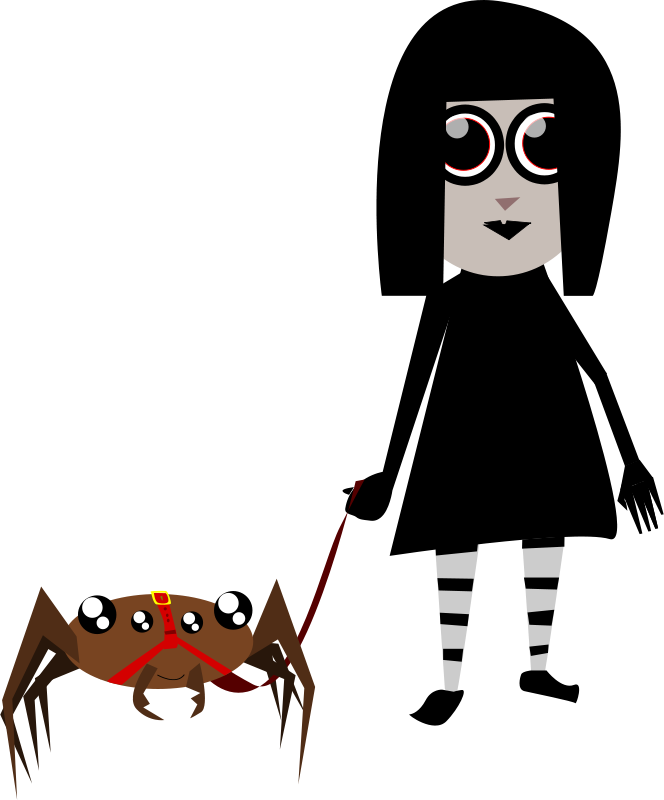
    pet_spider_girl
    http://www.openclipart.org

    They have less success is understanding what is wrong with the previous images. Spiders have eight legs. Those drawings show eight legged furry creatures. The story says they are spiders. That must be what spiders look like. Right? Unfortunately, real spiders look more like this one:

    johnny_automatic_spider
    http://www.openclipart.org

    All eight legs are attached to the cephalothorax, not the abdomen (or even one body part) as shown in most picture books. While I am sure you drew a spider correctly (didn’t you?), most children and many adults draw them more as they are depicted in children’s stories. Is this a problem?

    LOVE_2
    http://www.openclipart.org

    I am not for one moment suggesting that we get rid of fictional picture books and stories. I love them! And as I have said, and will continue to say, many times: they are essential to a child’s learning and development. There is no such thing as too many or too often with picture books. Instead, I would like you to consider the misconceptions that may be developed when the content of picture (and other) books may be misleading, and how we adults should handle that when sharing books with children. One of the books that gets me thinking most about this topic is “The Very Hungry Caterpillar” by Eric Carle.

    The Very Hungry Caterpillar

    As I said in a previous post, it has been published in over 50 languages and more than 33 million copies have been sold worldwide. I am almost certain that you will be familiar with it, and upon that assumption, I have one final task for you in this post. Please share your response to the question in this poll:

    To be continued . . .

    I would love to receive any other comments you would like to share regarding the content in this post.

    I do apologize that I have been unable to get the text and pictures in the layout I desire. I obviously have more investigations to carry out and learning to do.  🙂

    Maybe next time I’ll have it mastered, says she, hopefully!

  • Counting on the holidays!

    algebra

    When the topic “Maths” is mentioned in conversation among adults, including teachers, many of them moan, “I hate maths. It’s too abstract. I could never understand it. I can’t see the point in it.”

    I think it is a sad situation that many such adults were turned off maths in school by teachers who didn’t introduce them to the beauty of maths, who didn’t teach maths in the context of real-life purposes and whose pedagogical kit bag was entirely filled with worksheets of meaningless and endless algorithms to complete.

    I am one of those adults too. In my final years of high school I had a “teacher” who could do the math but couldn’t teach the math; couldn’t explain the why or the how, or any of the steps required to achieve understanding. Maths became an impenetrable forest of meaningless algorithms, formulae and theorems.

    As both a parent and teacher of young children, I was determined to not be an instrument of math torture. Granted this may be easier with young children than it is with older students, but I’m sure there are still ways of making maths fun and meaningful in high school classrooms.

    The suggestions in this article provide parents of young children with ways of finding maths in everyday contexts and incorporating mathematical learning effortlessly into holiday activities. Of course, the activities are of benefit at any time, not just during the holidays!

    If you don’t have young children to inspire, or inspire you, please move on to the end of the article for some suggestions to excite your own interest in maths!

    Although the word “counting” appears in the title, it is important to remember that maths is not just counting.

    The strands of maths as described by The Australian Curriculum include:

    • Number and place value
    • Patterns and algebra
    • Measurement and geometry
    • Probability and statistics

    My list includes just a few suggestions for each of those strands to get you started. Need I say there is an infinite number of possibilities?

    25 ways to keep children thinking mathematically during the holidays:

    Number and place value

    1. Count items e.g. birds in the sky, shells collected from the beach, people for lunch, steps in a staircase, windows on a house, seats in a bus . . .
    2. Count out the cutlery required for each person at dinner
    3. Include your child in shopping activities by helping them to:
      • Recognise the coins and notes
      • Count the value of coins and notes
      • Predict whether they have enough money to purchase an item, and whether there will be change
      • Tender the money in payment for an item
    4. When your child is sharing e.g. the biscuits, balloons or slices of fruit, ask them to:
      • Predict if there will be enough for everyone to have one, or more than one each
      • Share out the items, allocating the same number to each
      • Determine if there are any left over and what to do with them
    5. Use terms like half and quarter correctly, e.g. when cutting apples, oranges, sandwiches, pizza, to indicate pieces of equal size
    6. Play games that involve counting, e.g. counting the number of skips, balls in hoops, pins knocked down or dice games like snakes and ladders that require adding as well as number recognition and counting
    7. Make up number stories e.g. “We had five apples in the bowl. I ate one, and you ate one, how many are left?” “
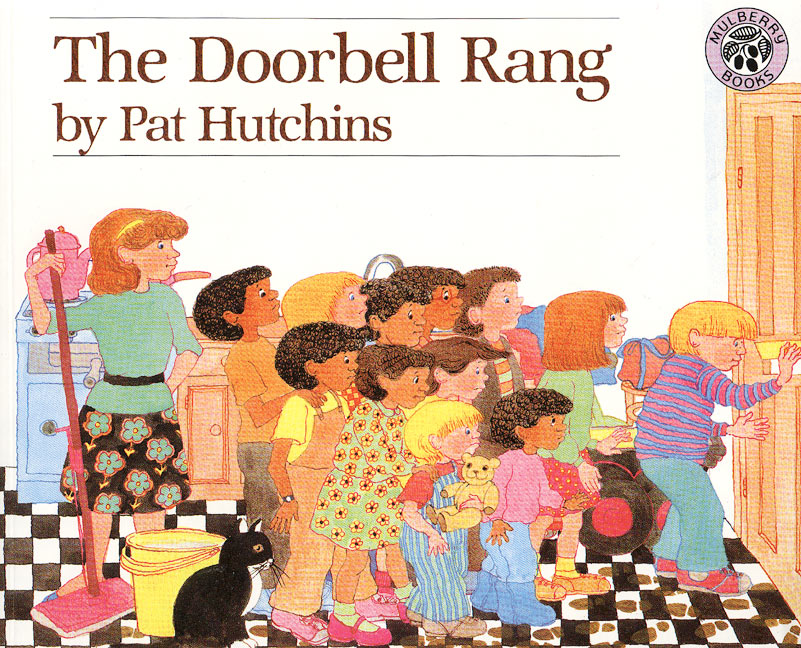
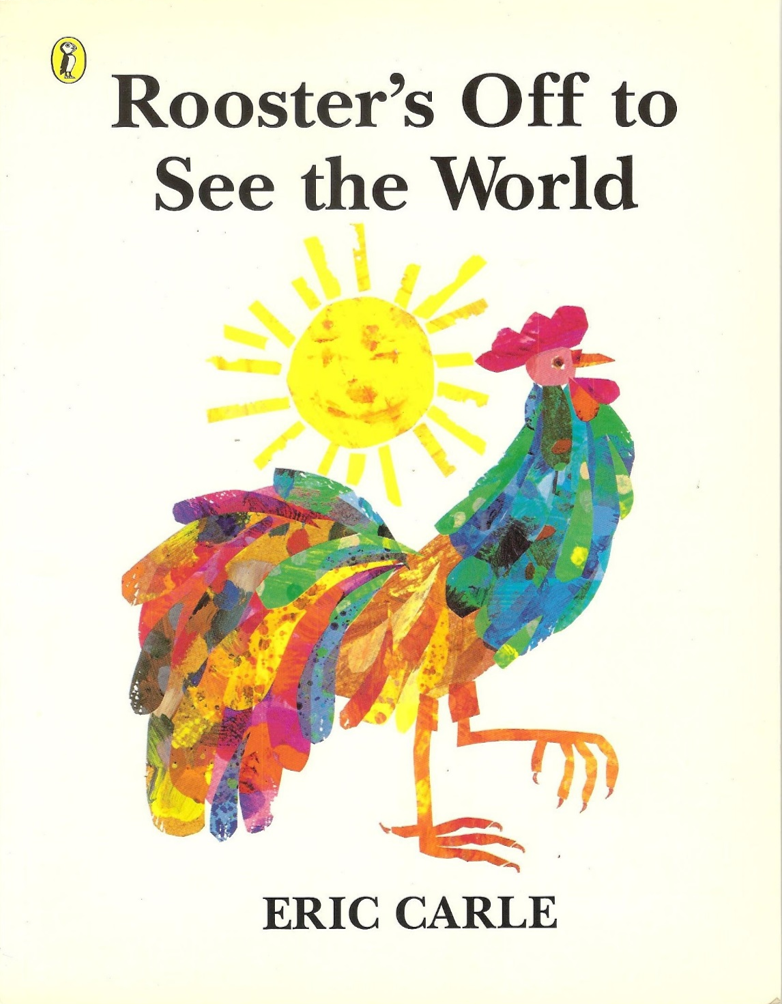
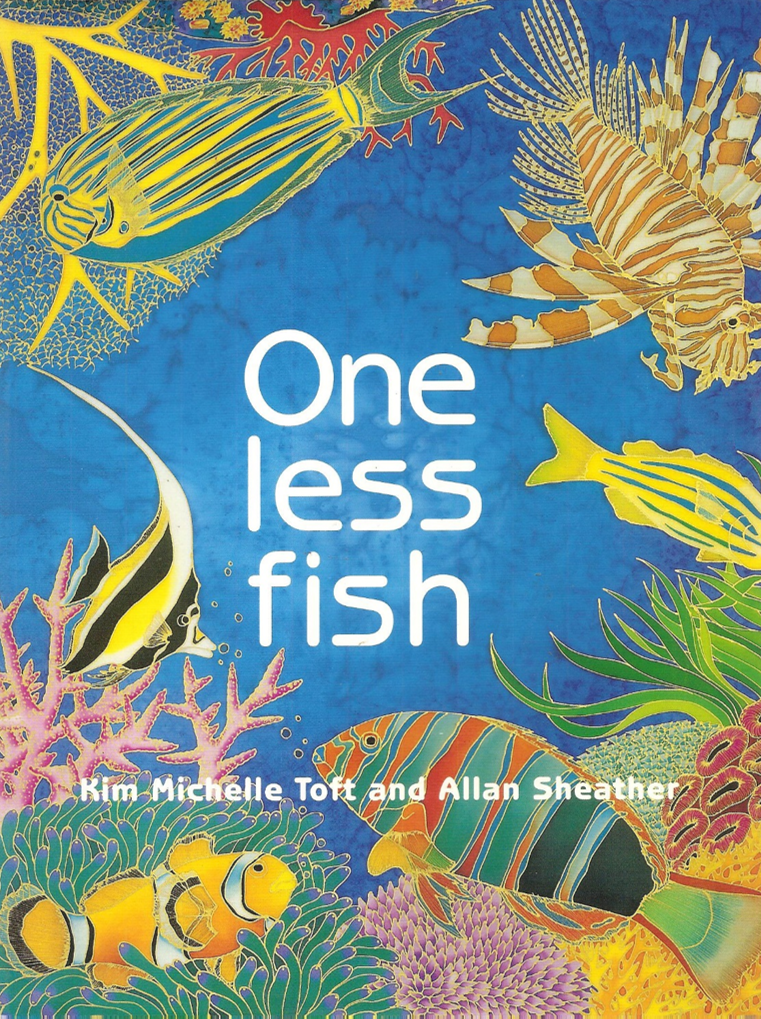
    8. Read books with number concepts e.g. Pat Hutchins The Doorbell Rang, Eric Carle Rooster’s off to see the world  or Kim Michelle Toft One Less Fish

    doorbell rang

    Rooster's off to see world

    One less fish

    Patterns and algebra

    1. Use items to make patterns e.g. sort and create a pattern from shells collected at the beach, building blocks or toy cars
    2. Look for patterns in the environment e.g. fences, tiles, walls and window, zebra crossings
    3. Decorate cards and drawings with a patterned frame
    4. Make gift wrapping paper by decorating with potato prints or stamp patterns

    Measurement and geometry

    1. Include your child in cooking activities and allow or support them to:
    • measure the ingredientscooking-man
    • set the temperature on the oven
    • work out the cooking finish time

    2.  A child’s understanding of volume and capacity can be developed when they:

    • pour glasses of water from the jug and discuss terms such as enough, full, empty, half or part full, more, less
    • pour from one container into another of a different shape to compare which holds more and which holds less

    3.  Scales can be used to compare the mass of different items or quantities e.g. compare an apple and an orange, measure the mass of butter required for a recipe

    4.  Measuring length can be included by:

    • measuring and comparing height
    • cutting a length of string to tie a package
    • measuring who is closest to the jack in a backyard game of lawn bowls

    5.  Use the calendar to

    • Learn the names and sequence of days in the week or months in the year
    • count the passing days or the number of days until an event

    6.  Identify shapes in the home and environment e.g.

    • 2D shapes: tiles on floor and walls, shapes of windows, sections of footpath
    • 3D shapes: cereal boxes (rectangular prism), balls (sphere), bottles or cans (cylinder), dice (cube)

    7.  Play games that involve shapes e.g. jigsaw puzzles, tangrams

    8.  Talk about directions e.g. left, right, forwards, backwards and follow directions on a grid

    9.  Play games that involve directions and movement in space e.g. battleship, Hokey Pokey, Simon Says, snakes and ladders, ludo

    10.  Read and discuss books that include measurement concepts e.g. Pamela Allen: Who Sank the Boat? (volume); Eric Carle: The Very Hungry Caterpillar (days of the week) and The Bad Tempered Ladybird (time); Penny Matthews and Andrew McLean A Year on our Farm (months and seasons); and for looking at places on a map Mem Fox Sail Away The ballad of Skip and Nell or Annette Langen & Constanza Droop Letters from Felix

    who sank the boat

    The Very Hungry Caterpillar

    A year on our farm

    sail awayLetters from Felix

    Probability and statistics

    spite_sun_rain

    1. When discussing the weather or desired activities include the language of probability e.g. possible, certain, likely, unlikely, impossible
    2. Encourage children to collect data about family or friends by asking yes/no questions e.g. do you like swimming, or making a graph of the family’s favourite colour or meal.
    3. Play games with spinners and dice and talk about the likelihood of spinning or throwing a particular number

    This list is really just a beginning. I’m sure you will add many more suggestions of your own.

    For your convenience, the list is available to download FREE in my TEACHERSpayTEACHERS store.

    As promised I will leave you with a few suggestions to spark your own interest in and love of maths. Be sure to check them out:

    These are must listen TED talks by Arthur Benjamin:

    The magic of Fibonacci numbers

    and A performance of “Mathemagic”

     And a fascinating one for the Christmas season “The 12 days of Pascal’s triangular Christmas” by Michael Rose on The Conversation.

    If you want to delve a bit deeper, here are some interesting reads to get you started:

    Charles Seife Zero: The Biography of a Dangerous Idea

    Mario Livio The Golden Ratio: The Story of PHI, The World’s Most Astonishing Number

    Rozsa Peter Playing with Infinity: Mathematical Explorations and Excursions

    I listened to the biography of zero on audiobooks this year. It was a fascinating listen.

    What do you think of maths? Do you love it or hate it?

    I hope you enjoy your adventures in maths! A world of possibilities awaits!

  • Let the children write! 20 suggestions to get children writing during the school holidays

    writing

    The school year in Australia is over and the long summer holidays have begun.

    Parents often wonder how they will keep their children entertained during the long days with few structured or timetabled activities.

    When returning to school after many weeks without the formal practice of skills taught during the previous year, teachers often lament that children’s writing ability (content, sentence structure, spelling, punctuation and handwriting) has declined. Sometimes this is an illusory effect of comparing end-of-the-previous-year results with those of students who are just beginning the same school year level. However some of it is a result of the natural attrition that occurs when ongoing practice is not maintained.

    One solution to this issue is as simple as:

    Let the children write!

    Let them have paper, e.g.

    • loose paper in all sizes and colours, adhesive notepaper, letter writing paper, cards and postcards
    • plain paper, lined paper and patterned paper
    • bound paper in notebooks, exercise books, diaries and lockable ‘secret’ journals
    • envelopes and stamps
    • tablets and computer with word processing and drawing software

    Let them have implements, e.g.

    • lead pencils, coloured pencils, fine pencils, thick pencils
    • jumbo crayons, fine crayons, wind-up crayons
    • charcoal
    • felt-tipped pens (thick and thin tips), black, silver, gold, pastel and bright shades
    • paints
    • tablets and computer with word processing and drawing software

    Any of these make wonderful gifts that keep on giving, for a child of any age.

    Here are 20 suggestions for keeping your children entertained while maintaining their writing skills.

    The suitability of each suggestion will depend upon the abilities of the individual child and the level of support required. The focus and response should always be upon the content of the message, rather than the spelling, punctuation or handwriting. The idea is to encourage a love a writing; not to discourage it through negative attention to details which will improve with practice – and reading!

    Just as writing is a great way of improving reading, reading is a great way to develop writing skills through exposure to correct use of grammar, spelling and punctuation, as well as the richness of language!

    The possibilities for writing opportunities are limited only by your imagination!

    1. Use adhesive notepaper to write messages to your child and encourage your child to write a message back.
    2. Encourage children to write letters or emails, cards or postcards to grandparents, aunties, uncles and friends. These can be to inform them of the holiday or the year’s activities, or to thank them for a visit or gift.
    3. Demonstrate that you value writing by making time for your own writing, e.g. keeping a diary, writing letters and cards to family or friends, writing a shopping list.
    4. Display a message board prominently in the home and list important events, reminders and messages. Encourage your child to add their own messages to the board.
    5. Provide a calendar or diary and ask your child to note family birthdays, holidays and events for future reference.
    6. Encourage your child to keep a diary in which important events and feelings are noted.
    7. Play word games e.g. Scrabble and other crossword games; Boggle or ‘hangman’. (If you don’t like the connotation of ‘hangman’, give each player ten counters to start with. Each time an incorrect guess is made, they give away a counter. If all counters are used then they miss that word.)
    8. Write poems and songs together.
    9. Encourage children to write and perform ‘plays’ for the family.
    10. Take photos of events during the day and use them to make a photo book. This can be done instantly on a computer with photos taken using a phone or tablet and emailed with accompanying text.
    11. Insert photos from a phone, digital camera or tablet into a slideshow program such as PowerPoint, then add text to create a digital story or record. With one click these can be saved as an automatic show or MP 4 video.
    12. Involve children in planning the weekly meals by selecting recipes for a menu they write, and for which they create a shopping list of required ingredients.
    13. Write rebus messages to your children and ask them to write a rebus message back, e.g.                                                                               I think you are great
    14. Invite your child to create lists e.g. activities they would like to do over the holidays, movies they would like to see or friends they would like to invite to a sleep over.
    15. Encourage your children to write the step-by-step instructions for making a craft item they have just designed, or to write down the rules for a game so that everybody is sure how to play.
    16. Suggest that your child write down questions they would like answered, and then write the information discovered during research (by interviewing or asking people, reading books or internet search).
    17. Suggest to children that they make a storybook for a younger sibling or friend.
    18. When going out for the day, or journeying further away on a holiday, children could be asked to write directions for the journey as discovered by consulting paper or online maps.
    19. Help children to set up and maintain a blog to create a record of activities and events to be shared with family and friends. The posts could be regular e.g. daily or weekly, or follow particular activities.
    20. Make the most of every writing opportunity that occurs throughout the day!
    What are your favourite ideas?

    When I was a child I spent many hours reading, but I also spent many hours writing. I would write songs, poems, stories and plays which would be performed by myself and siblings for an appreciative audience (if one could be found) or just for the fun of it. My love of writing has continued throughout my life and, although most of my writing is now done on the computer, I still love all the different types of paper, pencils and pens that are available and beckon ownership.

    The trick is to not make writing an onerous task that must be endured, but one that gives pleasure for its own sake e.g. stories and poems; or for a purpose e.g. writing a shopping list or things to remember.

    Setting aside time to write alongside your child and share the enjoyment of each other’s creativity will do much to encourage a real love of writing; for yourself, maybe, as well as for your child.

    Click here to download this document FREE from my TEACHERSpayTEACHERS store.

  • 20 suggestions for maintaining reading momentum during the school holidays

    20 suggestions for maintaining reading momentum during the school holidays

    happy_sun_gm
    http://www.openclipart.org

    The school year in Australia is over and the long summer holidays have begun.

    Parents often wonder how they will keep their children entertained during the long days with few structured or timetabled activities.

    When returning to school after many weeks without the formal practice of skills taught during the previous year, teachers often lament that children’s reading fluency and level has fallen.

    What is one way of addressing both these issues?

    The answer might just be in a book!

    Well in reading anyway.

    19180-Text-Book-Graphic
    http://www.openclipart.org

    Here are 20 suggestions for keeping your children entertained while maintaining their reading skills.

    I’m sure you can think of many more!

    Please keep in mind, as you read the list, that the amount of support given, or independence allowed, in each activity will need to be adjusted to the individual child’s age and reading ability. Even young children who are not yet reading independently can be included in most activities.

    1.  Read to and with your child every day – continue the practice established throughout the year with special sharing times during the day or at bed-time — or both!
    2. Demonstrate that you value reading by making time for your own reading, or setting aside a special quiet time when everyone in the family reads.
    3. Visit the library and borrow to read, read, read!
    4. Read poetry books, song books, picture books, joke and riddle books, crossword books, information books, chapter books (these can be read to younger children, or with older children – taking turns to read a page or a chapter each) — what are your favourites?
    5. Trade books no longer read for others at a second-hand book store.
    6.  When dining out, have your children read the menu and choose their own meal.
    7. Include your child in holiday cooking and have them read the recipe – ingredients and method. Perhaps they could read the recipe book to select the meal for the day.
    8. Suggest your child read the TV guide to find when favourite programs are showing and establish a timetable for viewing, rather than haphazard watching with random flicking through channels.
    9. Provide your child with bookstore catalogues and encourage them to read book descriptions to guide their next selection. 
    10. Bestow upon your child the title of ‘Family weather watcher’ and have them consult weather forecasts in the newspaper or online to select the most suitable days for planned outings and activities. 
    11. Include your child in making decisions about holiday activities. Give them the guide, or read the guide together and jointly choose the activities. 
    12. Make the library, museums and art galleries high on the list of must-dos. Many of these offer a wonderful assortment of free holiday entertainment for children, and reading is an essential part of getting the most from each visit! 
    13. Engage your child in some craft activities which require them to follow written instructions. The ability to understand and follow procedures is empowering and requires the ability to read written, as well as visual, instructions. 
    14. Encourage your child to ask questions about every day events and phenomena. Help them to research in books at home, in the library or on the internet. 
    15. Provide eBooks as well as books in print. Good ones bring a new dimension to the reading experience. 
    16. When going out for the day, or journeying further away on a holiday, support your child in locating destinations on a map and in selecting an appropriate route. Engage your child in giving directions while en route. 
    17. Include your child when reading bus or train timetables. 
    18. When doing the family grocery shop, give your child their own list of items to look for. 
    19. Listen to recorded books on long car journeys, or have books for listening to or reading along with in bed. 
    20. Make the most of every reading opportunity that occurs throughout the day!

    What are your favourite ways of incorporating reading into everyday activities?

    When I was a child, I loved receiving books as gifts. I still do! Books are among my most treasured possessions.

    www.openclipart.org
    http://www.openclipart.org

    I remember the delight when, on awaking in the dark of an early Christmas morning, I would reach down to end of my bed and discover a book there. I couldn’t see it, but I could feel the smooth glossy cover and the familiar roughness of the pages. I would lift the book up and breathe in the rich, delicious smell which promised so much pleasure I almost wanted to devour it. I knew that something delightful was in-store for me, and as the dawn’s soft glow began light the room, I watched the colours, pictures and words slowly take form and reveal themselves to me. What joy!

    I am forever grateful to my parents for encouraging my love of reading.

    The love of reading is one of the greatest gifts a parent can give a child.

    So, here is #21, it probably should have been #1!

    21. Give books as gifts!

    Read! Read! Read!

    You are welcome to download and distribute the 21 suggestions FREE from my TEACHERSpayTEACHERS store.

    You can read another post on this topic by Nanny SHECANDO by clicking here.

  • Searching for meaning in a picture book — Part A

    Searching for meaning in a picture book — Part A

    Do you recognise this book?

    The Very Hungry Caterpillar

    Chances are you do.

    According to the website of the author Eric Carle, since its publication in 1969 it has been published in over 50 languages and more than 33 million copies have been sold worldwide. It ranks highly in the Wikipedia List of best-selling books.

    Most primary schools, preschools and kindergartens would have numerous copies in their libraries with a copy in most classrooms as well as in teachers’ private collections. Most homes with young children would have a copy in their storybook collection.

    reading

    In addition to the books, many of those schools, classrooms and homes would have some of the associated merchandise; including toys, games, puzzles, posters and colouring books, which are now available.

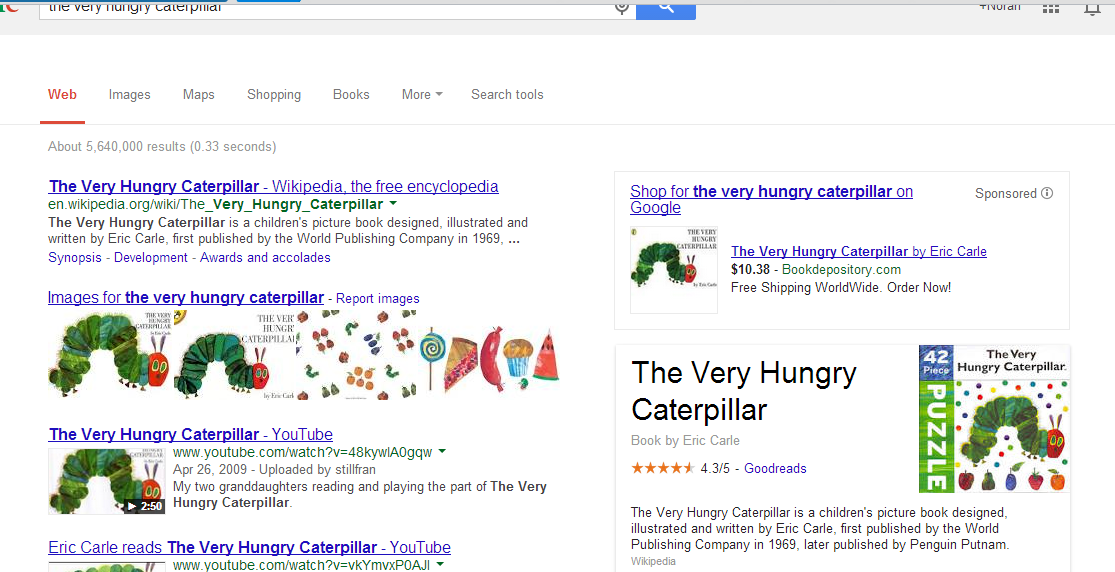
    When I typed ‘the very hungry caterpillar’ into the Google search bar about 5,640,000 results were listed in 0.33 seconds!

     Google search the very hungry caterpillar

    There are activities, lesson plans, printables, videos, and advertisements for merchandise. There is a plethora of suggestions for using the book as a teaching resource, including counting, days of the week and sequencing.

    I think you would be hard pressed to find someone that hasn’t at least heard of the book. That is quite an impact, wouldn’t you say?

    For a book to have done so well, it must have a lot going for it. And it does.

    There are many things I like about this book, including:

    • The bright, colourful, collages with immediate appeal
    • The natural flow and rhythm of the language making it easy to read, dramatize and recall
    • The sequence of numbers and days encouraging children to predict and join in with the reading and retelling
    • The match between the illustrations and the text supporting beginning readers as they set out upon their journey into print
    • The simple narrative structure with an identifiable beginning, a complication in the middle with which most children can empathise (being ill from overeating) and a “happy” resolution with the caterpillar turning into a beautiful butterfly.

    Reading to children

     Nor and Bec reading

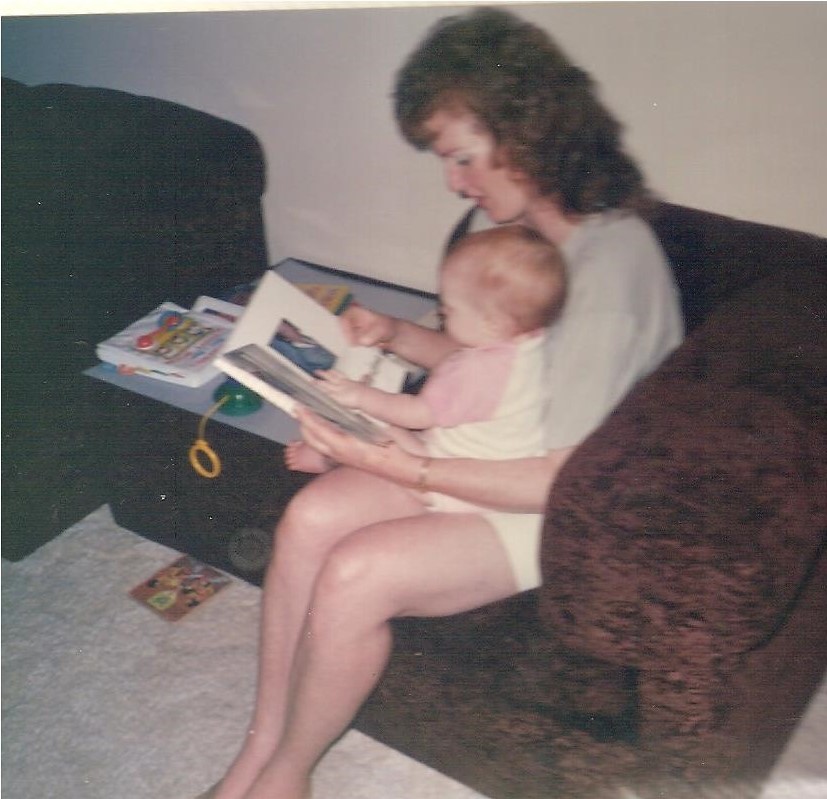
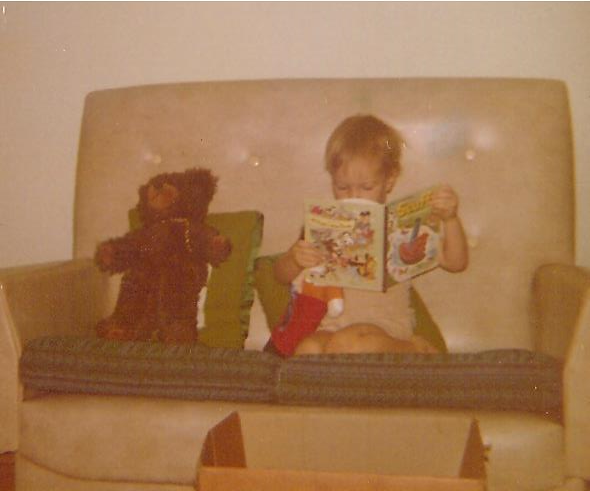
    Sharing of picture books with children from a very young age has a very powerful effect upon their learning.

    There are many benefits to both parent and child of a daily shared reading session.

    clock

    It can be seen as a special time of togetherness, of bonding; of sharing stories and ideas. It can be a quiet and calming time; a time to soothe rough edges and hurt feelings; a time for boisterous fun and laughter; or a time for curiosity, inquiry, imagination and wonder.


    Whatever the time, it is always a special time for a book
    ; and all the while, children are learning language.

    8-12-2013 7-38-33 PM
    © Bernadette Drent. Used with permission.

    They are hearing the sounds and rhythm of their language. They are being exposed to new vocabulary, sentence structures, concepts and ideas. They are learning important understandings that will support them on their journey into literacy e.g. they are learning that the language of a book differs from oral language and that the words in a book always stay the same.

    They begin to realise that it is the little black squiggly marks that carry the message, and they may even start to recognise some words.

    Robert 2

    Many of these, and other, features make “The Very Hungry Caterpillar” suitable for incorporation in an early childhood curriculum, for example:

    The Very Hungry Caterpillar

    • Literature appreciation – love of language, knowledge of story, interest in books
    • Reading – the clear, simple and predictable text make it an easy first reader
    • Maths – counting and sequencing the numbers, sequencing the days of the week
    • Visual arts – learning about collage and composition of a picture
    • Philosophical inquiry —sharing interpretations and discussing feelings about the story, asking questions raised including the ‘big questions’ of life

    ryanlerch_thinkingboy_outline

    Eric Carle, in an interview with Reading rockets, describes it as a book of hope. He says:

    You little, ugly, little, insignificant bug: you, too, can grow up to be a beautiful, big butterfly and fly into the world, and unfold your talents.”

    He goes on to explain that,

    I didn’t think of this when I did the book, but I think that is the appeal of the book.”

    But I’m not going to let him have the last word!

    While “The Very Hungry Caterpillar” has always been one of my very favourite picture books, I do have some misgivings about the impact that this book has had.

    In future posts I will share what I consider to be some limitations of the text, and what I consider to be the most powerful use of all.

    What do you think?

    What appeals to you about this book?

    What questions does it raise for you?

    Please share your ideas. I look forward to hearing what you think.

  • The pretender – putting on a show!

    19178-School-Building-Graphic

    Back in the early days of my teaching career, back before many of our younger teachers were born, let alone teaching, we used to have a visit from a school inspector every year or two. The role of the inspector was to monitor and evaluate the implementation of school programs as well as to provide advice and support to teachers.

    However many teachers tended to think of them in less positive ways and these visits often engendered a sense of fear in some teachers as the inspector could appear at the classroom door at any time and ask to see current curriculum programs and mark books, test the spelling and computational ability of the class as a whole, and hear individual children read.

    Because of this, when one of these visits was imminent there was often a flurry of activity getting curriculum documents and assessment up to date, and displaying children’s work in the classrooms and foyer.

    But I wasn’t one of those teachers frantic in preparation and fear of being found out. I firmly believed that if what I was doing each day for the children in my class wasn’t good enough, then so be it. They were the ones that mattered after all and their education was my priority. I could not see what else I could do to prepare for these visits.

    My programs were well researched, up to date and innovative. They were responsive to individual needs which were well documented with anecdotal records and diagnostic assessments as well as required testing, and supported by samples of student work. My classroom had an ever-changing display of children’s current work allowing visitors to see what we had been working on as well as giving the students a sense of pride in their achievements.

    I guess also, for me back then, the school inspector was only one of the many visitors to my classroom as I was used to people coming to see what we were doing. Parents were always welcome and there were many who helped out on a regular basis and others who made the effort to come for special events and celebrations.

    The principal was very involved and supportive and often popped in to see what we were up to and to provide additional support for children’s learning. In addition, teachers from other schools would visit in order to observe and take ideas back to their own classrooms; and pre-service teachers (student teachers they were called then) were often involved.

    So, for me, the inspector’s visit was just another day, business as usual.

    I am having difficulty in summoning words to describe how I felt when I saw the teacher next door (our classrooms were open, separated only by cupboards and shelves) busily testing children and writing marks in mark books, filling in “current” curriculum programs for the preceding term’s work and covering the previously bare classroom walls with displays of children’s work completed that day.

    I guess you could say I was aghast at what I considered to be blatant dishonesty. I felt it was so wrong that I almost wanted to remove what I had on display for fear of the inspector thinking it was simply there for his benefit.

    I didn’t.

    Instead I turned to poetry, as I often do, to express my feelings; and I would like to share it with you, its first readers.

    I had forgotten all about it until I came across it unexpectedly while looking for something else. It reminded me of the attempt at deception I saw enacted. I say “attempt” because, of course, the principal would have been aware of the situation and I have no doubt that these trained inspectors would be able to see through the veneer.

    I think if I was writing the poem now, rather than 30 years ago, I would not be so generous with my analogy, nor so disrespectful to the butterfly.

    Here it is:


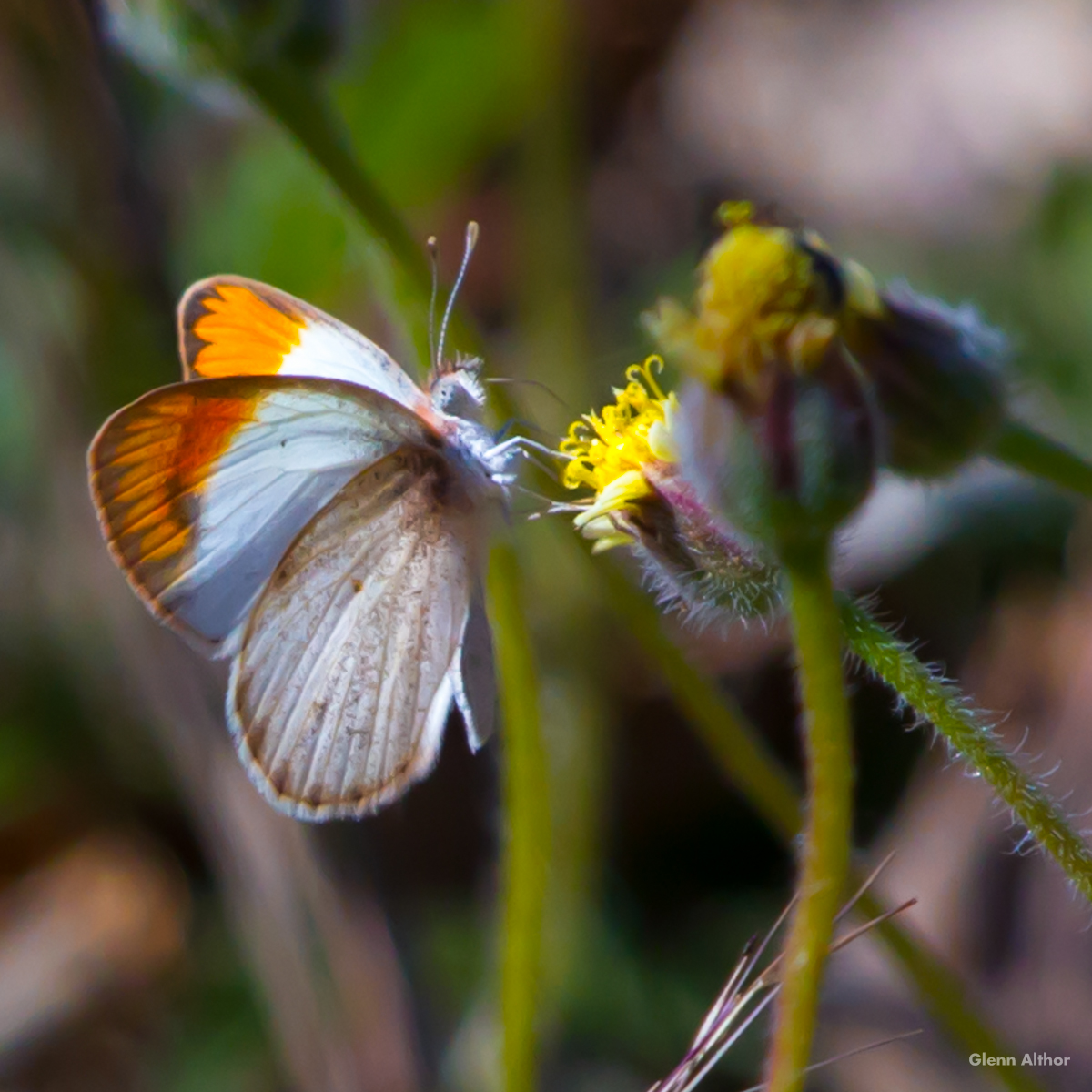
    ©Glenn Althor www.http://obscurepieces.com/ Used with permission.
    ©Glenn Althor www.http://obscurepieces.com/ Used with permission.

    Not really about a butterfly

    Look at you now.

    You put on your show.

    Your butterfly colours are warmly aglow.

    It’s hard to imagine

    That not long ago

    You were a mere silent pupa

    With nowhere to go.

    You flit and you flutter

    Cry, “Hey, look at me!”

    And all turn their heads

    -wondrous beauty to see.

    But where have you come from?

    And how can this be?

    Before . . .

    Not one head would have turned.

    There was nothing to see,

    –          just a little green ball,

    curled up on a tree.

    Is it dishonest

    To change rapidly?

    What do you think?

  • Learning At Its Best

    If you have been following my blog you will know that I have certain misgivings about traditional styles of education. That’s not to say that I don’t have certain misgivings about alternative styles of education as well, for I do. It was these collective misgivings that led me to home educate my daughter in her early years while attempting to establish an alternative school that met my expectations.

    In researching programs on offer in many traditional and alternative schooling environments, I read a lot of school descriptions, policy and philosophy statements. I usually find there is little to argue with in these statements, it is usually the way the beliefs are translated into practice with which I have difficulty.

    Occasionally I read something about a school that really excites me and I think “Wow, this school has really got it all together: philosophy and pedagogy. Children and their learning needs are at the centre of this organisation.”

    Recently I read a description that made me wish I was six years old again and enrolled to start my schooling there.

    According to the article it is
    “Learning at its best . . . where the MAGIC happens” and describes a “Disney World – only better”, where
    • Imagination can prosper
    • Friendship and freedom of speech is fostered
    • Conflict resolution skills are developed
    • Active and open listening is encouraged
    Among other things, it has:
    • a creativity corner
    • a nature reserve
    • a dramatic play area

    Why don’t I just let you read the article that fired my imagination, then you can let me know what you think . . .

    Hope's avatarshecando

    .. Is where the MAGIC happens.

    Given my interest in all things children, education and teaching, being lucky enough to have a tour of Miss Charlie’s classroom was like getting a private and personalized tour of Disney World – only better!

    Her class, and the rest of the Junior School (Kindy, Year 1 & 2), share newly renovated and connected federation houses in one part of the campus. Here they have their own tennis courts, play grounds, rooftop gardens, a junior library and even a secret corridor connecting them to the main gym and swimming pools and on to the rest of the school. It’s rather impressive, even if I say so myself.

    What really amazed me, and made me want to never leave (I’m not joking, I might have to apply for a teaching job there ASAP), was the open planned piazza that connects the junior school classrooms. This…

    View original post 616 more words

  • Goals of education

    reachstars
    http://www.openclipart.org

    The following quote from Jean Piaget, Swiss psychologist (1896 – 1980) is one that has driven the direction of my own thinking about education. It has guided many of my choices both as a teacher and as a learner.

    When I listen to the creative ideas and view the innovations demonstrated through TED talks, I know that the principle goal is being met by many.

    When I hear about the wonderful work being done, such as that by The Philosophy Foundation and P4C (Philosophy for Children), to introduce school children to philosophic enquiry, including critical thinking and reasoning, I know the second goal is also being met.

    “The principle goal of education is to create people who are capable of doing new things, not simply of repeating what other generations have done – people who are creative, inventive, and discoverers.

    The second goal . . . is to form minds which can be critical, can verify, and not accept everything they are offered.”

    What do you think?

    How did your education help you achieve these goals?

    How do you see these goals being achieved?

  • 10 reasons for including Christmas in the classroom

    10 reasons for including Christmas in the classroom

    The end of the school year in Australia is fast approaching; assessment is almost done and reports completed.

    After a hectic year, thoughts are turning towards Christmas and the long summer holidays.

    However the teaching and learning in the classroom doesn’t stop until the final farewells on the last day of school.

    These last few weeks of the school year allow a little more flexibility and time for spontaneous explorations of children’s interests after the curriculum’s imposed learnings have been achieved. Sure, skills still need to be practised and extended but the pressure is not so relentless.

    As the thoughts of most children are on Christmas and what they will do during the holidays, why not harness those interests and that excitement to make classroom learning meaningful and fun while developing important social and cultural concepts and understandings as well as practising and extending literacy and numeracy skills.

    Over recent years there has been some controversy over whether Christmas should be included in school programs, some arguing that it is not inclusive and excludes those students whose cultural backgrounds neither recognise nor celebrate Christmas.

    I have a number of reasons to support my argument that Christmas should be learned about in school, and my reference is to secular rather than religious celebrations which are best left to organisations dedicated to that purpose.

    I would like to say that the main reason is that I love Christmas (the excitement, the anticipation, the decorations, the gift-giving, the celebrations with family and friends)!

    But that would not be true.

    My focus is educational:

    1. Cultural respect: Most children in Australian schools celebrate Christmas. Including Christmas in the classroom program acknowledges this and draws upon their interests and prior knowledge.
    2. Cultural awareness: Investigation of traditions celebrated by other class members, community groups or countries develops a recognition of other perspectives, including those who do not celebrate Christmas and those who celebrate other traditions such as Hanukkah, Ramadan or Chinese New Year.
    3. Cultural understanding: Learning about the traditions of the dominant culture in which one lives makes one more comfortable within that society, more able to converse about important events and holidays, and able to develop shared experiences i.e. helps to develop feelings of being included, rather than excluded by participating in the outward traditions. However, this knowledge does not necessitate participation or belief.
    4. Cultural acceptance: Learning to understand that, although not everyone shares the same beliefs or traditions, we all share a common humanity and that there is good in everyone is important for creating a peaceful and nonjudgmental world.
    5. Self-awareness: Christmas is a time for reflecting on the year’s achievements and behaviour e.g. whether you have been “naughty or nice” or whether you have worked hard are superficial questions which can lead to deeper introspection. This self-reflection can lead to celebration as well as to the setting of positive goals for improvement.
    6. Other-awareness: Recognising one’s own strengths can help to identify, recognise and appreciate the strengths and achievements of others.
    7. Emotional intelligence: Children learn to recognise and describe their own emotions, and the emotions of others. They understand that not everyone thinks and feels the same way about similar events and learn to respect the thoughts and feelings of others.
    8. Social-awareness: Recognising how others think and feel about certain events can develop feelings of empathy. Children are more likely to find common ground upon which friendships can be built.
    9. Being kind to each other: Christmas is all about sharing and giving. In a classroom these can lead to discussions about working cooperatively and collaboratively, getting along with each other, and giving the greatest gift of all: friendship.
    10. Enjoyment, recognition and fun! I couldn’t stop at 9, and I think the inclusion of fun in the classroom is one of the most powerful ways to engage and motivate learners!

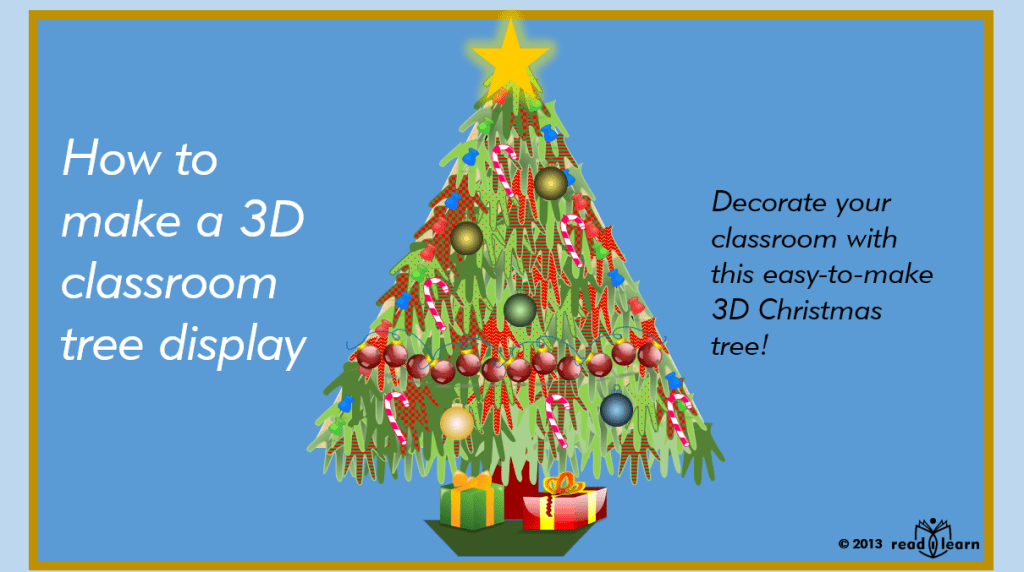
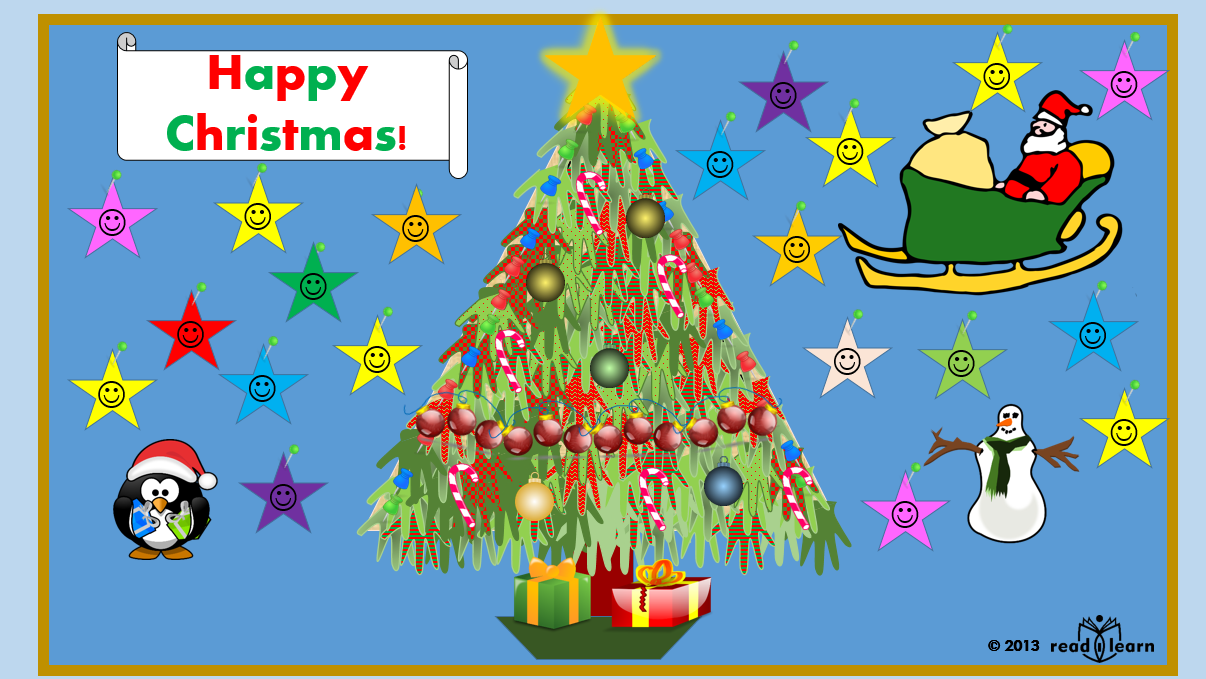
    Decorating the classroom is one way of setting the scene for explorations of Christmas traditions while encouraging the children to work cooperatively, take pride in their shared achievements and talk about how Christmas is celebrated (or not) in their families.

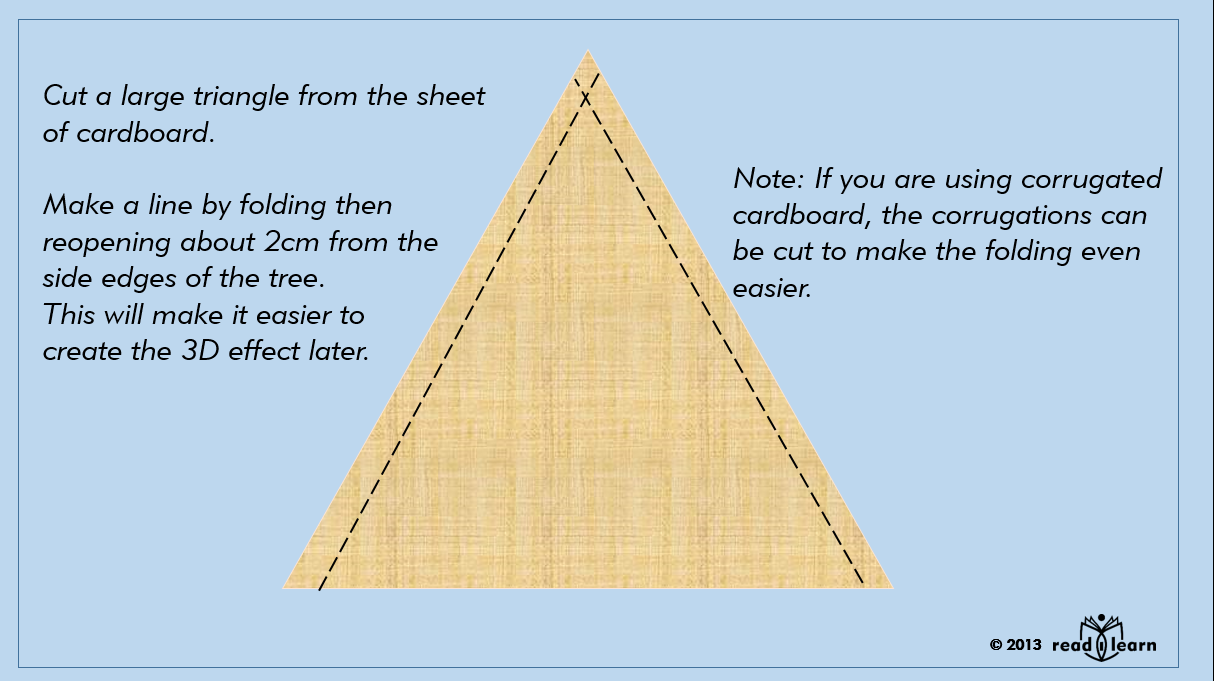
    It became a tradition in my year one classroom to make a large 3D Christmas tree to adorn our classroom wall and become the focal point of our learning.

    We would sit in front of it to have our discussions and read our stories.

    To the display surrounding it, we would add child-made decorations, stories and poems they had written, holiday messages and gifts.

    I would photograph each child in front of the tree, holding a sign with the message e.g. “Happy Christmas 2013”. These photographs would then be added to calendars which became a Christmas gift for parents.

    The children loved doing the tree, partly because of the inherent excitement at the end of the school year with Christmas holidays imminent. But they also loved doing it because they were working together, making something meaningful to them; and as they worked together and saw the tree take shape, they realised that what can be achieved together is far more (as well as more fun) than they would have achieved on their own.

    And while they were busily tracing and cutting, they were talking and sharing ideas and thoughts with each other and with me. We began to learn a lot about each other’s experiences, traditions and feelings.

    Having made the tree together, the children had an enormous sense of collective pride in what they had achieved, especially when all those viewing it remarked upon how lovely it looked.

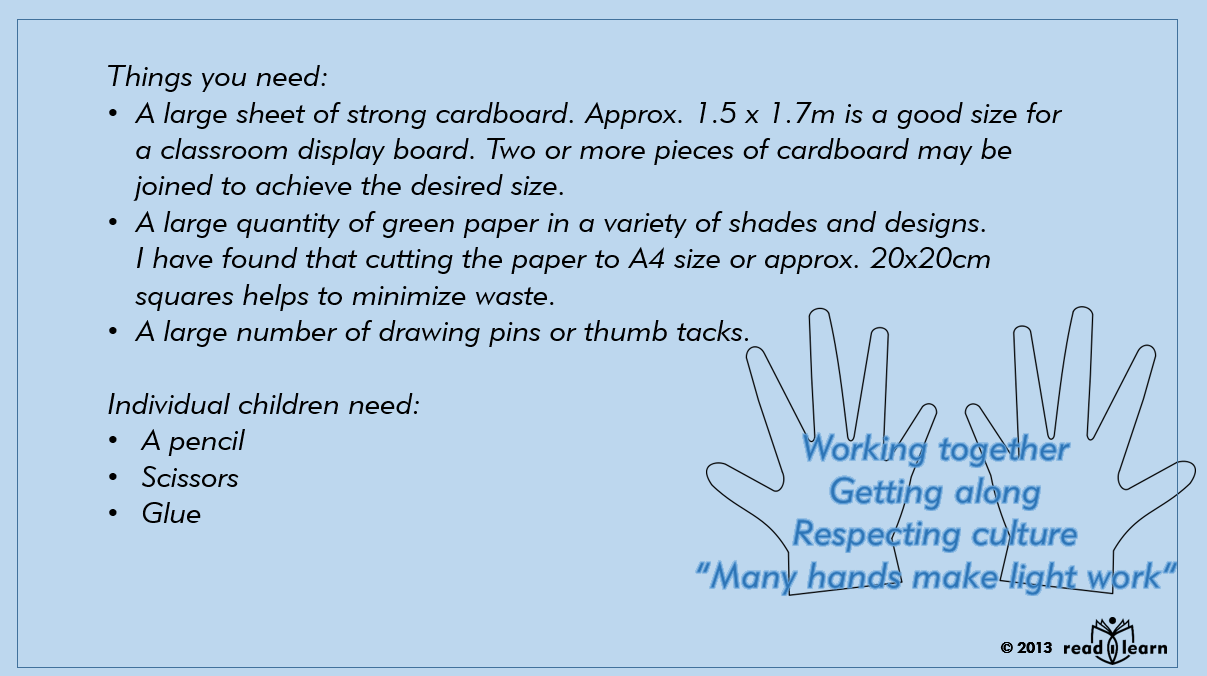
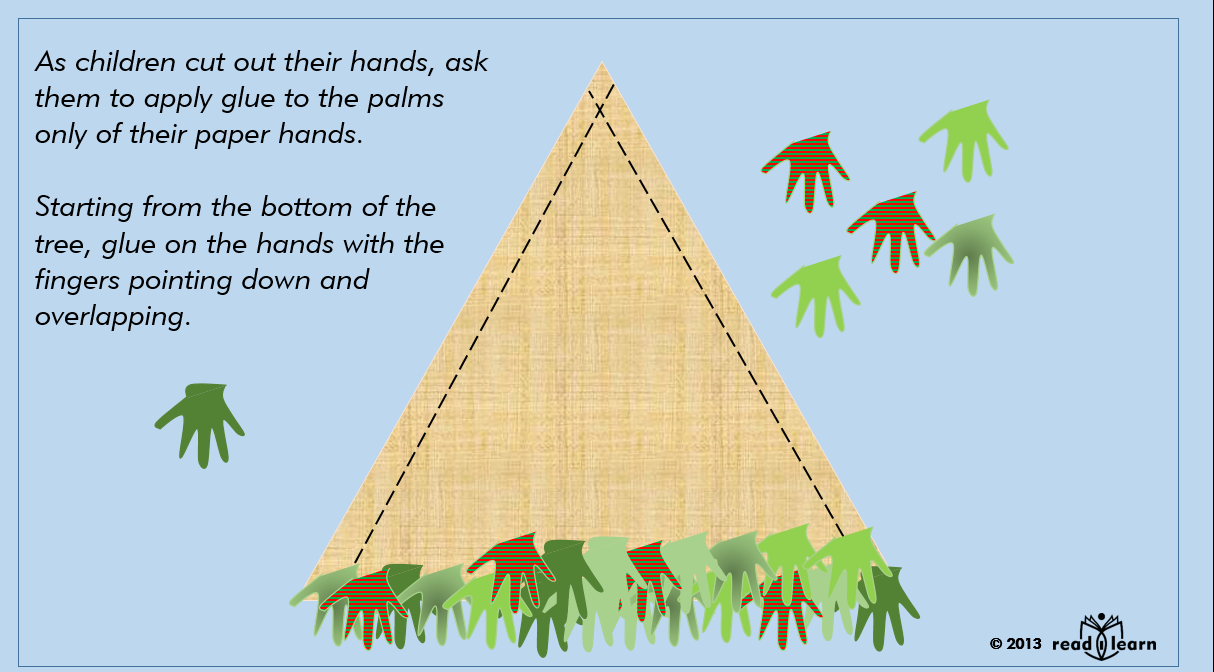
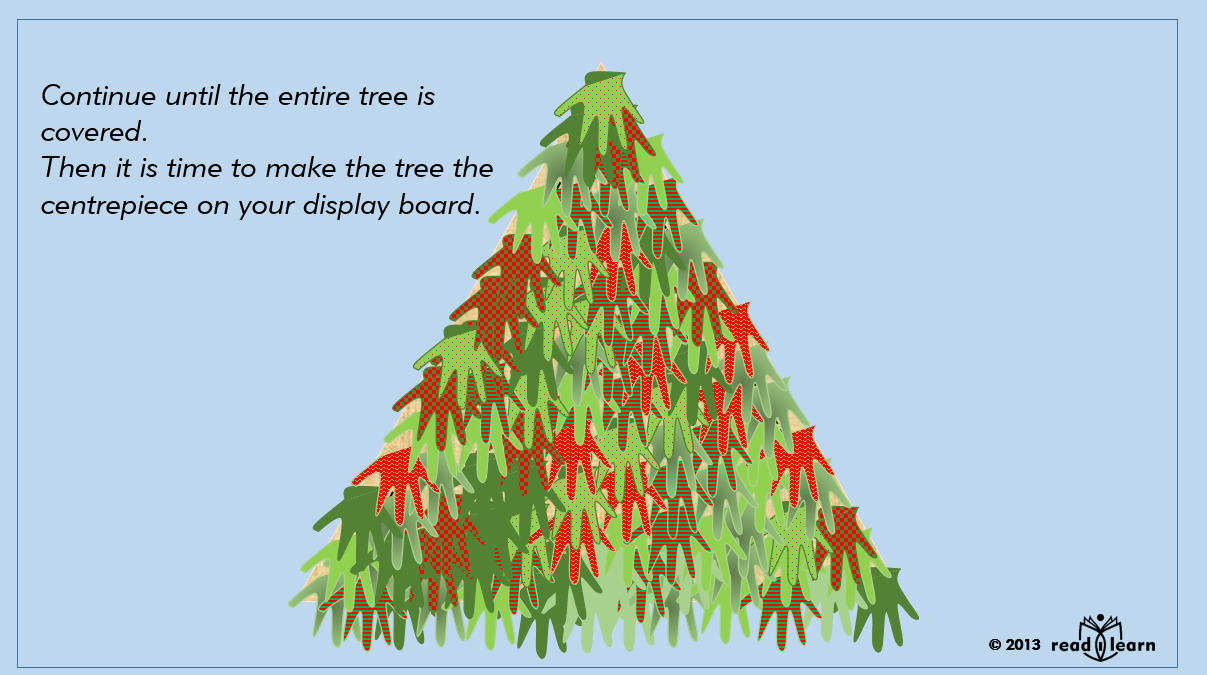
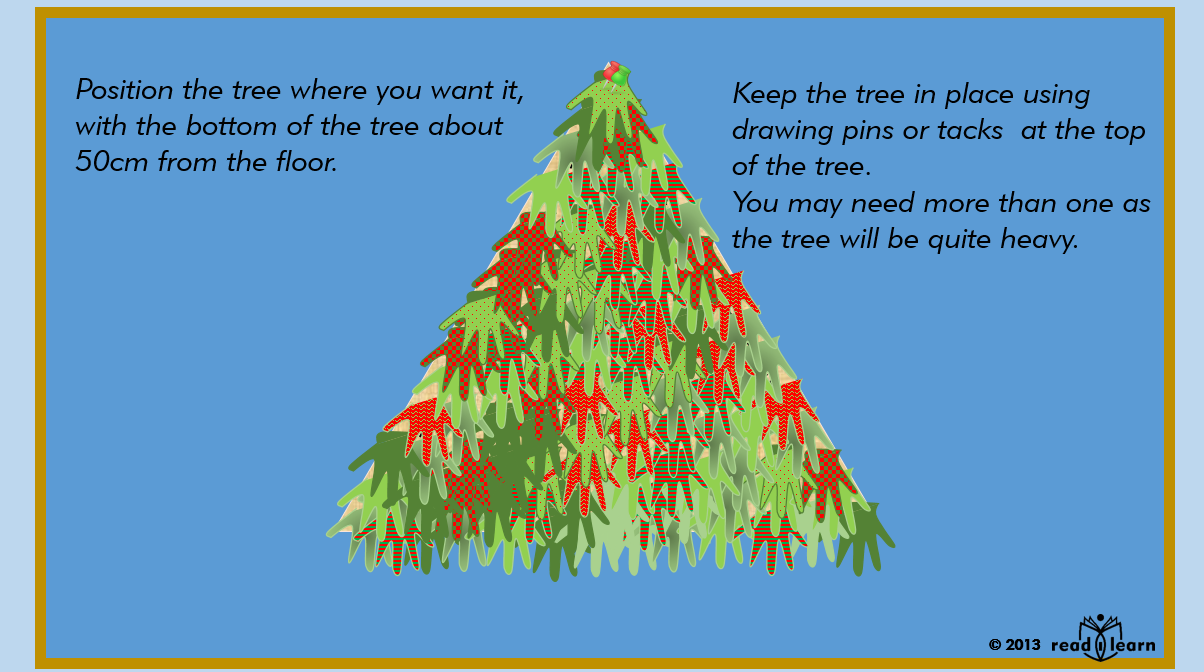
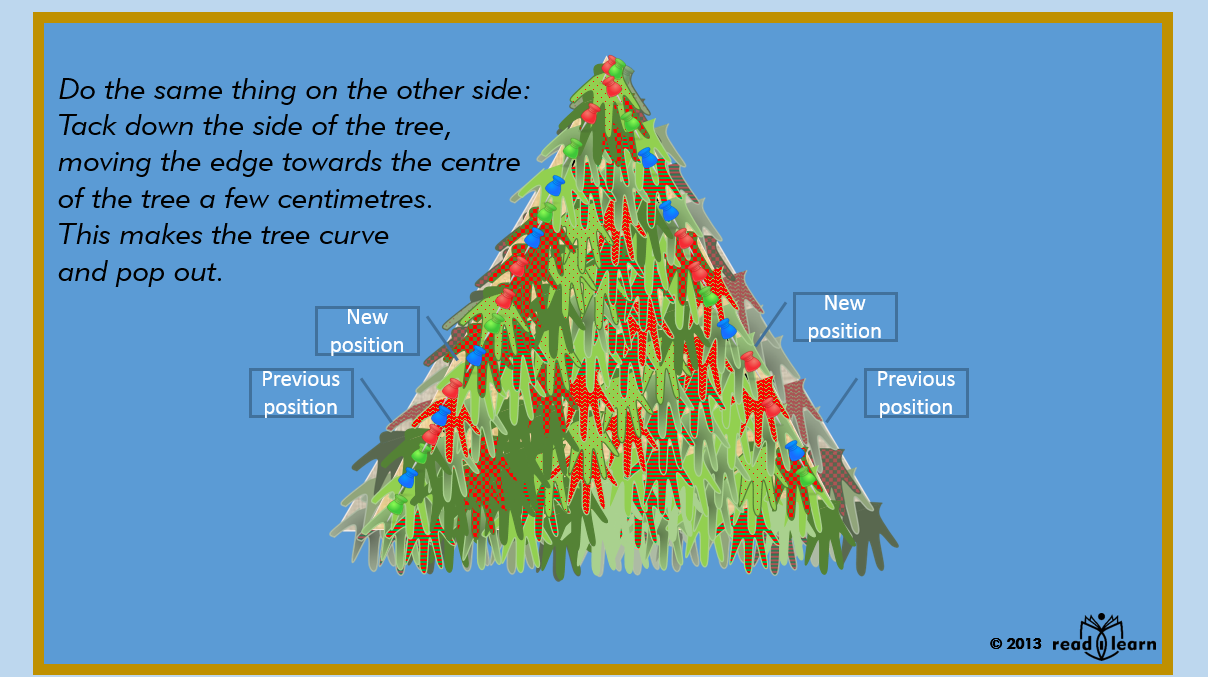
    While I include instructions for making the tree here, they are also available from readilearn.

    slide 2

    slide 3

    slide 4

    slide 5

    slide 6

    slide 7

    slide 8

    slide 9

    slide 10

    slide 11

    What do you think? Do you think Christmas should be celebrated in schools?

    What reasons would you add to my list? What do you disagree with?

    Leave a comment or indicate your thoughts below.

  • SOLE Man

    I love listening to TED talks.

    TED stands for Technology, Entertainment and Design.

    The mission of this organisation is Spreading ideas, a goal dear to my heart.

    I always find the talks fascinating, challenging and inspiring. I feel quite humbled by the fact that there are so many clever, creative and innovative people in the world. However, at the same time, I feel reassured, knowing that our collective future and the future of our planet is in such capable hands.

    Recently I listened to some talks by an educational researcher, Sugata Mitra,  winner of the 2013 TED Prize.

    The TED Prize is awarded to an extraordinary individual with a creative and bold vision to spark global change. . . . the TED Prize supports one wish to inspire the world.

    Mitra’s wish is to build a School in the Cloud, a school where children learn from each other. He introduces the idea of the Self Organized Learning Environment and invites people around the word to help him achieve his wish by downloading a SOLE toolkit to bring these Self Organised Learning Environments to their own communities.

    The toolkit is a step-by-step guide which is designed to “prepare you to ignite the fire of curiosity in kids at home, in school or at after-school programs.”

    A SOLE is basically a small group of children learning together, using the internet to answer questions of interest to them, with minimal teacher intervention.

    There was much in Mitra’s talks that I agreed with, such as

    schools as we know them now, they’re obsolete. I’m not saying they’re broken. It’s quite fashionable to say that the education system’s broken. It’s not broken. It’s wonderfully constructed. It’s just that we don’t need it anymore. It’s outdated.

    “Encouragement seems to be the key.”

    “There is evidence from neuroscience. The reptilian part of our brain, which sits in the center of our brain, when it’s threatened, it shuts down everything else, it shuts down the prefrontal cortex, the parts which learn, it shuts all of that down. Punishment and examinations are seen as threats. We take our children, we make them shut their brains down, and then we say, “Perform.”

    much that intrigued me, such as the grandmother method

    “Stand behind them. Whenever they do anything, you just say, ‘Well, wow, I mean, how did you do that? What’s the next page? Gosh, when I was your age, I could have never done that.’ You know what grannies do.”

    much that inspired me, such as

    “I think what we need to look at is we need to look at learning as the product of educational self-organization. If you allow the educational process to self-organize, then learning emerges. It’s not about making learning happen. It’s about letting it happen. The teacher sets the process in motion and then she stands back in awe and watches as learning happens.”

    and much that I wasn’t sure about, that led me to question, such as, 

    “Could it be that we don’t need to go to school at all? Could it be that, at the point in time when you need to know something, you can find out in two minutes? Could it be — a devastating question, a question that was framed for me by Nicholas Negroponte — could it be that we are heading towards or maybe in a future where knowing is obsolete? But that’s terrible. We are homo sapiens. Knowing, that’s what distinguishes us from the apes. But look at it this way. It took nature 100 million years to make the ape stand up and become Homo sapiens. It took us only 10,000 to make knowing obsolete. What an achievement that is. But we have to integrate that into our own future.”

    As well as listening to TED talks, I also love reading about philosophy, especially the inclusion of the study of philosophy in the school curriculum.

    While following up this philosophical interest, I came across this great blog post by Michelle Sowey, “Can you kill a goat by staring at it? A critical look at minimally invasive education“.

    I couldn’t resist the title, of course, but imagine my delight when I realised that Sowey was critically appraising Mitra’s SOLEs from a philosophical standpoint.

    Sowey saw much to agree with in Mitra’s talks, but for her also, the talks raised many questions.

    These are points of convergence that Sowey saw between  Mitra’s approach and that of philosophical enquiry in the classroom:

    • both are curiosity-driven
    • both involve collaboration of students
    • both seek to engage children’s interest in big questions
    • both support children in exploring ideas and sharing discoveries
    • both offer the prospect of intellectual adventures that spring from children’s sense of wonder and their ability to work together.

    Sowey went on to say:

    “What’s more, Dr Mitra’s proposed curriculum of big questions includes many deeply philosophical ones, such as ‘Can anything be less than zero?’, ‘Will robots be conscious one day?’ and ‘What is altruism?’”

    Then came the BUT:

    Sowey went on to say

    “There are two major points of difference, though, and it’s here that I see cracks in the veneer of minimally invasive education. It differs from collaborative enquiry in that (1) it features the internet as a principal learning medium and (2) it renounces the guidance of qualified teachers or practitioners.”

    Sowey raised concerns including the need to develop in students the ability

    • to assess the credibility of internet sources
    • to challenge faulty arguments
    • to question claims that are dogmatic, propagandistic, biased, pseudoscientific or downright erroneous

    She went on to say:

    “We need to make sure that kids develop thinking and reasoning skills alongside skills in research and information awareness. For this, the support of a competent guide is indispensable, equipping children not only to assess the reliability of different sources but also to evaluate the many arguments they will encounter.”

    I agree wholeheartedly with this.

    She then goes on to say:

    “To dismiss the infrastructure of schooling altogether because of traditional standardisation is to throw the baby out with the bathwater. Surely it makes more sense to repurpose that infrastructure in ways that better nourish children’s curiosity, critical thinking and creative exploration.”

    which makes perfect sense to me also.

    Although I am not a fan of traditional schooling and have made that stance very clear in previous posts, I have expended a lot of energy in trying to establish what I consider to be a better approach. The goal of nourishing “children’s curiosity, critical thinking and creative exploration” was always high on the agenda.

    I encourage you to listen to Mitra’s inspirational talks, and to read Sowey’s compelling article in its entirety.

    Sugata Mitra “Build a school in the cloud

    Sugata Mitra “The child-driven education

    Michelle Sowey “Can you kill a goat by staring at it? A critical look at minimally invasive education

    I will leave you with Sowey’s concluding statement:

    “We need the incisiveness and probing of critical and creative thinking to get deep into the viscera of the facts and anti-facts, the experts and anti-experts. And we need the incisiveness and probing of good teachers to go deep into children’s thought-space: to discover what they’re understanding and what they’re not, yet.”

    What do you think?

    Please share your thoughts.