Giving young children a simple structure or a repetitive pattern to start from gets them thinking about words, how they sound, what they mean, the number of syllables and letters. All the while they are having fun, playing with words and sounds, and learning about language.
Five easy poems to write with children are:
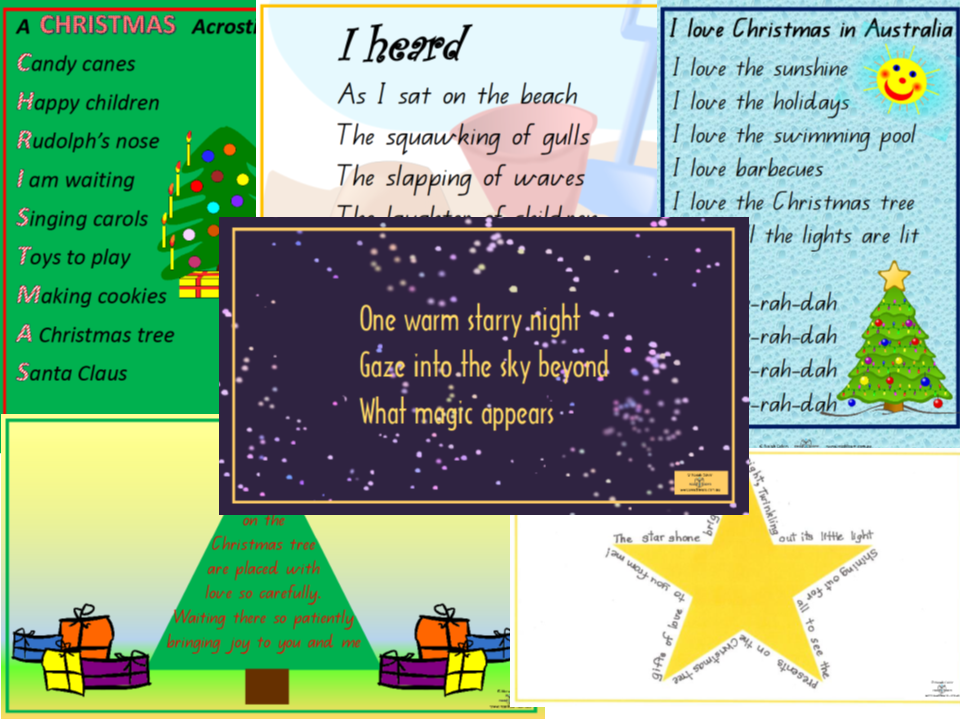
Acrostic poems
Sound poems
Haiku
“I love” poems, and
Shape poems
Acrostic poems are one of the easiest. They don’t need to rhyme or follow a set rhythmic pattern.
A Halloweensie is a not-very-long (100 words or less) story for children.
I’ve been getting plenty of practice writing short stories in response to the flash fiction challenges set by Charli Mills at the Carrot Ranch; and, as my stories often feature children, I thought I’d give Susanna’s challenge a go.
Rules of the contest are:
Write a 100 word Halloween story appropriate for children (title not included in the 100 words, children here defined as 12 and under), using the words spider, ghost, and moon. Your story can be scary, funny or anything in between, poetry or prose, but it will only count for the contest if it includes those 3 words and is 100 words (you can go under, but not over!)
Stories must be submitted before Monday October 31st by 11:59 PM EDT.
There are some very generous prizes for contest winners.
I am submitting mine a little earlier in case some of you don’t know about the contest and would like to join in. There’s still time. There’s also plenty of great Halloweensies to read on Susanna’s post if you have time for some fun reading!
Sorting is a very important skill. We sort things every day without even thinking about it. We sort items in cutlery drawers, sort and arrange dishes in the dishwasher, even our socks and undies. While we might not physically sort them, while we are walking down the street we might sort familiar from the unfamiliar, friends from strangers, and safe from unsafe.
From a very young age, children learn to sort. They can spend a lot of time organising things that go together. By the time they arrive at school most children are able to sort objects according to their properties; such as shape, colour, texture, smell, and size. This prepares them for use of a dichotomous key in identifying natural and manufactured objects.
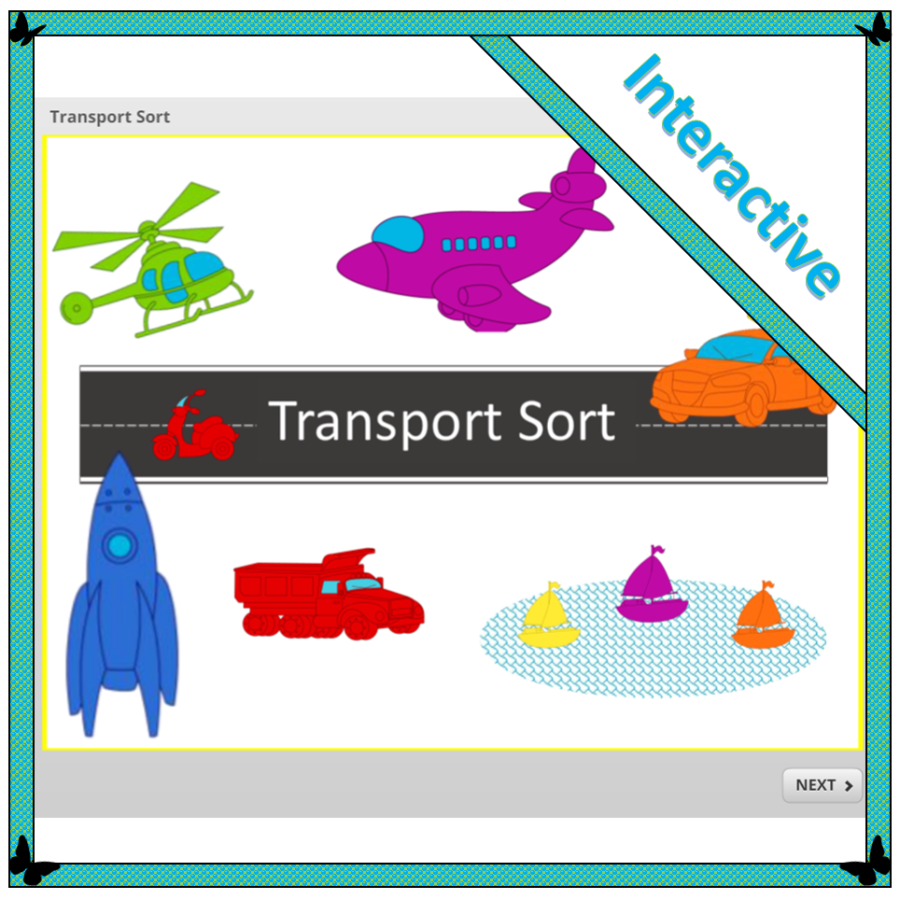
The interactive resource Transport Sort helps children develop sort
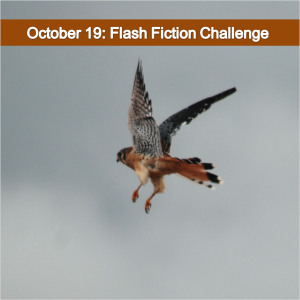
This week at the Carrot RanchCharli Mills expresses her admiration for the raptors that “wheel on currents of air high above the La Verkin Overlook” near her new home in Utah. She marvels in their flight and challenges writers to let their imaginations take wing and soar.
Narelle Oliver’s beautiful picture book Home, which I wrote about in this post, celebrates one of these Australian raptors, the peregrine falcon. The book is based on a true story of a pair of peregrine falcons that nested at the top of a 27-storey building in Brisbane city. The birds, named Frodo and Frieda, fascinated a city and, for a while, had their own reality show “Frodocam”.
As often occurs, my thoughts head off in a different direction when thinking of Charli’s prompt. Rather than the beauty and magnificence of these amazing birds, it was the word “prey” that grabbed me and wouldn’t let go. It pummelled me into submission, like a bully that seeks out the vulnerable when targeting prey.
It is probably a good thing that these dates don’t align, as there is no time that is not a good time to eradicate bullying.
I have previously written about bullying in posts and flash fiction stories, especially those concerning Marnie, about whom I wrote several stories, collected here. Stories about bullying specifically include these:
In this post, I shared information about a rap version of “True Colours” with additional original anti-bullying content written by 12-year-oldMattyB to support his younger sister who is excluded and bullied because of her “symptoms”. Here is the song. Check back to the post for more information.
In this post, I suggested that children who tease, torment and bully are often themselves victims of similar behaviour. They may feel powerless and lack control in their own lives. They are possibly lowest in the pecking order at home, and targeting someone more vulnerable provides an opportunity to find a sense of power; for a while at least.
One of the most effective ways of reducing the incidence of bullying is through the development of social-emotional skills; including helping children develop
self-esteem
confidence
resilience
friendship skills and
empathy;
in an environment in which they feel welcome, valued, and supported.
We need to model the behaviour we want children to develop, provide them with alternatives to inappropriate behaviour, and teach them how to respond when the behaviour of others upsets them.
It is also important to teach children to recognise bullying and to seek help if they see it occurring. Observing and doing nothing is a way of condoning the behaviour, and the bullying may escalate if an audience gathers. Ignoring bullying in a way also condones it. It is important to take action to prevent or stop it.
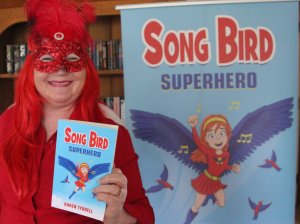
Karen Tyrrell, “an award winning Brisbane resilience author who empowers you and your children to live strong”, has written books for both adults and children about bullying. Having been on the receiving end of bullying herself, Karen understands what it is like to be targeted.
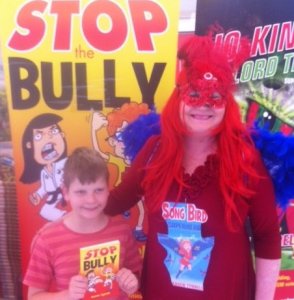
Karen’s books STOP the Bully, for 9 to 12-year-olds and Song Bird for children of 7+ years, both explore issues related to bullying.
Karen told me that “The little boy in the photo read STOP the Bully 6 months earlier after my first book shop visit. Then found me again 6 months later to say thank you when Song Bird came out.”
If you are looking for resources to initiate the discussion about bullying, Karen’s are a good place to start. You may also like to access the free teacher resources and free kids activities Karen has available on her website.
With apologies to the magnificent birds, I offer my response about a child in need of understanding, and of learning friendship skills such as getting along, caring for others, and empathy.
Prey time
Children chattered like birdsong – not a ruffled feather in sight. If only all playtimes were as peaceful. Sudden realisation. She scanned the children. Anxiety stirred.
“Has anyone seen Zane?”
Thomas pointed to a distant figure flitting and swooping, arms outstretched.
“Zane!”
She couldn’t leave him there. Could she?
“I’ll get him, Miss.”
As Thomas approached, Zane screeched and rushed towards him. Thomas fled, missed his footing, and fell. Zane, still screeching, pounced, pinning him down.
“Zane! Let him go!”
“I’m a raptor. He’s my prey.”
Thomas cried. “I’m not playing.”
If he was, it would be more fun.
Thank you for reading. I appreciate your feedback. Please share your thoughts.
The author in the spotlight this month is the wonderful Lauri Fortino, author of The Peddler’s Bed, illustrated by Bong Redila, published by Ripple Grove Press.
Please pop over to the readilearn blog to read all about Lauri’s writing process and her delightful picture book.
I grew up near the beach (but sadly not the one pictured) and my siblings and I would spend many long hours playing on the cliffs, climbing the trees, and splashing in the water. Sometimes we’d even lie on the sand and sunbake. Most of us are paying for it now as our fair skin, even with sunscreen, or without as it was then, was not designed for the hot Queensland sun.
One of the nicest things to do was to stand at the water’s edge as the waves receded, and feel the sand withdraw from beneath my feet, leaving me standing in hollows. If I stood there through successive comings and goings of waves, I could end up standing in quite large holes. The meditative effect was calming and reassuring, placing me firmly in nature.
Of course, the beach is not the only place that sand can be found. There are the hot red sands of Central Australia; and of Utah, where Charli Mills has recently relocated.
There are the cruel sands of time that flow too fast and can’t be upturned for a do-over.
But these sands are not the focus of my post. I am thinking of the sandpits, or sandboxes, common to playgrounds for young children in early learning centres, schools, and parks. I would probably not be taking much of a risk if I were to suggest that most of you played in a sandpit when you were young. Maybe you were involved in an accident of some sort: getting sand in your eye or hit by a spade, possibly fighting over a toy.
There are many friendship lessons to be learned when playing in the sandpit, even if playing alongside, rather than with, others:
Play nicely
Share
Take turns
Cooperate
Sand stays in the sandpit: it’s for digging, filling, building, and sifting; but not throwing.
Sandpits are generally popular during lunch breaks at school, particularly if suitable toys and implements are available. I have seen groups of children spend successive lunch times building roads, cities, and rivers; working together constructively in ways we only dream of in our artificially designed group-work activities. The fluidity of the group ensures that fresh ideas are always available; and sees some suggestions implemented, and others discarded.
But the sandpit is not just for playtime and recess. Utilising it during class time provides a welcome break from the indoors. There is nothing like a bit of physical activity in the fresh air to awaken the brain cells and stimulate thinking. While opportunities for free play may offer the best of learning experiences for children, I’m providing a few suggestions in case justification of something more academic is ever required.
Introduce each sandpit session with some tactile experiences. It cannot be taken for granted that all children have experienced sand play and may be unfamiliar with how it feels underfoot, to walk on, or hold in their hands. Also, having a bit of play in the beginning will help the children concentrate as the lesson progresses.
It is also a good idea to set some rules for sand play. Ask the children, they probably know best.
Experiencing sand
Have everyone remove their shoes and socks and stand in the sand, then ask them to (for example):
twist on the spot, feeling their feet dig into the sand
wriggle their toes, feeling the sand squish between them
stamp their feet, noticing the difference from concrete, or grass
sit at the edge, stretch out their legs, and push their feet under the sand, then slowly lift them up, letting the sand slowly fall off
pick up handfuls of sand and then let it slowly fall through their fingers
pick up handfuls of sand, bring their hands together, then rub them together as they watch the sand slowly fall
Counting
Have children sit around the edge and count the number of children (in ones), feet and hands (in twos), fingers and toes (in fives, and the tens)
Pouring andmeasuring volume
Ask children to estimate and measure; for example:
How many of these containers does it take to fill that one?
How many of these containers can I fill from that one?
Which container holds more?
Digging for buried treasure
Hide items in the sandpit for children to find. They may need to find a certain number, follow clues, or understand a grid. It could even be set up like a battleship game with children hiding and guessing the placement of toys in the sand.
Measuring length
Have children use arbitrary units to measure the width or length of the sandpit; for example: using feet, hands, blocks, containers.
Recognising shapes
Have children look for shapes in the construction of the sandpit and other playground equipment. Have them draw shapes in the sand.
Creating artworks
Have children draw a picture or pattern with glue on a heavy piece of card then sprinkle with sand. Mix in some powder paint to add colour.
Of course, there is nothing better than giving them time to play and conduct their own learning: talking, negotiating, planning, and problem solving. Although I wouldn’t go so far as to say that everything one needs to learn could be learned in a sandpit, it’s probably not too far from the truth.
According to Lessons from the Sandbox written by Patricia Leigh Brown and published in the New York Times in 1989, the book was almost an accident. I could carry the link a little further and suggest perhaps, an accident occurring in the sandpit. The story of its publication and success should give a writer heart. We can never predict how a story will develop, let alone end.
The sun shone. A gentle breeze kissed the children’s cheeks, cooling them, as they shared the bucket and spade to build castles and dig moats. She gathered shells and seaweed for decoration. He filled the moat. Parents smiled, satisfied.
Suddenly, he jumped onto the castle, gleefully twisting from side to side. She protested; she’d not finished. He laughed. She cast aside the last of her ornaments and stomped away. He shrugged.
Remorseful, he went after her, “Wait. I’m sorry. Let’s build it again.”
“Really?”
“But make it bigger this time.”
Hand in hand they raced back to start again.
Thank you for reading. I appreciate your feedback. Please share your thoughts.
The latest post from readilearn explains resources for a new board game to play at Halloween.
The game is great for literacy and maths groups, to play with buddies or in family groups. It links literacy, maths and physical activity. Players collect treats and perform actions as they move
I am not a dog person. In fact, I am not a pet person at all. The only pets I ever owned were short-lived: goldfish, fighting fish, hermit crabs, and billabong bugs. I was successful at keeping caterpillars in the classroom and observing them grow, pupate, and emerge as butterflies. But they couldn’t really be classed as pets. I’ve written about this before here.
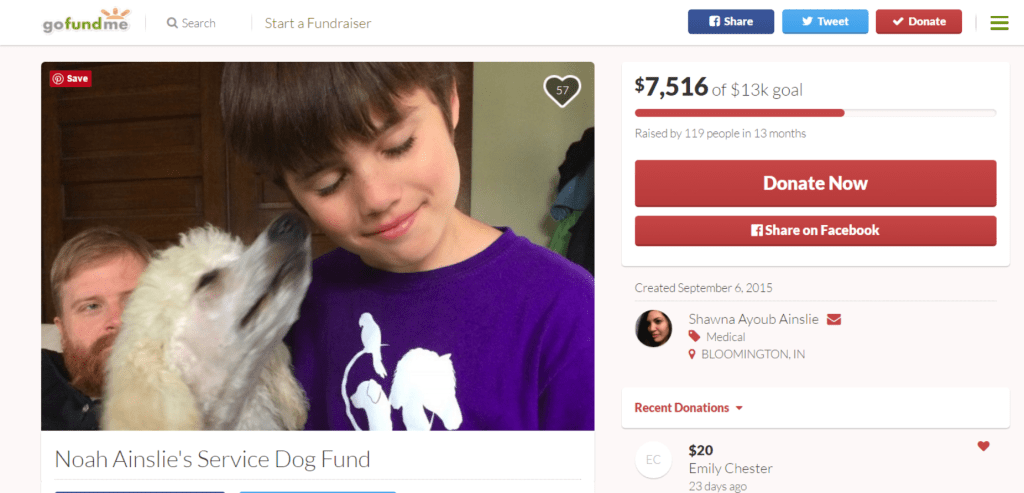
I know all the theories about pet ownership; especially for helping children develop a sense of responsibility and care for others. I know about the contribution of pets to the physical and psychological health of their owners of all ages through the companionship and unconditional love they offer. I am touched by the heart warming story of Noah Ainslie, a little boy suffering from autism, and the difference his service dog Appa has made to his life, and the lives of his family. Please help if you can.
It would not be unrealistic, with my focus on nurturing young children, to expect that I would be a pet owner. However, I’ve never been inclined to make the commitment required
My parents were both country people who moved to suburbia to raise their large family. There were never any pets. They said that dogs didn’t belong in towns. The dogs they were used to were working dogs, never pets. I guess there were enough mouths to feed without adding pets to the mix as well.
Unlike for some, lack of a pet as a child did not induce me to want one on reaching adulthood. Consequently, my children also missed out. Daughter had some mice, rats, and a guinea pig at various times; but nothing to compare to a “real” pet, like a cat or a dog. As soon as she moved into a house that allowed pets, she and partner went out and got themselves a dog.
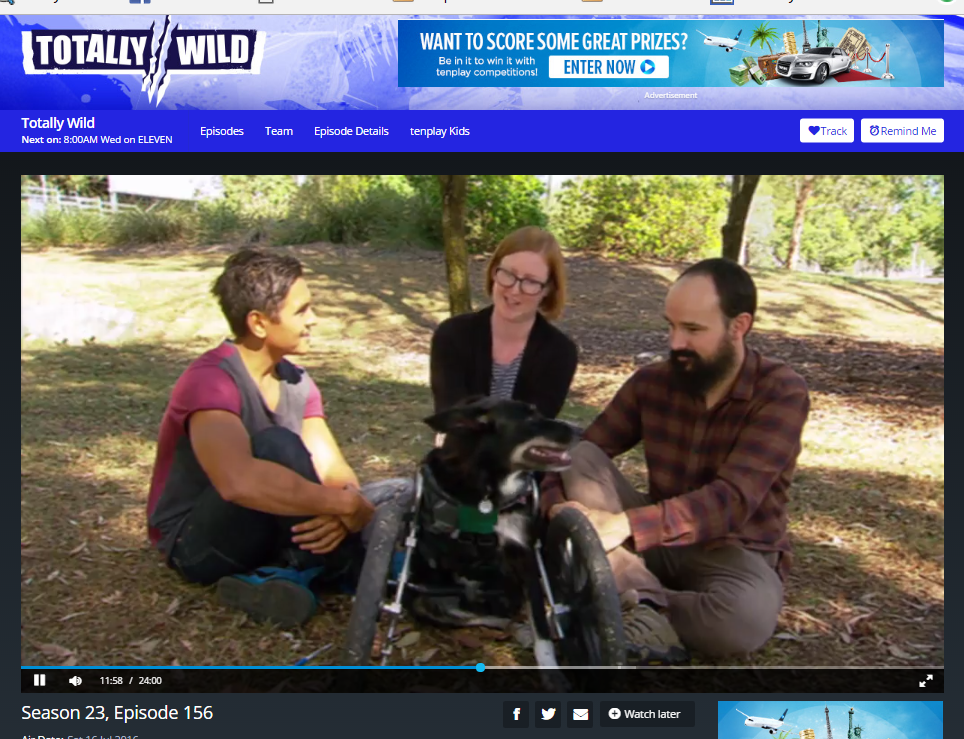
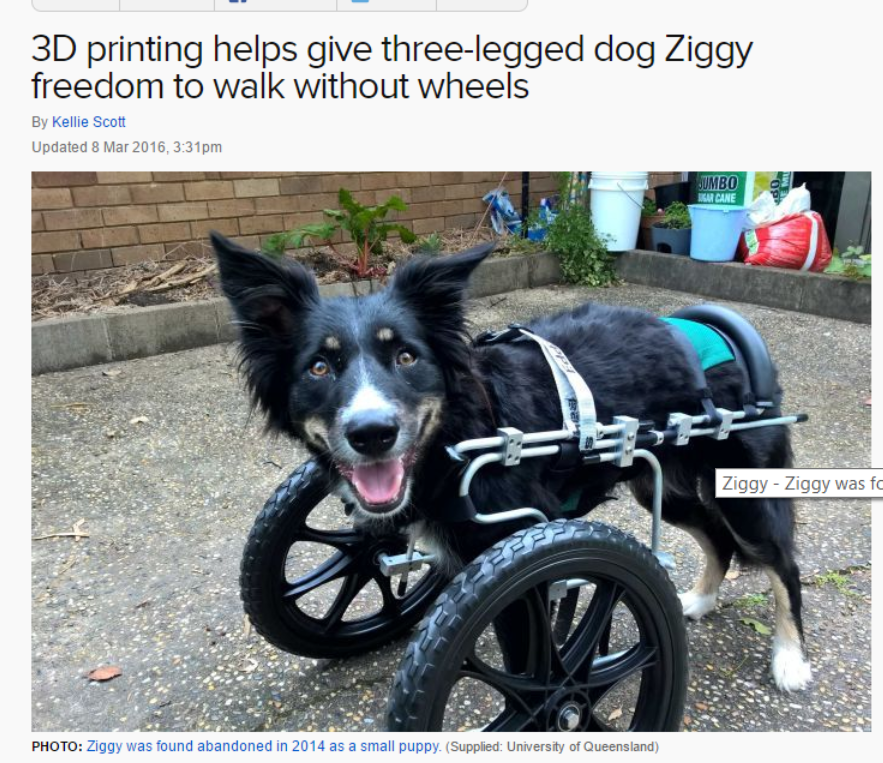
I must say, Ziggy is a gorgeous dog with a happy, friendly, easy-going nature. If I was going to have a dog, he’d be it. I’m beginning to get an inkling of the relationship between humans and their animal friends. There is definitely something very special about it. However, I’m still not interested in forming an attachment of my own.
Ziggy is a very special dog with very special owners. You can get to know the three of them in this video. (Watch from 11:.24 – 15:20.)
Unfortunately the video may not play for those residing outside Australia. Thanks to Anne Goodwin for alerting me to the fact.
Ziggy’s innovative surgery put him in the spotlight for a little while. His story was also featured on the Tripawds blog
The importance and depth of the human-pet relationship was reinforced for me this week when Charli Mills of the Carrot Ranch reported that her big brown canine friend Grenny was gone.
Charli was devastated by his unexpected passing and shared stories of his special abilities and the ways in which he added to their lives. Her post is a wonderful tribute to Grenny’s life and his contribution to theirs. Charli asked writers to share stories about big brown dogs this week.
Well, Charli knows that dogs aren’t my cup of tea. She also understands that, with no personal experience on which to draw, I feel inadequate to respond appropriately to her situation, other than offer my heartfelt sympathies. As for writing, I could come up with nothing other than nonsense which I don’t consider at all appropriate. Other writers have written beautiful brown dog stories for Charli.
Please follow the link to read Charli’s post, the lovely comments, and the beautiful stories.
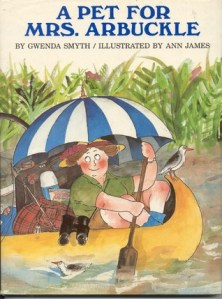
Instead of a flash, I’ll leave you with a few picture books about pets you might like to read:
Lifetimes by Bryan Mellonie is a beautiful book for explaining death to children. It’s great to read at any time to help children understand that every living thing has its own lifetime. It is also great to read when the death of a pet is imminent or occurs. Understanding that death is a part of life, helps with the grieving process.
Thank you for reading. I appreciate your feedback. Please share your thoughts.
Next Tuesday 11 October is International Day of the Girl Child. It is a day for recognising the need to empower all girls, for it “is good not only for girls, but also for families, communities and society at large”.
This post honours International Day of the Girl Child on 11 October. The day was established to “to recognize girls’ rights and the unique challenges girls face around the world.” The empowerment of girls is seen as “fundamental to breaking the intergenerational transmission of poverty, violence, exclusion and discrimination and to achieving equitable and sustainable development outcomes.”
This year theme is Girls’ Progress = Goals’ Progress: A Global Girl Data Movement.“While …recognize how girls’ progress is good not only for girls, but also for families, communities and society at large, we must also take this opportunity to consider how existing gaps in data on girls and young women, lack of systematic analysis, and limited use of existing data significantly constrain our ability to monitor and communicate the wellbeing and progress of nearly half of humanity.”
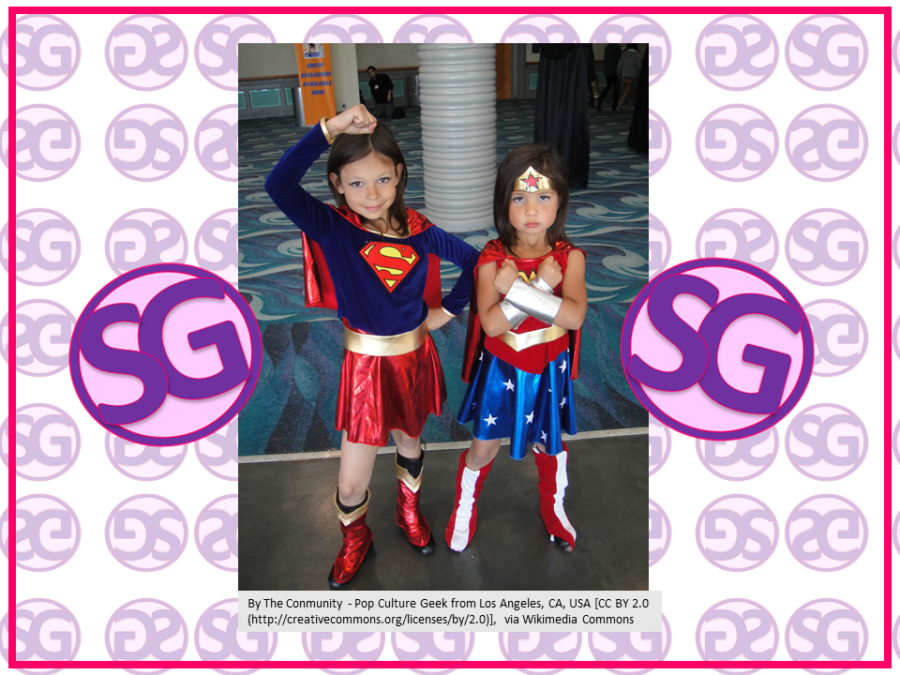
While recognising the gravity of situations faced by girls around the world, the focus of this post pales, but is significant nonetheless. Sometimes the changes we need to make start at home. Empowering our girls will enable them to empower others.
I recently listened to a TED talk Bring on the female superheroes by Christopher Bell, a media studies scholar and father to a 9-year-old daughter obsessed with Star Wars. If you have any concerns about gender stereotyping and gender equality, particularly with regards to toys and merchandising, have a listen. In less than the 16 minutes to view the video, Bell packs a powerful punch and takes a swipe at media corporations and merchandising for girls.
On the readilearn blog this week there are 20 quick suggestions for teaching and learning about space in an early childhood classroom, as well as a bookmark that can be printed and given as a gift to a special teacher.
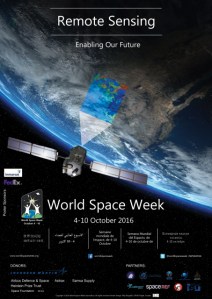
Since its inauguration in 1999, World Space Week has been celebrated each year from 4 to 10 October. Its purpose is to celebrate the “contributions of space science and technology to the betterment of the human condition”. The dates were chosen to commemorate the launch of Sputnik 1 on 4 October 1957 and the Outer Space Treaty signed on 10 October 1967.
This year’s theme is “Remote Sensing: Enabling Our Future” which focuses on the contribution of observations from space to our knowledge of the world, including our ability to
monitor changes in the environment, and
understand and predict weather patterns,
which in turn assists planning for agriculture and helps to prepare for weather events.
World Space Week has a free downloadable Teacher Activity Guide for classes from K – 12. While many of the activities are more suited to older students, there are some that can be adapted for the early grades.
There are no particular requirements for participation. You choose how to involve yourself and your students. Or, better still, introduce the topic to the children and see where their questions and suggestions lead. Contemplating the skies and what lies beyond has excited imaginations since the beginning of human time. Why not give your children the opportunity to wonder, imagine, and create?
If you have neither the flexibility nor the time to explore “space’ in depth, here are a few suggestions for incorporating learning about space in your busy program:
Cover a large display board or wall with dark blue paper. (Each child could paint a piece of A3 paper to contribute to the background.) Add the children’s wonderings, questions, ideas, suggestions, pictures, and writing to the display.
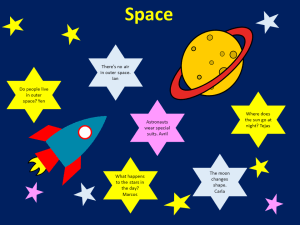
Ask children what they wonder about space, and record their wonderings. Many of their wonderings will match those of philosophers and scientists throughout history; for example, “Yen wonders if people live in outer space. Jan wonders what Earth looks like from space. Margot wonders how long it would take to get to the sun.” This is not a time for answers. It is a time for questions. If children are writers, you could supply them with (star-shaped) sticky notes on which to write their wonderings, one per note. Display the wonderings.
Record what children want to know about space. This is also a time for questions, and not for answers. There will be time for answers later. It is important for children to know that their questions are both valid and valued; for example, “Marcos wants to know what happens to the stars during the day. Tejas wants to know where the sun goes at night.”
Record what children already know, or think they know, about space, space exploration,

 I love to write poems. Children do too.

















 Norah Colvin