Live Love Laugh Learn … Create the possibilities

Tag: lower primary

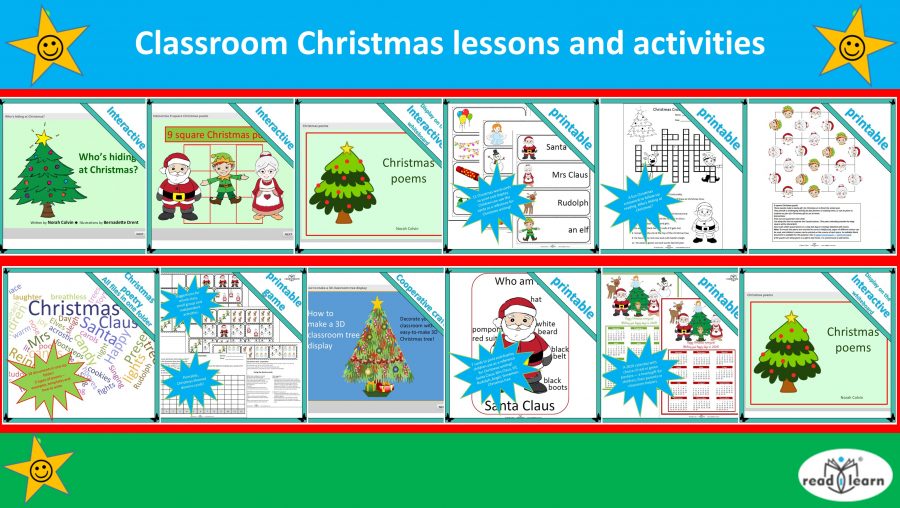
  • Classroom Christmas lessons and activities – reblogged from readilearn

    Classroom Christmas lessons and activities – reblogged from readilearn

    It’s almost Christmas again and here in Australia we’re on the countdown to the end of the school year and our long summer holidays. Whether you’ll be enjoying a long break or a shorter break over the festive season, here at readilearn we’ve got many ready-to-teach lessons and activities to support your teaching in the lead-up to Christmas.

    Get an early start with these lessons and activities

    You will get most benefit from some activities if you begin them a few weeks before the finish of term.

    Friendship Trees, one of readilearn’s most popular Christmas activities is best begun three to four weeks before school closes for Christmas. Children make their own friendship trees which are then placed on display in the classroom.

    Each day children write anonymous messages of affirmation or friendship to each other and place them in the trees. At the end of term, children take their trees home and read the positive messages contained within.

    The trees help to develop self-esteem, confidence and friendship skills and are perfect for those last few weeks when temperatures soar and children can become edgy with excitement for the holidays.
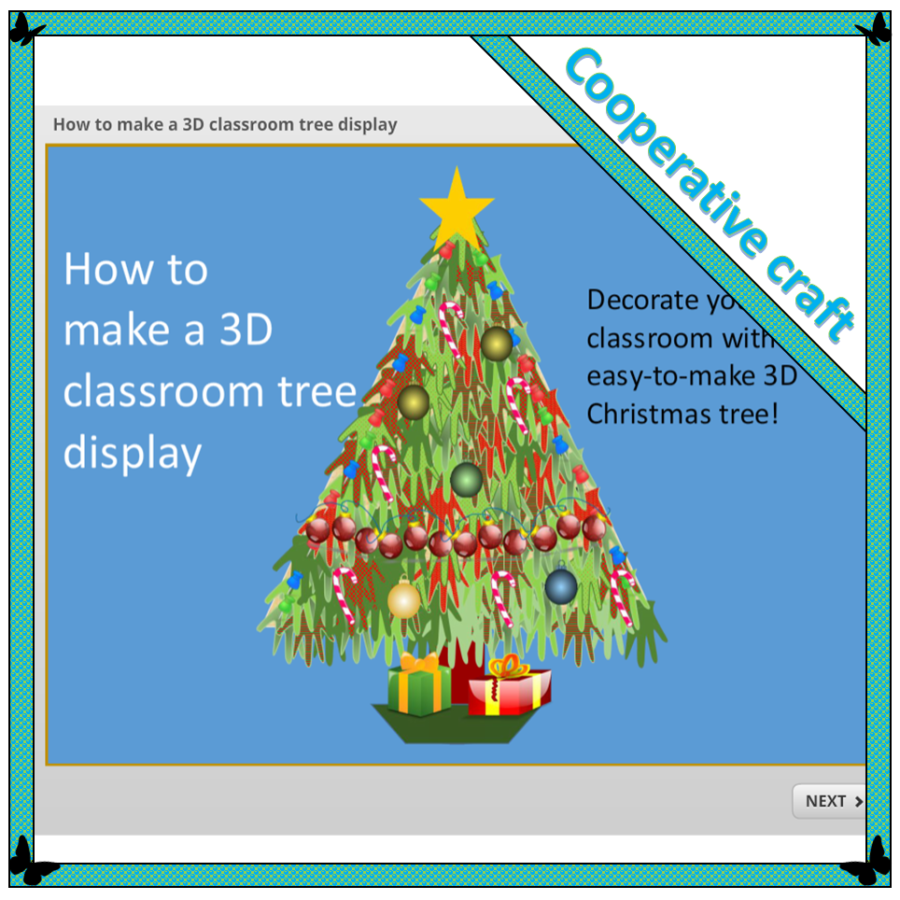
    A 3D Christmas tree makes a beautiful focal point of the classroom Christmas display. Children cooperatively construct the tree by contributing leaves made by tracing or printing their hands. It is a visible recognition of the value of teamwork and will be admired (and envied) by many. It makes a beautiful background for photographs of individual children to be given as gifts to parents or other loved ones.

    Continue reading: Classroom Christmas lessons and activities – readilearn

  • Teaching and learning with nursery rhymes – reblogged from readilearn

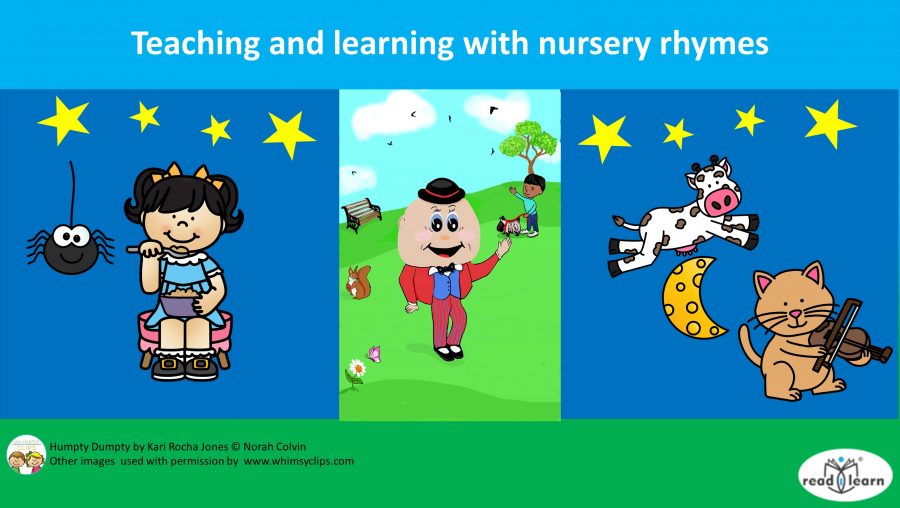
    Teaching and learning with nursery rhymes – reblogged from readilearn

    Nursery rhymes are often a child’s first introduction to our literary heritage. Parents sing nursery rhyme lullabies to soothe their babies to sleep and play nursery rhyme games to entertain them in their waking hours. All the while, children are learning the rhythms and tones of our language, developing vocabulary, ideas and imagination. When children learn the repetitive patterns of nursery rhymes, they are also developing their memories.

    Australian author Mem Fox is often quoted as saying that

    “Experts in literacy and child development have discovered that if children know eight nursery rhymes by heart by the time they’re four years old, they’re usually among the best readers by the time they’re eight.”

    While I am aware that others question the existence of research to back up that statement, I think most teachers would agree that children who have been spoken to, sung to (including nursery rhymes) and read to before school will find literacy learning much easier in our classrooms. Success with literacy learning often correlates with success later in life.

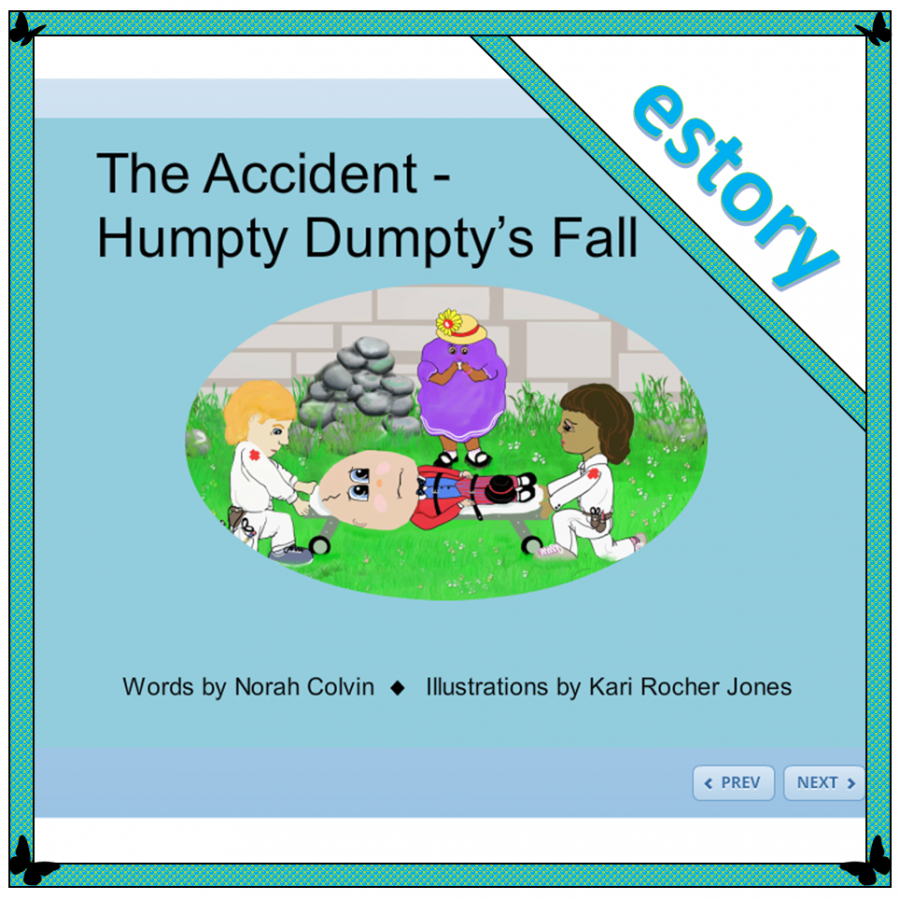
    Already on the readilearn website, there are resources to support your literacy teaching using the nursery rhymes Humpty Dumpty and Little Miss Muffet. More are in development. While some nursery rhymes may be considered to have questionable origins, those origins have no place when teaching them to children. The benefits flow from having fun with the rhythms and rhymes of language.

    Teaching literacy skills & developing creative thinking with Humpty Dumpty

    The Humpty Dumpty suite of resources includes:

    Continue reading: Teaching and learning with nursery rhymes – readilearn

  • Learning with Halloween fun – readilearn

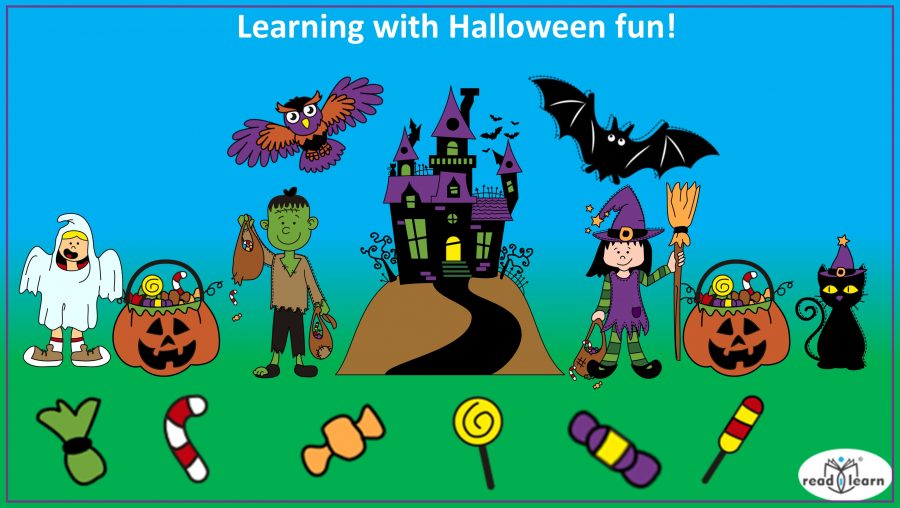
    Learning with Halloween fun – readilearn

    Halloween is just around the corner and many of us wonder how we can have fun with a Halloween theme while ensuring learning is not forgotten in repetitious and meaningless worksheets.

    readilearn teaching resources support teachers in keeping the learning alive while the children are having fun with Halloween-themed lessons.

    trick or treat printable game for Halloween

    The printable Trick or Treat Game for Halloween is a fun board game for two or more players of all ages, suitable for use in maths and literacy groups, with buddies or in family groups. It combines reading, mathematics, activity, and loads of fun and laughter.

    Everything required to play the game is included in the zip folder. All you’ll need to add is a dice and a sense of fun. There are treats to collect and instructions to follow. Try not to be scared by those witches and ghosts and, most of all, look out for your friends.

    The kit also includes additional ideas for lessons in maths and writing.

    Each of the game components are also available individually to use in other ways if you wish.

    Continue reading: Learning with Halloween fun – readilearn

  • Swim a Rainbow with Kim Michelle Toft – readilearn

    Swim a Rainbow with Kim Michelle Toft – readilearn

    Kim Michelle Toft is the author and illustrator of a collection of beautiful environmentally-themed picture books focussing on the conservation of marine environments. I have previously introduced you to Michelle when we spoke about her books The Underwater Twelve Days of Christmas and Coral Sea Dreaming.

    Kim illustrates all her books with unique and beautiful silk paintings. You can view Kim’s painting process in videos that show 40 hours of work in two minutes on her website here.

    In this post, to coincide with a special giveaway, we discuss her beautiful book I Can Swim a Rainbow.

    About I Can Swim a Rainbow

    I Can Swim a Rainbow adapts the lyrics of Arthur Hamilton’s song I Can Sing a Rainbow, with which most young children are familiar, to the colours of the ocean and its inhabitants. As are all Kim’s books, it is illustrated with her magnificent and unique silk paintings which highlight the beauty of the ocean’s colours. As always, the environmental message of this book is as strong as its pages are beautiful as it calls us to protect the world’s fragile reef environments.

    Continue reading to find out more about Kim’s beautiful book and a special giveaway until 18 October: Swim a Rainbow with Kim Michelle Toft – readilearn

  • Developing Number Concepts with Lessons Ready to Teach – readilearn

    Developing Number Concepts with Lessons Ready to Teach – readilearn

    Ensuring children have a firm understanding of number concepts is important before moving them on to working with larger numbers and more abstract concepts. A strong foundation makes for greater confidence when working with numbers of any size.

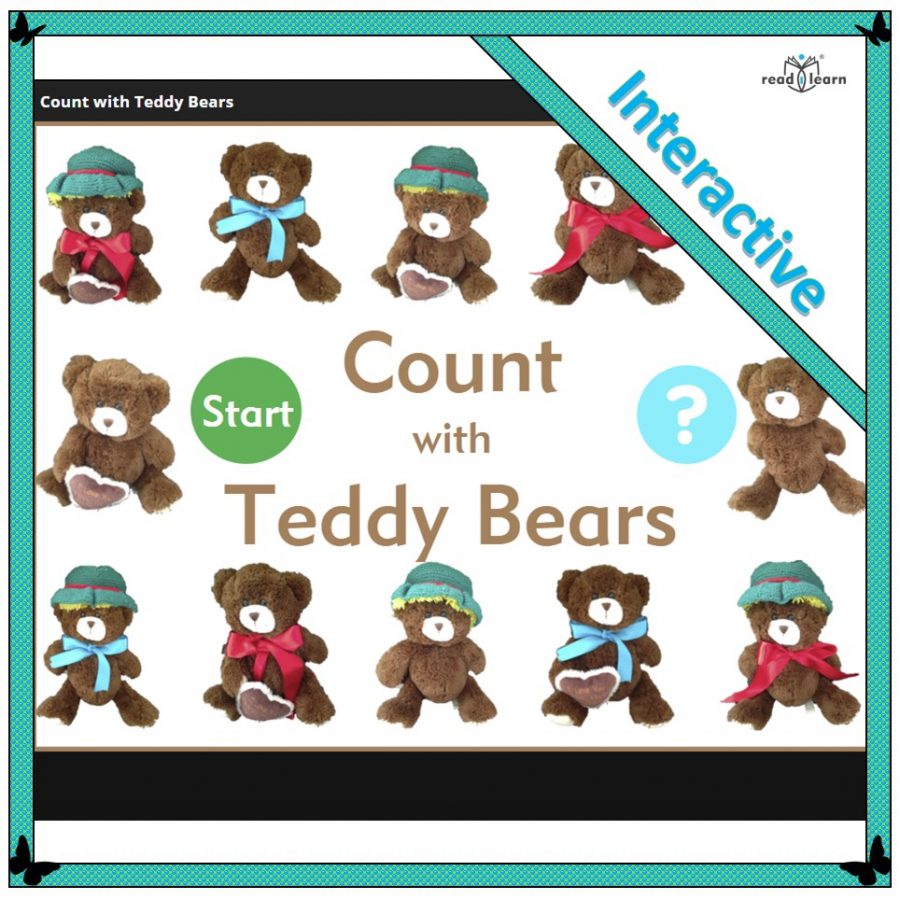
    To support your teaching of early number concepts, I have produced a new interactive resource, Count with Teddy Bears, with lessons ready for you to teach on the interactive whiteboard. The resource extends the range for teaching understanding of number already available from readilearn.

    The lessons in Count with Teddy Bears provide opportunities for teacher explanations, teacher-student discussions, and student demonstration of understanding.

    Interactive lessons are engaging for students, and with the children focused on the lesson, the teacher can identify areas of misunderstanding that require further teaching as well as concepts about which the children are already confident.

    About Count with Teddy Bears

    Count with Teddy Bears incorporates five separate sections with teaching in five main concept areas:

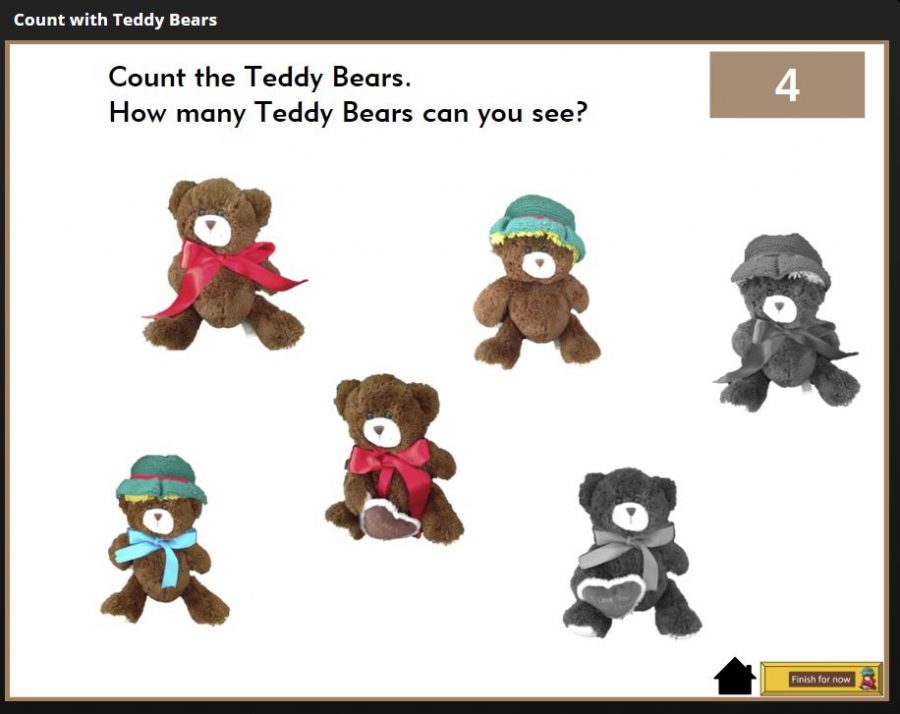
    Count Teddy Bears — Counting in ones from 1–12.

    Children click on each Teddy to count. As it is clicked, the Teddy is coloured, and one is added to the total.

    Teddy’s Cupcakes — One-to-one matching up to 10.

    Continue reading: Developing Number Concepts with Lessons Ready to Teach – readilearn

  • Wishing you a Happy Easter Holiday – readilearn

    Wishing you a Happy Easter Holiday – readilearn

    Wishing you a Happy Easter Holiday!

    It’s Easter time again and I wish you and your loved ones a very happy holiday, however you celebrate it.

    I’ve been brought down by the flu and haven’t uploaded as many new resources for you as I’d hoped. However, there are many Easter-themed resources already available on readilearn and, now that you can purchase them individually, access is even easier.

    Previous posts provide many suggestions to keep the learning in fun Easter lessons and activities, including:

    Learning literacy and mathematics with Easter classroom activities

    Easter holiday wishes (2017)

    Delivery – just in time for Easter

    Favourite Easter-themed lessons

    interactive mathematics lessons for the first three years of school

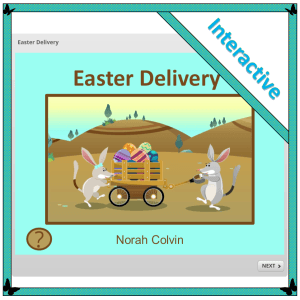
    One of my favourite lessons is Easter Delivery: a fun story I wrote and produced as an interactive lesson to support the development of mathematical understanding of number combinations to ten.

    This video tells you about it.

    Continue reading: Wishing you a Happy Easter Holiday – readilearn

  • Why Kindergartners Must Learn Technology – readilearn

    Why Kindergartners Must Learn Technology – readilearn

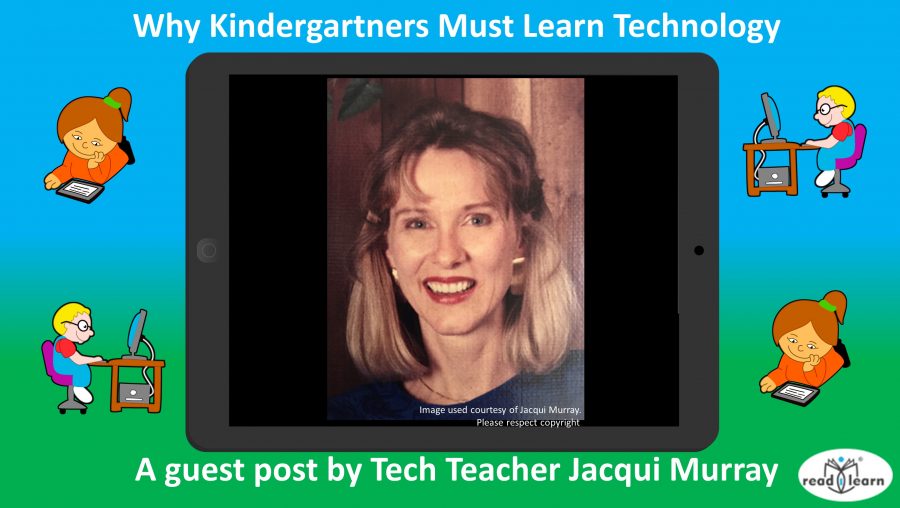
    Today I am delighted to introduce you to Jacqui Murray, the Tech Teacher, who is able to answer all your questions about using technology in schools.

    Jacqui’s blog Ask a Tech Teacher is very informative. It is packed with helpful advice for both teachers and parents on children’s use of technology and the suitability of tools and software for use in different situations and with different age groups, especially in the classroom. If I need to know anything about technology, Jacqui’s blog is an excellent resource.

    As Jacqui is often asked questions about teaching Kindergartners to Tech, a topic that is dear to her, this is the topic of discussion in this post. Please feel free to ask Jacqui any additional questions you may have in the comment section at the end!

    Note: Jacqui is based in the US and the kindergarteners she refers to are 5-to-6-year-olds.

     Welcome to readilearn, Jacqui. Over to you.

    When I started teaching technology almost twenty years ago, I taught K-8, three classes in each grade every week. I was buried under lesson plans, grades, and parent meetings. I remember suggesting to my principal that he ease my schedule by eliminating tech for kindergartners. They wouldn’t miss anything if I started them in first or second grade.

    And back then, that was true.

    Even a decade ago, technology was an extra class in student schedules where now, it is a life skill. Today, my teacher colleagues tell me kids arrive at school already comfortable in the use of iPads and smartphones, doing movements like swipe, squeeze, and flick better than most adults. Many teachers, even administrators, use that as the reason why technology training isn’t needed for them, arguing, “They’re digital natives.”

    Continue reading: Why Kindergartners Must Learn Technology – Readilearn

  • Christmas classroom activities that focus on learning – Readilearn

    Christmas classroom activities that focus on learning – Readilearn

    As Christmas draws near, keeping children focussed on their lessons can be a challenge for teachers. But it’s not impossible. It is not necessary to fill every moment with Christmas themed activities, but a few interspersed throughout the day can be motivating and lift everyone’s spirits. Activities that promote children’s learning should always take precedence over time fillers.

    To assist teachers keep the focus on learning while children would rather be thinking of Christmas and holidays, I have prepared a range of lessons and suggestions for use in different subject areas. Many of the lessons and suggestions integrate learning across curriculum areas. All readilearn Christmas themed activities can be found under the Cultural Studies tab in the subcategory Christmas.

    Focus on the children

    A great place to start is always with the children and their family’s traditions.

    Begin with a survey to find out which children in the class do and do not celebrate Christmas. While you will already have an idea of which children do, it can be an interesting way to begin the discussion of different cultural traditions celebrated by children in your class.

    The main ingredient in any of these discussions should always be respect, and it is important to find ways of making classroom activities inclusive.

    How many school days until Christmas?

    Advent Calendars that count down the twenty-five December days until Christmas are great for families to use in the home but not so suitable for school. What about counting down the school days until Christmas? Twenty-five school days would mean starting at least five weeks before school finishes, which might be a bit soon, so choose another number which suits your program. Fifteen (three weeks) could be a good number. (Note: If, for inclusivity, you didn’t wish to count down to Christmas, you could count down to the holidays.)

    A countdown calendar

    Schedule opportunities for the children to present information about their family traditions as part of the countdown.

    Continue reading: Christmas classroom activities that focus on learning – Readilearn

  • readilearn: Libraries, books and reading = infinite worlds to explore

    readilearn: Libraries, books and reading = infinite worlds to explore

    What is your fondest memory of a library?

    Books, books, and more books. More books than I could ever read.

    Books to inform, books to entertain, books to amuse, books to escape the everyday world.

    Libraries, books and reading

    As a child, I borrowed from the school library and the public library. I remember walking the 3.7 kilometres (2 ¼ miles in those pre-metric days of my childhood) to the public library most Saturdays and coming home with an armload of books.

    As a parent, I read to and with my children many times a day —morning, afternoon and evening. Books were always given as gifts, and we had shelves filled with books we owned, but these were always supplemented with books borrowed from the library. We could never have too many books.

    As a teacher, I shared my love of reading with the students, making the most of every opportunity to read to them, regardless of whether it be reading time, maths time, science time or whatever time.

    Many of the children I taught had not had early opportunities to fall in love with books. I believed (believe) it is imperative to foster a love of reading and learning to empower children, soon-to-be-adults, in making their own educated and informed life choices. The families of many of these children could not afford to purchase books, but with access to school and public libraries, there was never a reason for them to be without books to read.

    Nowadays, libraries are not just books, and the old library cards have been replaced with digital catalogues and borrowing systems. Not only is there more to know, but there are also more ways for information to be stored and shared, and more ways to learn.

    The role of teacher librarians


    Continue reading: readilearn: Libraries, books and reading = infinite worlds to explore

  • readilearn: Smiles unite our world

    readilearn: Smiles unite our world

    Today is a day to celebrate. It is both World Teachers’ Day and World Smile Day. What a great combination. In addition, these special days also coincide with World Space Week which is celebrated from 4 – 10 October.

    World Teachers’ Day

    World Teachers’ Day celebrates the contribution that teachers make to education around the world.

    This year’s event marks the 70th anniversary of the Universal Declaration of Human Rights (1948) in which education is recognised as “a key fundamental right and establishes an entitlement to free compulsory education, ensuring inclusive and equitable access for all children”.

    This year’s theme is “The right to education means the right to a qualified teacher.”

    According to UNESCO, “One of the main challenge [sic] to this right worldwide is the continued shortage of teachers. There are an estimated 264 million children and youth still out of school globally, and according to the UNESCO Institute of Statistics, the world needs to recruit almost 69 million new teachers to reach the 2030 education goal of universal primary and secondary education. This ‘teacher gap’ is more pronounced among vulnerable populations – girls, children with disabilities, refugee and migrant children, and poor children living in rural or remote areas.”

    If you wish to support organisations that provide education for people in need, this list on informED might be a good place to find one. I’m sure there are many more and perhaps some closer to home. The focus of The Smith Family, one of the organisations I support, is on helping disadvantaged Australian children get the most out of their education so they can improve their futures.

    Having spent almost all my life in education in a variety of roles; including student, teacher, teacher support and educational writer, I know how hard teachers work and the importance of the contribution they make to each life they touch. I also know that sometimes they work in situations that cause them much stress, in which they don’t feel valued, and are unsupported. Sadly, more and more experienced teachers are leaving the classroom for these and other reasons, which will only make it more difficult to reach the 2030 goal of universal education.

    Happy World Teachers' Day discount subscription

    Continue reading: readilearn: Smiles unite our world