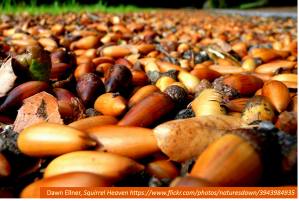
Live Love Laugh Learn … Create the possibilities

Tag: Flash fiction

  • Room for one more

    Squirrel Heaven

    Have you ever squirreled anything away? I have.

    In the year prior to my 50th birthday I squirreled away every $5 note I received. By the time my birthday arrived I had stored over $1000: enough to purchase a charm bracelet to mark the achievement of a half-century. Now, almost a decade and a half later, it would be impossible for me to repeat the process. From using cash for most purchases at the dawn of this century, I now use mainly card and rarely carry cash. How quickly and, unless giving thought to it, almost imperceptibly the changes occur.

    To some, the differences in the seasons in the part of Australia in which I live are subtle, with the changes almost imperceptible, at least when compared to the four distinct seasons occurring in many other places. However, changes do occur and are obvious to those who are attuned to them, especially the Indigenous Peoples of Australia.

    I was reminded of this when listening to A Sand County Almanac by Aldo Leopold, a book recommended and referred to numerous times by Charli Mills. I second her recommendation.
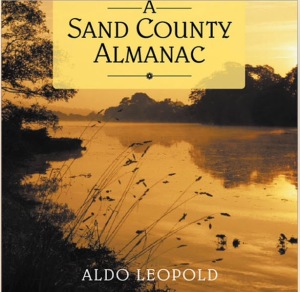
    A Sand County Almanac

    The book is divided into twelve chapters. In each chapter Leopold describes the subtle differences that occur from month to month in the environment around his home. I marvel at the detail of his observations and the knowledge that he gleans from subtle changes. In March he says,

    “A March morning is only as drab as he who walks in it without a glance skyward, ear cocked for geese.”

    He then goes on to say,

    “I once knew an educated lady, banded by Phi Beta Kappa, who told me that she had never heard or seen the geese that twice a year proclaim the revolving season to her well-insulated roof”,

    and asks,

    “Is education possibly a process of trading awareness for things of lesser worth?”

    Sadly, I think many of us, myself included, are aware of the fluctuations in temperature and the coming of the storm season, but not so attuned to the habits of animals and seasonal variations in plants. The majority of our native trees are evergreen and, in our insulated and insular cities, changes in the natural world are less obvious. Indeed, many seasonal changes are obscured by artificial means.

    In cooler climates animals have adapted to the changing seasons in various ways. Some migrate; some, such as squirrels, store food for the winter; and some hibernate.

    While some Australian birds, moths and other animals migrate, I am not aware of any squirreling away large stockpiles of food to see them through the cooler seasons (please inform me if there are any I should know about); there is but one native Australian mammal hibernator, the mountain pygmy possum.

    I have been thinking of this in relation to the flash fiction challenge set by Charli Mills at the Carrot Ranch this week. While Anne Goodwin, blogging at Annecdotal may have instigated her thinking about squirrels, Charli included the metaphorical as well as rodent  variety.

    Until visiting in London in 2014 I had not seen a squirrel as they are not native to Australia and, until checking just now and finding this article, was not aware that any had been introduced here. I saw many cute grey squirrels in parks and gardens in London and I was quite fascinated by the tiny creatures.
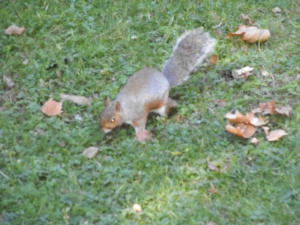
    © Norah Colvin 2014
    © Norah Colvin 2014

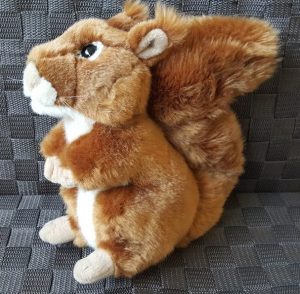
    However, I was disappointed to find that they are not natives to the UK either, but introduced from North America in the 19th Century, and are doing just as much damage to the native fauna as are many introduced species here. At least when I visited Hamley’s, the most amazing toy store, the only toy squirrels I could find were red, the native kind.
    © Norah Colvin 2016
    © Norah Colvin 2016

    The squirrel toy was purchased to add to others collected as mementoes of countries visited; and joined my panda from Beijing and hedgehog from Belfast.
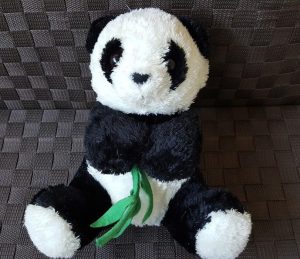
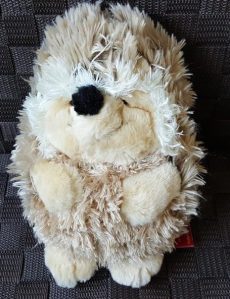
    © Norah Colvin 2016
    © Norah Colvin 2016
    © Norah Colvin 2016
    © Norah Colvin 2016

    In a couple of months, I am accompanying my grandchildren and their parents on a quick visit to Los Angeles and New York. I am determined to expand my soft toy collection, but am wondering which animal might be an appropriate choice. If you have a suggestion, I’d love to hear it please.

    Meanwhile, back to Charli’s challenge to In 99 words (no more, no less) write a story that features a squirrel. It can be about a squirrel, for a squirrel or by a squirrel. Think nutty, naturalistic, dinner or ironic. Go where the prompt leads and don’t forget to twirl with imagination.

    I decided to go with the theme and make my own toy story.

    toy box

    One more?

    They knew when she left – airplane tickets in one hand, luggage in the other – that it meant only one thing.

    “Time to plan,” announced Kanga, the original and self-proclaimed leader.

    “It’s too crowded!” moaned Little Koala.

    All stuffed in the box inhibited thought.

    “Right. Everybody out,” said Rabbit, taking over.

    Squirrel, last in, was first out, twirling her tail.

    Soon everyone was out, exchanging opinions. Inevitably disagreements erupted. Ever patient Kanga quietened them.

    “We always make room. We will adjust. We will welcome the newcomer. Once we all were different. We still are. But we learn to get along.”

    Thank you

    Thank you for reading. I appreciate your feedback. Please share your thoughts.


  • Lending a helping hand

    johnny_automatic_playing_dress_up

    If I was to ask a group of six year olds what a friend is, I would receive responses such as:

    • A friend is someone who plays with you
    • A friend is someone who likes you
    • A friend is someone who helps you
    • A friend is someone who looks after you when you’re hurt

    For just over two years now a group of writers have formed a bond of friendship by playing together each week, responding to a flash fiction prompt set by Charli Mills at the Carrot Ranch. You couldn’t get a more supportive group of writers. In fact, a while ago I coined the term S.M.A.G. (Society of Mutual Admiration and Gratitude) to express the relationship many of us feel.

    SMAG ccbyncnd

    This week Lisa Reiter, who blogs at Sharing the Story, showed that the ability to lend a hand is not restricted to friends who live close by. Although they live at opposite sides of the Atlantic and half the world away from each other; and despite the fact that no request for help had been made, like the true friend that she is, Lisa saw a need and immediately assisted Charli by writing this week’s flash fiction prompt and post. You won’t be surprised to know that the theme is helping out.

    https://openclipart.org/detail/117199/Friendship
    https://openclipart.org/detail/117199/Friendship

    This ties in beautifully with a TED talk I listened to this week. The talk by Australian humanitarian Hugh Evans is titled What does it mean to be a citizen of the world?  Hugh talks about the organisation he co-founded: Global Citizen; which is described on the website in this way:

    Global Citizen is a community of people like you. People who want to learn about and take action on the world’s biggest challenges—and use their power to get other people involved too.

    We bring you stories and actions that make a difference. That help fight extreme poverty and inequality around the world, and support approaches that will make life more sustainable for people and the planet.”

    EarthsOtherSide

    These are some of the points I have brought away from Hugh’s talk:

    • A global citizen is “someone who self-identifies first and foremost not as a member of a state, a tribe or a nation, but as a member of the human race, and someone who is prepared to act on that belief, to tackle our world’s greatest challenges.”
    • Hugh describes himself as “one of those seriously irritating little kids that never, ever stopped asking, “Why?” He went from asking questions like, “Why can’t I dress up and play with puppets all day?” to why couldn’t he change the world?
    • He had already been raising large amounts of money for communities in the developing world when, at age fourteen, he spent a night in a slum in Manila and thought, “Why should anyone have to live like this when I have so much?
    • “that of the total population who even care about global issues, only 18 percent have done anything about it. It’s not that people don’t want to act. It’s often that they don’t know how to take action, or that they believe that their actions will have no effect.”
    • Hugh initiated the Global Citizen Festival in New York’s Central Park. Tickets for the festival couldn’t be bought, They had to be earned by taking action for a global cause. He said, “Activism is the currency”.
    • By becoming a global citizen one person can achieve a lot because they are not alone – there are now hundreds of thousands of global citizens in more than 150 countries

    “We, as global citizens, now have a unique opportunity to accelerate large-scale positive change around the world. “

    “Global citizens who stand together, who ask the question “Why?,” who reject the naysayers, and embrace the amazing possibilities of the world we share.”

    He finishes his talk with the challenge:

    “I’m a global citizen. Are you?”

    Hugh’s contribution to the world is a great recommendation for encouraging children to ask questions, isn’t it?


    Here is his talk if you would like to be inspired by his own words. You may find other points that speak more clearly to you.

    This brings me back to Lisa’s helping hand which, while not on the same scale, clearly demonstrates the opportunities that exist to help if we take the focus from ourselves and place it on others in an attempt to understand their situations and how we might be able to assist.

    Lisa’s prompt is to In 99 words (no more, no less) write about offering to help someone. What’s their situation? What’s yours? Do they think they need help? How is it received? Could you be misinterpreted?

    child helping

    For my flash, I’m bringing you back even closer to home, to a situation with young children that will be familiar to many. Little ones love to help and hate to be helped in almost equal measure. “Let me do it!” and “I can do it myself!” are two frequently heard phrases in households with little ones. Opportunities for both are essential for their developing sense of self, independence and confidence. Both require a great deal of patience on the part of parents and a larger allocation of time than one would normally feel necessary. I think I must have been in a rush and didn’t have time to wait in the queue when patience was being dished out. Fortunately, my children shared some of theirs with me. Sadly, not always soon enough for their benefit. (Sorry, Kids.)

    A playdate at Bella’s

    Mummy checked the calendar. Oops! Her turn for cake. Dulcie was engrossed playing. Great! Just enough time, if ….

    Scarcely was everything out when up popped Dulcie. “Let me do it!”

    Too pressed for winnerless battles, Mum kept one eye watching Dulcie, the other on the clock.

    With the cake finally baking, Mummy suggested clothes to wear.

    “No! I want this one,” pouted Dulcie.

     “Let me help with the buttons.”

    “No! I can!” objected Dulcie.

    Only thirty minutes late, with warm cake and buttons all askew, they arrived.

    “Come in,” greeted Bella’s mum, “Looks like you need a hand.”

    Thank you

    Thank you for reading. I appreciate your feedback. Please share your thoughts.
  • Wild spaces

    wilderness

    This week at the Carrot Ranch Charli Mills is talking about the importance of preserving natural wilderness areas. She says,

    “Wild places matter, even to those who are not active hikers or hunters. It’s important to our psyche to know that wild places exist.”

    To say it is important for our wellbeing acknowledges its anthropocentric value. However, I believe, as I know Charli does too, that its value is intrinsic with significance beyond its importance specifically to humans. Wilderness areas are the lifeblood of our planet, of all species. They are just as beautiful and just as necessary whether any human lays an eye on them or not.

    if a wilderness

    I am not a hiker, definitely not a hunter, and have never been one to spend a great deal of time in the wilderness. However, I have a deep appreciation for the beauty and value of wilderness areas. I strongly believe in the importance of protecting them to ensure the health of our planet and the survival of our, and every other, species. Sometimes I wonder if our survival is deserved with the seeming disregard many of us have for our Earth, but I am a meliorist and place my hope with future generations.

    To ensure this meliorism is well-founded, we need to nurture in young children their innate interest in and love of nature. There is probably no better way of doing this than through first hand experiences observing nature in wild spaces. Share with children their wonder, be intrigued with their explorations and extend your own understanding through their discoveries. At the same time develop in them an appreciation of and respect for our earth and its gifts.

    Encounters with nature don’t always have to occur in large nature reserves in distant places. In fact, a real appreciation of nature is an attitude, a way of thinking about the world and can be fostered as a part of daily life with observations in the backyard, in wild places along the roadside, or in a pot on the window sill.

    © Bec Colvin
    Ladybirds in my backyard © Bec Colvin

    Books also serve a purpose in nurturing an interest in the world around us. In addition to books of beautiful photographs, fiction can also be used.

    4 of Jeannie Baker's books

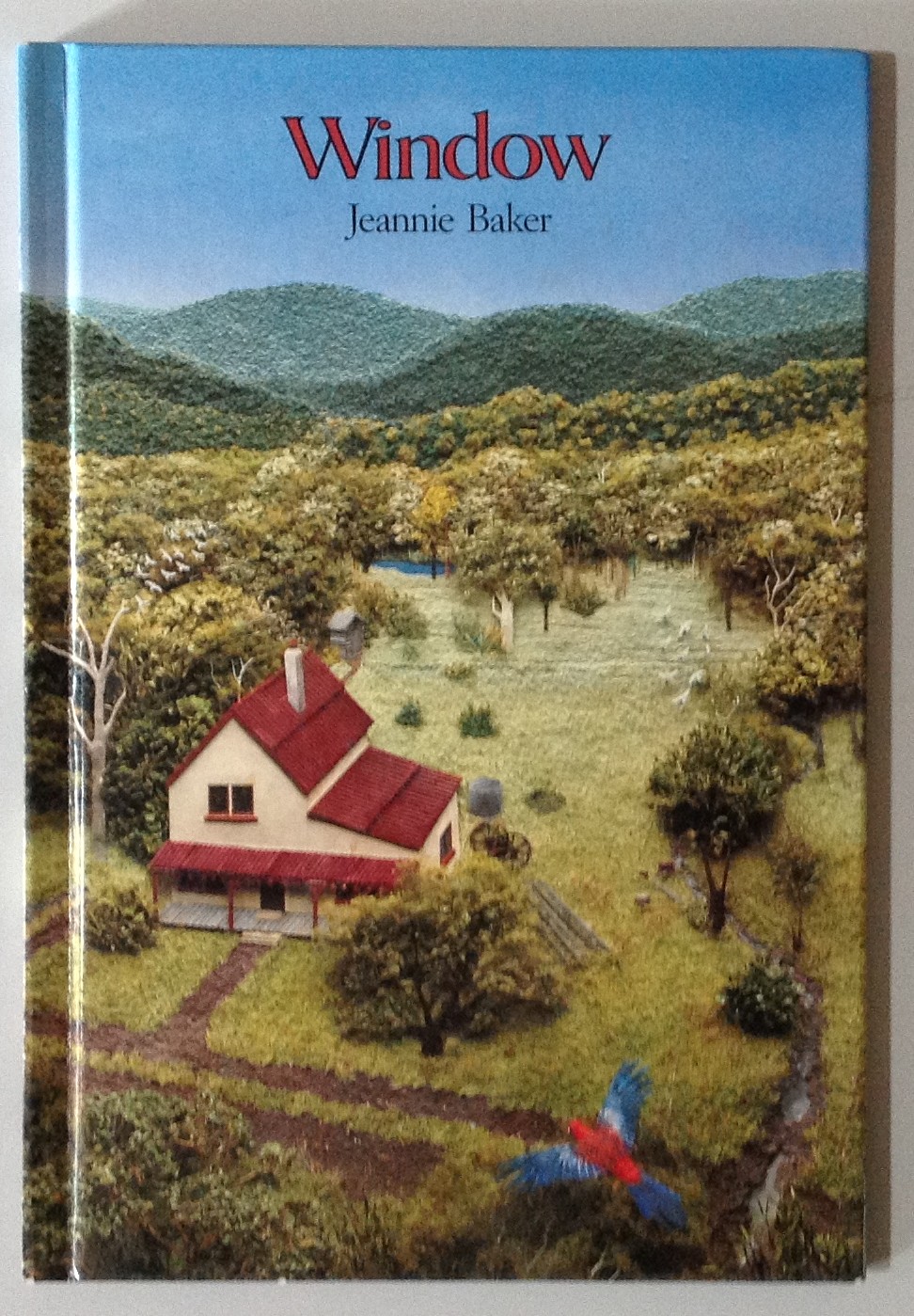
    Last year in a series celebrating Australian picture books I wrote a post about collage-artist and author Jeannie Baker who shares her passion for the environment through her picture books.

    2015-09-19 11.09.45

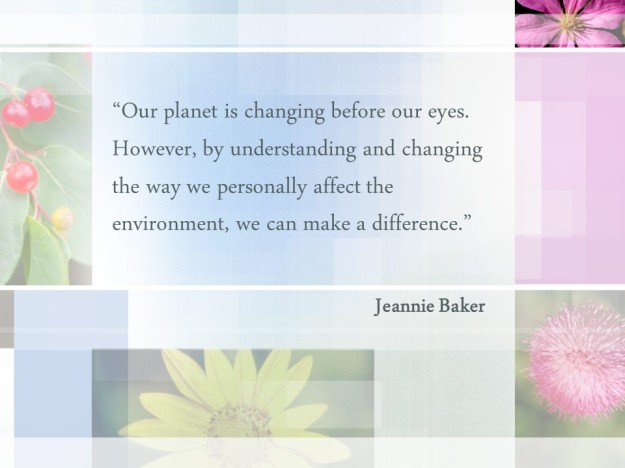
    Window tells, in beautifully detailed collage, of the transformation of a landscape from natural bush to city-scape. The changes are observed through a window by a boy as he celebrates alternate birthdays from birth to 24 years. Jeannie shares an important environmental message in a note at the end of the book with these words:

    Jeannie Baker - planet changing

    In 2004 Jeannie published a companion book to Window called Belonging, which, in 2005, also received a number of awards, including one from the Wilderness Society.

    2015-09-19 11.11.04

    This textless picture book tells the story of a changing landscape over a number of years as a city is transformed with plants and welcoming spaces for children and families. In a note at the end of this book, Jeannie says,

    Jeannie Baker - time

    I think these messages, together with those shared in Charli’s post, are important for children to not only hear, but to see modelled by adults in their everyday lives. I am happy to say that members of my family are proactive in the ways they care, and advocate, for the environment. I have much to learn from them.

    For my flash I drew upon a recollection of a place visited in my much-younger years, a favourite place for calming mind travel, and Charli’s recognition of the benefits of wilderness areas to our psyche, to our very essence.

    Charli’s challenge was to In 99 words (no more, no less) write a story about wild spaces. Is it a wilderness or a patch of weeds in a vacant lot that attract songbirds. What is vital to the human psyche about wild spaces? Bonus points for inducing something cute and furry. I’ve also tried for the extra points. I’d love to know what you think.

    stream

    Renewal

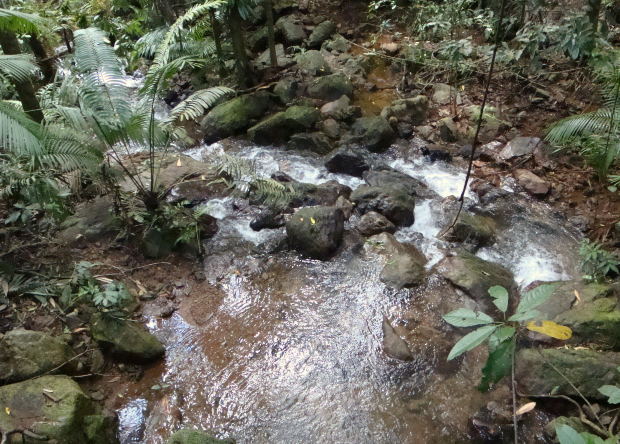
    Cocooned in shadows of tall forest trees, clear spring water soothing tired feet, she sighed. Speckles of sunlight dancing from rock to ripple were unnoticed as she envied a leaf escaping downstream.

    “Why?” she asked of the stream, more of herself. “Why are you here?”

    The stream whispered,

    “We all have our purpose’

    We’re all meant to be,

    We’re connected, we’re one,

    Not just you or me.”

    A birdsong repeating the chorus lifted her gaze towards a flutter of rare blue butterflies. A possum yawned and winked. She breathed in awe. Refreshed, with lighter heart, she was whole again.

    Thank you

    Thank you for reading. I appreciate your feedback. Please share your thoughts.


  • How good is a pet dog?

    The flash fiction challenge set by Charli Mills at Carrot Ranch Communications this week is to In 99 words (no more, no less) write a story about a boy and his dog, showing the value or benefit of such a relationship.

    http://www.morguefile.com/
    http://www.morguefile.com/

    I have never really been a pet owner. I have had one or two goldfish and Siamese fighting fish over the years, but nothing for any length of time or anything that could be considered a pet in the real sense of the word. If required to, I could rattle off all the benefits of pet ownership for children and adults but none of these have ever been a strong enough inducement for me to take on the responsibility.

    I don’t remember Son ever requesting a pet but maybe I’ve simply eradicated those memories. Or maybe we gave him a little sister when he was twelve instead. Bec, on the other hand did request pets and she had a few at various times. These ones were closer to real pets: guinea pigs, mice and rats; but not the puppy she so longed for. Fortunately, I was required to do little for them other than listen to her joyful stories of their antics and adventures.

    I am more than happy for people to enjoy their pets but feel no envy of their special relationship nor any great desire for one of my own. I am happy to enjoy the wildlife that visits my garden: insects, birds, lizards and possums. They can look after themselves and require no effort on my part; a rather nice relationship, I think.

    © Bec Colvin
    © Bec Colvin

    However sometimes I hear a story that indicates a value much greater than the companionship often described, and I view the role of a pet in a new way. One such story is that of Noah, a nine-year old boy who suffers from autism, and his need for a service dog. In order to help Noah get his dog Charli Mills has organised a flash fiction competition. This time the stories may be told in greater length, from 100 to 500 words. While I might struggle with the 99-word limit of most of Charli’s challenges, I am unable to enter the contest as I am on the panel of judges. There are just a few days left to get your entries in with January 31 2016 the closing date. Why not enter the contest, which has great prizes, as well as Charli’s 99-word challenge?

    To find out more about Noah, his need for a service dog, and his family, visit The Honeyed Quill, the blog written by his mother Shawna Ayoub Ainslie. You can read about what things Shawna has been up to recently in this post.

    Although I am not eligible to enter the contest, I am permitted to submit a 99-word response to Charli’s weekly challenge. Here goes.

    The two young males sat on the step. They couldn’t see over the hedge to the park across the road but, from squeals and barks, they knew the neighbourhood children and their pets were at play. Each, with visions of their own participation, smiled as if the reality had come to be. Another life perhaps, but not this one, not now anyway. To an outsider both appeared damaged, confined more by mobility than garden walls. On the inside their hearts were filled with love, acceptance and compassion, happy with who they were, and with each other. Boy, dog; friends.

    Thank you

    Thank you for reading. I appreciate your feedback. Please share your thoughts about any aspect of this post or flash fiction.

  • Let’s dance!

    www.morguefile.com
    http://www.morguefile.com

    I have always enjoyed working in early childhood classrooms. Being able to share and assist children’s pathways into literacy is as much a privilege as it is exciting. To keep alive their innate curiosity, wonder and joy of learning is an aspiration that rewards me as much as it does them.

    However the role can be rather daunting at times. It requires that one be a generalist, able to move comfortably through and teach effectively in the full range of subjects: English, mathematics, sciences, the humanities and social sciences, technology, health and physical education, and the arts. But the diversity can also provide opportunities for fun.

    Take dance, for example.  Dance can fit into both the arts and physical education programs. While the formal subject areas require some progression of learning in skills and understanding, some form of movement or dance can be incorporated into daily routines such as transition times. I touched on this briefly in a recent post about using the game Freeze, which involves moving to music.

    Moini, Dancing Penguins https://openclipart.org/detail/124759/dancing-penguins
    Moini, Dancing Penguins https://openclipart.org/detail/124759/dancing-penguins

    These are some other ways I incorporated movement and dance into daily routines:

    • At the beginning of each day, after giving the children a few minutes to organise their belongings, I would play a video of music and dance moves. This would signify to the children that it was time to join in and be ready for our day’s work together. By the end of the dance everyone was ready.
    • During our morning sessions children shared items related to their interests or our units of work. Sometimes I asked them to bring in a favourite piece of music to share, with the proviso that they teach us some dance moves to it. The children enjoyed showing their moves as much as they enjoyed following the moves of others.

    In addition to using the game Freeze, I had other CDs of music with patterns of moves that could be used to transition from a noisy to quiet activity, to regain children’s attention after independent or group work, or to complete the tidying of the room at the end of the day.

    • Sometimes I used music that had set dance routines.
    • Other times we moved to the music freely, or responded to the tempo, pitch or volume with large, small, high, low, fast, slow, loud or quiet movements.
    • Sometimes dance routines were performed independently but in unison such as The Hokey Pokey. The Chicken Dance and The Macarena.
    • Sometimes they required participation as a group, for example learning simple square dances.

    Whichever way we did it was always fun and the children loved to participate. They had no need of being told to “Dance like there is nobody watching.”

    Dance like there's nobody watching

    I wonder at what age that becomes a necessity. Perhaps the phrase,and if they are watching, dance anyway” needs to be added.

    My thoughts turned to dance this week in response to the flash fiction prompt set by Charli Mills of The Carrot Ranch to In 99 words (no more, no less) write dance into your story. Charli is talking about writing as her dancing partner.

    Of course my thoughts turn to the classroom (as explained above) and to books about dance.

    2015-09-19 11.15.56

    In a previous post about Australian picture books by Jackie French I wrote about Josephine Wants to Dance. This book, illustrated by Bruce Whatley, is a delightful story of a kangaroo who loved to dance but dreamed of dancing another way. One day the ballet came to town and Josephine decided that was how she wanted to dance. Though others discouraged her, Josephine was determined to give it a try. It is a lovely story of believing in yourself and following your dreams.

    giraffes can't dance

    Another delightful picture book about dance is Giraffe’s Can’t Dance by Giles Andreae, illustrated by Guy Parker-Rees. While I have read this book many times, it took the recent reading of a post To Thine Own Self Be True by Sarah Brentyn on her blog Lemon Shark to remind me of it. The title of Sarah’s post beautifully sums up the theme which is expressed in the book this way: “We all can dance when we find music that we love.”

    We can all dance

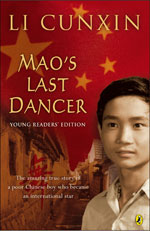
    For adults there is the story of Mao’s Last Dancer, the inspirational story of Li Cunxin, who is now the artistic director of the Queensland Ballet, based in my home city. He was Queensland’s Australian of the year in 2014.

    Mao's_Last_Dancer_book_cover

    This leads me to my flash fiction response:

    A Night at the Ballet

    The audience hushed as the lights dimmed. Marnie shuffled. Darkness was not to her liking. Josephine patted her hand reassuringly. The girls on her other side twittered with anticipation. They’d been to theatre before. Observing their confidence earlier had Marnie feeling even more conspicuous as she balanced on unfamiliar heels and clutched a borrowed evening bag so tightly it left imprints on her hand. At least now the darkness hid her from view.

    Soon the darkness was banished by a brightly lit stage and enormous Christmas tree surrounded by happy children dancing. Marnie was mesmerised. So this was ballet!

    Thank you

    Thank you for reading. I appreciate your feedback. Please share your thoughts about any aspect of this post or flash fiction.

  • The comfort zone

    John Hattie

    Creating a positive classroom environment in which students feel welcome, accepted and respected is probably high on the agenda for most teachers. It certainly was for me during all my years of classroom practice.

    Students require an environment in which they feel comfortable and supported, as well as encouraged and challenged to stretch beyond current levels of skills and knowledge, to step beyond their current comfort zones with confidence in the knowledge that, while learning anything new can be a risky business, they will be supported in the process.

    But this does not just come from a “feel good” place in teachers’ dreams and imaginations. Research provides evidence that it is true. Professor John Hattie, a researcher in education, undertook a very ambitious project, synthesising data from over 800 studies involving more than 80 million students. He published his findings in two books called Visible Learning and Visible Learning for Teachers.

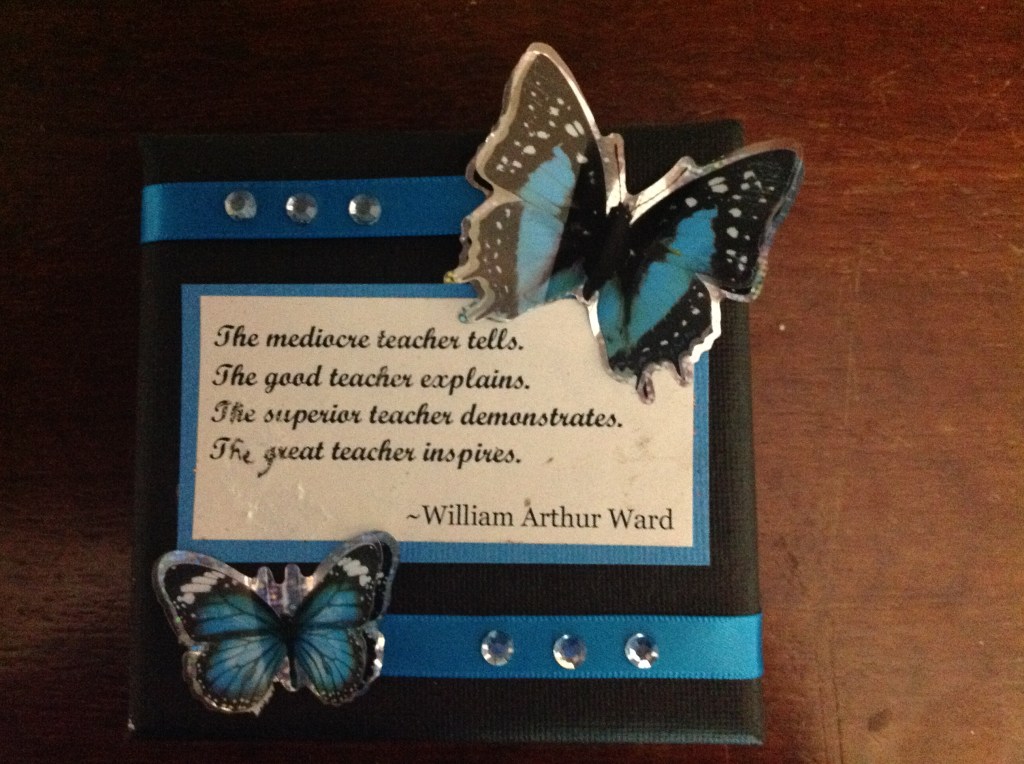
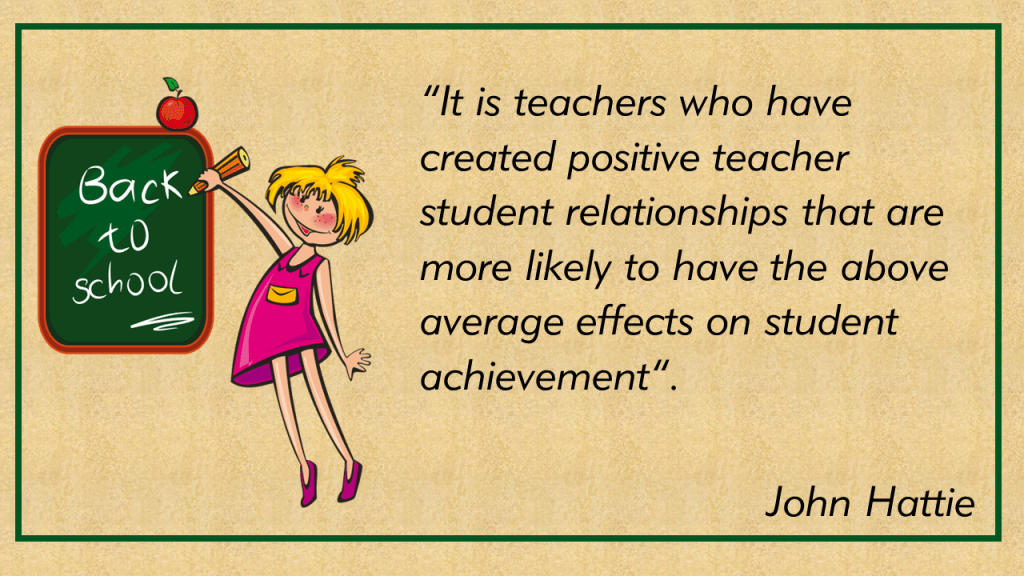
    Hattie says that

    “It is teachers who have created positive teacher student relationships that are more likely to have the above average effects on student achievement”.

    Thank you to my wonderful students, and their lovely Mum who made this for me!
    Thank you to my wonderful students, and their lovely Mum who made this for me!

    This article, which summaries some of Hattie’s findings about teacher-student relationships, states that

    “the quality and nature of the relationships you have with your students has a larger effect on their results than socio-economic status, professional development or Reading Recovery programs. It is not that these things don’t matter, but rather that your relationships with students matter more.”

    It is wonderful to find that what I have always believed and practiced is now firmly backed up with research.

    I have written before about my use of affirmation songs and of connecting literacy learning to children’s lives and interests. In this post I will share just a few of the physical attributes of the classroom that contributed to that overall positive and supportive environment I worked so hard to establish.

    Readilearn bookmark

    From the very first day of any school year I ensured that children not only felt welcome in the classroom but knew that it was their classroom, that they had part ownership of the space and its environment.

    I would prepare a large welcome chart for the door with my name and photograph and the words: “Welcome to grade one.” Children’s names and photographs would be added by the close of the day.

    Welcome to year one

    In our school each child was allocated an individual desk with a tidy tray underneath for storing belongings. I would arrange the initial seating of children in groups based on what I knew of their friendship groups from the previous year. For each child I would place on the allocated desk:

    • A desk name (to identify the desk, to use as a model for writing, to assist children in learning to read each other’s names)
    • A welcome letter
    • A name badge (to identify them and their class at break time)
    • A small gift e.g. a pencil or keyring
    Welcome pack
    Welcome pack

    During the day I would photograph each child and print two of each.

    One of each child’s photographs would be added to the welcome chart  with the child’s name. (see above)

    The other would be added to a self-portrait and displayed on a classroom wall.

    I am Michael

    I usually asked the children to complete these during the first session so that I could have them on display when the children returned to class after first break.

    This was just the start. Throughout the year my classroom was a constantly changing display of children’s work. Children love to see their work displayed. It gives them an immediate sense of belonging, of being valued, and of ownership. Parents love to see it too, as this (unsolicited) letter written by a parent to the principal at the end of a school year testifies.

    Marianne's letter

    This week at the Carrot Ranch Charli Mills has challenged writers to In 99 words (no more, no less) write about a place of comfort that is a refuge.

    My classroom welcomed everyone: children, parents, volunteers, aides and administrators. It was a comfortable place to be. Fortunately it was not often required to be a refuge in the true sense of the word, though allowing me to experience over and over the joys of being six certainly shielded me from many less pleasant situations that may have been met elsewhere.

    While Marnie of my stories is a fictional character, sadly there are many children suffering as much as or more than I portray for her. It is for children like her that a warm, caring relationship with a special teacher can be empowering and life-changing, the one bright spot in an otherwise difficult life. I wish for all children a loving place of safety, acceptance, trust and respect. Marnie found it in a special teacher, Miss R.

    Safety

    Marnie loved art classes with Miss R. She loved art, but she loved Miss R. more. The days when art class was last were best; had been ever since that first time when she’d dallied, nervously, reluctant to leave, and Miss suggested she stay and “help”.

    Miss R. understood Marnie and Marnie trusted Miss R. Sometimes they would tidy in silence. Other times they’d chatter lightly about distracting things like television, music or books. But sometimes, when dark clouds loomed, Miss R. would gently ask, “What would you like to tell me?” Today the clouds looked about to burst.

    Thank you

    Thank you for reading. I appreciate your feedback. Please share your thoughts about any aspect of this post or flash fiction.

  • The right place at the right time

    Charli Mills Serendipity

    This week at the Carrot Ranch Charli Mills is talking about serendipity and describes it this way:

    “Serendipity is the gift we find accidentally when we make a choice or life chooses a course of action for us.”

    I often think of serendipity as being in the right place at the right time. There are many occasions in my life where that has occurred, and probably millions more when I’ve missed by a millisecond, but many of those I’ll never know.

    www.morguefile.com
    http://www.morguefile.com

    Our lives have been improved by many discoveries made through serendipity. This article on NOVA lists seven Accidental Discoveries  in medical science that have changed health outcomes people around the world:

    • Quinine
    • Smallpox vaccination
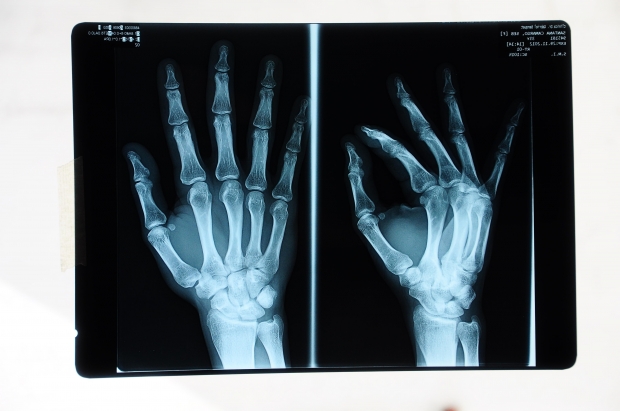
    • X-rays
    • Allergy
    • Insulin
    • Pap Smear
    • Penicillin

    Joseph Henry - seeds of discovery

    Lexi Krock, author of the article reminds us that, though some elements of serendipity, of chance, may have been involved in the discoveries, there was also a great degree of hard work, preparedness, creative thinking and an openness to possibilities. In fact Krock says that having an open mind is the most important ingredient. She quotes the words American physicist Joseph Henry:

     “The seeds of great discoveries are constantly floating around us, but they only take root in minds well prepared to receive them.”

    I came to that article through The story of serendipity on Understanding Science, which also talks about lucky coincidences, such as the story of Newton and the apple. This article states there is more than being in the right place at the right time to make a serendipitous discovery, including:

    • Background knowledge
    • An inquisitive mind
    • Creative thinking
    • The right tools, and
    • Good timing
    www.morguefile.com
    http://www.morguefile.com

    Another who attributes success in part, to serendipity, to being in the right place at the right time, is Malcolm Gladwell. Thanks to a serendipitous recommendation by Rowena, who blogs at Beyond the Flow, I have just finished listening to Gladwell read his book “The Outliers, The Story of Success”.

    Gladwell argues that there is more to success than just intelligence and hard work. Yes both are important: intelligence to a certain level and hard work to a greater degree. Through “The Outliers” Gladwell popularised the idea of 10 thousand being the “magic” number of hours to practice for success to occur, citing sporting heroes, The Beatles and Bill Gates, amongst others..

    However there is much dispute to this “rule”; and I must admit that, although I thoroughly enjoyed listening to and thinking about this book, it raised as many questions as it provided “answers” and I found myself wondering how much manipulation had gone into the figures to make them match his ideas, rather than the other way round. I am not saying there was any manipulation, I just wondered.

    www.openclipart.com
    http://www.openclipart.com

    However, one point he was making, that I think has value and fits with the theme this post, is that one’s circumstances; one’s family, environment and time, including birth year and month, play an enormous role in one’s success. These are things over which we have no control.

    According to Gladwell’s discussion of timing, I am correct in describing myself as “born too soon” in my Twitter bio. I was born just a few, but too many, years before the twelve month period that saw the births of Bill Joy, Steve Jobs and Bill Gates. I didn’t have the opportunities they had either.  Gladwell explains the importance of their timing, environment and opportunities in his book.

    In this Q and A Malcolm explains what an outlier is, what he thinks of as success, and how he thinks we should think of success. As well as the coincidence of Joy, Jobs and Gates, Gladwell says that “a surprising number of New York’s most powerful and successful corporate lawyers have almost the exact same biography: “they are Jewish men, born in the Bronx or Brooklyn in the mid-1930′s to immigrant parents who worked in the garment industry. “ He also says that “a hugely disproportionate number of professional hockey and soccer players are born in January, February and March.” Coincidence? He explains why.

    rg 1024, gift https://openclipart.org/detail/31159/gift
    rg 1024, gift https://openclipart.org/detail/31159/gift

    In her post Charli Mills states that

    “Serendipity holds no guarantees, but we can take the gifts it offers.”

    The gifts were there for the hockey and soccer players born in the first quarter of the year, but stacked against anyone born in the final months of the year. Likewise, serendipity held false promises for me when I was working towards establishing an alternative school.  Meeting the expectations of the Education Department proved no barrier. Meeting town planning requirements was much more elusive.

    The first property with any real potential we investigated was in Skew Street. Not surprisingly the odds were skewed against us and we couldn’t proceed there.

    Shortly after we located a much better property: more central, with ample indoor and outdoor space and a large playground. The arrangements seemed ideal, and the street names were much more promising. It was on the corner of Water and Love Street. Surely that had to bode better for us than Skew Street. Serendipity.

    Unfortunately, though it was definitely the right place, the timing was wrong. At the final moment, when leases were to be signed, a member of the organisation, who had been absent from previous meetings and discussions, turned up, objected and put an end to our plans.

    While some of us did continue to search for another location, it was like trying to find a needle in a haystack; there were few that met town planning requirements, and even fewer that met ours. Parents who had expected their children to start with us decided they could wait no longer and made other arrangements for their children’s education. The last minute loss of the ideal property rocked us to the core. With much heartbreak we finally admitted defeat and disbanded. Having read Gladwell’s book I am now willing to accept that it was not because I didn’t work hard enough but because there were other factors working against us.

    I decided that, in response to Charli’s flash fiction challenge to In 99 words (no more, no less) write a story that reveals or explores a moment of serendipity, this time I would provide Marnie with a positive experience, the beginning of a new phase in her life; serendipity working it’s magic.

    doors

    The wrong place at the right time

    Marnie was puzzled. The card definitely said 225; but there wasn’t any 225. There was 223, and 227, but no 225. She peered at the crack between the apartments as if willing 225 to materialise. Exhausted and confused, unsure of what to do next, she slumped on the step.

    “Can I help you?”

    The question interrupted her muddled thoughts. Seeing kindness in the eyes, Marnie explained her predicament.
    The woman read the card.

    “Street, not Avenue,” she said, pointing to the sign. “Are you Marnie? Lucky I got the wrong bus today. I’m Josephine. Come on. It’s not far.”

    Thank you

    Thank you for reading. I appreciate your feedback. Please share your thoughts about any aspect of this post or flash fiction.


  • Breathe – a sense of wonder!

    Life is short – enjoy every moment!

    I have been privileged to spend time with young children throughout my adult life: my own, children I have taught, and now my grandchildren. Spending time with young children is one of the best ways of maintaining a sense of wonder and awe in the everyday. Opportunities abound, if one is willing to see the world afresh through their eyes,

    to notice:

    • the softness of petals in a newly opened flower
    • the collection of pollen on a bee’s legs as it rests within the flower
    • the snail’s silver trail on the pavement

    to question:

    • where the puddle goes after the rain
    • how the toothpaste gets into the tube
    • how aeroplanes stay in the air

     to wonder:

    • why the sky is blue
    • where clouds come from
    • why tigers have stripes and kangaroos hop
    • what came first: the chicken or the egg

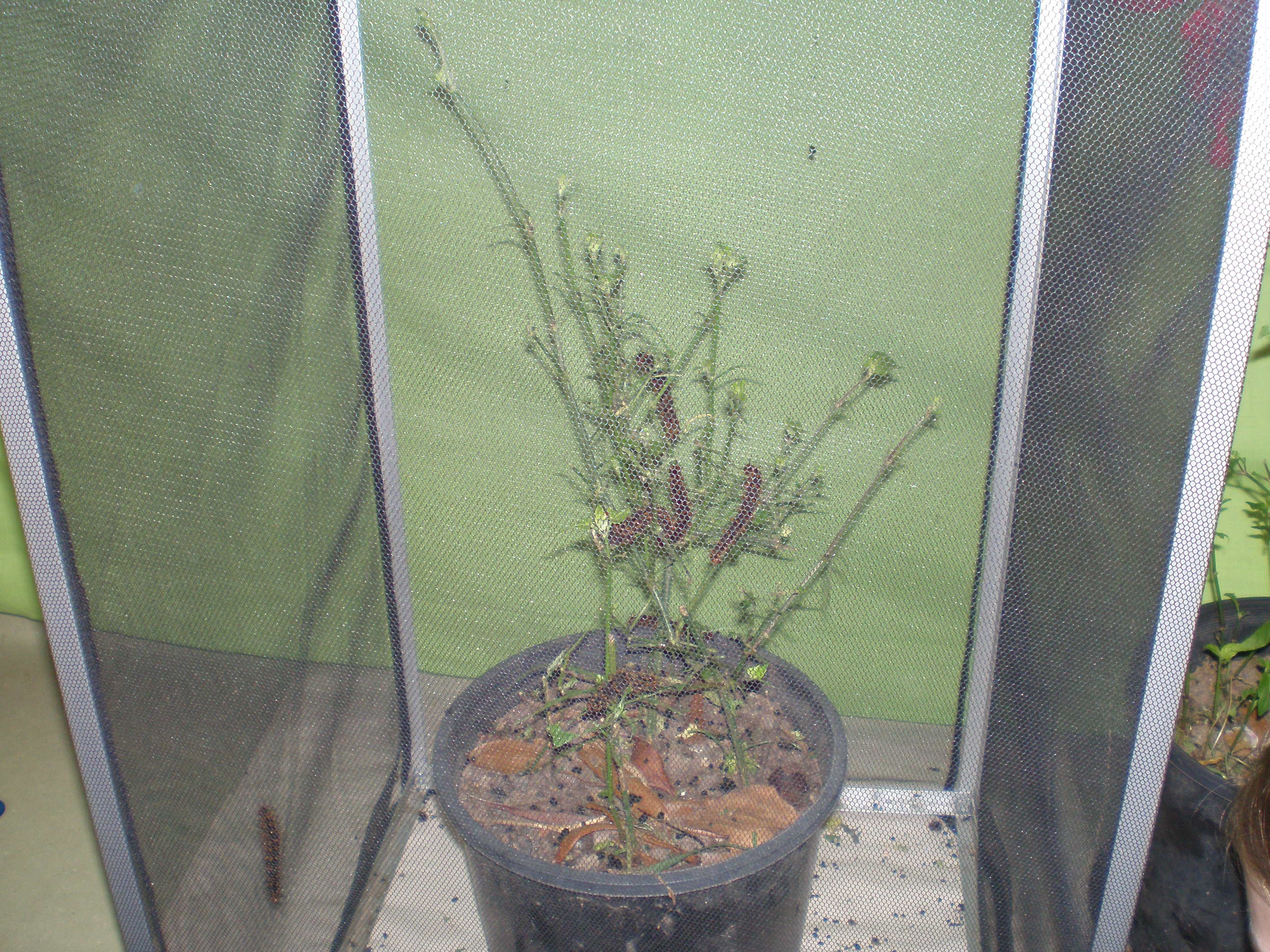
    One of my favourite ways of bringing the wonders of nature into the classroom is through observations of a live butterfly kit. We would watch the tiny caterpillars hatch, eat voraciously as they grew larger and larger, and then pupate before emerging triumphantly as beautiful butterflies.

    © Norah Colvin
    © Norah Colvin

    There are many opportunities to notice, to question and to wonder:

    • What will happen if the caterpillars eat all the leaves?
    • How big will the caterpillars grow?
    • How long will it take for the caterpillar to change into a butterfly?
    • How does the caterpillar breathe?
    • Does the caterpillar know it is going to be a butterfly?
    • Does the butterfly remember being a caterpillar?
    • What happens to the caterpillar in the chrysalis?
    • Why do they poo so much?

    We got to know that when a caterpillar was ready to pupate, it made a ‘j’ shape, hanging from under a leaf or branch, or from the top of the butterfly house. It would stay that way for a number of hours. Children (and teacher) would sneak over from time to time to see if anything was happening.

    As soon as the caterpillar started wriggling, we would quietly rush over to watch as it shed its last skin to become a pupa. It is an amazing spectacle, one that is not often seen “in the wild”. In fact it is a very quick process, and unless someone just happened to be watching at the time, we would miss it. Although we didn’t see every caterpillar pupate, we saw enough to appreciate and wonder.

    Equally as exciting was watching a butterfly emerge from the chrysalis. As the time was approaching the chrysalis would become transparent and we could see the shape and colour of the butterfly’s wings through the chrysalis. Watching the butterfly push open the chrysalis and emerge with crumpled wings was amazing. Oftentimes the butterflies would emerge in the mornings before the children arrived. But sometimes they waited, and we all watched as the butterflies pumped up their wings and spread them to dry in readiness for flying.

    When the butterflies’ wings were dry and they were almost ready to fly we would remove them from the house. If we timed it just right, we could hold them on our fingers, transferring carefully from fingertip to fingertip without touching the wings. When they were ready to fly, we would go outside and release them. The children loved to look for the butterflies at lunch time and learned that observation was the best way to appreciate them.

    varied eggfly
    Varied eggfly © NorahColvin

    The children’s interest and excitement was shared with anyone who visited the classroom: administrators, other teachers and children, siblings and parents.  I tend to think that the children’s sense of wonder may have ignited a spark in others too.

    This week at the Carrot Ranch Charli Mills challenged writers to In 99 words (no more, no less) write a story about a breathless moment. Write about life.

    Watching the short stages of a butterfly’s life is a good way to get children thinking about life, its beauty and its frailty, its dangers and its strength.  Watching the transformations that take place can certainly take one’s breath away. It is this that has inspired my response to Charli’s challenge.  I hope you enjoy it.

    Breaths - life is not measured

    Eclosion

    I heard the scurry of footsteps. Then he was in the doorway; eyes ablaze, breathless.
    “Come … quick … Miss,” he said, punctuating each word with puffs and pants.

    Before I had moved, there were others behind him, imploring me to come.

    With quickened pace I followed, hoping that I, that all, would be in time.

    Others were there already, clustered around. I peered over their heads, expectantly, holding my breath in a vain attempt to make time stand still.

    “Ahh!” we breathed in unison and awe as we watched the butterfly emerge from its now transparent shell.

    Thank you

    Thank you for reading. I appreciate your feedback. Please share your thoughts about any aspect of this post or flash fiction.


  • Five Photos Five Stories — Day three

    Back to Day one (books) and introduction to the challenge

    Back to Day two (writing)

    Break out!

    With this post I am going to “kill two birds with one stone” (though why I would want to kill any birds is beyond me).

    I am posting a Day three photo and story in response to the challenge set by Geoff Le Pard, and responding to the flash fiction prompt set by Charli Mills at the Carrot Ranch to In 99 words (no more, no less) write a story about an animal rescue.


    My children had pet-deprived childhoods. It could hardly have been any other way. Both their parents also had pet-deprived childhoods. I know all the theory about pets helping to develop responsibility, caring for others and compassion and I’m all for it. But with that responsibility comes restriction, and I’m not all for that. For me, a pet-free childhood led to a pet-free adulthood. I’m not certain that I am any less responsible, caring or compassionate as a result.

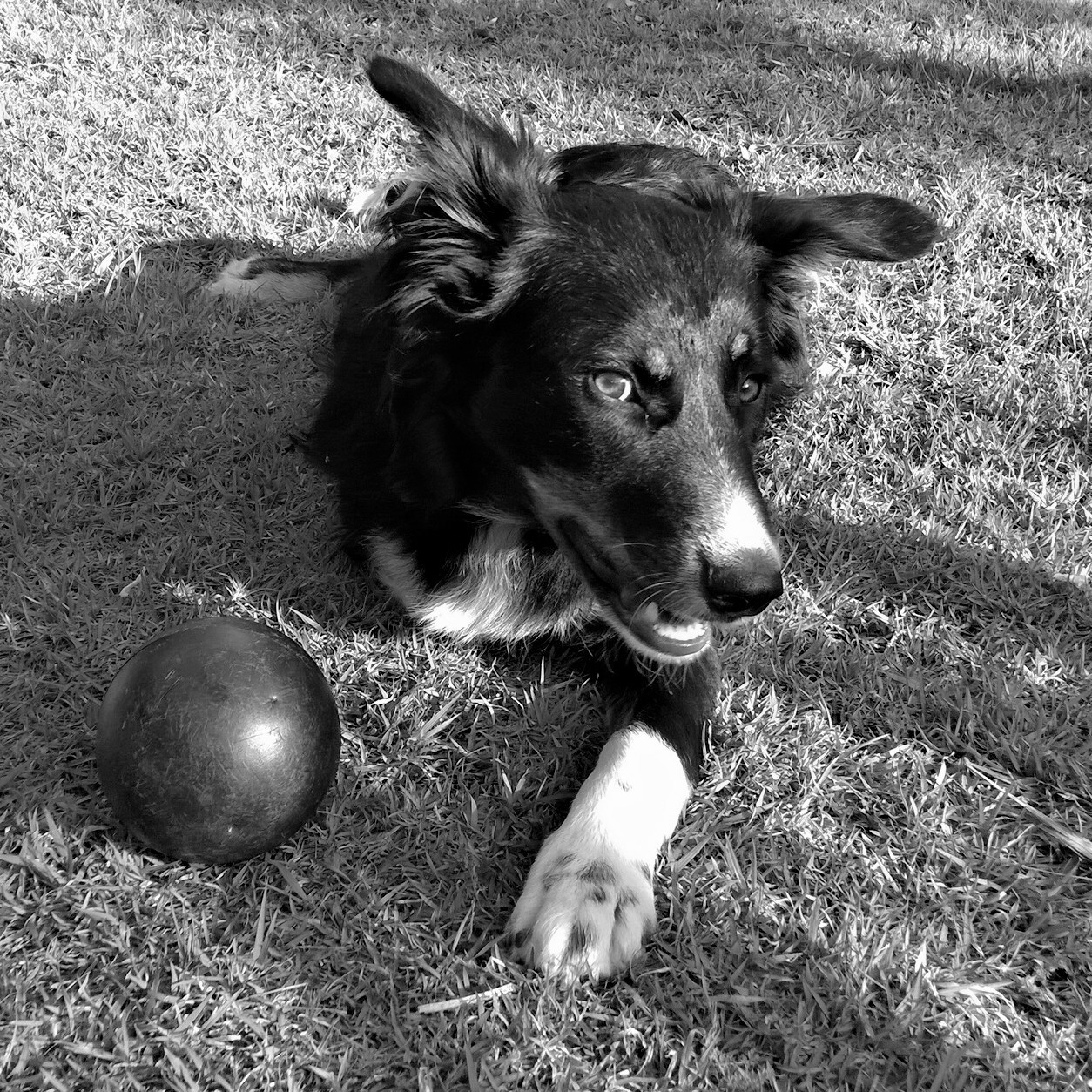
    While Rob may have had the occasional goldfish or Siamese fighting fish and Bec may have had guinea pigs, mice and rats at different times they never got over the deprivation of not having a real pet, of not having a puppy. As soon as the opportunity arose, they each adopted their own puppy. This is a photo of Bec’s puppy.

    My flash fiction deals with a situation in which a rescue is required. I realise that once again I have gone dark rather than light. Apologies. I hope you enjoy it.

    Break out

    Your wide-open eyes fix on me through bars, imploring and accusing at the same time.

    Why am I here? Don’t leave me! I don’t – want – to be here! I want – to go – home!

    My heart tightens in a vice-like squeeze. My palms sweat and hands tremble.

    I meet your stare with overwhelming hopelessness and helplessness.

    I didn’t know . . . I thought . . . I never meant . . . I thought it would help. 

    They close the door, turn the key and lead you away.

    “Damn those rules!” I scream silently, futilely planning your rescue.

    ***

    Today I nominate the lovely compassionate Bec who blogs intermittently at There’s No Food and engages in discussions with challenging suggestions and new ideas in comments on my blog while working diligently towards completing a PhD in Environmental Management.

    ! also nominate the wonderful awe-inspiring multi-tasking Charli Mills to take up the challenge if she so wishes. As well as being a very talented writer and generous supporter of my blog, she also posts beautiful photo stories on a second blog Elmira Pond Spotter.

    The rules of the Five Photos, Five Stories Challenge are:

    1) Post a photo each day for five consecutive days.
    2) Attach a story to the photo. It can be fiction, non-fiction, poetry, or a short paragraph. It’s entirely up to the individual.
    3) Nominate another blogger to carry on the challenge. Your nominee is free to accept or decline the invitation. This is fun, not a command performance!

    Thank you

    Thank you for reading. I appreciate your feedback. Please share your thoughts about any aspect of this post or flash fiction.


  • A garden party

    www.openclipart.org
    http://www.openclipart.org

    The purposes of education are many; but perhaps one important purpose of “free” public schooling is to ensure that everyone is provided with the opportunity of being educated. While this goal is achieved to a certain extent, inequalities of opportunity still exist, many of which are related to socioeconomic status (SES).

    letter from Camus

    While there is no doubt that a teacher can have a powerful effect upon the lives of students and any teacher would love to receive a letter such as that written by Albert Camus, socioeconomic status is often considered to be the most reliable predictor of success in school and, therefore, in life. There are many reasons for this, few of which have anything to do with intelligence.

    www.openclipart.com
    http://www.openclipart.com

    According to Macquarie University the majority of students in tertiary education are of mid to high socioeconomic status. The parents of these students may have professional backgrounds and may have attended tertiary institutions themselves.  Most have an appreciation of the benefits of higher education and are able to continue supporting their students, to some extent, while they study.

    While students of lower SES are attending tertiary institutions in greater numbers they are disadvantaged in doing so by a number of factors, primarily financial in origin. Although Australia is supposedly free of class distinctions, attitudes towards those from lower SES areas are often demeaning and unsympathetic. Students from these areas may battle to develop the self-esteem that seems to be a birthright for others from more privileged backgrounds. The negativism with which they are viewed, and some come to view themselves, can become a self-fulfilling prophecy.

    Ready for school - year 2
    Ready for school – year 2

    I was a fortunate one for, while I grew up in a family with low SES background, my parents saw the value in education and sacrificed much for their children to have the opportunities it provided. The high costs of tertiary education that are now incurred could not have been afforded, but I achieved well enough in school to obtain a scholarship to teachers’ college and a three-year bond (guaranteed employment) when that was finished.

    Nowadays there is no such thing as guaranteed employment and few scholarships. Many families cannot afford to have post-secondary/adult students continue to live at home and not contribute to expenses while they undertake further study. This means that students have the additional burden of working while they are studying. Many opt out of study altogether to seek long term employment, often in low paying jobs with little opportunity for advancement. And so the cycle continues. The lack of permanent employment even for graduates makes deferring earnings less desirable again.

    caravan

    Of course the disadvantage doesn’t just begin when approaching final years of school. The impacts can be observed from the earliest age. (My suggestion for an early learning caravan addresses this in part.) Although education is provided “free” to students, there are many other associated costs that families may struggle to meet, such as books, equipment, and extra-curricular activities such as excursions and incursions.

    In most Australian schools, the wearing of uniforms helps to minimize differences that may otherwise be obvious by choices of clothing and footwear. It also helps to reduce costs. Sometimes additional activities can be a drain on family expenses, and while many schools will fund expenses for those in need, not all families are willing to ask for that help.

    DCF 1.0

    Studies have shown that many children arrive at school without having eaten breakfast. While this phenomenon can occur in any family, it is more prevalent in low SES areas. Some schools are now providing a healthy breakfast for students when they arrive at school. I think this great as hungry children tend to have difficulty concentrating and learning, are often lethargic and may suffer from mood swings and negative attitudes. I know how irritated I become when I am hungry. My family “joke” about not getting in the way of me and my food! How much worse for children who come to school with empty bellies.

    Of course these issues are compounded for children who live in dysfunctional families. As much as we may try to be inclusive and equitable in the way we treat them, these students are often the ones who notice their differences and inadequacies and become most self-critical. It can be a very difficult task to change the attitudes and habits of generations.

    This week at the Carrot Ranch Charli Mills talked about attending a garden party. The hosts and guests at this party had obviously enjoyed some of the finer things that life reserves for a few.

    lake-pend-oreile-cruise-may-21-31

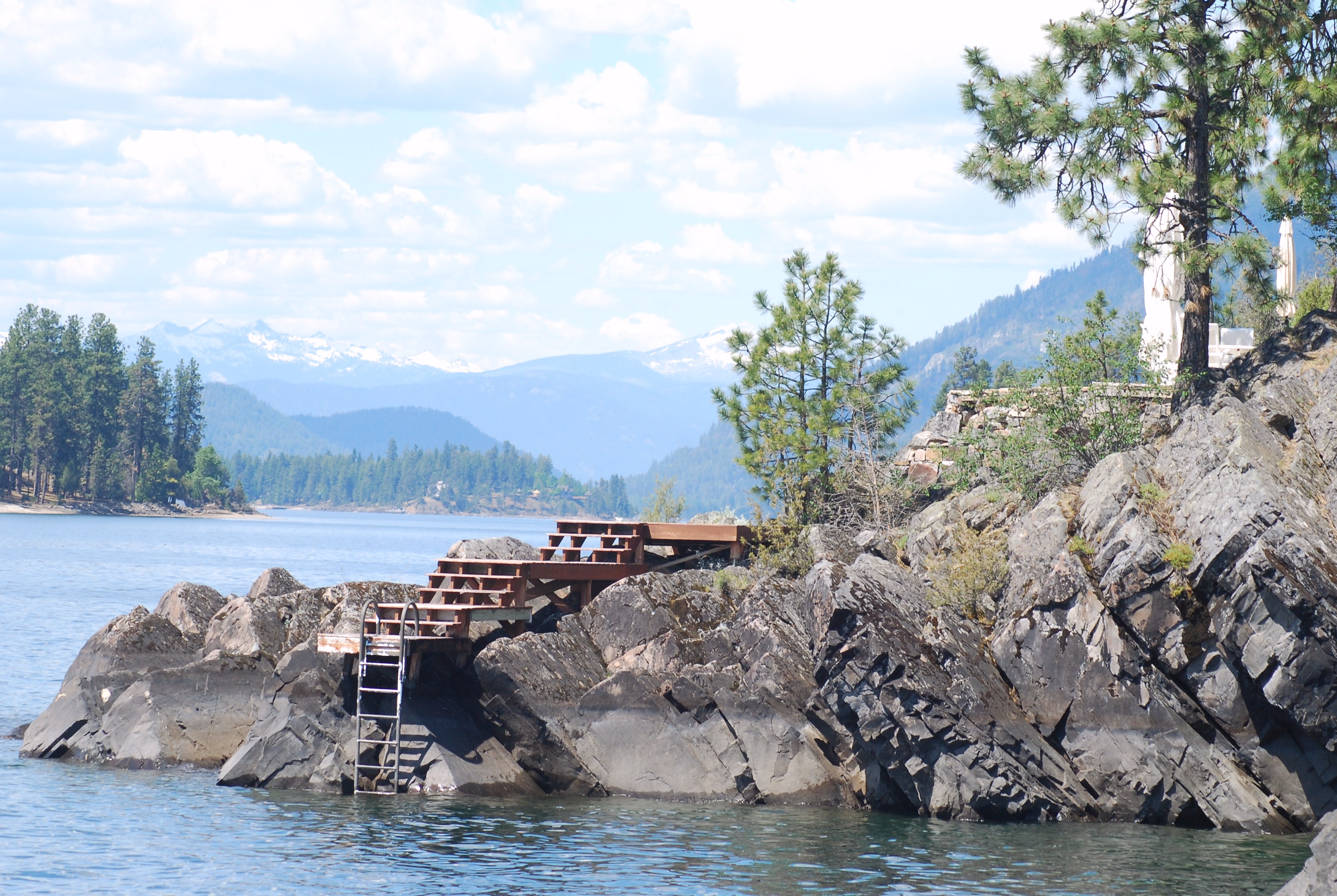
    Charli shared a photo of a rather idyllic spot on an island and challenged writers to In 99 words (no more, no less) write a story, using the above photo as a prompt.

    Well the photo is beautiful, but I couldn’t get away, I was stuck at the garden party. I thought it was a wonderful analogy for the rewards that can be had from an education; rewards that may be obvious and perhaps available to many, but rewards that may be out of reach to others because of circumstances over which they have no real control. I thought of Marnie who suffers the double disadvantage of a dysfunctional family in a low SES area; but who knows there is something better out there and wants it for herself.

    Thanks to Charli for her prompt, here is another episode from Marnie’s life. I hope you enjoy it.

    The garden party

    Marnie’s face pressed into the bars of the tall white gate with amazement: white-covered tables laden with food; chairs with white bows; white streamers and balloons; and a band!

    But the ladies had her spellbound with elegant dresses and high, high heels; flowers in their hair and bright painted lips.

    A man in uniform opened the gate to guests arriving in limousines. Marnie followed.

    “Not you, Miss,” said the uniformed man.

    Marnie held out her invitation, “Jasmine . . .”

    But he’d closed the gate and turned away.

    Marnie looked down at her stained dress. What was she thinking?

    Thank you

    Thank you for reading. I appreciate your feedback. Please share your thoughts about any aspect of this post or flash fiction.