Live Love Laugh Learn … Create the possibilities

Tag: education

  • The right place at the right time

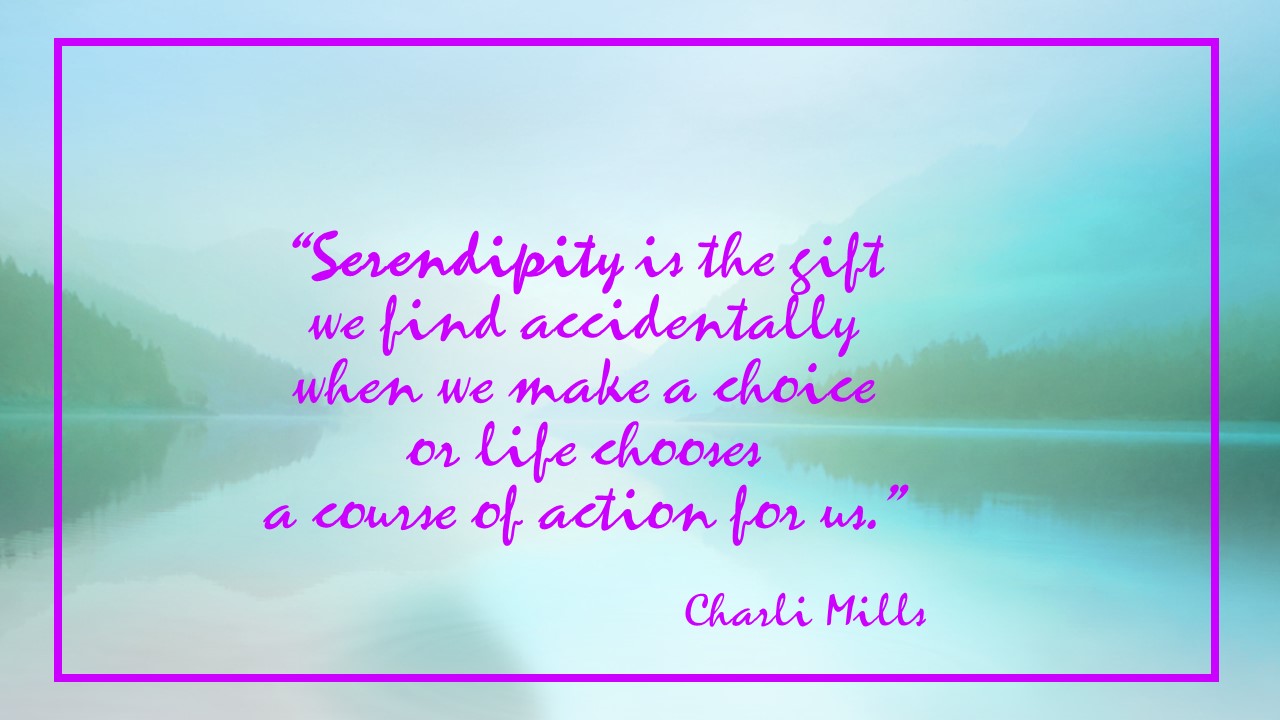
    Charli Mills Serendipity

    This week at the Carrot Ranch Charli Mills is talking about serendipity and describes it this way:

    “Serendipity is the gift we find accidentally when we make a choice or life chooses a course of action for us.”

    I often think of serendipity as being in the right place at the right time. There are many occasions in my life where that has occurred, and probably millions more when I’ve missed by a millisecond, but many of those I’ll never know.

    www.morguefile.com
    http://www.morguefile.com

    Our lives have been improved by many discoveries made through serendipity. This article on NOVA lists seven Accidental Discoveries  in medical science that have changed health outcomes people around the world:

    • Quinine
    • Smallpox vaccination
    • X-rays
    • Allergy
    • Insulin
    • Pap Smear
    • Penicillin

    Joseph Henry - seeds of discovery

    Lexi Krock, author of the article reminds us that, though some elements of serendipity, of chance, may have been involved in the discoveries, there was also a great degree of hard work, preparedness, creative thinking and an openness to possibilities. In fact Krock says that having an open mind is the most important ingredient. She quotes the words American physicist Joseph Henry:

     “The seeds of great discoveries are constantly floating around us, but they only take root in minds well prepared to receive them.”

    I came to that article through The story of serendipity on Understanding Science, which also talks about lucky coincidences, such as the story of Newton and the apple. This article states there is more than being in the right place at the right time to make a serendipitous discovery, including:

    • Background knowledge
    • An inquisitive mind
    • Creative thinking
    • The right tools, and
    • Good timing
    www.morguefile.com
    http://www.morguefile.com

    Another who attributes success in part, to serendipity, to being in the right place at the right time, is Malcolm Gladwell. Thanks to a serendipitous recommendation by Rowena, who blogs at Beyond the Flow, I have just finished listening to Gladwell read his book “The Outliers, The Story of Success”.

    Gladwell argues that there is more to success than just intelligence and hard work. Yes both are important: intelligence to a certain level and hard work to a greater degree. Through “The Outliers” Gladwell popularised the idea of 10 thousand being the “magic” number of hours to practice for success to occur, citing sporting heroes, The Beatles and Bill Gates, amongst others..

    However there is much dispute to this “rule”; and I must admit that, although I thoroughly enjoyed listening to and thinking about this book, it raised as many questions as it provided “answers” and I found myself wondering how much manipulation had gone into the figures to make them match his ideas, rather than the other way round. I am not saying there was any manipulation, I just wondered.

    www.openclipart.com
    http://www.openclipart.com

    However, one point he was making, that I think has value and fits with the theme this post, is that one’s circumstances; one’s family, environment and time, including birth year and month, play an enormous role in one’s success. These are things over which we have no control.

    According to Gladwell’s discussion of timing, I am correct in describing myself as “born too soon” in my Twitter bio. I was born just a few, but too many, years before the twelve month period that saw the births of Bill Joy, Steve Jobs and Bill Gates. I didn’t have the opportunities they had either.  Gladwell explains the importance of their timing, environment and opportunities in his book.

    In this Q and A Malcolm explains what an outlier is, what he thinks of as success, and how he thinks we should think of success. As well as the coincidence of Joy, Jobs and Gates, Gladwell says that “a surprising number of New York’s most powerful and successful corporate lawyers have almost the exact same biography: “they are Jewish men, born in the Bronx or Brooklyn in the mid-1930′s to immigrant parents who worked in the garment industry. “ He also says that “a hugely disproportionate number of professional hockey and soccer players are born in January, February and March.” Coincidence? He explains why.

    rg 1024, gift https://openclipart.org/detail/31159/gift
    rg 1024, gift https://openclipart.org/detail/31159/gift

    In her post Charli Mills states that

    “Serendipity holds no guarantees, but we can take the gifts it offers.”

    The gifts were there for the hockey and soccer players born in the first quarter of the year, but stacked against anyone born in the final months of the year. Likewise, serendipity held false promises for me when I was working towards establishing an alternative school.  Meeting the expectations of the Education Department proved no barrier. Meeting town planning requirements was much more elusive.

    The first property with any real potential we investigated was in Skew Street. Not surprisingly the odds were skewed against us and we couldn’t proceed there.

    Shortly after we located a much better property: more central, with ample indoor and outdoor space and a large playground. The arrangements seemed ideal, and the street names were much more promising. It was on the corner of Water and Love Street. Surely that had to bode better for us than Skew Street. Serendipity.

    Unfortunately, though it was definitely the right place, the timing was wrong. At the final moment, when leases were to be signed, a member of the organisation, who had been absent from previous meetings and discussions, turned up, objected and put an end to our plans.

    While some of us did continue to search for another location, it was like trying to find a needle in a haystack; there were few that met town planning requirements, and even fewer that met ours. Parents who had expected their children to start with us decided they could wait no longer and made other arrangements for their children’s education. The last minute loss of the ideal property rocked us to the core. With much heartbreak we finally admitted defeat and disbanded. Having read Gladwell’s book I am now willing to accept that it was not because I didn’t work hard enough but because there were other factors working against us.

    I decided that, in response to Charli’s flash fiction challenge to In 99 words (no more, no less) write a story that reveals or explores a moment of serendipity, this time I would provide Marnie with a positive experience, the beginning of a new phase in her life; serendipity working it’s magic.

    doors

    The wrong place at the right time

    Marnie was puzzled. The card definitely said 225; but there wasn’t any 225. There was 223, and 227, but no 225. She peered at the crack between the apartments as if willing 225 to materialise. Exhausted and confused, unsure of what to do next, she slumped on the step.

    “Can I help you?”

    The question interrupted her muddled thoughts. Seeing kindness in the eyes, Marnie explained her predicament.

    The woman read the card.

    “Street, not Avenue,” she said, pointing to the sign. “Are you Marnie? Lucky I got the wrong bus today. I’m Josephine. Come on. It’s not far.”

    Thank you

    Thank you for reading. I appreciate your feedback. Please share your thoughts about any aspect of this post or flash fiction.


  • Well I declare

    This week at the Carrot Ranch Charli Mills is making declarations. Specifically she is declaring herself an author, making it clear what her writerly intentions are. I also have declared my writerly intentions. In previous posts, here, here and here, I shared my goal of establishing a website with early childhood teaching resources of my creation.

    In her post Charli expresses it this way: success for her is publishing books. She wants to write books for readers who want to read them. Not only that, she wants to market her books “well enough to eat more than hand-picked dandelions from (her) yard”.

    www.morguefile.com
    http://www.morguefile.com

    Change books to early childhood teaching resources and, for me it’s the same. I want to publish teaching resources that teachers want to use, that enhance their teaching and improve children’s learning. I’d also like to do well enough to not be reduced to eating dandelions from my backyard.

    Some writers consider “educational writing” less worthy and lacking in creativity. “Oh educational writing,” said one disparagingly, “that’s so prescriptive,” and quickly moved on to discuss others’ more literary pursuits.  

    I know some educational writing can be prescriptive. I have done some of that formulaic writing myself. However the resources I am creating do not conform to a formula, are not worksheets to be completed by students sitting quietly in rows.

    I am developing a variety of resource types, some with interactivity, to help develop understanding and skills in a meaningful context. Many encourage critical thinking, problem solving and purposeful applications. Many are built around my own original stories and poems as well as non-fiction texts.

    I have chosen this path in order to support teachers with ready to use teaching episodes and parents with suggestions for nurturing their child’s development. Prescriptive? Far from it. And please don’t prejudge my educational writing against the stereotype of formulaic worksheets and textbooks which are far too abundant and easily accessible on the internet and in bookstores.

    Guiding parents in play sessions for parents and children.
    Guiding parents in play sessions for parents and children.

    From the declaration of writing goals to a declaration of another kind, repeated often on my blog: my appreciation of all things early childhood, especially literacy and picture books, and the importance of reading to and with children on a daily basis.

    The years from birth to eight, especially those before formal schooling begins, are crucial to a child’s development and have an enormous impact on future happiness and success.  It is during these years that basic skills and language are developed along with attitudes to self and relationships.

    noisy nora

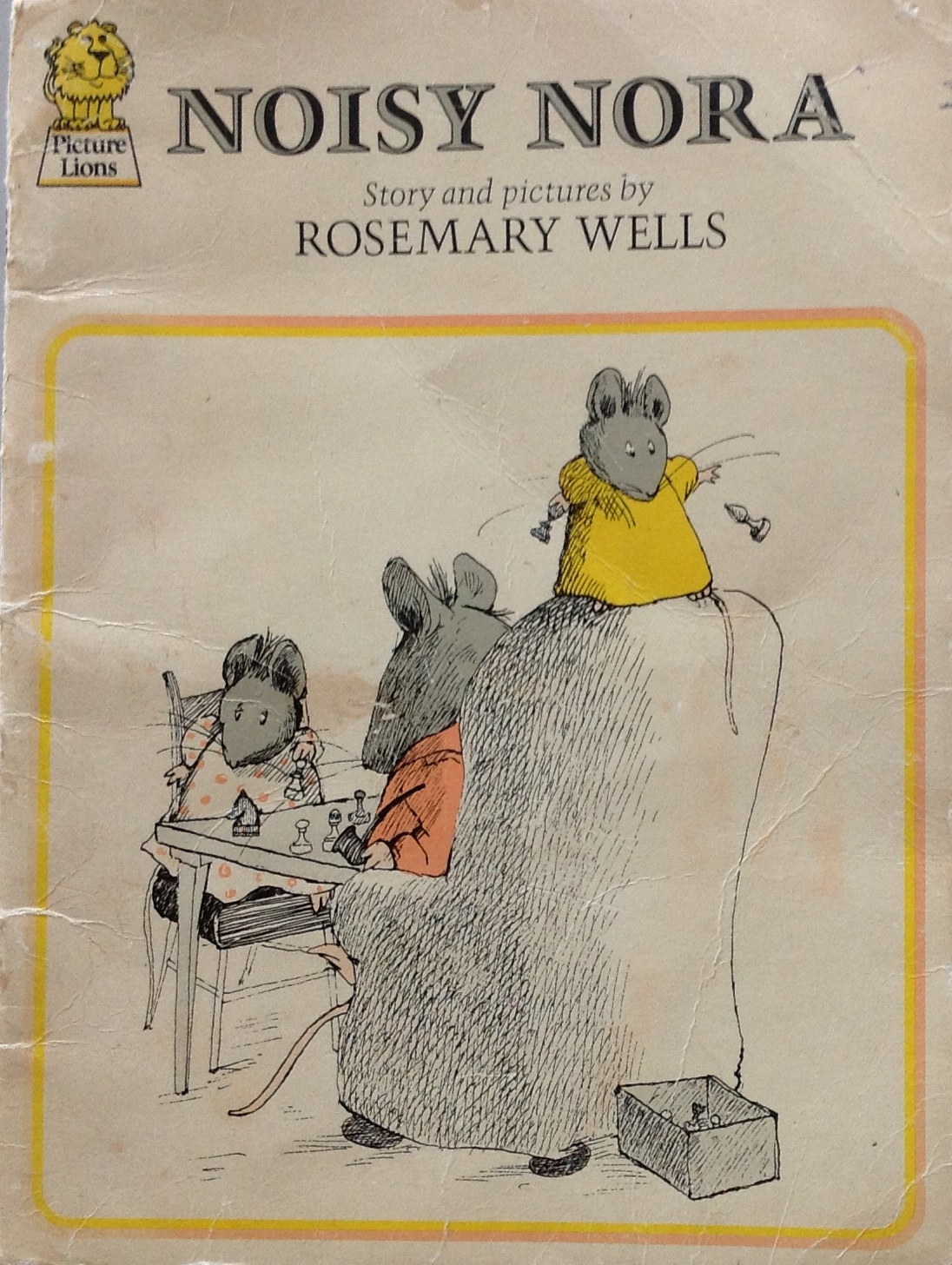
    The picture book Noisy Nora by Rosemary Wells is a delightful book about a middle child who fails to get the attention of her parents who are busy with the older and younger siblings. Finally Nora declares that she is leaving and never coming back. With Nora gone the house becomes unusually quiet and the family go looking for her. At last she declares herself back again as she clatters out of the broom closet.

    (This information from Wikipedia explains why my cover differs from the one in the Amazon store.)

    I took Nora’s declaration as the basis for my response to Charli’s flash challenge to In 99 words (no more, no less) declare an intention in a story. Is it one person, a character speaking up or speaking out? Is it a group or a nation? Create a tension before or after the declaration. It can be private or public, big or small. Does it have power to those who state it or hear? What does it change?

    While I wrote it with Marnie in mind, it could be about any number of others in oppressive situations and seems particularly appropriate to those trapped by the horrors of domestic violence which is at the forefront of our news at the moment. Unlike Nora, who declared she was leaving and never coming back but didn’t really leave, Marnie definitely won’t be coming back.

    from "Noisy Nora" by Rosemary Wells
    from “Noisy Nora” by Rosemary Wells

    Leaving

    It was time. No more would they treat her this way. No more would she accept the cruelty of their world. She was more than this, more than they made her believe. With cash from a secret job stashed in her pockets, a few clothes in a backpack, and hope in her heart, she left. No need to follow a bag through the window. No need to wait for night’s darkness. No. She navigated past their stupor of beer, smoke and flickering screens; paused at the door to declare, “I’m leaving,” then closed off that life as she left.

    Thank you

    Thank you for reading. I appreciate your feedback. Please share your thoughts about any aspect of this post or flash fiction.


  • Better than a trail of breadcrumbs

    ©Glenn Althor www.http://obscurepieces.com/ Used with permission.
    ©Glenn Althor  Used with permission.

    When I think of children’s stories about being lost, Hansel and Gretel is one of the first that comes to mind. Whether or not this gruesome story is suitable for children, I’ll leave for another discussion. The children were correct in thinking it was important to mark their way into the forest in order to find their way out. They were incorrect in their choice of markers.

    Encouraging children to identify features of their environment has benefits beyond encouraging them to question and wonder. It is important for children to learn, from a young age, to identify markers on routes around the neighbourhood, shopping mall and school, as well as strategies to implement if lost or separated. Taking note of seasonal and other changes, both temporary and permanent, in addition to permanent features helps to build knowledge of one’s environment. This knowledge can be developing long before the need to find one’s way alone arises.

    http://www.morguefile.com/
    http://www.morguefile.com/

    One day there will be a need to navigate independently, whether it be to walk to school, go to the shop, visit a friend, catch a bus or drive a car. All of these will be far less daunting for the child, and much less worrisome for the parents, if the ability to find one’s way around has already been demonstrated through discussions or deciding which route will be taken for a journey.

    Often the first time children are required to navigate independently is when commencing school. They may need to find their way to the classroom in the morning, or to the gate in the afternoon. They will have to find the way to the playground, the office, the library, and the toilets and back to the classroom. Just as parents show children around the neighbourhood by pointing out landmarks, it is important for teachers to orient children in the school grounds and ensure they know how to find their way around confidently.

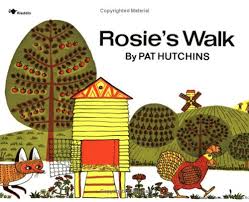
    A delightful book that can be used by both teachers and parents to discuss the importance of knowing one’s way around and of staying safe is the beautiful Pat Hutchins’ book Rosie’s Walk which tells the story of a hen who goes for a walk around the farmyard and gets back home safely in time for dinner. The story also introduces many positional words.

    Rosie's walk

    Understanding of positional terms and describing the location of neighbourhood and school landmarks in relation to each other  helps to develop spatial awareness along with language; for example:

    • past the shop
    • across the bridge
    • over the road
    • through the park
    • in the middle
    • beside the lake
    • along the road
    • next to the bakery
    • around the corner
    • behind the fence
    • as well as left and right.

    Discussing the placement of landmarks on a mud map of the neighbourhood or school and discussing different paths that could be taken encourages divergent thinking about ways of getting from one place to another. Sometimes it helps children to think of these maps as being from a birds’eye view, or from a plane. Other maps, for example Google Maps and street directories are also useful and children can learn to point out or mark places they have visited.

    mud map

    There are many opportunities, whether in the car or on foot, to take note of landmarks; for example:

    • house numbers,
    • types of fences
    • the number of streets to cross
    • large trees
    • the shopping centre entry
    • carpark space row and number
    • bridges crossed

    While the flash fiction challenge set by Charli Mills at the Carrot Ranch this week was to In 99 words (no more, no less) write a story about someone or something that’s lost, I have taken the theme of lost and used it to provide strategies that may help children avoid becoming lost. My flash is a rhyme for young children, and an example of the types of things that children can be encouraged to observe in their neighbourhood.

    To Grandma’s House

    Bub’s buckled in, away we go.

    Mum’s going to work, we can’t be slow.

    Down the street past the green painted door.

    Past the house with big number four.

    Stop at the curb and look each way.

    Off to Grandma’s, hip-hip-hooray!

    Quiet past here so the dogs don’t bark.

    Left at the corner and cut through the park.

    Up the hill, past the posting box.

    Open the gate, give three big knocks.

    Hugs for Grandma waiting for us.

    Wave to Mum as she boards the bus.

    Go inside for milk and toast.

    Days with Grandma we like the most.

    Thank you

    Thank you for reading. I appreciate your feedback. Please share your thoughts about any aspect of this post or flash fiction.


  • Noticing and Wondering: Kicking off and supporting enquiry

    I have written previous posts about the importance of nurturing the ability to wonder in young children and in ourselves, for example here, here and here. It is always a delight, then, to come across a post that expresses ideas similar to, but extending, my own.
    This post by Aaron Eden on Edunautics, Exploring a World of Learning questions whether there could be any skills more important than noticing and wondering. He says that in school students are generally told to think and wonder about what someone else (the teacher, the curriculum writer, the policy maker) thinks is important.
    Eden argues for the importance of learning to learn; of learning to identify what is important and of understanding how to learn it. He promotes developing an environment of questioning and suggests ways of extending students’ learning through participation in genuine inquiry based upon their own wondering and questioning. His suggestions help make the process more explicit, and therefore possible, for teachers to implement.

    Thank you
    Thank you for reading. I appreciate your feedback. Please share your thoughts.

  • I’m new here

    Australia is a land of immigrants. The first Australians arrived, it seems, about 65 000 to 40 000 years ago, after the second migration out of Africa. The second group arrived only little more than 200 years ago. Some think of Australia as a young country with a history beginning with arrival of Europeans in 1788. But Australia is not only the oldest continent, it is also home to the oldest living culture and was inhabited long before many other parts of the world. It is a tragedy that little recognition and respect is given to this culture and its peoples.

    Disharmony and conflict, on a scale from the personal to global, often occurs because of perceived differences: “He’s not like me. She doesn’t think like me. They don’t believe what we believe. I am right and you are wrong.” The realisation that what we share in common far outweighs the differences, and the appreciation of those similarities and differences, would go a long way to soothing that discord.

    The National Geographic Genographic Project aims to find out more of our collective human history; where we originated and how we came to populate the world. Projects such as this may help to strengthen the focus on what we share rather than ways in which we differ.

    Young children are generally accepting of differences they may notice in each other and are usually more concerned about having someone to play with than about visible differences.  Fear of and discomfort with differences is often learned.

    https://openclipart.org/image/800px/svg_to_png/192642/Children_holding_hands.png
    https://openclipart.org/image/800px/svg_to_png/192642/Children_holding_hands.png

    Mostly my classrooms were a microcosm reflecting the rich diversity of cultural heritages represented in Australia. Learning about those heritages from the children and their families, as well as through literature and other media, helped us all develop an appreciation for our differences as well as our commonalities.

    The celebrations of International Days when children would wear traditional clothing, bring items from home to display and discuss, contribute cultural food to a shared lunch, teach how to play traditional games or share traditional stories were always appreciated by the children and families; including those who considered themselves to have a cultural background and those who didn’t.


    http://pixabay.com/en/diversity-ethnic-global-literature-154704/
    http://pixabay.com/en/diversity-ethnic-global-literature-154704/

    Units of work, such as my Getting to know you — Early childhood history unit, learning to greet each other in the languages represented in the class, reading traditional tales and discovering each other’s favourites of anything also contribute to developing understanding and empathy.

    Whoever you are.

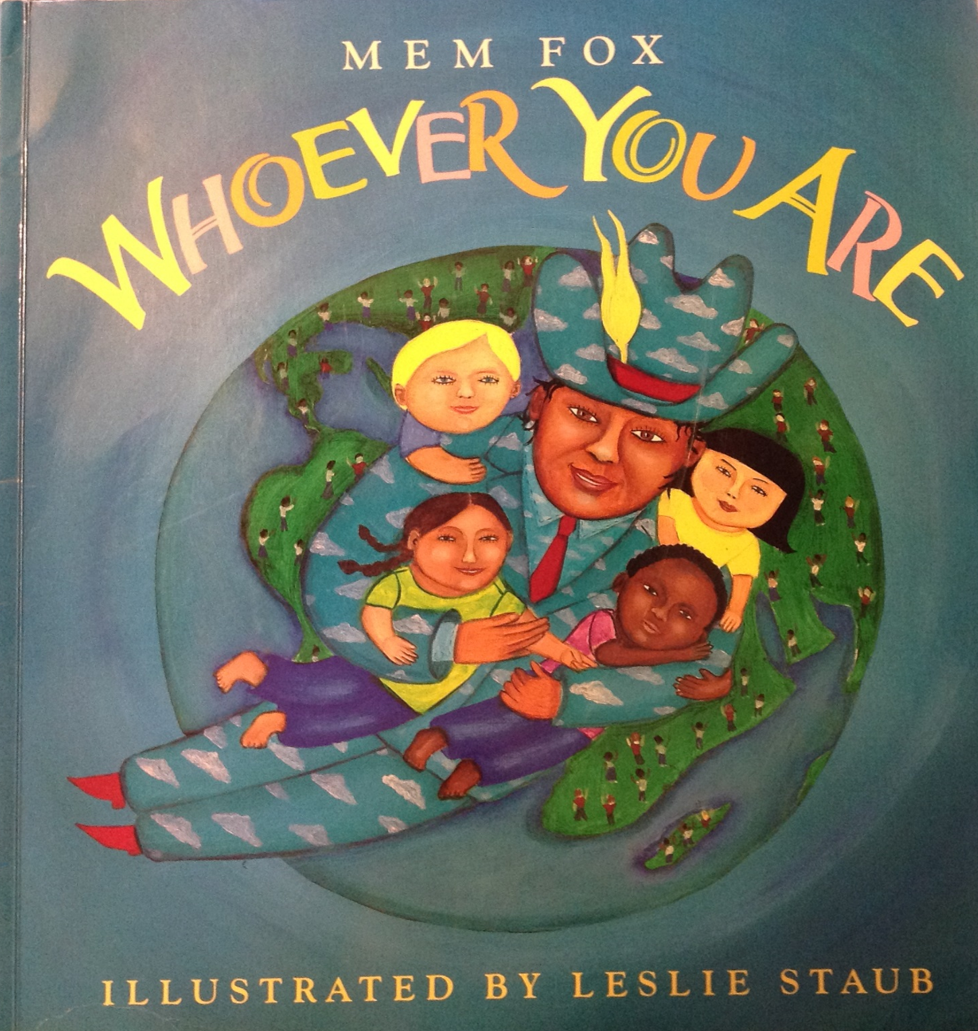
    Whoever You Are by Mem Fox is a wonderful picture book which can be used to discuss similar themes. It explains in a simple and beautiful way that although children around the world may live in different houses, wear different clothes or eat different foods, for example ‘inside, their hearts are just like yours.’ Mem Fox explains the story on her website.

    I have drawn upon the ideas discussed above for my flash fiction response to this week’s challenge by Charli Mills at the Carrot Ranch to In 99 words (no more, no less) write a story that shows the interaction of a migrant culture on the place of migration.

    Playground connections

    The adults dotted the perimeter, holding tight to their own; bound by the security of sameness reflected in their own eyes, excluded by fear felt for differences perceived in others: different dress and hair, unintelligible words and unfamiliar scents.

    In the centre the children romped together, united in the secret language of smiles and laughter, funny looks and gentle patting hands; no words needed.

    The children smiled, waving promises of future plays, as one by one the adults called them home, delighting in their children’s easy ways, wishing for their own nonprejudicial days. A nod. A smile. A beginning.

    Recently I found this quote on Yvonne Spence’s post in 1000 Voices for Compassion. I think it sums up the intentions of this post  beautifully.

    we are together


    Thank you

    Thank you for reading. I appreciate your feedback. Please share your thoughts about any aspect of this post or flash fiction.


  • Can you dig it?

    This week at the Carrot Ranch Charli Mills is talking about dirt and has challenged writers to In 99 words (no more, no less) write a story about dirt.

    In her post Charli says that,

    writing is like gardening - Charli Mills

    and talks about sowing compassion to make our world a “worthier place to live”.

    These are wonderful ways of thinking about dirt and good reminders of the importance of the earth beneath our feet, which is often taken for granted, even ignored, unless one is a farmer, a gardener, perhaps a miner, or possibly a child.

    Morguefile  http://mrg.bz/omEd2M
    Morguefile http://mrg.bz/omEd2M

    Children are often admonished about playing in the dirt, as if washing off a little soil  was the greatest difficulty. In our towns and cities we cover the soil with concrete and leave few patches of bare earth where children have an opportunity to dig.

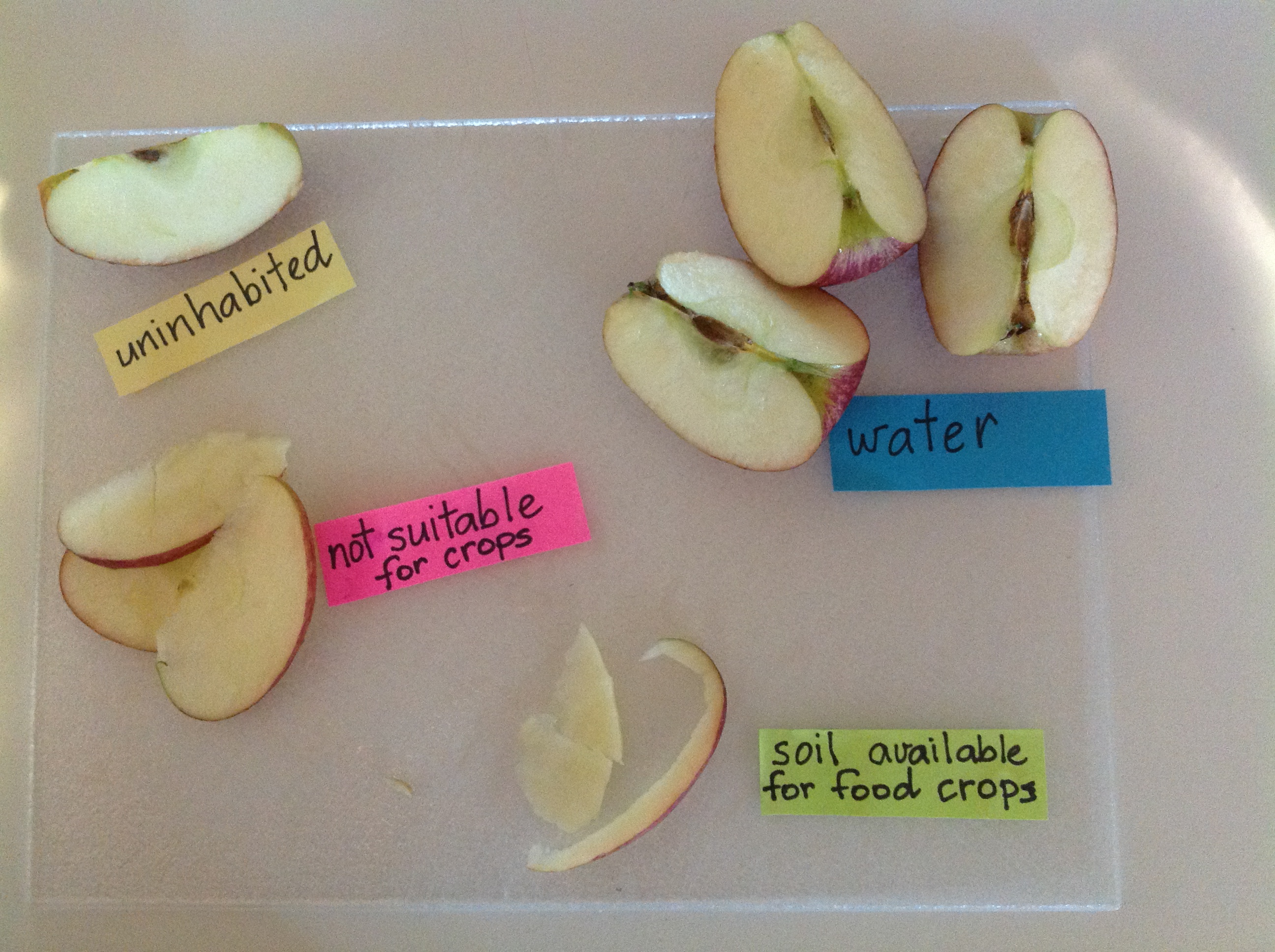
    Soil, though an essential resource of our Earth, is often overlooked. Ask a young child what living things need and they may say “water, air, food, sunshine and shelter”. Soil won’t rate a mention. But without it we wouldn’t have a thing to stand on! Nor would we have our other essentials: air, food and shelter – all dependent on the soil for their production.  The importance of soil and of conserving becomes even more evident with the realisation of how little of the Earth’s surface is available for producing food.

    © Norah Colvin
    © Norah Colvin If Earth was an apple . . .

    Another great gift from the soil is knowledge. Much of what we know of Earth’s history and human history has been revealed by the soil as successive layers have been exposed or excavated; uncovering secrets of the past and enabling a much richer understanding of earlier times.

    dinosaurs at museum Jan 91
    © Norah Colvin

    Our knowledge of dinosaurs has all been revealed from the earth with the first discoveries and identifications made only a few hundred years ago.  And there is still much more to be discovered. My children and grandchildren, along with many other children and adults, are fascinated by dinosaurs. How exciting it would be to make a new dinosaur discovery, find hidden treasures or unlock secrets of the past!

    © Norah Colvin
    © Norah Colvin

    It is possible that many more dinosaur, and other, discoveries are yet to be made. The world’s only known evidence of a dinosaur stampede was found in Australia just a little over fifty years ago.  Even more recently a gardener in the UK found a dinosaur bone in his backyard! In the US, if you find a dinosaur fossil in your backyard it’s yours to keep!

    According to this video, finding dinosaur fossils is quite easy:

    The excitement of making new discoveries  and finding answers to questions is motivation for many.

    In his book Good Ideas: How to Be Your Child’s (and Your Own) Best Teacher Michael Rosen relates a story told by David Attenborough. He says that, as a child, David took an interest in bones and if he was out walking and found some he would take them home and ask his father (a GP so would probably know) about them.

    But his father didn’t just tell him. Wanting his son to be curious and interested in finding things out for himself, he responded, for example: “I wonder if we can work it out . . .” They would then look through books about zoology and anatomy and try to identify the bone’s origin.

    Knowing that it is through the comparison of found bones with bones of familiar creatures that scientists have been able to work out much of what we now know about dinosaurs and other extinct creatures makes such an activity even more exciting and inspirational.

    Rosen goes on to share an experience from his own school days. When a teacher confessed to students that he didn’t understand Comus by Milton, which had been set for study, the class and teacher spent the year together figuring out its meaning. Rosen compares the effectiveness of this approach to many others, stating that study techniques, “didn’t teach me how to find things that I really wanted to learn about. It didn’t take me down interesting side-alleys where I would find things that I didn’t know I would be interested in until I found them.” But he says what he learned from exploring Comus was “something that’s more to do with feeling than knowledge or learning: it was a confidence that I could investigate and discover things for myself. It’s ironic, isn’t it, that I got that feeling from someone who quite genuinely didn’t understand something?

    A sense of wonder and curiosity, and a desire and willingness to find out for oneself answers to one’s own questions is fundamental to learning. Digging in the dirt occasionally can’t do that much harm. You never know what new discovery you may make!

    Moini, A treasure chest with lots of twinkling gold coins, https://openclipart.org/detail/188617/treasure-chest
    Moini, A treasure chest with lots of twinkling gold coins, https://openclipart.org/detail/188617/treasure-chest

    The thought of just such a discovery is what inspired my response to Charli’s challenge:

    Digging for gold

    Her spade crunched against the obstinate soil. Then tap, tap, tap, another thin layer loosened. She scooped up the soil and tossed it onto the pile growing steadily beside the excavation site. With expectant eyes and gentle fingertips she scanned each new surface. Then again: tap, tap, tap — toss; tap, tap, tap —toss!

    She pushed back her hat to wipe her sweaty brow, leaving a smudge of dirt as evidence. She glanced skyward. The sun was high. She’d been digging for hours. She must find something soon. What would it be? Pirate’s treasure or dinosaur bones . . .?


    Thank you

    Thank you for reading. I appreciate your feedback. Please share your thoughts about any aspect of this post or flash fiction.


  • A garden party

    www.openclipart.org
    http://www.openclipart.org

    The purposes of education are many; but perhaps one important purpose of “free” public schooling is to ensure that everyone is provided with the opportunity of being educated. While this goal is achieved to a certain extent, inequalities of opportunity still exist, many of which are related to socioeconomic status (SES).

    letter from Camus

    While there is no doubt that a teacher can have a powerful effect upon the lives of students and any teacher would love to receive a letter such as that written by Albert Camus, socioeconomic status is often considered to be the most reliable predictor of success in school and, therefore, in life. There are many reasons for this, few of which have anything to do with intelligence.

    www.openclipart.com
    http://www.openclipart.com

    According to Macquarie University the majority of students in tertiary education are of mid to high socioeconomic status. The parents of these students may have professional backgrounds and may have attended tertiary institutions themselves.  Most have an appreciation of the benefits of higher education and are able to continue supporting their students, to some extent, while they study.

    While students of lower SES are attending tertiary institutions in greater numbers they are disadvantaged in doing so by a number of factors, primarily financial in origin. Although Australia is supposedly free of class distinctions, attitudes towards those from lower SES areas are often demeaning and unsympathetic. Students from these areas may battle to develop the self-esteem that seems to be a birthright for others from more privileged backgrounds. The negativism with which they are viewed, and some come to view themselves, can become a self-fulfilling prophecy.

    Ready for school - year 2
    Ready for school – year 2

    I was a fortunate one for, while I grew up in a family with low SES background, my parents saw the value in education and sacrificed much for their children to have the opportunities it provided. The high costs of tertiary education that are now incurred could not have been afforded, but I achieved well enough in school to obtain a scholarship to teachers’ college and a three-year bond (guaranteed employment) when that was finished.

    Nowadays there is no such thing as guaranteed employment and few scholarships. Many families cannot afford to have post-secondary/adult students continue to live at home and not contribute to expenses while they undertake further study. This means that students have the additional burden of working while they are studying. Many opt out of study altogether to seek long term employment, often in low paying jobs with little opportunity for advancement. And so the cycle continues. The lack of permanent employment even for graduates makes deferring earnings less desirable again.

    caravan

    Of course the disadvantage doesn’t just begin when approaching final years of school. The impacts can be observed from the earliest age. (My suggestion for an early learning caravan addresses this in part.) Although education is provided “free” to students, there are many other associated costs that families may struggle to meet, such as books, equipment, and extra-curricular activities such as excursions and incursions.

    In most Australian schools, the wearing of uniforms helps to minimize differences that may otherwise be obvious by choices of clothing and footwear. It also helps to reduce costs. Sometimes additional activities can be a drain on family expenses, and while many schools will fund expenses for those in need, not all families are willing to ask for that help.

    DCF 1.0

    Studies have shown that many children arrive at school without having eaten breakfast. While this phenomenon can occur in any family, it is more prevalent in low SES areas. Some schools are now providing a healthy breakfast for students when they arrive at school. I think this great as hungry children tend to have difficulty concentrating and learning, are often lethargic and may suffer from mood swings and negative attitudes. I know how irritated I become when I am hungry. My family “joke” about not getting in the way of me and my food! How much worse for children who come to school with empty bellies.

    Of course these issues are compounded for children who live in dysfunctional families. As much as we may try to be inclusive and equitable in the way we treat them, these students are often the ones who notice their differences and inadequacies and become most self-critical. It can be a very difficult task to change the attitudes and habits of generations.

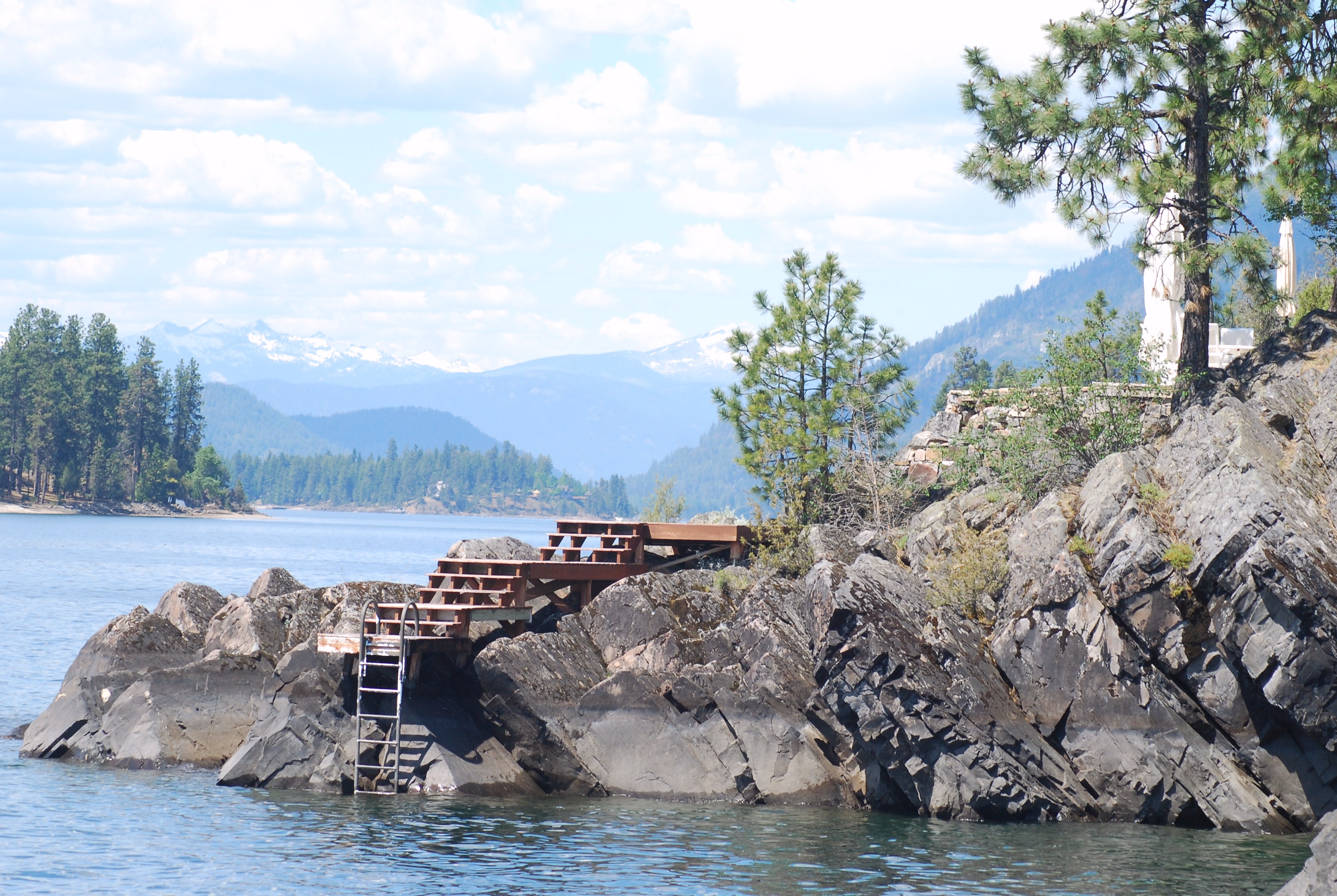
    This week at the Carrot Ranch Charli Mills talked about attending a garden party. The hosts and guests at this party had obviously enjoyed some of the finer things that life reserves for a few.

    lake-pend-oreile-cruise-may-21-31

    Charli shared a photo of a rather idyllic spot on an island and challenged writers to In 99 words (no more, no less) write a story, using the above photo as a prompt.

    Well the photo is beautiful, but I couldn’t get away, I was stuck at the garden party. I thought it was a wonderful analogy for the rewards that can be had from an education; rewards that may be obvious and perhaps available to many, but rewards that may be out of reach to others because of circumstances over which they have no real control. I thought of Marnie who suffers the double disadvantage of a dysfunctional family in a low SES area; but who knows there is something better out there and wants it for herself.

    Thanks to Charli for her prompt, here is another episode from Marnie’s life. I hope you enjoy it.

    The garden party

    Marnie’s face pressed into the bars of the tall white gate with amazement: white-covered tables laden with food; chairs with white bows; white streamers and balloons; and a band!

    But the ladies had her spellbound with elegant dresses and high, high heels; flowers in their hair and bright painted lips.

    A man in uniform opened the gate to guests arriving in limousines. Marnie followed.

    “Not you, Miss,” said the uniformed man.

    Marnie held out her invitation, “Jasmine . . .”

    But he’d closed the gate and turned away.

    Marnie looked down at her stained dress. What was she thinking?

    Thank you

    Thank you for reading. I appreciate your feedback. Please share your thoughts about any aspect of this post or flash fiction.

  • Who wouldn’t be excited with high test scores?

    Regular readers of my blog are aware of my attitude to didactic top-down, content and assessment driven methods of schooling students to become machines regurgitating meaningless facts on command. A bit of push and shove it in and belch it out.  For those of you who weren’t aware – now you are!

    I probably should apologise for my indecorous description as I’m usually a little more temperate in the way I express my views, but I won’t as that is how I am feeling about it at the moment. The authorities who have the power to make the changes necessary are so caught up in their own murky visions that they fail to see either effects or solutions. Every time I read another report of test scores or hear of another child damaged by a faulty system my frustration grows.  It becomes one of those hysteria blossoming days.

    bag

    A few moments ago I read a post titled “Vietnam Wallops US on PISA. Vietnamese educators belittle value of PISA” on Diane Ravitch’s blog. Ravitch is an education historian.

    As the title suggests, Vietnamese fifteen year old students did better than their US, UK and most other EU counterparts in the 2012 PISA tests, ranking 12th out of 76. What I found interesting about the article was not the results but the attitude of Vietnam’s Deputy Minister of Education and Training. His view that the tests don’t reflect students’ overall competence, reminded me of a letter, shared in my previous post, written by teachers to students sitting the national tests last week in Australia. (PISA are international tests).

    In the article referred to by Ravitch, Dr Giap Van Duong was reported as making reference to UNESCO’s four pillars of learning: Learning to know, Learning to do, Learning to be and Learning to live together. His opined that PISA addresses only the first pillar, and in only a limited way. He said that while Vietnamese students did well on the tests, “many … students fail to land a job after graduation. (and that when) they study overseas, many have difficulties in meeting the requirements of advanced education systems like team-work, problem solving and creativity”. Perhaps they are not “out of basement ready” as described by Yong Zhao.

    Duong said that the reason Vietnamese students do well on the tests is because the “The whole system operates to serve only one purpose: exams.”

    Duong’s admission that Vietnamese students lack the ability to work in teams, to problem solve and to think creatively reiterates the fears of many teachers who are  ruled by expectations of high test results and provided little opportunity to inspire learning, which surely remains the real (if neglected) purpose of education. Counterbalancing one’s philosophy with an employer’s expectations sometimes seems like being caught between a rock and a hard place.

    This week at the Carrot Ranch Charli Mills is talking about rocks and hard places. But Charli knows that good can often spring from those seemingly hard places through making connections. She has challenged writers to In 99 words (no more, no less) write a story that shows a hard place and a connection.

    It is connections that are most important in my two main roles in life: parent and teacher. Neither is easy and neither will result in much good without making connections. I often worry about things I have said and the affect they may have had on others. To be truthful, occasionally it even keeps me awake at night. While I would rather think of my words and actions creating a positive ripple, there is no guarantee that, even when delivered with my best intentions, they won’t do harm.

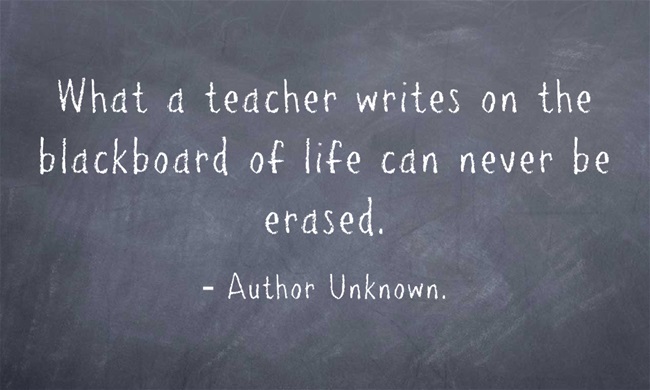
    Trevor Pilgrim shared a quote which puts it this way:

    What-a-teacher-writes-on

    In his article Pilgrim says,

    “teachers have (the power) to develop their students and shape their future lives.  The power to turn them on or off academically, stimulate or dampen their minds and heighten or destroy their engagement and intellectual curiosity.”

    Scary stuff!

    At about the same time I read an article that said that the influence of teachers is not as great as one might think; that socio-economic status, amongst other things, is more important. While I am happy with the thought of having a positive effect, I definitely do not wish to ruin anyone’s life so am happy to know that my influence is not be the most important to the lives of my students.

    https://openclipart.org/image/800px/svg_to_png/59389/happy_sun_gm.png
    https://openclipart.org/image/800px/svg_to_png/59389/happy_sun_gm.png

    For this challenge of Charli’s I am back thinking about Marnie’s art teacher and the hard place she found herself in when she saw the brown muddy mess that Marnie seemed to have made of her paints. That she must respond is a given; but how? Whatever she says will probably have a lasting impact so she must ensure that her response is appropriate. While her initial instinct is to express disappointment, she maintains her professional composure and delays commenting until she has thought it through.

    Here is my response:

    Brown.

    She glanced at the child, usually so eager to please, and knew this was no ordinary day.

    Downcast and avoiding eye contact, the child trembled. Her instinct was to reach out with comfort to soothe the hurt; but stopped. Any touch could end her career. What to say? Brown earth/brown rocks? would ignore and trivialise the pain. Any talk now would be insensitive with other ears listening. Any word could unravel the relationship built up over time. Nothing would harm more than doing nothing. Her steps moved her body away but her heart and mind stayed; feeling, thinking.

     Thank you

    Thank you for reading. I appreciate your feedback. Please share your thoughts about any aspect of this post or flash fiction

  • Are you ready or what?

    When thinking about schooling and education there is always a lot of discussion about readiness and the things that must be done to have a child ready for school, ready for the next class, ready go to college or university . . .

    While I agree that a learner must be ready to take the next step, to broaden understanding of a concept or to grasp the complexity of deeper issues; just what that readiness requires is often up for conjecture.

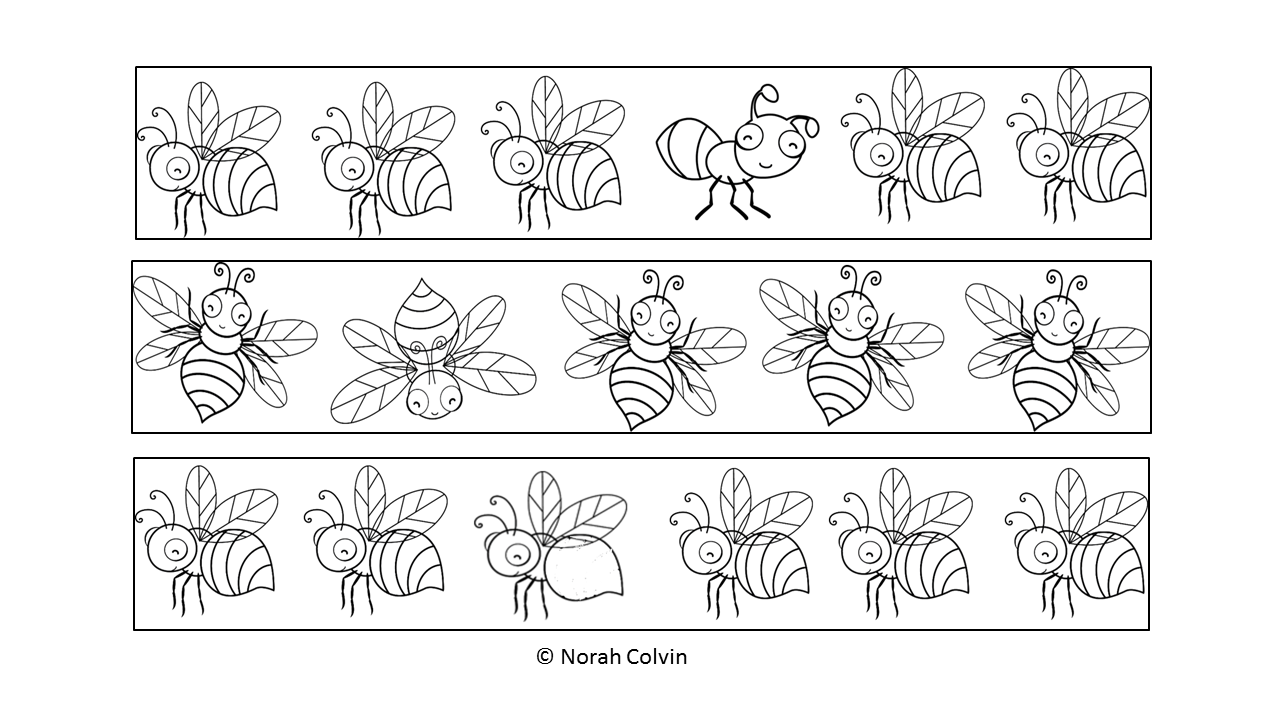
    Back in the early days of my teaching experience workbooks of ‘reading readiness’ exercises were frequently used with students in their first year of school. These activities generally required children to identify the one that was different in a group of objects. The exercises, such as those shown below, progressed through various levels of difficulty with the aim of preparing children for reading.
    reading readiness exercises

    Fortunately our understanding of how reading is learned has progressed since then and it is now recognised that exercises such as those did little to prepare children for learning to read. We now know that the best preparation for reading is to be immersed in language through conversations, with adults especially; to be read to frequently; and to develop a love of books and interest in print by sharing with others. The role of parents in preparing children for reading cannot be underestimated.

    This week I watched a video of a presentation by Yong Zhao about a type of readiness he referred to as “Out of basement readiness”. I admit I hadn’t heard the term before but the concept is definitely familiar.

    I do recommend you listen to Zhao’s talk. It is interesting, thought-provoking and humorous. I think I enjoyed listening to this talk as much as to Ken Robinson’s on How schools kill creativity which I have mentioned in previous posts here and here, amongst others. However at 55 minutes some of you may not be willing to commit the time. For me, it is 55 minutes of my life I’m very happy to not get back!

    I will not attempt to share all the content of the talk; there is too much of value, but here are just a few snippets that resonated with me:

    Zhao explains out of basement readiness this way:

    out-of-basement readiness - Yong Zhao


    Zhao says that students are being mis-educated, that they are being educated for something that doesn’t exist, and suggests that we should remove several phrases from the language we use to talk about education, especially

    • Under-performance
    • Evidence based
    • Data driven


    His description of the traditional education paradigm will be familiar to any frequent readers of my blog. He says that it is “about forcing people to do what some other people prescribe them to do” and that we reduce it to just a few subjects that can be tested.


    He talks about the “homogenisation” of schooling, and explained that homogenisation was the best way of getting rid of creative people and innovative thinkers.


    He mentioned kindergarten readiness tests, and suggests that the only test should be whether the kindergarten was ready for the children and parents.


    He recognises the uniqueness of every student, with different backgrounds, motivations and talents; and stresses the importance of effort. He says, “You cannot be born to be great. If you do not put effort into it you can never be good at it.” He explains it this way:

     “If you put ten thousand hours into something you are good at, something you are interested in you get great talent. But if I force you to spend time on something you have no interest in, you hate and something you are not good at, you at best become mediocre.”

    He says that countries that produce high test scores, score low on confidence and interest.

    He says,

    “Everyone is born to be creative, that’s a human being, that’s our gift: to be able to adapt, to learn and relearn and do new things. But school has typically tried to suppress it (with) . . . short term learning. . . Direct instruction may give the short-term gain but cause long term damages Studies show that if you teach children how to play with the toy, they lose creativity, lose curiosity and if you allow children to explore more they may not test very well but they maintain creativity and curiosity.”

    American schools _ Yong Zhao

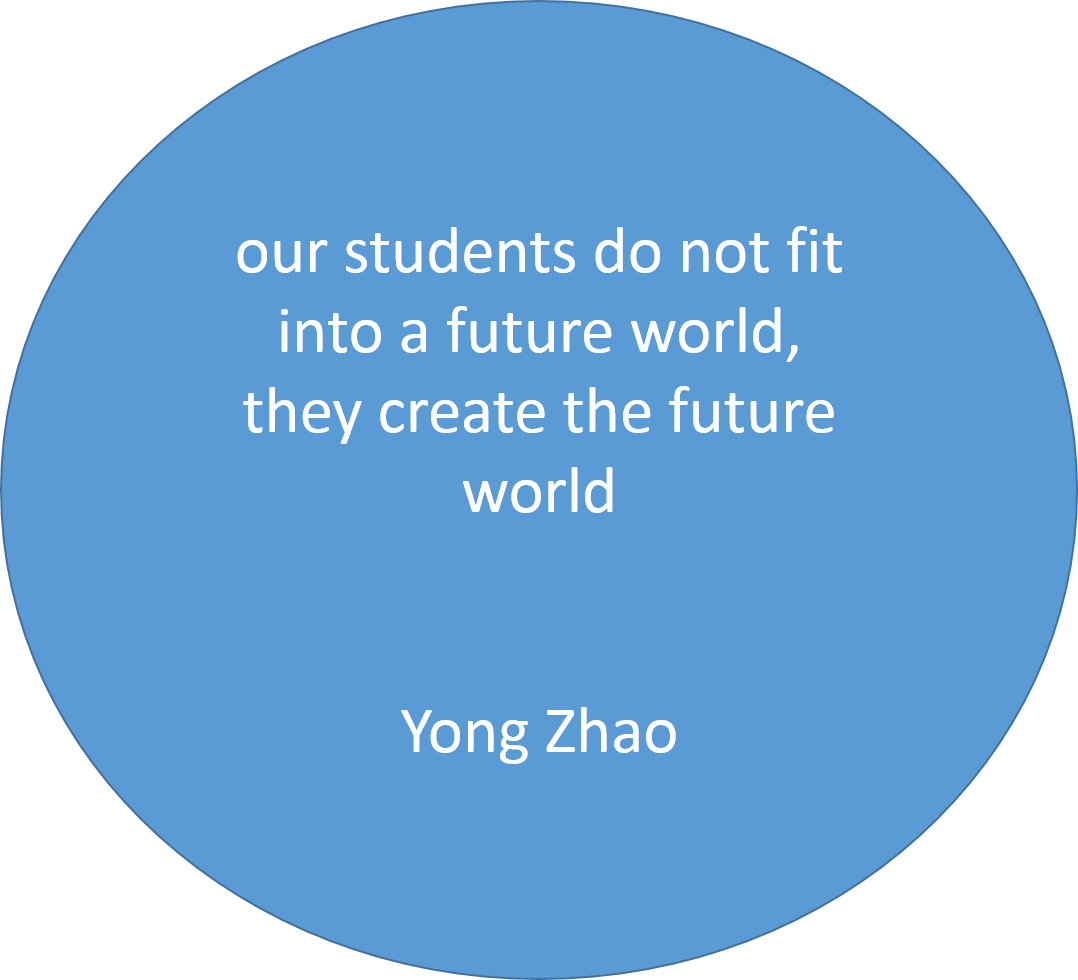
    Zhao says that “our students do not fit into a future world, they create the future world. This is why we need a different type of education.” He says that “education is to create opportunities for every individual student, they are not an average, they are not a probability, they need to be improved as individual human beings.”

    our students do not fit - Yong Zhao

    I couldn’t agree more. What do you think?


    I was led to Zhao’s talk via Diane Ravitch’s blog which is about the education system and situation in the US. Much of what she writes has applications further afield and I recommend it to anyone wishing to stay informed of current issues in education.

    Thank you

    Thank you for reading. I appreciate your feedback. Please share your thoughts on any aspect of this post.


  • Colour my world a rainbow!

    This week at the Carrot Ranch, through her thought- and idea/l-provoking post, Charli Mills invites writers to respond to her challenge to In 99 words (no more, no less) write a story that tackles racism.

    Charli describes racism as a social earthquake that divides our common ground. She says that Our first step is to recognise our one race: human (with a) colourful kaleidoscope of culture.”

    Charli suggests that writers Think about common ground, about the things that rip us apart as humans. How we can recover our identities in a way that honors the identities of all individuals? What breaks the barrier of other-ness? Imagine a better tomorrow that doesn’t need expression in riots or taking sides on social media. As writers, think about genres, characters, tension and twists. We can rebuild.

    https://openclipart.org/image/800px/svg_to_png/192642/Children_holding_hands.png
    https://openclipart.org/image/800px/svg_to_png/192642/Children_holding_hands.png

    In my comment on Charli’s post I admitted that I am not qualified to write on this issue. I am fortunate to have never experienced the negativity of racism, the cloak that can at the same time judge one to be invisible and without value or singled out in the spotlight of blame. The responses of those who have, from the moment of their birth, needed to prove the value of their existence are often judged without understanding or sympathy by those who have experienced no such discrimination and whose attitudes are so ingrained as to go unnoticed.

    Consider this exchange between work correspondents who decided to meet up at a conference. “How will we know each other?” she asked. He responded, “I’m black.” In recounting this episode to friends, she said, “I’ve never thought of myself as white.” Perhaps until all feel their skin colour is not an issue, any more than eye or hair colour, it will remain so.

    I am not participating in the flash challenge this week, feeling unable to write something that would give sufficient recognition to the gravity of the divide that is racism. However I do not want my silence to be seen as lack of concern, or negation of the importance of the issue. Instead I will use my post to amplify the voices of others.

    Dr Enyimba Maduka from the Department of Philosophy, University of Calabar in a paper entitled “Racism and Philosophy: An examination of Human and Kantian Racial Thoughts” considers the history of racism and the effects it has had on the mindsets of African peoples and cultures as well as Western philosophies. Maduk specifically targets and explores writings by Hume and Kant.

    He says that racism can be understood “as a functional rationalization and symbol for oppression; (that it is) an attitude always directed at the vanquished not the powerful; it is the colonized who are the victims of racism and not the colonizers.”

    He also says that “when human persons refuse to recognize the authentic humanity of their neighbours and fellow human beings, they cease or fail to be human persons themselves”. Strong words, definitely requiring reflection.
    Listen to Clint Smith explain everyday limitations imposed by, and reminders of, skin colour; and ponder their humanity:

    Or read the letter to his future son, expressing his hopes and dreams and fears. His message reiterates Charli’s call to rebuild.

    He says,

    “do not for one moment think you cannot change what exists. This world is a social construction; it can be reconstructed. This world was built; it can be rebuilt. Use everything that you accrue to reimagine the world.”

    Or listen to James A. White Sr. describe the difficulties he had in renting a house, and consider how patient and resilient you may be in similar circumstances. Some of these situations I find difficult to imagine. White Sr. aims to share his experiences of racism in order to stress the message that all races, genders and backgrounds must come together to challenge the status quo.

    Or perhaps Nina Jablonksi, an anthropologist, who says that skin colour is an illusion.

    While many people deny it, or deny it affects them or their communities, racism is also an issue in Australia.
    According to the All Together Now Erasing Racism project, acknowledgement of racism is essential to start preventing it in our communities.

    We must all make an effort to ensure that racism stops with me.

    I think education and understanding is a good place to start.

    Thank you

    Thank you for reading. I appreciate your feedback. Please share your thoughts.