Live Love Laugh Learn … Create the possibilities

Tag: education

  • Learning environment


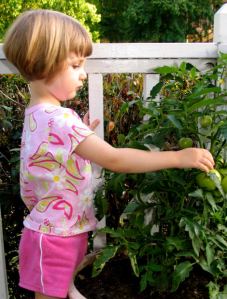
    gardeningIn last week’s post I shared information about research projects students could become involved in to be scientists in real life. Some of the projects such as Project BudBurst and BudBurst Buddies encourage junior scientists to observe and record changes in plants throughout the changing seasons. Many commenting on the post agreed that projects such as these would make the learning of science come alive. Pauline King the Contented Crafter even commented that she may have to reconsider her opinion of schools if children were involved in projects such as these.

    © Norah Colvin
    © Norah Colvin

    Shortly after posting I read an article on Co.Exist describing a preschool that doubles as urban farm where Kids learn among the plants and animals in this design for a radically different education environment.”  A bit like my concept of an early learning caravan, the school does not actually exist. The design was entered into and won an architecture competition. It is an interesting concept and I especially like the suggestion that children spend more time learning about nature through experiencing it in wild spaces in the outdoors rather than only through classroom activities and books, both of which do have their role.
    Jeannie Baker - planet changing

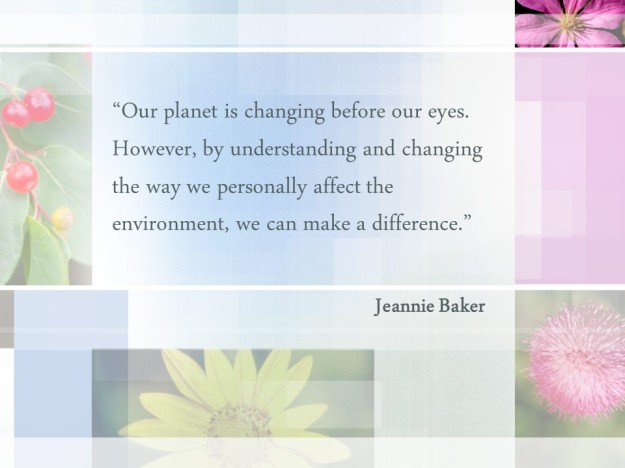
    I have previously shared the wonderful books of Jeannie Baker which have strong environmental themes encouraging children to care for nature and appreciate the natural wonders and beauty of the world around them.

    2015-09-19 11.09.45 2015-09-19 11.11.04

    This morning, thanks to a recommendation from Sarah Brentyn who blogs at Lemon Shark, I received another lovely book in the post that will sit among my favourites. The Curious Garden by Peter Brown tells the story of how a curious boy helps transform a city from a drab grey concrete jungle to a one filled with gardens and gardeners. The story affirms the belief that the actions of one person can make a difference.

    Never-doubt-that-a-small - Margaret Mead

    I am currently listening to Earth in Mind: On Education, Environment and the Human Prospect, an interesting and thought-provoking book by environmentalist David W. Orr who challenges the focus of schools and advocates for learning outdoors in the natural environment. He may approve of the preschool farm, but he’d probably be more in favour of a forest preschool.

    This, however, is only a small part of his position and I do not wish to misrepresent it. In an article, which reads like a chapter from the book, Orr describes “Six myths about the foundations of modern education, and six new principles to replace them”. The part of me that strives towards meliorism is seriously challenged by the picture Orr paints. The picture books, stories, and research projects are fine; but there’s much more to be done if we want to do more than simply wish for a greener future.

    I agree with Orr wholeheartedly that education for, with and through the environment is essential; and that many of our problems are caused by miseducation. However, I had not thought about education in the way that Orr explains. I think I’ll be sharing more of his work in future posts.

    Thank you

    Thank you for reading. I appreciate your feedback. Please share your thoughts.


  • It’s classic!

    By UnknownMarie-Lan Nguyen (Own work) [CC BY 3.0 (http://creativecommons.org/licenses/by/3.0)], via Wikimedia Commons
    By UnknownMarie-Lan Nguyen (Own work) [CC BY 3.0 (http://creativecommons.org/licenses/by/3.0)%5D, via Wikimedia Commons
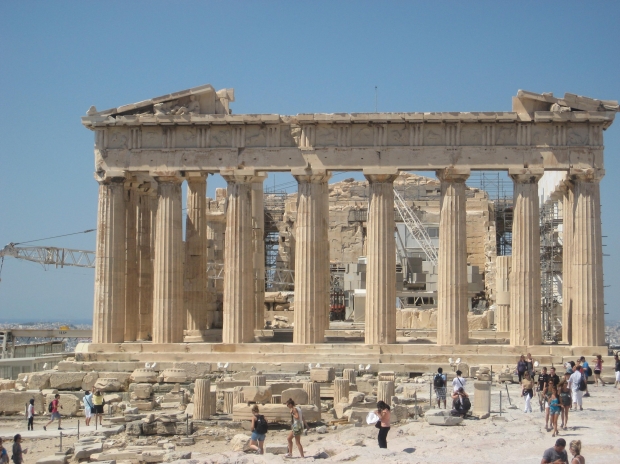
    This week at the Carrot Ranch Charli Mills is talking about the classics and libraries. I was a bit intrigued by the coincidence, for my current audiobook is A Classical Education The stuff you wish you were taught in school, written by Caroline Taggart and narrated by Bill Wallis. Maybe the words would reflect my situation better if they read “The stuff you wish you retained from what you learned in school”. I did study ancient history and even retained enough of it to get a passing grade in my final year of school, but most of what I learned dissipated once the exam was done.

    http://www.morguefile.com/
    http://www.morguefile.com/

    Although I am enjoying the audiobook, I think I will be none the wiser at its conclusion and retain little more than in earlier days. It is a reflection on my retention rather than the worthiness of the book.  At the top of Taggart’s webpage is a statement from the Yorkshire Post that I think is probably no idle boast:

    Caroline Taggart…has carved out a niche for herself in user-friendly, wittily written factual books which capture the imagination and quickly find their way to the top of the bestseller lists. 

    Prior to reading this statement I had thought that it was perhaps the narration that had brought the book alive in a most entertaining way. I was surprised that the narrator was not the author for the wonderful meanings and interest he evokes. If not the author then, I thought, he must be a wonderful character actor. Indeed, I was not surprised to find, he was.

    According to the Yorkshire Post, the writing itself is worthy too, though it seems to me, in many ways to be little more than a list of names, dates and snippets of events brought to life by an expert narrator. I’m not sure that I would read it cover to cover as I have listened to it, but it would definitely make a useful resource for checking out who and when, which is more or less impossible to do with an audiobook.

    ausines headphones

    One thing I have not liked about the book is the repeated opinion that maths and science in school are boring, and that most of us would only groan when thinking of what mathematicians like Archimedes and Pythagoras have burdened us with. If you’ve read many of my posts you would probably accuse me of being inconsistent, for haven’t I often agreed with that opinion of maths at school?

    algebra

    However, learning in mathematics should not be that way. I wish that everything we learned in school would be alive with interest, purpose and meaning. Then there’d be no need to groan. We’d be amazed and inspired by these great thinkers who have enlightened our lives.

    Arthur Benjamin, Mathemagician, would agree.

    He summarises his talk with these words:

    “Mathematics is not just solving for x, it’s also figuring out why.”

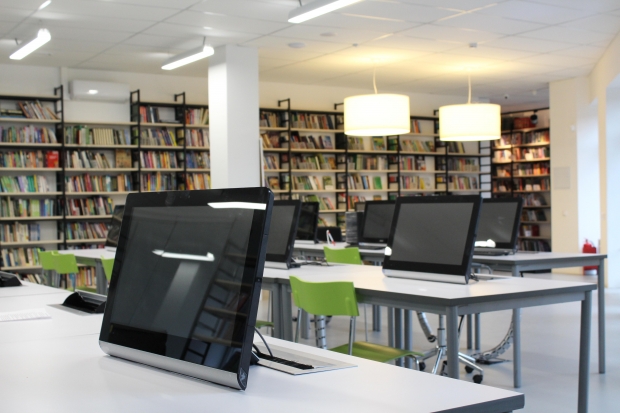
    But I digress a little. Charli’s main point was about the joy to be found in libraries. In my younger years I spent many hours in libraries. And if I wasn’t in a library, I was reading a book I’d borrowed from a library. Our home was filled with books but there were never enough to read and my parents and many of my siblings were frequent library book borrowers. On many Saturday afternoons throughout my teenage years I would walk the 5½ kilometre journey to the local library and back. I can’t remember how many books I was allowed to borrow, but I borrowed as many as I could.

    So many things about libraries have changed from those days of enforced silence, carded catalogues, and microfiche readers. But I don’t feel nostalgic for it. The systems are much more efficient now, and libraries have much more to offer the changing needs of a changing society.

    library
    http://www.morguefile.com/

    What does sadden me is that many local councils and schools are doing away with their libraries, and many schools are choosing administrators over teacher librarians when organising their staffing. A teacher librarian should be first enlisted. Nobody knows books and readers better than a teacher librarian.

    While I have not frequented my local library in recent years, I would be very distressed if it were to close. Not everyone has the luxury of being able to choose ownership over borrowing as I do. Libraries are important to communities and should be accessible to everyone; and not only for their books. Libraries play a significant role in developing a sense of community by providing meeting spaces for books clubs and groups of all sorts, activities for children including storytelling and reading, craft activities, films, games and puzzles, visits by authors and illustrators …

    They are also a great place to brush up on the classics that you may have missed out on in school, or find a book about mathematics that may inspire you to ask a big question and figure out why.

    The idea for my flash in response to Charli’s challenge, to In 99 words (no more, no less) write a story that includes a library, comes from the idea of taking books to the people, in their own neighbourhoods, and connects with my thoughts for an early childhood caravan.

    © Norah Colvin
    © Norah Colvin

    Another life, another dream, another possibility …

     The Book Lady

    She pulled the trailer from the shed, cleaned off the grime, gave it a lick of paint and hitched it to its once permanent position behind her bicycle. A trial ride around the yard confirmed all, including her knees, were still in working order. She propped the bike against the stairs and trundled back to her library where books lay scattered, spewed from shelves no longer able to hold them. She bundled them lovingly, tied them with memories, and wished them new hands to hold and hearts to love. It was time to share, and she knew just where.

    Thank you

    Thank you for reading. I appreciate your feedback. Please share your thoughts.

  • Wild spaces

    wilderness

    This week at the Carrot Ranch Charli Mills is talking about the importance of preserving natural wilderness areas. She says,

    “Wild places matter, even to those who are not active hikers or hunters. It’s important to our psyche to know that wild places exist.”

    To say it is important for our wellbeing acknowledges its anthropocentric value. However, I believe, as I know Charli does too, that its value is intrinsic with significance beyond its importance specifically to humans. Wilderness areas are the lifeblood of our planet, of all species. They are just as beautiful and just as necessary whether any human lays an eye on them or not.

    if a wilderness

    I am not a hiker, definitely not a hunter, and have never been one to spend a great deal of time in the wilderness. However, I have a deep appreciation for the beauty and value of wilderness areas. I strongly believe in the importance of protecting them to ensure the health of our planet and the survival of our, and every other, species. Sometimes I wonder if our survival is deserved with the seeming disregard many of us have for our Earth, but I am a meliorist and place my hope with future generations.

    To ensure this meliorism is well-founded, we need to nurture in young children their innate interest in and love of nature. There is probably no better way of doing this than through first hand experiences observing nature in wild spaces. Share with children their wonder, be intrigued with their explorations and extend your own understanding through their discoveries. At the same time develop in them an appreciation of and respect for our earth and its gifts.

    Encounters with nature don’t always have to occur in large nature reserves in distant places. In fact, a real appreciation of nature is an attitude, a way of thinking about the world and can be fostered as a part of daily life with observations in the backyard, in wild places along the roadside, or in a pot on the window sill.

    © Bec Colvin
    Ladybirds in my backyard © Bec Colvin

    Books also serve a purpose in nurturing an interest in the world around us. In addition to books of beautiful photographs, fiction can also be used.

    4 of Jeannie Baker's books

    Last year in a series celebrating Australian picture books I wrote a post about collage-artist and author Jeannie Baker who shares her passion for the environment through her picture books.

    2015-09-19 11.09.45

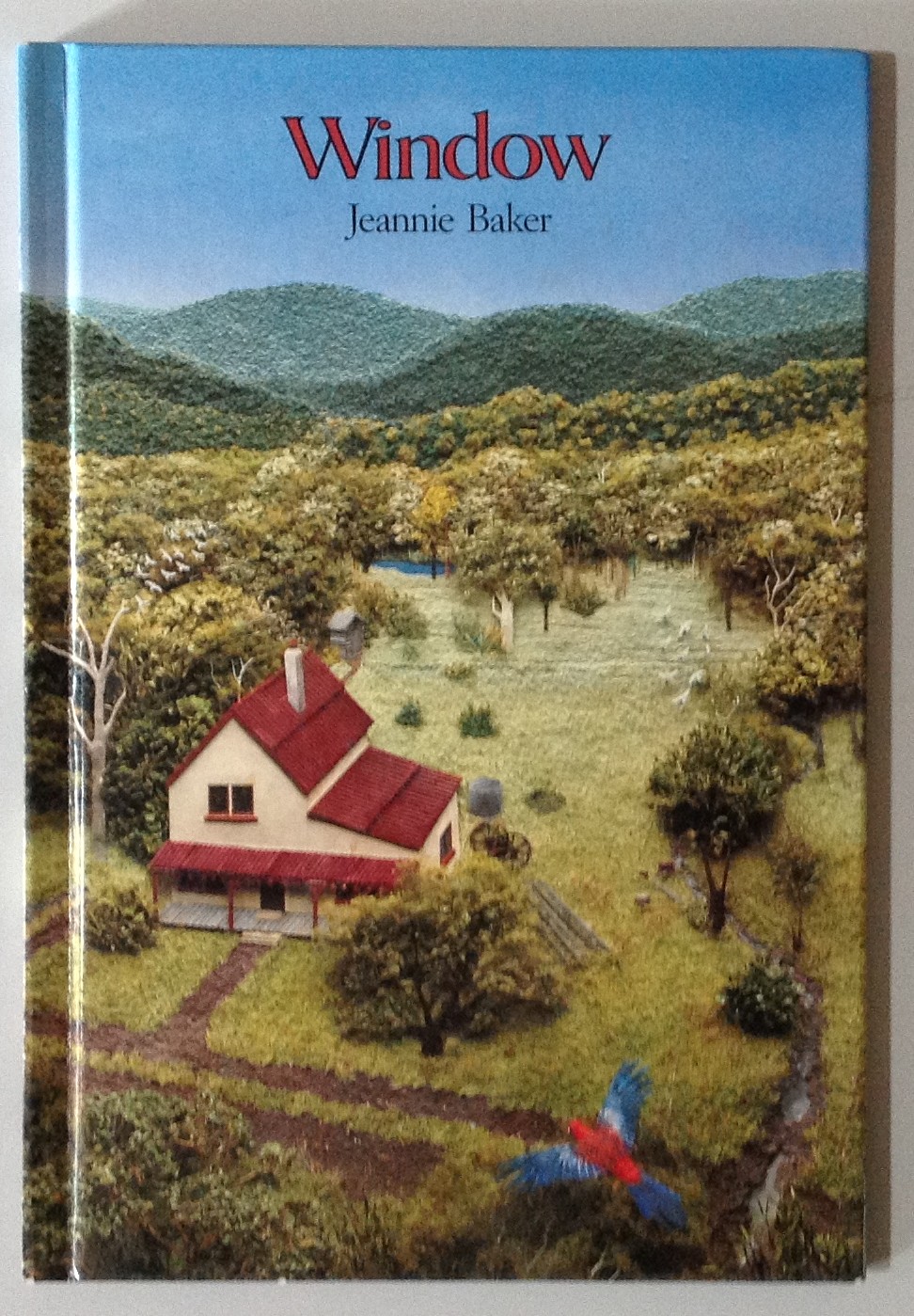
    Window tells, in beautifully detailed collage, of the transformation of a landscape from natural bush to city-scape. The changes are observed through a window by a boy as he celebrates alternate birthdays from birth to 24 years. Jeannie shares an important environmental message in a note at the end of the book with these words:

    Jeannie Baker - planet changing

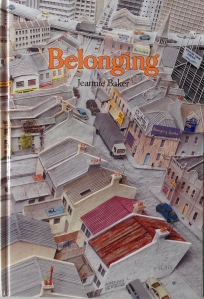
    In 2004 Jeannie published a companion book to Window called Belonging, which, in 2005, also received a number of awards, including one from the Wilderness Society.

    2015-09-19 11.11.04

    This textless picture book tells the story of a changing landscape over a number of years as a city is transformed with plants and welcoming spaces for children and families. In a note at the end of this book, Jeannie says,

    Jeannie Baker - time

    I think these messages, together with those shared in Charli’s post, are important for children to not only hear, but to see modelled by adults in their everyday lives. I am happy to say that members of my family are proactive in the ways they care, and advocate, for the environment. I have much to learn from them.

    For my flash I drew upon a recollection of a place visited in my much-younger years, a favourite place for calming mind travel, and Charli’s recognition of the benefits of wilderness areas to our psyche, to our very essence.

    Charli’s challenge was to In 99 words (no more, no less) write a story about wild spaces. Is it a wilderness or a patch of weeds in a vacant lot that attract songbirds. What is vital to the human psyche about wild spaces? Bonus points for inducing something cute and furry. I’ve also tried for the extra points. I’d love to know what you think.

    stream

    Renewal

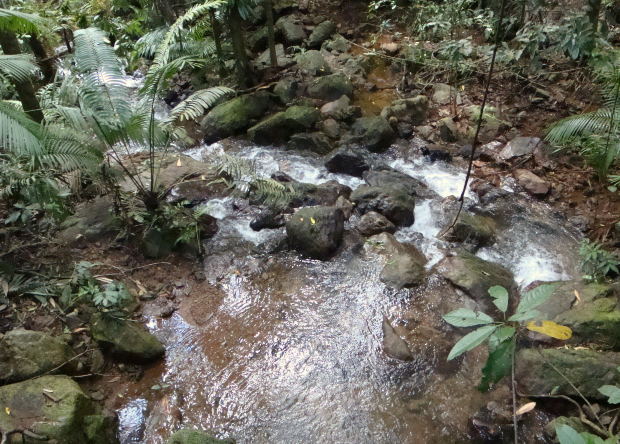
    Cocooned in shadows of tall forest trees, clear spring water soothing tired feet, she sighed. Speckles of sunlight dancing from rock to ripple were unnoticed as she envied a leaf escaping downstream.

    “Why?” she asked of the stream, more of herself. “Why are you here?”

    The stream whispered,

    “We all have our purpose’

    We’re all meant to be,

    We’re connected, we’re one,

    Not just you or me.”

    A birdsong repeating the chorus lifted her gaze towards a flutter of rare blue butterflies. A possum yawned and winked. She breathed in awe. Refreshed, with lighter heart, she was whole again.

    Thank you

    Thank you for reading. I appreciate your feedback. Please share your thoughts.


  • You’ve got the power


    Super s

    If I had the ability to bestow upon each of you a super power of your choosing, what would you choose?

    I’m sure you’d be eager to accept with a suggestion immediately. I am not an exception. I would love to be able to control time, to make it go faster or slower when I want, and basically to just have more of it.

    But the reality is that each of us reading this post, myself included, already has one of the most amazing super powers available: the ability to read. Living in a print saturated world as we do, the ability to read is essential for full participation. Not surprisingly, but perhaps also a little sadly, those of us who can, tend to take it for granted.

    The love of reading is gift

    I am a compulsive reader. I read everything everywhere. I wish I could stop myself reading the signs on the back of the toilet doors for the umpteenth time, but it’s virtually impossible. This is not my genre of choice. Many of us bemoan the fact that we do not have enough time to read all the wonderful material available to us.

    studentbooks

    Time is not my only reading frustration. As I age my eyesight is changing and even with the assistance of reading glasses I struggle (and often fail) to read the fine print on labels or in instructions. Not only that, my eyes tire more quickly now than ever before and the physical act of reading is not as pleasurable as it once was.

    However, even with these frustrations, I am one of the lucky ones.  Not everyone in the world is as fortunate as I with my lack of time and failing sight. While the literacy rates around the world are improving, there are still too many suffering the disadvantages that result from inadequate opportunities to acquire an education in general, and specifically, the ability to read. Even in our midst there are those who, for various reasons, have failed to become literate.

    The empowering effect of the ability to read and of acquiring a quality education is never far from my mind or my blog. If you were to type the word “power” into the search button at the top right of my blog you would find at least ten posts with the word “power” or “empowerment” in the title, including

    The power of reading

    The power of imagination

    The power of words, and

    Empowerment – the importance of having a voice.

    This week at the Carrot Ranch Communications Charli Mills is talking about power and has challenged writer to in 99 words (no more, no less) write a story that explores the question, “What good is power?”  What choice did I have but to discuss the empowering effect of reading, an ability that is a right of everyone.

    reading

    Super Power

    Bored with responses as repetitious as their store-bought costumes, he scanned the room of superheros, wondering how many more interviews to fulfil his quota. Spying a child sans costume, he winked at the camera crew and moved in, the opportunity to highlight another’s inadequacies all too alluring.

    “And what superhero are you?” he smirked.

    The child held out a book, drawing artefacts from within its pages. “I am a reader. I can soar on dragon wings, explore the Earth, and the farthest galaxy. I can fill my head with imaginings, or discoveries new and old. Reading: my Super Power.”

    Thank you

    Thank you for using your Super Power. I appreciate your feedback. Please share your thoughts.

  • Thankful and inspired: schools and education

    In recent posts there was some discussion about the importance of education, the value of schools and the role of teachers. I thought it timely to re-share this post, first published in July 2015.

    Earlier this week I read a post by Kimmie of Stuck In Scared about Ten Things of Thankful. I have also read many other posts about things to be thankful for. These posts prompted me to share something for which I am thankful: schools and education.

    I know that I often write about what I consider the shortcomings of traditional schooling and make suggestions of how schools could be improved. However I live in a country that values education and in which every child has a right to a free education. For that I am thankful. Those of us who have access to schools and education are the lucky ones.

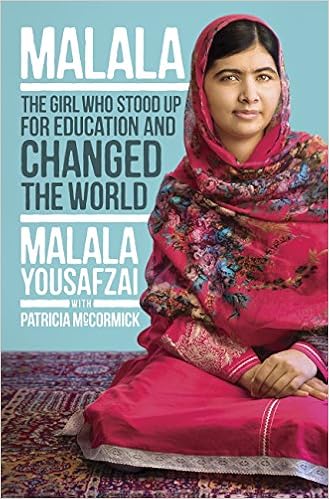
    This week I have been listening to Malala The Girl Who Stood Up for Education and Changed the World by Malala Yousafzia with Patricia McCormick (Indigo).

    Malala-The-Girl-Who-Stood-Up

    Malala’s is an inspirational story of courage, and how one person can change the world. In this trailer for the movie of her story to be released later this year, she says,

    “One child, one teacher, one book and one pen can change the world.”

    (Note: I haven’t seen the movie yet. I’d love to know if any readers have.)

    In her speech accepting the Nobel Peace Prize in 2014, Malala says,

    “I am just a committed and even stubborn person who wants to see every child getting quality education, who wants to see women having equal rights and who wants peace in every corner of the world.”

    The Malala Fund, of which she and her father are co-founders and to which she donated her prize, “empowers girls through quality secondary education to achieve their potential and inspire positive change in their communities.”

    She calls world leaders and people everywhere to take action and make education their top priority, for all the children of the world, not just their own children.

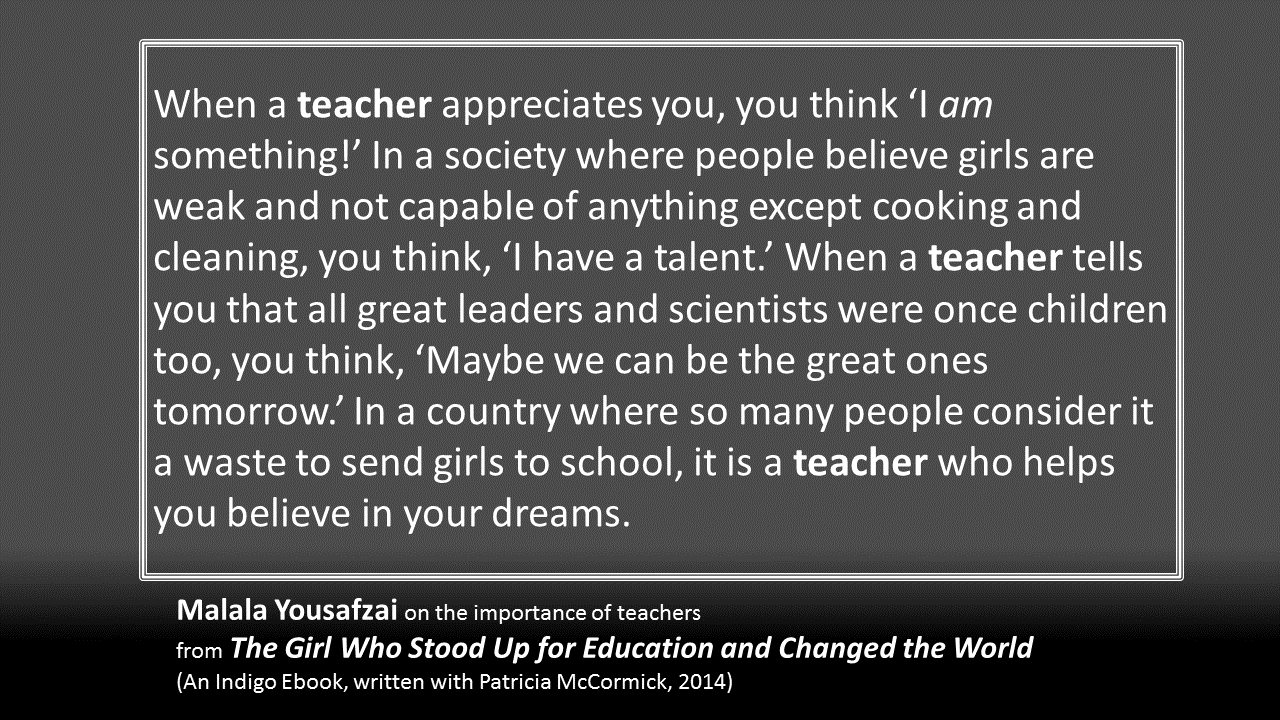
    This is one of my favourite quotes from the book:

    Malala - teachers

    I think one of her most influential teachers must be her father.

    Thank you

    Thank you for reading. I’m sure you have found Malala’s story just as inspirational as I have.

    I appreciate your feedback. Please share your thoughts.

  • Reflections on living a contented life, teaching and school

    In a previous post I introduced you to Pauline King, The Contented Crafter. In comments on my blog, Pauline revealed that she was a teacher so passionate about education that she had attempted to establish an alternative school. I was excited to discover that we have these things in common and I immediately invited her to share some additional thoughts about children, learning, schools and education.

    I am honoured that she has agreed, and delighted to welcome her here. In this post Pauline shares a little of her life journey, and her reflections on teaching and school. In a future post she will share her some of her wisdom about children and parenting.

    Pauline, please tell us a little about yourself. What things are most important to you? What do you hope to achieve through blogging?

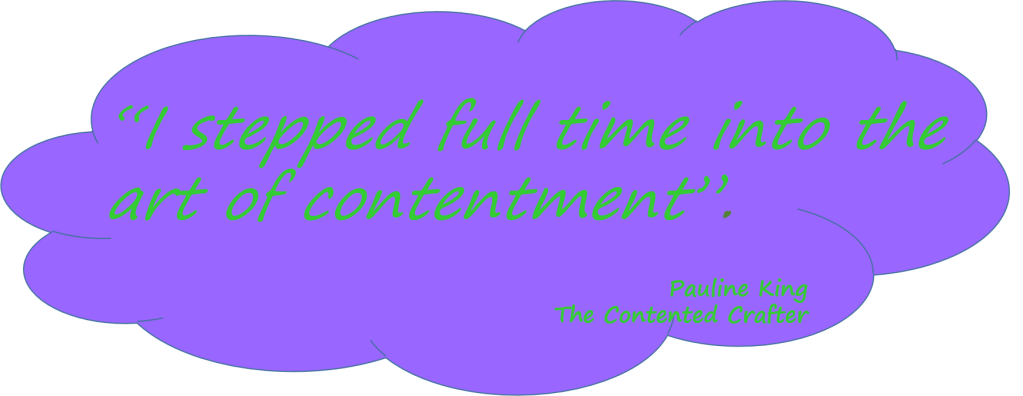
    art of contentment

    I was a Steiner School Teacher for some twenty years, here in NZ and in the UK briefly.  It was a demanding vocation that taught me more than I ever imparted to the students in my care.  I left teaching in 2003, spent a year or so recovering my health and eventually took up life coaching – a kind of a natural segue as I had spent a lot of my time in the school system mentoring young parents and teachers. I retired in 2014 and stepped full time into the art of contentment.  It’s what I think I spent my life looking for and in these later years what I taught to the women who came to me for life guidance. 

    joy of blogging

    In my personal life I have always been a creator – hand work, interior design and decorating, gardening and various crafting and artistic outlets that changed over the years.  I took up blogging almost three years ago simply to keep track of my creative work as I was notorious for making stuff, giving it away and not being able to remember what I made or the processes around it.  I soon started using my blog as an on-line diary, documenting the things that amused or dismayed me along with whatever I was playing around with at the time.  I don’t think I really expected anyone to read my blog and was quite surprised when I got comments and returned visitors and followers.  In a surprisingly short time I discovered a new world that was peopled by like-minded souls and fun people and I kept blogging for the joy found in the community that built up around my little blog.

    I live alone in a tiny house with a Maine Coon called Olando and a Shi-Tzu X named Siddhartha [Siddy for short].

    positivity

    I live simply and contentedly, paying close attention to my own personal development and take responsibility for the events in my life.  I am not religious but view life and the planet from a spiritual outlook.  I study quantum physics, enjoy nature and believe in spreading positivity wherever I can.

    I don’t write about education in my blog – even though it is an area I am passionate [and opinionated] about – I simply don’t want it to impinge into the simple creative life I lead nowadays.

    Pauline, you were a teacher? What was it that attracted you to teaching in the first place?

    teacher

    I always wanted to be a teacher, from a very young age.  School was a safe place for me in a family that was damaged and dysfunctional, so I guess that may have been the genesis.  However, I was not allowed to stay in school and was put to work in a factory at the age of 14 [my mother lied about my age].  When I gained my freedom I set about continuing my education and have kept on learning formally and informally ever since.  I was 33, a wife and mother, before I finally achieved the goal I had as a child.

    What things did you love about teaching?

    art of teaching

    I loved being in the classroom – working with the students and the Steiner curriculum [which is a wise and clever thing].  Later when I side-stepped into too much administration and other non-teaching roles I simply dried up and eventually became ill.  That made me really conscious that it was the art of teaching that I really loved.

    You said that you spent many years attempting to establish an alternative school for your eldest daughter. Why was this important to you? What was lacking in schools available to you? How would your school differ?

    bloom and blossom

    My feeble attempts to start a school were short lived, I did not go as far as you did as there was little support or enthusiasm for my initiative.  Within two years I had discovered Steiner Education and serendipitously fallen head first into that with my two daughters.  Both began to bloom and blossom in ways they never had in the state system they were so briefly in and I soon transferred my interest and passion to that form of education.  I began an informal study under the auspices of a venerable old retired teacher and soon went on to study full time.  I think I was incredibly fortunate for throughout this time I was mentored and supported by several practising teachers, and one wonderful head lecturer who went out of his way to keep pouring his wisdom into my listening ears.

    How wonderful to have the support and encouragement of a community so passionate about children and education. Do you have anything else to add?

    it takes a village

    Only that, from this vantage point I find I have become a person who would like schools scrapped and to see education in the true meaning of the word be given back to parents and the community.   My new mantra is ‘It takes a village to raise a child – and educate one too.’

    I totally agree with your new mantra, Pauline! Thank you for your openness in responding to my questions. I could hear the passion in your words as you answered them. I appreciate the time you took out of your contented creative schedule to share your thoughts with us. I think there are many of us who could do with some contentment mentoring. I look forward to welcoming you back next week to share in your wisdom about children and parenting. I’d also love to know more about the Steiner curriculum. Another conversation …

    Addendum: Since this post was published, in an attempt to add clarity to her statement referring to the scrapping of schools, Pauline has expressed some of her reasons for wishing to see changes to schools and the way children are educated. She has done so in a response to an observation made and query posed by Anne Goodwin which you can read here, and a little more clarification here. I apologise, Pauline, if the inclusion of that statement misrepresented your position and caused you concern. It made perfect sense to me! The differences I see between education and schooling feature regularly in my posts.

    Connect with Pauline on Twitter or on her blog The Contented Crafter where you can also check out her delightful Gift Shop

    Thank you

    Thank you for reading. I appreciate your feedback. Please share your thoughts.

  • Which school? I found one!

    school cropped

    Most parents want to provide what is best for their children. However, they don’t always know what that best is, where it is available or how to get it. This is just as true of schooling as it is of anything else. Fortunately, most children are adequately schooled locally, be it at a state or privately run facility.

    I attended a Catholic school and have taught in both the Catholic and State systems. I see little real difference between what is offered in local private and local public schools as far as philosophy, pedagogy and quality of teaching goes. The differences, as I see them, are more due to the inequities in funding for facilities and resources, the restriction to accessibility by the imposition of fees, and the ability of privately run organisations to decline students as opposed to the state’s willingness to cater for all.

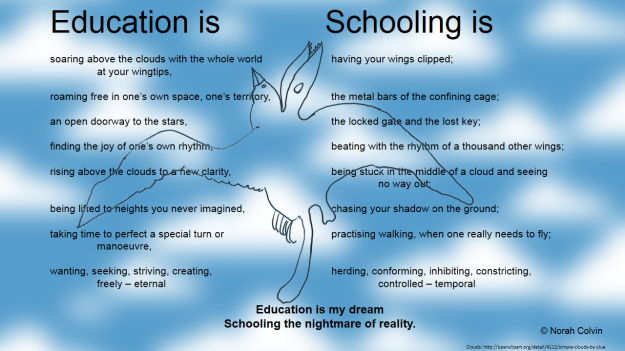
    While I think most schools do an excellent job of schooling, there are aspects I don’t like.

    © Norah Colvin
    © Norah Colvin

    Fortunately, most children survive school and graduate adequately prepared for life in the adult world. But the scarring carried by many, whether visible or hidden, emotional or intellectual, is a cost that should not be accepted.

    In this TED talk Sir Ken Robinson asks “Do Schools Kill Creativity? He explains why he thinks they do and the manner in which they do it. He ends the talk saying,

    “our task is to educate their whole being, so they can face this future. … we may not see this future, but they will. And our job is to help them make something of it. “

    By the time Bec was born I had already decided that I wanted more than schooling for her. I had read voraciously about learning and education. I had observed the magic of learning as my son wondered, questioned, explored and reignited my own curiosity, during his before school years. I saw those same traits inhibited by uninspiring teachers. I have written about this before here and in an article published in a teachers’ magazine when Bec was of school starting age. At that time, it was necessary to make decisions about her ongoing education.

    To school or not to school

    www.openclipart.org
    http://www.openclipart.org

    I had already explored local (and not-so local) alternatives. I attended information sessions, read their publications (no Google back then), and visited schools to observe their practices and speak with teachers, children and parents. Disappointingly I found none that met all of my criteria.

    Some “schools” provided little stimulus or input to extend or challenge children’s thinking. Some were very structured and without flexibility in their approach. Some that claimed to be alternative appeared to be not so with uniforms and strict rules and timetables. Some that claimed to be mainstream were more child-focused with an organic curriculum matched to children’s interests, but lacked other things I sought.

    When the pluses and minuses of each were considered, there wasn’t one with a compelling scoresheet. There was nothing for it but to found my own, a possibility I had been contemplating for some time and a “dream” shared by many teachers. The Centre of Learning Opportunities was born. These are some of the original documents drawn up by the team back then.

    Vision

    Symbol

    outside

    COLO brochure inside

    While working to establish this alternative to school, I began an MPhil research project “Educational Diversity: Why school? What school?” which, as well as exploring educational alternatives, was to record the first year of an (my) alternative school. As part of the project I conducted a survey of local alternative schools with the aim of recording the diversity of approaches available in order to demonstrate that there is more than one way to obtain a quality education.

    Although the degree went down the same dead end path as the school, I was able to (self) publish and distribute the results of my research to participating schools in a document titled “Diversity in Schooling: Discovering educational alternatives in South-East Queensland.” (Surprise, surprise, I have just discovered it in a Google search. How weird is that!)

    Diversity

    I was reminded of my research and this document by a recent discussion with Pauline King, The Contented Crafter in response to my post Life — A “choose your own” adventure. When I alluded to the wisdom of young children and “our” efforts to obliterate it, Pauline agreed and suggested that she could do a post-long comment on the topic.  I jumped at the chance and immediately invited her to do so. Pauline again agreed but suggested I refine a set of questions as she could fill a book with her ideas. I”m working on it.

    Responding to The Industrious Child Pauline wrote,

    “Teachers need to be SO flexible in their ability to see their world, their work, their class as a whole and their individual students – it is never a one step process and different expectations and challenges can be laid down for different abilities. Almost every child will shine somewhere within the curriculum and many struggle somewhere else. After all, we all have our different talents and abilities. Schools are structured to meet the needs of a certain academic ability and those who fall above or below that parameter are, in my opinion, so often mis-educated.”

    It is obvious that Pauline, Ken Robinson, and I, along with many others, are part of the same revolution.

    In another comment on my post I found it first Pauline shared that she had spent many years trying to establish a school of her own but had found “an already working alternative system and never regretted it.”

    I think I have questions enough for Pauline to fill a book’s worth of posts and look forward to sharing some of these in the future. If you have questions of your own, please pop them into a comment and we’ll see what we can do.

    Thank you

    Thank you for reading. I appreciate your feedback. Please share your thoughts.

  • I found it first!

    Launching soon - readilearn2

    In my previous post Not lost but found I discussed the notion of adopting the title “Founder” when describing my relationship to readilearn my soon-to-launch website of early childhood teaching resources. The title both bemused and amused me at first but I have now accepted its appropriateness. In fact, I realise that readilearn is not the first thing I have founded.

    © Norah Colvin
    © Norah Colvin

    Create-a-Way was perhaps the first that I founded. It was a home-based business offering educational sessions for children of before school-age and their parents. The impetuses for founding Create-a-Way included:

    • The decision, made before Bec was born, that I would parent and educate her (The alternative to keep teaching the children of others while entrusting her education to another didn’t make sense to me.)
    • A dissatisfaction with playgroups that were simply bitch and coffee mornings for mums and squabble sessions for children left to their own devices
    • A realisation that parents didn’t stimulate or foster their children’s intellectual growth because they didn’t know how, not because they didn’t care

    I saw a niche that would honour:

    • My passion for education and need to be doing something in that area
    • My firm belief in the importance of early years learning
    • My appreciation of children’s innate curiosity and need to learn coupled with the joy of sharing their sense of wonder and creativity
    • My certainty in the power of reading and education to improve the lives of individuals and society
    • A conviction that there are better ways of educating than simply accepting the status quo.

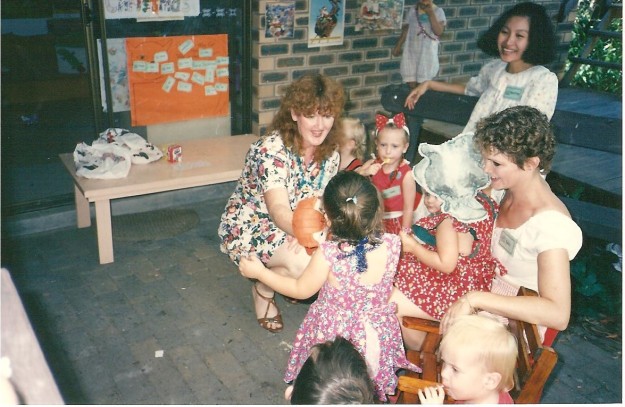
    And best of all, I could do it with Bec! (Although she is not in this photo.)

    Guiding parents in play sessions for parents and children.
    Guiding parents in play sessions for parents and children.

    I express this passion and these basic beliefs repeatedly. They are what make me. They are my driving force; the threads that weave their way through everything I do, holding them and me together. They were the basis for my attempt at founding an alternative school; they guided my classroom pedagogy and now the preparation of resources for readilearn.

    © Norah Colvin
    © Norah Colvin
    © Norah Colvin
    © Norah Colvin

    It’s funny looking back now at the documents I wrote, it seems almost a lifetime ago (well almost all of Bec’s lifetime and more than half of mine), on an Apple IIE computer. I’m still proud of what I offered and truly believe in the value of sessions such as these. However, I can see that, while there has been little change to my passion and beliefs over the years, if I were to do the same thing now I may update some statements to more closely match my current understanding of a growth mindset.

    The thought of doing the same again now is not far from my imaginings. The format of Create-A-Way sessions forms the model of another project I would love to found The Early Learning Caravan. Maybe Steven’s suggestion of crowdfunding would be appropriate for getting it started, but that’s not a project for the immediate future.

    © Norah Colvin
    © Norah Colvin

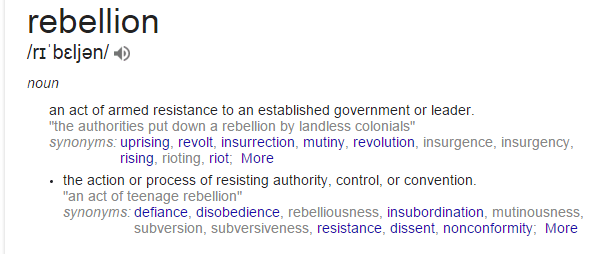
    I wonder if my inability to simply accept what is could be considered rebellion? What is a rebellion? I’m thinking of these terms as this week at the Carrot Ranch Charli Mills has challenged writers to In 99 words (no more, no less) write a rebellion.

    rebellion definition

    The rebellions of which Charli writes are of a larger scale, more in keeping with the first definition.

    In this TED Talk Ken Robinson urges us to Bring on the Learning Revolution making “the case for a radical shift from standardized schools to personalized learning — creating conditions where kids’ natural talents can flourish. I’m proud to be a rebel fighting in the same revolution as Sir Ken.

    In addition to these larger scale rebellions and revolutions there are many that take place on an individual and daily basis in our families and classrooms, and on our streets. Some of the battles, such as  teenage rebellion are fought for justice, independence and identity, a natural and necessary part of growing up. But the need to establish one’s individuality, one’s separateness as a person begins years before that, as anyone who has ever had anything to do with a two-year old can testify.

    Sometimes the same battles are played out over and over and parents wonder why the children just don’t accept that they need to clean their teeth, wash their hands, put on their shoes or whatever, rather than battle over it each and every time. It is this early childhood rebellion that has inspired my flash fiction response to Charli’s challenge this week. I hope you enjoy it.

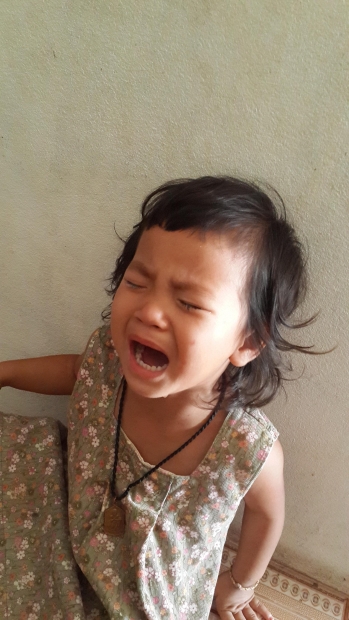
    crying

    You’re not the boss of me!

    Eyes blazed defiance, daring a struggle which could end only in tears and frustration, or a standoff with no real winner. She was ready to flee the moment there was a hint of movement. Our eyes met. I contemplated my options. Did we have to do this now?

    Again the challenge: “You’re not the boss of me!

    I pretended to read.

    Another volley, quieter: “You’re not the boss of me.

    No response.

    Soon she was snuggling beside, pointing to pictures.

    I read aloud.

    We laughed at the antics.

    As I closed the book I said, “Ready? Let’s do this.”

    Thank you

    Thank you for reading. I appreciate your feedback. Please share your thoughts.

  • The comfort zone

    John Hattie

    Creating a positive classroom environment in which students feel welcome, accepted and respected is probably high on the agenda for most teachers. It certainly was for me during all my years of classroom practice.

    Students require an environment in which they feel comfortable and supported, as well as encouraged and challenged to stretch beyond current levels of skills and knowledge, to step beyond their current comfort zones with confidence in the knowledge that, while learning anything new can be a risky business, they will be supported in the process.

    But this does not just come from a “feel good” place in teachers’ dreams and imaginations. Research provides evidence that it is true. Professor John Hattie, a researcher in education, undertook a very ambitious project, synthesising data from over 800 studies involving more than 80 million students. He published his findings in two books called Visible Learning and Visible Learning for Teachers.

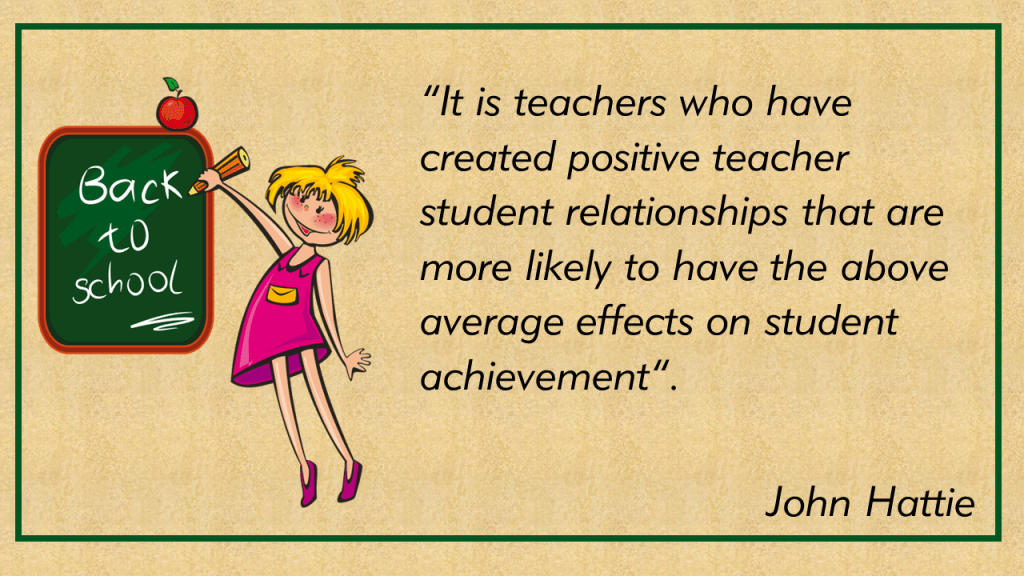
    Hattie says that

    “It is teachers who have created positive teacher student relationships that are more likely to have the above average effects on student achievement”.

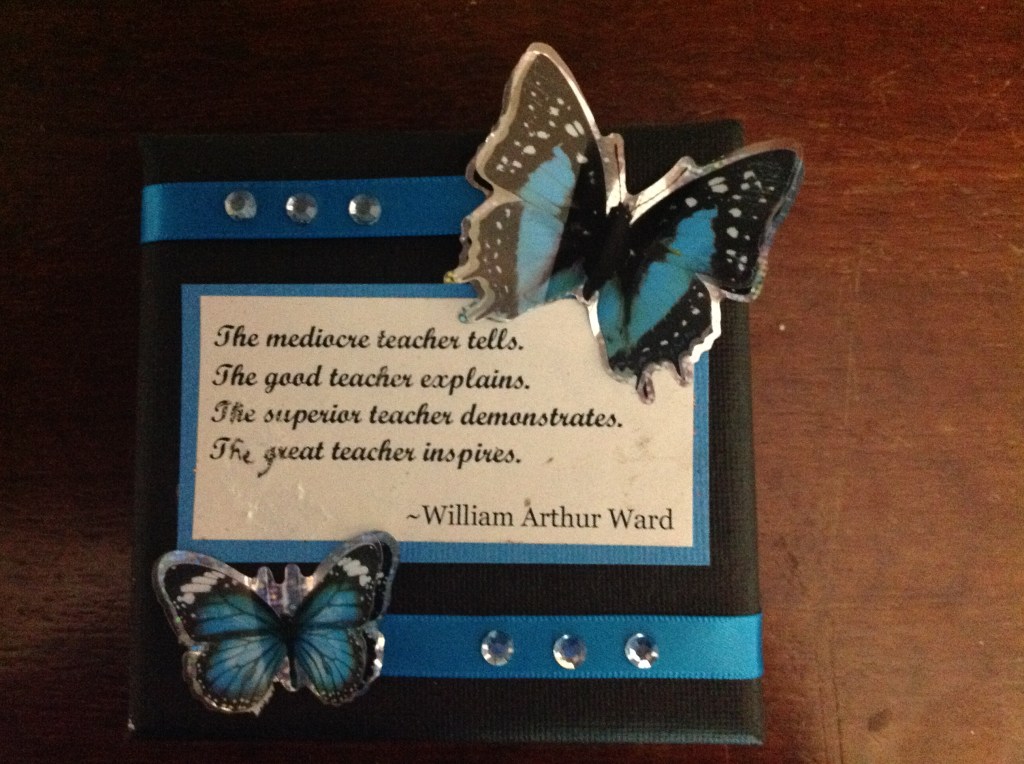
    Thank you to my wonderful students, and their lovely Mum who made this for me!
    Thank you to my wonderful students, and their lovely Mum who made this for me!

    This article, which summaries some of Hattie’s findings about teacher-student relationships, states that

    “the quality and nature of the relationships you have with your students has a larger effect on their results than socio-economic status, professional development or Reading Recovery programs. It is not that these things don’t matter, but rather that your relationships with students matter more.”

    It is wonderful to find that what I have always believed and practiced is now firmly backed up with research.

    I have written before about my use of affirmation songs and of connecting literacy learning to children’s lives and interests. In this post I will share just a few of the physical attributes of the classroom that contributed to that overall positive and supportive environment I worked so hard to establish.

    Readilearn bookmark

    From the very first day of any school year I ensured that children not only felt welcome in the classroom but knew that it was their classroom, that they had part ownership of the space and its environment.

    I would prepare a large welcome chart for the door with my name and photograph and the words: “Welcome to grade one.” Children’s names and photographs would be added by the close of the day.

    Welcome to year one

    In our school each child was allocated an individual desk with a tidy tray underneath for storing belongings. I would arrange the initial seating of children in groups based on what I knew of their friendship groups from the previous year. For each child I would place on the allocated desk:

    • A desk name (to identify the desk, to use as a model for writing, to assist children in learning to read each other’s names)
    • A welcome letter
    • A name badge (to identify them and their class at break time)
    • A small gift e.g. a pencil or keyring
    Welcome pack
    Welcome pack

    During the day I would photograph each child and print two of each.

    One of each child’s photographs would be added to the welcome chart  with the child’s name. (see above)

    The other would be added to a self-portrait and displayed on a classroom wall.

    I am Michael

    I usually asked the children to complete these during the first session so that I could have them on display when the children returned to class after first break.

    This was just the start. Throughout the year my classroom was a constantly changing display of children’s work. Children love to see their work displayed. It gives them an immediate sense of belonging, of being valued, and of ownership. Parents love to see it too, as this (unsolicited) letter written by a parent to the principal at the end of a school year testifies.

    Marianne's letter

    This week at the Carrot Ranch Charli Mills has challenged writers to In 99 words (no more, no less) write about a place of comfort that is a refuge.

    My classroom welcomed everyone: children, parents, volunteers, aides and administrators. It was a comfortable place to be. Fortunately it was not often required to be a refuge in the true sense of the word, though allowing me to experience over and over the joys of being six certainly shielded me from many less pleasant situations that may have been met elsewhere.

    While Marnie of my stories is a fictional character, sadly there are many children suffering as much as or more than I portray for her. It is for children like her that a warm, caring relationship with a special teacher can be empowering and life-changing, the one bright spot in an otherwise difficult life. I wish for all children a loving place of safety, acceptance, trust and respect. Marnie found it in a special teacher, Miss R.

    Safety

    Marnie loved art classes with Miss R. She loved art, but she loved Miss R. more. The days when art class was last were best; had been ever since that first time when she’d dallied, nervously, reluctant to leave, and Miss suggested she stay and “help”.

    Miss R. understood Marnie and Marnie trusted Miss R. Sometimes they would tidy in silence. Other times they’d chatter lightly about distracting things like television, music or books. But sometimes, when dark clouds loomed, Miss R. would gently ask, “What would you like to tell me?” Today the clouds looked about to burst.

    Thank you

    Thank you for reading. I appreciate your feedback. Please share your thoughts about any aspect of this post or flash fiction.

  • Power tools


    www.openclipart.org
    http://www.openclipart.org

    This week at the Carrot Ranch Charli Mills has challenged writers to In 99 words (no more, no less) include a tool in a story. I open this post with a quote by Jackie French I used to close my previous post.

    Jackie French - books - tools

    Books are a great tool. So is the ability to think creatively.

    Being literate is a key that opens many doors. Being able to think opens many more. You could say they are the power tools of education and success.

    In his book The Outliers (recommended to me by Rowena who blogs at Beyond the Flow), Malcolm Gladwell talks about the role of intelligence in success. He says that “intelligence only matters up to a point”, and that “past that point, other things — things that have nothing to do with intelligence — must start to matter more”. He raises the question of what those things are.

    He makes a suggestion to

    “Write down as many different uses that you can think of for the following objects:

    1. a brick
    2. a blanket”

    and calls it a “divergence test”. Rather than asking you to come up with a one right answer, a divergence test “requires you to use your imagination and take your mind in as many different directions as possible.”

    Gladwell describes the test as a measure of creativity, of the ability to come up with imaginative and unique responses rather than a list of commonplace uses. He considers this imaginative thinking combined with intelligence, not intelligence alone, to be what is required to make new discoveries such as those that may be awarded Nobel Prizes.

    www.openclipart.com
    http://www.openclipart.com

    Can this sort of creative thinking be taught?

    Edward de Bono certainly thinks so. As long ago, dare I say, as the late 60s I read (and did) The Five Day Course in Thinking, a series of puzzles to help readers (thinkers) understand their thinking strategies. The puzzles in the book are divided into three sections: Insight Thinking, Sequential Thinking, and Strategic Thinking.

    Over the years I read a number of de Bono’s books including but not limited to Lateral Thinking, Six Thinking Hats, How to Have a Beautiful Mind, Teach Your Child How to Think, Textbook of Wisdom and Why I Want to Be King of Australia. I had a thirst for learning how to think, as thinking had not been encouraged and memorising content had not come easily in my younger years. Discovering that I was able to think, and think outside the box, was empowering.

    www.openclipart.org
    http://www.openclipart.org

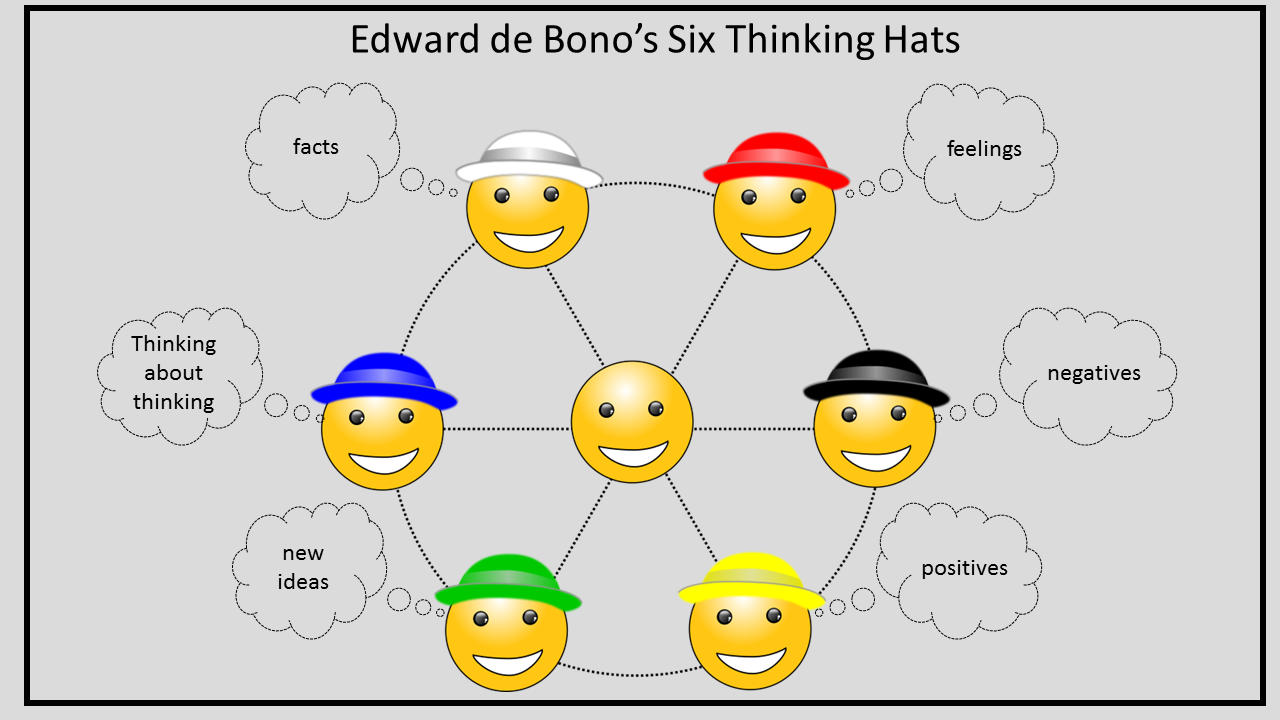
    I enjoyed using de Bono’s strategies and teaching them to my own children as well as to children in my classrooms over the years. His Six Thinking Hats are used in classrooms worldwide as are many others of his thinking strategies.

    six hats

    In this video de Bono talks about creativity, creative thinking, and thinking “outside the box”:

    Tony Ryan is another educator who believes it can. He has published a number of books that aim to get students thinking in creative ways. His Thinkers Keys “a powerful program for teaching children to become extraordinary thinkers” is designed to do just that.

    Tony Ryan says that we now need to think beyond the square and think “outside the dodecahedron”.

    In a comment on a previous post about Lifetime Changes, Steven linked to an amusing video showing the reactions of 21st century children to our earliest computers, tools of technology. This is it in case you missed it:

    I combined the notions of books, creative thinking and technology as tools for learning, productivity and success with a little bit of backward (historical) thinking to inspire my futuristic flash this week. I hope you enjoy it.

    tools for learning

    Relic

    The family shuffled amongst the haphazard collection of primitive artefacts without attempting to disguise disinterest or disdain. The waiting seemed interminable in this “so-last-century” outpost.

    Haven’s seen one of these before,” they’d been told. “I’ll need to order a specialized tool as well as the part. Shouldn’t take long though. Look around while you wait.”

    Confidence in the simpleton’s tools “upstairs”, even if the correct parts arrived, was as low as their interest.

    Hey look!” one called. “Is this …?”

    Can’t be.”

    All destroyed centuries ago.”

    Would be worth a fortune though.’’

    They opened it.

    A book!” they gasped.

    Thank you

    Thank you for reading. I appreciate your feedback. Please share your thoughts about any aspect of this post or flash fiction.