Live Love Laugh Learn … Create the possibilities

Category: Picture books

  • Time for rhyme – Readilearn

    Yesterday, 2 March was Dr Seuss’s birthday. How did you celebrate? Did you read a favourite Dr Seuss story – maybe even more than just one or two? Which is your favourite?

    Children love the rhythmic, rhyming stories written by Theodor Seuss Geisel who was born in 1904. (A question for your children – how old would he be if he was still alive today?)

    Having fun with rhyme is a great way for children to learn about the sounds of language.

    In the beginning, the rhymes can be real or nonsense words, as are many employed by Dr Seuss, training the ear to hear. Children are delighted when they discover pairs of words that rhyme. It is great when parents and teachers share their excitement of discovery too.

    Like those of Dr Seuss, many stories and poems for young children are written in rhyme. The rhyme is pleasant to the ear, and encourages children to join in with the reading or telling, using meaning and sound to predict the next rhyming word.

    When children are ready, familiar rhyming texts are often the first they read independently, using a combination of memory and print. How many children do you know who first started reading with a Dr Seuss book; such as The Cat in the Hat, Fox in Socks, One Fish Two Fish, Ten Apples Up On Top, or any other favourite.

    For my part in the celebration, I joined in with a challenge extended by Vivian Kirkfield to write a story in 50 words. The reason behind the 50 word challenge is that, although the total word count of Green Eggs and Ham is over 700, only 50 unique words were used. (Some of your children may like to check if that is so. How could they do it?)

    I decided to write a rhyming nonsense story in exactly 50 words (title not included). I hope you and your children enjoy it.

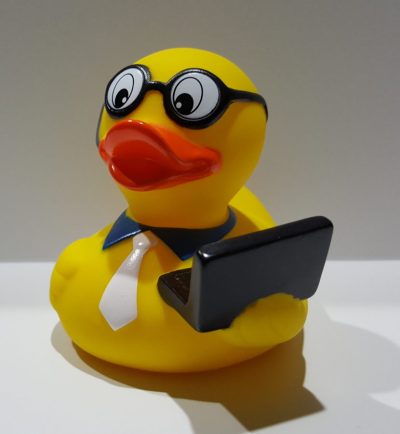
    Lucky Duck

    Duck.

    Old Duck.

    Couldn’t see –

    Lost his glasses by the tree.

    Continue reading at: Time for rhyme – Readilearn

  • Who’s on the move?

    This week at the Carrot Ranch, Charli Mills raised the subject of migration and challenged writers to In 99 words (no more, no less) write a migration story.

    Although Charli always provides suggestions, she also permits writers to go where the prompt leads, allowing their thoughts to migrate in whichever direction they choose. This is good for me as my thoughts always bring me back to early childhood education and, if I can somehow squeeze it in, butterflies.

    Migration is a part of human history. We are told that humans originated in Africa, and that migration out of Africa began about 60 000 years ago (well, that’s one of the stories). That we are now spread across the world is no mean feat, particularly when we acknowledge that most of the migration occurred before the industrial age, long before steam ships and ocean liners, before motor cars and air travel.

    But migration continues still, and our countries and cities become home to those whose lives began far away and who share different cultural traditions. The purpose of the National Geographic Society’s Genographic Project is to discover more about our shared genetic heritage. In an early childhood classroom, we, too, can discover how much we have in common and learn to appreciate our differences.

    Whoever you are.

    Mem Fox’s beautiful book Whoever You Are is great for encouraging children to recognise, respect, and  appreciate each other, similarities and differences included.

    mem-fox-im-australian-too

    This year sees Mem publish another beautiful book I’m Australian Too which shows appreciation for everyone who is part of our wonderful multi-cultural Australia. (Follow the links to both books and you can listen to her read them too!)

    A number of readilearn resources support teachers in developing an appreciation for everyone’s heritage, including a history unit which helps children learn more about their own family history and traditions, and the histories and traditions of their classmates’ families.

    Just as amazing as stories of human migration, are those of animal migration. I was surprised when I first heard of the migration of monarch butterflies from Canada to Mexico in the autumn, and back again in spring, a distance of over 4800 miles or almost 8000 kilometres. What a long flight for a butterfly, I thought, the poor butterfly’s wings must be ragged by the end of the journey. But the round trip involves at least four generations.

    And although monarch butterflies are native to North America, they are now part of the Australian landscape, having arrived, possibly during the gold rushes of the mid-1800s.

    Even longer, twice as long in fact, than the monarch’s migratory flight, is that of a dragonfly which, also over four generations, makes a complete circuit of the Indian Ocean – almost 1000 miles or about 16 000 kilometres. The story of how this tiny insect’s epic journey was discovered is fascinating. Who knows what one may discover when wonder is mixed with observation.

    There’s obviously plenty of diversity from which to draw inspiration for a migration story. I’ve chosen to write a story set a little bit closer to home. I hope you like it.

    Please pop over to Charli’s post to see where the prompt has taken other writers.

    Adventurous plans

    His bag was packed. He was ready. He stopped at the door for one last look, then stepped outside, pulling it closed behind him. At that moment, he was certain; he would never return. There was nothing for him here. Exotic places and untold adventures awaited. At the stop, he hailed a bus and climbed aboard. “Where are you off to?” asked the driver. “I’m on an adventure,” he said, tendering a fistful of plastic coins. “But only if you take me with you,” said his out-of-breath mother, smiling. “Okay,” he said. The driver winked as she climbed aboard.

    Thank you

    Thank you for reading. I appreciate your feedback. Please share your thoughts.

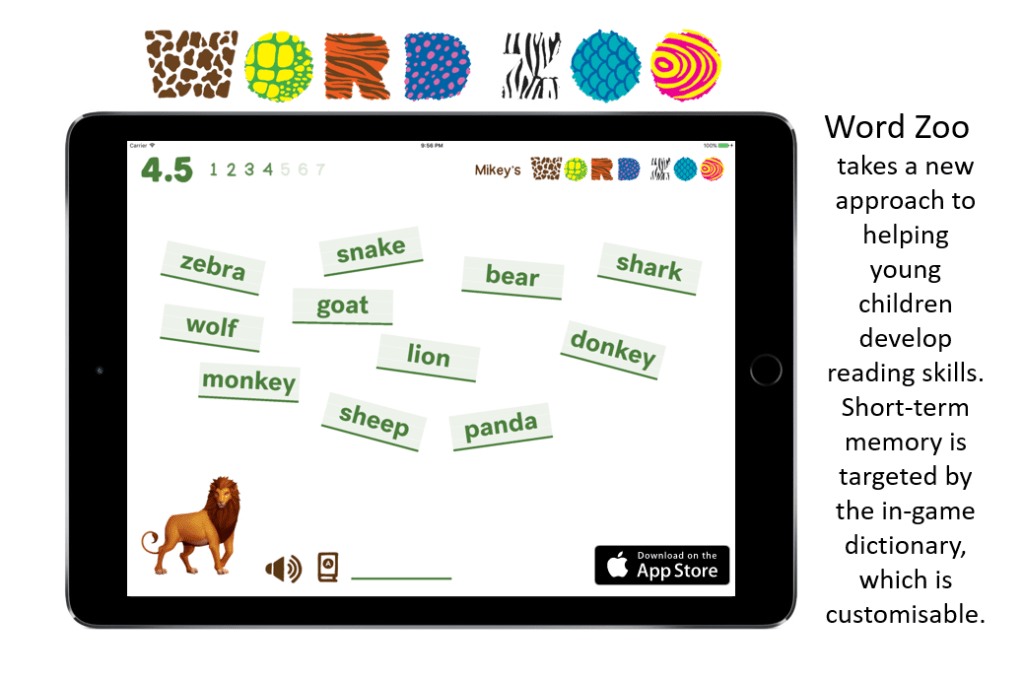
    P.S. I’m excited to announce the launch of a new app for beginning readers created by my son, Robert. If you know anyone with young children who may be interested, please let them know about Word Zoo, available now in the App Store.

    ad1


  • Of puddles and rainbows

    wonder-socrates

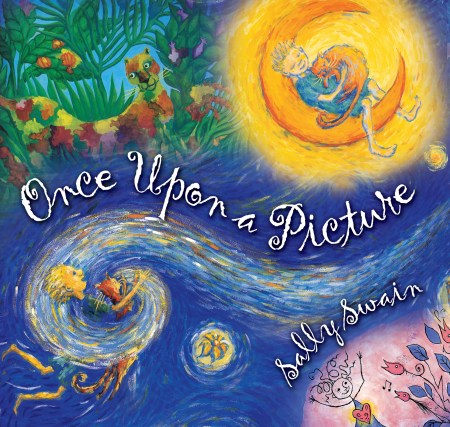
    In her beautiful picture book Once Upon a Picture Sally Swain asks readers to wonder about famous artworks by Renoir, Klee, Van Gogh, and Rousseau.

    once-upon-a-picture

    I am very much in favour of wonder, and have written about it before in

    Is it any wonder? about reclaiming your right to wonder;

    Breathe – a sense of wonder! about watching nature close-up with live butterfly kits in the classroom;

    Wondering in the everyday reminds us to pause and observe our surroundings; and

    Noticing and Wondering: Kicking off and supporting enquiry shares a post in which Aaron Eden on Edunautics, Exploring a World of Learning questions whether there could be any skills more important than noticing and wondering.

    questioning-einstein

    This week Charli Mills at the Carrot Ranch got me wondering about rainbow puddles with her flash fiction prompt to In 99 words (no more, no less) write a story about a rainbow in a puddle. Is it a silver lining of sorts or a false reflection? Think about what it might mean or convey. Simple science? Hope? Or the doom of humankind? Create action or character reflection.

    I wasn’t sure if rainbows would be seen in puddles that weren’t coated with oil, but it did make me wonder.

    Pierre-Auguste Renoir The Umbrellas ca. 1881-86
    Pierre-Auguste Renoir The Umbrellas ca. 1881-86

    Sally Swain invites readers to wonder about the girl with the hoop in Renoir’s painting “The Umbrellas”. Swain asks, “What does she want to do? Play?” and illustrates her thoughts with pictures of the girl playing in the muddy puddles that are inevitable on a rainy day. There is not a hint of rainbow though.

    Rainbows are common in works for children.

    rainbow-fish

    There is the beautiful series of Rainbow Fish books by Marcus Pfister with a simple message about the joy of sharing, of making oneself happy by making others happy too.

    There are songs such as Somewhere Over the Rainbow” sung by Judy Garland in her role as Dorothy in the movie version of The Wizard of Oz, and Sing a Rainbow.

    Rainbows are also popular for helping children learn maths facts and colours.

    Of course, there is the science of rainbows too; but before the science comes the wonder: looking at rainbows in the sky, and wondering.

    rainbow-wonder

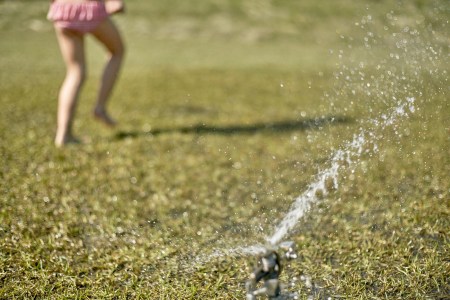
    When I was a kid we loved playing with the hose or in the sprinkler. Depending on the angle of the water and the sun, we could make our own rainbows, we didn’t need to wait for rain.

    sprinkler-926779_1920

    This got me thinking of children who might go for years without seeing rain, or therefore a rainbow, and how exciting their first sighting might be. I have combined a few of these ideas in my flash. I hope you enjoy it.

    Of puddles and rainbows

    For children of the drought who had never seen rain, the gush when the pipe from the bore burst a seam was a rare opportunity for water play and unexpected learning. While Dad and his Station Hand worked to repair the hole, the children danced in puddles under the cooling spray.

    “Look at the colours,” a child exclaimed, trying to capture each one. The men paused to smile at the children’s delight, remembering their own childhood glee. Mum watched from the verandah – without their precious resource, there’d be no washing off mud or cooking the dinner that night.

    Thank you

    Thank you for reading. I appreciate your feedback. Please share your thoughts.


  • What do you create?

    symbol

    I am a fan of creativity. I like to develop my own creativity, and I like to encourage the development of creativity in others.

    One thing I always loved about teaching was the opportunity it gave me to be creative: writing stories, units of work, and lessons plans to interest and excite the children about learning. It is this love that drives me to write my blog posts each week, and to create new early childhood teaching resources for readilearn nearly every week.

    Just as exciting was the opportunity to support the development of children’s thinking, imagination, and creativity. I am more in favour of treating children as individuals, than as one of a homogeneous group from which any difference is considered an aberration.  After all, imagination and creative thinking are what inspire and drive improvement, innovation and progress.

    I affirm my belief in the power of creativity in my tagline: ‘Create the possibilities . . .’, a tagline I previously used for an independent school I was establishing.

    create-the-possibilities

    Preceding both was my first independent undertaking: Create-A-Way.  Create-A-Way provided a richer educational and social setting for my young daughter than what was generally available, allowed me to share my educational philosophy and knowledge, and provided the same rich learning opportunities for other children and their parents. The development of imagination and creativity was a focus.

    Guiding parents in play sessions for parents and children.
    Guiding parents in play sessions for parents and children.

    One of the things I love most about responding to the weekly flash fiction challenges set by Charli Mills at the Carrot Ranch is the additional opportunity to engage in something creative and to hone my writing skills. The supportive environment of a welcoming community makes it a safe and enjoyable experience. There is something affirming about belonging to a community of other creatives, online or in -person.

    karen

    On Saturday I, along with a whole bunch of other women creatives, attended an excellent Book Marketing Masterclass conducted by authorpreneur Karen Tyrrell. (I am looking forward to interviewing Karen for the Author Spotlight series on readilearn in March.) The class was attended by writers of a variety of genres; including memoir, romance, science fiction, fantasy, YA, and picture books.

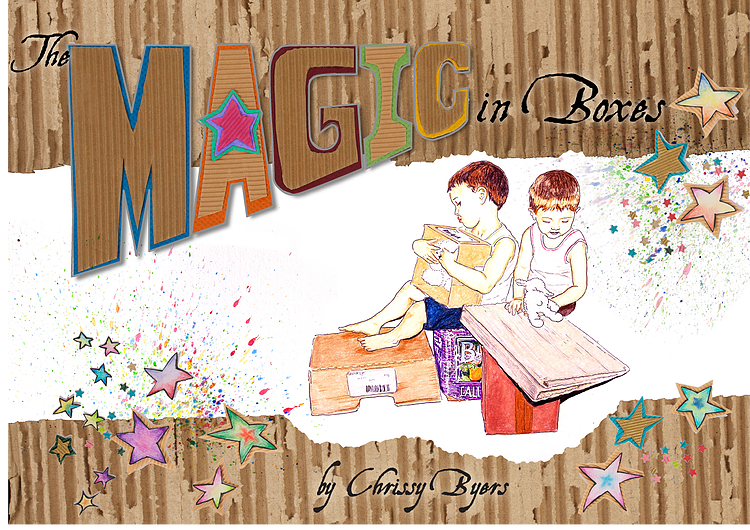
    One of the attendees Chrissy Byers has created a lovely picture book The Magic in Boxes which “aims to capture the imagination of young readers and inspire creative play.”

    the-magic-of-boxes

    Not only does the book suggest ways of stimulating creativity using recycled materials such as cardboard boxes, the book is made from recycled paper. I think that’s pretty awesome. It’s a beautiful book with a wonderful aim.

    lemons and grapefruit

    For a little more on creativity; in a previous post, Are you a lemon or a grapefruit? I shared ten articles about creativity. They are still relevant and worthy of a read if you haven’t yet done so.

    I also shared one of my favourite TED talks by Sir Ken Robinson How schools kill creativity. If yours is not yet one of the over 41 million views, I urge you to watch it. As well as sharing a very important message, Ken is hugely entertaining.

    I hope I have convinced you of the importance and power of creativity. I thank Charli and her flash fiction prompt for the opportunity of revisiting some of my favourite articles and talks about creativity. This week her challenge is to “In 99 words (no more, no less) write a story using the theme, “women create.” It can be art, sewing, ideas, babies. What is at the heart of women as creators? Go where the prompt takes you.”

    I’m a woman, and I create, and education is in my heart.

    In response to Charli’s challenge, I thought I’d get a little dirty. I hope you like it.

    Prize pies

    “Life’s not on a plate. It’s what you create.”

    Two little girls in their Sunday best

    Snuck outside when they should have been at rest;

    Splashed in the puddles, laughed in the rain,

    Shared mud pies and murky champagne.


    Two young girls with flour in their hair

    Climbed on the bench from the back of a chair;

    Opened up the cupboards, emptied out the shelves,

    Less in the bowl and more on themselves.


    Two young women watching TV

    Decide master chefs are what they will be;

    Enter the contest, invent new pies,

    Wow the judges and win the prize.

    thank-you-1200x757

    Thank you for reading. I appreciate your feedback. Please share your thoughts.


  • Introducing Illustrator – Helene Magisson – Readilearn

    This week I am very excited to be interviewing the wonderful illustrator Helene Magisson, my first guest for the Illustrator Spotlight series.

    Before we begin the interview, let me provide you with a little information about Helene.

    Helene began her artistic career as a painting restorer in Paris, where she also trained in the art of medieval illumination*.

    Helene has lived in countries all over the world, including Africa, France, and India. Her travels both inspire and enrich her work. She now calls Australia home, and it was when she settled in Australia, that Helene began a new career illustrating children’s books.

    Helene has illustrated four books for New Frontier Publishing including The Velveteen Rabbit by Margery Williams Bianco, and The Night before Christmas by Clement C. Moore. She is now working on her seventh book for Wombat Books.

    In this interview, Helene and I are discussing her work illustrating Magic Fish Dreaming, a beautiful book of magical poems by June Perkins who featured in the Author Spotlight in November 2016.

    Continue reading at: Introducing Illustrator – Helene Magisson – Readilearn

  • Happy as a possum in a pouch

    This week at the Carrot Ranch, Charli Mills is talking about getting cozy. While we swelter in the heat of our Australian summer, getting cosy is the last thing we are thinking of. Keeping cool is our current priority. (Note: cozy in North America, is cosy in Australia!)

    When I think of cosy, I think of huddling in front of a fireplace, shawl over my knees, cat at my feet, and a glass of wine, perhaps Prosecco, in my hand. This is not something I have ever experienced. It is an image portrayed on Christmas cards, book covers, and in movies.

    It’s a bit of a stretch for me to contemplate cosy at the moment, and I wondered how young Australians with little experience of “cosy” might respond to the word.

    I asked 7-year-old grandson what he thought of when he heard the word “cosy”. He said,

    “Nice and warm in bed.”

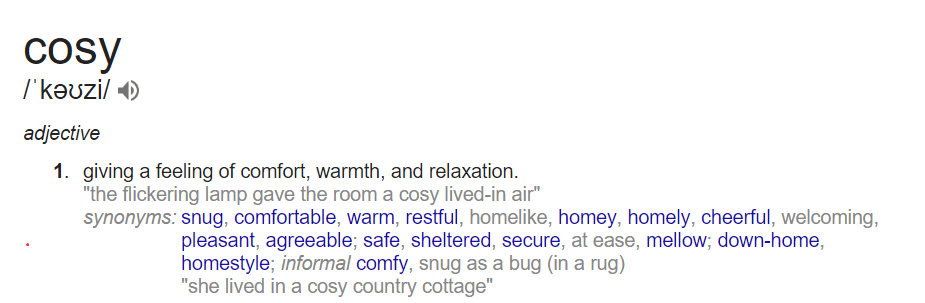
    His Dad thought there could be no better definition. In fact this is the definition provided by Google:

    cosy

    I asked grandson if he thought we would want to be cosy in summer and he said, “Well maybe not warm, but snuggly.” I think he did pretty well in defining the word.

    Snuggly makes me think of the children in bed as shown in Helen Magisson’s version of The Night Before Christmas. (Look for the interview with Helene on the readilearn blog later this month.)

    No doubt you have heard the expression, “snug as a bug in a rug”. Like cosy, the expression refers to being in a pretty comfortable position. I figured that being in a pouch would be about as cosy as a creature could get and, since Australia is home to many marsupials, it seemed a perfect fit for the post.

    Marsupials are mammals that give birth to live young before they are fully developed. The young, usually referred to as joeys, continue to develop in the mother’s pouch for a number of months, suckling on their mother’s milk.

    feeling-prickly-marsupials

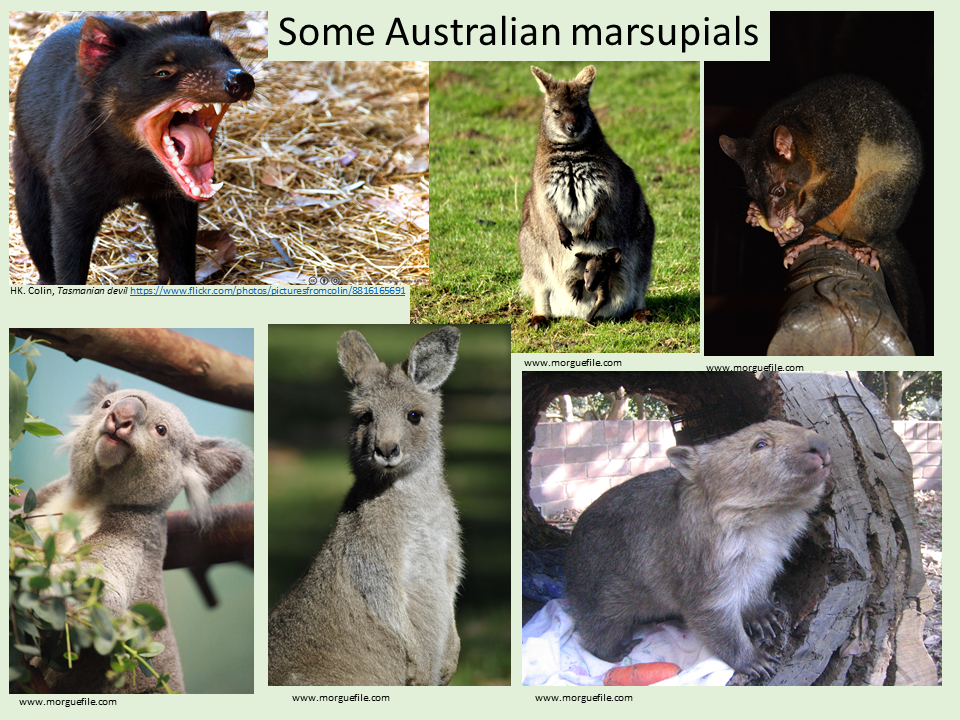
    As explained in Feeling a little prickly, Australia is home to almost 70% of the world’s marsupials. Other marsupials are found in the Americas, mostly South America. Kangaroos, wallabies, koalas, possums, wombats, Tasmanian devils, numbats, bilbies, and quolls are among the species of marsupials found in Australia.

    Brushtail possums are common in Australia and frequently share our homes as well as our neighbourhoods.

    At the moment, a mother and baby have taken up residence in Hub’s carport/workshop. We’re not particularly happy when they share our homes, but I love to hear and see them in the garden. Although I must admit that hearing a male brushtail possum for the first time can be a disturbing experience. I wrote about this in Sounds like …

    While possums are not popular in New Zealand and efforts are being made to eradicate them, and other introduced pests, from the island nation; I think they are rather cute. When I was young I climbed everywhere and got into everything and, as a result, was nicknamed “Possum”. (What happened to that inquisitive child?)

    I have previously written about some of my favourite picture books about possums, including  Possum in the House and Possum Goes to School in Listen to the sounds, and Possum Magic by Mem Fox in A celebration of Australian picture books #2 – Mem Fox

    Possum goes to school2015-09-19-10-55-23

    When Charli Mills of the Carrot Ranch challenged writers to In 99 words (no more, no less) write a cozy story, how could I not write about a cute little possum joey getting cosy in the mother’s pouch. I hope you like it.

    Watermelon by Peter Firminger https://www.flickr.com/photos/wollombi/251246865
    Watermelon by Peter Firminger https://www.flickr.com/photos/wollombi/251246865

    Happy as a possum in a pouch

    Warm and cosy in mother’s pouch, for months he did no more than suckle and sleep. Lulled by her gentle heartbeat and rhythmic breathing, he barely noticed as she scurried about at night; foraging for food, leaping from branch to branch, avoiding neighbourhood cats, sometimes scouring dogs’ bowls for leftovers, or accepting humans’ sweet titbits. For him, nothing else existed.  Until … one night, a strange feeling stirred inside. He poked his whiskery nose outside. Sniff, sniff. The most delicious scent beckoned him out. Mother offered him something red. Zing! His senses ignited. Milk was forgotten, nightly foraging began.

    Thank you

    Thank you for reading. I appreciate your feedback. Please share your thoughts.

  • Meet Australian author: Jane Jolly – Readilearn

    Reblogged from readilearn

    This week I have the great pleasure of inviting South Australian author Jane Jolly to the readilearn blog. Jane is author of a number of books, including the recently published Radio Rescue!

    The book about which I am talking with Jane in this interview is Tea and Sugar Christmas. Like many of Jane’s publications, this one is based on a true story. It tells of a Christmas experience that is likely very different from your own.

    The Tea and Sugar Train

    Click the link to read the original: Meet Australian author: Jane Jolly – Readilearn

  • Books make the #1 best gifts!

    The love of reading is gift

    I am notorious for gifting books. I’ve written about this before in Guess what you’re getting for Christmas and other posts. It would not surprise me if you are also a notorious gifter of books. Perhaps that could be our super power: The Book Gifters!

    Reading is empowering. A book is a gift that continues to give, long after the occasion has past. It’s effects cannot always be measured.

    books-life-memories

    In this post, I suggest some books you may like to purchase for special people in your life. And why not treat yourself with one or two as well?

    Most, but not all, are fairly recent releases. A few are long-time favourites.

    Most, but not all, are written by people I know personally or through blogging. You might recognise their names from comments on other of my blog posts. A few are long-time favourites written by people who inspire me.

    I have read most. The only two not read (the books of short stories) are very, very recent. However I am happy to recommend them as I am already familiar with some of the stories, and the writers’ work  from their blogs.

    Disclaimer: These are books that appeal to me. They may not appeal to you. The important thing in choosing books for others is in finding something that they will like.

    The list is not exhaustive. It is just a beginning to provide a few ideas that you may not have considered. There are many other wonderful books that could just as easily have been included.

    I have arranged my list in this way:

    For children:

    Picture books (including fiction, non-fiction, and poetry)

    Early chapter books (for readers of about 7 to 12 years)

    For adults:

    Books of short stories

    Novels

    Memoirs

    Books for teachers and parents

    If you follow the links you will be able to discover more about the writers and their other work.

    For children:

    Picture books – Fiction

    picture-books

    Lauri Fortino The Peddler’s Bed This heart-warming story demonstrates that a kindness given can encourage kindness in others. You can read a lovely interview with Lauri on the readilearn blog here.

    Tara Lazar Little Red Gliding Hood In this fun fractured fairy tale, Little Red Riding Hood needs a new pair of skates. The only way she can acquire them is by winning a skating competition. But which fairy tale character will be her partner?

    Galvin Scott Davis Daisy Chain This is a beautifully illustrated, animated and interactive, anti-bullying book app, narrated by Kate Winslet.

    Non-fiction

    non-fiction-picture

    Rebecca Johnson The Insect Series This series of ten little books, each about a different insect, combines both fact and fiction with stunning close-up photographs. You can read a lovely interview with Rebecca on the readilearn blog here.

    Sue Fliess The Bug Book This book about bugs is beautifully illustrated with stunning photographs. Written in rhyme, it introduces children to many tiny creatures.

    Poetry
    book-cover

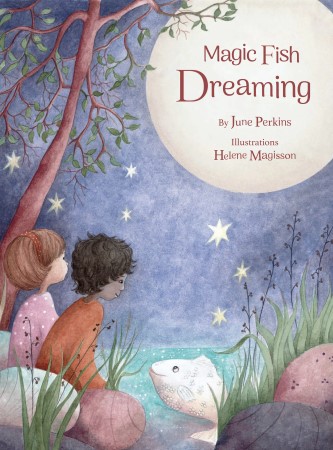
    June Perkins Magic Fish Dreaming This gorgeous book of poems with its focus on nature will uplift and inspire you and your children. You can read a lovely interview with June on the readilearn blog here.

    Early chapter books (about 7 to 12 years)
    early-chapter-books

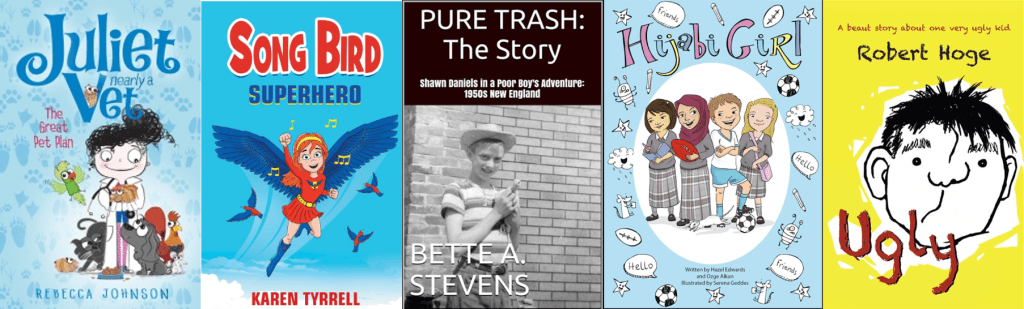
    Rebecca Johnson Juliet nearly a Vet This lovely series of books tells of the adventures of ten-year-old Juliet who aspires to be a vet, just like her mother.

    Karen Tyrrell Song Bird Superhero This story tells of Rosella Bird and her quest to fly. While she battles the bully at school and at home, she is empowered and discovers the joy of flight when she finds her voice.

    Bette A. Stevens Pure Trash: The Story Set in New England in the 1950s, this story tells of a Saturday afternoon adventure of two young boys. The Kindle version is free on Amazon until 29 November (today – be quick!). 

    Hazel Edwards & Ozge Alkan Hijabi Girl In this story, when eight-year-old Melek is deciding what to wear to the book parade, she is unable to find a super-hero who wears a hijab, so she creates her own.

    Robert Hoge Ugly (a memoir) Robert’s story is one of resilience, of survival against the odds, and of making hard decisions. While coping with difference and bullying, Robert shows that strength of character is a trait of survivors. I have introduced you to Robert previously here and here.

    Books of short stories

    short-stories

    Sarah Brentyn Hinting at Shadows This book is a collection of very short stories, each 100 words or less. While each may be a quick read, they will give insight, inspiration, and a greater understanding of what it means to be human.

    Hugh Roberts Glimpses Launching on 2 December, available for pre-order “28 short stories that will take your mind on a rollercoaster of a ride into worlds that conceal unexpected twists and turns.”

    Novels
    novels

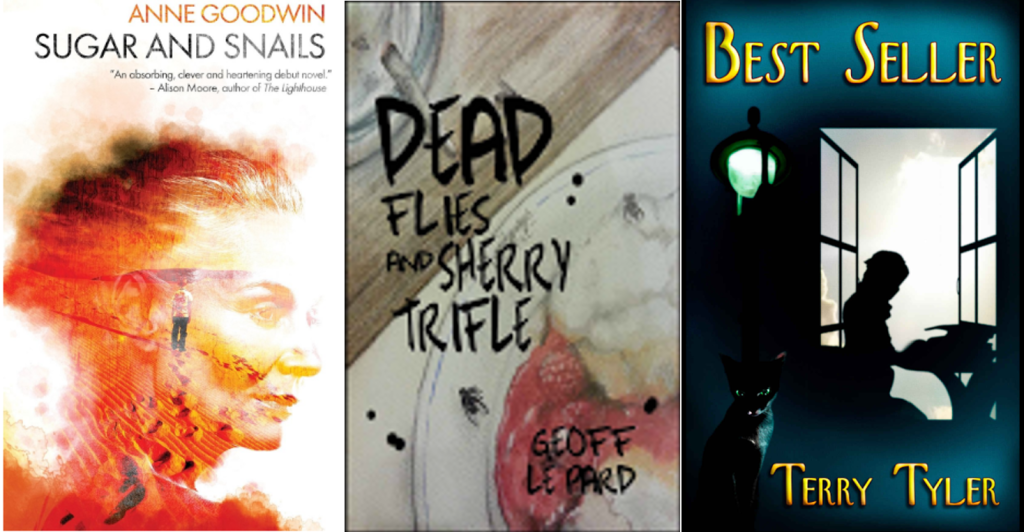
    Anne Goodwin Sugar and Snails In this mid-life coming-of-age story, Diana Dodsworth has some tough decisions to make as she comes to terms with who she really is. Anne has previously talked about her book on my blog here and here.

    Geoff Le Pard Dead Flies and Sherry Trifle This story about nineteen-year-old Harry Spittle, who is home from university for the hottest of hot holidays, will have you laughing out loud at his misadventures.

    Terry Tyler Best Seller This intriguing novella is about three writers, all of whom wish to write a best seller. One does; but which one?

    Memoirs

    memoir

    Robert Hoge Ugly (a biography) Robert’s inspirational story is one of resilience, of survival against the odds, and of making hard decisions. While coping with difference and bullying, Robert shows that strength of character is a trait of survivors. I have introduced you to Robert previously here and here.

    Lesley and Tammy Williams Not Just Black and White Told as a conversation between mother and daughter, this inspirational story tells of the importance of family, of difficulties experienced by many Indigenous Australians in relatively current times, with a drive to ensure that history is neither forgotten nor repeated.

    Malala Yousafzai Malala The Girl Who Stood up for Education and Changed the World The story of Malala, winner of the Nobel Peace Prize, is one of courage and of the difference that one person can make in the world. I have previously written about Malala here.

    Magda Szubanski Reckoning: A Memoir With a Polish father, a Scottish mother and an Australian childhood, Magda’s story is complex, courageous, compassionate, and inspirational.

    Books for teachers and parents

    for-teachers-and-parents

    Mem Fox Reading Magic This book provides lots of practical advice and support for parents in developing a love of reading in their children. I have introduced you to Mem many times previously, including here and here.

    Michael Rosen Good Ideas: How to be Your Child’s (and Your Own) Best Teacher This very readable book is packed full of suggestions for encouraging curiosity and learning in children (and you!) I have previously introduced you to Michael here and here.

    Vivian Kirkfield Show Me How Vivian passion’s for picture books and her understanding of the importance of literacy are obvious in this book that provides great ideas for reading and extending the learning experience associated with many picture books.

    Or, for a special early childhood educator, gift a subscription to readilearn, a collection of teaching resources that can be used throughout the year.

    special-gift-for-special-teacher-ad

    It’s easy. Simply send an email to hello@readilearn.com.au, arrange payment for the currently discounted subscription, and you will be emailed a voucher with a coupon code, unique to your special teacher. Print the voucher and personalise it with your own message before presenting your gift.

    Note: The subscription is for 12 months from date of activation, not purchase: a gift that will go on giving all year long.

    2

    I hope there is something in this list that you can add to your gift list.
    Thank you

    Thank you for reading. I appreciate your feedback. Please share your thoughts.


  • Around the campfire

    camping-1289930_1920

    You could count the number of times I have been camping on one hand with a few fingers chopped off. And those times, in the main, could not even be considered real camping. They involved cabins, water on tap, and flushing loos. Only once was I required to sleep in a tent, and the experience wasn’t one I wished to repeat: as much to do with other campers as with facilities.

    I am not into roughing it. I like the convenience of warm showers, flushable toilets, and power at the touch of a button. I acknowledge my privilege in being able to take these things for granted and, when I holiday, to choose accommodation at which they are available. I recognise that for much of the world’s population, that privilege is as unattainable as a dream.

    toilet-1033443_1280

    So, for this week, in which the flash fiction prompt by Charli Mills coincides with World Toilet Day, it is fitting to combine the two.

    World Toilet Day is a day to raise awareness and inspire action to tackle the global sanitation crisis – a topic often neglected and shrouded in taboos. Today, 2.4 billion people are struggling to stay well, keep their children alive and work their way to a better future – all for the want of a toilet.

    Anne Goodwin who blogs at Annecdotal has also combined Charli’s flash fiction prompt in her post about Fictional Toilets for World Toilet Day. Anne has included snippets of toileting issues from novelists whose characters, unlike most “fictional characters, (who) like royalty, don’t have to suffer the indignity of urinating or opening their bowels”, deal with the inconveniences of life. Her own novel Sugar and Snails is among those quoted. You can read the post here.

    who-gives-a-crap

    For a while now I have been supporting Who Gives a Crap, a company that takes toileting seriously. In its production of toilet paper, tissues, and paper towels it uses only 100% recycled paper, bamboo, or sugarcane. It also donates 50% of its profits to providing toilets for those in need. I am in favour of both those practices.

    I am also in favour of helping children recognise their privilege and to understand that not everyone in the world can take for granted what they can. With Christmas celebrations just around the corner, a picture book that encourages children to think of others, rather than just what they can get, is useful in starting the discussion.

    dear-santa-please-dont-come-this-year

    Dear Santa: Please Don’t Come This Year written by Michael Twinn and illustrated by Patricia D. Ludlow explains that Santa has tired of children’s requests, of their always wanting more, and of their lack of gratitude. He considers making this Christmas delivery his last; until he receives one final letter that turns his thinking around.

    The letter is from a group of children who write:

    “Dear Santa,

    Please don’t come this year … we have almost everything we want.

    So, we don’t want presents for ourselves this year  …

    We want to help other children, instead.

    And old people and animals in need …”

    Santa feels heartened by the children’s selflessness, and he spends the year travelling the world, sharing the gifts suggested by the children:

    “The gift of food

    The gift of health

    The gift of sight

    The gift of water

    The gift of technology

    The gift of hard work

    The gift of peace

    The gift of learning

    The gift of survival”

    At the end of the year, Santa realises that “The greatest gift is yourself.”

    (Note: I’m not sure if it is still so, but at the time of its publication, sales of the book helped raise funds for UNICEF.)

    Now, I seem to have strayed a little, but I’m thinking that’s probably what happens when a group is sitting around the campfire discussing life. I’m sure no subject is taboo, Blazing Saddles proved that, and that the conversation would flow from one topic to another with just a few meagre threads to hold it together.

    Song, too, would be a big part of the campfire tradition. I learned a campfire song from Bill Martin Jr. at a reading conference years ago. (I’ve written about that previously here.)

    The song “I love the mountains” is perfect for teaching to children and as a structure that children can use to write poems of their own. Sample innovations; for example, “Christmas in Australia” have been included just for that purpose in readilearn resources.

    poetry-examples-and-templates

    Writing “I love” poems is also a good way for children to express gratitude in their everyday lives, which fits perfectly with Thanksgiving celebrations in the United States, also this week.

    Happy Thanksgiving to my American readers!

    This week at the Carrot Ranch Charli Mills has challenged writers to In 99 words (no more, no less) write a story that is told around a campfire. It can be a bonfire, burning trash can, a fire pit, something flaming outdoors. It can be a prop, and you can tell the story of anything — ghosts, ancients, jokes. Who is gathered and listening?

    Even if you don’t intend joining in the challenge, and there is an extra week with this prompt if you are tempted, please pop over to the Carrot Ranch to read Charli’s fascinating report of her explorations of The Zion Valley area and of the historical artefacts and remnants she found there. You’re sure to find a gem or two, as she did.

    Here is my response to her challenge.

    Around the campfire

    “Smile,” they said. “It could be worse.”

    Than what: a compulsory “adventure”? navigating scrub lugging a loaded rucksack? avoiding plant and animal nasties? digging a toilet? erecting a recalcitrant tent? enduring inane chatter and laughter roaring as insanely as the campfire flames?

    “You’ll learn something,” they’d said.

    Fat chance.

    Darkness hung low like her spirits.

    Along with the dying flames, the mood quietened and, one by one, each told a story of horrors beyond her imaginings: of fleeing famine, war, abuse, hate …

    Along with the sky, her heart softened with the light of a new day, and gratitude.

    Thank you

    Thank you for reading. I appreciate your feedback. Please share your thoughts.


  • Introducing author and poet – June Perkins – Readilearn

    This week on the readilearn blog I am talking to June Perkins about her wonderful collection of poems for children Magic Fish Dreaming. With the beautiful illustrations by Helene Magisson, this collection is a delight for the ears, the eyes, and the spirit. Read about June’s inspiration for the poems, and use them as inspiration for poems of your own, or use them to inspire poetry writing in your students.

    Read June’s story at readilearn: Introducing author and poet – June Perkins – Readilearn