Live Love Laugh Learn … Create the possibilities

Category: Flash fiction

  • The comfort zone

    John Hattie

    Creating a positive classroom environment in which students feel welcome, accepted and respected is probably high on the agenda for most teachers. It certainly was for me during all my years of classroom practice.

    Students require an environment in which they feel comfortable and supported, as well as encouraged and challenged to stretch beyond current levels of skills and knowledge, to step beyond their current comfort zones with confidence in the knowledge that, while learning anything new can be a risky business, they will be supported in the process.

    But this does not just come from a “feel good” place in teachers’ dreams and imaginations. Research provides evidence that it is true. Professor John Hattie, a researcher in education, undertook a very ambitious project, synthesising data from over 800 studies involving more than 80 million students. He published his findings in two books called Visible Learning and Visible Learning for Teachers.

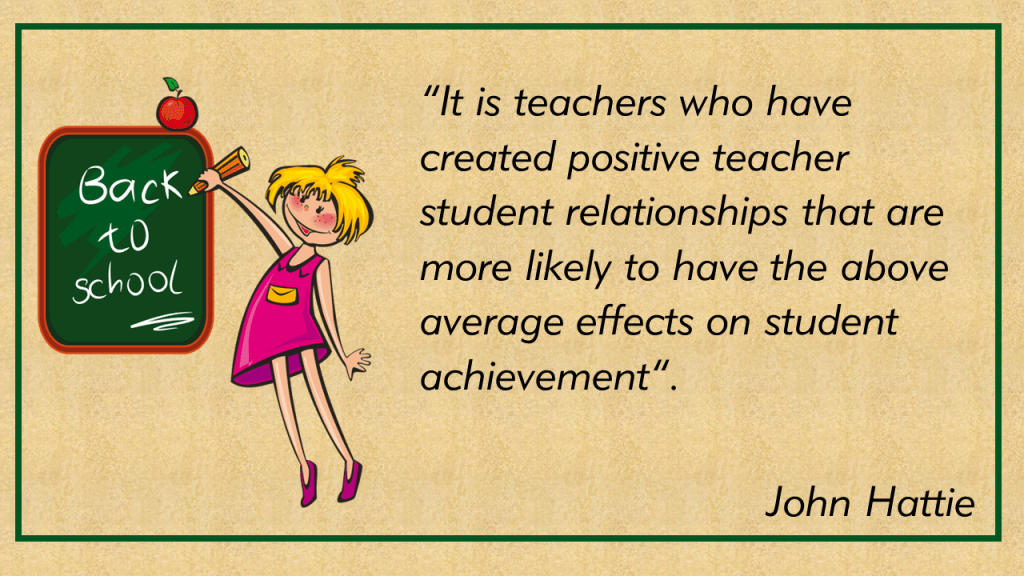
    Hattie says that

    “It is teachers who have created positive teacher student relationships that are more likely to have the above average effects on student achievement”.
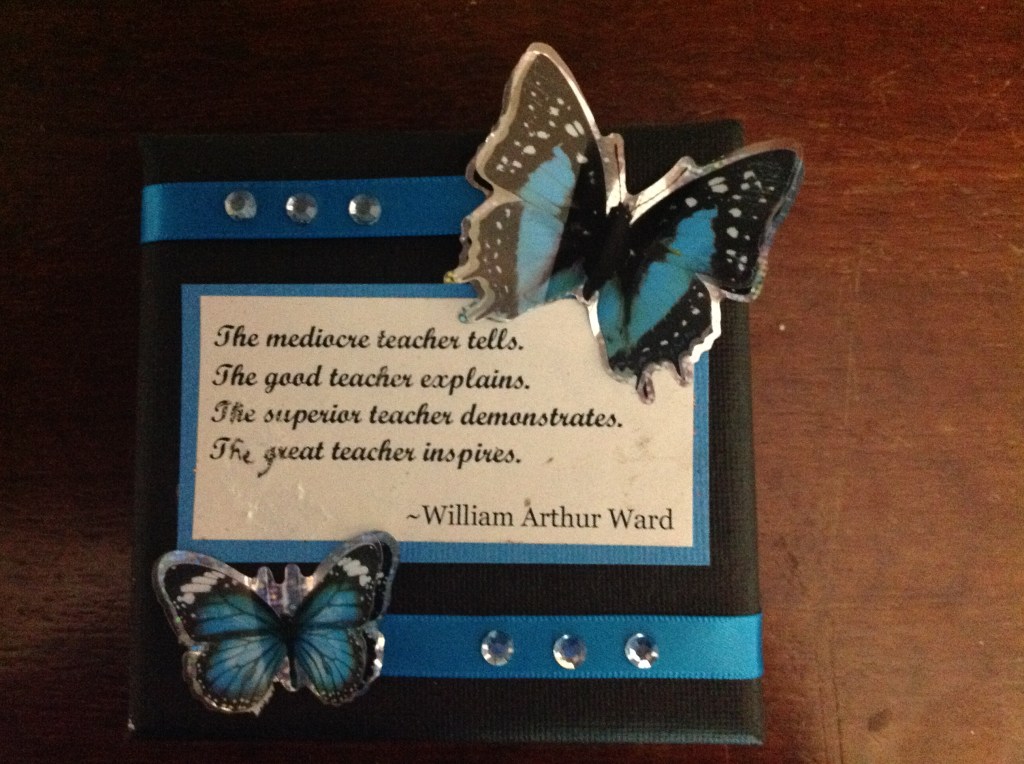
    Thank you to my wonderful students, and their lovely Mum who made this for me!
    Thank you to my wonderful students, and their lovely Mum who made this for me!

    This article, which summaries some of Hattie’s findings about teacher-student relationships, states that

    “the quality and nature of the relationships you have with your students has a larger effect on their results than socio-economic status, professional development or Reading Recovery programs. It is not that these things don’t matter, but rather that your relationships with students matter more.”

    It is wonderful to find that what I have always believed and practiced is now firmly backed up with research.

    I have written before about my use of affirmation songs and of connecting literacy learning to children’s lives and interests. In this post I will share just a few of the physical attributes of the classroom that contributed to that overall positive and supportive environment I worked so hard to establish.

    Readilearn bookmark

    From the very first day of any school year I ensured that children not only felt welcome in the classroom but knew that it was their classroom, that they had part ownership of the space and its environment.

    I would prepare a large welcome chart for the door with my name and photograph and the words: “Welcome to grade one.” Children’s names and photographs would be added by the close of the day.

    Welcome to year one

    In our school each child was allocated an individual desk with a tidy tray underneath for storing belongings. I would arrange the initial seating of children in groups based on what I knew of their friendship groups from the previous year. For each child I would place on the allocated desk:

    • A desk name (to identify the desk, to use as a model for writing, to assist children in learning to read each other’s names)
    • A welcome letter
    • A name badge (to identify them and their class at break time)
    • A small gift e.g. a pencil or keyring
    Welcome pack
    Welcome pack

    During the day I would photograph each child and print two of each.

    One of each child’s photographs would be added to the welcome chart  with the child’s name. (see above)

    The other would be added to a self-portrait and displayed on a classroom wall.

    I am Michael

    I usually asked the children to complete these during the first session so that I could have them on display when the children returned to class after first break.

    This was just the start. Throughout the year my classroom was a constantly changing display of children’s work. Children love to see their work displayed. It gives them an immediate sense of belonging, of being valued, and of ownership. Parents love to see it too, as this (unsolicited) letter written by a parent to the principal at the end of a school year testifies.

    Marianne's letter

    This week at the Carrot Ranch Charli Mills has challenged writers to In 99 words (no more, no less) write about a place of comfort that is a refuge.

    My classroom welcomed everyone: children, parents, volunteers, aides and administrators. It was a comfortable place to be. Fortunately it was not often required to be a refuge in the true sense of the word, though allowing me to experience over and over the joys of being six certainly shielded me from many less pleasant situations that may have been met elsewhere.

    While Marnie of my stories is a fictional character, sadly there are many children suffering as much as or more than I portray for her. It is for children like her that a warm, caring relationship with a special teacher can be empowering and life-changing, the one bright spot in an otherwise difficult life. I wish for all children a loving place of safety, acceptance, trust and respect. Marnie found it in a special teacher, Miss R.

    Safety

    Marnie loved art classes with Miss R. She loved art, but she loved Miss R. more. The days when art class was last were best; had been ever since that first time when she’d dallied, nervously, reluctant to leave, and Miss suggested she stay and “help”.

    Miss R. understood Marnie and Marnie trusted Miss R. Sometimes they would tidy in silence. Other times they’d chatter lightly about distracting things like television, music or books. But sometimes, when dark clouds loomed, Miss R. would gently ask, “What would you like to tell me?” Today the clouds looked about to burst.

    Thank you

    Thank you for reading. I appreciate your feedback. Please share your thoughts about any aspect of this post or flash fiction.

  • Freeze!


    GDJ, Playful stick figures https://openclipart.org/detail/230070/playful-stick-figure-kids
    GDJ, Playful stick figures https://openclipart.org/detail/230070/playful-stick-figure-kids

    Freeze, or Musical statues as it is sometimes called, is a popular childhood game wherever groups of children gather.

    While not suggesting that playing the game has any great educational benefit, it can be used with good effect from time to time in early childhood classrooms.

    As with other games, it does provide opportunities for children to:

    • participate in a social situation
    • understand and follow game rules
    • accept game decisions, for example  being out
    • respond in positive ways to their own participation and the participation of others
    • have fun

    It also provides opportunities for activity and to release tension.

    In this post I describe how to play the basic game and a few variants and suggest some times suitable for its use.

    How to play Freeze

    The basic game

    Requirements:

    •  a manager, often a teacher or parent but can be a child
    • a group of participants, often children but anyone can play
    • enough space for the participants to move about without bumping into each other, and
    • a source of music that can be played and paused.

    How to play:

    • The participants find a spot within the defined space from which to start the game.
    • The manager plays a piece of music. Moving to the music, the participants move about the space without bumping into any other participants.
    • After a few seconds (varying duration between approximately 2-20 seconds) the manager pauses the music. As soon as the music is paused, the participants must “freeze”. Anyone seen moving is out of the game and sits to the side.
    • The game continues until only one participant remains.

    Variant #1 — Topic words

    No music is required.

    Before the game commences the manager, or the manager in consultation with the participants, decides on a set of specific statues to be used in the game. These statues are explained and demonstrated to participants.

    The manager turns away from the participants and counts loudly to ten, while participants form one of the statues. After ten the manager calls “freeze” and participants freeze in the statue they have chosen. The manager then calls out one of the statues and turns around to see who has made it. Those who did remain in the game. The others are out and sit to the side. (The reverse can also be played with the called statues going out and the others staying in. Participants would need to be informed of this before the game begins.)

    Suggestions:

    Monarch butterfly

    butterfly

    When learning about butterflies, participants could make these four statues:

    egg — curled up in a ball on the floor

    caterpillar — prone on the floor

    chrysalis — standing with knees bent out to the sides and one hand pointing up while resting on the head (attached to a leaf or twig)

    butterfly — fists on hips and elbows out to the side (for wings)

    shapes

    shapes 

    When learning about shapes, participants could make these four statues:

    circle — fingers meeting above head, arms forming a circle, feet and legs together

    square —arms out to side, elbows in line with shoulders, forearms and fingers facing upwards at right angles, feet and legs together

    triangle — legs wide apart, and hands on hips with elbows out to the side, making three triangles in all

    rectangle — lying on back on the floor with arms and legs extended straight upwards

    Suggestion: the possible statues could be written or illustrated on a dice to be rolled or on cards to be selected.

    Variant #2 — Groups

    Music is required.

    The manager calls a number from 2 – 5 then starts the music. While the music plays participants quickly form groups of that number. They must freeze in group formation when the music stops. Groups that do not freeze and participants who are not able to join or form a group are out of the game and sit to the side.

    Play the game until four participants remain. Call all participants back into the game to move to the music once again.


    GDJ, Stick figure kids https://openclipart.org/detail/221994/stick-figure-kids
    GDJ, Stick figure kids https://openclipart.org/detail/221994/stick-figure-kids

    Suggestions:

    This game can be a fun way of exploring groups using the number of children in a class. No one is out in this version.

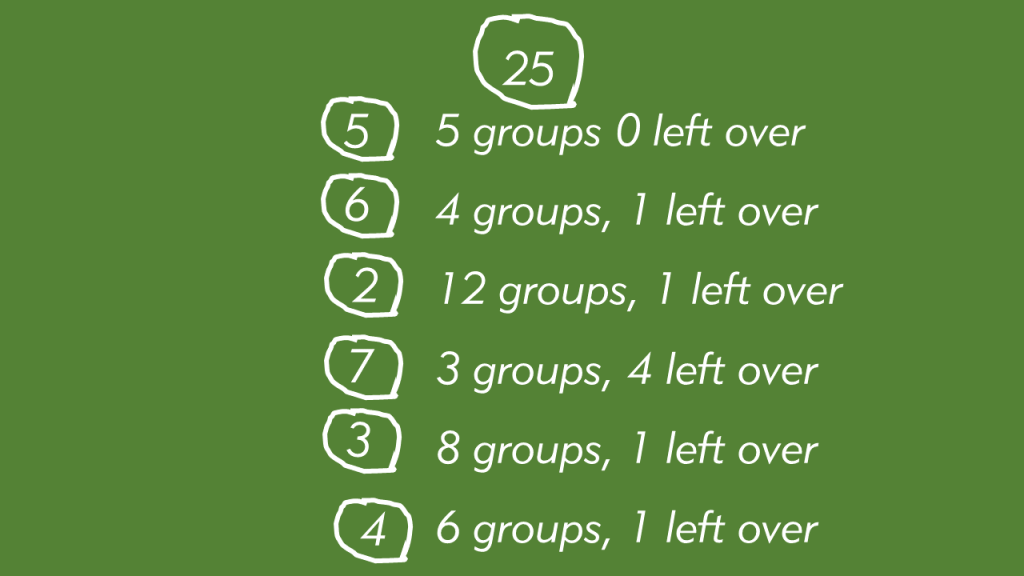
    Count the number of children in the class. Write the number on the board or chart. Play the music. Participants move to the music. When the music is paused call out a number. Children quickly form groups of that number and freeze. As a class count the number of groups, identify the number in each group, and how many “left over”.  Write the information on the board or chart. Repeat with all children participating for different numbers.

    grouping 25

    Variant #3 — Find a partner who

    Music is required.

    This activity will be noisier and require more time than other versions.

    In this version participants try to link up with someone with a similarity; for example the same colour eyes, the same number of people in the family, the same favourite colour, or who plays the same sport.

    Before the music starts tell the participants who they need to find. When the music stops, those who have not found a match sit to the side, as the others explain their matches.

    Everyone joins in again for each new round.

    Suggestion: Add a bit more fun with this one by having partners freeze  touching the same body parts together, for example, ankles, elbows, tops of head, or bottoms.


    Suitable times for playing Freeze

    • To transition from a noisy activity to a quiet activity
    • To provide an opportunity for movement during lengthy sessions of seated work
    • To dismiss children for recess (use Variant #1 rather than the basic game)
    • To ease a tense situation
    • To settle children and prepare them for the next activity
    • To have fun in a few ‘spare’ moments
    • Whenever you think it’s appropriate

    The stimulus for my thinking about the game Freeze this week is the flash fiction prompt set by Charli Mills at the Carrot Ranch to In 99 words (no more, no less) write a frozen story. Charli suggested that the freeze could be related to weather, emotion or time.

    My first thought was to the movie “Frozen” which my granddaughter enjoys, being completely captivated by Elsa and her beautiful blue dress. I thought she should prefer Anna who shares her name (though pronounced differently) and hair colour.

    My second thought was to the scientific explanation of cold as the removal of heat. It’s all relative. Instead I decided to go with a bit of fun. However, for my flash I did incorporate a little science thinking spurred by the question “Why do ice cubes crack when you drop them in drinks?”

    Frozen

    To an external observer she would have appeared immobile as if frozen in place and time. But her insides churned as the heat engulfed her body in a wave from toes to head. She thought her heart would erupt from her chest and wasn’t sure she could contain the contents of her noncompliant belly or from which end of her body they would spew. Others mouthed soundless words, their messages obliterated by the relentless pounding in her head. Just when she thought she’d crack, like ice exposed to sudden temperature change, she breathed deep, composing her tumultuous fear-fuelled mind.

    Thank you

    Thank you for reading. I appreciate your feedback. Please share your thoughts about any aspect of this post or flash fiction.

  • Power tools


    www.openclipart.org
    http://www.openclipart.org

    This week at the Carrot Ranch Charli Mills has challenged writers to In 99 words (no more, no less) include a tool in a story. I open this post with a quote by Jackie French I used to close my previous post.

    Jackie French - books - tools

    Books are a great tool. So is the ability to think creatively.

    Being literate is a key that opens many doors. Being able to think opens many more. You could say they are the power tools of education and success.

    In his book The Outliers (recommended to me by Rowena who blogs at Beyond the Flow), Malcolm Gladwell talks about the role of intelligence in success. He says that “intelligence only matters up to a point”, and that “past that point, other things — things that have nothing to do with intelligence — must start to matter more”. He raises the question of what those things are.

    He makes a suggestion to

    “Write down as many different uses that you can think of for the following objects:

    1. a brick
    2. a blanket”

    and calls it a “divergence test”. Rather than asking you to come up with a one right answer, a divergence test “requires you to use your imagination and take your mind in as many different directions as possible.”

    Gladwell describes the test as a measure of creativity, of the ability to come up with imaginative and unique responses rather than a list of commonplace uses. He considers this imaginative thinking combined with intelligence, not intelligence alone, to be what is required to make new discoveries such as those that may be awarded Nobel Prizes.

    www.openclipart.com
    http://www.openclipart.com

    Can this sort of creative thinking be taught?

    Edward de Bono certainly thinks so. As long ago, dare I say, as the late 60s I read (and did) The Five Day Course in Thinking, a series of puzzles to help readers (thinkers) understand their thinking strategies. The puzzles in the book are divided into three sections: Insight Thinking, Sequential Thinking, and Strategic Thinking.

    Over the years I read a number of de Bono’s books including but not limited to Lateral Thinking, Six Thinking Hats, How to Have a Beautiful Mind, Teach Your Child How to Think, Textbook of Wisdom and Why I Want to Be King of Australia. I had a thirst for learning how to think, as thinking had not been encouraged and memorising content had not come easily in my younger years. Discovering that I was able to think, and think outside the box, was empowering.

    www.openclipart.org
    http://www.openclipart.org

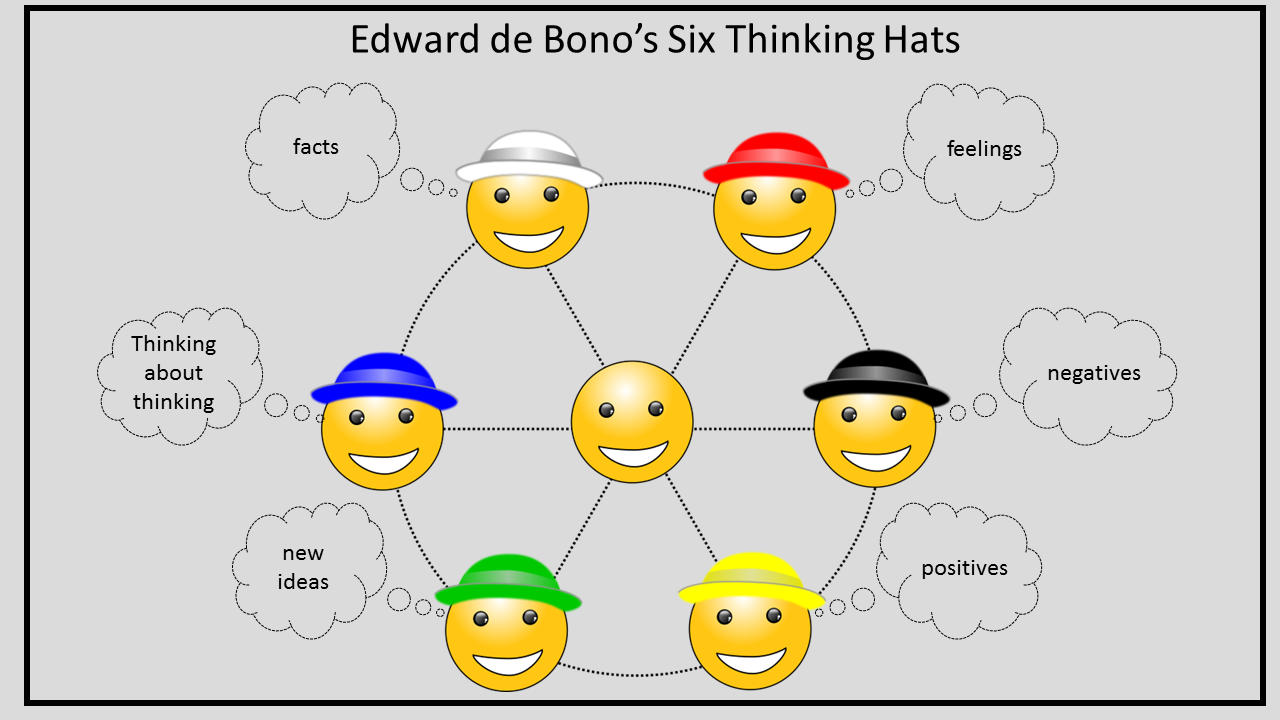
    I enjoyed using de Bono’s strategies and teaching them to my own children as well as to children in my classrooms over the years. His Six Thinking Hats are used in classrooms worldwide as are many others of his thinking strategies.

    six hats

    In this video de Bono talks about creativity, creative thinking, and thinking “outside the box”:

    Tony Ryan is another educator who believes it can. He has published a number of books that aim to get students thinking in creative ways. His Thinkers Keys “a powerful program for teaching children to become extraordinary thinkers” is designed to do just that.

    Tony Ryan says that we now need to think beyond the square and think “outside the dodecahedron”.

    In a comment on a previous post about Lifetime Changes, Steven linked to an amusing video showing the reactions of 21st century children to our earliest computers, tools of technology. This is it in case you missed it:

    I combined the notions of books, creative thinking and technology as tools for learning, productivity and success with a little bit of backward (historical) thinking to inspire my futuristic flash this week. I hope you enjoy it.

    tools for learning

    Relic

    The family shuffled amongst the haphazard collection of primitive artefacts without attempting to disguise disinterest or disdain. The waiting seemed interminable in this “so-last-century” outpost.

    Haven’s seen one of these before,” they’d been told. “I’ll need to order a specialized tool as well as the part. Shouldn’t take long though. Look around while you wait.”

    Confidence in the simpleton’s tools “upstairs”, even if the correct parts arrived, was as low as their interest.

    Hey look!” one called. “Is this …?”

    Can’t be.”

    All destroyed centuries ago.”

    Would be worth a fortune though.’’

    They opened it.

    A book!” they gasped.

    Thank you

    Thank you for reading. I appreciate your feedback. Please share your thoughts about any aspect of this post or flash fiction.

  • 20 Lifetime changes

    My big sister and me © Norah Colvin
    My big sister and me © Norah Colvin

    When Bec was little she would often say, “Tell me a story of when you were a little girl.” She would listen in wonder (in my dreams!) as I told her about life on a farm, holidays with relatives and funny things that happened in a large family.

    One day, with perfect comedic timing, she followed her request with the question, “What were the dinosaurs like?” We laughed at the time, and still do, but I think that question may have signalled the end of her interest in my childhood, for a time at least. Some aspects of my childhood would have been as unrecognisable to her as the world of the dinosaurs. It is even more so for the children of today.

     © Norah Colvin
    © Norah Colvin

    Learning about the past from parents and grandparents is one way of piquing young children’s interest in history. When I was in primary school we learned a little of history in what was then called Social Studies. Both ancient and modern history were available as discrete subject choices in high school but seemed to be primarily a list of dates, names and wars with little relevance to my teenage experience. Historical fiction brought otherwise remote and unfamiliar situations to life.

    I have touched a little on the topic of history in previous posts, I’m new here, Understanding family relationships and Whose story is it anyway? including mention of an early childhood unit Getting to know you, which is available in my Teachers Pay Teachers Store.

     © Norah Colvin
    © Norah Colvin

    It amuses me now when visiting museums, particularly small local historical museums as opposed to large national museums, to see artefacts from my childhood on display. Although I don’t necessarily consider myself “old”, definitely not passed my “use by” or even “best by” date, I do realise that to younger ones I am probably a relic from the past, holding as much interest for them as the objects on display. (I am not too old to remember what it was like to be young.)

    This week at the Carrot Ranch Charli Mills declares herself a history buff who digs “hanging out in cemeteries where history reads in the names and dates carved in stone.” I confess that I have rarely visited a cemetery other than to farewell a loved one and haven’t taken to reading gravestones to feed an interest in history.

    The teaching of history in my early childhood classrooms involved helping children to discover and record their own personal histories and the more recent histories of their families and local environment. Celebration or commemoration of historical events such as Australia Day, ANZAC Day or Remembrance Day required some elaboration, without too much detail, of their significance.

    Many of the experiences of children growing up now in the early part of the 21st Century are vastly different from those I experienced growing up in the mid-20th Century. Some of the differences are subtle and others more significant.

    Since I grew up in the 20th Century, as part of my historical record I decided to list 20 (random) changes that have occurred during my lifetime:

    1. I listened to music on vinyl records on turntables with manual arms. The records needed to be turned over after each side was played. There were no CDs, iPods, Youtube or streaming
    2. I spent hours in the sun, getting burnt to a crisp, without the protection of sunscreen.
    3. Polio was still a major threat and I knew children who suffered it. Now, thanks to immunisation, it is almost eradicated worldwide.
    4. We could purchase fireworks and set them off in our backyards and parks. I have no memory of huge firework displays such as are now part of most community celebrations.
    5. Shop opening hours were very different with shops closed half day Saturday and all day Sunday. No shops opened on Public Holidays and planning was required to ensure there was enough food in the cupboard to last the four day Easter Weekend.
    6. There were no huge supermarkets selling everything, mainly smaller grocery stores and some “corner” stores that sold a few “essential” items. Air conditioning was not common and chocolate was not readily available as it melted in the heat.
    7. There were no theme parks or water parks; just a few amusement rides such as merry-go-rounds and dodgem cars at local and state shows and fairs, and council swimming pools. Very few people had pools in their backyards.
    8. There were no computers, tablets or smart phones. When I started school I wrote on a slate, a tablet of a different kind.
    9. Fish and chips was the most popular and one of the few take-a-ways. There were no McDonald’s, pizza stores and few Chinese restaurants. There were no eateries in large shopping malls. In fact, there were no large shopping malls!
    10. We had an outside dunny with a pan that was collected and replaced weekly.
    11. Telephones were not in every home. They were attached to the wall and had a circular dial. Calls were manually connected by operators at telephone exchanges.
    12. Televisions first became available in Australia when I was a young child but my family did not own one until after I left home. I used to visit an aunt, who lived close by, to watch on her set after school some days.
    13. Cars ran on leaded petrol. I remember my Dad using a crank handle to start the car. The seats were hard and uncomfortable and there was no air conditioning (unless you count winding down the window).
    14. We would go to beach or the park to swim or play all day, without adult supervision. The only requirement was to be home before dark.
    15. Photographs were taken with a box camera and a roll of film which needed to be sent away to be developed and took weeks to be returned. It could take months to fill the roll and often the occasions were well in the past before the photos were received. It was expensive and multiple shots of the same image were not encouraged.
    16. There was little traffic and cars were slow so children often played in the street, which were sometimes still dirt and mostly without kerbs. It seemed to take forever to get from one place to another.
    17. To keep food cool we had ice boxes for which an ice man would deliver a large block ice daily.
    18. We used imperial standards of measurement including pounds and ounces, inches and feet; and shopped with pounds, shillings and pence before converting to decimal currency in 1966 and other units soon after.
    19. Smacking by parents and corporal punishment in school was the main form of discipline. If children were in trouble at school (I never was!J) then they were usually in more trouble at home.
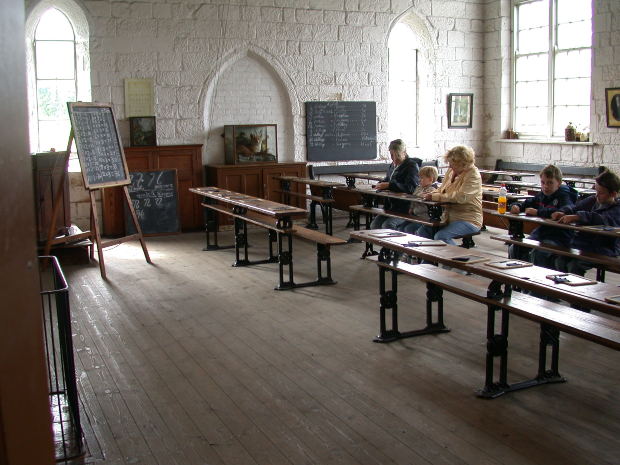
    20. In school we sat in rows of desks nailed to the floor. We listened to the teacher and learned by rote lists of facts which were often chanted repetitively. There was definitely no talking in school and no group work.

    old school room

    I add one wish for another change I’d like to see in my lifetime in the 21st Century:

    For friendship, understanding, tolerance, empathy and peace to rule a sustainable and equitable world!

    I don’t ask for much, do I?

    Now back to the cemetery and Charli’s flash fiction challenge to In 99 words (no more, no less) write a story about a final resting place. I have taken Marnie to the place where her parents rest as she discovers more about them and their history than she had before realised.

    Graveside

    She wasn’t sure why she was here. Miss R., Annette, had suggested she come. So she did. What struck her most, as she read the grave markers, was their ages. She’d never thought of them as young but their life spans were short; both a mere 49 years, going within a year of each other. She worked it out. They were younger than she was now when she’d left home. Who’d have thought? She felt a strange sadness, a familiar hollowness, not for the loss of their lives but for the absence of love, love which had never been.

    Thank you

    Thank you for reading. I appreciate your feedback. Please share your thoughts about any aspect of this post or flash fiction.

     

  • The right place at the right time

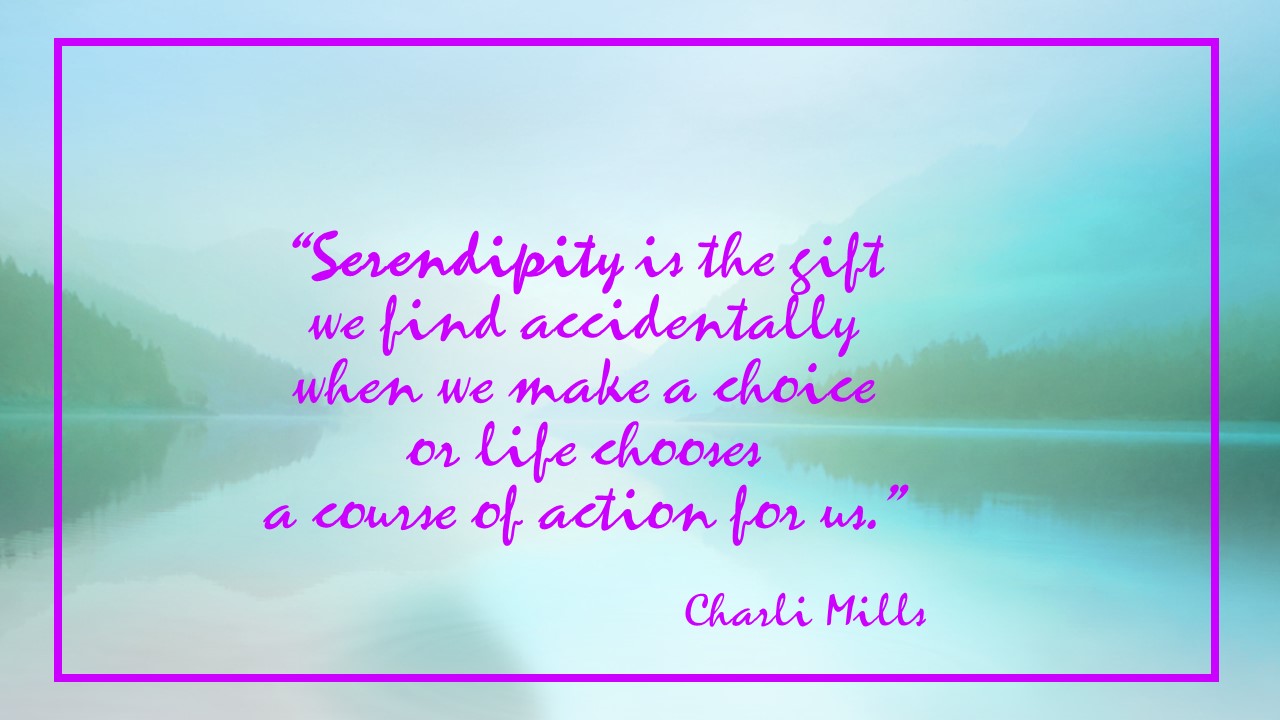
    Charli Mills Serendipity

    This week at the Carrot Ranch Charli Mills is talking about serendipity and describes it this way:

    “Serendipity is the gift we find accidentally when we make a choice or life chooses a course of action for us.”

    I often think of serendipity as being in the right place at the right time. There are many occasions in my life where that has occurred, and probably millions more when I’ve missed by a millisecond, but many of those I’ll never know.

    www.morguefile.com
    http://www.morguefile.com

    Our lives have been improved by many discoveries made through serendipity. This article on NOVA lists seven Accidental Discoveries  in medical science that have changed health outcomes people around the world:

    • Quinine
    • Smallpox vaccination
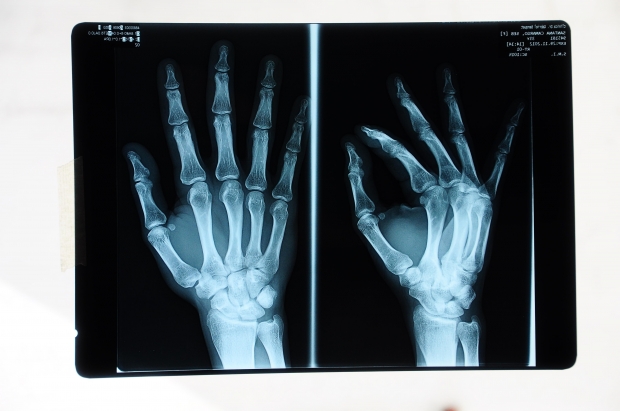
    • X-rays
    • Allergy
    • Insulin
    • Pap Smear
    • Penicillin

    Joseph Henry - seeds of discovery

    Lexi Krock, author of the article reminds us that, though some elements of serendipity, of chance, may have been involved in the discoveries, there was also a great degree of hard work, preparedness, creative thinking and an openness to possibilities. In fact Krock says that having an open mind is the most important ingredient. She quotes the words American physicist Joseph Henry:

     “The seeds of great discoveries are constantly floating around us, but they only take root in minds well prepared to receive them.”

    I came to that article through The story of serendipity on Understanding Science, which also talks about lucky coincidences, such as the story of Newton and the apple. This article states there is more than being in the right place at the right time to make a serendipitous discovery, including:

    • Background knowledge
    • An inquisitive mind
    • Creative thinking
    • The right tools, and
    • Good timing
    www.morguefile.com
    http://www.morguefile.com

    Another who attributes success in part, to serendipity, to being in the right place at the right time, is Malcolm Gladwell. Thanks to a serendipitous recommendation by Rowena, who blogs at Beyond the Flow, I have just finished listening to Gladwell read his book “The Outliers, The Story of Success”.

    Gladwell argues that there is more to success than just intelligence and hard work. Yes both are important: intelligence to a certain level and hard work to a greater degree. Through “The Outliers” Gladwell popularised the idea of 10 thousand being the “magic” number of hours to practice for success to occur, citing sporting heroes, The Beatles and Bill Gates, amongst others..

    However there is much dispute to this “rule”; and I must admit that, although I thoroughly enjoyed listening to and thinking about this book, it raised as many questions as it provided “answers” and I found myself wondering how much manipulation had gone into the figures to make them match his ideas, rather than the other way round. I am not saying there was any manipulation, I just wondered.

    www.openclipart.com
    http://www.openclipart.com

    However, one point he was making, that I think has value and fits with the theme this post, is that one’s circumstances; one’s family, environment and time, including birth year and month, play an enormous role in one’s success. These are things over which we have no control.

    According to Gladwell’s discussion of timing, I am correct in describing myself as “born too soon” in my Twitter bio. I was born just a few, but too many, years before the twelve month period that saw the births of Bill Joy, Steve Jobs and Bill Gates. I didn’t have the opportunities they had either.  Gladwell explains the importance of their timing, environment and opportunities in his book.

    In this Q and A Malcolm explains what an outlier is, what he thinks of as success, and how he thinks we should think of success. As well as the coincidence of Joy, Jobs and Gates, Gladwell says that “a surprising number of New York’s most powerful and successful corporate lawyers have almost the exact same biography: “they are Jewish men, born in the Bronx or Brooklyn in the mid-1930′s to immigrant parents who worked in the garment industry. “ He also says that “a hugely disproportionate number of professional hockey and soccer players are born in January, February and March.” Coincidence? He explains why.

    rg 1024, gift https://openclipart.org/detail/31159/gift
    rg 1024, gift https://openclipart.org/detail/31159/gift

    In her post Charli Mills states that

    “Serendipity holds no guarantees, but we can take the gifts it offers.”

    The gifts were there for the hockey and soccer players born in the first quarter of the year, but stacked against anyone born in the final months of the year. Likewise, serendipity held false promises for me when I was working towards establishing an alternative school.  Meeting the expectations of the Education Department proved no barrier. Meeting town planning requirements was much more elusive.

    The first property with any real potential we investigated was in Skew Street. Not surprisingly the odds were skewed against us and we couldn’t proceed there.

    Shortly after we located a much better property: more central, with ample indoor and outdoor space and a large playground. The arrangements seemed ideal, and the street names were much more promising. It was on the corner of Water and Love Street. Surely that had to bode better for us than Skew Street. Serendipity.

    Unfortunately, though it was definitely the right place, the timing was wrong. At the final moment, when leases were to be signed, a member of the organisation, who had been absent from previous meetings and discussions, turned up, objected and put an end to our plans.

    While some of us did continue to search for another location, it was like trying to find a needle in a haystack; there were few that met town planning requirements, and even fewer that met ours. Parents who had expected their children to start with us decided they could wait no longer and made other arrangements for their children’s education. The last minute loss of the ideal property rocked us to the core. With much heartbreak we finally admitted defeat and disbanded. Having read Gladwell’s book I am now willing to accept that it was not because I didn’t work hard enough but because there were other factors working against us.

    I decided that, in response to Charli’s flash fiction challenge to In 99 words (no more, no less) write a story that reveals or explores a moment of serendipity, this time I would provide Marnie with a positive experience, the beginning of a new phase in her life; serendipity working it’s magic.

    doors

    The wrong place at the right time

    Marnie was puzzled. The card definitely said 225; but there wasn’t any 225. There was 223, and 227, but no 225. She peered at the crack between the apartments as if willing 225 to materialise. Exhausted and confused, unsure of what to do next, she slumped on the step.

    “Can I help you?”

    The question interrupted her muddled thoughts. Seeing kindness in the eyes, Marnie explained her predicament.

    The woman read the card.

    “Street, not Avenue,” she said, pointing to the sign. “Are you Marnie? Lucky I got the wrong bus today. I’m Josephine. Come on. It’s not far.”

    Thank you

    Thank you for reading. I appreciate your feedback. Please share your thoughts about any aspect of this post or flash fiction.
     

  • It’s a steal

    cyberscooty, The Thief https://openclipart.org/detail/220956/the-thief
    cyberscooty, The Thief https://openclipart.org/detail/220956/the-thief

    This week at the Carrot Ranch Charli Mills is talking about theft; of family pets, of the apples from her garden, of property, and even of good name through myths and false accusations.

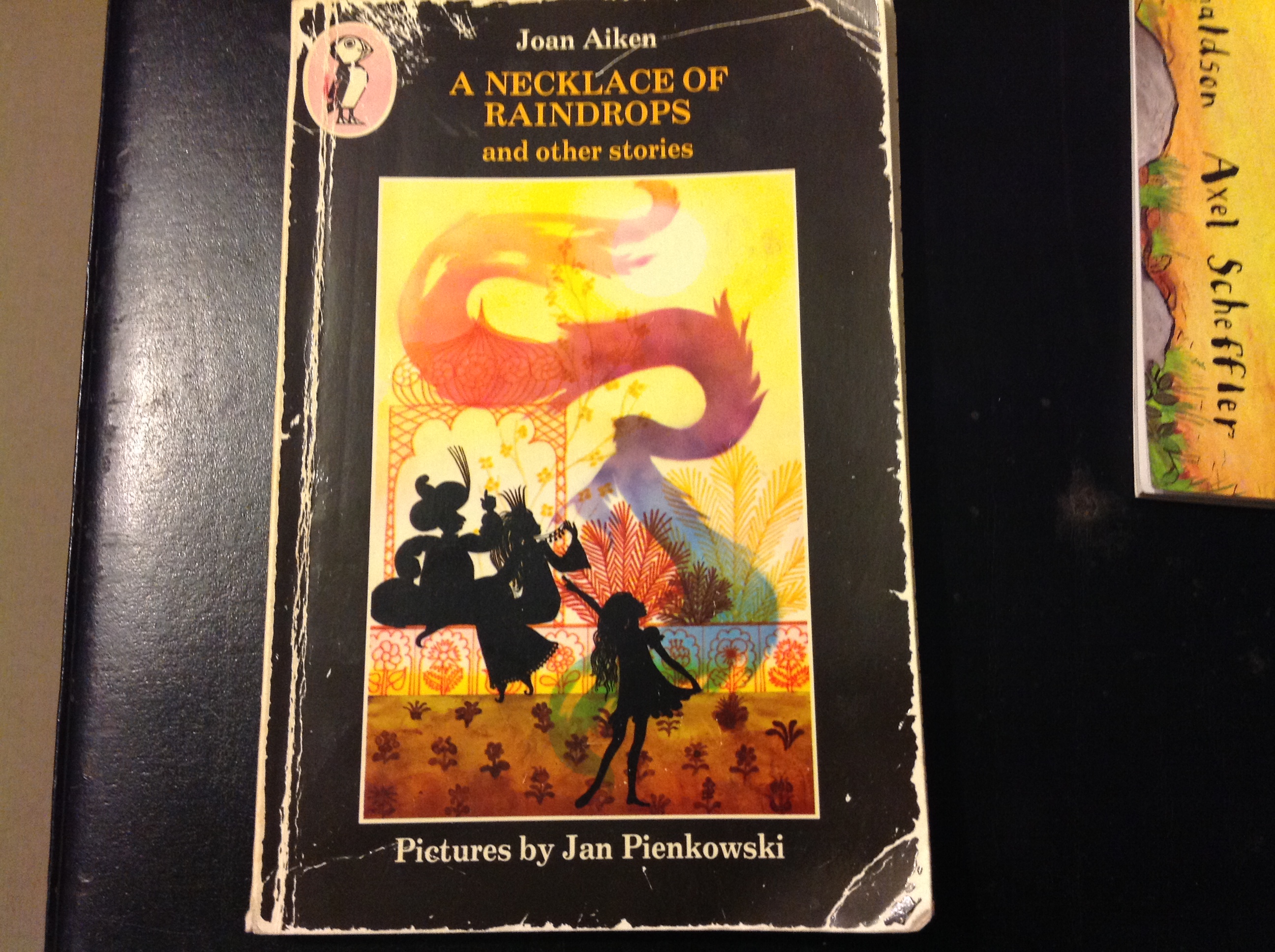
    I didn’t have to think for long to come up with three fairy tales that deal with the issue of theft. Why three? Because three is the fairy tale number. I’m sure most of you will be familiar with these two traditional fairy tales: Goldilocks and the Three Bears, and Jack and the Beanstalk. Some will not be familiar with Joan Aiken’s more modern (1968) fairy tale A Necklace of Raindrops.

    girl and bear

    If you were to search online for teaching resources to support use of Goldilocks and the Three Bears in an early childhood classroom, you would have much from which to choose. Many of the available resources are worksheets and printables with few requiring children to think beyond the surface level of the story.

    youk_k, Beanstalk https://openclipart.org/detail/20020/beanstalk
    youk_k, Beanstalk https://openclipart.org/detail/20020/beanstalk

    The same is true for Jack and the Beanstalk. A search for supporting teaching resources also brings up a plethora of worksheets and printables for colouring, cut and paste and writing activities.

    While it’s no secret that I am not a fan of worksheets, activities such as those may have a place if they are used to stimulate language development through retell and role play, support beginning readers and writers in a meaningful context and develop basic mathematical concepts. Children might also be involved in activities associated with the story such as making porridge or growing beans.

    www.openclipart.com
    http://www.openclipart.com

    However children can be encouraged to think more deeply through discussion of the motives and feelings of the characters and the morality of their actions. After all, both Goldilocks and Jack were guilty of break and enter and theft; Jack repeatedly so. Jack didn’t follow his mother’s instructions and was “conned” by the man with the beans. Goldilocks was also guilty of vandalism.

    A strategy for encouraging thinking:

    Ask children to:

    • retell story events
    • tell about the character and character traits
    • make a judgement about  the character’s actions: Was what Goldilocks did good or bad? Was what Jack did good or bad? (Note: It is best for children to make and record this judgement independently of others before sharing their thoughts. The method of recording would be dependent upon the age and ability of the children. They could, for example, write the word “good” or “bad” in a book; or colour a picture of the character e.g. green for good, red for bad.)

    Tally and/or graph children’s responses.

    Invite individuals to explain the thinking behind the decision. A lively discussion may ensue, particularly if there are mixed responses. It would be of interest to note which children maintain their position, which waiver and which change their opinion.

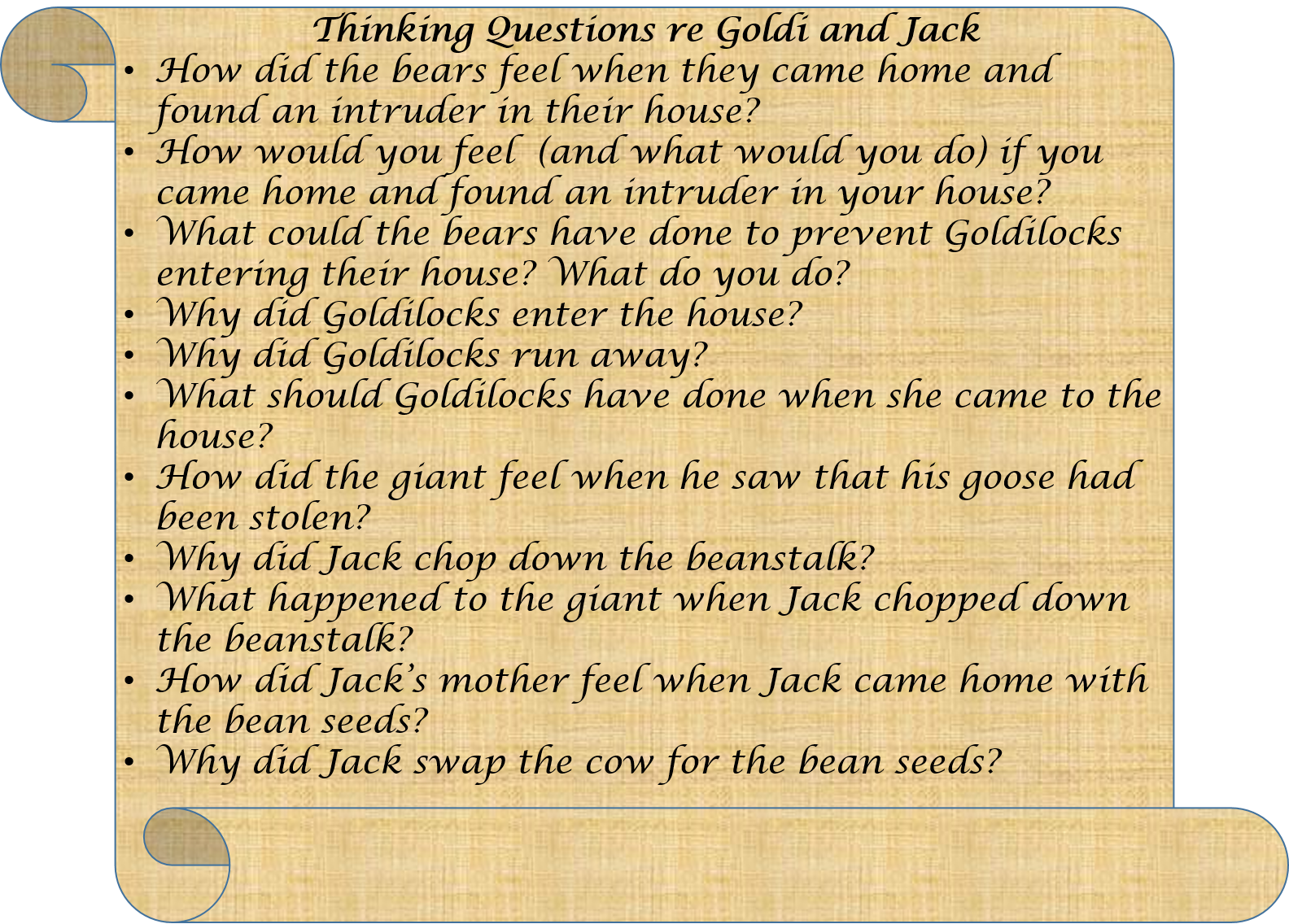
    Other questions can also be asked, and children can be encouraged to ask questions of their own, for example:

    Questions re Goldi and Jack

    Hopefully the events of these stories will be just as fanciful to the children as the settings. Most children will not have records of breaking and entering, and any incidences of petty pilfering or even vandalism will have occurred as part of their learning about property and ownership. Some appropriation of another’s toys or breakages in frustration or misuse are common and nothing to cause concern about future morality.

    a necklace of raindrops

    While the setting of A Necklace of Raindrops is equally fanciful with the personification of the North Wind, talking animals and a magic necklace, the situation, involving schoolyard jealousy and theft, may be more familiar. You will find few teaching resources to support it in an online search.

    book 3

    Here is a brief synopsis:

    A man frees the North Wind from a tree.

    The North Wind gives the man a necklace of raindrops with magical powers for his baby girl, Laura.

    Each year a new raindrop with new powers is added.

    Laura must not remove the necklace.

    At school Meg is jealous of Laura’s necklace. She tells the teacher who insists Laura remove the necklace.

    Meg steals the necklace.

    The animals help Laura get the necklace back.

    The North Wind punishes Meg.

    (Note: My few words have not done justice to Joan Aiken’s beautiful story. If you can, please read the full version.)

    The story is rich with opportunities for discussion with children, including:

    Envy and jealousy — feelings familiar to many children who may have taken, borrowed or used something that didn’t belong to them. They may have squabbled about ownership or use of an item or had someone take something of theirs. Learning a sense of ownership as well as sharing is important in early childhood.

    Telling the teacher — sometimes called “dobbing” in Australia. When is it important, when doesn’t it matter? What were Meg’s motivations?

    Honesty — Was it okay for Meg to tell her father that she had found the necklace on the road? Why did she tell him that? What would he have done if she told him the truth?

    Finders keepers” — Is it ever okay to keep something you find? When might it be okay to do so?

    Following the rules – The teacher insisted that Laura remove the necklace. What could Laura have done or said? What else could the teacher have done? Was it fair for Meg to tell the teacher?

    Stealing the necklace — Was Meg good or bad to take the necklace? Why?

    Why did the magic not work for Meg?

    Was the North Wind’s punishment of Meg appropriate? (He blew the roof off her house so she got wet.)

    Thinking of these issues familiar to many in the schoolyard and playground made me think of Marnie who has experienced some similar situations. In this episode a boy dobs on Marnie for having a unicorn at school. Toys weren’t allowed, but this boy knew it meant Marnie was troubled again and needed the teacher’s help. A teacher is also called upon in this episode when Marnie has locked herself in the toilet and won’t come out. In both those instances the children were dobbing for good reason.

    In this episode Marnie is purposefully tripped and falls into a puddle losing hold of her “security” unicorn, and in this longer episode we find that, later that day, the same boy took her paint brush, and stashed it out of reach on a high shelf. He hadn’t taken it because he wanted it, as Meg had taken the necklace. He had taken it simply to torment, be mean and bully.

    Children, like Brucie, who tease, torment and bully are often themselves victims of similar behaviour. They feel powerless, lacking control in their own lives, and probably lowest in the pecking order at home. Targeting someone more vulnerable provides an opportunity to find a sense of power; for a while at least.

    So that’s where I’m headed for my response to Charli’s challenge to In 99 words (no more, no less) write a story about a thief or a theft. 

    Motives

    The morning started badly; nothing unusual in that. He’d been woken in the night by shouting, slamming doors, and screeching car tyres. Nothing unusual there either.

    There was no milk to moisten his cereal, only a slap to the head for daring to ask. He grabbed his bag and disappeared before she used him as an ashtray, again.

    Looking for a fight, he couldn’t believe she was just sitting there clutching her stupid unicorn. He snatched it; danced a jig to her wails, then threw it onto the roof.

    “I’m telling,” said a witness.

    “Who cares?” was his response.

    Thank you

    Thank you for reading. I appreciate your feedback. Please share your thoughts about any aspect of this post or flash fiction.

  • Home or away

    Many people look forward to a holiday away from home; an opportunity to escape the routines of the everyday and enjoy new experiences.  Many people look forward just as much to the return home, to familiar comforts and routines.

    During the past twelve months I have enjoyed a few escapes away.

    I travelled overseas and far away for my first visit to London.

    Whitehall, London © Norah Colvin
    Whitehall, London
    © Norah Colvin

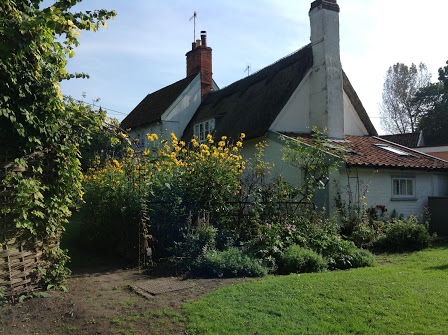
    My visit to the UK included a few days at Saxmundham to the north

    Cottage at Saxmundham © Norah Colvin
    Cottage at Saxmundham
    © Norah Colvin

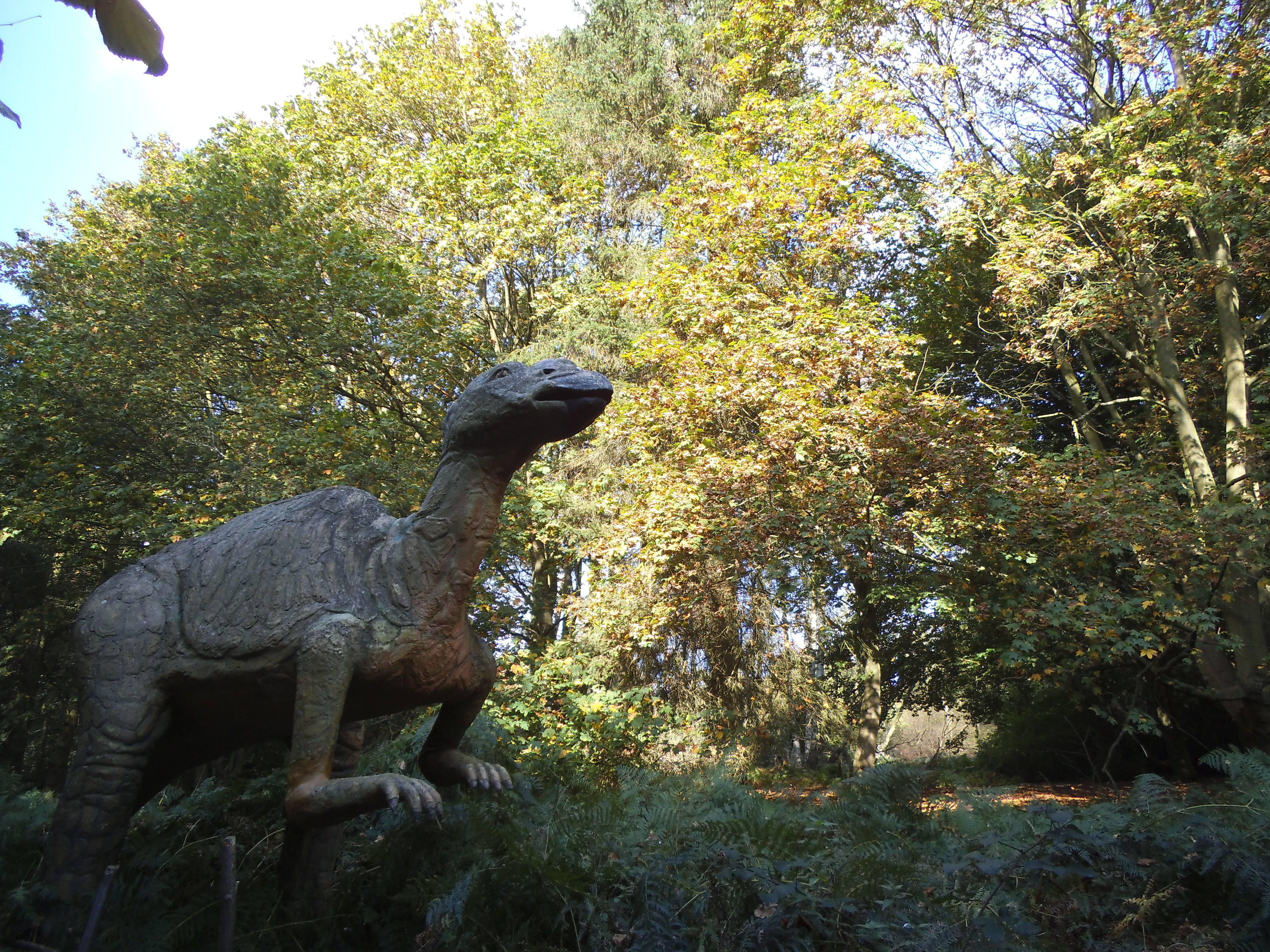
    and a visit to Dinosaur Adventure at Norwich for Grandson’s fifth birthday.

    Dinosaur Adventure, Norwich © NorahColvin
    Dinosaur Adventure, Norwich
    © NorahColvin

    I travelled to Cairns and Port Douglas in northern Queensland,

    Port Douglas © Norah Colvin
    Port Douglas
    © Norah Colvin

    and from north to south through Tasmania from Hobart to Launceston.

    Hobart © Norah Colvin
    Hobart
    © Norah Colvin

    I visited Alice Springs and Uluru in Central Australia.

    Uluru © Norah Colvin
    Uluru
    © Norah Colvin

    I also visited some seaside locations closer to home, including Hervey Bay and Marcoola to the north and Coolangatta to the south.

    Hervey Bay © Norah Colvin
    Hervey Bay
    © Norah Colvin

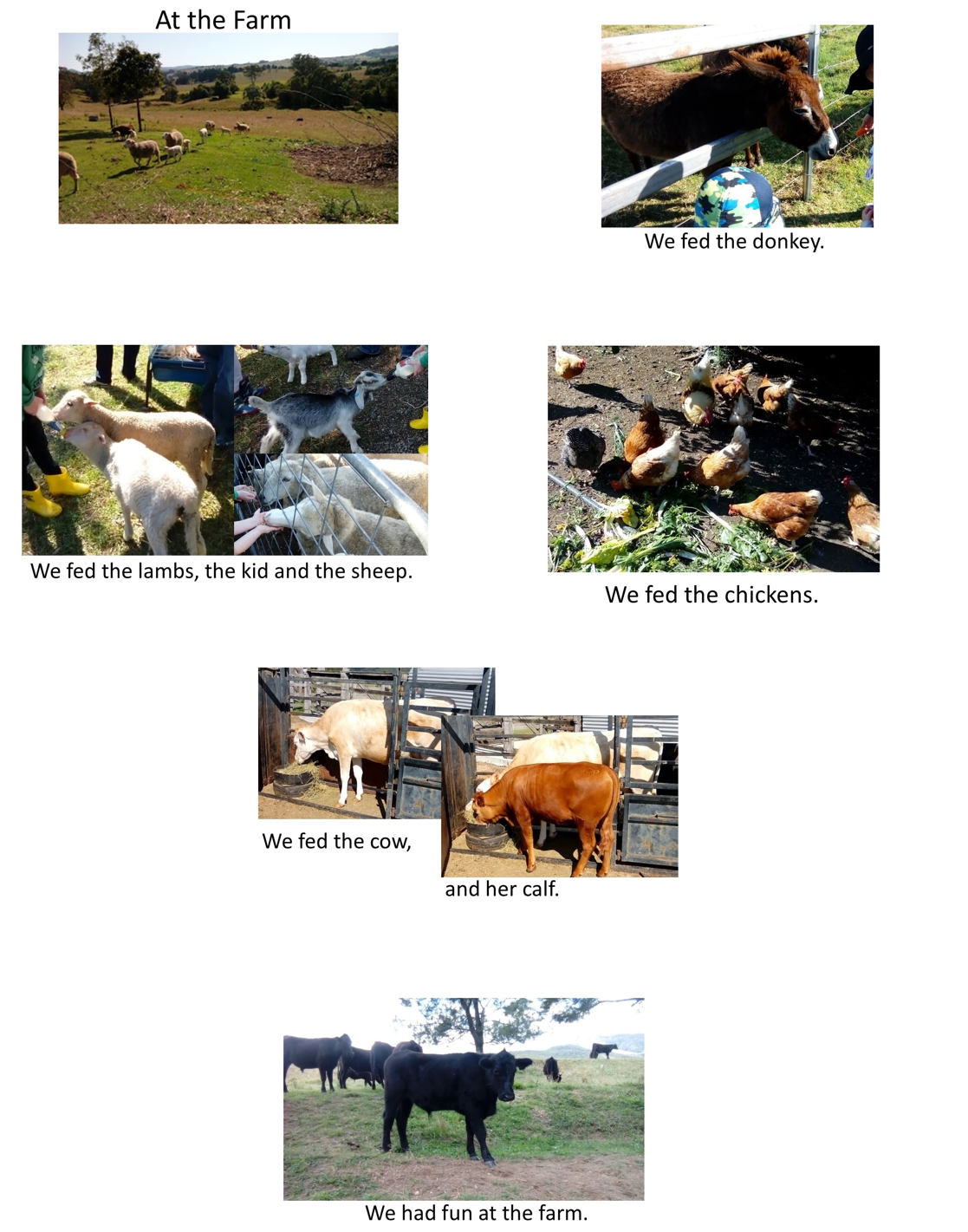
    Just last week I enjoyed a few days at a farmstay celebrating Grandson’s sixth birthday.

    Farm © Norah Colvin
    Farm
    © Norah Colvin

    Looking at that list, one might think I am never at home; but it doesn’t seem that way to me.

    Visiting places away from home can be educational as well as enjoyable and fun; meeting new people, learning about different cultures and ways of life, experiencing new foods, activities and routines, and seeing different geographical features. This is true for adults and children alike. The learning is integral to the experience, not an add-on or a lesson.

    However the experiences can be recorded by, with or for children to enhance learning opportunities; for example, but not restricted to:

    • Photo stories with accompanying text provide wonderful opportunities for reading and discussion and for keeping the memories alive over the years.
    • Diary or journal records that include dates, places and events provide opportunities for writing and reading. These entries can be supported with photographs, drawings, or “souvenirs” such as stickers, postcards, entry tickets and brochures.
    • Letters and postcards sent to family and friends provide further opportunities for sharing, writing and reading.
    • Emails can also be used to share highlights with family and friends and provide opportunities for using and learning about technology. I have found that including myself as a recipient for each email provides an effective alternative, or addition, to diary writing.
    • Marking routes and places visited on maps helps develop a sense of location and direction. Combining these with photographs or photo stories or diaries makes them even more meaningful.
    • Using a calendar to count down the weeks or days until departure, mark the days at each location, and the date of returning home helps to develop an understanding of the passage of time as well as the ability to read and use a calendar.
    • Discussion of departure and arrival times, the time until and the duration of journeys or events,  and relating these to time shown in both digital and analogue format helps develop an understanding of the use of time measurement and the passage of time. Use of printed and online timetables, as well as those displayed in airports, train stations and at bus stops provides opportunities for in-context and purposeful learning.
    Example of a simple photo story for preschoolers
    Example of a simple photo story for preschoolers © Norah Colvin

    Books, including atlases and photo books, can be used to ignite interest in places to be visited during a planned holiday or generally to arouse interest in other places. Stories can also be used.

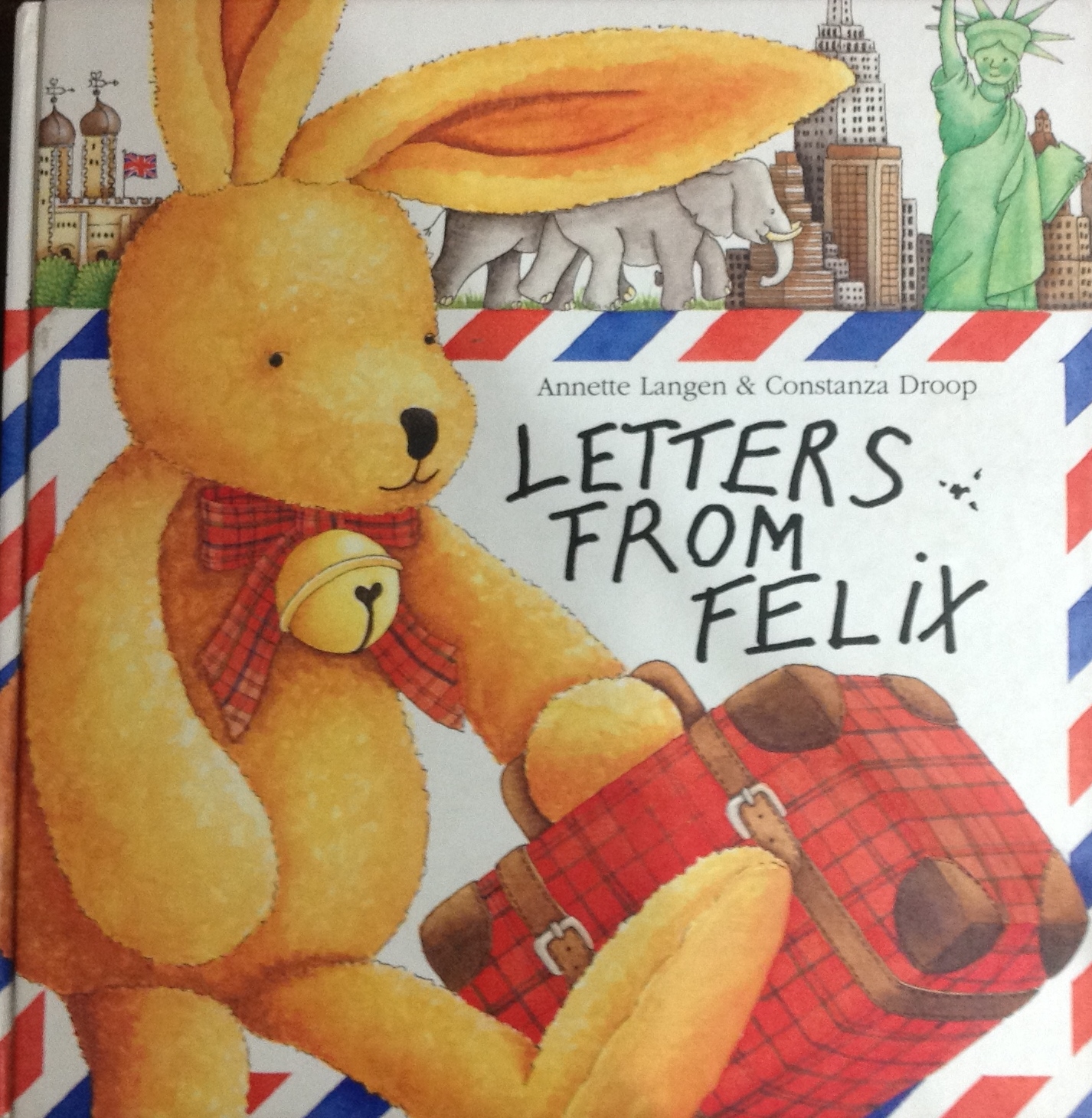
    Felix

    One such story is Letters from Felix by Annette Langen and Constanza Droop. It tells of Felix, a toy bunny who was lost at the airport, as he travels the world on his way home to Sophie. In my version Sophie lives in Hobart, Tasmania and she receives letters from Felix in London, Paris, Rome, Cairo, Kenya and New York. (If anyone owns a different version, I’d love to know the countries included.) In each letter, the information shared by Felix inspires Sophie to find out more about the location. When Felix finally arrives home he has a surprise gift for Sophie: a sticker from every location visited.

    Letters from Felix is a great story to read at any time, but takes on extra meaning when one, or someone known, is travelling or returning from travels. It can be used to support or encourage an interest in geography in the classroom or at home. If children are not visiting locations as exotic as those visited by Felix, they may still be encouraged to record and share their experiences in the ways described above.

    Of course, when children arrive home, they may be just as excited to rediscover their familiar comforts, toys and books and reconnect with friends and family left behind. As the song says, “There’s no place like home.”

    What inspired me to think about holidays and home this week is the flash fiction challenge set by Charli Mills at the Carrot Ranch to In 99 words (no more, no less) write a story about a return to home. I have written about Marnie’s return to the place she had grown up but had never felt was “home”. It also provides a segue to the next post in my series celebrating Australian picture books which includes “Home” by Narelle Oliver. I hope you will join me for that post. In the meantime, here is my flash:

    The return

    Her eyes looked outward but her gaze was inward, trying to unravel the confusion of tumultuous emotions: anger for what had been, sadness for what wasn’t, regret she hadn’t escaped sooner, fear of her reaction, coldness at their passing. The bus carried her back; some things familiar, some as different now as she, returning “home” after so many years. Home? She’d called it home, back then, but now realised it hadn’t been home, not really; not safe and warm and loving as any home should be. She’d left vowing to never return. She returned now for finality and closure.

    Thank you

    Thank you for reading. I appreciate your feedback. Please share your thoughts about any aspect of this post or flash fiction.

  • Well I declare

    This week at the Carrot Ranch Charli Mills is making declarations. Specifically she is declaring herself an author, making it clear what her writerly intentions are. I also have declared my writerly intentions. In previous posts, here, here and here, I shared my goal of establishing a website with early childhood teaching resources of my creation.

    In her post Charli expresses it this way: success for her is publishing books. She wants to write books for readers who want to read them. Not only that, she wants to market her books “well enough to eat more than hand-picked dandelions from (her) yard”.

    www.morguefile.com
    http://www.morguefile.com

    Change books to early childhood teaching resources and, for me it’s the same. I want to publish teaching resources that teachers want to use, that enhance their teaching and improve children’s learning. I’d also like to do well enough to not be reduced to eating dandelions from my backyard.

    Some writers consider “educational writing” less worthy and lacking in creativity. “Oh educational writing,” said one disparagingly, “that’s so prescriptive,” and quickly moved on to discuss others’ more literary pursuits.  

    I know some educational writing can be prescriptive. I have done some of that formulaic writing myself. However the resources I am creating do not conform to a formula, are not worksheets to be completed by students sitting quietly in rows.

    I am developing a variety of resource types, some with interactivity, to help develop understanding and skills in a meaningful context. Many encourage critical thinking, problem solving and purposeful applications. Many are built around my own original stories and poems as well as non-fiction texts.

    I have chosen this path in order to support teachers with ready to use teaching episodes and parents with suggestions for nurturing their child’s development. Prescriptive? Far from it. And please don’t prejudge my educational writing against the stereotype of formulaic worksheets and textbooks which are far too abundant and easily accessible on the internet and in bookstores.

    Guiding parents in play sessions for parents and children.
    Guiding parents in play sessions for parents and children.

    From the declaration of writing goals to a declaration of another kind, repeated often on my blog: my appreciation of all things early childhood, especially literacy and picture books, and the importance of reading to and with children on a daily basis.

    The years from birth to eight, especially those before formal schooling begins, are crucial to a child’s development and have an enormous impact on future happiness and success.  It is during these years that basic skills and language are developed along with attitudes to self and relationships.

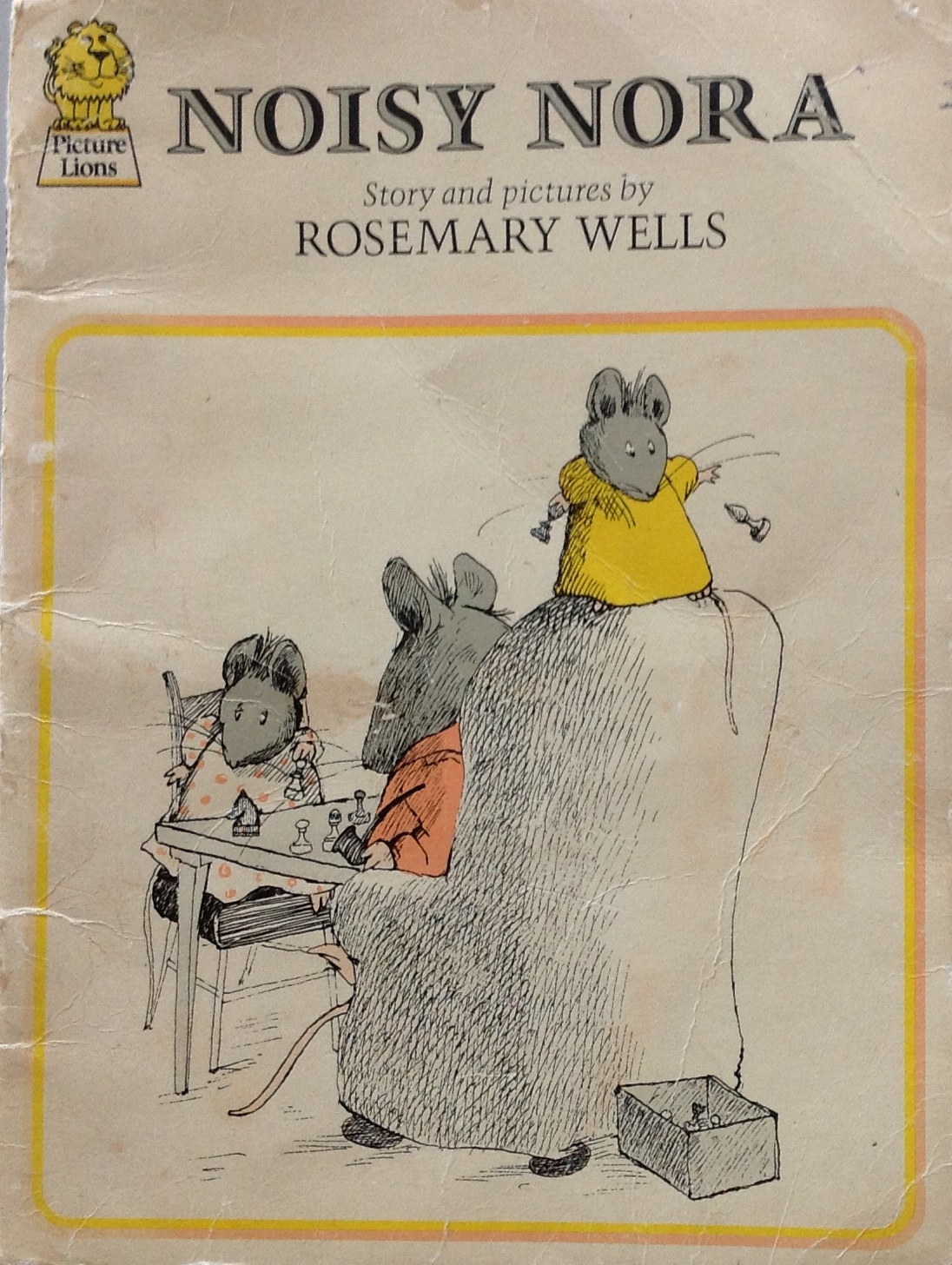
    noisy nora

    The picture book Noisy Nora by Rosemary Wells is a delightful book about a middle child who fails to get the attention of her parents who are busy with the older and younger siblings. Finally Nora declares that she is leaving and never coming back. With Nora gone the house becomes unusually quiet and the family go looking for her. At last she declares herself back again as she clatters out of the broom closet.

    (This information from Wikipedia explains why my cover differs from the one in the Amazon store.)

    I took Nora’s declaration as the basis for my response to Charli’s flash challenge to In 99 words (no more, no less) declare an intention in a story. Is it one person, a character speaking up or speaking out? Is it a group or a nation? Create a tension before or after the declaration. It can be private or public, big or small. Does it have power to those who state it or hear? What does it change?

    While I wrote it with Marnie in mind, it could be about any number of others in oppressive situations and seems particularly appropriate to those trapped by the horrors of domestic violence which is at the forefront of our news at the moment. Unlike Nora, who declared she was leaving and never coming back but didn’t really leave, Marnie definitely won’t be coming back.

    from "Noisy Nora" by Rosemary Wells
    from “Noisy Nora” by Rosemary Wells

    Leaving

    It was time. No more would they treat her this way. No more would she accept the cruelty of their world. She was more than this, more than they made her believe. With cash from a secret job stashed in her pockets, a few clothes in a backpack, and hope in her heart, she left. No need to follow a bag through the window. No need to wait for night’s darkness. No. She navigated past their stupor of beer, smoke and flickering screens; paused at the door to declare, “I’m leaving,” then closed off that life as she left.

    Thank you

    Thank you for reading. I appreciate your feedback. Please share your thoughts about any aspect of this post or flash fiction.


  • More than all the stars in the sky

    When I read the challenge by Charli Mills at the Carrot Ranch this week to In 99 words (no more, no less) write a love story, I knew immediately that I would share some of my favourite picture books about love.

    Love books

    Of course these are about the love between parent and child, rather than romantic love, and it is from these I have drawn my inspiration. Finding a love angle that I was happy with was the first challenge and, as usual, telling a tale in 99 words was even more so. (I think I need some lessons about telling more in less.) This is my response. I’d love to know what you think.

    www.morguefile.com
    http://www.morguefile.com

    More than all the stars in the sky

    Child waited on the step, counting stars.

    Soon the clatter of dishes ceased. Feet padded out.

    Child snuggled into warm enveloping arms. The ritual began.

    They picked out stars and constellations.

    “And Venus,” said Child. “Tell me about the love planet!”

    “Well,” began Parent. “Long ago there were two people who loved each other …”

    “More than all the stars in the sky,” interjected Child.

    “That they wanted a child to love too …”

    “So you got me!” said Child.

    “Yes.” Parent scooped up the child. “And just as there’ll always be stars …”

    ”We’ll always love each other!”


    Now for the books, each of which is a delight to share with young children, for reading aloud at bedtime, or any time.

    2015-09-19 10.52.00

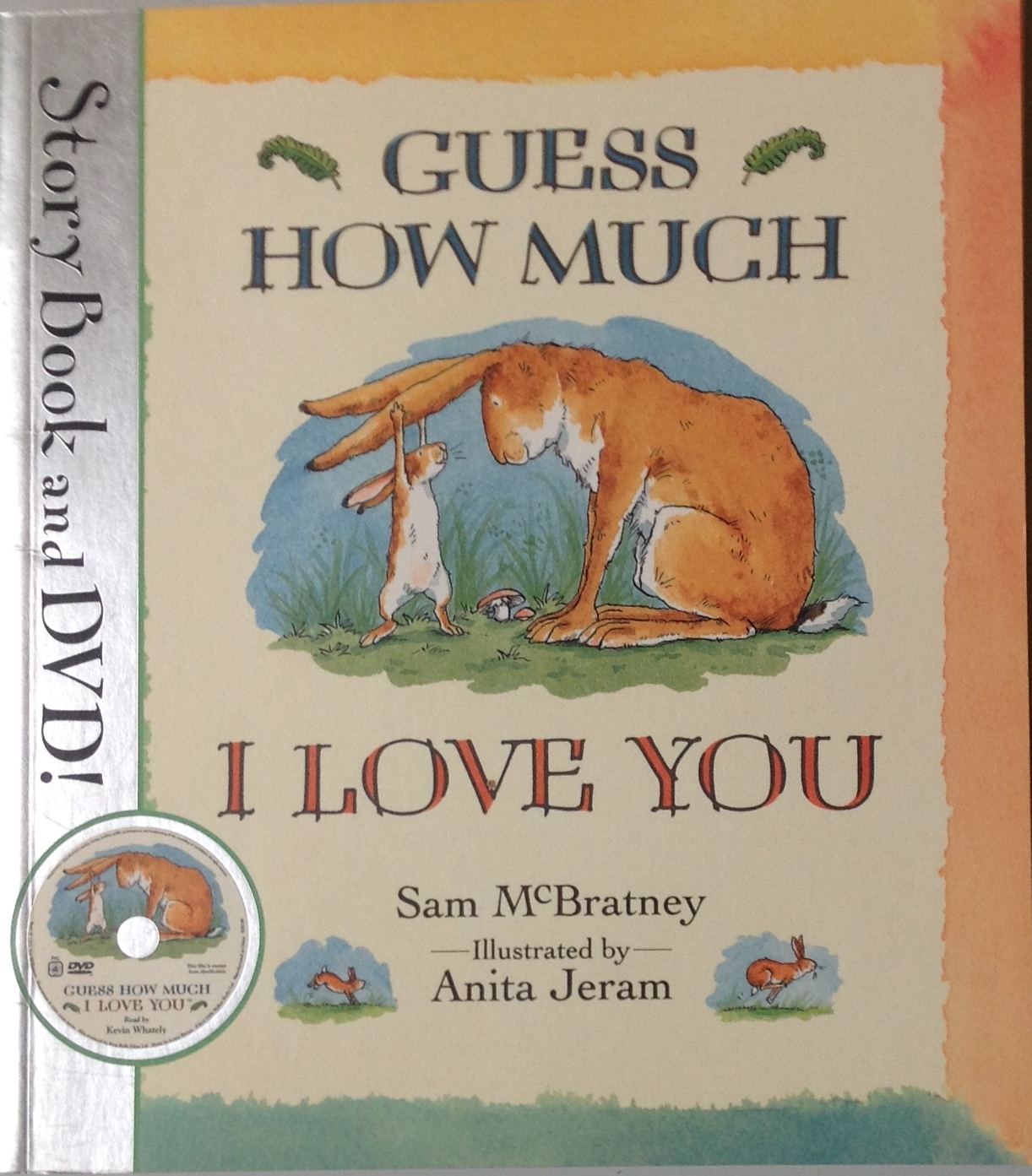
    Guess How Much I Love You by Sam McBratney (Northern Ireland) and illustrated by Anita Jeram (Northern Ireland) is a beautiful tale of the love between Little Nutbrown Hare and Big Nutbrown Hare. As they try to find a way of describing their love for each other, they find that love is not easy to measure. From this beautiful story comes the classic line “I love you to the moon … and back!”

    2015-09-19 10.53.12

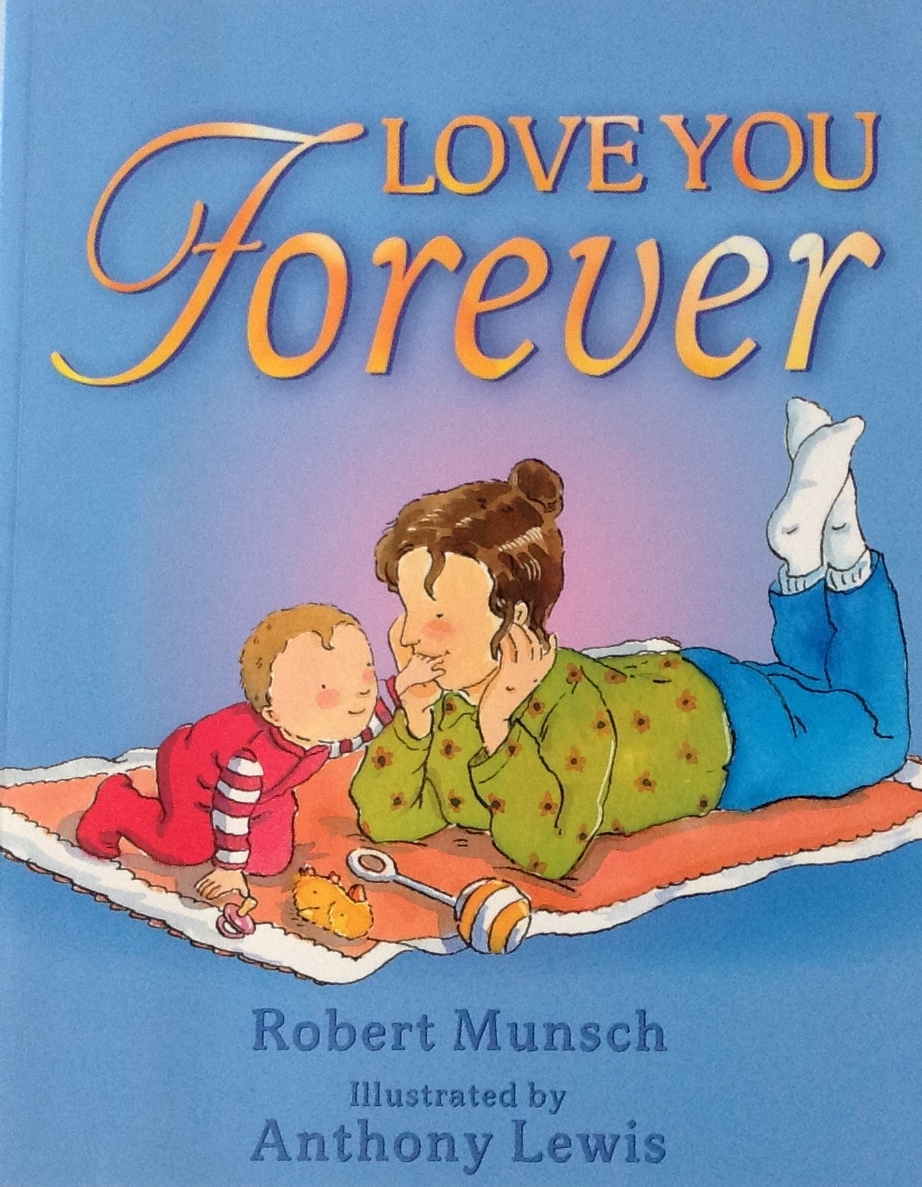
    Love You Forever by Robert Munsch (Canada) and illustrated by Anthony Lewis (U.K.) tells of a mother’s love that lasts a lifetime, a love that is returned by a son and passed on to the next generation through the words of a beautiful song:

    “I’ll love you forever.

    I’ll like you for always.

    As long as I’m living

    My baby you’ll be.”

    2015-09-19 10.54.00

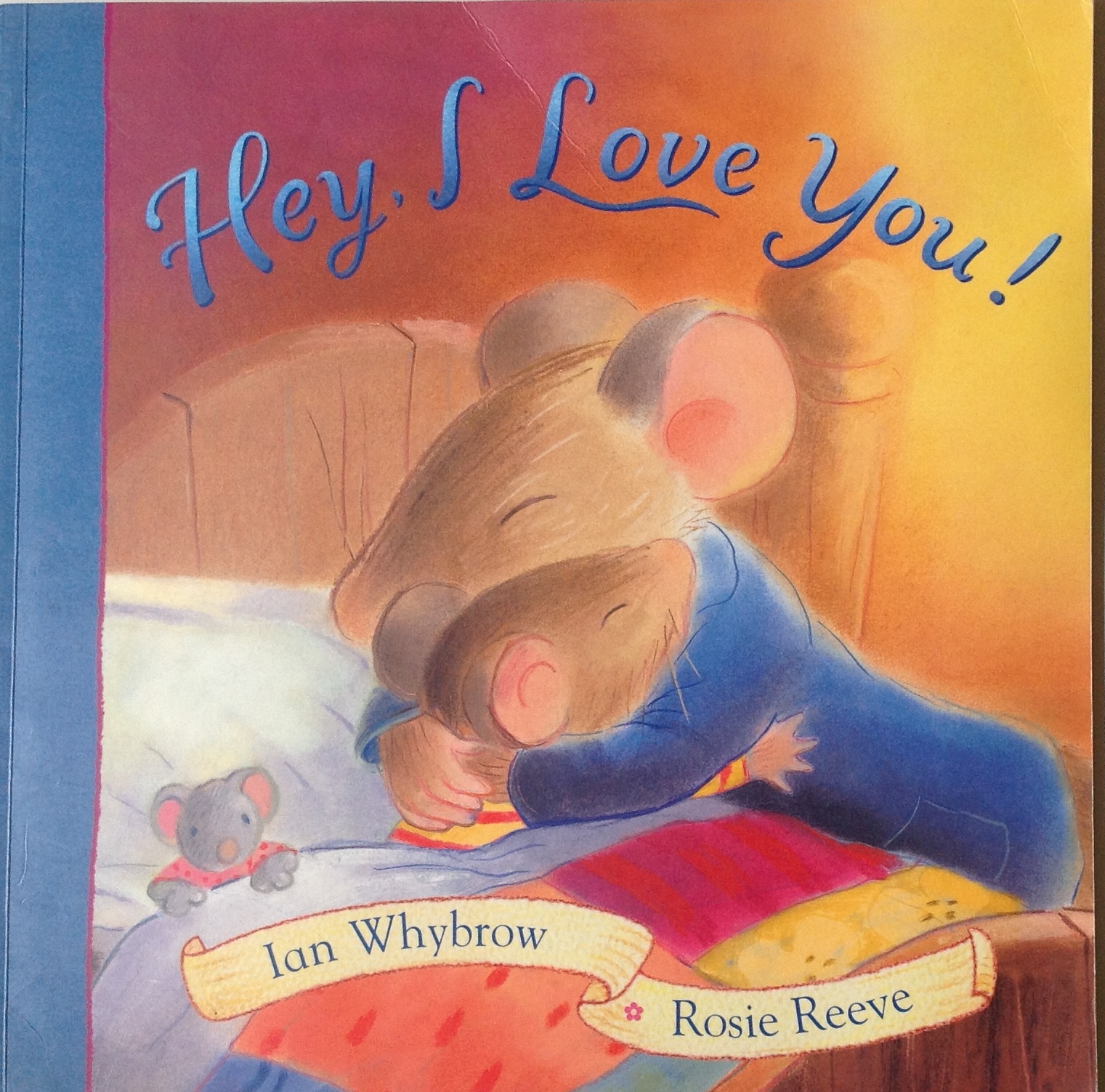
    Hey, I Love You by Ian Whybrow (U.K.) and illustrated by Rosie Reeve (U.K.) is about two mice, Small and Big. Before Big goes out to get supper Small shows that he knows what to do to stay safe when Big is away. Unfortunately they forgot to say their special words and Small doesn’t follow the instructions. Fortunately Small was able to catch up to Big without incident. Attention must be paid to the illustrations to see just how lucky that was!

    2015-09-19 10.54.42

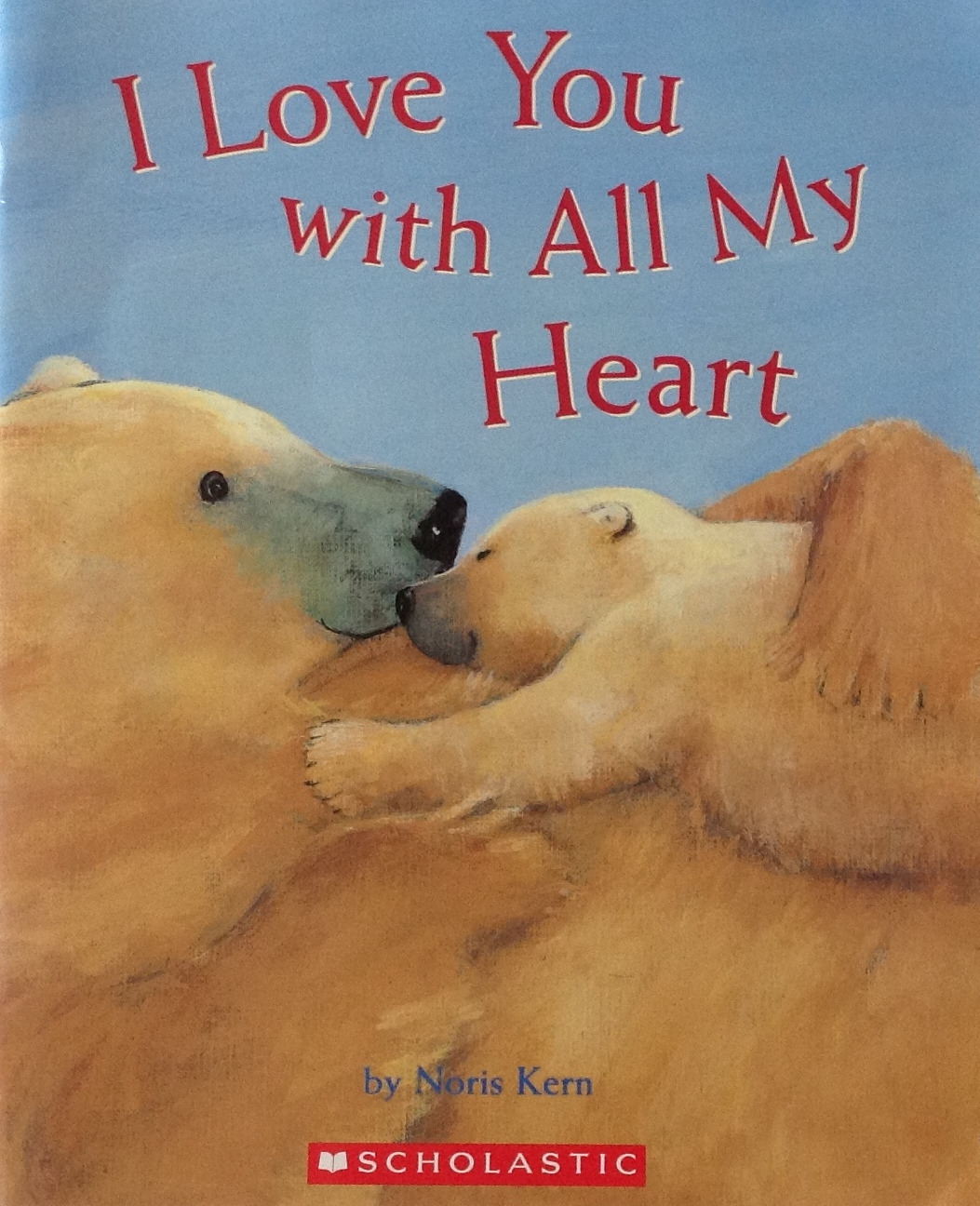
    I Love You With All My Heart by Noris Kern is about Polo the Polar Bear who wants to find out the meaning of his mother loving him with all her heart. He asks the other animals how their mothers love them and finally discovers how his mother loves him and that he loves her with all his heart too. (A possible concern with this book is the mix of Arctic and Antarctic animals.)

    2015-09-19 10.58.22

    Koala Lou by Mem Fox (Australia) and illustrated by Pamela Lofts (Australia) tells of Koala Lou who is loved by everybody, especially her mother. Every day her mother would say, “Koala Lou, I DO love you!” But after other koala siblings arrive, Mother Koala doesn’t have time to give Koala Lou the attention she craves. Koala Lou comes up with a plan to hear those special words again.

    Koala Lou leads beautifully into my next post which will showcase some books by Mem Fox. I hope you will join me for those.

    One last thought:

    I wonder what image of the Child, Parent and Family you formed from reading my flash. (I omitted some clues about other family members in the 99 word reduction.) I’d be pleased if you would share your thoughts about this.

    You see, I attempted to be inclusive by avoiding specifics about things such as gender, family composition, culture and location. I wondered whether a story could be written so that each reader could interpret it to fit their own situation. Illustration could be difficult, but perhaps worth considering. This attempt to be inclusive was very different from my first thoughts to be specific to Australia, through stars observed, for example, and had nothing to do with my thoughts or opinions of the picture books shared.

    However, looking back at the five books with these thoughts in mind, I notice that the relationships portrayed are:

    Guess How Much I Love You – father and son

    Love You Forever –mother and son

    Hey, I Love You – father and son

    I Love You With All My Heart – mother and son

    Koala Lou – mother and daughter

    What do you think? Is it worthwhile to attempt a story of the love between parent and child with an inclusive element, or is it enough that such a variety of books is already available? Do you have any other favourites, or suggestions, on this topic?

    Thank you

    Thank you for reading. I appreciate your feedback. Please share your thoughts about any aspect of this post or flash fiction.


  • Better than a trail of breadcrumbs

    ©Glenn Althor www.http://obscurepieces.com/ Used with permission.
    ©Glenn Althor  Used with permission.
    When I think of children’s stories about being lost, Hansel and Gretel is one of the first that comes to mind. Whether or not this gruesome story is suitable for children, I’ll leave for another discussion. The children were correct in thinking it was important to mark their way into the forest in order to find their way out. They were incorrect in their choice of markers.

    Encouraging children to identify features of their environment has benefits beyond encouraging them to question and wonder. It is important for children to learn, from a young age, to identify markers on routes around the neighbourhood, shopping mall and school, as well as strategies to implement if lost or separated. Taking note of seasonal and other changes, both temporary and permanent, in addition to permanent features helps to build knowledge of one’s environment. This knowledge can be developing long before the need to find one’s way alone arises.

    http://www.morguefile.com/
    http://www.morguefile.com/

    One day there will be a need to navigate independently, whether it be to walk to school, go to the shop, visit a friend, catch a bus or drive a car. All of these will be far less daunting for the child, and much less worrisome for the parents, if the ability to find one’s way around has already been demonstrated through discussions or deciding which route will be taken for a journey.

    Often the first time children are required to navigate independently is when commencing school. They may need to find their way to the classroom in the morning, or to the gate in the afternoon. They will have to find the way to the playground, the office, the library, and the toilets and back to the classroom. Just as parents show children around the neighbourhood by pointing out landmarks, it is important for teachers to orient children in the school grounds and ensure they know how to find their way around confidently.

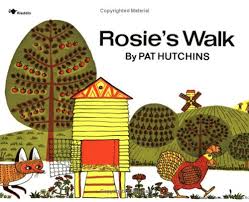
    A delightful book that can be used by both teachers and parents to discuss the importance of knowing one’s way around and of staying safe is the beautiful Pat Hutchins’ book Rosie’s Walk which tells the story of a hen who goes for a walk around the farmyard and gets back home safely in time for dinner. The story also introduces many positional words.

    Rosie's walk

    Understanding of positional terms and describing the location of neighbourhood and school landmarks in relation to each other  helps to develop spatial awareness along with language; for example:

    • past the shop
    • across the bridge
    • over the road
    • through the park
    • in the middle
    • beside the lake
    • along the road
    • next to the bakery
    • around the corner
    • behind the fence
    • as well as left and right.

    Discussing the placement of landmarks on a mud map of the neighbourhood or school and discussing different paths that could be taken encourages divergent thinking about ways of getting from one place to another. Sometimes it helps children to think of these maps as being from a birds’eye view, or from a plane. Other maps, for example Google Maps and street directories are also useful and children can learn to point out or mark places they have visited.

    mud map

    There are many opportunities, whether in the car or on foot, to take note of landmarks; for example:

    • house numbers,
    • types of fences
    • the number of streets to cross
    • large trees
    • the shopping centre entry
    • carpark space row and number
    • bridges crossed

    While the flash fiction challenge set by Charli Mills at the Carrot Ranch this week was to In 99 words (no more, no less) write a story about someone or something that’s lost, I have taken the theme of lost and used it to provide strategies that may help children avoid becoming lost. My flash is a rhyme for young children, and an example of the types of things that children can be encouraged to observe in their neighbourhood.

    To Grandma’s House

    Bub’s buckled in, away we go.

    Mum’s going to work, we can’t be slow.

    Down the street past the green painted door.

    Past the house with big number four.

    Stop at the curb and look each way.

    Off to Grandma’s, hip-hip-hooray!

    Quiet past here so the dogs don’t bark.

    Left at the corner and cut through the park.

    Up the hill, past the posting box.

    Open the gate, give three big knocks.

    Hugs for Grandma waiting for us.

    Wave to Mum as she boards the bus.

    Go inside for milk and toast.

    Days with Grandma we like the most.

    Thank you

    Thank you for reading. I appreciate your feedback. Please share your thoughts about any aspect of this post or flash fiction.