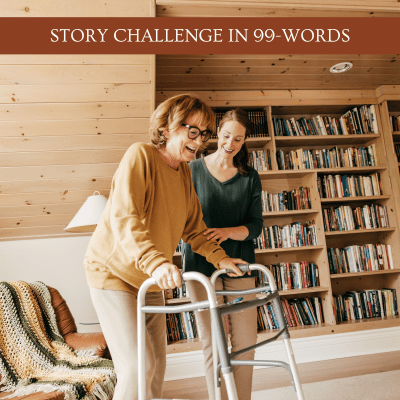
I didn’t think beyond a son or daughter, as Charli suggested. I stayed with the daughter. However, I want to assure you that the daughter in my story isn’t my daughter, and it definitely isn’t/wasn’t me. It’s really just a cliqued daughter who is probably not really like any daughter you know.
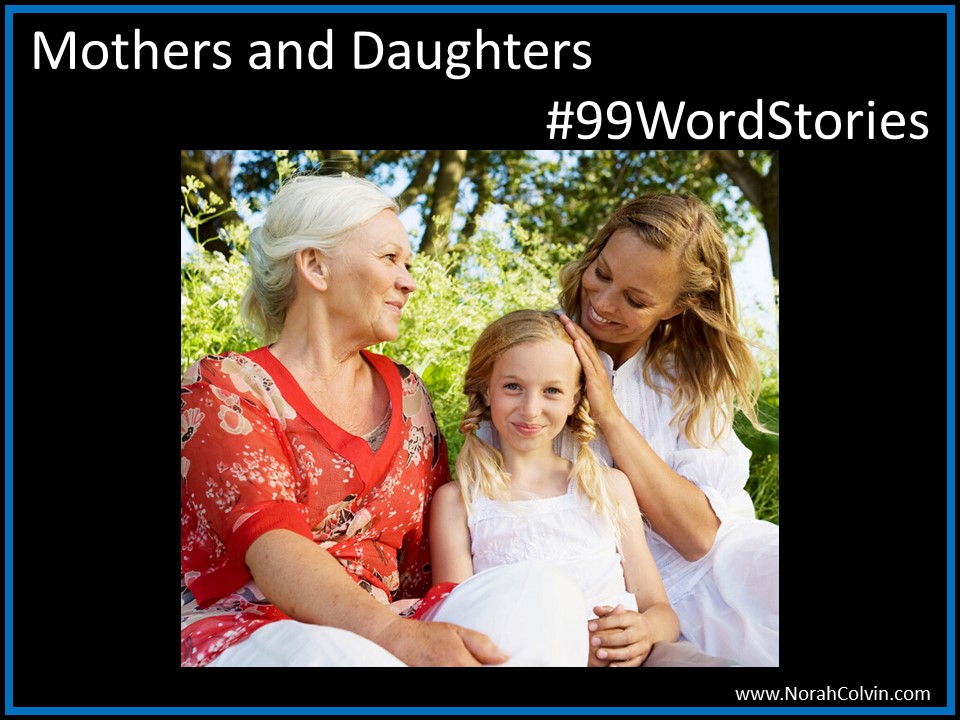
Mother and Daughter
One
You are my everything, my world, my universe.
Four
I only want to be with you. No one else will ever do.
Eight
You’re the best in the whole world.
Thirteen
You’re mean. Everyone else can.
Fifteen
I hate you.
Eighteen
I’m an adult. You can’t tell me what to do.
Twenty-one
It’s my life. I’ll do what I want.
Twenty-five
How can I get Bubs to stop crying?
Twenty-nine
Will you babysit?
Thirty-three
Can you help with sport?
Thirty-eight
Please talk to her. She won’t listen to me.
Forty
I wasn’t this bad, was I?
Sorry, Mum.
Thank you for reading. I appreciate your feedback. Please share your thoughts.
Note: The collection of stories made in response to the previous prompt Message in a Feather, including mine, can be read at the Carrot Ranch.
Charli wrote about free edible pie that was available at College in honour of Pi Day. Of course, my mind went somewhere else.
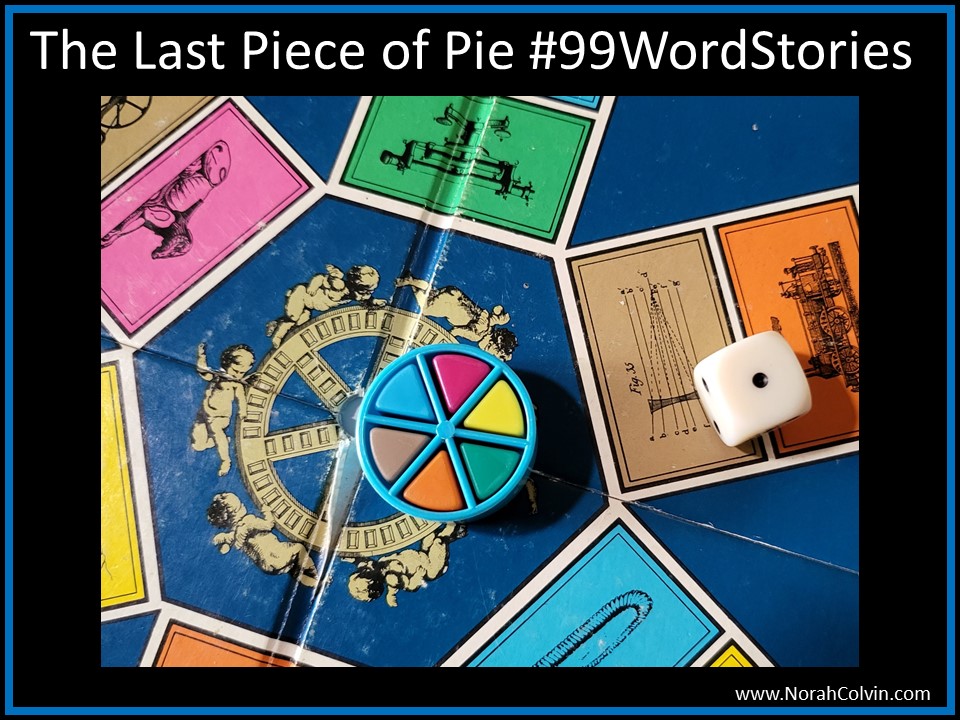
I thought about the pieces of pie we try our best to collect as we travel around and around the Trivial Pursuit board, hoping that when we get a question for a piece of pie, we’ll get one we can answer correctly.
The most difficult is the final question, when the tray is filled with every flavour of pie and the other players decide which question will be the most difficult to answer. This family allowed each player to choose one free piece of pie at the beginning of the game in order to speed it along. I hope you enjoy the story.
The Last Piece of Pie
Josie wished they’d hurry. It was past her bedtime.
“Blue’s the hardest,” said Adam.
“Maybe for you, but she got it before,” said Bridget.
“She got them all, dur.”
“What was her free one? Anyone notice?” said Dirk.
“Yellow,” said Ellen. “Definitely.”
“Here’s your question, Grandma,” said Dirk.
Josie’s eyes were closed. Her mouth was open. A gentle snore rumbled out.
“Is the right answer,” said Adam. Everyone giggled.
Josie snorted awake. “What did you decide?”
“It’s okay, Grandma. We declared you the winner.”
Win or lose didn’t matter in the pursuit of happiness. It was all rather trivial.
Thank you for reading. I appreciate your feedback. Please share your thoughts.
Note: The collection of stories made in response to the previous prompt Robotic Writers can be read at the Carrot Ranchhere.
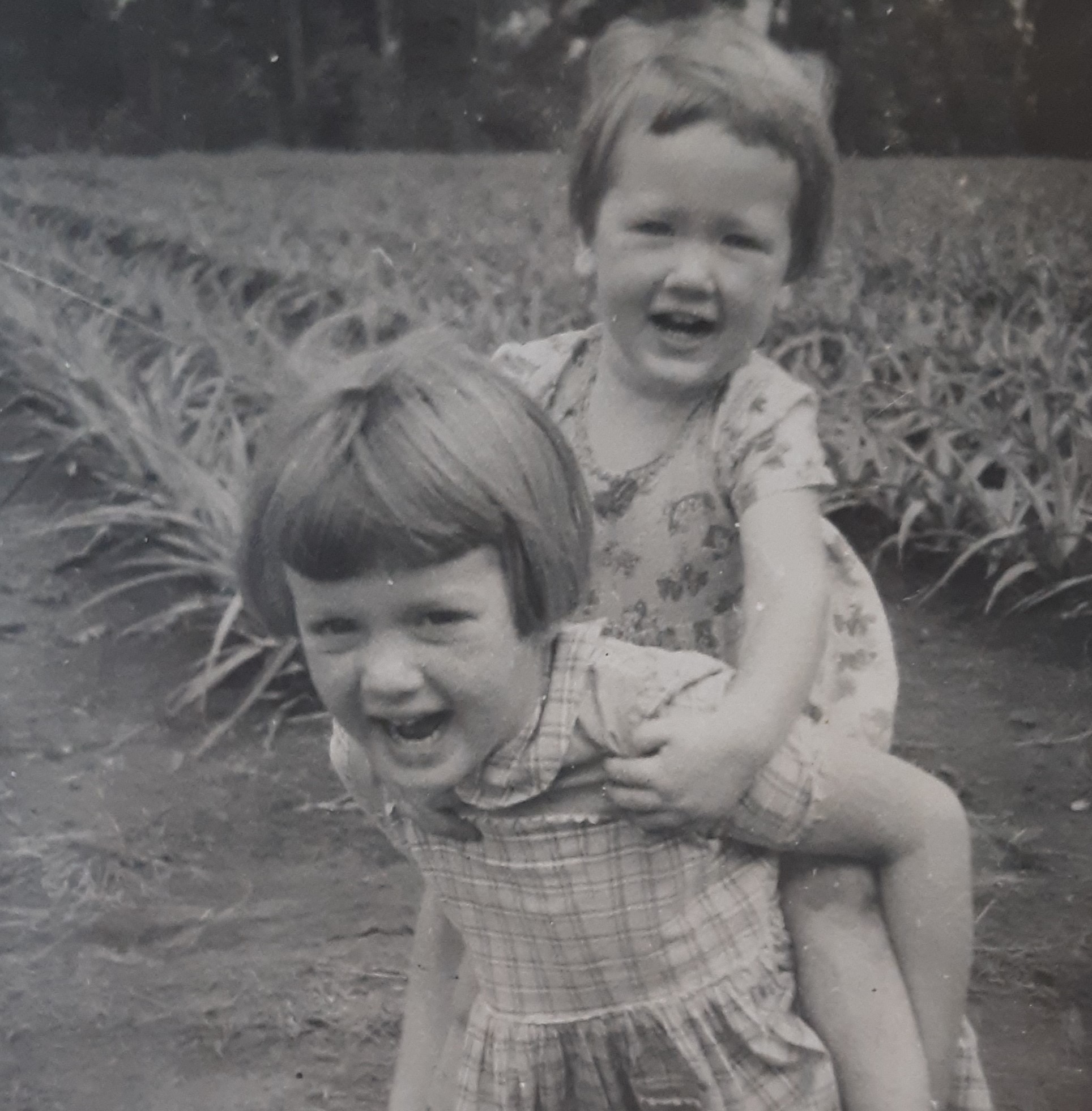
Mum and Dad were both country people and for the first six years of my life, I lived on a farm. It was a small crops farm. Dad grew beans, cabbages, pineapples, and I’m not sure what else. We had chickens. Of that, I am sure. When I went to collect the eggs one day, there was a red-bellied black snake curled up around the eggs. I ran to get Mum who came running back with a rake. By the time she got there, the snake was gone. Thankfully.
Mum and Dad also tried to keep a cow for milking but without success. One cow knocked down the fence; another climbed under; and a third jumped over. They gave up on keeping cows after that. (I’ve written about those cows twice before: here and here.)
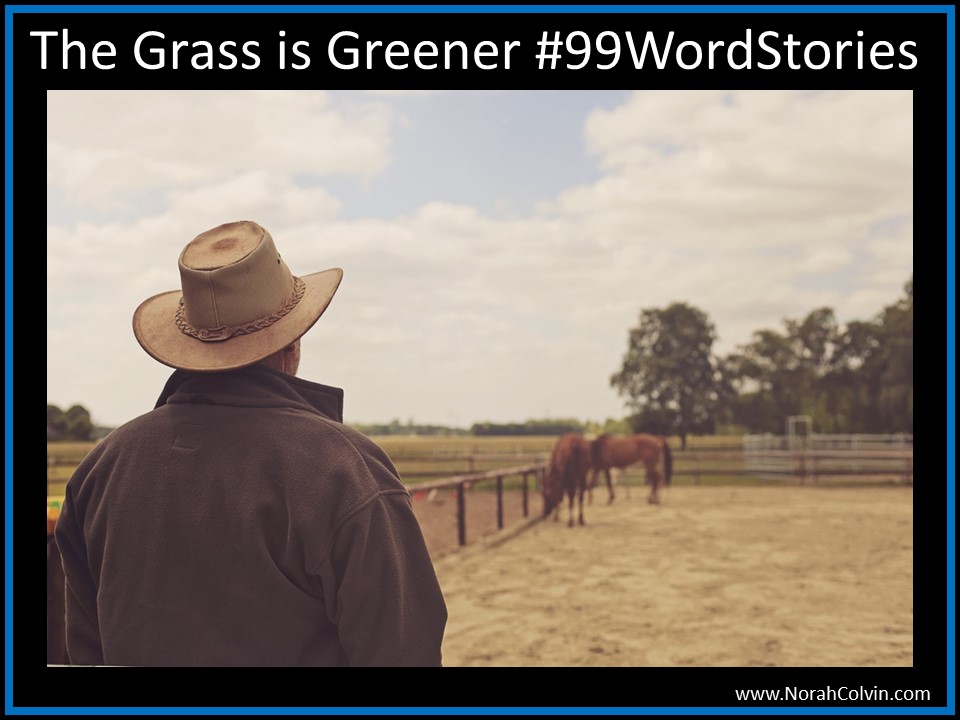
Not long after that, Dad sold the farm and we moved to suburban life by the beach. My siblings and I spent long days in the water, on the sand or climbing the red cliffs after which the area got its name. The school holidays dragged with nothing much to do, even if there were plenty of books to read, which was my favourite thing to do. So, an invitation to holiday with cousins on a property (cattle and sheep station) in the country was a joy. Interestingly, my cousins loved their holidays at the beach. My responses to Charli’s prompt are based on those thoughts but are definitely not true to life. Not my life and not back then. Regardless, I hope you enjoy.
The Grass is Greener I
Holidays with her cousins on the farm were the best. Days stretched from dawn to dusk with unbounded fun the cousins called chores: milking cows, feeding chickens, collecting eggs, riding horses and, sometimes, zooming around paddocks on quad bikes to muster sheep. Her cousins were never told what to do. They’d decide. ‘C’mon, we’ll milk the cows,’ they’d say. Or ‘On your bike. Let’s muster some sheep.’ So many fun things to do. At home, Annabelle’s chores dragged. The more she procrastinated, the longer they took. The days were interminable. ‘I wish there was something to do,’ she’d say.
The Grass is Greener II
Holidays with cousin Annabelle in the city were the best with something different to do every single day: watching movies at the cinema, slurping milkshakes in the mall, bowling balls at ten pins, splashing in the council pool. The stores were stocked with treasures they’d never imagined and deciding how to expand the value of their hard-earned saved-up dollars was challenging. One day a bus trip, the next a ferry ride on the river, zooming along streets on motorised scooters or joining a Segway tour; they couldn’t decide which was more fun. Anything sure beat their day-long country chores.
Thank you for reading. I appreciate your feedback. Please share your thoughts.
Today it is my pleasure to introduce you to a new fun story time podcast I have just discovered. I’m sure you will love these fun, clever podcasts as much as I do. I gave this podcast a 5-star rating and recommend it for both classroom and home use.
Dorktales Storytime Podcast is great for the whole family to listen to together on family story night, on car trips or anytime. It is perfect in the classroom to promote discussion of stories, particularly when studying fairy tales and fractured fairy tales, stimulate imagination for writing story innovations and pure enjoyment.
Note: the information below was provided by Becky Flansburg as part of the Dorktales promotion, of which I’m delighted to be a part.
Anything that promotes a love of story, as this podcast does, gets my tick of approval. I have to tell you that I have listened to and thoroughly enjoyed all the episodes that are currently available and can’t wait for more.
Note: This article was first written for and published at the Carrot Ranch Literary Community as part of a series supporting parents with children learning at home. The benefits of playing board games are the same whether played at home or at school. If you have older children or adults available to support children while they play, board games are an excellent activity for learning in groups across many areas of the curriculum.
One of the best ways to have fun while learning, or to learn while having fun, is by playing board games. Playing games together as a family helps to bond family relationships. Adjustments can be made to suit most numbers and ages and rules can be adapted to suit your purposes. While the main thing is to have fun together, there is a lot of learning going on too.
Social Skills
One of the greatest benefits of playing board games is the development of social skills.
Some of the social skills children learn include:
Getting along and taking turns
Playing fair — accept the roll (if dice are used) or draw (if cards are used) for example, and respond accordingly: don’t try to pretend it
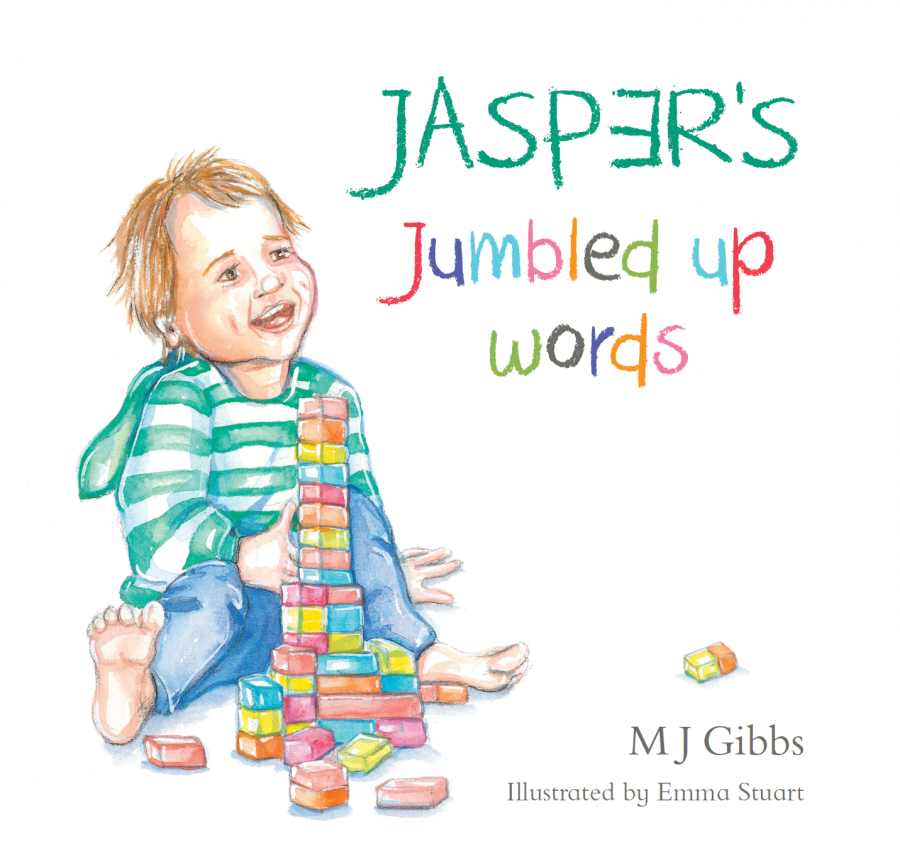
Today it is my pleasure to introduce you to Marg Gibbs, author of Jasper’s Jumbled Up Words as part of a Books on Tour promotion.
Jasper’s Jumbled up Words is a story of a young child’s journey into communication through speech and shows how the encouragement of a loving family fosters the progress. The excitement that is felt when a child utters their first words will be familiar to most families.
I was recently approached by some parents who had been informed by teachers that their children were not achieving the expected level in reading for the class and that, although they were only in year one, were not on target for success in NAPLAN eighteen months later.
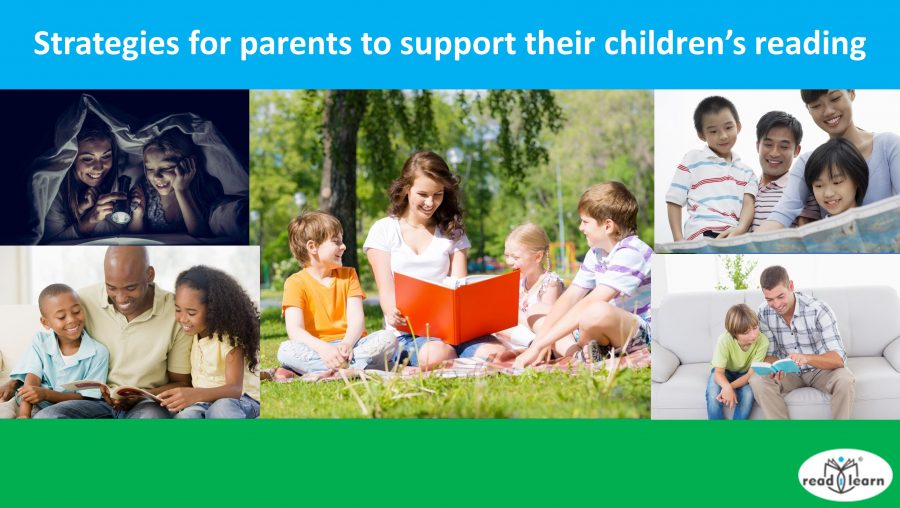
The parents were anxious and wanted to know how they could support their children at home. Tutoring was out of the question due to distance and, while it is always best to tailor strategies to a child’s individual needs, there are some basics which are applicable to most.
My first recommendation to the parents was to reduce the pressure — on all of them, parents and children, and to be as relaxed as possible about their learning. I explained that learning doesn’t occur in a stressful situation and that parents need to support their children by working with and not against them.
4 easy ways for parents to support children’s interest in reading
I consider these to be the main non-negotiables.
Unrelated to anything school, read stories to your children every day. Make it part of the routine. Bedtime is often recommended, but it can be anytime. Let them choose the book. Discuss it with them: What do you think is going to happen? Why did he do that? I think that’s (funny, clever, wise…) what do you think? I didn’t expect that to happen, did you? Did you like the ending? How else could it end? You need to remember that your role is not one of testing; you are sharing ideas. You don’t need to restrict the reading to picture books. Read chapter books too – a chapter or two a night. Same deal. Discuss the book with the children and encourage them to think about the characters and events.
Talk with your children — about your day, their day, their friends, things they like, what they want to do, their ideas. Discuss what you watch together on TV or the iPad, what they watch on her own. Documentaries are great to develop curiosity, knowledge and language. The larger the vocabulary, the easier reading becomes. Background knowledge is essential to reading.
I would have to say that, here in Australia, we have been rather insulated from the Halloween phenomena until recent years and it was only very recently that I became aware of the Mexican holiday Dia De Los Muertos, which celebrates the dead, remembering them and celebrating with them as if they were alive. What a wonderful way of keeping the memory of loved ones who have passed, alive.
We are not very good about discussing death in our culture, especially with children. Rather than accepted as a normal stage of life, it is kept secret as if to be feared. Yes, none of us want to go before we’re ready, but there isn’t one of us, as far as I know, who has found the secret of living (in this Earthly lifetime) forever.
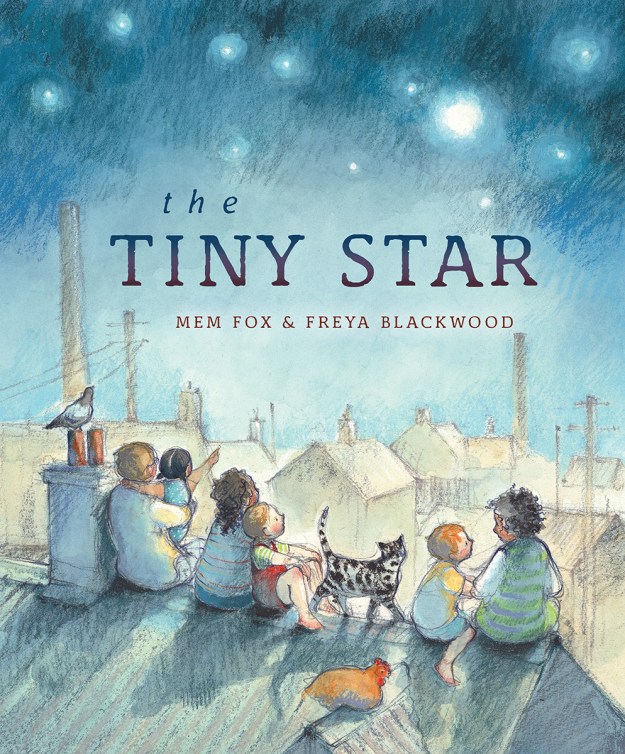
The Tiny Star
Last week I had the absolute joy of attending the launch of a lovely new picture book The Tiny Star, written by Mem Fox and beautifully illustrated by Freya Blackwood. The book is a joyous celebration of life’s journey from the beginning when ‘a tiny star fell to earth and turned into a baby’ until its return to the night sky where it would be ‘loving them from afar and watching over them … forever.’ The book provides a beautiful opportunity for discussing, even with very young children, the passage of time and the passing of loved ones in a way that is sensitive, respectful and meaningful. It is a book, just like each ‘star’, to be treasured. You can hear Mem read the book by following the link in the book’s title above and listen to her discussing the book with illustrator Freya Blackwood in this video.
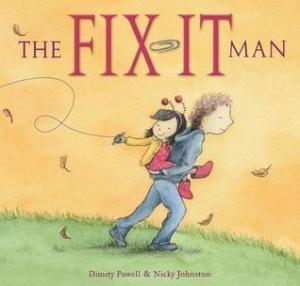
The Fix-It Man
Another lovely picture book that deals well with the topic of death for young children is The Fix-It Man, written by Dimity Powell and illustrated by Nicky Johnston. The book deals, sensitively and honestly, with a child’s grief at the loss of a parent. The child discovers that her father, who is usually able to fix any broken thing, is unable to fix her sick mother. Together the child and father find a way to support and strengthen each other through their grief and come to terms with their loss.
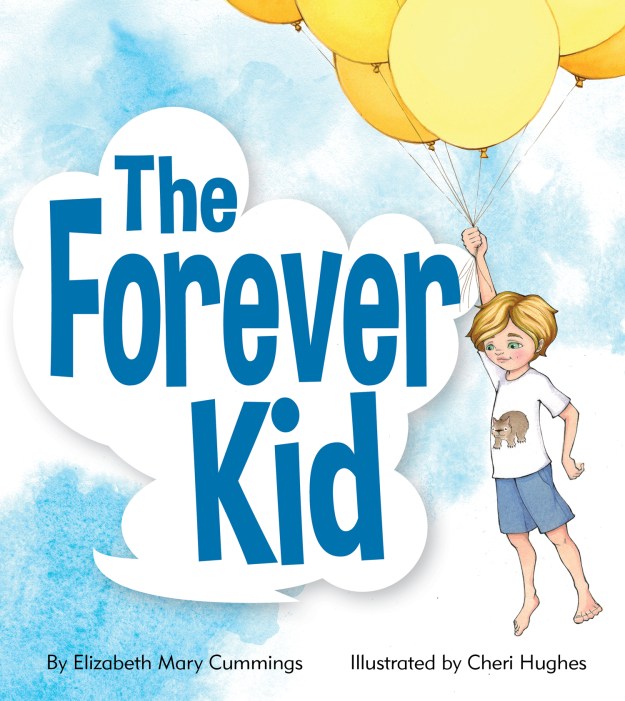
The Forever Kid
The Forever Kid, written by Elizabeth Cummings and illustrated by Cheri Hughes, is another lovely picture book that sensitively tackles the topic of death, this time with the loss of a sibling. Each day, on the ‘forever’ child’s birthday, the family keeps his memory alive by celebrating with his favourite activity—lying on their backs on the grass telling cloud stories. Families who have experienced the loss of a child may be moved to find their own ways of remembering and celebrating the life that was. (I interviewed Elizabeth about The Forever Kid for readilearnhere.)
Flash fiction challenge
So, back to Charli’s challenge to write about the Day of the Dead. While Halloween and the Day of the Dead have similarities (perhaps more to the uninitiated than to those in the know), they are not the same thing. However, my story is probably more like Halloween than the Day of the Dead. Oh well, that’s where the prompt took me, maybe because of the discussion about Halloween not being an Australian tradition that arises at this time every year, and perhaps because, in the 80s (anyone else remember that far back?) we teachers were instructed to not do anything involving Halloween or witches in our classrooms. That has now been revoked and many teachers work a little fun into their program with Halloween-themed activities. (As I suggested on readilearn recently.)
Anyway, here goes.
Full Bags, Dying Heart
From his room, Johnny watched the parade of monsters and ghouls wending from door to door. They laughed and giggled, whooped and cheered, clutching bags bulging with candy.
“Get inside,” she’d admonished.
“Why?”
“It’s the devil’s work. Dressing up like dead people. It’s not our way.”
She’d dragged him inside, shut the door and turned off the lights.
“We don’t want those nasty children knocking on our door.”
“But, Mum. It’s Graham and Gerard and even sweet Sue …”
“Enough! Get to your room!”
He watched, puzzled—How could it be devil’s work? They were his friends having fun.
Thank you for reading.
Note: I would have liked to write a sequel to this where Johnny sneaks out and joins his friends, but I ran out of time. Maybe another time.
I appreciate your comments. Please share your thoughts.
I’m over at Sally Cronin’s wonderful blog this week, sharing a post from my archives about family history. Sally and I would love for you to pop over and have a read and share your thoughts.
















 Norah Colvin