Live Love Laugh Learn … Create the possibilities

Category: Early childhood education

  • Writing Poetry with Children – #readilearn

    Writing Poetry with Children – #readilearn

    With this month being National Poetry Month in the US and 17 April being International Haiku Day,  I thought it was timely to share some of our poetry resources. Here in Australia, we celebrate poetry month in August, but I don’t think we need wait until then. We can celebrate again in August or make every month poetry month. No month should go by without enjoying some poetry anyway.

    Poetry is a great introduction to the rhythms and sounds of our language. Children are introduced to it from a young age through nursery rhymes and picture books. Some of children’s favourite picture books are those that read like poems with rhythm, rhyme and repetition. The books of Dr Seuss and Julia Donaldson come immediately to mind. But, of course, there are many others too.

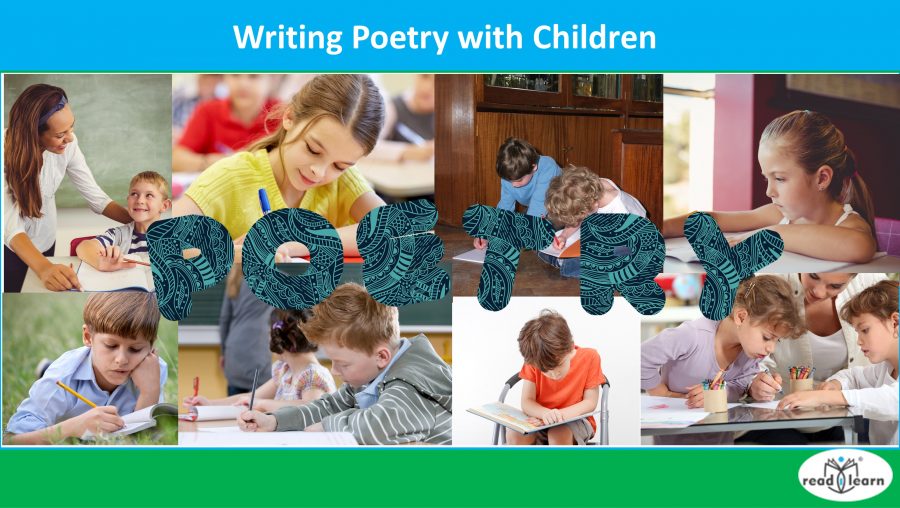
    When they enter school, children love listening to poetry and experimenting with writing poems of their own. Here at readilearn we have some resources to help you help them get started on their poetry writing journey. All poetry resources are found in their own section of the literacy collection.

    Writing poetry
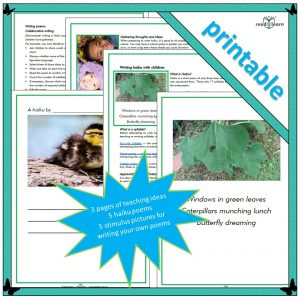
    Writing Haiku with Children — This collection includes five haiku poems for reading and five stimulus photos for writing. It can be used to introduce children to the structure of haiku poetry and to encourage them to write haiku poems of their own. The resource includes information about the structure of haiku poetry as well as teaching suggestions.
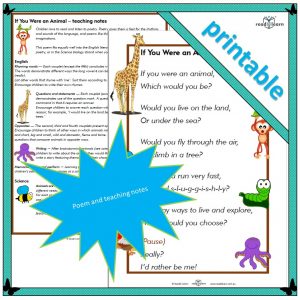
    If You Were an Animal — poem and teaching notes — The teacher notes accompanying this poem provide suggestions for both English and Science.

    English teaching suggestions include:

    • Rhyming words
    • Questions and statements
    • Opposites
    • Writing
    • Recitation and performance

    Science teaching suggestions include:

    • Features of living things
    • Needs of living things
    • Habitats of living things

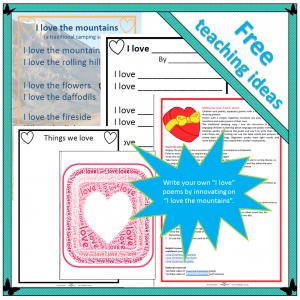
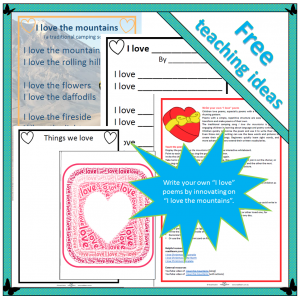
    Write your own “I love” poem — This resource encourages children to write their own poems by innovating on the traditional camping song ‘I love the Mountains’. Great for even beginning writers.

    Continue reading: Writing Poetry with Children – #readilearn

  • Easter lessons and activities for the first 3 years of school – #readilearn

    Easter lessons and activities for the first 3 years of school – #readilearn

    Easter is almost upon us. It has snuck up on me this year and I’m a bit late sharing our Easter resources since most of you will be on holidays at the end of next week. However, there is still one week before the holidays, so you may still have time to use some of these lessons and activities. Enjoy!

    All our Easter resources can be found in the Cultural Studies collection here. They include:

    Interactive lessons ready to teach on the interactive whiteboard

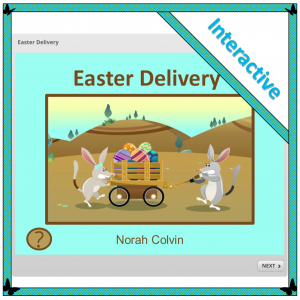
    Easter Delivery — a story that gives children practice in finding combinations of numbers to ten.

    The Bilby twins, Benny and Belinda, are excited to be making their first deliveries for Easter. Before they do, they must prove to Dad that they are capable of leaving the correct number of eggs for each friend’s family. Children help Benny and Belinda by working out what combinations of eggs could be delivered to the families.

    Dragona’s Lost Egg — a story that encourages the development of logical thinking and problem solving.

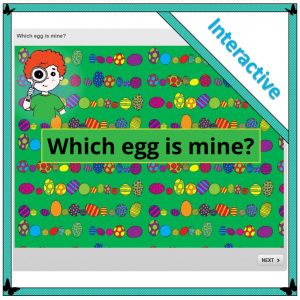
    Dragona has lost her egg and turns to her friend Artie, owner of a Lost and Found store, for help. Artie is confident of helping her as he has many eggs on his shelves. He asks Dragona to describe features of her egg, including size, shape, pattern, and colour.  He uses a process of elimination to identify which egg might be Dragona’s. Children join in the process by choosing eggs with the characteristic described.

    Continue reading: Easter lessons and activities for the first 3 years of school – #readilearn

  • What the world needs now — friendship skills – #readilearn

    What the world needs now — friendship skills – #readilearn

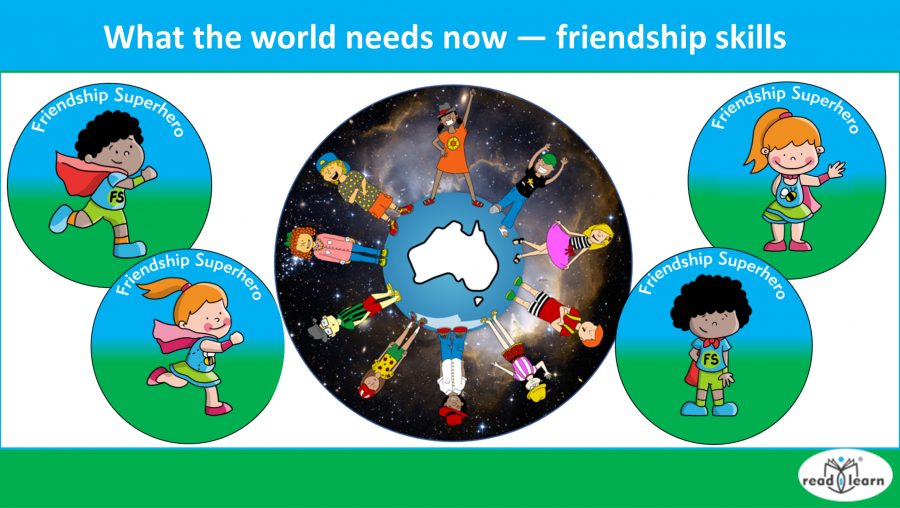
    Here in Australia, today 18 March is the National Day of Action Against Bullying and Violence.  Next Monday 21 March sees another three events, all celebrating friendship: Harmony Day , the International Day for the Elimination of Racial Discrimination and World Down Syndrome Day.

    While none of these events have ‘friendship’ in their title, that to me is what it all comes down to: acceptance, kindness and friendship. It is sad to see how difficult it can be to attain on a personal, local, national and international level. We must all do what we can to make the world a happier place through inclusion and respect.

    Here at readilearn, friendship skills have always been a focus. We have over twenty resources to support the teaching of friendship skills. They can all be found under the heading ‘Friendship Skills’ in the resources for Character Development.

    These are just a few of the readilearn friendship skills lessons and resources:

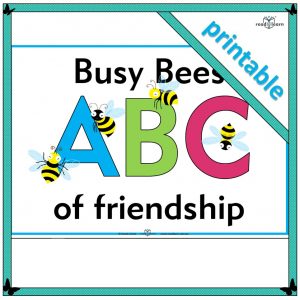
    Busy Bees ABC of friendship is an alphabet of words that can be used to stimulate discussion about what a friend is and what friends do.Each letter has a word and accompanying explanatory statement on its own chart. The entire alphabet is also available on one printable chart. It could be used for a bingo-type card on which children colour the box for each letter as they do something appropriate to the word.

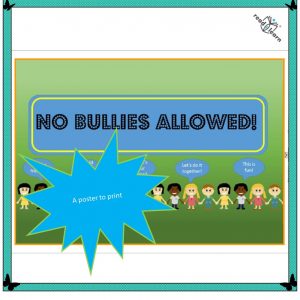
    Be friends not bullies provides suggestions for teaching children friendship skills. It teaches them to identify the differences between friendly and unfriendly behaviour, to recognise bullying and to provide strategies for dealing with bullying that they may encounter personally or as an onlooker.

    The resource includes:

    • a story stimulus with suggestions for presentation and discussion
    • follow up activities
    • games to play
    • a poster to print

    Topics for discussion include:

    Continue reading: What the world needs now — friendship skills – Readilearn

  • Matching readilearn Maths Resources to the Australian Curriculum – #readilearn

    Matching readilearn Maths Resources to the Australian Curriculum – #readilearn

    For the past little while, I’ve been doing an audit of the readilearn maths resources that focus on number and matching them to the Australian Curriculum Number and Algebra Content Descriptions. Before making new resources, I wanted to see what concepts and content I’d already included and where the gaps, if any, were. I presented my findings in a table that I have made available as a free resource in the Maths Number collection. The table will make it easier for you to find resources to teach particular concepts.

    It didn’t surprise me that the majority of resources target the basic understanding of numbers to ten and then to 100. After all, if children understand these numbers, they have a firm foundation on which to build an understanding of larger numbers.

    In this post, I share where some of the readilearn maths resources can be used when teaching the Australian Curriculum. No doubt, maths concepts to be taught are the same worldwide.

    These are only a few of the resources that match each of the codes and only a few of the codes. For further information, please refer to the list ACARA and readilearn lessons in number which can be downloaded free. Note that some of the resources support your teaching of more than one content description.

    Counting and naming numbers in sequence to and from 20

    (ACARA Code: ACMNA001)

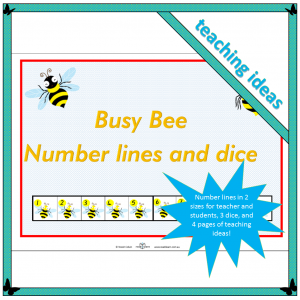
    Busy Bee Number lines and dice

    Busy Bees 100 chart

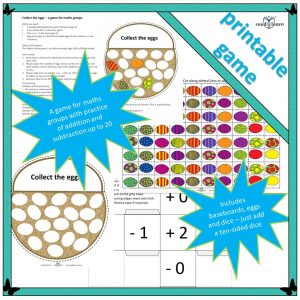
    Collect the eggs — a game for maths groups

    Continue reading: Matching readilearn Maths Resources to the Australian Curriculum – readilearn

  • For the Love of Books – #readilearn

    For the Love of Books – #readilearn

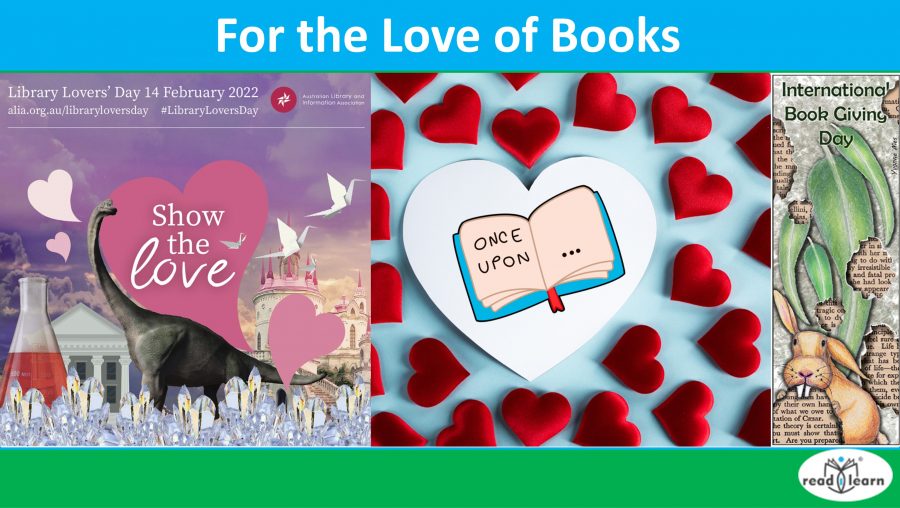
    Next Monday 14 February is a day with much to celebrate. As well as Valentine’s Day, it’s Library Lovers’ Day and International Book Giving Day.

    It’s not difficult for me to talk about love and books in the same sentence as I have loved books for as long as I can remember. Although my reading habits have changed over the years, I have always been an avid reader and was a dedicated borrower of books from the library as I was growing up.

    As an adult, I tend/ed to purchase rather than borrow for my own reading and could never pass a book shop without purchasing something for me, a family member or friend, and a picture book or three for my classroom collection. Books borrowed from the school library filled out the classroom library.

    A birthday, Christmas or other occasion never passed without giving and receiving books. So, being able to combine the celebration of love, books and an appreciation for libraries is a treat. Nothing could be easier. Simply take someone you love to the library and gift them a book.

    About Valentine’s Day

    Valentine’s Day probably needs no introduction. In many parts of the world, it is a day for celebrating love and romance. Gifts of chocolates, flowers and verses in cards are often given.

    Of course, in the classroom, our discussions aren’t about romantic love, but that doesn’t mean we can’t think about those important people in our lives whom we do love.

    Children can write their own “I love” poem by innovating on the traditional camping song I love the mountains.

    Continue reading: For the Love of Books – readilearn

  • Interview with Author Rory H. Mather: Monster School Rules – #readilearn

    Interview with Author Rory H. Mather: Monster School Rules – #readilearn

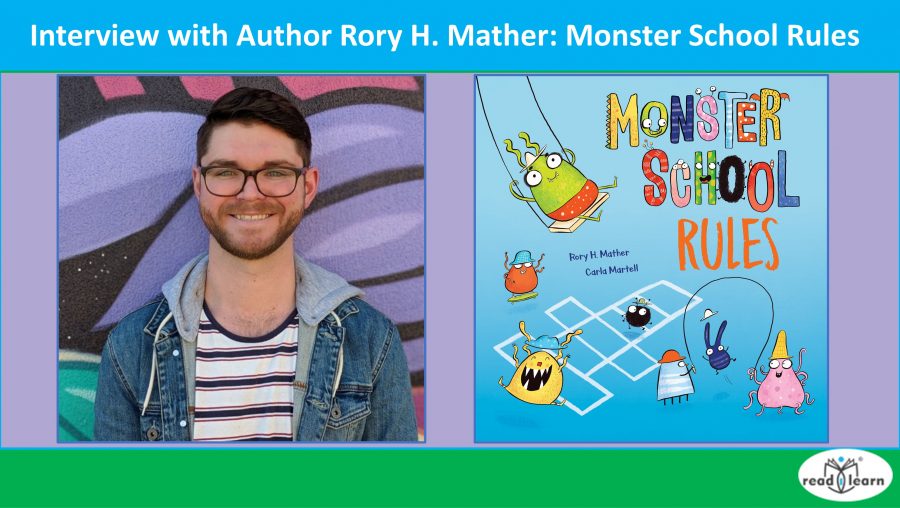
    Today it is my pleasure to introduce you to Rory H Mather, author of Monster School Rules —a perfect book for initiating those ever-so important discussions about class and school rules that occur at the beginning of every school year and are probably revisited with frequency throughout the year. Children will laugh at the antics of the monsters and the rules that must be enforced while developing an understanding of the importance of those rules. I am certain you and your children will enjoy this book as much as I do.

    About the author Rory H. Mather

    Rory is a 31-year-old who is completely and utterly addicted to reading and writing picture books…but it’s an addiction he is fully leaning into. He lives in a street that is lined with trees, in a house that is filled with picture books and in his head which is filled with ideas.

    About Monster School Rules

    Welcome to Monster School! Yes, it’s quite a sight. Listen up, cause there are rules: the first one is … don’t bite!

    The Interview

    When did you know you wanted to be a writer?

    Continue reading: Interview with Author Rory H. Mather: Monster School Rules – readilearn

  • Sun Kisses, Moon Hugs for Multicultural Children’s Book Day 2022 #ReadYourWorld – #readilearn

    Sun Kisses, Moon Hugs for Multicultural Children’s Book Day 2022 #ReadYourWorld – #readilearn

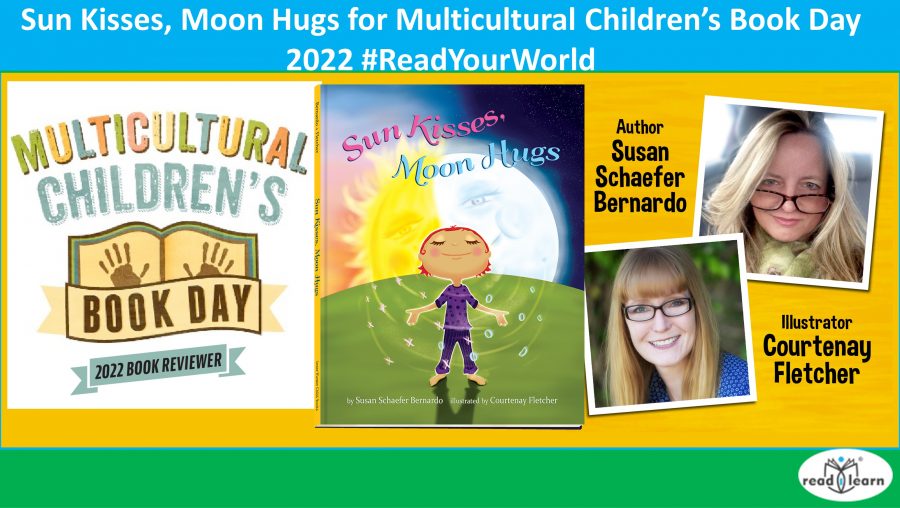
    Today, Friday 28 January 2022, the last Friday in January, is Multicultural Children’s Book Day (MCBD), a day for celebrating diversity in children’s books. I am pleased to be a MCBD reviewer for the fourth time this year; and was delighted to receive a copy of Sun Kisses, Moon Hugs from author Susan Schaefer Bernardo and illustrator Courtenay Fletcher to review.

    About Sun Kisses, Moon Hugs

    From the website:

    Sun Kisses, Moon Hugs is an award-winning picture book with a simple but powerful message: love lasts forever.

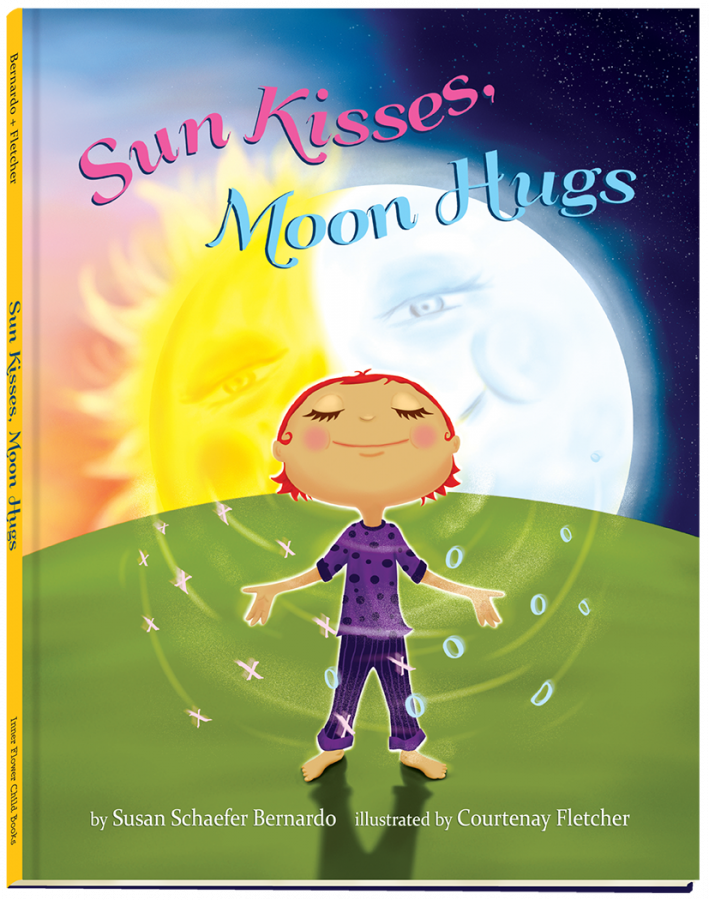
    Lyrical writing and delightful illustrations provide perfect bedtime reading for any child. Kids love finding the Xs, Os and hearts hidden in the illustrations.

    The book is also ideal for supporting children through grief, separation anxiety, parent deployment, foster care, divorce, illness or other traumatic situations, by wrapping them in a warm and comforting emotional security blanket and opening a dialogue on the nature of love.

    Even when loved ones cannot be with us, we can feel their presence through our deep connections to the natural world.

    Sun Kisses, Moon Hugs has received glowing testimonials from parents, pre-schools, Child Life specialists, librarians, social workers, teachers, hospice caregivers…and most importantly, kids.

    Gold medal winner of the International Publishers Association Awards and a featured title in the LeVar Burton Kids Skybrary app.

    Sun Kisses, Moon Hugs was selected as a Child’s Grief Awareness Day book-of-the-month, and also featured two years in a row for Children’s Multicultural Book Day.

    Hugs by moon, kisses by sun, I’ll always love you, Little One.

    From author Susan Schaefer Bernardo and illustrator Courtenay Fletcher:

    Sun Kisses, Moon Hugs is a lyrical picture book created to reassure children they are always connected to the ones they love. We’re so grateful that the book is fulfilling its purpose and being used by families, schools, and organizations around the country as a soothing bedtime story and also a powerful resource to help children coping with challenges such as divorce, grief, foster care, immigration separation, deployed parents, incarcerated parents, and more.

    Teachers and parents can find free downloadable activities to go with our books on our website at https://www.innerflowerchild.com/collections/activities.

    What I like about Sun Kisses, Moon Hugs

    I was immediately captivated by the book’s delightful title which gave me a warm and fuzzy feeling and I knew this book was going to be special. I wasn’t disappointed. The combination of Bernardo’s lyrical rhyming text with the warmth of Fletcher’s colourful yet soothing illustrations makes Sun Kisses, Moon Hugs a very satisfying book to read aloud to and with young children.

    From cover to cover, and on all the pages between, there are soothing messages in both words and images to reassure a young one that they are always loved.

    The text opens with the words ‘No matter how far apart we are, I’ll always find ways to tell you I love you.’

    Continue reading: Sun Kisses, Moon Hugs for Multicultural Children’s Book Day 2022 #ReadYourWorld – readilearn

  • There’s Something Fishy Going On – #readilearn

    There’s Something Fishy Going On – #readilearn
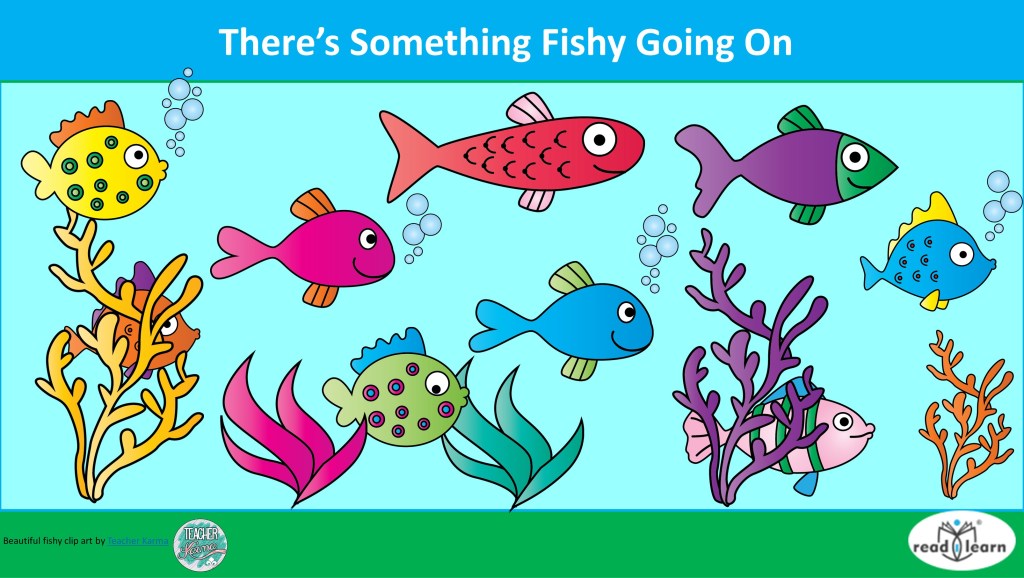
    Since this year is the International Year of Artisanal Fisheries and Aquaculture, I thought I’d begin with a post about fish. Learning about fish is relevant to the biological sciences curriculum when we explore living things, their features, where they live, what they need and how they grow.

    I decided to jot down some of my questions and write answers to them. We all know what fish are, right? There’s nothing difficult about describing a fish. But when I really started to think about what I know about fish, I realised I had more questions than answers and that explaining what a fish is, isn’t as easy as I thought.

    These are some of the questions raised when I thought about fish. Perhaps you have others. If so, please list them in the comments so I can research the answers. Note: While I know answers to some of my questions, as I’m sure you do too, I’m not sharing answers in this post as I have more research to do. The answers will have to wait for another time.

    25 Fishy questions

    • What is a fish?
    • How do fish swim?
    • Where do fish live?
    • How do fish breathe under water?

    Continue reading: There’s Something Fishy Going On – readilearn

  • And so, to begin — another school year – #readilearn

    And so, to begin — another school year – #readilearn
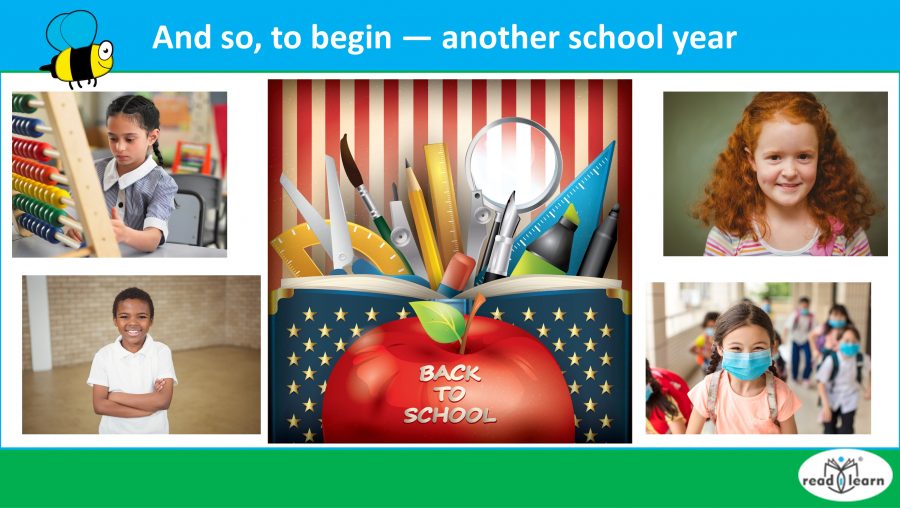
    The beginning of a school year is usually filled with anticipation and expectations: new books, new stationery, new friends, new activities, new things to learn. The excitement may be tinged with a little anxiety: will they like me? will I like them? will I be able to do what’s expected of me? what will I do if (insert any likely or unlikely event) occurs? These questions are shared by students and teachers alike.

    In addition to all the usual anxieties, with the beginning of this school year occurring at the peak of the Omicron outbreak, many more questions are raised: will school begin as usual? will it be delayed? will lessons be online or face-to-face? will teachers and students’ health be affected and impact attendance? how safe will we/I be if everyone is not vaccinated?

    While I am unable to give you any answers about the impact of coronavirus on the school year, I know that whether you are teaching online or in the classroom, or a combination of both, readilearn resources will help reduce your workload with lessons that are ready to teach and activities that can be done at school or at home. The resources now number over 500 and all are for use by teachers with children in the first three years of school. You know when you come to readilearn, you don’t have to wade through lessons for other year levels as well.

    Interactive Lessons

    Over 100 of the lessons in literacy, maths, science and HASS are ready for you to teach on the interactive whiteboard. They can be used in the classroom or delivered to students if teaching online using screen-sharing as I explain in this video.

    Days to Celebrate

    When planning the school year, in addition to the ongoing curriculum program, it is good to have some special days and events to celebrate.

    A Year of Days and Events to Celebrate in the Classroom lists suggestions for celebrations throughout the year.

    A list for each individual months includes more information about each date and provides teaching suggestions and lesson ideas. Each of these documents is available to download free in the Days and Events/Calendars section of Classroom Management resources.

    Continue reading: And so, to begin — another school year – readilearn

  • Getting Ready for the 2022 School Year – #readilearn

    Getting Ready for the 2022 School Year – #readilearn

    Welcome to the first post for 2022. Although, globally, we are all still confronted with the ‘inconveniences’ caused by the pandemic, I hope you will find much joy and many successes to celebrate throughout the year.

    This year has been designated as:

    • International Year of Artisanal Fisheries and Aquaculture
    • International Year of Glass
    • International Year of Sustainable Mountain Development
    • International Year of Basic Sciences for Sustainable Development

    all of which have relevance to our classroom programs and the Sustainable Development Goals. While I give but a brief introduction to each in this post, I hope to bring you additional lessons and teaching ideas throughout the year.

    Continue reading: Getting Ready for the 2022 School Year – readilearn