I take this opportunity to wish you and your loved ones a happy and safe holiday season. May the magic of Christmas brighten your days and fill your heart and home with joy — now and always.
For some light Christmas entertainment for the children, Norah reads Who’s Hiding at Christmas?
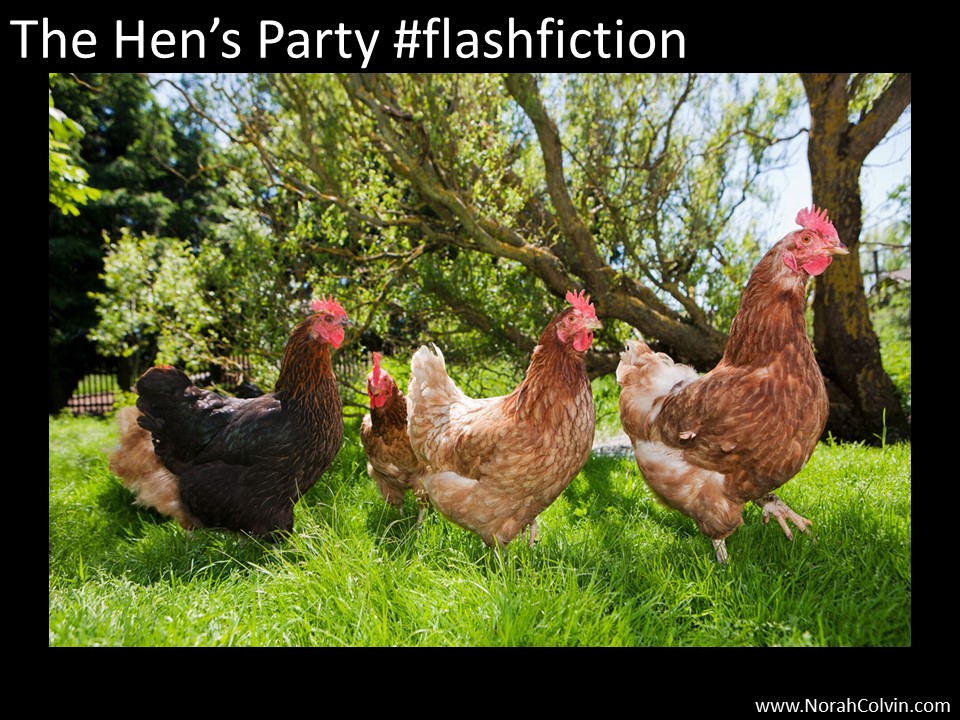
The hens cackled with anticipation of their leader’s address, then quietened as the activist took the stage.
“Ladies and ladies,” she began. “We don’t have to take this anymore — all day cooped up, laying on demand, while His Lordship struts about crowing, taking credit for the sun shining. Now it’s our time to shine!”
The assembly fluffed their feathers and stamped their feet. “We won’t take it anymore!”
“Ladies, what do we want?”
“Hen’s rights!”
“When do we want them?”
“Now!”
“First, we slip him a sleeping pill, then tomorrow — we make the sun come up!”
“Hens rule forever!”
Thank you for reading. I appreciate your feedback. Please share your thoughts.
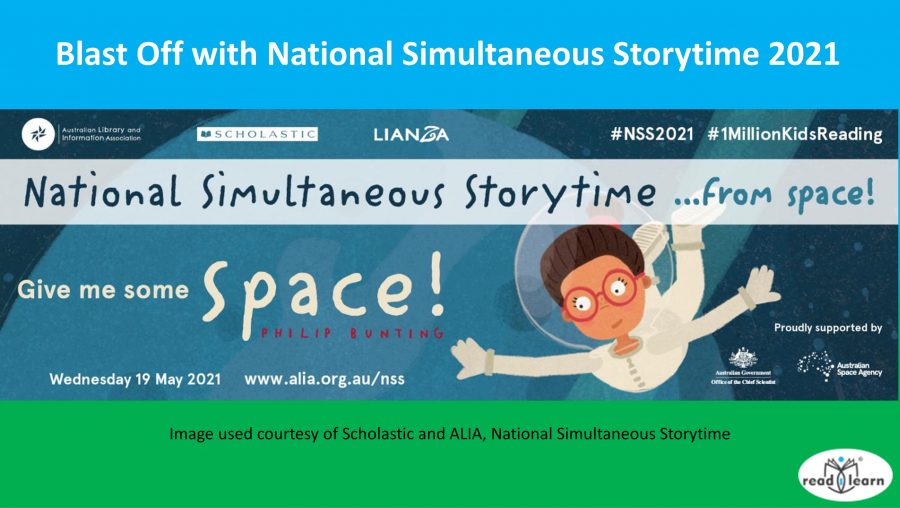
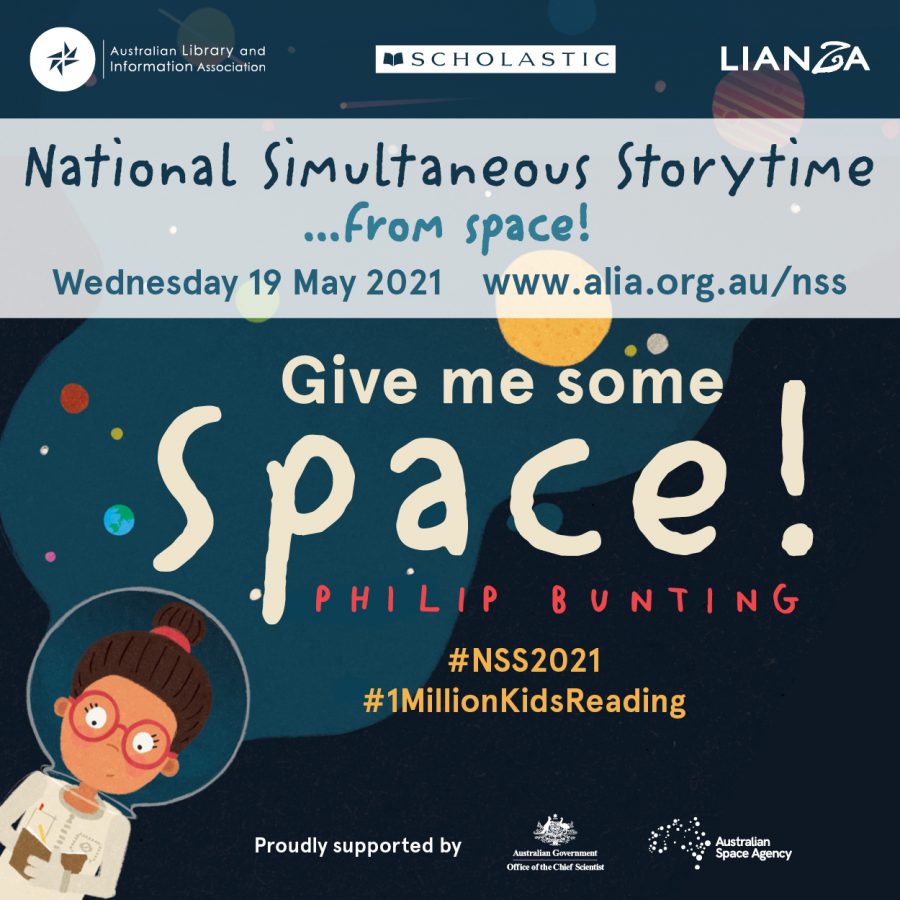
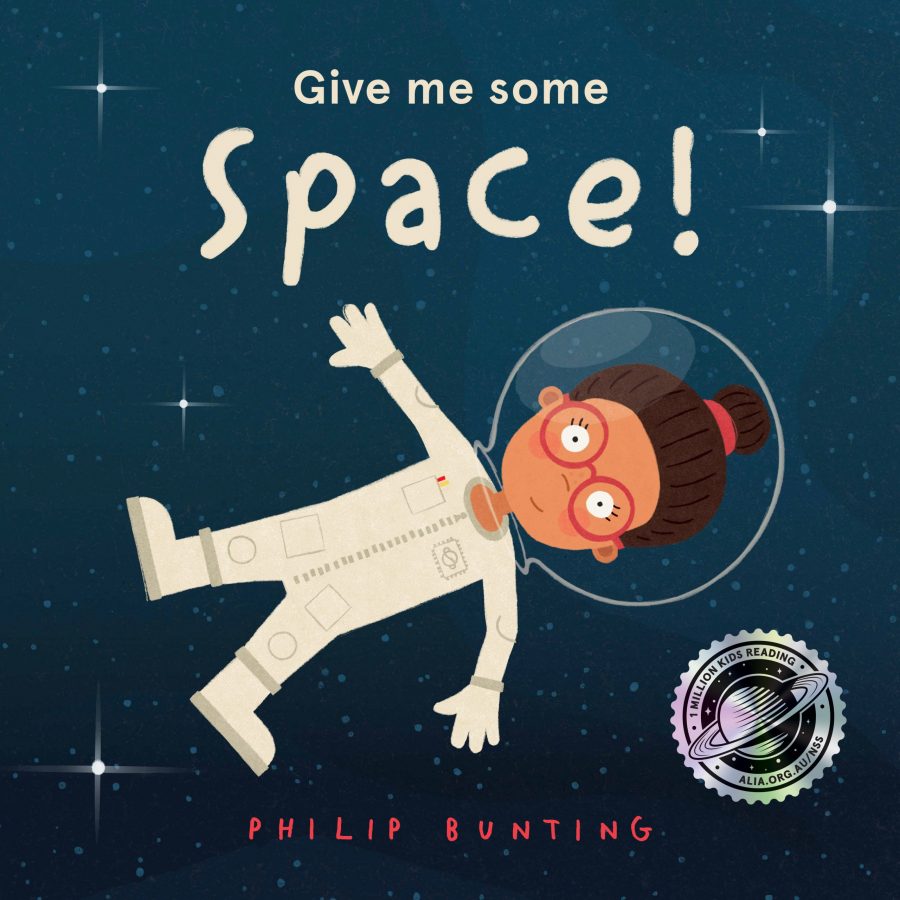
In just over a week, on Wednesday 19 May at 11:00am AEST, we will be celebrating the 21st National Simultaneous Storytime (NSS). Are you ready?
The event
National Simultaneous Storytime is an annual event held in Library and Information Week in Australia and New Zealand. The event is organised by the Australian Library and Information Association (ALIA) with the aim of promoting the value of reading and literacy.
Each year an Australian picture book is chosen to be read simultaneously in libraries, schools, pre-schools, childcare centres, family homes, bookshops and many other places around the nations on either side of the Tasman Sea. Selected books explore age-appropriate themes and address key learning areas of the National Curriculum for Foundation to Year 6.
It is free to register for the event. If you do, you will receive various free downloadable material to support your own event on Monday 17 May. You can register right up until the event begins.
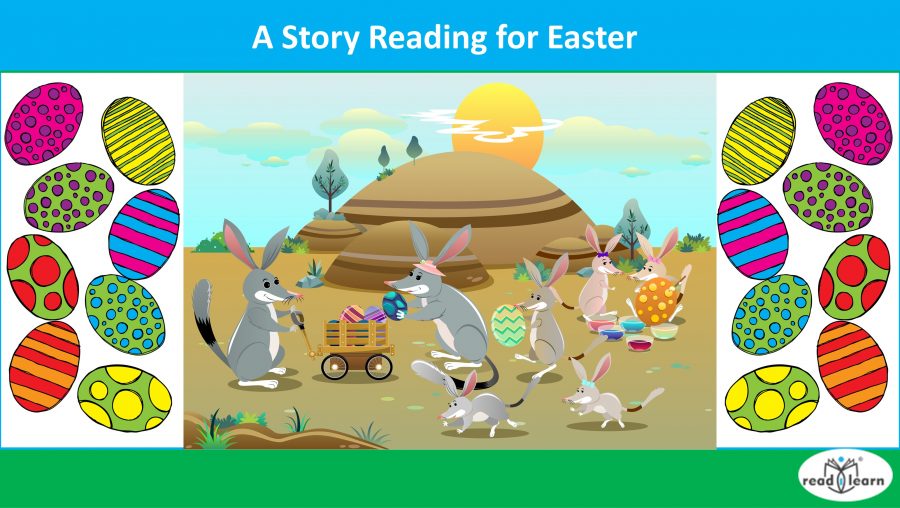
Easter Delivery is a story about Bilby twins Benny and Belinda who are excited to be old enough to make their first Easter delivery on their own. Before they are allowed to go out, they must prove to Mother and Father Bilby that they are capable of following instructions and delivering just the right number of Easter eggs for each family.
This video provides a brief introduction to the story.
The story encourages children to join in helping Benny and Belinda work out the number of Easter eggs required for each family and choosing which boxes or packs of eggs to leave. It is most suited for use on an interactive whiteboard with a small group or class of children, or on a computer with one or two children.
It can also be used interactively with children if teaching over Zoom as explained in this video.
In this next video, I read the story for you and your children to enjoy.
With Easter just a few weeks away, I thought I’d remind you of the readilearn Easter-themed lessons and activities suitable for use with 5-7 year-old children, at school or at home. The Easter collection can be found in Cultural Studies here.
Easter in the classroom — some thoughts
When considering whether to include Easter activities in the classroom, it is important to realise that Easter may not be celebrated by all children and, even if it is, the importance and focus of the celebration may differ from family to family.
For children who don’t celebrate Easter, be sensitive to the expectations their families may have for their participation. Depending on the number, you may choose to avoid Easter activities or use the time to investigate other festivals celebrated by your families. However, unless you are in a religious school, most Easter activities will focus on eggs and bunnies or bilbies rather than religion, as do our readilearn resources. If you are in a religious school, then parents were aware of the focus when enrolling their children.
The lessons and activities mentioned in this post assume you have decided to include Easter in your program and are focusing on the secular celebration. While many of the Easter traditions focus on the new birth of spring, in the Southern Hemisphere, Easter occurs in autumn. Our readilearn Easter resources avoid focusing on the seasons for this reason.
How families celebrate Easter
The way of celebrating Easter will vary from family to family. Some go away for the weekend. Some stay at home. Some are visited by a bunny, some by a bilby. Some put out carrots for the bunny, some put out baskets for the bunny to put eggs in, some search for eggs in an Easter egg hunt.
It is always interesting to hear about different ways of celebrating so it is useful to begin with some discussion and writing.
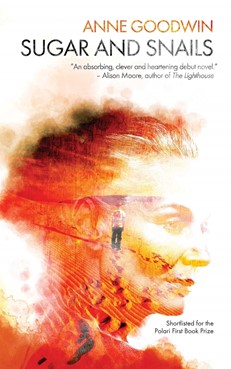
I am absolutely delighted to invite Anne Goodwin back to my blog today. It is just over five years ago that her debut novel Sugar and Snails was published by Inspired Quill and I had the pleasure of her joining me to discuss the importance friendships — in person, virtual and in her novel.
At the time I had known Anne (virtually) for two years, but we’d also had the pleasure of meeting up in London (briefly) the year before when she revealed the (then still secret) book contract. I am honoured to count her as a friend.
My admiration for and enjoyment of Anne’s writing has only increased over the years. Since then, she has had another novel published and the publication of a third is imminent. I’ve lost count (she hasn’t) of the number of short stories she has published.
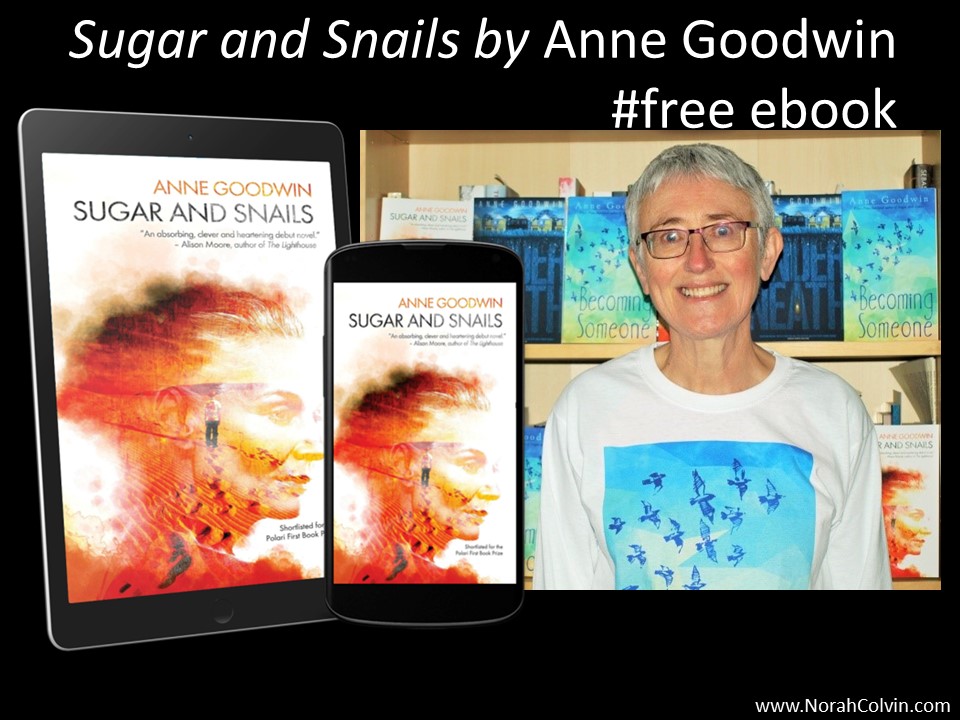
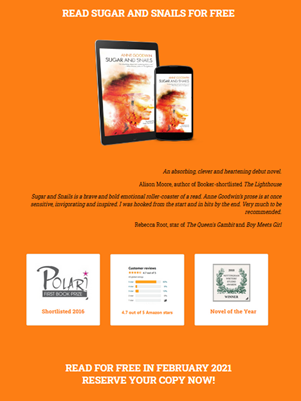
If you haven’t yet ventured into Anne’s writing, then now is the perfect time. During February, you can read the ebook of Sugar and Snails free. What a wonderful opportunity to get to know this amazing author.
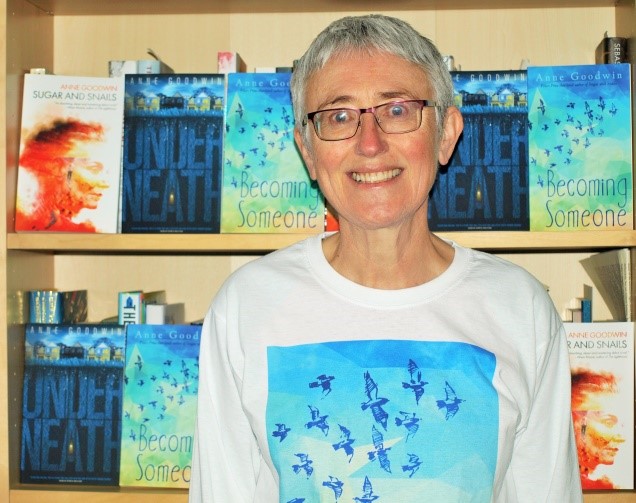
Anne Goodwin is the author of two novels and a short story collection. Her debut novel, Sugar and Snails, about a woman who has kept her past identity a secret for thirty years, was shortlisted for the 2016 Polari First Book Prize. Throughout February, subscribers to her newsletter can read Sugar and Snails for free: https://www.subscribepage.com/sugar-and-snails-free-e-book
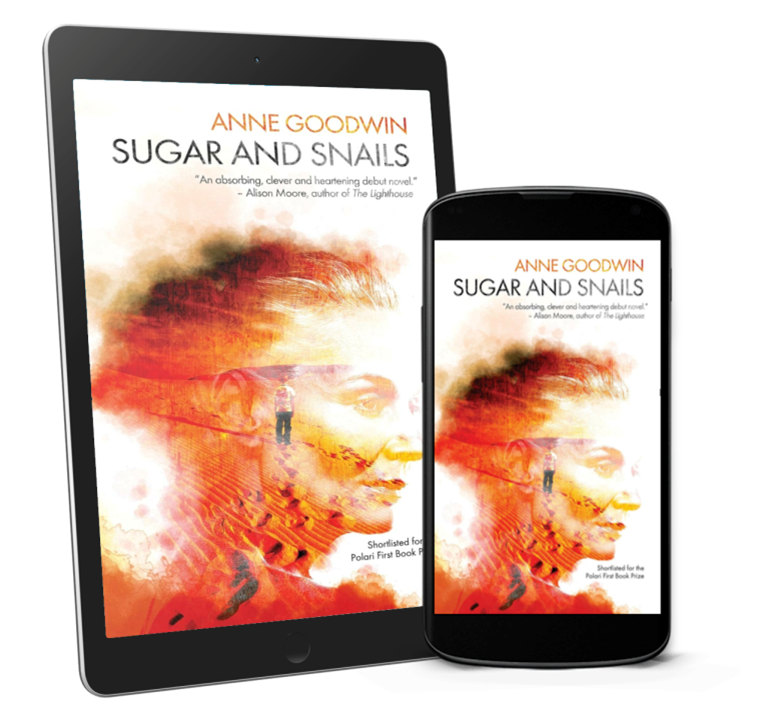
About Sugar and Snails
At fifteen, she made a life-changing decision. Thirty years on, it’s time to make another.
When Diana escaped her misfit childhood, she thought she’d chosen the easier path. But the past lingers on, etched beneath her skin, and life won’t be worth living if her secret gets out.
As an adult, she’s kept other people at a distance… until Simon sweeps in on a cloud of promise and possibility. But his work is taking him to Cairo, the city that transformed her life. She’ll lose Simon if she doesn’t join him. She’ll lose herself if she does.
Sugar and Snails charts Diana’s unusual journey, revealing the scars from her fight to be true to herself. A triumphant mid-life coming-of-age story about bridging the gap between who we are and who we feel we ought to be.
If you need a little more enticement, please view the trailer:
Find out more about Anne, or connect with her on social media via any of the links below:
Including this excerpt of Diana’s earliest memory from Sugar and Snails.
Remember, to get your free Sugar and Snails ebook throughout the month of February, all you need to do is click this link and sign up to Anne’s newsletter.
Thank you for reading. I appreciate your feedback. Please share your thoughts.
I wish all my wonderful readilearn readers and supporters a happy and healthy 2021. I think most of us are ready to welcome in the new year with its promise of better things to come. I thank you all for you support throughout 2020 and look forward to what 2021 has to offer.
I am excited that 2021 is both the International Year of Peace and Trust and the International Year of Fruits and Vegetables. I am hoping that it fulfils the expectation of a peaceful year in which trust in each other becomes the norm and a healthy diet of fruits and vegetables becomes available for every one of us.
During the week, I uploaded some new calendars and calendar bookmarks to celebrate both themes of the coming year:
Wishing you and your loved ones a happy and safe Christmas season.
For some light Christmas entertainment, Norah reads Who’s Hiding at Christmas?
Since this this the last post for this year, I take the opportunity of thanking you for your support throughout the year and look forward to sharing more lessons and teaching ideas in 2021.















 Norah Colvin