The love of reading is one of the greatest gifts a parent can give a child.
Reading is empowering, and a book is a gift that continues to give, long after the occasion has past. It’s effects cannot always be measured.
To help you decide which books to give to whom for Christmas, I thought I’d make your task a little easier by reminding you of the lovely books I shared throughout the year in interviews with their authors and illustrators.
Below you will find a list the books and their authors and illustrators. I also include links to
the interview on the blog
the interview in the Author or Illustrator Spotlight
the creative’s website
a place where the book may be purchased.
Many of these authors and illustrators have more than one book, some for readers in other age groups, including adult, so please check out their websites for additional information.
At the conclusion of the post, I list other books read and enjoyed. Sadly, there’s just not enough time for all the interviews I’d love to do.
Of course, the list is not exhaustive. These are just a few suggestions to get you started. Enjoy!
As December draws nigh, thoughts all over the world turn to celebrations of Christmas, a time for spreading joy through sharing acts of friendship and kindness to others.
Those of us in the Southern Hemisphere are also thinking about finalising the school year and taking a much-deserved long summer break.
Before we do, we look for ways of celebrating Christmas in the classroom while maintaining children’s focus and keeping them engaged in meaningful learning until the final moments of the school year.
While there are a variety of readilearn resources already existing to help you do that, this week I have uploaded four more, all of which support use of the popular interactive digital story Who’s hiding at Christmas?
The Who’s hiding at Christmas -template is a printable resource with both template and instructions for children to make their own Who’s Hiding at Christmas book based upon the original. Children love to share their own Who am I? puzzles, and, as well as providing ongoing practise with both reading and writing skills, the booklets make a lovely gift for sibling or parent.
This month it is my great pleasure to invite Kim Michelle Toft to the blog. I have been an admirer of Kim’s work for many years. Not only does she do the most marvellous and unique silk paintings to illustrate her work, her books inspire children, and adults, to share her passion for protecting the ocean and its inhabitants.
I have previously written about Kim’s work here, here and here. In this post I am talking with her about her innovation of the familiar Christmas carol The Twelve Days of Christmas.
Kim’s book The Twelve Underwater Days of Christmas is a celebration, not only of the season, but of the beauty of our world and its gift to us. Our gift in response is to care for and preserve it. As well as information about all the animals featured, it includes a stunning six-page foldout poster as well as information about the original carol.
Welcome to readilearn, Kim. We are looking forward to getting to know you better.
Thank you for having me.
Kim, you tell your stories with words and pictures? When did you know you wanted to be a storyteller and share your stories with others?
I started drawing when I was 4 years old. I would spend hours on my own, drawing. My mother would buy me small Golden Books and take me to see all the Walt Disney movies. I knew then that I wanted to have a career in art. I started writing and illustrating my picture books when my daughter Casey arrived, 26 years ago.
Next Friday 15 September is International Dot Day, a day for celebrating and promoting creativity, courage and collaboration.
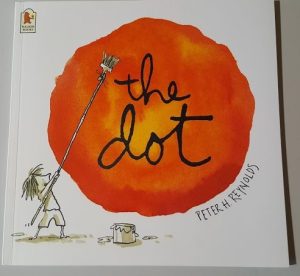
Celebration of the day was initiated in 2009 with teacher Terry Shay introducing his class to the picture book The Dot by Peter H. Reynolds.
The story is of Vashti and a teacher who encouraged her to make a mark and have a go. Lacking self-belief and courage, Vashti was reluctant to participate in art class. When the teacher framed and hung her signed painting of a tiny dot, Vashti was determined to do better. She painted all kinds of dots that wowed the people at the school art fair. What happened when one little boy admitted to Vashti that he wished he could draw will inspire children everywhere to be brave, have a go, and be creative.
For a wealth of celebratory suggestions, visit the International Dot Day Get Started page and sign up to download a free Educator’s Handbook, which includes a lovely certificate of participation which can be printed and personalised for each child.
I have included a link to the page in the new resource Getting creative with dots in which I suggest additional ideas to add to the celebration.
The suggestions, of which examples are shown below, can be used in conjunction with International Dot Day, or any day when you feel like going a little dotty.
This week we celebrate readilearn’s first birthday. Last year we launched with just over one hundred resources to support early childhood teachers in their role. Now there are more than 250, and the number continues to grow with new resources uploaded nearly every week.
Resources across most areas of the curriculum support teachers of children in their first three years of school. All resources are original and teacher-made, designed to lighten workloads by providing lessons and activities teachers would make themselves, if they only had time.
The collection consists of digital stories, and interactive resources for use on the interactive whiteboard. There are printable activities, teaching suggestions, and notes for distribution to parents. If you can’t find what you’re looking for, let us know and we’ll do our best to support you.
This week, in celebration of the milestone, I have uploaded two new free resources which can be personalised for individual children on their birthday.
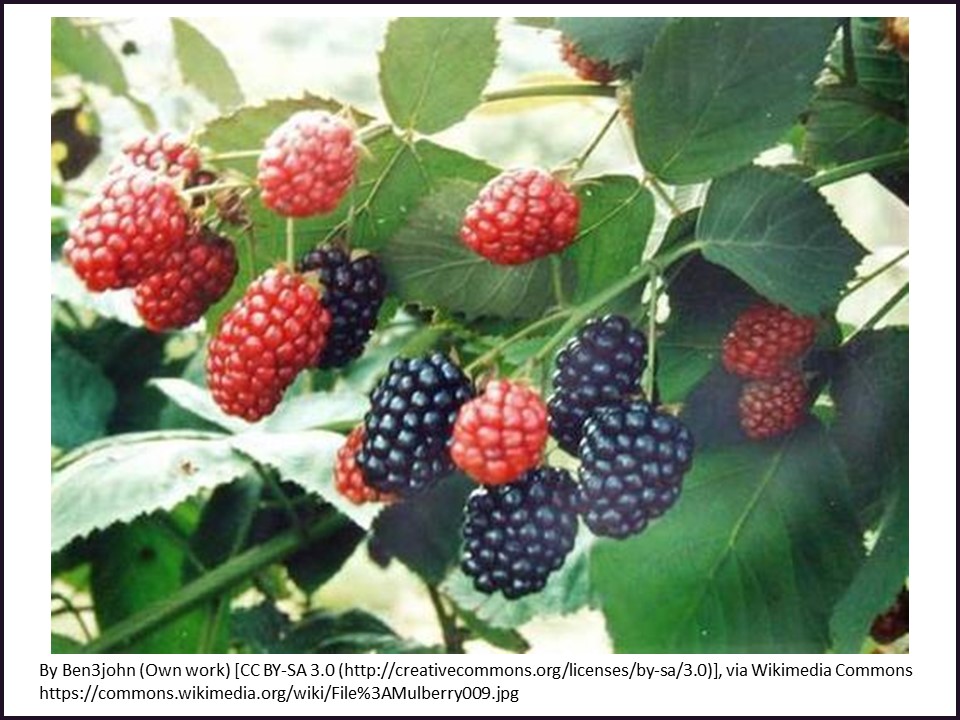
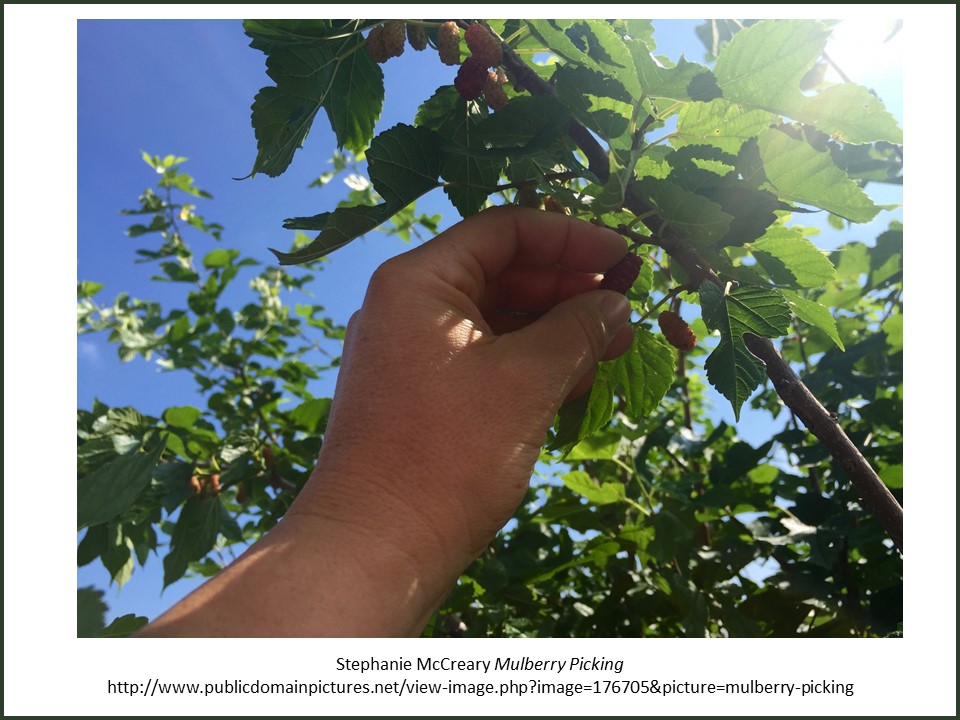
When I was a child, there was a huge mulberry tree growing in the backyard of one of our neighbours who was kind enough to allow access to the multitude of children in our family. Each summer the tree would be laden with fruit and we would pull at its branches to gather as much as we could into buckets and bowls. We would go home stained with purple on our bodies and our clothes and, mostly, around our mouths. We couldn’t wait to eat and there were plenty to go around. Mum would bake mulberry pies and fill jars with mulberry jam that was delicious on our buttered bread for breakfast or lunch.
Since then, I have encountered few mulberries trees, only occasionally sourcing their leaves to feed voracious silkworm caterpillars. The berries themselves seem not to be harvested for store sales. However, I was recently reminded of Mum’s mulberry jam when I spotted some on a shelf at the Jamworks gourmet deli. I must admit though, while I resisted the mulberry jam, I couldn’t resist the fig and ginger variety.
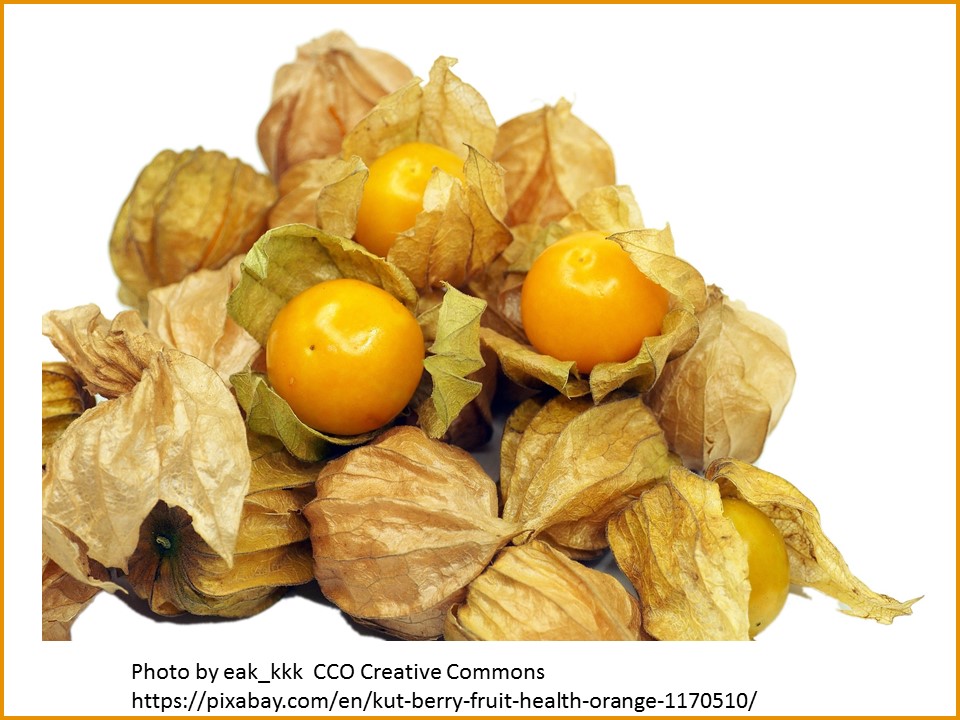
The other berry that was most familiar to me as a child, but never since seen, was what we called the gooseberry. There were gooseberry plants growing by our back fence. I remember picking the berries, peeling back the outer leaves and eating the small fruit, which I think had quite a tart flavour. As I recall, Mum would also make jam, but not pies, with these.
(c) Norah Colvin
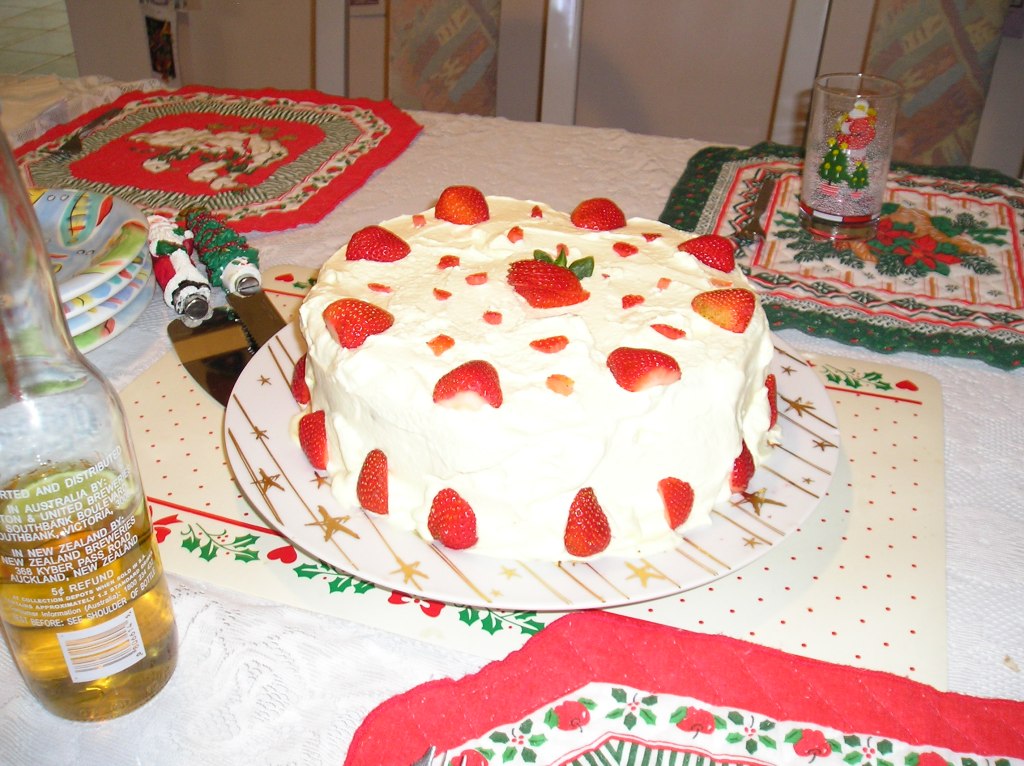
I recall that, even as a young adult, a serving of strawberries and cream had seemed a very luxurious and decadent dessert. Now strawberries are more affordable and readily available all year round. They are a favourite of my granddaughter. So much so that I need to have at least one punnet in the fridge for her when she visits. A strawberry torte is my family’s pick for special occasions such as birthdays and Christmas. I wrote about it and included the recipe here.
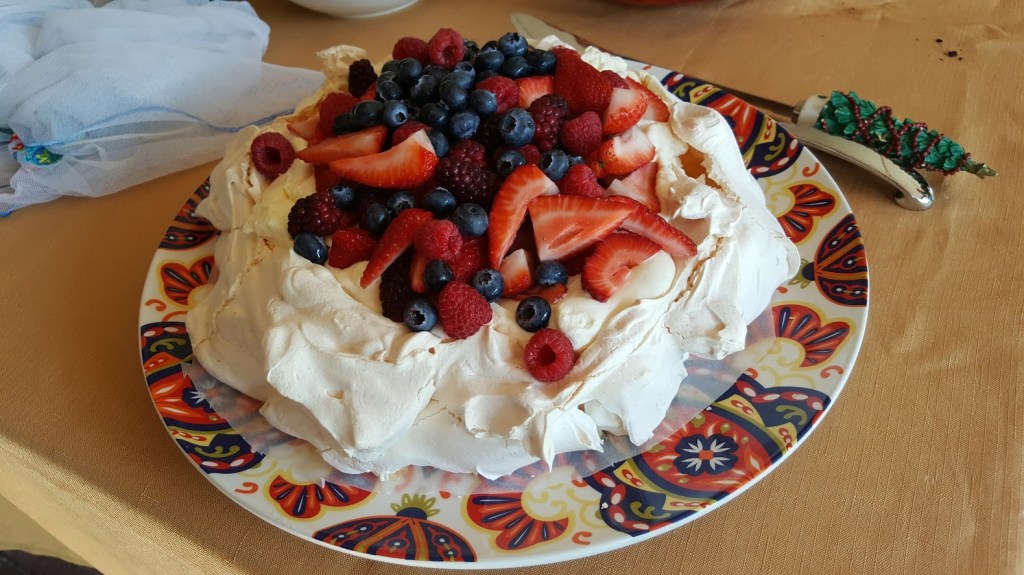
In addition to strawberries, stores now have a variety available all year round; including blueberries, blackberries, raspberries and cranberries. The berries make a wonderful filling for the other family favourite, pavlova.
(c) Norah Colvin
But do you know what a berry is?
I checked with Wikipedia for the definition of a berry, and found that it is “a fleshy fruit without a stone produced from a single flower containing one ovary”.
Botanically, the following fruits (and vegetables) are berries:
Grapes
Currants
Tomatoes
Cucumbers
Eggplants
Bananas
Kiwi fruit
Blueberries
Cranberries
Coffee beans
Pumpkin
Watermelon
and these, commonly called berries, are not:
Strawberries
Raspberries
Mulberry
Blackberry
Do you need to change you answers to my initial questions:
What is your favourite berry?
Which berries make your taste buds sing?
Or are you happy to go with common usage? If I write about mulberries, will I be fulfilling the requirements of Charli’s prompt? Perhaps I should write about picking watermelons instead.
Mulberry Stew
Branches hung heavy with berries in reach of even the youngest child. They ate more than they bucketed; but there were plenty, including for birds singing in higher branches. Mum had forbidden them. “Mrs Wilson’s poorly. Don’t disturb her.” But they couldn’t resist. They scampered the instant she called.
“Where have you been?” She eyed the purple stains.
“We …” the youngest began to sing.
“Nowhere,” they shushed with hands concealed.
“What were you doing?”
“Nothing.”
Her lips twitched. “Hand them over.”
Later they pondered together how she knew.
When Dad got home, they’d have to face the music.
Thank you for reading. I appreciate your feedback. Please share your thoughts.
While many around the world celebrated Father’s Day in June, here in Australia Father’s Day is celebrated on the first Sunday in September. Since that is now just a few weeks away, I thought I’d get in early with some low-cost Father’s Day gift suggestions that can be incorporated into your literacy and art programs.
A cautionary note
However, before I share them, I’ll begin with a cautionary note.
Be aware of the diversity of families in your class and the needs of individuals. Not all children have a father present in their lives, and not all fathers fit the perfect role model. While the day is not just for dads, but for grandfathers, stepfathers, and other male carers and role models too, a day to let them know how much they are appreciated; for some children, the day can be a painful reminder of someone missing. Be sure to adjust what you do to be inclusive of children’s circumstances, for example; “Celebrating a special adult in my life day”, or consider leaving any celebration to the children and their families.
Most classrooms are peopled by children from a diversity of traditions and cultures. Learning about and appreciating the similarities and differences is an important part of establishing a supportive classroom environment and encourages acceptance of and respect for each family’s composition and heritage. Suggestions to support discussions are available in readilearn History resources. Conducting Getting to know you surveys about families and who children live with can also help identify suitability of the celebration with your class.
Gifts from the heart on Father’s Day
Encouraging children to create and give a gift from the heart demonstrates that not all gifts need come from a shop. It allows children from even the poorest families to give their Dads a special Father’s Day gift. It helps develop their creativity and teaches them skills that they can apply in future gift-giving situations. It shows how thoughtfulness and imagination can combine to make a unique gift that will be treasured.
A gift of love lasts longer than any store-bought gift.
This week, from 2 – 9 July, is NAIDOC Week in Australia with celebrations occurring all around the country. The purpose of the week is to celebrate the history, culture and achievements of Aboriginal and Islander Peoples and acknowledge their contributions to our country. The acronym NAIDOC stands for National Aborigines and Islanders Day Observance Committee.
The theme of this year’s celebration is Our Languages Matter. When Europeans first arrived in Australia a little more than 200 years ago, more than 250 Indigenous languages were in use across the land. As the languages were spoken, not written, many of these languages have been erased. Fewer than half that number remain, and many of the young people are no longer familiar with the language of their ancestors.
According to the NAIDOC website,
“The 2017 theme – Our Languages Matter – aims to emphasise and celebrate the unique and essential role that Indigenous languages play in cultural identity, linking people to their land and water and in the transmission of Aboriginal and Torres Strait Islander history, spirituality and rites, through story and song.”
This article in the Conversation provides a little more information about Australian Indigenous languages and the Dreaming.
By now, NAIDOC Week celebrations are almost over, and most Australian school children are enjoying their mid-year break. However, many teachers will be looking for ways to share the celebrations with their students when school resumes. As any time is a good time to incorporate learning about Indigenous culture and history, in this post, I provide links
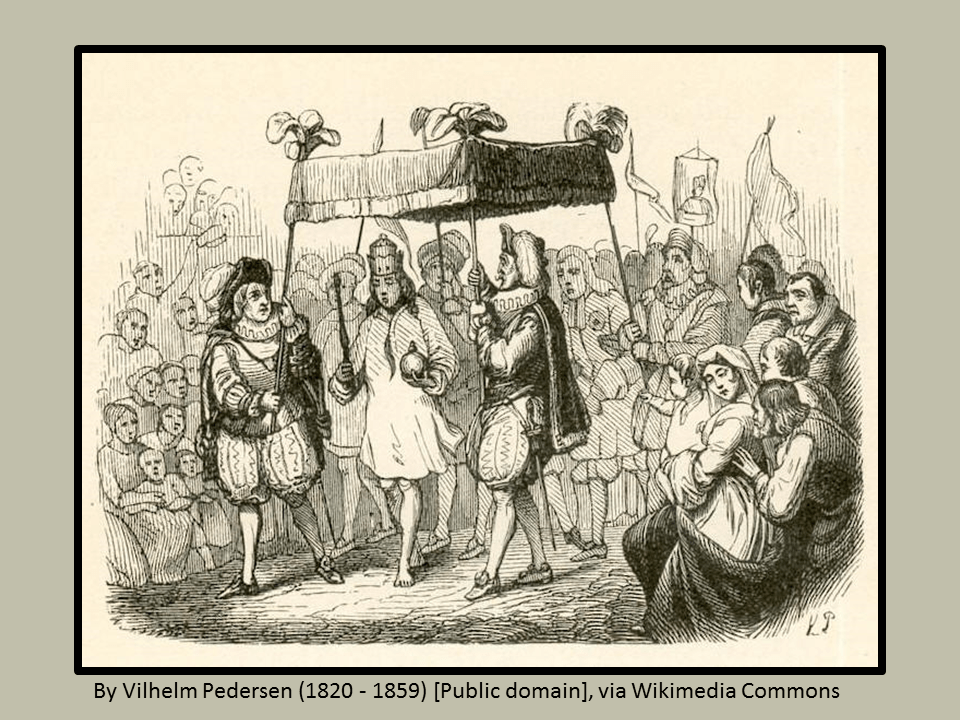
A pair of weavers tricked the conceited Emperor into believing they had made him a fine set of clothes; clothes so fine, they would be visible only to those worthy of their position, and invisible to anyone lacking intelligence. Not wanting to appear stupid, his subjects were quick to join in the admiration of his (invisible) clothes. It took a young child to see through the claims and announce the deception.
Honesty is a trait often admired, even found refreshing, in children. However, the same kind of honesty is not always endearing in an adult. As we grow, many of us learn to use a little more finesse when telling someone what we think of them or their work. It is sometimes wiser to take the side road, rather than the direct route.
I have always loved the story of the Emperor and his invisible clothes. I found the people’s dishonesty frustrating. I just wanted to shake them, “Can’t you see?” But I loved that it was a child who told it like it was.
The story is a wonderful allegory for so much that is going on in the world today, and probably always has. (The story was published 180 years ago.) Someone comes up with a bright new idea. It is promoted; and before long everyone is following the trend, proclaiming its, often-questionable, value. It happens in education too. Those who see through the hype are often ridiculed.
The importance of interrogating ideas to determine their worth cannot be overstated. The ability to question and to think critically is essential for an intelligent society. Just because everyone is doing it, doesn’t make it wise, right, or best.
The reason for the prompt including the suggestion of “advice for turning 50” is that Charli celebrated her significant 50th birthday on the weekend.
I remember turning 50. I had a big party that I spent months organising. A magician helped break the ice early in the evening and prepared everyone for joining in games that were interspersed throughout the evening. People danced and were entertained by a musical duo who also liked to tell jokes. It was a memorable occasion for me, if not for anyone else. I’m pleased I did it then, as I wouldn’t be bothered now, though the numbers do seem to get significantly bigger each year.
It was about that time that I realised I wasn’t as mature and wise as I’d expected to be. Didn’t adults give the appearance of wisdom when I was a child? They’d certainly seemed convinced of what they were telling me, and rarely displayed hesitation in decision making. I figured, if I wasn’t mature and wise by then, I was never going to be. So what the hell. I’d just stay a six-year-old for life!
Remember the A. A. Milne poem?
“When I was One, I had just begun. When I was Two, I was nearly new. When I was Three I was hardly me. When I was Four, I was not much more. When I was Five, I was just alive. But now I am Six, I’m as clever as clever, So I think I’ll be six now for ever and ever.”
Anyway, I would like to wish Charli a very happy fiftieth birthday, and welcome her to the second half-century. I’ve been there a while and it’s not too bad. I’d hazard a guess that it’s better than the alternative. There are still plenty of new discoveries to be made. But you must make the most those years. They can just fly away.
Coinciding with her birthday, Charli has announced a new project on her website. Charli is a wonderful source of support and inspiration to writers all over the globe and, as you know, the instigator of the flash fiction I, and many others, write each week.
Charli says, “If I can raise the funds, I will start an imprint for Carrot Ranch, expand our platform to benefit those who write in this community and seek new ways to inspire and inform other writers beyond the ranch hands.” She is developing a Patreon. If you would like to help Charli get this work started, please ride on over to her website and donate to the project.
In the meantime, here is my response to her challenge to write a “wise” story. I hope you enjoy it.
Growing into wisdom.
“My Dad knows everything!” bragged six-year-old Billy.
“Parents,” grumbled Will E., at surly sixteen, “They know nothing.”
For thirty-year-old William, at the top of his game, conversations were strained. One more “In our day…” he’d surely explode.
By forty-five, with kids of his own, “But kids are different these days,” Will would state.
Dad would wink and suggest, “Not that different.”
Throughout the fifties, his recalcitrant teens mirrored those years of his own.
Into his sixties, with kids gone and more time for chatting with Dad, he discovered, almost too late, they shared more than he had ever appreciated.
Thank you for reading. I appreciate your feedback. Please share your thoughts.
Six early years activities for celebrating Mother’s Day. Develop literacy skills while making a personalised and special gift for Mums.
Mother’s Day is celebrated on the second Sunday in May in many countries, including Australia, the United States, and Canada. With the celebration little more than a week away, I thought I’d share some suggestions that are low on cost but packed with learning opportunities to incorporate into your class literacy and art programs.
Encouraging children to create and give a gift from the heart demonstrates that not all gifts need come from a shop. It allows children from even the poorest families to give their Mums a special Mother’s Day gift. It helps develop their creativity and teaches them skills that they can apply in future gift-giving situations. It shows how thoughtfulness and imagination can combine to make a unique gift that will be treasured.
A gift of love lasts longer than many store-bought gifts.
















 Norah Colvin