Live Love Laugh Learn … Create the possibilities

Tag: Teaching Resources

  • readilearn is seven years old! Happy Birthday, readilearn! – #readilearn

    readilearn is seven years old! Happy Birthday, readilearn! – #readilearn

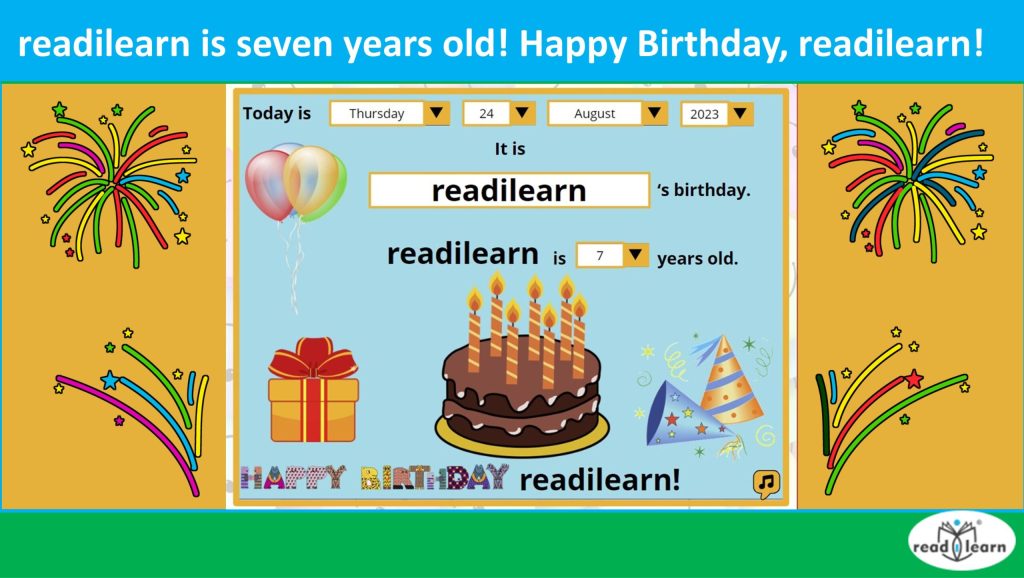
    Today, Thursday 24 August 2023, is readilearn’s seventh birthday. I think that’s something to celebrate. Thank you for joining our journey.

    A birthday gift for you

    To help us celebrate, we have a readilearn birthday gift for you.

    For the next ten days, until Sunday 3 September 2023, three of our birthday resources are available to you, absolutely free.
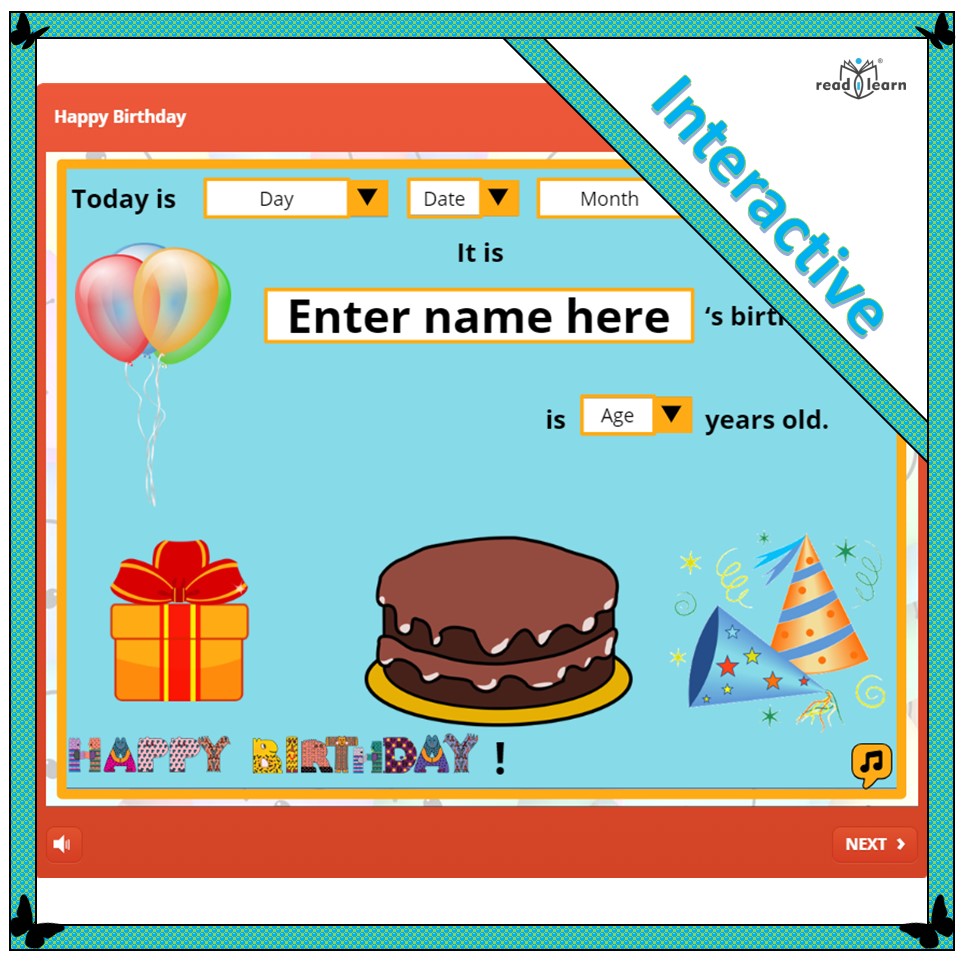
    Happy Birthday — an interactive resource to personalise (usually $2)

    Happy Birthday is an interactive resource that can be personalised with the date, name and age of children celebrating their birthdays in your class. Click the music symbol to sing along with a birthday song. Choose “Print Page” to print a copy of the completed birthday certificate.
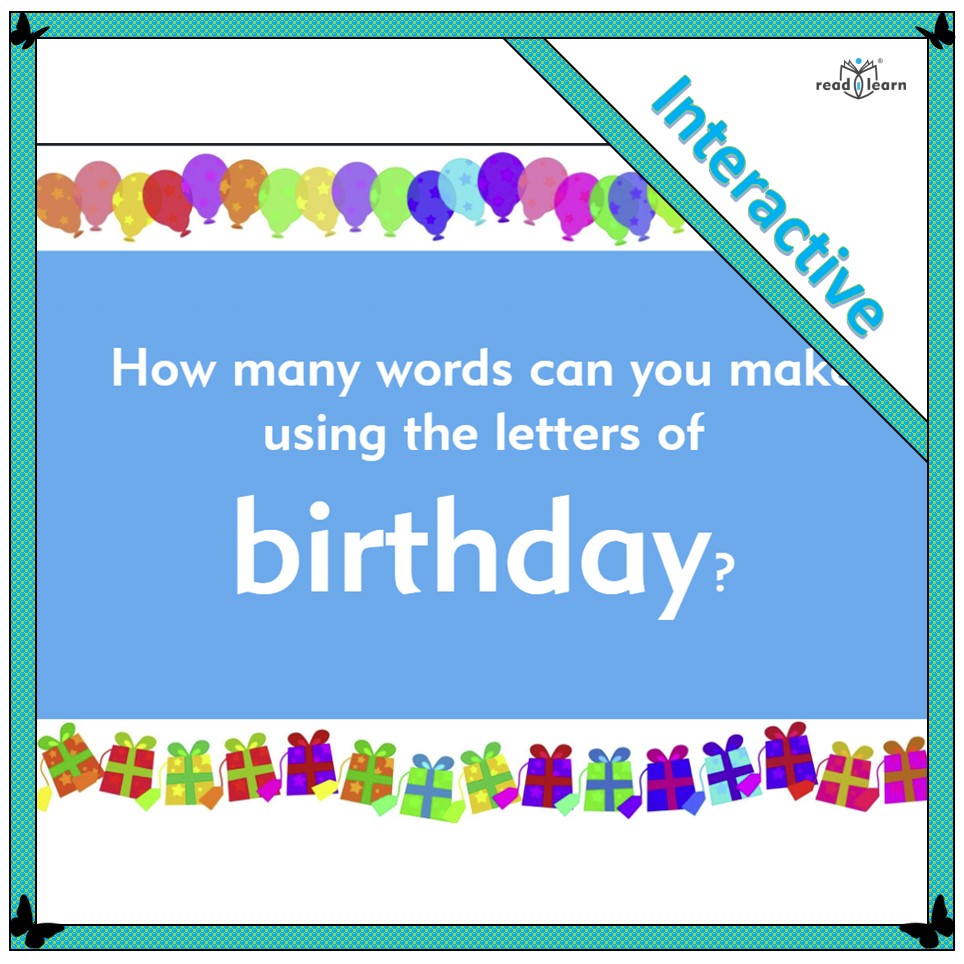
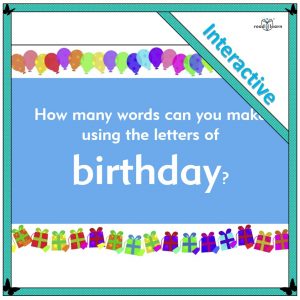
    Make Words from the Word ‘Birthday’ (usually $2)

    Make Words from the Word ‘Birthday’is a fun activity to do as a class on the interactive whiteboard. Children choose letters from the word ‘birthday’ to make other words. Each letter can be used only once. Words can be entered into the box using the keyboard. Work can be saved for another lesson if desired.
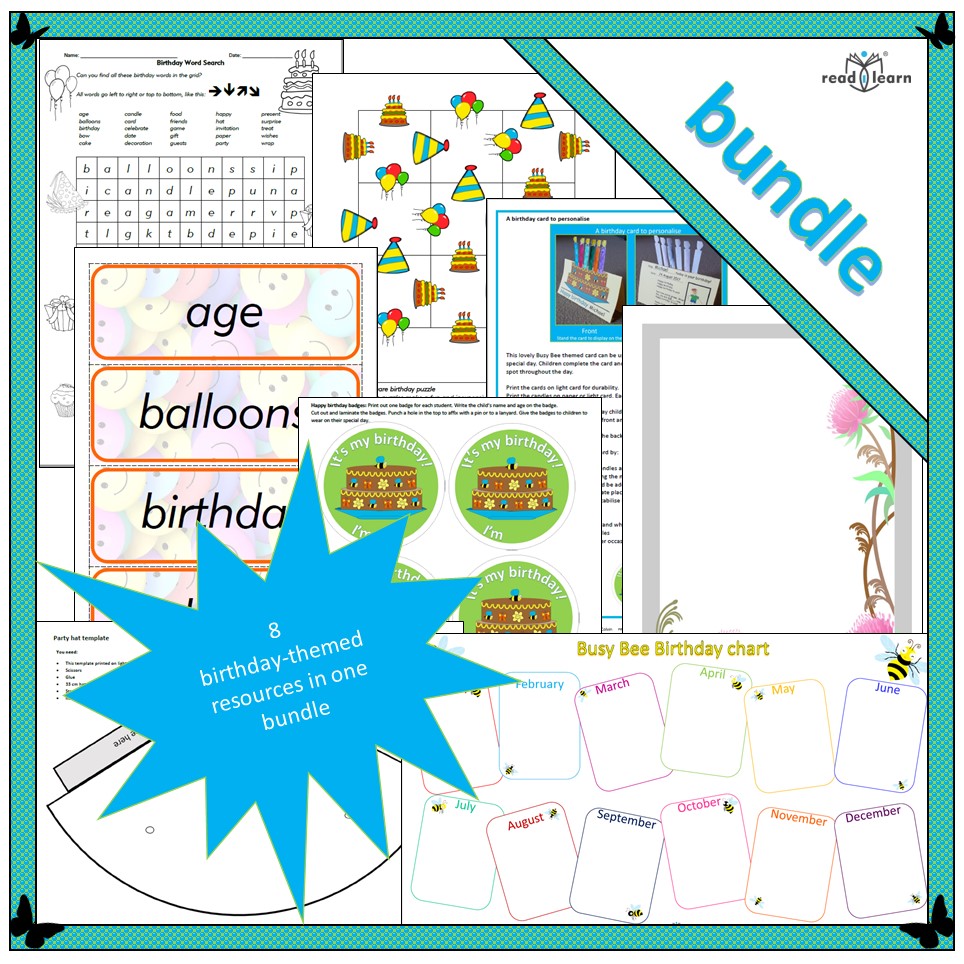
    The Birthday Bundle (usually $2.50, or $7.50 if purchased individually)

    The bundle includes the following 8 birthday-themed printable resources in one easy-to-download folder (note they are only free when downloaded as part of the bundle).

    Continue reading: readilearn is seven years old! Happy Birthday, readilearn! – readilearn

  • Make time for Poetry in August, Poetry Month – #readilearn

    Make time for Poetry in August, Poetry Month – #readilearn

    Although we celebrated World Poetry Day with this post earlier in the year, the Australian Children’s Poetry website tells me that August is poetry month and I think there can never be too many days, weeks or months for reading and writing poetry. I even got into the swing of things by having my poem A Very Funny Animal published on the Australian Children’s Poetry website in early August. And just today, my poem Science Questions Everything was published to coincide with Science Week. Who knows, maybe there’ll be a few more this month.

    Why read poetry to children?

    Poetry is a great tool for learning language. When children listen to or recite poetry, they are learning the rhythms and sounds of language, exploring ideas and how to express them, expanding vocabularies, deepening understanding in nuances of meaning, and having fun with thoughts and their expression.

    Children are exposed to rhythm and rhyme from their earliest days through nursery rhymes, chants and songs as well as the text of picture books. It is important for children to have opportunities for appreciating and exploring poetry into and throughout their school years. Our Australian Curriculum places poetry firmly into the literature strand of English teaching each year. But it is not necessary to relegate poetry just to a poetry unit of work when stipulated by the curriculum. Poetry, rhymes, chants and songs can be easily incorporated into the daily class program.

    Poetry books and resources

    The Australian Children’s Poetry website (mentioned above) is an excellent resource when you are looking for poems to share with children. With a new poem added every day, you will never be at a loss for poems to read. You can search for poems on different topics or by different poets and even find poems with teacher notes.

    Another great resource is Science Poems by Celia Berrell with an abundance of poems that link to the curriculum.

    The Bill Martin Jr Big Book of Poetry is one of my favourite collections. It contains a variety of poem types on a wide range of topics, including Mother Goose and nonsense rhymes, poems about animals, the seasons and friendships, classics poems and modern. It’s a delight to dip into. You’ll find poems you remember and loved in your childhood and new poems to explore.

    Michael Rosen, who you may know as the author of Going on a Bear Hunt shares some recommendations for teaching poetry on his blog. Although the suggestions were written for a year one teacher, I think the suggestions could be applied in other years. Following his recommendations would more than cover the expectations of the Australian Curriculum, and what a wonderful way to turn children (and yourself) onto poetry.

    A few years ago, I had the pleasure of interviewing Australian poet June Perkins about her beautiful book of poetry for children Magic Fish Dreaming. You can download and read that interview and find out more about June and her poetry here. Her poems are perfect for discussing poetic language and inspiring children to write poems of their own. Her poem Hunting for a Poem helps child find the magic for poems everywhere. June is one of the poets featured on the Australian Children’s Poetry website.

    I also got to interview another wonderful poet Jennifer R. Poulter.  Although the interview (which you can read and download here) was about her picture book Hip Hop Hoorah! Zoo Dance, Jennifer is a great advocate for poetry in schools and provides

    Continue reading: Make time for Poetry in August, Poetry Month – readilearn

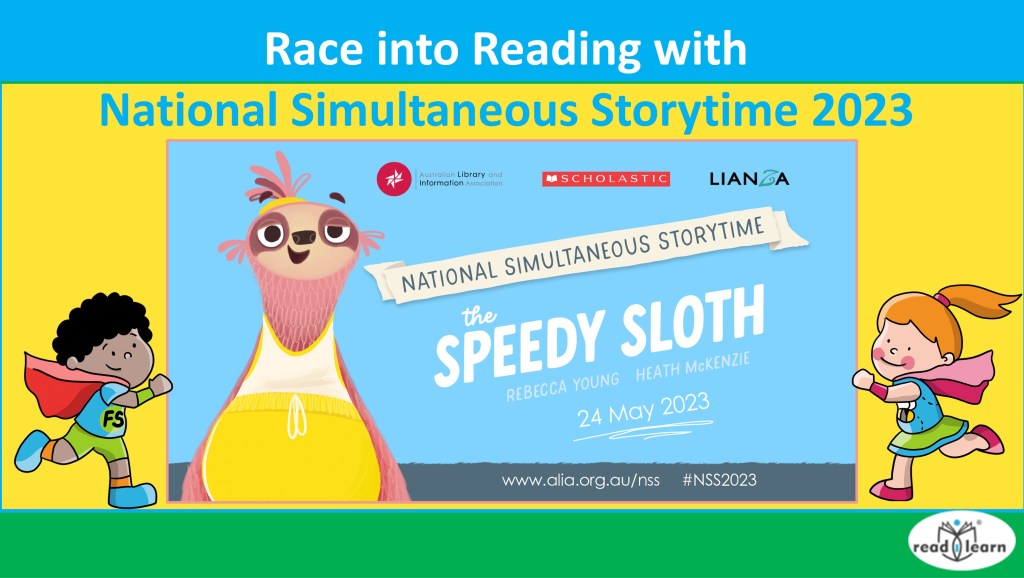
  • Race into Reading with National Simultaneous Storytime 2023 – #readilearn

    Race into Reading with National Simultaneous Storytime 2023 – #readilearn

    Are you ready for National Simultaneous Storytime (NSS) next Wednesday 24 May?

    This year’s NSS book is The Speedy Sloth, written by Rebecca Young, illustrated by Heath McKenzie and published by Scholastic.

    Follow this link to the Australian Library and Information Association where you can register for the event and download some wonderful (and free) teaching resources.

    About The Speedy Sloth

    The blurb

    It was finally time for the event of the year,
    Spike couldn’t believe it—
    THE GREAT RACE was here!
    The other sloths said it couldn’t be done,
    but Spike didn’t care, she was ready to run!

    About the author

    Rebecca Young is an award-winning author from Sydney. Her first book, Button Boy, illustrated by Sue deGennaro, was a Notable Book for the 2012 CBCA Awards and has been published internationally. In 2016, Teacup, illustrated by Matt Ottley, won the Patricia Wrightson Prize for Children’s Literature in the NSW Premier’s Literacy Awards.

    About the illustrator

    Heath McKenzie is an award-winning children’s book illustrator who has written and illustrated countless books for children. Heath lives in Melbourne with his wife, two kids, dog, and a fish that he considers more of a lodger than a family member.

    About National Simultaneous Storytime

    Continue reading: Race into Reading with National Simultaneous Storytime 2023 – readilearn

  • Celebrating World Poetry Day on 21 March – readilearn

    Celebrating World Poetry Day on 21 March – readilearn

    Tomorrow Tuesday 21 March is World Poetry Day – a day for appreciating and supporting poets, and for reading and writing poetry. It’s time to open your favourite book of children’s poetry and read your favourites to your children.

    Poetry is a wonderful tool for learning language. When children listen to or recite poetry, they are learning the rhythms and sounds of language, exploring ideas and how to express them, expanding vocabularies, deepening understanding in nuances of meaning, and having fun with thoughts and their expression.

    Children are exposed to rhythm and rhyme from their earliest days through nursery rhymes, chants and songs as well as the text of picture books. It is important for children to have opportunities for appreciating and exploring poetry into and throughout their school years. Our Australian Curriculum places poetry firmly into the literature strand of English teaching each year. But it is not necessary to relegate poetry just to a poetry unit of work when stipulated by the curriculum. Poetry, rhymes, chants and songs can be easily incorporated into the daily class program. World Poetry Day should be an unnecessary excuse.

    Continue reading for teaching ideas: Celebrating World Poetry Day on 21 March – readilearn

  • Activities and professional development in 2023 at your fingertips! – #readilearn

    Activities and professional development in 2023 at your fingertips! – #readilearn

    Article by Gerard Alford, director of itc publications and thinkdrive.

    With 2022 rapidly drawing to a close, it’s now time to start thinking about ideas for 2023.  Let’s explore some now!

    Students love to participate in classroom decoration. Building on this, why not create a fish-themed classroom with aligned class activities. It will grow an appreciation for the majestic waterways, rich reefs and sea life that surrounds us.

    You could also, on day one, set expectations by asking students: what sort of teacher would you like me to be this year? And then add the follow-up question: well, what type of student will you try to be?

    Another great way to relate to students while also relaying important educational content is to focus lessons or classroom systems around the concept of sports and pastimes.

    For example:

    • What are the chances? Students rate the chances of an outcome occurring using the terms, Will happen, Might happen, Certain. E.g., Next year, no one in our class will play a sport with a ball.
    • Systems of Communication – using umpire signals for a sport, what is the umpire communicating? E.g., Start of a game, high tackle, etc.
    • Sporty names: Using sporting team names to introduce or revisit the sounds and names of letters.

    Inspired to incorporate some or all of the activities and concepts above? May I suggest the itc 2023 Early Years teachers’ diary, the itc innovative teachers’ companion. This diary has the usual planning and recording materials; however, it also contains an array of specialist K-2 lesson ideas and professional readings – including a full breakdown of the ideas touched on above!

    There are also professional readings on:

    • Health and wellbeing tips
    • Phonics and word knowledge
    • Puppet play
    • Cooperative learning
    • And much more!

    The activities have been assembled by a large team of writers, including Norah Colvin from readilearn, and the activities are referenced and aligned to the Australian curriculum and the Early Years Framework.

    Continue reading: Activities and professional development in 2023 at your fingertips! – readilearn

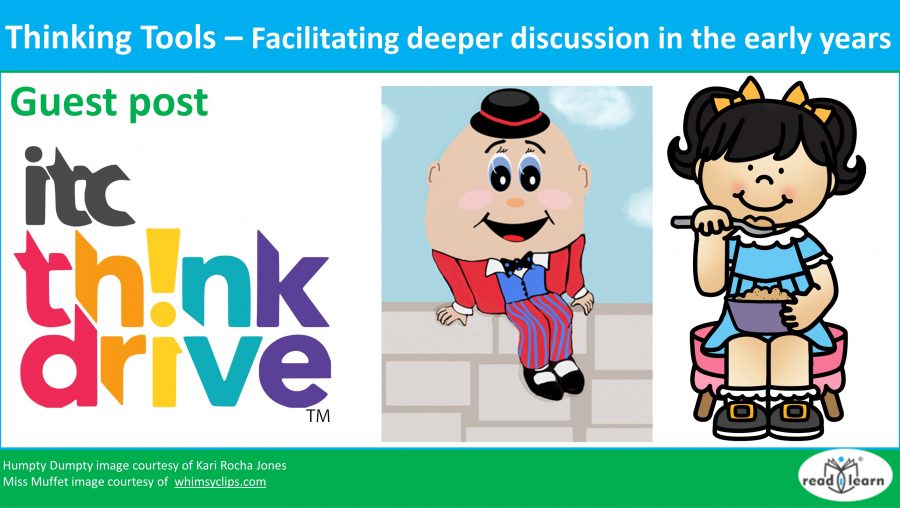
  • Thinking Tools – facilitating deeper discussion in the Early Years – #readilearn

    Thinking Tools – facilitating deeper discussion in the Early Years – #readilearn

    Article by Gerard Alford, Director of itc publications and thinkdrive and collaborator on readilearn.

    As announced last week, I am delighted to introduce Gerard Alford and the first of his series of guest posts for readilearn.

    Gerard is a very experienced and respected education consultant, author and education resource developer. He is passionate in promoting high-order thinking and cooperative learning through engaging and effective evidence-based teaching methods. His teaching resources inspire and support busy teachers in creating engaging pedagogy and time-saving strategies to encourage successful student outcomes. 

    The worth of using thinking tools is well documented; they provide a clear pathway for students to complete a given task, provide students the means to organise their research and thoughts in a systematic way, and provide teachers with a clear insight into their student’s thinking.

    That said, can thinking tools also be used to facilitate deeper discussion in the Early Years? I believe so, and here’s an example in action.

    Your students have just read two texts: Humpty Dumpty and Little Miss Muffet, and you now have asked them to compare these texts.

    Exactly what they compare (similarities and differences) will depend on the Year level; however, at a minimum, students will be comparing the events and the characters in the texts while also sharing their feelings and thoughts (as per ACELT1783).

    Continue reading: Thinking Tools – facilitating deeper discussion in the Early Years – readilearn

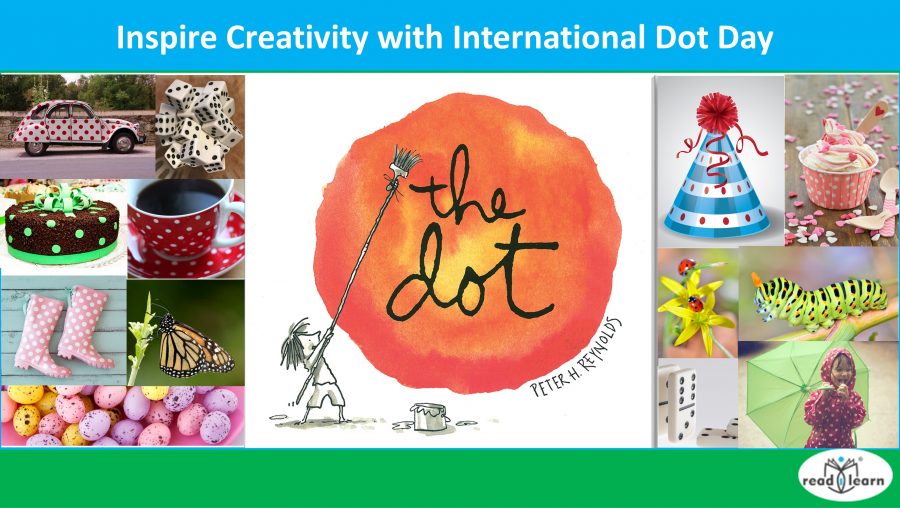
  • Inspire Creativity with International Dot Day – #readilearn

    Inspire Creativity with International Dot Day – #readilearn

    September 15-ish is International Dot Day.

    The goal of International Dot Day is to inspire people of all ages to embrace the power of personal creativity, to make their mark on the world, making it a better place.

    Creativity is important to me. I love being creative. I love inspiring creativity in children, and I acknowledge that it is only through creativity that we can innovate, advance and improve our world. For this reason, I am posting a day early to ensure you all know about International Dot Day in time to celebrate. However, any day is a good day to celebrate and promote creativity.

    The Dot — the book

    The Dot, written and illustrated by Peter H. Reynolds and published by Walker Books in 2003, tells of an art teacher who encouraged a young artist, who didn’t believe she could, to make her mark on a piece of paper. Although the story features an art teacher, Reynolds dedicated the book to his 7th grade math teacher who, he said, ‘dared me to “make my mark”.’

    Like Reynolds, I believe there is a spark of creativity in everyone and that a dot is as good a place as any to start. What I really love about this book, is the way the teacher encourages the student Vashti, who then goes on to encourage others in a similar way. The ripples of a ‘you can do it’ philosophy spread. Who know where they will reach? Hopefully everywhere.

    How International Dot Day began

    (from the website)

    International Dot Day began when Iowa teacher Terry Shay introduced his classroom to Reynolds’ book, and noticed the original publishing date of The Dot was Sept. 15, 2003. Shay and his students decided to celebrate the book’s birthday – and, little did they know, launched what would become a worldwide celebration of creativity and courage to “make your mark.”

    “The Dot, is an invitation to students to be creative, and experience a breakthrough in confidence and courage, igniting a journey of self-discovery and sharing, said Shay, a public school teacher for over two decades “Every great teacher works for those transformational moments.”

    Exploring the themes of creativity, bravery and self-expression, The Dot is a story of a perceptive and caring teacher who reaches a reluctant student who thinks she can’t draw by encouraging her to be brave enough to “just make a mark and see where it takes you.”  The Dot has been translated into many languages (including Portuguese, Chinese, Korean, Hebrew, Spanish and even Braille) and the animated film of The Dot (produced by Reynolds’ multimedia design and development firm FableVision Studios and co-producer Scholastic) earned the Carnegie Medal of Excellence.

    Continue reading: Inspire Creativity with International Dot Day – Readilearn

  • readilearn is Six Years Old Today! – #readilearn

    readilearn is Six Years Old Today! – #readilearn

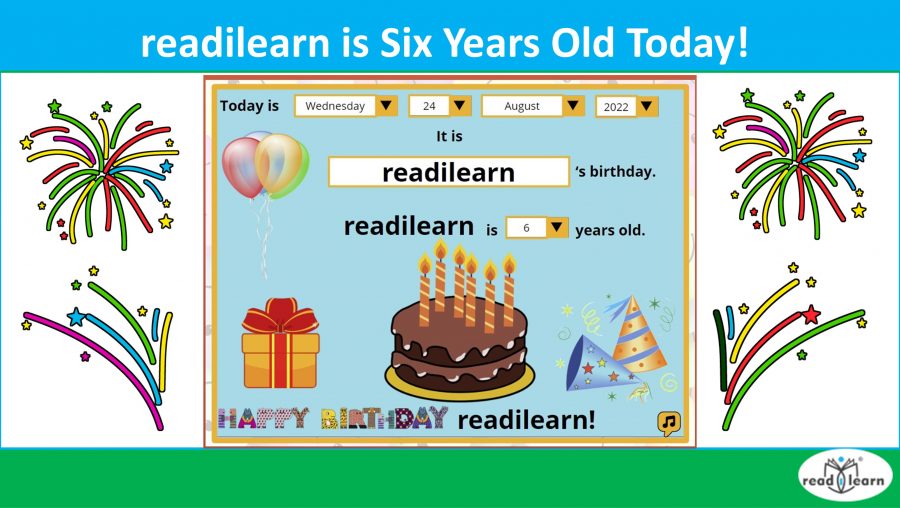
    Today, Wednesday 24 August 2022 is readilearn’s sixth birthday. Thank you for joining our journey.

    To celebrate this milestone, I have made a new birthday-themed interactive resource Make Words from the Word ‘Birthday‘.

    This resource is designed for use with the whole class on the interactive whiteboard. Children use the letters of ‘birthday’ to see how many smaller words they can make. Each letter can be used only once in each word.

    Children drag the letters to form new words, then type the words into the text box. The page of words can be printed if you wish to keep a record. Progress can also be saved for another lesson if you still have more words to find when the lesson is over. A printable PDF activity sheet for individuals or groups of children to use is also included.

    As a birthday gift from readilearn to you, this resource is available free until 14 September.

    It is just one of the birthday-themed resources in the collection. Others include:

    Happy Birthday — an interactive resource to personalise I used it to make readilearn’s sixth birthday card. The card can be personalised and printed for children on their birthdays.

    Continue reading: readilearn is Six Years Old Today! – readilearn

  • Lessons about recognising and counting Australian coins – #readilearn

    Lessons about recognising and counting Australian coins – #readilearn

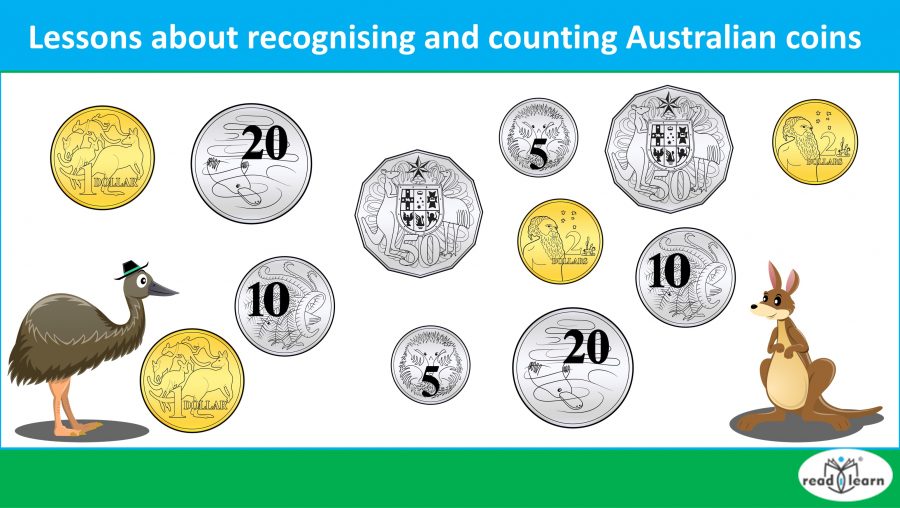
    Money is one of those things we all need to understand to be able to participate fully in life as we know it. I think it becomes more difficult for children to understand the value of money as we move towards a cashless society, but maybe that’s because I grew up pre-cards of any kind. Now many children only see transactions made with cards or even phones and watches. Many will have no need to enter a physical bank to deposit or withdraw funds or for any other reason. It is all done online. Perhaps learning about coins and notes will one day be relegated to history lessons, but for now I think it is still important for children to learn about them and their value and they still feature in the Curriculum. For this reason, I have made some resources to support your teaching of young children about our Australian coins and their value. (Lessons about notes will be added later.)

    Australian coins helps children learn to recognise, identify and describe the coins according to colour, shape and size, and the identifying icon on the tails side. Additional information is provided about the Australian animals and icons featured on the tails side of each coin. This lesson is ready to teach on the interactive whiteboard.

    Australian Coins – Let’s count $1 gives children practice in counting collections of coins to $1.

    There are three separate sections which can be used over a series of lessons.

    1. Count groups of coins of the same value that equal $1.
    2. Count collections of different coins that equal $1.
    3. Make collections of coins to equal $1.

    These lessons are interactive and ready to teach on the interactive whiteboard.

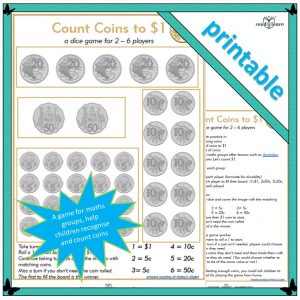
    Count Coins to $1 is a dice game that gives students practice in

    • recognising and naming coins
    • counting the value of coins to $1
    • comparing the value of coins.

    It is a perfect game for maths groups to follow-up lessons with Australian Coins and Australian Coins Let’s count $1.

    Continue reading: Lessons about recognising and counting Australian coins – readilearn

  • Provide a Context and Purpose for Reading with Procedures – #readilearn

    Provide a Context and Purpose for Reading with Procedures – #readilearn

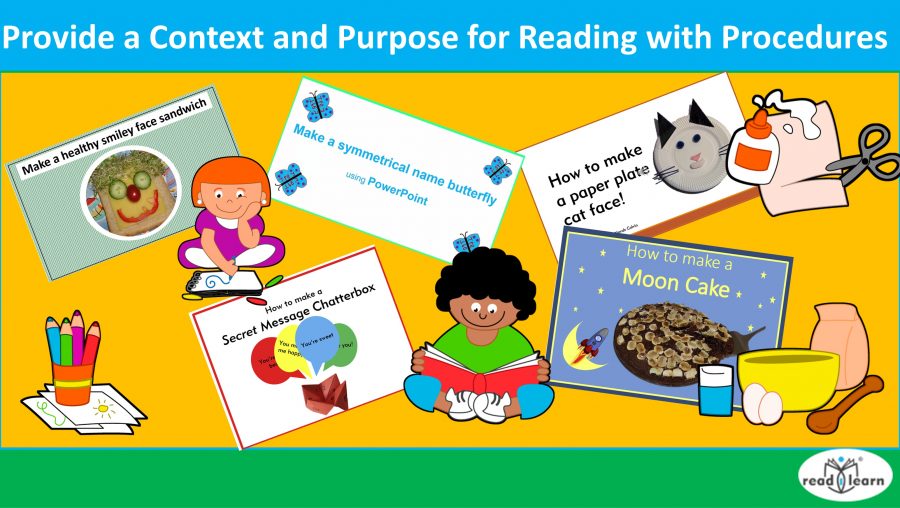
    This post is a revisit of one of the first posts I published on readilearn almost six years ago in 2016. Since it was first shared, I have added many more procedures to the collection. All procedural texts and activities can be found in the Procedures subsection of Literacy resources.

    Why teach procedures?

    Reading and following procedures are a part of everyday life. We need to follow a procedure to make a cake, take medicine, repair a bicycle, treat head lice, assemble a DIY bookcase, or install an app on a digital device. The list in inexhaustible.

    Sometimes procedures are presented as text, sometimes as illustrations or diagrams, and sometimes as a combination of both. They work best when each step of the sequence is accurately described and illustrated.

    However, not all procedural texts are created equal. Sometimes the language may be inappropriate and unclear. Sometimes steps are omitted or sequenced incorrectly. Sometimes diagrams have little resemblance to what is required and confuse, rather than clarify, the process.

    Trying to figure out what to do can cause a great deal of frustration in such circumstances.  The more practised we are with following procedures, the more adept we are at interpreting inadequate instructions to achieve a good outcome.

    It is never too soon for children to learn to read and follow procedures. The inclusion of procedural texts in a classroom literacy program has many benefits.

    Following a procedure provides a context and purpose for reading.  It requires children to interpret instructions through a combination of text and visual representation. It generally implies that children are doing or making something, which engages their interest and encourages participation. It develops an essential real-life skill that is transferrable to a range of situations. The sense of achievement in successfully completing a project is both affirming and empowering and often requires no other feedback.

    Procedural texts can be easily incorporated into a class reading program as an independent or group reading activity. An assistant to support, encourage and oversee can be invaluable.

    Features of procedural texts

    The reading of procedural texts differs from reading fiction or other non-fiction texts.

    Continue reading: Provide a Context and Purpose for Reading with Procedures – readilearn