I have always loved reading aloud to an audience, be it my own children, a class of children or, more recently, my grandchildren. I love the opportunity to escape into other characters and other worlds. I love to see the expressions on the children’s faces – anticipation, amusement, trepidation, relief, joy. I love the sounds and rhythms of the language. I love the intricacies of story, poem and information.
Reading stories aloud to children provides a great opportunity to establish a connection between author, reader and listener, a platform for sharing ideas, thoughts and dreams, an avenue for discussing ethical questions and implications of choices. These discussions may arise spontaneously and be child-initiated, or they may be pre-determined and teacher-lead as in philosophical discussions and bibliotherapy.
Some parents find reading to their children a chore, something tedious that must be squeezed in around the day’s busyness. I am lucky. I never did.
Some teachers find it difficult to make time for books in a content-driven classroom; but for me it was always priority.
Some parents are delighted when their children start reading for it means the daily read-aloud ritual can cease. I never was. Well, I was delighted that they could read, but we kept on reading together.
I read aloud with my children until they were almost teenagers. The books changed, but the joy of reading and sharing never did. During the teenage, and older, years we continued to discuss and share ideas about books we read and recommendations for reading. We still do: some for ourselves and some for the children, my grandchildren.
Many of you reading this post take your ability to read and write for granted, as do I. But around the world many children do not have the opportunity to learn literacy skills. According to LitWorld more than 793 million people worldwide remain illiterate. About two-thirds of those are women.
I was delighted when I read about World Read Aloud Day on Gail Terp’s blog. I have been following Gail’s blog for a little while now. She titles her blog: “The Best Blog for Kids Who Hate to Read”. She says that one of her top goals is to connect children with books they love and her posts provide recommendations of great books to read to and with children, as well as to be read by children.
“World Read Aloud Day is about taking action to show the world that the right to read and write belongs to all people. World Read Aloud Day motivates children, teens, and adults worldwide to celebrate the power of words, especially those words that are shared from one person to another, and creates a community of readers advocating for every child’s right to a safe education and access to books and technology.
By raising our voices together on this day we show the world’s children that we support their future: that they have the right to read, to write, and to share their words to change the world.”
Theodor Seuss Geisel: March 2, 1904 – September 24, 1991
Today, March 2nd is the birthday of Theodor Seuss Geisel, better known as Dr Seuss, author of over 40 children’s books.
While several of the Dr Seuss books were published before I was born, and many others published during my childhood, I have no recollection of meeting them prior to my years as teacher and parent. Fortunately those two roles provided me ample opportunity to catch up on the delights that I had previously missed.
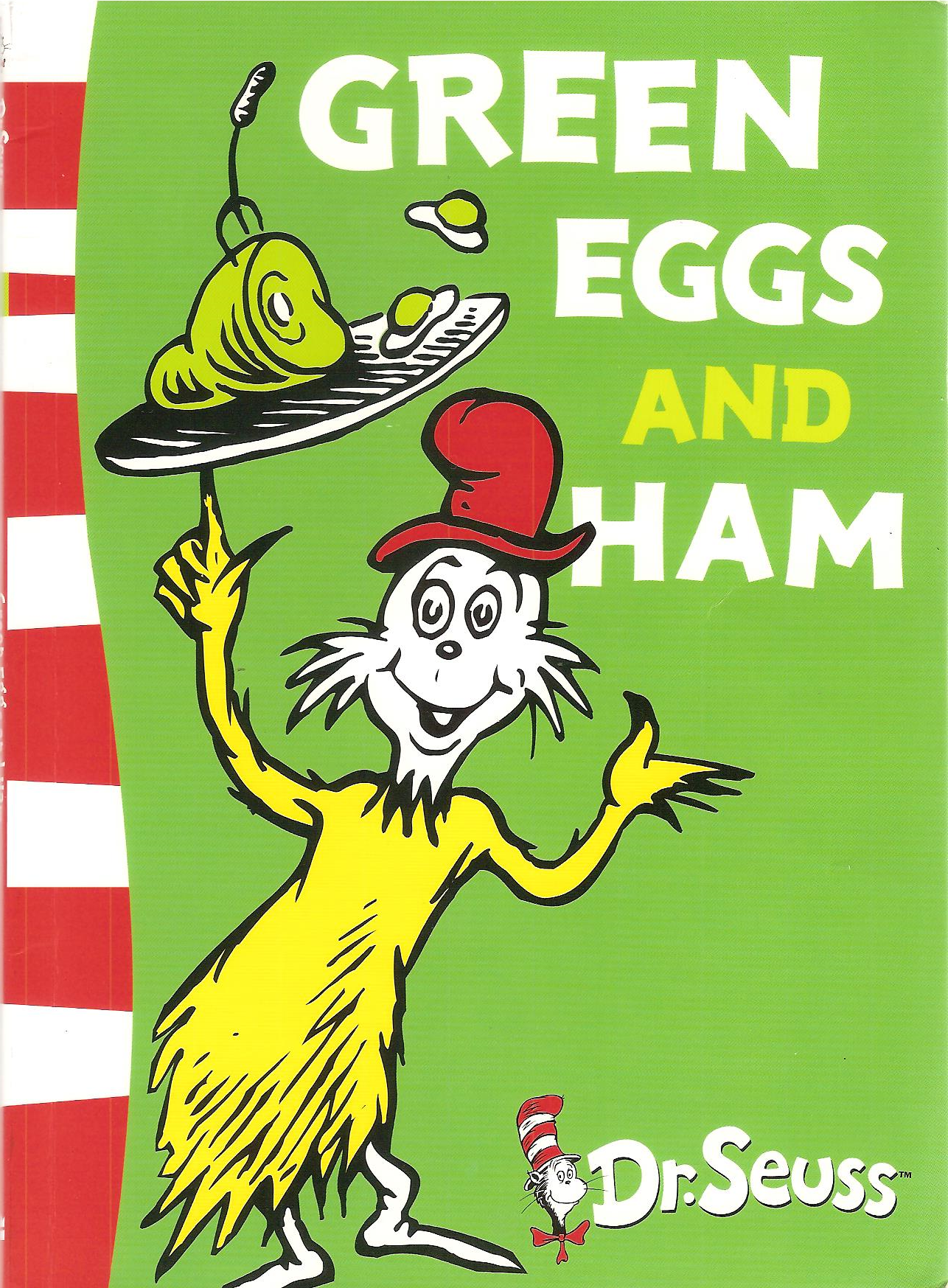
I even apologised to Dr. Seuss in a previous post for leaning heavily on his book Green Eggs and Ham when writing about my relationship with exercise. Click on Ode to Exercise to read my poem.
You could celebrate his birthday by checking out the fun stuff and information on his author site seussville.com
If you didn’t participate in the poll, but would like to, have a go now.
What did you answer?
If you are familiar with this book
you may have chosen both statements as correct along with one third of respondents in the poll.
In his book Eric Carle writes that
“He (the caterpillar) built a small house, called a cocoon, around himself. He stayed inside for more than two weeks. Then he nibbled a hole in the cocoon, pushed his way out and . . . he was a beautiful butterfly!”
If you either read or wrote one of the hundreds of thousands of articles about “The Very Hungry Caterpillar”, or about butterflies and caterpillars in general, published on the internet, you probably also identified those two statements as correct.
But if you did, just like Eric Carle, you’d be wrong!
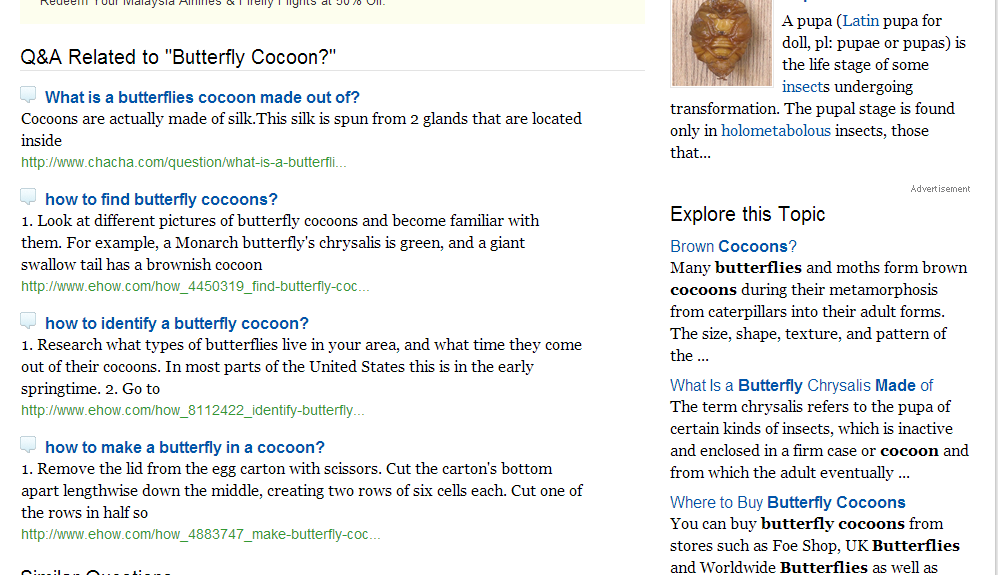
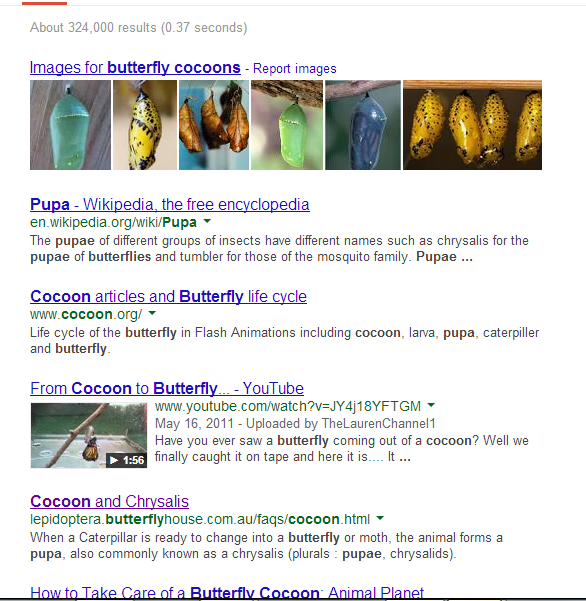
A caterpillar that undergoes metamorphosis to become a butterfly does not spin a cocoon and does not nibble its way out. The fully grown caterpillar moults into a chrysalis and, when ready, it splits the chrysalis to emerge as a butterfly.
For a series of beautiful photos showing the last moult of a caterpillar as it becomes a chrysalis, and another series showing a butterfly emerging from its chrysalis, click here.
Or watch this video by Strang Entertainment showing the caterpillar becoming a chrysalis
or this one by Neil Bromhall showing a butterfly emerging
A moth’s caterpillar does spin a cocoon and does nibble its way out (think of a silkworm cocoon and moth).
This video shows silkworm caterpillars nibbling hungrily away at the mulberry leaves. Then when a caterpillar is fully grown (about 2 mins in) it spins it cocoon.
Compare the process with that of a monarch caterpillar forming a chrysalis. It is a very different thing.
It is impossible to rely on the information provided by many of the websites to guide one’s use of “The Very Hungry Caterpillar” when working with children.
For example, on the website Math & Reading Help, these suggestions are made:
“Many Teaching Moments
Though it’s a very brief picture book with sparse and simple language, The Very Hungry Caterpillar conveys an impressive array of wisdom and lessons for children. Most prominent among these is the life cycle of a caterpillar. The caterpillar in the story begins his life as an egg, then progresses through the larva stage. The time in his cocoon is his chrysalis stage, followed by his adult appearance as a butterfly.
This is a factually accurate portrayal of how lepidopterans (sic), an order of insects including butterflies and moths, grow and change. It teaches your child to understand this biological process. When you encounter a caterpillar, you can refer to The Very Hungry Caterpillar and ask your child about what it’s doing, since it’s likely to be looking for food. Likewise, you can reference the book when you see a butterfly, noting how it’s a caterpillar that has emerged from its cocoon after its transformation.”
You have already picked out the inaccuracies in that statement, haven’t you?
Another website, Primary upd8 also suggests using the book for teaching children about the butterfly’s life cycle, and look how it promotes itself!
“When speaking to teachers I often find raised eyebrows when I explain that butterflies’ larvae do not make cocoons. The teachers refer to Eric Carle’s book, The Very Hungry Caterpillar, where he refers to a ‘cocoon’.
Why does this misinformation persist, and why did Eric Carle use misleading statements in his book?
Does it matter if children (and adults) think that butterflies hatch out of cocoons?
Eric Carle didn’t seem to think it did.
Unfortunately I was unable to locate for confirmation an article I’d read years ago. This article, if I recall correctly, reported a response of Carle’s to children enquiring why he had used “cocoon” rather than “chrysalis”. His response was one of disdain. What did it matter?
If you search Eric Carle’s current website for cocoon, this is the response you will receive:
While Carle concedes that most butterflies come from a chrysalis, he triumphantly states that one rare genus pupates in a cocoon! I confirmed this with the Encyclopaedia Britannica .
Does that one rare instance let Carle off the hook?
“Actually, the Parnassians pupate inside cocoon-like webs usually constructed among leaves or in rubbish piles.” (my underlining)
So not quite true and not quite off the hook Eric Carle.
In addition, although I couldn’t find the article I was searching for, I found this from Scholastic which shows that Eric was aware of the error and declined to change it.
“By the way, Eric already knows that a caterpillar emerges from a chrysalis, not a cocoon! So don’t bother writing to tell him. Eric explains how the famous “mistake” crept into the book:
“My editor contacted a scientist, who said that it was permissible to use the word cocoon. Poetry over science. It simply would not have worked to say, ‘Come out of your chrysalis!’ If we can accept giants tied down by dwarfs, genies in bottles, and knights who attack windmills, why can’t a caterpillar come out of a cocoon?”
There are many points for discussion in that statement:
His editor contacted a scientist – What sort of scientist? I would say one with questionable credentials or entomological knowledge.
Permissible to use the word “cocoon” – Why? For what purpose?
Poetry over science!!!!!!! Chrysalis is a beautiful word, specific to the butterfly. What could be more poetic than that? Poetic and scientific! What a great combination!
Why wouldn’t it have worked to say “Come out of your chrysalis”?
A caterpillar doesn’t come out of a cocoon. A caterpillar spins a cocoon; then a moth comes out of it; not a butterfly! (Except for the rare Parnassian butterfly.)
Is this issue, as Carle suggests, the same as giants and dwarfs, genies in bottles and knights who attack windmills?
What do you think?
Do picture book authors have a responsibility in imparting factual information to children?
“We writers – and especially writers for children, but all writers – have an obligation to our readers: it’s the obligation to write true things, especially important when we are creating tales of people who do not exist in places that never were – to understand that truth is not in what happens but what it tells us about who we are. Fiction is the lie that tells the truth”
Not quite the same thing I know, but an obligation nonetheless?
Though not there now, when I first looked at the Reading Rockets interview with Eric Carle this quote was prominently displayed beside it:
“The more that you read, the more things you will know. The more you learn, the more places you’ll go.”
— Dr. Seuss
A bit ironic, don’t you think?
How much of the responsibility should remain with the reader to verify the correctness/accuracy of what is read? How does one go about that?
I have always been a believer in the “question everything” approach. “Don’t believe everything you read,” I say. But sometimes knowing what to accept and what to question can be a difficult thing.
I’d love to know what you think. Please leave a comment in the comment box.
Here are links to some of the articles I referred to in this post:
When I first stepped, rather tentatively, into the world of blogging and tweeting I had no idea of the pleasures I would find. I found a whole community of others who share my passion for education, learning, literacy and writing. I found a comfortable niche, discussion group, and a place for sharing ideas like I hadn’t for a long time. I’ve “come home” on the internet.
In these few short months I have come across some bloggers with very powerful messages that I wish everyone could read and act upon in the ways described. What a wonderful world we would have!
Over the coming months I will let you know about some articles I consider ‘must reads’.
Please let me know of others you think I should also be reading!
Thanks for sharing and supporting me on my learning journey thus far.
The story has just begun!
This first in the series is a lecture given by Neil Gaiman entitled “Reading and obligation”
“It’s important for people to tell you what side they are on and why, and whether they might be biased.”
If you have read any other articles on my blog, you will know that I am biased; biased towards a child-centered, hands-on, creative and innovative approach to education. I believe that children are capable of far more than a structured didactic approach to schooling gives them credit for; and that big changes in the way education is delivered are necessary if we are to make best use of our most valuable resource – human potential.
As a reader, writer and literacy educator I am biased towards approaches which foster a love of reading and writing. The pleasures to be gained from a literate existence are immeasurable. But more than that, being literate is not only personally empowering, it is a basic human right.
Obviously the articles on my must read list will be those that share my biases.
Please follow the link to watch the video or read the complete transcript of Neil’s lecture.
I offer a few teasers below to incite your interest.
“everything changes when we read”
Wow! How powerful is that statement!
“The simplest way to make sure that we raise literate children is to teach them to read, and to show them that reading is a pleasurable activity. And that means, at its simplest, finding books that they enjoy giving them access to those books and letting them read them.”
“Fiction has two uses. Firstly, it’s a gateway drug to reading. . .
And the second thing fiction does is to build empathy.”
“Fiction can show you a different world. It can take you somewhere you’ve never been. Once you’ve visited other worlds, like those who ate fairy fruit, you can never be entirely content with the world that you grew up in. Discontent is a good thing: people can modify and improve their worlds, leave them better, leave them different.”
Don’t you love that last statement? I do. If we are always “happy” with the way things are, why would we ever try to improve or change them? A little discontent can be a good thing!
“We need to read and write, we need global citizens who can read comfortably, comprehend what they are reading, understand nuance, and make themselves understood.”
Neil goes on to talk about our obligations as readers, writers and citizens of the world.
He lists the following (read or listen for his explanation)
Read for pleasure
Support libraries
Read aloud to our children
To use the language
We writers – and especially writers for children, but all writers – have an obligation to our readers: it’s the obligation to write true things, especially important when we are creating tales of people who do not exist in places that never were – to understand that truth is not in what happens but what it tells us about who we are. Fiction is the lie that tells the truth (underlining is mine)
not to bore our readers
not to preach, not to lecture, not to force
never, ever, under any circumstances, to write anything for children to read that we would not want to read ourselves.
to understand and to acknowledge that as writers for children we are doing important work,
to daydream We have an obligation to imagine. . . . individuals change their world over and over, individuals make the future, and they do it by imagining that things can be different.
to make things beautiful.
to tell our politicians what we want
Neil reminds us that
“Albert Einstein was asked once how we could make our children intelligent. His reply was both simple and wise.
“If you want your children to be intelligent,” he said, “read them fairy tales. If you want them to be more intelligent, read them more fairy tales.“
I couldn’t agree more.
What about you? What do you think of Neil’s list of obligations? Are there any you would omit, or any you would add?
What is the purpose of picture books? Is their purpose simply to entertain with an interesting story and rhythmical language that is fun to read and recite? Is it simply, as I said in my previous post Searching for meaning in a picture book – Part A, “. . . a special time of togetherness, of bonding; of sharing stories and ideas . . . “ Could the purposes of picture books extend beyond entertainment alone? I think most people would acknowledge that reading picture books to young children has a profound effect upon children’s learning and development. In addition to entertainment, picture books can be used for a multitude of purposes, including:
to encourage a love of reading and books
to develop vocabulary and knowledge of language (through immersion and engagement rather than direct instruction)
to provide a link between the language of home and the language used in the wider community and in education
to support children embarking on their own journeys into reading
to inspire imaginations
to provide opportunities for discussing feelings, emotions, ideas, responses
to develop feelings of empathy, identification, recognition, hope
to instill an appreciation of art by presentation of a wide variety of styles, mediums and techniques
I’m sure you can think of many more than I have listed here. But what of knowledge, information and facts?
How, and when, do children learn to distinguish fiction from fact, or fact from fiction? At the moment that question is too big for me to even think about answering, but it is a question that I ponder frequently and may return to in future posts.
But what happens when the lines between fact and fiction blur and content, though presented in fiction, has the appearance of being based in fact? For example: The lion is often referred to as “King of the jungle” and appears in that setting in many stories. However, lions don’t live in jungles. According to Buzzle, they live in a variety of habitats and jungle isn’t one of them. You knew that didn’t you? But what about the children? When will children learn that lions are not really kings of the jungle? Do you think it matters if children grow up thinking that lions live in jungles?
What about when animals that don’t co-exist appear in stories together? For example: Penguins often share a storyline alongside polar bears. Does this encourage children to think that penguins and polar bears co-exist? When do adults explain to children that penguins and polar bears live at opposite ends of the planet? At what age do you think children will happen upon that information? Does it matter?
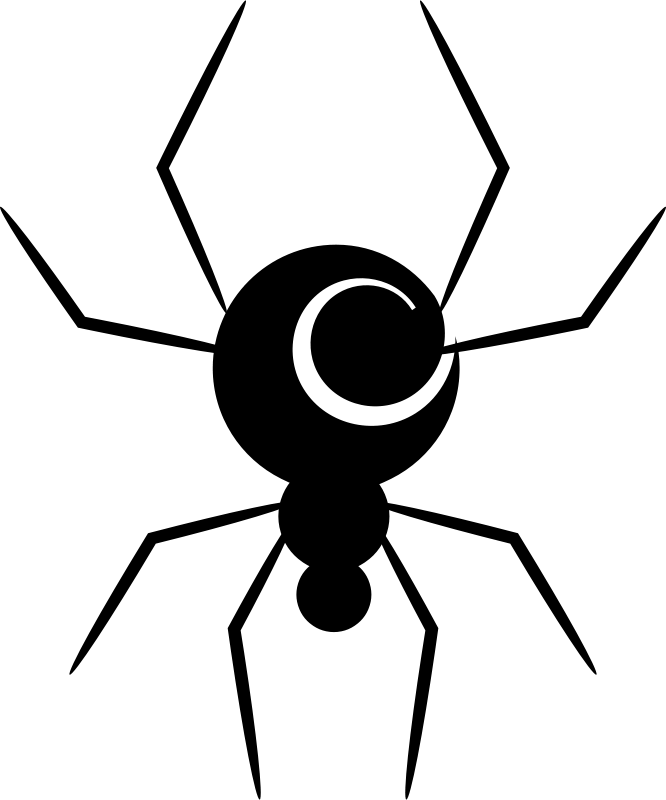
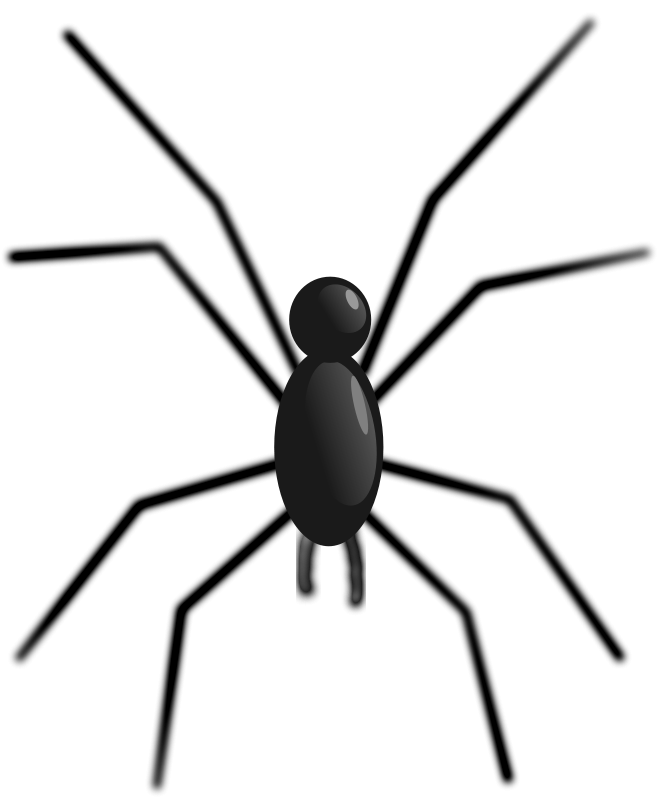
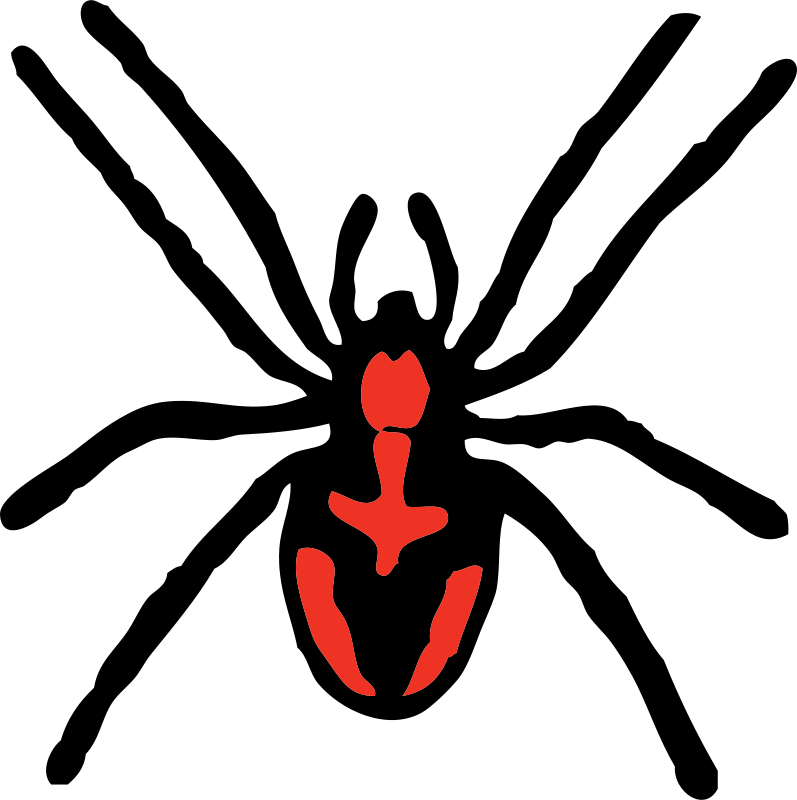
What about the way animals are visually portrayed in stories? Must the illustrations be anatomically correct? For example: We all know that spiders have eight legs. Right? If I was to ask you to draw a picture of a spider, how would you do it? Have a go. It will only take a second or two. I can wait.
They have less success is understanding what is wrong with the previous images. Spiders have eight legs. Those drawings show eight legged furry creatures. The story says they are spiders. That must be what spiders look like. Right? Unfortunately, real spiders look more like this one:
All eight legs are attached to the cephalothorax, not the abdomen (or even one body part) as shown in most picture books. While I am sure you drew a spider correctly (didn’t you?), most children and many adults draw them more as they are depicted in children’s stories. Is this a problem?
I am not for one moment suggesting that we get rid of fictional picture books and stories. I love them! And as I have said, and will continue to say, many times: they are essential to a child’s learning and development. There is no such thing as too many or too often with picture books. Instead, I would like you to consider the misconceptions that may be developed when the content of picture (and other) books may be misleading, and how we adults should handle that when sharing books with children. One of the books that gets me thinking most about this topic is “The Very Hungry Caterpillar” by Eric Carle.
As I said in a previous post, it has been published in over 50 languages and more than 33 million copies have been sold worldwide. I am almost certain that you will be familiar with it, and upon that assumption, I have one final task for you in this post. Please share your response to the question in this poll:
To be continued . . .
I would love to receive any other comments you would like to share regarding the content in this post.
I do apologize that I have been unable to get the text and pictures in the layout I desire. I obviously have more investigations to carry out and learning to do. 🙂
Maybe next time I’ll have it mastered, says she, hopefully!
When the topic “Maths” is mentioned in conversation among adults, including teachers, many of them moan, “I hate maths. It’s too abstract. I could never understand it. I can’t see the point in it.”
I think it is a sad situation that many such adults were turned off maths in school by teachers who didn’t introduce them to the beauty of maths, who didn’t teach maths in the context of real-life purposes and whose pedagogical kit bag was entirely filled with worksheets of meaningless and endless algorithms to complete.
I am one of those adults too. In my final years of high school I had a “teacher” who could do the math but couldn’t teach the math; couldn’t explain the why or the how, or any of the steps required to achieve understanding. Maths became an impenetrable forest of meaningless algorithms, formulae and theorems.
As both a parent and teacher of young children, I was determined to not be an instrument of math torture. Granted this may be easier with young children than it is with older students, but I’m sure there are still ways of making maths fun and meaningful in high school classrooms.
The suggestions in this article provide parents of young children with ways of finding maths in everyday contexts and incorporating mathematical learning effortlessly into holiday activities. Of course, the activities are of benefit at any time, not just during the holidays!
If you don’t have young children to inspire, or inspire you, please move on to the end of the article for some suggestions to excite your own interest in maths!
Although the word “counting” appears in the title, it is important to remember that maths is not just counting.
My list includes just a few suggestions for each of those strands to get you started. Need I say there is an infinite number of possibilities?
25 ways to keep children thinking mathematically during the holidays:
Number and place value
Count items e.g. birds in the sky, shells collected from the beach, people for lunch, steps in a staircase, windows on a house, seats in a bus . . .
Count out the cutlery required for each person at dinner
Include your child in shopping activities by helping them to:
Recognise the coins and notes
Count the value of coins and notes
Predict whether they have enough money to purchase an item, and whether there will be change
Tender the money in payment for an item
When your child is sharing e.g. the biscuits, balloons or slices of fruit, ask them to:
Predict if there will be enough for everyone to have one, or more than one each
Share out the items, allocating the same number to each
Determine if there are any left over and what to do with them
Use terms like half and quarter correctly, e.g. when cutting apples, oranges, sandwiches, pizza, to indicate pieces of equal size
Play games that involve counting, e.g. counting the number of skips, balls in hoops, pins knocked down or dice games like snakes and ladders that require adding as well as number recognition and counting
Make up number stories e.g. “We had five apples in the bowl. I ate one, and you ate one, how many are left?” “
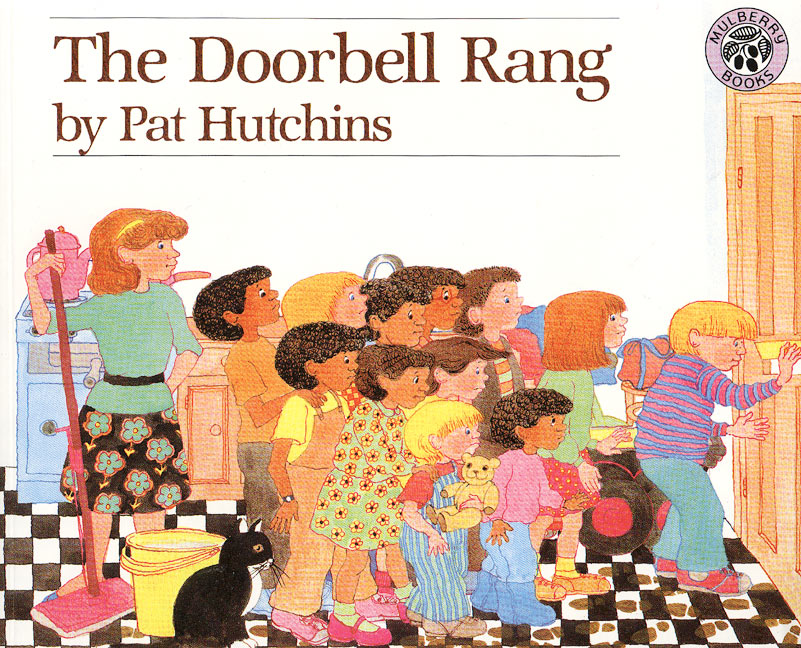
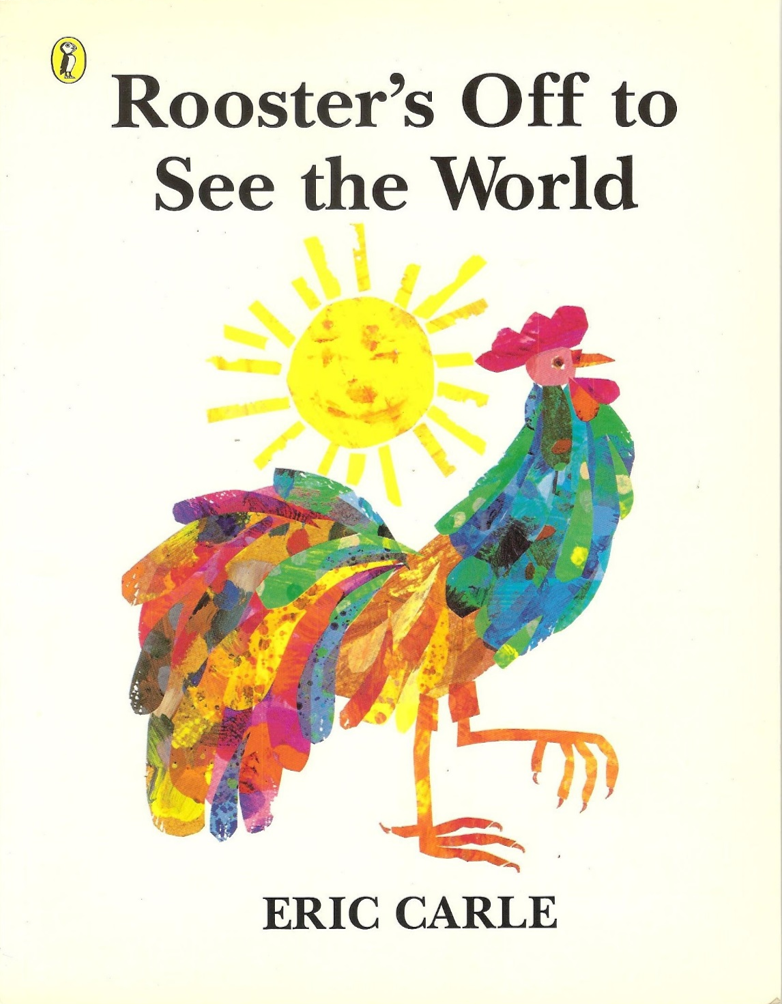
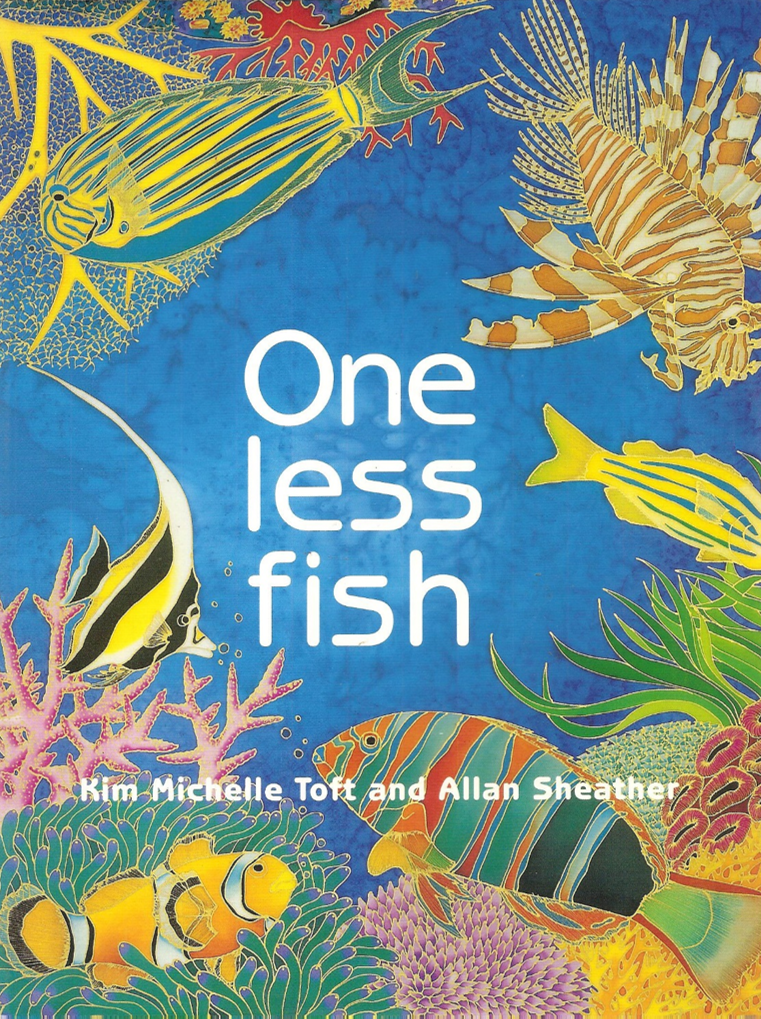
Read books with number concepts e.g. Pat Hutchins The Doorbell Rang, Eric Carle Rooster’s off to see the world or Kim Michelle Toft One Less Fish
Patterns and algebra
Use items to make patterns e.g. sort and create a pattern from shells collected at the beach, building blocks or toy cars
Look for patterns in the environment e.g. fences, tiles, walls and window, zebra crossings
Decorate cards and drawings with a patterned frame
Make gift wrapping paper by decorating with potato prints or stamp patterns
Measurement and geometry
Include your child in cooking activities and allow or support them to:
measure the ingredients
set the temperature on the oven
work out the cooking finish time
2. A child’s understanding of volume and capacity can be developed when they:
pour glasses of water from the jug and discuss terms such as enough, full, empty, half or part full, more, less
pour from one container into another of a different shape to compare which holds more and which holds less
3. Scales can be used to compare the mass of different items or quantities e.g. compare an apple and an orange, measure the mass of butter required for a recipe
4. Measuring length can be included by:
measuring and comparing height
cutting a length of string to tie a package
measuring who is closest to the jack in a backyard game of lawn bowls
5. Use the calendar to
Learn the names and sequence of days in the week or months in the year
count the passing days or the number of days until an event
6. Identify shapes in the home and environment e.g.
2D shapes: tiles on floor and walls, shapes of windows, sections of footpath
3D shapes: cereal boxes (rectangular prism), balls (sphere), bottles or cans (cylinder), dice (cube)
7. Play games that involve shapes e.g. jigsaw puzzles, tangrams
8. Talk about directions e.g. left, right, forwards, backwards and follow directions on a grid
9. Play games that involve directions and movement in space e.g. battleship, Hokey Pokey, Simon Says, snakes and ladders, ludo
10. Read and discuss books that include measurement concepts e.g. Pamela Allen: Who Sank the Boat? (volume); Eric Carle: The Very Hungry Caterpillar (days of the week) and The Bad Tempered Ladybird (time); Penny Matthews and Andrew McLean A Year on our Farm (months and seasons); and for looking at places on a map Mem Fox Sail Away The ballad of Skip and Nell or Annette Langen & Constanza Droop Letters from Felix
Probability and statistics
When discussing the weather or desired activities include the language of probability e.g. possible, certain, likely, unlikely, impossible
Encourage children to collect data about family or friends by asking yes/no questions e.g. do you like swimming, or making a graph of the family’s favourite colour or meal.
Play games with spinners and dice and talk about the likelihood of spinning or throwing a particular number
This list is really just a beginning. I’m sure you will add many more suggestions of your own.
For your convenience, the list is available to download FREE in my TEACHERSpayTEACHERS store.
As promised I will leave you with a few suggestions to spark your own interest in and love of maths. Be sure to check them out:
These are must listen TED talks by Arthur Benjamin:
My gorgeous little granddaughter, Anna, turned two last Sunday.
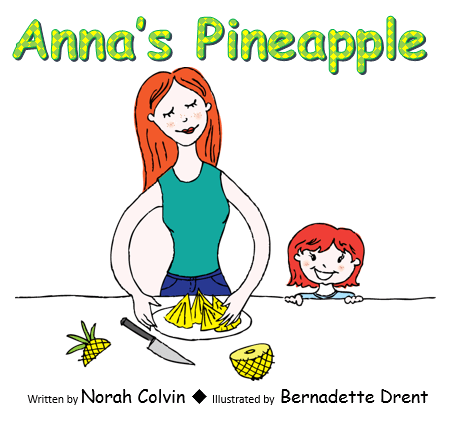
This is a story I wrote for her in celebration of her big day.
It is based on a real event that occurred a week or two earlier. She just could not understand why her grandfather Bob had scoffed all the pineapple and left no more for her. He, of course, didn’t realise that the pineapple had been left for later, and thought that he was merely finishing off the leftovers.
Anna’s Aunty Beckii was most amused, as was the rest of the family, that Bob had eaten it all as he had already earned the title of “Bob the scoffer” by Anna’s big brother Artie. I must add that Aunty Beckii and Uncle Glenn had both given Artie considerable encouragement in bestowing this title!
I am very grateful to Bernadette Drent who illustrated the story so well with only 2 days notice. I think she did a fantastic job and really captured the humour of the story.
Have a read and let me know what you think. I’d love to know if it deserves a readership wider than that of family members.


</a>)














 Norah Colvin