Live Love Laugh Learn … Create the possibilities

Tag: Family

  • Festa #99WordStories

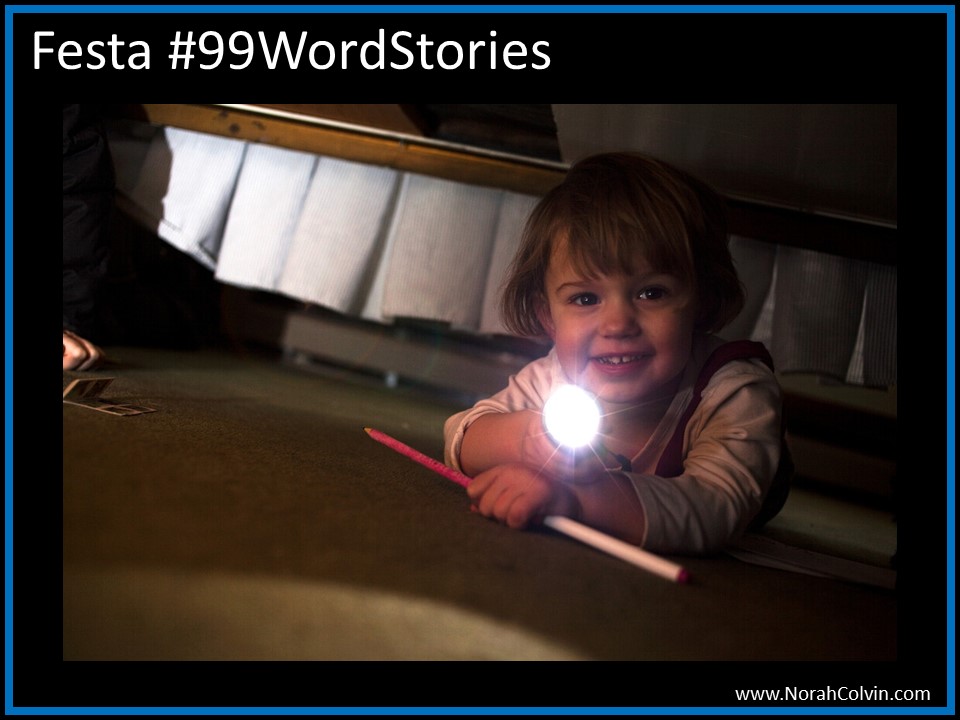
    Festa #99WordStories

    This week at the Carrot Ranch, Charli Mills challenged writers to In 99 words (no more, no less), write a story about a festa. It can be any festival, celebration, or use of the word. Is it food-related or an event? Is it an object or a shout-out? Who is involved and why? What happens? Go where the prompt leads!

    For my response, I’ve stayed with Josie and the aunts I introduced in two previous stories, A Dark Horse and Whether the Weather. I’m not sure where these characters have come from, but I’m having fun getting to know them. Be assured that they are not based on anyone, currently or previously living, I know.

    Family Fun

    The celebration was progressing in the usual Festa fashion. The aunts huddled down one end, criticising and badmouthing anyone out of earshot, and even some who weren’t. The men propped up the bar ensuring they didn’t miss their fair share of the free-flowing beer. The children played spotlight outside, relishing the lack of supervision. Any young people whose protests had failed wished they were somewhere, anywhere, else. Including Josie. The stranger, who’d become more intriguing with the aunts’ warnings, was totally self-absorbed. Seems the cool exterior was just that. Nothing of substance below.  Now what was Josie to do?

    Thank you blog post

    Thank you for reading. I appreciate your feedback. Please share your thoughts.

    Note: The collection of stories made in response to the previous prompt The Weather Arrives, including mine, can be read at the Carrot Ranch.

  • Love me, Love my ADHD by Chrissie Davies – a review – #readilearn

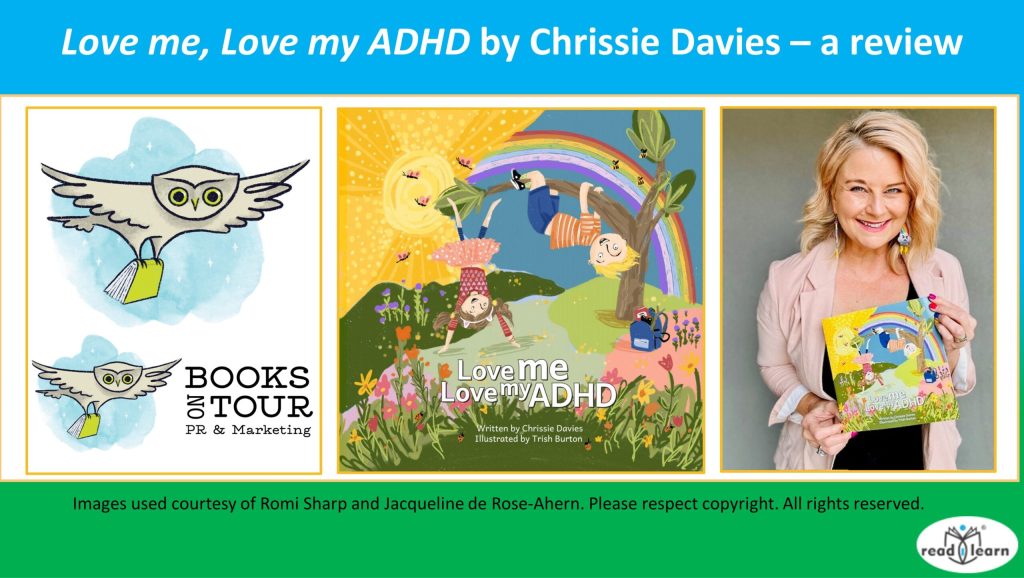
    Love me, Love my ADHD by Chrissie Davies – a review – #readilearn

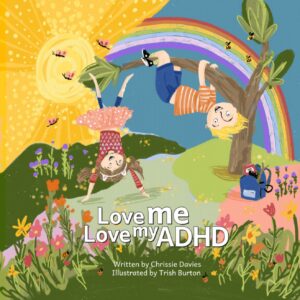
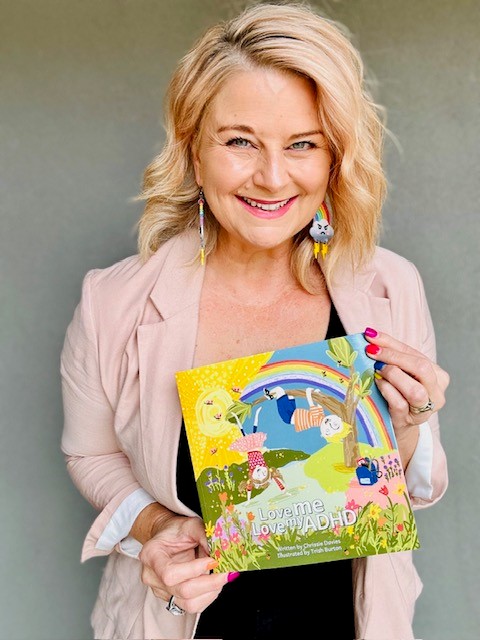
    Today it is my pleasure to review a beautiful new picture book Love ME, Love my ADHD written by Chrissie Davies, illustrated by Trish Burton and published by Chaos to Calm Consultancy. This post is part of a Books on Tour promotion.

    About Love ME, Love my ADHD ­– the blurb

    For ages 5 – 12

    ADHD kids are pretty amazing! They have a special way of thinking that’s different from their neurotypical friends, which can sometimes make them feel like they don’t fit in. But don’t worry; with the right support from family, friends, and peers, ADHD kids can do incredible things!

    Welcome to the world of Clancy and Tully – they see the world a little differently and in the most amazing ways!

    Love Me, Love My ADHD is a heartwarming book that shines a light on the world of children (and families) living with ADHD.

    Focusing on the strengths and challenges that come with being an ADHDer, this book emphasises that ADHD is not a one-size-fits-all experience and that no two ADHDers are the same.

    Even on their hardest days, our ADHDers have something valuable to offer, and we should always celebrate our differences. Now you can spend a day in the life of these kids and see how their family, friends, and peers support them to achieve their best.

    Written by child behaviour expert Chrissie Davies and illustrated by Trish Burton, Love ME, Love My ADHD encourages families, educators, and, most importantly, children to understand this complex neurotype and how it presents itself in the human brain.

    Includes strategies and resources for parents, caregivers, and teachers.

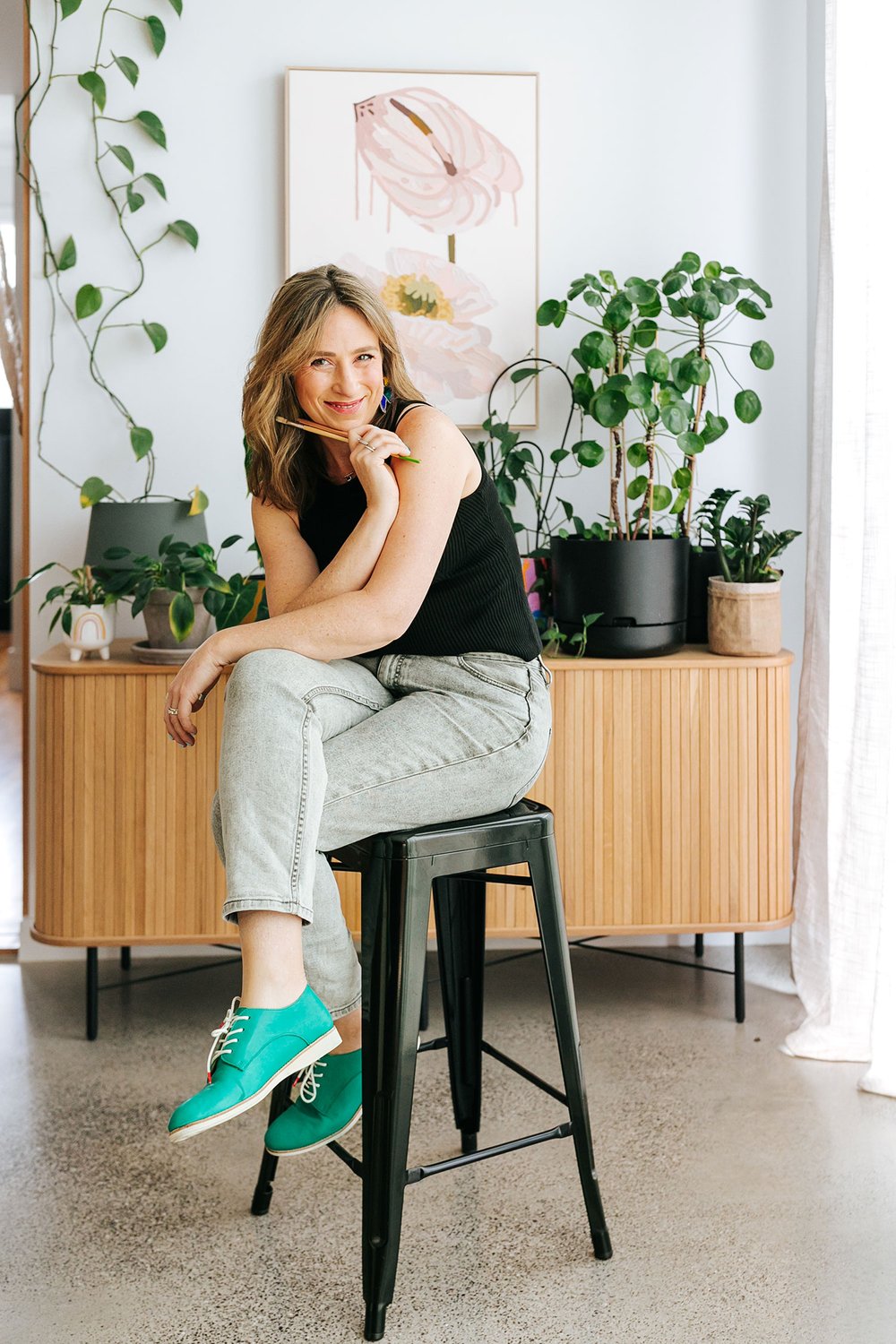
    About author Chrissie Davies

    Chrissie Davies is a child behaviour expert, trauma informed educator, consultant, writer, guest speaker, loving mama of two, and passionate advocate for understanding neurodivergent children. She is committed to empowering and supporting families to live their life with radical acceptance, curiosity, playfulness and a bucket load of love. She lives with her husband and young family on the Surf Coast of Victoria.

    Chrissie can be found at her website: https://www.chaostocalmconsultancy.com/ and on social media at Facebook Instagram. 

    About illustrator Trish Burton

    Trish Burton is a Melbourne based artist, illustrator and educator with a dedication to inspiring creativity in others and creating artworks and illustrations that captivate audiences and set brands apart. She skillfully manages to add a little piece of her magnetic personality to all she creates through her love of pattern and colour. Trish is an Artist, Illustrator, Educator and lover of everything creative!

    Trish can be found at her website: https://www.trishburton.com.au/ and on social media on Instagram.

    What I like about Love ME, Love my ADHD

    The vibrant colours and energetic illustrations are immediately captivating, and the opening text invites us to enter to find out about the world of ADHDers, telling us it may not be what we expect.

    Continue reading: Love me, Love my ADHD by Chrissie Davies – a review – readilearn

  • Smorgasbord Posts from Your Archives – #Family – Reflections on Learning by Norah Colvin

    Smorgasbord Posts from Your Archives – #Family – Reflections on Learning by Norah Colvin

    I’m over at Sally Cronin’s wonderful blog again this week, sharing another post from my family archives. However, this time the post author is my wonderful daughter who shares her thoughts on being home educated. We’d all love it if you popped over to read and share your thoughts.

  • Smorgasbord Posts from Your Archives – #Family – Understanding family relationships by Norah Colvin

    Smorgasbord Posts from Your Archives – #Family – Understanding family relationships by Norah Colvin

    Sally Cronin has featured my post about understanding family relationship in her Smorgasbord Posts from your Archives #family series. If you missed it the first time, you might like to pop over to Sally’s to read and check out other posts on Sally’s wonderful blog.
    Thank you so much for sharing, Sally. It’s a pleasure to feature on your blog.

  • Mending fences

    Mending fences

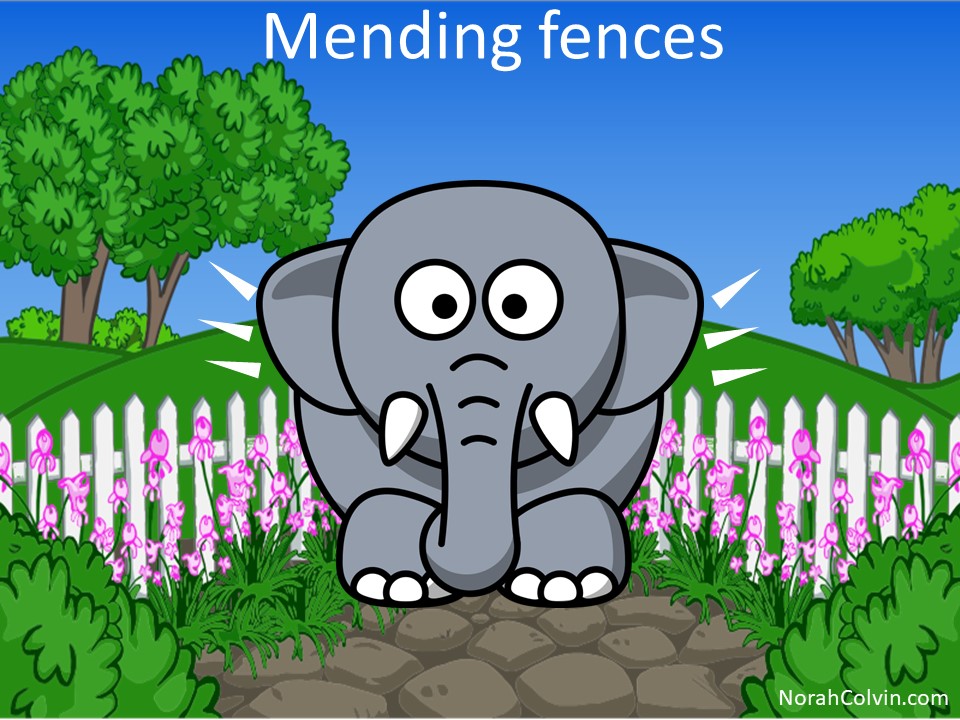
    What time is it when an elephant sits on the fence?

    Time to get a new one!

    Mending fences #flash fiction prompt from Charli Mills at the Carrot Ranch

    This week, when Charli Mills at the Carrot Ranch challenged writers to In 99 words (no more, no less) write a story about a broken fence. You can mend it, leave it, or explain its place in a story. Go where the prompt leads, I spent quite a bit of time fence sitting, undecided about which fence story to choose.

    As you know, there are many types of fences: literal, metaphorical, even imagined. Fences are usually built to contain things, to keep people or things on one side or the other, or to define a boundary and possibly restrict passage. But the term “mending broken fences” has a different nuance of meaning. In this use, it means to repair a broken relationship as opposed to improving boundary security.

    But which fence should I choose?

    Should I share some history?

    Rabbit-Proof Fence

    This year marks the one-hundredth anniversary of my family (grandfather, grandmother and their young family – my father, the fifth of nine, was born three years later) taking up residence on a property owned by the Rabbit Board. My grandfather was a boundary rider until 1955, repairing the fence built to protect farming and grazing lands from the destructive introduced species. His youngest son replaced him, continuing until the role terminated in 1957. My uncle purchased the property from the Rabbit Board and lived there with his family until his death this year not long after the anniversary celebrations.

    or perhaps reminisce?

    The Cow Jumped Over the Fence

    Until I was six, my parents were small crop farmers. The farm didn’t generate much income and there were more bad years than good. To help feed the growing family (there were six of us by then) Mum and Dad invested in chickens for both eggs and meat and a milking cow. The first cow knocked down the fence and escaped to freedom. Dad repaired it and bought another cow, which squeezed under the fence. After a third cow jumped the fence, Mum and Dad decided milk deliveries were a better option and we kids never learned to milk.

    Note: I did write about this incident, a little differently, here.

    Should I plan a lesson?

    Teaching positional prepositions with The Elephant’s Fence

    Make a fence from pop sticks.

    Make an elephant using different-sized pom poms for body and head; pipe cleaners for legs, trunk and tail; paper or felt for ears; and googly eyes.

    Place your elephant according to these instructions:

    • Beside the fence
    • In front of the fence
    • Behind the fence
    • Under the fence
    • Between the palings
    • Next to the fence
    • Above the fence
    • Below the fence
    • On the fence.

    Now choose a place for your elephant to be. Tell your elephant’s story:

    • Why is it there?
    • How did it get there?
    • What is it doing?
    • What will happen next?

    or attempt a story?

    Sometimes it is the imaginary fences that can be more limiting. Sometimes it’s better to leave things that aren’t broken in the first place.

    Broken with intent

    The fence was too high to jump or even see over, no footholds to climb, and palings too close to squeeze or even peer through. It hugged the soil too compacted to dig. It seemed impenetrable, and so intrigued. He stacked boxes for makeshift steps—not high enough. Finally, he hatched a plan—balloons! He blew them big and tied them tight, attached some string, and waited. And waited. Then a gust of wind lifted him high, over the fence, where another, just like him, smiled and said, “Should’ve used the gate; latch is broken—always open to friends.”

    Thank you blog post

    Thank you for reading. I appreciate your feedback. Pleasure share your thoughts.

  • Home is where the start is

    © Norah Colvin
    © Norah Colvin

    Early childhood years, from 0-8, are the formative years. It is during these years that most is learned. Children learn about the world through their explorations. They learn about themselves through the responses they receive from others, and learn about others through these responses also. Attitudes to most things begin in the home.

    Children require warm, nurturing, positive relationships that demonstrate the way life should be lived, in actions, not just words. As Anne Goodwin, former psychologist says, the interactions with significant adults will greatly influence the adult that the child becomes.

    If home is where it starts, then we can’t wait until the children are of school age. By then it’s too late. It is relatively undisputed that it is difficult for children to catch up what may have been missed in those early years. Sadly, much of the intense formal work in school does more to alienate these children further, rather than improve their opportunities for learning.

    Therefore, we must begin in the home, and I don’t mean with formal structured programs. I mean with fun activities that validate parents and children and provide them with opportunities and suggestions for participation and learning.

    Guiding parents in play sessions for parents and children.
    Guiding parents in play sessions for parents and children. © Norah Colvin

    It is these beliefs that informed my home-based business Create-a-way,

    © Norah Colvin
    © Norah Colvin

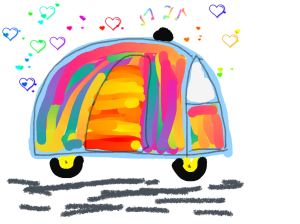
    and my idea for an early learning caravan that, staffed with an early childhood educator, would

    •  go to the parents and children in their neighbourhoods, meeting in a local park or community greenspace, on regular weekly occasions;
    • invite parents to talk with, read to and play with their children using provided books, games and toys;
    • model positive parenting behaviour, explaining to parents the benefits to their children of engaging with them in activities and discussions;
    • provide suggestions for inexpensive and easy activities to do at home;
    • encourage borrowing from a book and toy library.

    Of course, for many parents, such as those reading this post, nurturing a child’s development is almost second nature. They have the education and resources, and a belief in the benefits, to empower them to nurture their children’s development. They require little additional support.

    Requiring most support are those without the benefits of education, resources or a belief that life could be improved. If all they have experienced through school systems is failure and rejection, they will have difficulty in perceiving any purpose in trying. It is these parents and their children that we need to reach. If they feel valued, they in turn may find value in others. If we improve the lives of those marginalised by poverty or lack of education, it must contribute to improving our society, and our world, in general. This will help us to feel safe in our homes, in our localities and in the wider world.

    This week at the Carrot Ranch, Charli Mills is talking about homes and the importance of having a roof over our heads. The way we treat each other, especially those hurting, indicates there is a greater need for compassion and for those in need to receive a helping a hand.

    In my response to Charli’s flash fiction challenge to In 99 words (no more, no less) write a story about home, I attempt to show that the situation in which one is raised is not always a self-fulfilling prophecy. Out of the cruellest situations, hope can be born. We, as a society, need to do what we can to give hope to many more, to help break the cycle of despair.

    81

    The birth of Hope

    Startled by the blueness of eyes and the intensity of unfamiliar feelings, she suddenly relaxed, as if finally, home.

    She’d not known home before: not locked in a room with hunger the only companion; not shivering through winters, barefoot and coatless; not showered with harsh words and punishments.

    She’d sought it elsewhere, mistaking attention for something more. When pregnancy ensued; he absconded. They kicked her out.

    Somehow she’d found a place to endure the inconvenience. Once it was out, she’d be gone.

    But now, feeling unexpectedly connected and purposeful, she glimpsed something different —a new start, lives entwined: home.

    Thank you

    Thank you for reading. I appreciate your feedback. Please share your thoughts.

  • You’ve got a friend in me


    https://openclipart.org/detail/117199/Friendship
    https://openclipart.org/detail/117199/Friendship

    One of the greatest contributors to a child’s happiness at school, indeed for happiness in life, is friendship. Talking with children about their day at school will more than likely contain some reference to their friends; who they played with, who they didn’t, who was absent, who was mean. If they felt sad during the day it was possibly because someone wouldn’t play, wouldn’t let them play, or was mean.

    Getting along with others seems to come naturally to some children, especially to those who see positive social skills modelled by parents and family friends, who are given lots of opportunities to mix with others of all ages, and who are encouraged to express themselves and their feelings. Other children don’t find it so easy, sometimes due to lack of positive role models, but often for other reasons.

    http://www.morguefile.com/
    http://www.morguefile.com/

    Most children require some explicit teaching from time to time, for example to share, take turns and to use friendly words. Many schools incorporate the development of friendship skills into their programs. Some schools, such as one that employed me to write and teach a friendship skills program in years one to three, develop their own programs. Other schools use published materials such as the excellent You Can Do It! program which teaches the social and emotional skills of getting along, organisation, persistence, confidence and resilience.

    In the early childhood classrooms of my previous school, we used the songs, puppets and stories included in the You Can Do It! Program. We also involved children in role play and discussion, providing them with opportunities to learn the language and practice the skills in supportive and non-threatening situations. Having a common language with which to discuss feelings, concerns and acceptable responses meant issues were more easily dealt with. More importantly children learned strategies for developing positive relationships and friendships with others. They came to understand their own responses as well as those of others.

    SMAG ccbyncnd

    I have talked about friendship in many previous posts, including here, here and here. My online friend Anne Goodwin, who blogs at Annecdotal even wrote about it in a guest post here, and I described friendship trees that I used with my class here.

    Friendship tree

    In this post I want to acknowledge a new friend and a long-time friend. (I can’t say ‘old’. She’s younger than I!)

    My new friend is Pauline, The Contented Crafter. At the beginning of last week Pauline announced a very generous giveaway for Christmas which I shared with you here.  Pauline invited readers to nominate someone as a deserving recipient of her beautiful Christmas light catcher. She posted the nominees and their stories here and invited readers to vote for the two they would most like to receive the light catcher.

    pizap1

    I nominated Robin, a friend of over thirty years. That must be deserving of an award in itself! In case you missed her story on Pauline’s blog, I include it here so that you can understand why I value her friendship so highly.

    I have a wonderful friend for whom this beautiful light catcher would be a perfect gift. Each of its strands holds a special significance, as if Pauline had her in mind.

    She gifted her friendship to me more than thirty years ago and, thanks to a miracle and the protection of angels, it is a gift that continues.

    Over twenty years ago, on my birthday, she was involved in a serious car accident. My birthday became her life day, a constant reminder that life and each passing year is a precious gift. 

    Her many injuries, requiring numerous surgeries over the years, did not injure her bright, cheerful nature and positive outlook on life. Although she lives with constant pain you wouldn’t know unless you asked, and then only if she chose to tell you.

    She has an enormous generous and loving heart, and her home is warm and welcoming. Family, especially her two grown daughters and her dear Mum who passed this year, is important to her. She loves to bake and craft individual gifts for her family and friends. She is always busily thinking of others.

    She is a gifted musician and amazing music teacher. She plays the flute and sings like a Robin. She incorporates music and fun into classes for children and lessons for adults learning English. All come to her classes eager to learn and leave singing with joy and acceptance.

    At Christmas the family gather round to decorate the tree and “remember the moments” marked by ornaments made by smaller hands, collected on travels, or signifying achievements and occasions like graduations and engagements.

    I know my friend would treasure this beautiful light catcher as another reminder of life’s precious gifts and moments that make it magic. Thank you Pauline for the opportunity to express openly how much I value her friendship.

    You can find out more about Robin on her website and even purchase her wonderful CD “Notes from Squire Street”.

    Robin - Notes from Squire Street

    I am very excited to say that Robin is included in Pauline’s list of winners. In fact Pauline’s generosity is being extended to many of the nominees, and even to one for commenting on the post. Very soon Pauline’s light catchers will be dispersing rainbow light of friendship and joy around the world. I think that is a beautiful and generous gesture.

    Thank you

    Thank you for reading. I appreciate your feedback. Please share your thoughts.


  • Five Photos Five Stories — Day five

    Back to Day one (books) and introduction to the challenge

    Back to Day two (writing)

    Back to Day three (Break out)

    Back to Day four (My retirement jetski)

    Happy birthday to me!

    I had a wonderful day today. It was both my birthday and my final day of work for Education Queensland, my on-again off-again employer for more than half of the forty+ years since I began my teaching career.

    My work colleagues spoiled me with kind words and wishes and generous gifts. We celebrated with lunch yesterday and morning tea today and shared stories, laughs and wishes for each other for the future. They made me a beautiful photo book filled with their thoughts and wishes. I think it is my new favourite book and will remain so for a very long time.

    It was quite overwhelming to have such a demonstration of appreciation for my contribution to the team, especially when my intention was just to flutter out quietly as if carried on butterfly wings. They are a wonderful group of people and I was very fortunate to have the opportunity of working with them. They definitely belong to S.M.A.G. and I showed my appreciation for them by having some magnets made up to tell them so.

    For morning tea I took along a marble mudcake in remembrance of the marble cakes my mother used to make for my birthdays. I intended to post a photo of the cake but got carried away chatting and totally forgot until it was almost all gone.

    However I have something more special to share.

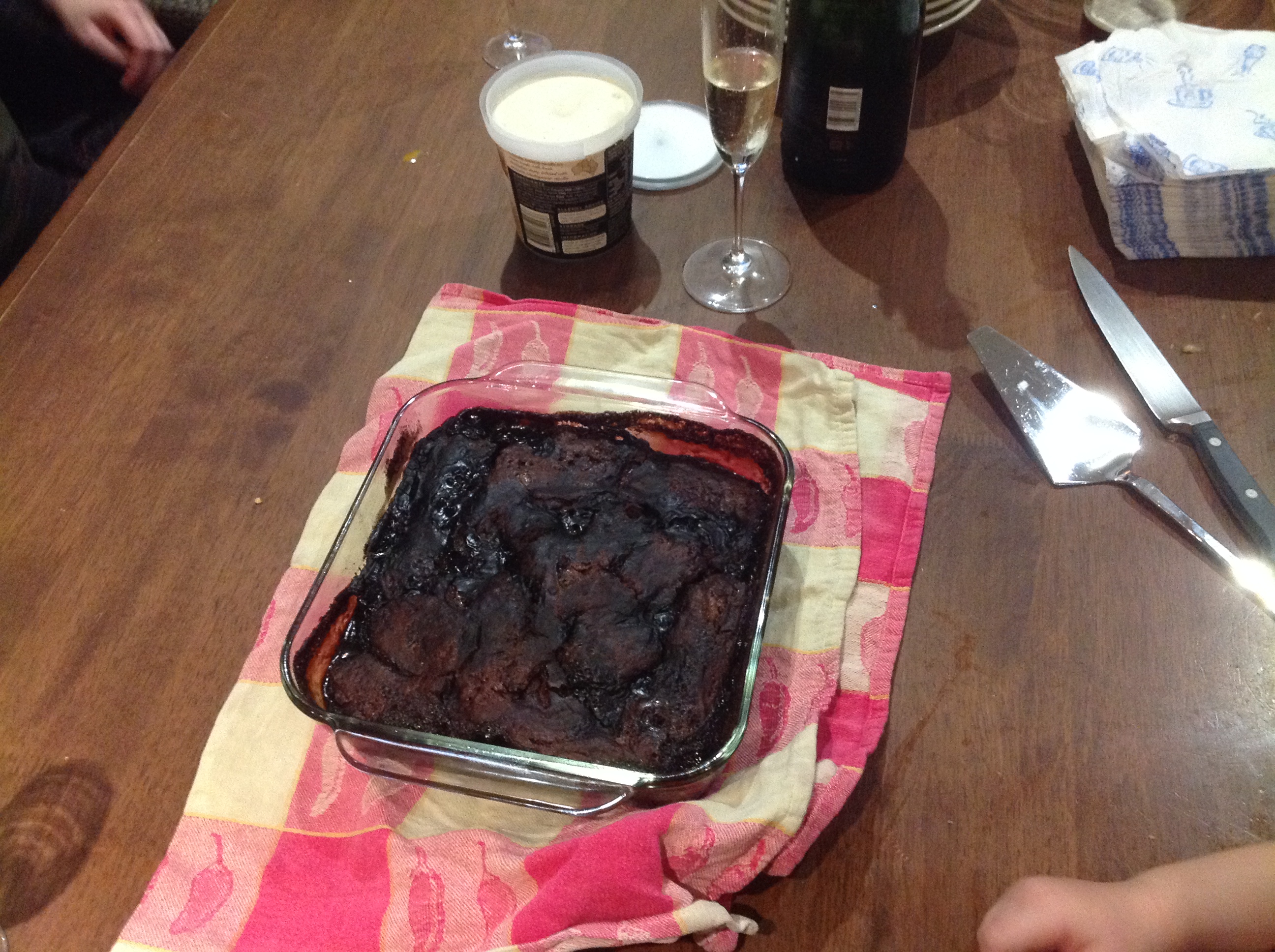
    I had dinner with my family at the home of my son and his partner and children. Bec and Glenn were there, and Bob, and my sister Ruth. We had Thai take away, one of my favourites. But what was very special was that Rob and the children made a chocolate self-saucing pudding for dessert. It is Rob’s speciality. I’m sorry there’s not enough to share, but I assure you it was delicious!

    Rob's self-saucing pudding 18 June 2015
    Rob’s self-saucing pudding 18 June 2015

    Of course my family spoiled me too with wonderful gifts and birthday wishes.

    This is my last post in a series of five in response to a challenge by Geoff Le Pard. Thank you, Geoff. I enjoyed the challenge though I wrote more than I thought I would.

    My week has been extremely busy with things to organise for my last week in this job as well as respond to this challenge so I have not kept up with reading posts and responding to comments on mine. Hopefully I’ll be able to remedy that real soon. Thank you for your patience.

    I invite my sister Ruth Irwin to participate in this challenge. Ruth is just getting started with blogging, inspired by the flash fiction challenges by Charli Mills at the Carrot Ranch, and may find photos easier than text at this stage with just a phone for posting.

    The rules of the Five Photos, Five Stories Challenge are:

    1) Post a photo each day for five consecutive days.
    2) Attach a story to the photo. It can be fiction, non-fiction, poetry, or a short paragraph. It’s entirely up to the individual.
    3) Nominate another blogger to carry on the challenge. Your nominee is free to accept or decline the invitation. This is fun, not a command performance!

    Thank you


    Thank you for reading. I appreciate your feedback. Please share your thoughts.


  • The power of words

    writing

    The ability to learn language always amazes me. Given a supportive environment most young children will learn the language of the home effortlessly; forming their own hypotheses about its use and very quickly understanding the complexities of language structures and nuances of meaning.

    I am also impressed by the fluency and comprehension of many for whom English is not their first language. I briefly touched on some of the difficulties experienced even by users of English as a first language in a previous post about spelling.  Sometimes I wonder that communication is possible at all, especially when considering local idioms and sayings that make little sense out of context, but largely go unnoticed. What must a new speaker of English  think when encountering “Bite the bullet, break the ice, butter someone up, or even bring a plate”.

    How difficult it must be too, when words, like vice for example, have multiple meanings.

    This week at the Carrot Ranch Charli Mills has been talking about vice. Her article is about the not-so-pleasant type of vices. As usual, I like to be the contrarian and consider alternative viewpoints. That might be considered one of my vices. Sometimes I laugh when a thought takes me to a context far away from a speaker’s intended message. Other times I fail to see the intended humour, reading beneath the surface intent to hidden messages.

    To illustrate this I will use two recent examples:

    bicycle

    The cyclist and the flight attendant

    He: a cyclist, just entering the last third of his life (about 60, give or take 5 years)

    As his bike was being loaded onto the plane he explained that he had ridden from Alice Springs to Uluru, the long way. (I’m not sure of the distance of the long way, but the direct way would be more than long enough for me!)
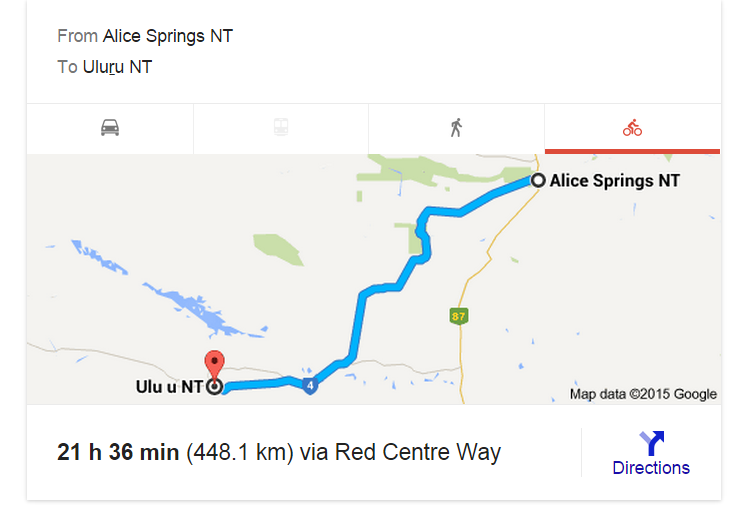
    Alice Springs to Uluru

    She: a flight attendant still in the first third of her life (about 25, give or take 5 years)

    “That’s so awesome! I hope I continue to exercise all my life.”

    I didn’t hear his response; I was laughing too hard: the innocence and blindness of youth. How well I remember thinking anyone over about thirty was at death’s door. What amuses me now is the number of people my age who think we are much younger than those of the previous generation at the same age. I think the blindness and selective sight continues throughout life.

    Of course I interpreted her words to mean: “You’re so old. I can’t believe you could do that. I hope I can still exercise when I am as old as you!”
    OLYMPUS DIGITAL CAMERA

    The joy of fatherhood?

    Waiting for the same flight was a father and his daughter, approximately two and a half years of age. The daughter was doing what any child of that age would do: looking around, exploring a short distance away from dad before returning to his side. From what I could see she was doing no harm and was perfectly safe. It was a small airport, she could not wander far.

    Each time she moved away he barked a short command at her. Although his words were not familiar to me, I had no difficulty interpreting them. As with most children, sometimes she heeded them, sometimes she didn’t. Sometimes he repeated the command, or retrieved the child. Sometimes he didn’t.

    Then I saw his t-shirt and read the word emblazoned on the front. I am a reader. Sometimes I wish I were not. The words read, “Guns don’t kill people, Dads of daughters do”.

    I have never “got” the need for messages on apparel, and definitely not a message as negative as this. I assume it was meant to be amusing, but I could see no humour in it. Maybe he didn’t understand the message underlying the words (he was speaking in a language other than English). Maybe I read too much into it. Apparently though, according to this Google search, there is a sizable market for shirts and products extolling these sentiments, some even with the inclusion of the word “pretty”.

    My interpretation of the subliminal message is one of acceptance of a number of vices, and my belief is that until we can obliterate the insidiousness of messages such as these from the common psyche, our society won’t much improve. To me the message commends: disrespect for others, sexism, murder, violence, antagonistic relationships between parent and child/father and daughter, an absence of nurturing, an acceptance that children are difficult and a burden . . .

    Perhaps I should stop there. I think this father and daughter team would be prime candidates for the early learning caravan project I wrote about recently. I would love to help this father see, not only the power in his words, but the treasure his daughter is and the importance of their relationship.

    As I’ve explained, I sometimes see humour in words where it’s not intended, and fail to see it where it is. I’ve attempted to include humour in my flash response to Charli’s challenge to In 99 words (no more, no less) write a story that includes a vice, by using three different meanings of the word. I’ll be interested to know if my “humour” matches yours, but won’t be surprised if it doesn’t!

    This one is definitely not about Marnie!


    Vice-captain

    She almost danced along the verandah. What would it be: medal, certificate, special recommendation?

    The door was open but she knocked anyway.

    “Come in.” The command was cold. A finger jabbed towards a spot centre-floor.

    Confused, her eyes sought the kindness of the steel blue pair, but found a vice-like stare.

    She obeyed.

    “In one week you have led the team on a rampage:

    Smashing windows

    Uprooting vegetables

    Leaving taps running

    Graffiting  the lunch area . . .

    We thought you were responsible. What do you have to say for yourself?”

    “But sir,” she stammered, “You made me vice-captain!”


    Thank you

    Thank you for reading. I appreciate your feedback. Please share your thoughts about any aspect of this post or flash fiction.