Live Love Laugh Learn … Create the possibilities

Tag: Christmas

  • I’m (not) dreaming of a white Christmas

    https://openclipart.org/image/800px/svg_to_png/59389/happy_sun_gm.png
    https://openclipart.org/image/800px/svg_to_png/59389/happy_sun_gm.png

    Last week the flash fiction prompt set by Charli Mills of the Carrot Ranch was to write a story using two objects, people or ideas that don’t go together. There was quite an assortment of responses, including mine. You can read them all here.

    This week Charli has continued in the same vein, challenging us to In 99 words (no more, no less) write a story that pairs something seasonal with something odd. 

    In Australia that’s easy. We’ve already got Christmas in summer. Most people around the world would say you can’t get much odder than that!

    www.openclipart.org
    http://www.openclipart.org

    But it is summertime in Australia and Christmas is just around the corner.

    While we enjoy warm days at the beach and in the pool, picnics in the park and barbecues in the back yard, hoping the big storm doesn’t get us this time (like the one that hit Brisbane on 27 November); those from whom we have inherited our Christmas traditions are cooling down in the Northern Hemisphere, many looking forward to a (not too) white Christmas.


    Shops here are playing traditional (northern) carols with snow, sleighbells and mistletoe; decorations are tinged with fake snow and cards show snowy scenes with families huddled around the fireplace.

    While there is an increasing number of songs and books with an Australian flavour many are merely innovations on the traditional such, as “The Australian Twelve Days of Christmas”, “Aussie Jingle Bells” or “An Aussie Night before Christmas”.
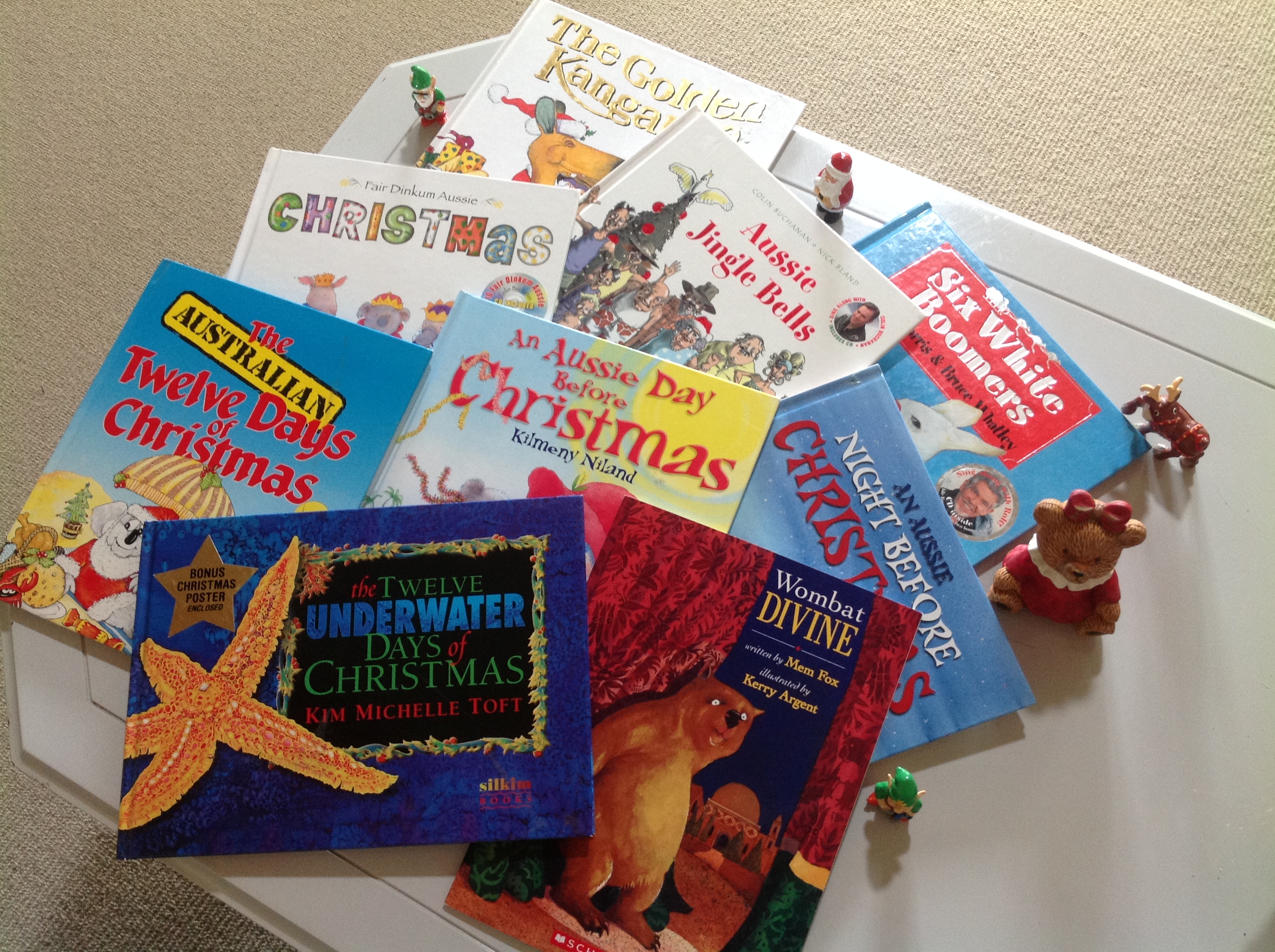
    Some Australian Christmas picture books
    Some Australian Christmas picture books

    One innovation that I particularly like is The Twelve Underwater Days of Christmas by Kim Michelle Toft. Kim is an Australian who uses her talents as author and illustrator to educate children about the things she feels passionate about: ocean life and coastal habitats. Her illustrations, hand-painted on silk, are absolutely stunning.

    12 Underwater days

    In addition to the visual beauty of the book there is great value in the supporting information through which Kim explains the importance of conserving each of the creatures included in the book. While written by an Australian, the application of the book is not limited to our shores. Creatures from all over the world adorn the pages.  If you ever wished to own a book simply for the beauty of its illustrations, this is a great choice.

    One original song I enjoyed listening to on the radio as a child is “Six White Boomers”. Despite the reasons that make me reluctant to mention it this year, it is a delightful tale of a joey who rides on Santa’s sleigh, pulled by six huge white kangaroos, to be reunited with his mother on Christmas Day.

    Peter CombePeter Combe has written two albums of original, but with a traditional rather than specifically Australian flavour, Christmas songs for children, including this one:

    Some Christmas traditions popular with Australian communities are Nativity plays, carols by candlelight and Christmas parades. Many classes and schools perform their own end-of-year “break-up” concerts to which parents and the wider community are invited.

    Using the traditional Nativity play as the setting, Mem Fox created an original and fresh story in Wombat Divine. It is a delightful tale of Wombat who loved everything Christmas. When finally he was old enough to be in the Nativity Play he rushed along to the auditions. Unfortunately it was difficult to find a part that was just right for Wombat. Can you guess which part he got? You’ll have to read the book to find out! Children all over the world will identify with Wombat and his predicament and enjoy the heart-warming tale.

    Books are wonderful gifts to give or receive at any time. The titles I have mentioned here are perfect for giving, reading and sharing at this time of year. When I was growing up there was always a book for Christmas and birthdays, a tradition that I have continued with my extended family and friends. You can almost, but not always, guarantee that if it is a gift from Norah, it is a book.

    After my siblings and I had grown up and swelled the family numbers with partners and children of our own, my Mum used to say, “There’ll be no presents this year.” It wasn’t that she wasn’t a giving person, for she was. It was just that there were so many of us! When she passed away this year she had about fifteen grandchildren and eight grandchildren, in addition to her remaining nine children and their partners. (I’m saying ‘about’ for grandchildren and great-grandchildren in case I’ve missed some in the count!) You can imagine how daunting a task it would be to go shopping for all these people ranging in age from six months to sixty! However it was always surprising how frequently she did not follow her own rules and had a small something wrapped up to present to many of us.

    This year there will be no presents from Mum, and more sadly, we will be without her presence.

    Although I have borrowed my Mum’s words, “No presents” for both flash fiction pieces included in this post, the stories do not cast aspersions on her generosity. I have simply explored how the oddness of no presents or presence at Christmas time may have impacted Marnie, a character I have been developing in my flash fiction pieces, at different times in her life. At this stage of my writing I am still investigating her character, discovering a little more with each flash piece as her once indistinct figure begins to step out of the shadows and take shape.

    This first piece is written about a difficult time for teenager Marnie and a situation that may be the catalyst for her leaving home.


    No presents

    Marnie jerked backwards avoiding the predictable grope. In so doing she collided with her mother, sending her sprawling onto the tattered sofa.

    “Aargh!” her mother screamed. “Look what you’ve done!”

    Marnie watched the liquid from the upturned glass merge with the patchwork of stains collected in the carpet. If it was her blood it would not have mattered more.

    “I … I’m sorry,” she stammered. But her sorry was for all the years it had been like this.

    He smirked, raising his hand to strike, “No presents for you this year!”

    “That’s right!” She ducked. “No presence!”


    So as to not be too dismal at this time of year, I have written a second piece about a younger Marnie for whom there still seems a glimmer of hope.


    No presence

    With faces as bright as their Christmas wear, the children bubbled into the room, each carrying gifts for the Kindness tree, “for those less fortunate”.

    Parents fussed, removing smudges and replacing wayward hair before blowing kisses and hurrying off for the parade.

    And there was Marnie: no parent, no Christmas dress, no gift, no smoothed-down hair; no smile.

    One last chance.

    “Marnie!” I beckoned, and held out my Christmas cape and crown. “Will you be my special helper?”

    Our eyes locked communicating more than any words. Her smile was my reward.

    “I’m proud of you,” I whispered.

    Thank you

    Thank you for reading. I appreciate your feedback. Please share your thoughts about any aspect of this post or flash fiction pieces.

  • December reflections

    https://openclipart.org/image/800px/svg_to_png/194578/07-Juli-goin-on-a-summer-holiday.png
    https://openclipart.org/image/800px/svg_to_png/194578/07-Juli-goin-on-a-summer-holiday.png

    The end of the school year in Australia has approached swiftly and silently this year, for me at least. You see, now that I am not in the classroom I am not absorbed by all the things that the end of the school year brings.

    In Australia the school year coincides with the calendar year so November and early December are frantic for teachers completing the final assessment and reporting for the year, preparing their students (and themselves) for separation after spending so much of the year together, and making preparations to welcome a new class in the new year.

    The classroom remains busy with learning and curriculum matters until the last day. Both teachers and students begin to tire and the warming (hot, in most parts of Australia) days in classrooms without air-conditioning add to the fraying edges of all as they anticipate the long summer holidays.

    teacher beginning and end

    One thing I always enjoyed about the end of the year, that made all the extra work and the increasing heat tolerable, was the learning about family traditions and celebrations, including Christmas.

    Some Australian Christmas picture books
    Some Australian Christmas picture books

    Last year I wrote about some of the Christmas activities I did with my class, such as making friendship trees

    Friendship treeand a co-operative 3D display.

    3D Christmas tree display
    3D Christmas tree display

    I shared some suggestions for parents to support their children’s  reading, writing and maths development in fun ways during the holidays. (These and other items are available in my TeachersPayTeachers store.)

    I also provoked a lively discussion about whether Christmas should be included in a school program by suggesting tens reasons for its inclusion. Many readers joined in explaining their position either in support or against.

    I always enjoyed this special time of year. I loved hunting through discount stores for items with which children could make cards and gifts for their families and decorations for their home. Often we talked about “free” gifts they could give and made vouchers for things like a free car wash, breakfast in bed or unlimited smiles and hugs.

    https://openclipart.org/image/800px/svg_to_png/59389/happy_sun_gm.png
    https://openclipart.org/image/800px/svg_to_png/59389/happy_sun_gm.png

    As well as the gifts they made for each other in class, such as the friendship trees and Christmas crackers, I always gave each child a small gift, usually a book to read, a pencil and notebook for writing in; something to do over the holidays.

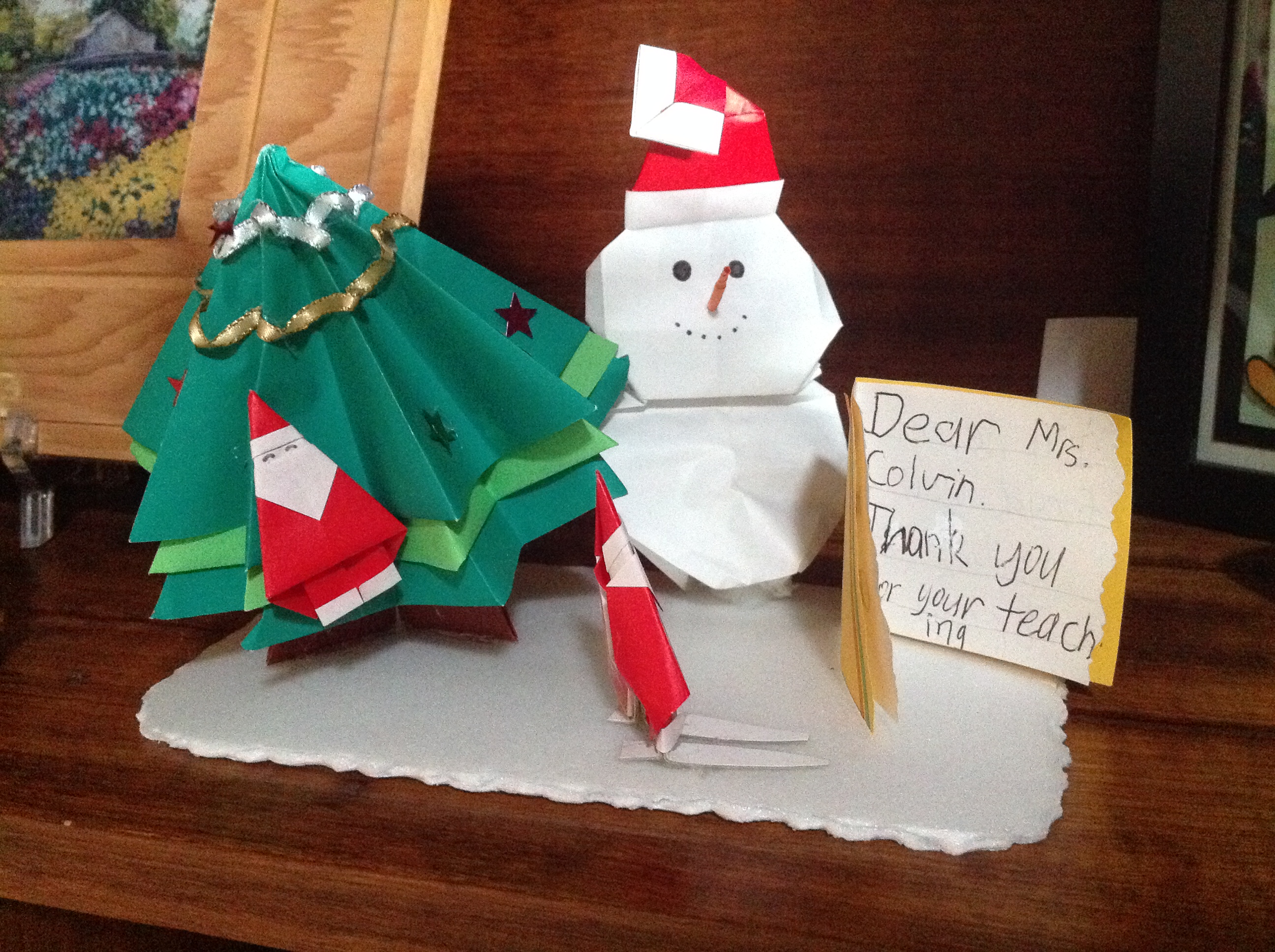
    While it was never expected, but always very much appreciated, many of the parents and children presented me with lovely ‘thank you’ cards, letters and gifts, some purchased, many home-made; all treasured. While the consumables were long ago enjoyed, many other items still adorn my shelves!

    A selection of gifts from over the yeats
    A selection of gifts from over the years

    Brian

    Sometimes it was difficult to know what to give as a gift to recognise a special teacher. This year Bec has come up with, what I think, is the perfect gift, though she didn’t design it for that purpose. It’s the apple cozy: a special little bag for carrying an apple safely, protecting it from bumps and bruises. They are available in her Made It and Etsy stores. An apple for the teacher in its own special bag: how cute!

    Apple Cozy // Joyce
    Apple Cozy // Joyce

    Although there are no preparations for Christmas at work this year (except for Secret Santa) there is still much to do at home. The traditional time for putting up the tree and decorations is December 1, and I usually have mine up by the end of the first week in December. Now that both my children are grown and living in homes of their own, I thought I would have the lonely experience of decorating on my own this year (Hub says he helps by not helping, but actually he gets tree and decorations down from the roof space for me!)

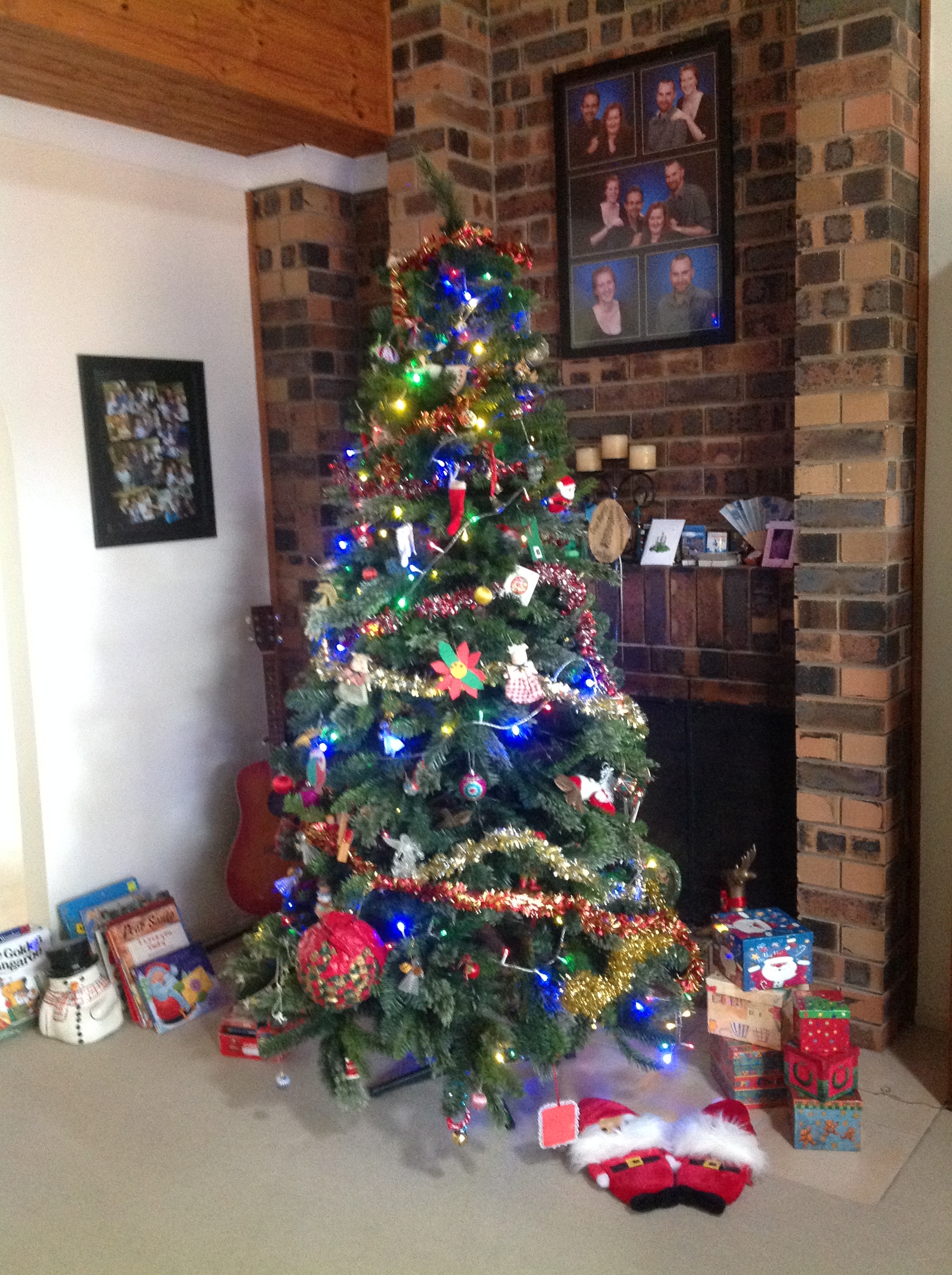
    What a delightful surprise it was to have both my children and grandchildren (all two of each) visit on the day I was putting up the tree and help me out. The joy that the excitement of a 3- and a 5-year old bring to such activities cannot be matched. I think we did a pretty good job! When I look at it I relive the fun we had together.

    Christmas 2014
    Christmas 2014

    Although to most it would appear simply a Christmas tree, and some may consider many decorations to be ready for the discard pile, most decorations have a story to tell. For me it is a memory tree. It holds decorations made by my own children over the years, and now some by my grandchildren.  There are gifts from family and friends, and children I have taught. Each item, as it is placed on the tree, provides a time for reflecting upon the wonderful people whose lives have touched mine over the years. Each has its own story to tell of the joy that others’ kindnesses can bring. But it is more even that just a memory tree. It is a giving tree; a time for remembering and being grateful.

    What are you family traditions? What and how do you celebrate?

    Thank you


    Thank you for reading. I appreciate your feedback. Please share your thoughts about any aspect of this post.


  • One for the children . . . A “Who’s hiding?” picture book

    On Christmas Eve, my post is one for the children, especially my two gorgeous little grandchildren, Artie and Anna.

    I hope they, and children everywhere, will enjoy this little guessing game.

    Next year my skills may have developed enough to make it interactive, or even an app!!! Now, let’s not get too excited!

    I am very grateful to Bernadette Drent who created the illustrations for me with very little notice.

    Here it is for you:

    Happy Christmas everyone!

  • Season’s Greetings!

    Season’s Greetings!

    A big thank you to all who have walked with me all, or any part, of the way as I took my first tentative steps into the world of blogging (and tweeting) earlier this year.

    I appreciate every contribution, from visits and suggestions, to liking, commenting and re-blogging.

    I have learned more than I probably even realise, from many different people, and  the encouragement from all interactions has helped me find my voice and the strength to maintain the journey.

    This post offers a break from my usual educational fare by providing a little Christmas jollity. I hope you enjoy it.


    Wishing you and your loved ones much joy during this holiday season.

    Norah

  • 10 reasons for including Christmas in the classroom

    10 reasons for including Christmas in the classroom

    The end of the school year in Australia is fast approaching; assessment is almost done and reports completed.

    After a hectic year, thoughts are turning towards Christmas and the long summer holidays.

    However the teaching and learning in the classroom doesn’t stop until the final farewells on the last day of school.

    These last few weeks of the school year allow a little more flexibility and time for spontaneous explorations of children’s interests after the curriculum’s imposed learnings have been achieved. Sure, skills still need to be practised and extended but the pressure is not so relentless.

    As the thoughts of most children are on Christmas and what they will do during the holidays, why not harness those interests and that excitement to make classroom learning meaningful and fun while developing important social and cultural concepts and understandings as well as practising and extending literacy and numeracy skills.

    Over recent years there has been some controversy over whether Christmas should be included in school programs, some arguing that it is not inclusive and excludes those students whose cultural backgrounds neither recognise nor celebrate Christmas.

    I have a number of reasons to support my argument that Christmas should be learned about in school, and my reference is to secular rather than religious celebrations which are best left to organisations dedicated to that purpose.

    I would like to say that the main reason is that I love Christmas (the excitement, the anticipation, the decorations, the gift-giving, the celebrations with family and friends)!

    But that would not be true.

    My focus is educational:

    1. Cultural respect: Most children in Australian schools celebrate Christmas. Including Christmas in the classroom program acknowledges this and draws upon their interests and prior knowledge.
    2. Cultural awareness: Investigation of traditions celebrated by other class members, community groups or countries develops a recognition of other perspectives, including those who do not celebrate Christmas and those who celebrate other traditions such as Hanukkah, Ramadan or Chinese New Year.
    3. Cultural understanding: Learning about the traditions of the dominant culture in which one lives makes one more comfortable within that society, more able to converse about important events and holidays, and able to develop shared experiences i.e. helps to develop feelings of being included, rather than excluded by participating in the outward traditions. However, this knowledge does not necessitate participation or belief.
    4. Cultural acceptance: Learning to understand that, although not everyone shares the same beliefs or traditions, we all share a common humanity and that there is good in everyone is important for creating a peaceful and nonjudgmental world.
    5. Self-awareness: Christmas is a time for reflecting on the year’s achievements and behaviour e.g. whether you have been “naughty or nice” or whether you have worked hard are superficial questions which can lead to deeper introspection. This self-reflection can lead to celebration as well as to the setting of positive goals for improvement.
    6. Other-awareness: Recognising one’s own strengths can help to identify, recognise and appreciate the strengths and achievements of others.
    7. Emotional intelligence: Children learn to recognise and describe their own emotions, and the emotions of others. They understand that not everyone thinks and feels the same way about similar events and learn to respect the thoughts and feelings of others.
    8. Social-awareness: Recognising how others think and feel about certain events can develop feelings of empathy. Children are more likely to find common ground upon which friendships can be built.
    9. Being kind to each other: Christmas is all about sharing and giving. In a classroom these can lead to discussions about working cooperatively and collaboratively, getting along with each other, and giving the greatest gift of all: friendship.
    10. Enjoyment, recognition and fun! I couldn’t stop at 9, and I think the inclusion of fun in the classroom is one of the most powerful ways to engage and motivate learners!

    Decorating the classroom is one way of setting the scene for explorations of Christmas traditions while encouraging the children to work cooperatively, take pride in their shared achievements and talk about how Christmas is celebrated (or not) in their families.

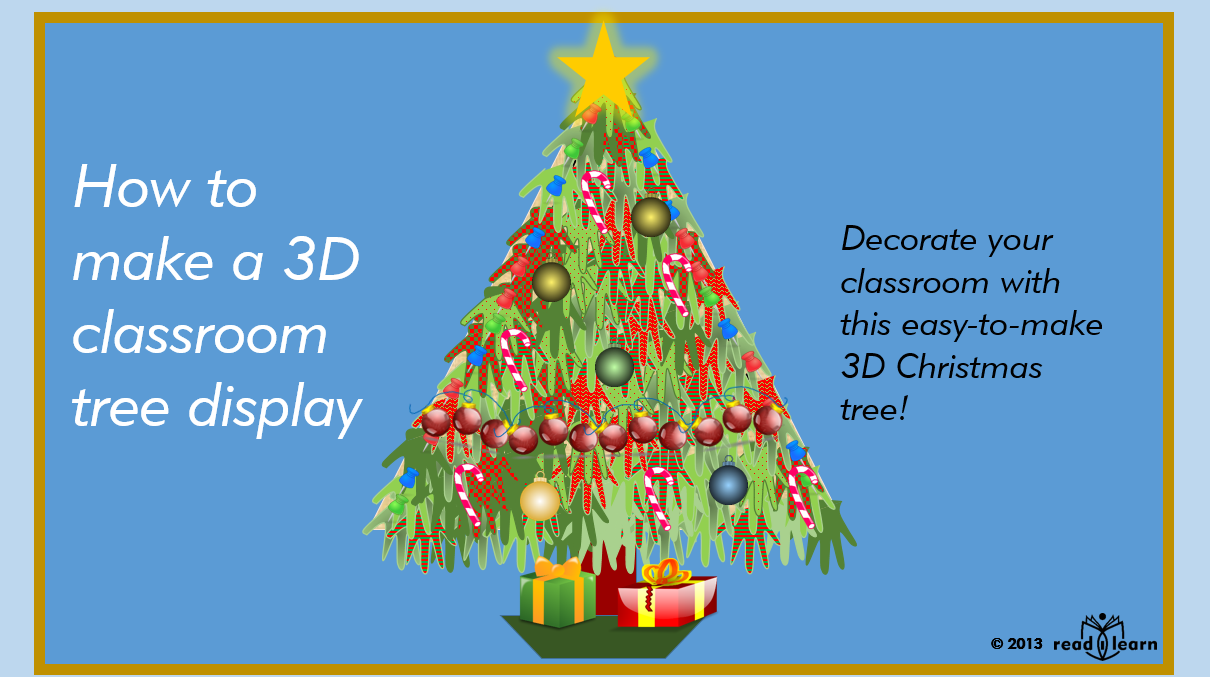
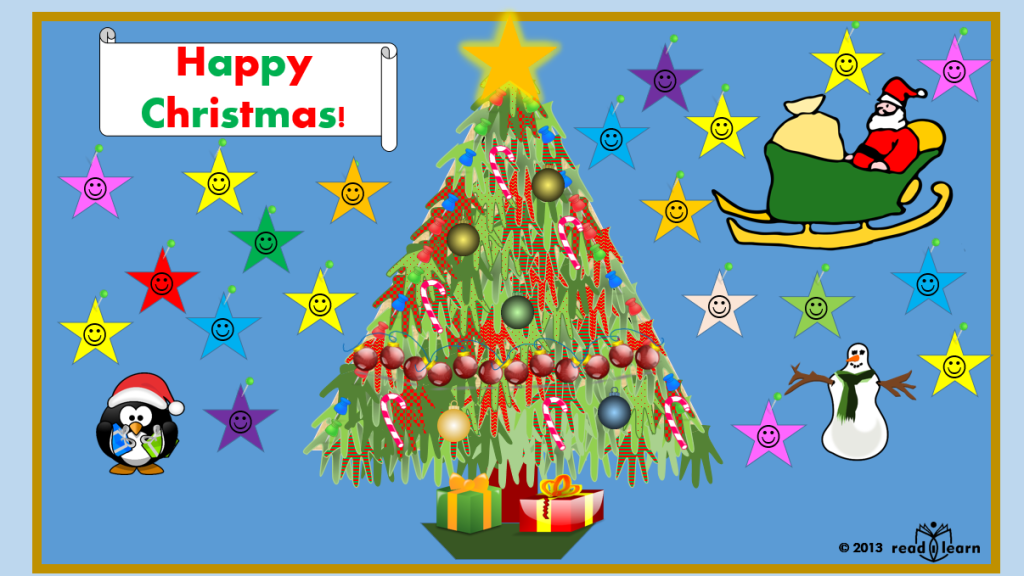
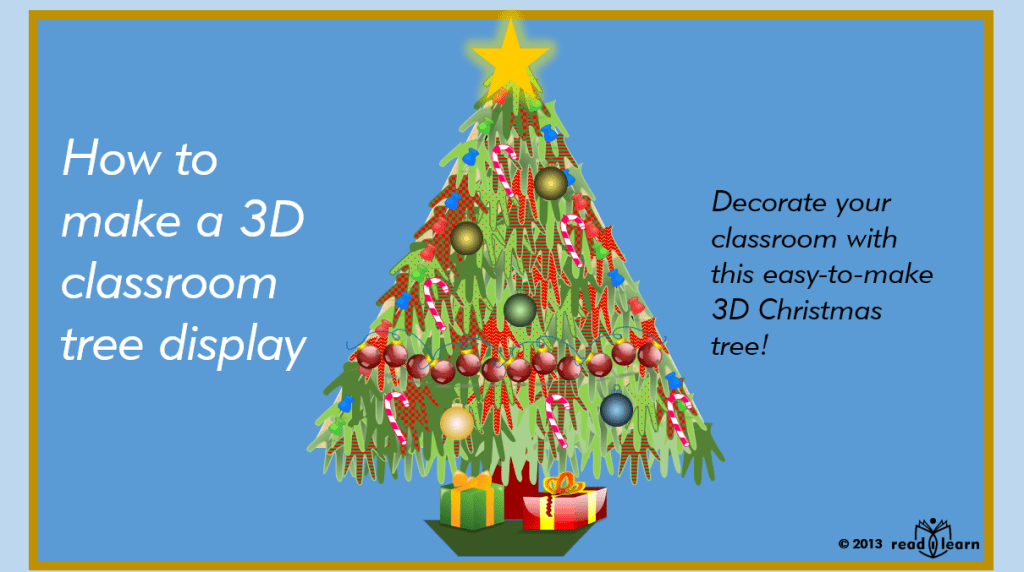
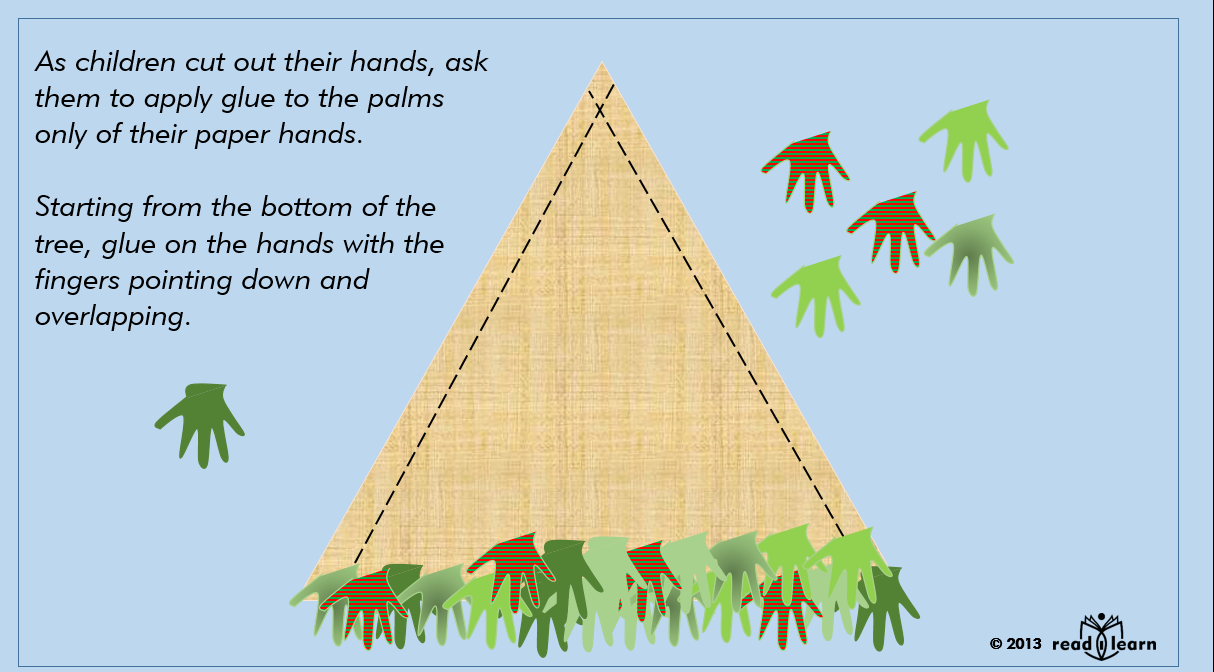
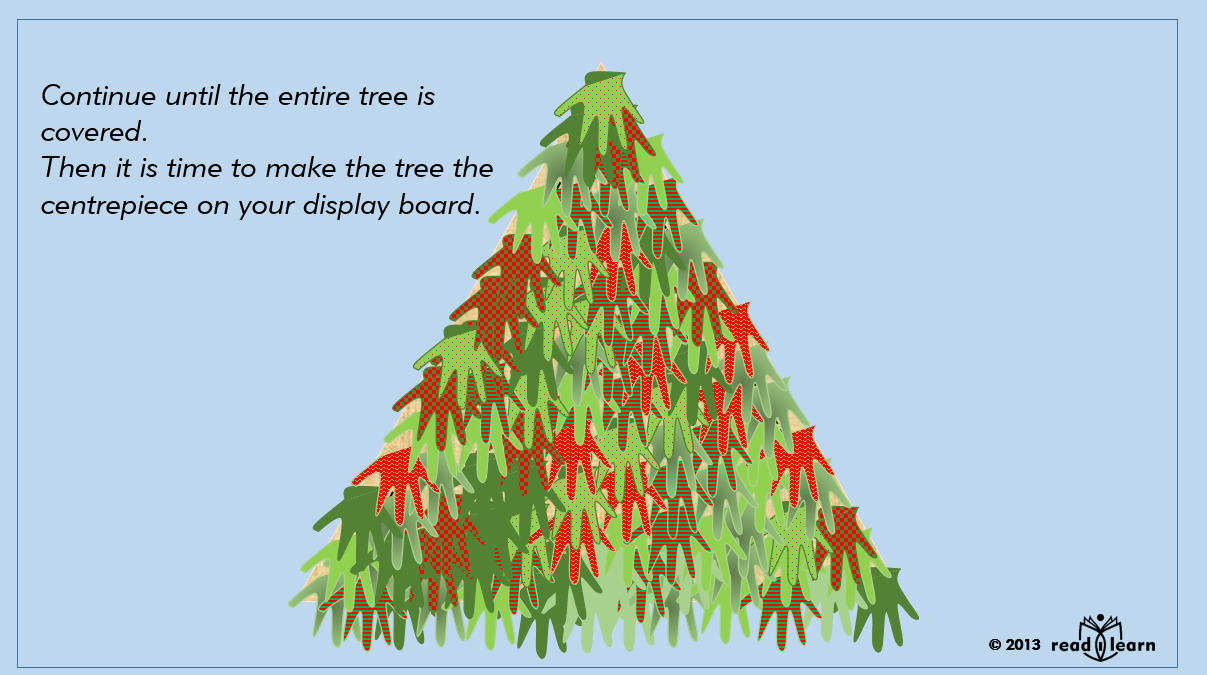
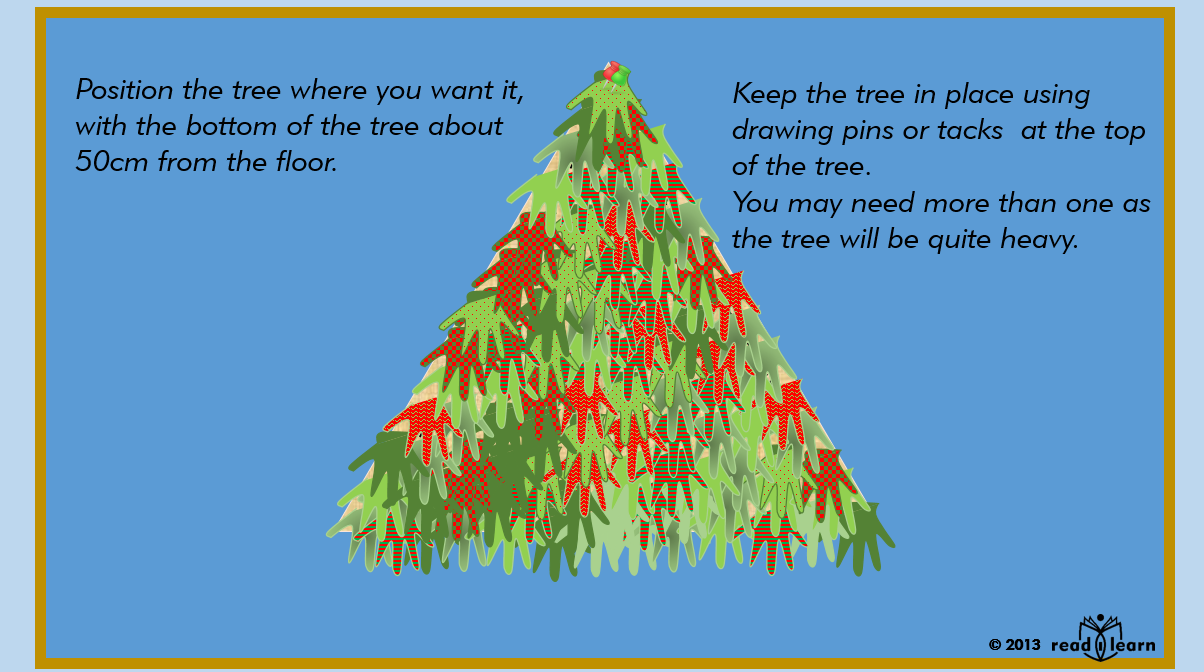
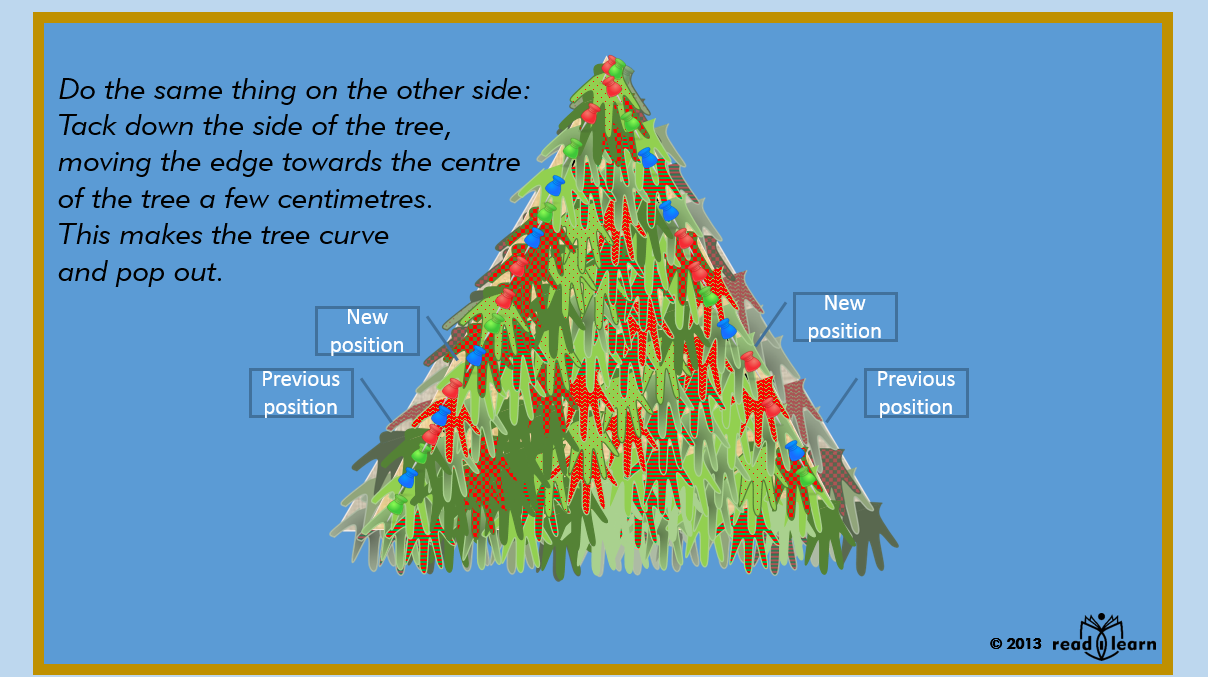
    It became a tradition in my year one classroom to make a large 3D Christmas tree to adorn our classroom wall and become the focal point of our learning.

    We would sit in front of it to have our discussions and read our stories.

    To the display surrounding it, we would add child-made decorations, stories and poems they had written, holiday messages and gifts.

    I would photograph each child in front of the tree, holding a sign with the message e.g. “Happy Christmas 2013”. These photographs would then be added to calendars which became a Christmas gift for parents.

    The children loved doing the tree, partly because of the inherent excitement at the end of the school year with Christmas holidays imminent. But they also loved doing it because they were working together, making something meaningful to them; and as they worked together and saw the tree take shape, they realised that what can be achieved together is far more (as well as more fun) than they would have achieved on their own.

    And while they were busily tracing and cutting, they were talking and sharing ideas and thoughts with each other and with me. We began to learn a lot about each other’s experiences, traditions and feelings.

    Having made the tree together, the children had an enormous sense of collective pride in what they had achieved, especially when all those viewing it remarked upon how lovely it looked.

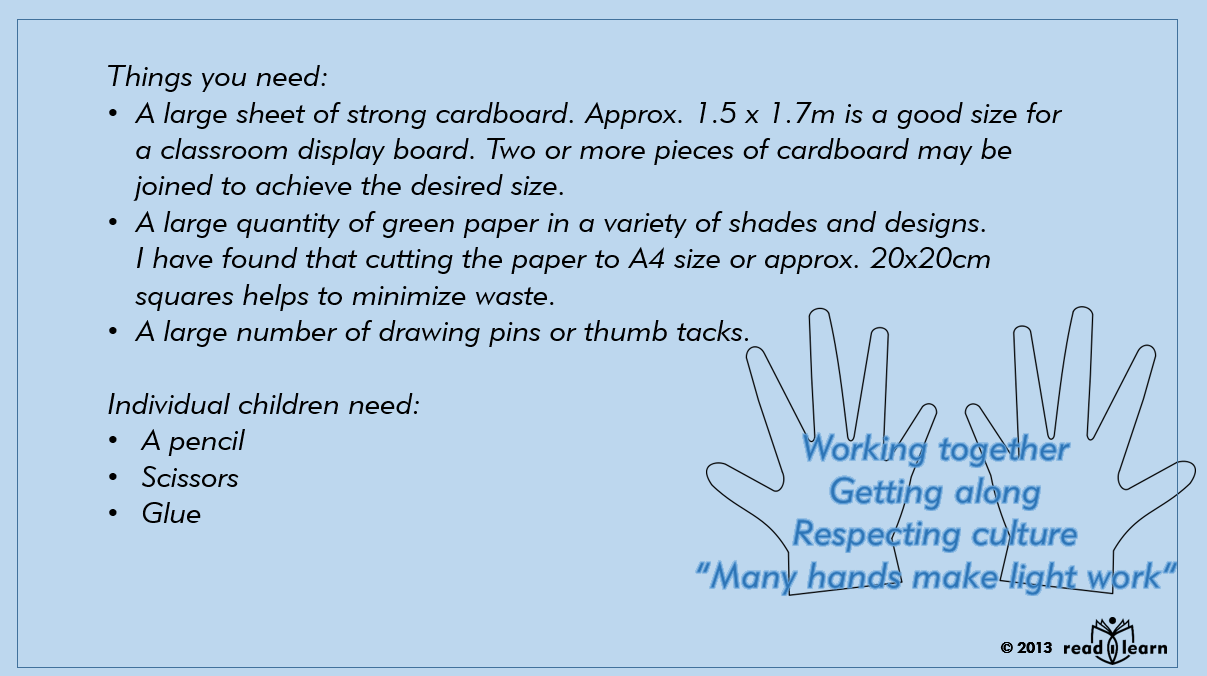
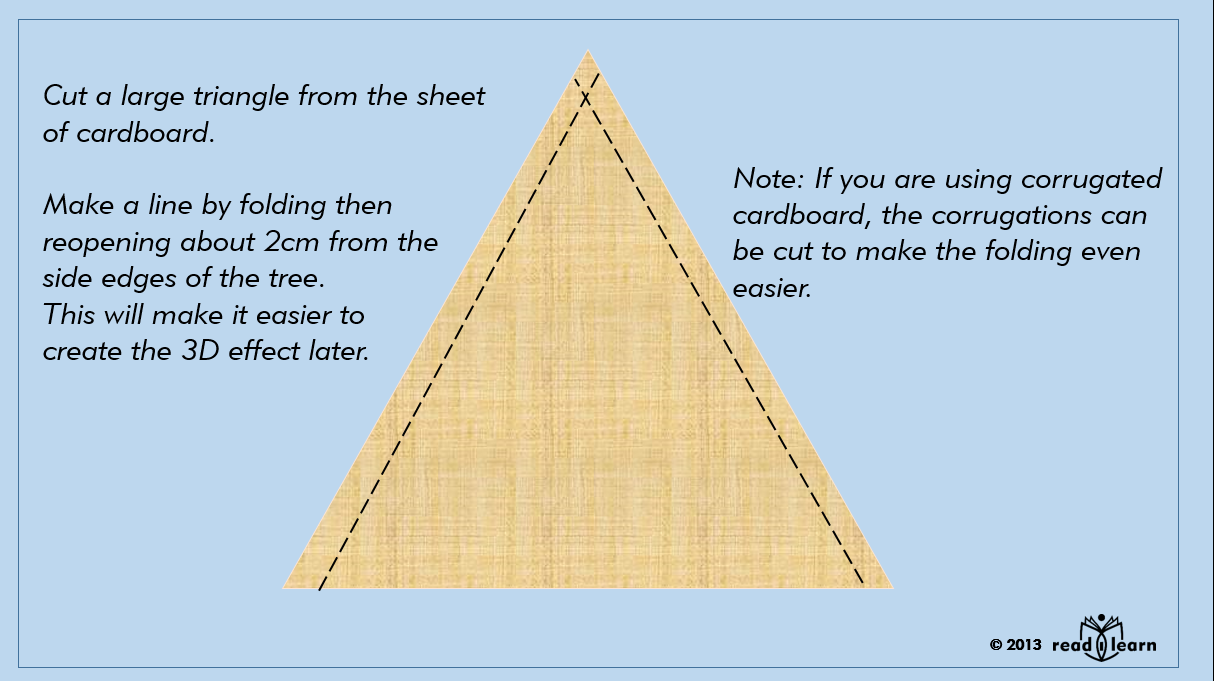
    While I include instructions for making the tree here, they are also available from readilearn.

    slide 2

    slide 3

    slide 4

    slide 5

    slide 6

    slide 7

    slide 8

    slide 9

    slide 10

    slide 11

    What do you think? Do you think Christmas should be celebrated in schools?

    What reasons would you add to my list? What do you disagree with?

    Leave a comment or indicate your thoughts below.

  • Friendship trees

    Friendship trees

    Summer_2010_ClipArt10_HeaderThe end of the school year in Australia coincides with Christmas and the summer holidays.

    TheresaKnott_christmas_tree

    This coincidence provides an opportunity to not only reflect on the year’ achievements, but to share appreciation of friendships made throughout the year while developing understanding of Christmas traditions.

    During the last few weeks of the school year, I use friendship trees with my early childhood classes for these purposes.

    About three weeks before the end of the school year each of the children make their own tree which is then displayed in the classroom until taken home on the last day of school. By then the trees are filled with messages of friendship and affirmation which the children write anonymously to each other each day.

    Although the end of the school year is when I use friendship trees in my classroom, they could be used at any time throughout the year. However they will work better when the children have been working together for a while and know a little about each other.

    These are some of the benefits of incorporating the friendship tree into the class program:

    • Is inclusive with its emphasis upon friendship
    • Provides an opportunity for reflection on friendships made
    • Encourages students to comment positively to classmates
    • Affirms students by the receipt of multiple positive comments
    • Encourages a giving attitude
    • Provides an opportunity to discuss Christmas traditions (tree as a bearer of gifts) as a way of developing cultural understandings
    • Develops understanding that kind words and actions are the greatest gift

    happy_sun_gm

    How it works

    • Children make and decorate a “friendship tree”, attaching or writing their name prominently on it. Trees are then displayed in the classroom.
    • Each day children select a name “from the hat”. (In preparation I prepare a class list of names in a table, one name per row, which I print out and cut into strips for the students to select and write their messages on.)
    • Children write a friendship note to the child whose name they have drawn, but they are to not tell anyone who it is or what they have written.
    • They may return the name and select another only if it is their own name or the name of someone for whom they have already written a message
    • They are to write something they like about the person, something the person is good at or something they appreciate about them.
    • I check what the children have written, ostensibly for readability, but also to ensure appropriateness of the message. However I have never had to edit the content. I have always been impressed by the messages the children write.
    • Children then fold and “secretly” place the messages into the tree of the recipient.
    • On the last day of school children take their trees, filled with positive messages, home to read and share with their family.

    Before children write their first message, we brainstorm what a friendship message might be. These are some examples:

    Thank you for being my friend.

    I like the way you laugh at funny stories.

    You are a good writer.

    You always do the right thing.

    Thank you for playing with me.

    However these ideas are only a starting point. I have always been amazed at the very appropriate and personalised messages the children write for each other. They really do notice the lovely things their classmates do throughout the year, and the different things that make them special.

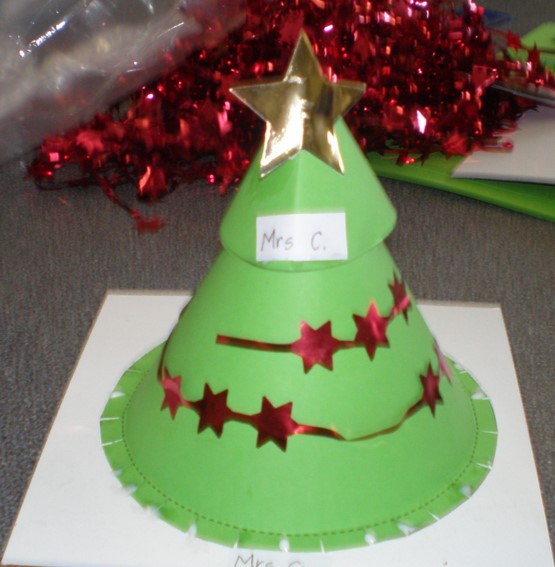
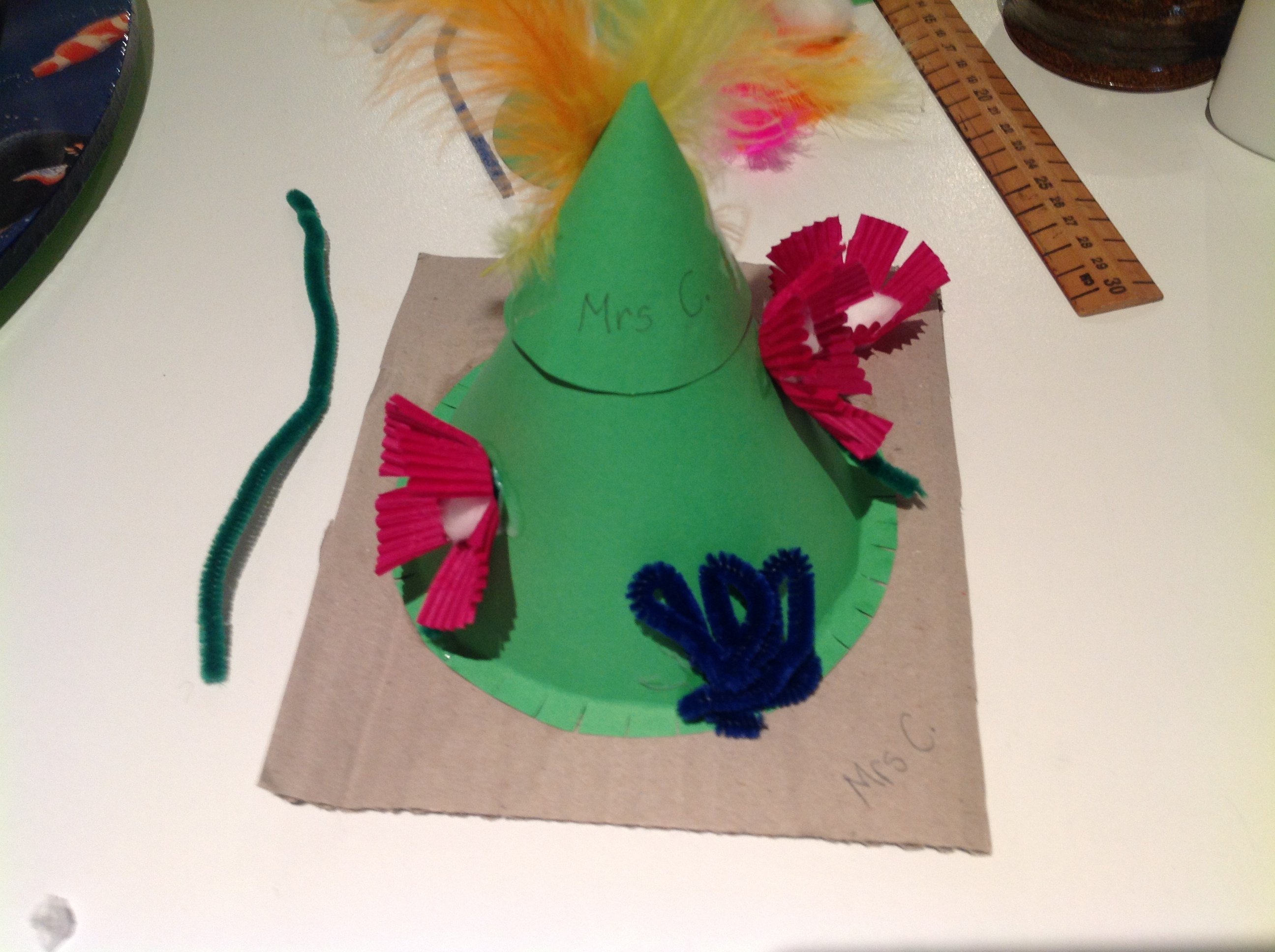
    Here are photographs of two  friendship trees I have made, one decorated for Christmas, the other for friendship:

    Friendship tree

    completed tree

    A cardboard cone (with a cut-off top) is attached to a cardboard base. A smaller cone (removable lid) tops the tree. Children lift the top to place their messages inside.

    If you would like to use a template for making the cone or view step-by-step instructions, I have made these available on the website TeachersPayTeachers. Please click here to follow the link.

    If after viewing this site, you decide to join up as I have, I would appreciate it if you refer your membership back to me my using this link. Thank you. tomas_arad_heart

    I hope you and your students enjoy the friendship tree experience as much as I and my students have!

    Let me know how it goes.

    Clipart courtesy of www.openclipart.org