As December draws nigh, thoughts all over the world turn to celebrations of Christmas, a time for spreading joy through sharing acts of friendship and kindness to others.
Those of us in the Southern Hemisphere are also thinking about finalising the school year and taking a much-deserved long summer break.
Before we do, we look for ways of celebrating Christmas in the classroom while maintaining children’s focus and keeping them engaged in meaningful learning until the final moments of the school year.
While there are a variety of readilearn resources already existing to help you do that, this week I have uploaded four more, all of which support use of the popular interactive digital story Who’s hiding at Christmas?
The Who’s hiding at Christmas -template is a printable resource with both template and instructions for children to make their own Who’s Hiding at Christmas book based upon the original. Children love to share their own Who am I? puzzles, and, as well as providing ongoing practise with both reading and writing skills, the booklets make a lovely gift for sibling or parent.
This month it is my great pleasure to invite Kim Michelle Toft to the blog. I have been an admirer of Kim’s work for many years. Not only does she do the most marvellous and unique silk paintings to illustrate her work, her books inspire children, and adults, to share her passion for protecting the ocean and its inhabitants.
I have previously written about Kim’s work here, here and here. In this post I am talking with her about her innovation of the familiar Christmas carol The Twelve Days of Christmas.
Kim’s book The Twelve Underwater Days of Christmas is a celebration, not only of the season, but of the beauty of our world and its gift to us. Our gift in response is to care for and preserve it. As well as information about all the animals featured, it includes a stunning six-page foldout poster as well as information about the original carol.
Welcome to readilearn, Kim. We are looking forward to getting to know you better.
Thank you for having me.
Kim, you tell your stories with words and pictures? When did you know you wanted to be a storyteller and share your stories with others?
I started drawing when I was 4 years old. I would spend hours on my own, drawing. My mother would buy me small Golden Books and take me to see all the Walt Disney movies. I knew then that I wanted to have a career in art. I started writing and illustrating my picture books when my daughter Casey arrived, 26 years ago.
This week I have the great pleasure of inviting South Australian author Jane Jolly to the readilearn blog. Jane is author of a number of books, including the recently published Radio Rescue!
The book about which I am talking with Jane in this interview is Tea and Sugar Christmas. Like many of Jane’s publications, this one is based on a true story. It tells of a Christmas experience that is likely very different from your own.
As the school year in Australia comes to a close, teachers are busy preparing ways to say “Thank you” to their classroom aides and volunteers, organising gifts for their students (remember to add a 9 square Christmas puzzle), and gifts their students can make for their parents (a poem makes a great gift).
With all that going on, one would think it impossible for teachers to think ahead to the new school year, but they do; and are already making preparations to ensure the beginning of the year goes smoothly.
If students and teachers are fortunate enough to know to which class they will be allocated in the following year, things can be much easier.
One school made the transition from one year to the next more efficient than most with which I’d been involved.
The process of allocating children to new classes can be daunting
You could count the number of times I have been camping on one hand with a few fingers chopped off. And those times, in the main, could not even be considered real camping. They involved cabins, water on tap, and flushing loos. Only once was I required to sleep in a tent, and the experience wasn’t one I wished to repeat: as much to do with other campers as with facilities.
I am not into roughing it. I like the convenience of warm showers, flushable toilets, and power at the touch of a button. I acknowledge my privilege in being able to take these things for granted and, when I holiday, to choose accommodation at which they are available. I recognise that for much of the world’s population, that privilege is as unattainable as a dream.
So, for this week, in which the flash fiction prompt by Charli Mills coincides with World Toilet Day, it is fitting to combine the two.
Anne Goodwin who blogs at Annecdotal has also combined Charli’s flash fiction prompt in her post about Fictional Toilets for World Toilet Day. Anne has included snippets of toileting issues from novelists whose characters, unlike most “fictional characters, (who) like royalty, don’t have to suffer the indignity of urinating or opening their bowels”, deal with the inconveniences of life. Her own novel Sugar and Snails is among those quoted. You can read the post here.
For a while now I have been supporting Who Gives a Crap, a company that takes toileting seriously. In its production of toilet paper, tissues, and paper towels it uses only 100% recycled paper, bamboo, or sugarcane. It also donates 50% of its profits to providing toilets for those in need. I am in favour of both those practices.
I am also in favour of helping children recognise their privilege and to understand that not everyone in the world can take for granted what they can. With Christmas celebrations just around the corner, a picture book that encourages children to think of others, rather than just what they can get, is useful in starting the discussion.
Dear Santa: Please Don’t Come This Year written by Michael Twinn and illustrated by Patricia D. Ludlow explains that Santa has tired of children’s requests, of their always wanting more, and of their lack of gratitude. He considers making this Christmas delivery his last; until he receives one final letter that turns his thinking around.
The letter is from a group of children who write:
“Dear Santa,
Please don’t come this year … we have almost everything we want.
So, we don’t want presents for ourselves this year …
We want to help other children, instead.
And old people and animals in need …”
Santa feels heartened by the children’s selflessness, and he spends the year travelling the world, sharing the gifts suggested by the children:
“The gift of food
The gift of health
The gift of sight
The gift of water
The gift of technology
The gift of hard work
The gift of peace
The gift of learning
The gift of survival”
At the end of the year, Santa realises that “The greatest gift is yourself.”
(Note: I’m not sure if it is still so, but at the time of its publication, sales of the book helped raise funds for UNICEF.)
Now, I seem to have strayed a little, but I’m thinking that’s probably what happens when a group is sitting around the campfire discussing life. I’m sure no subject is taboo, Blazing Saddles proved that, and that the conversation would flow from one topic to another with just a few meagre threads to hold it together.
Song, too, would be a big part of the campfire tradition. I learned a campfire song from Bill Martin Jr. at a reading conference years ago. (I’ve written about that previously here.)
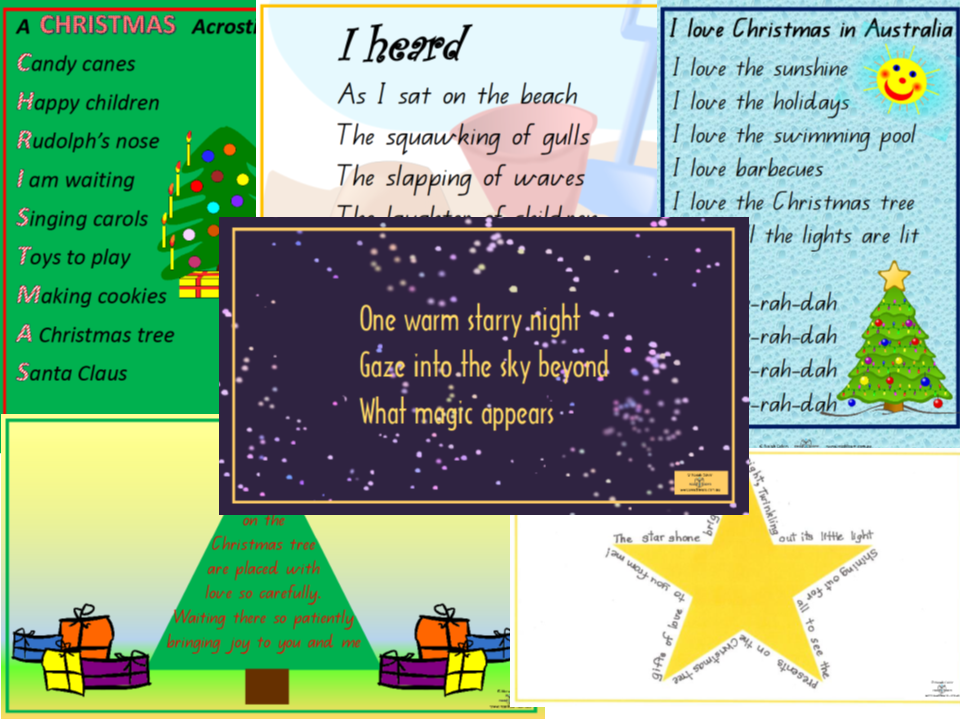
The song “I love the mountains” is perfect for teaching to children and as a structure that children can use to write poems of their own. Sample innovations; for example, “Christmas in Australia” have been included just for that purpose in readilearn resources.
Writing “I love” poems is also a good way for children to express gratitude in their everyday lives, which fits perfectly with Thanksgiving celebrations in the United States, also this week.
Even if you don’t intend joining in the challenge, and there is an extra week with this prompt if you are tempted, please pop over to the Carrot Ranch to read Charli’s fascinating report of her explorations of The Zion Valley area and of the historical artefacts and remnants she found there. You’re sure to find a gem or two, as she did.
Here is my response to her challenge.
Around the campfire
“Smile,” they said. “It could be worse.”
Than what: a compulsory “adventure”? navigating scrub lugging a loaded rucksack? avoiding plant and animal nasties? digging a toilet? erecting a recalcitrant tent? enduring inane chatter and laughter roaring as insanely as the campfire flames?
“You’ll learn something,” they’d said.
Fat chance.
Darkness hung low like her spirits.
Along with the dying flames, the mood quietened and, one by one, each told a story of horrors beyond her imaginings: of fleeing famine, war, abuse, hate …
Along with the sky, her heart softened with the light of a new day, and gratitude.
Thank you for reading. I appreciate your feedback. Please share your thoughts.
In this post I suggest ways of helping children develop friendship skills, and describe some readilearn resources for celebrating friendship.
Developing a welcoming, happy, supportive classroom environment, a place where children want to be, is essential for learners of all ages, but especially so in early childhood. These classrooms are the first that children experience and influence lifelong attitudes to school and learning. It is important to establish strong foundations with positive attitudes, respect, and friendship.
Making friends doesn’t come easily to everyone. Simply being put with a whole bunch of other children of similar ages doesn’t ensure friendships will be established, or that children will be accepting of, and respectful to, others.
Strategies for helping children develop effective social skills need to be interwoven throughout the curriculum. Respect, kindness, and empathy need to be modelled and taught. It is especially important for children who have had limited experience mixing with others, or for those who respond to others in inappropriate or unkind ways.
Some useful strategies include:
Develop a vocabulary of words used to describe feelings. Words
Giving young children a simple structure or a repetitive pattern to start from gets them thinking about words, how they sound, what they mean, the number of syllables and letters. All the while they are having fun, playing with words and sounds, and learning about language.
Five easy poems to write with children are:
Acrostic poems
Sound poems
Haiku
“I love” poems, and
Shape poems
Acrostic poems are one of the easiest. They don’t need to rhyme or follow a set rhythmic pattern.
At this time of year in many places around the world there are children excited about the magic of Christmas. I don’t know the numbers to compare but there are a good few, mainly adults I suspect, who say “Bah humbug!” While I was once a firm believer in the magic and did my best to keep it alive, I now tread warily, unsure of how best to approach this topic. As a parent I didn’t get it right so can offer no wisdom of my own.
After many years of seeming to go along with the story, long after I thought it should have been abandoned, Daughter finally questioned why, if the stories weren’t true, would parents lie to their children. She preceded her question with the request to not say if it was true or not, she just wanted to know why parents would lie.
I let her down on both counts. I told her the truth of the story and couldn’t explain why parents would lie. I’m not sure that I’ve been forgiven for either failing, and I have never stopped thinking about what may have been a better way of handling the situation if I was ever offered the opportunity for a do-over.
Interestingly I don’t recall having any similar concerns about my parents lying or disillusionment on finding out the truth. Daughter’s older brother voiced no concerns either, but I cannot be certain whether or not he had any. Until now when, with children of his own, the issue again is raised.
At first Son’s intention was to not engage in Santa stories; but with one child at school and the other in kindy the situation becomes more complex. The children are more exposed to the stories through friends and organized events and there is the concern about “spoiling” things for other families. Caught between the pressures of a shared popular culture and the questions of intelligent, critical thinking children, the parents must make a decision. I sympathize and wish them better success than I experienced. I have suggested to Son that he consult his sister. She knows better than I about this one and can maybe help him avoid making the mistakes with his children that I made with her.
There is a lot of well-intentioned advice on the internet, but the value of some is debatable. Many explain the Santa story as being about love, kindness and generosity, and the magic as the assistance given by many helpers, including parents, throughout the world. Many explanations are likely based on the famous response, Yes Virginia, There is a Santa Claus, to an 8-year old’s letter, the authenticity of which has been questioned.
Some of the explanations and stories encountered recently include:
As much as I love the sentiments of these stories, they don’t really help me with my truth or lie dilemma. So I returned to a post by philosopher Michelle SoweyHO HO HO! (Q.E.D.) in which she questioned the ethics of the Santa lie. I shared this post previously in April 2014. Michelle agrees that the attempt at compromise in many of the explanations, “It’s Santa, Jim, but not as we know him”, is unsatisfactory because:
the historical figure St Nicholas is omitted
Christmas for most children is more about receiving than giving
of a conviction that children should be encouraged to believe in things that are real (visible or invisible, tangible or intangible) and to disbelieve in things that aren’t (all of which are invisible), and
it is better to develop critical thinking than to believe in intangible things.
She says,
“Parents can be powerful advocates for their children’s intellectual autonomy. They can help their kids to draw their own well-reasoned conclusions; to value coherence and logical consistency (among other things) in the construction of their worldviews; and to cleave to their beliefs with a level of confidence proportional to the amount and quality of evidence available.
With a little analysis and reflection – perfectly accessible to an eight-year-old – it’s clear that believing in things without good evidence often means believing in things that aren’t true.”
Okay. We agree on that, but how would a parent extricate themselves from the myth once they have become entangled?
David says that parents who lie to their children by supporting the myth are not necessarily bad parents (thank you!) but they would be better parents if they didn’t.
He adds to Michelle’s list with these:
Children should thank their parents, who have purchased and sacrificed, not Santa; “gifts are the giver’s way of showing the recipient that he or she has worth and is loved. Children need assurance their parents see them as worthwhile and valuable – not Santa Claus.”
Santa shouldn’t be used as a threat e.g. stop doing that (bad behaviour) or Santa won’t come
It stifles imagination because you can’t pretend if you believe: “By tricking children into actually believing Santa exists we rob them of the opportunity to imagine he does.”
And the big one: the loss of trust“Finding out their parents have lied to them about Santa Claus can cause children to think their parents are lying to them about a great many other things.” He says it is probably a bigger risk than most parents realize.
David says that the tradition of Santa and gift giving is relatively recent and “sold” to consumers primarily for financial reasons. He urges parents to stop tricking their children into believing the myth. My experience supports that, and I wonder how I would go about it if I had the opportunity again.
This week at the Carrot RanchCharli Mills challenges writers to In 99 words (no more, no less) write a story about “spreading the light.” While she suggests it could be used it to honor or memorialize a loved one, I thought I would attempt to shed light on the Santa myth and its potential for harm. Hopefully it’s not too far off the mark as I always loved, and protected, this myth; but perhaps a decision to protect the intelligence and critical thinking of my loved ones, and children in general, is even more important.
Jimmy searched the shelf for something he hadn’t heard before. There weren’t many. Suddenly he found one, slid it off the shelf and nestled into Dad’s lap.
“Twas the night before Christmas …” began Dad.
“Who…, what…, where…, why…, how…,?” began Jim, marveling at flying reindeer and pondering possible destinations.
As Dad closed the book Jimmy was ready with his usual question, “Is it true?”
“What think you?”
“As true as a fire-breathing dragon, a flower-petal fairy, and a talking animal,” laughed Jim; then added, “But you know, parrots really can talk!”
For whichever December festival you celebrate, and in whichever way you celebrate it, I wish you peace, joy and love enough to light up your world.
Thank you for reading. I appreciate your feedback. Please share your thoughts.
One of the greatest contributors to a child’s happiness at school, indeed for happiness in life, is friendship. Talking with children about their day at school will more than likely contain some reference to their friends; who they played with, who they didn’t, who was absent, who was mean. If they felt sad during the day it was possibly because someone wouldn’t play, wouldn’t let them play, or was mean.
Getting along with others seems to come naturally to some children, especially to those who see positive social skills modelled by parents and family friends, who are given lots of opportunities to mix with others of all ages, and who are encouraged to express themselves and their feelings. Other children don’t find it so easy, sometimes due to lack of positive role models, but often for other reasons.
Most children require some explicit teaching from time to time, for example to share, take turns and to use friendly words. Many schools incorporate the development of friendship skills into their programs. Some schools, such as one that employed me to write and teach a friendship skills program in years one to three, develop their own programs. Other schools use published materials such as the excellent You Can Do It!program which teaches the social and emotional skills of getting along, organisation, persistence, confidence and resilience.
In the early childhood classrooms of my previous school, we used the songs, puppets and stories included in the You Can Do It! Program. We also involved children in role play and discussion, providing them with opportunities to learn the language and practice the skills in supportive and non-threatening situations. Having a common language with which to discuss feelings, concerns and acceptable responses meant issues were more easily dealt with. More importantly children learned strategies for developing positive relationships and friendships with others. They came to understand their own responses as well as those of others.
I have talked about friendship in many previous posts, including here, here and here. My online friend Anne Goodwin, who blogs at Annecdotal, even wrote about it in a guest post here, and I described friendship trees that I used with my class here.
In this post I want to acknowledge a new friend and a long-time friend. (I can’t say ‘old’. She’s younger than I!)
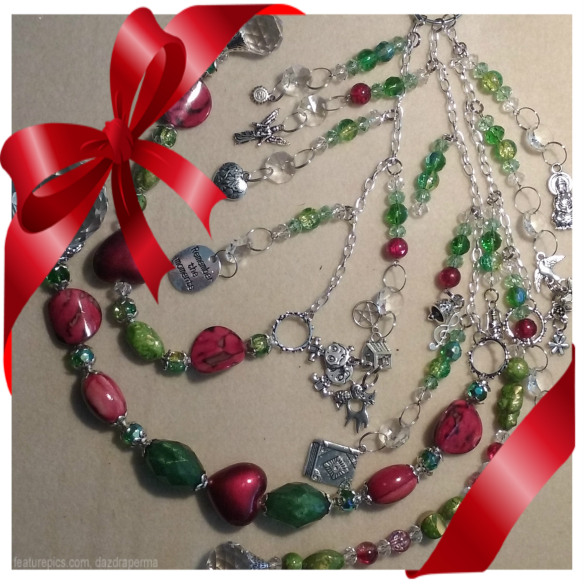
My new friend is Pauline, The Contented Crafter. At the beginning of last week Pauline announced a very generous giveaway for Christmas which I shared with you here. Pauline invited readers to nominate someone as a deserving recipient of her beautiful Christmas light catcher. She posted the nominees and their stories here and invited readers to vote for the two they would most like to receive the light catcher.
I nominated Robin, a friend of over thirty years. That must be deserving of an award in itself! In case you missed her story on Pauline’s blog, I include it here so that you can understand why I value her friendship so highly.
I have a wonderful friend for whom this beautiful light catcher would be a perfect gift. Each of its strands holds a special significance, as if Pauline had her in mind.
She gifted her friendship to me more than thirty years ago and, thanks to a miracle and the protection of angels, it is a gift that continues.
Over twenty years ago, on my birthday, she was involved in a serious car accident. My birthday became her life day, a constant reminder that life and each passing year is a precious gift.
Her many injuries, requiring numerous surgeries over the years, did not injure her bright, cheerful nature and positive outlook on life. Although she lives with constant pain you wouldn’t know unless you asked, and then only if she chose to tell you.
She has an enormous generous and loving heart, and her home is warm and welcoming. Family, especially her two grown daughters and her dear Mum who passed this year, is important to her. She loves to bake and craft individual gifts for her family and friends. She is always busily thinking of others.
She is a gifted musician and amazing music teacher. She plays the flute and sings like a Robin. She incorporates music and fun into classes for children and lessons for adults learning English. All come to her classes eager to learn and leave singing with joy and acceptance.
At Christmas the family gather round to decorate the tree and “remember the moments” marked by ornaments made by smaller hands, collected on travels, or signifying achievements and occasions like graduations and engagements.
I know my friend would treasure this beautiful light catcher as another reminder of life’s precious gifts and moments that make it magic. Thank you Pauline for the opportunity to express openly how much I value her friendship.
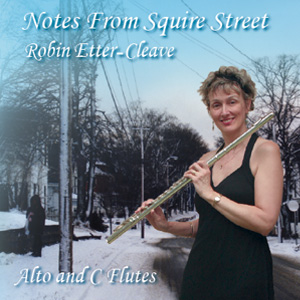
You can find out more about Robin on her website and even purchase her wonderful CD “Notes from Squire Street”.
I am very excited to say that Robin is included in Pauline’s list of winners. In fact Pauline’s generosity is being extended to many of the nominees, and even to one for commenting on the post. Very soon Pauline’s light catchers will be dispersing rainbow light of friendship and joy around the world. I think that is a beautiful and generous gesture.
Thank you for reading. I appreciate your feedback. Please share your thoughts.
At about this time of year people all around the world are finding something to celebrate. According to reindeerland.org about one third to one half of the world’s population celebrate Christmas, whether they are Christians or not. I am not sure about the authenticity of their “facts” but other sites also suggest that arriving at the number of people who celebrate Christmas is problematic.
Christmas is the holiday that I celebrate with my family and friends. I was surprised to find, by reading a guest post, written by Gordon Le Pard on Geoff Le Pard’s blog TanGental, that many of the traditions celebrated at Christmas time are more recent in origin than I would have thought. It is not surprising, though, that the way Christmas is celebrated differs from country to country, and even from household to household, around the world. Sherri Matthewswrote a beautiful post about a Christmas tree festival hosted by a church in Dorset, England. I haven’t seen anything quite like this.
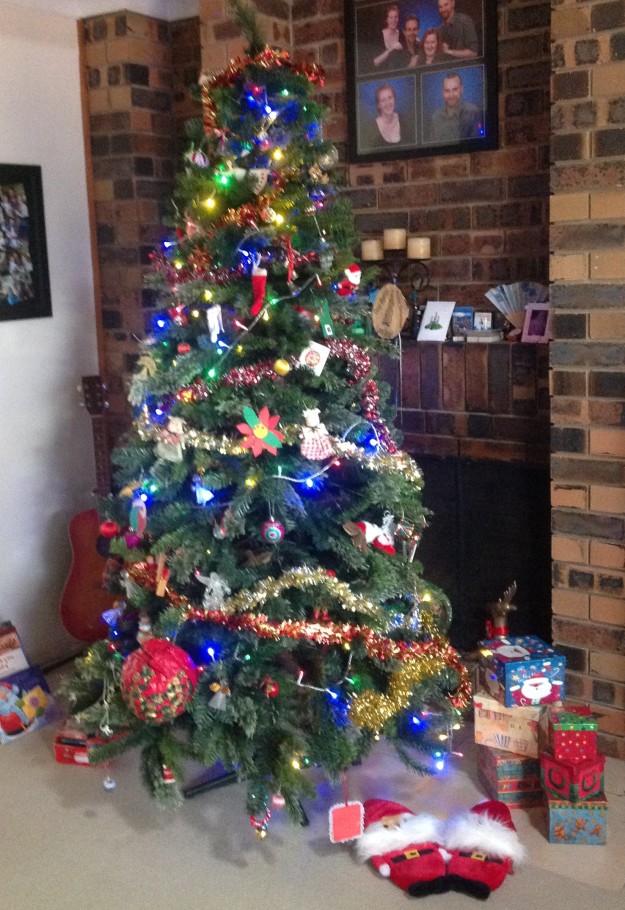
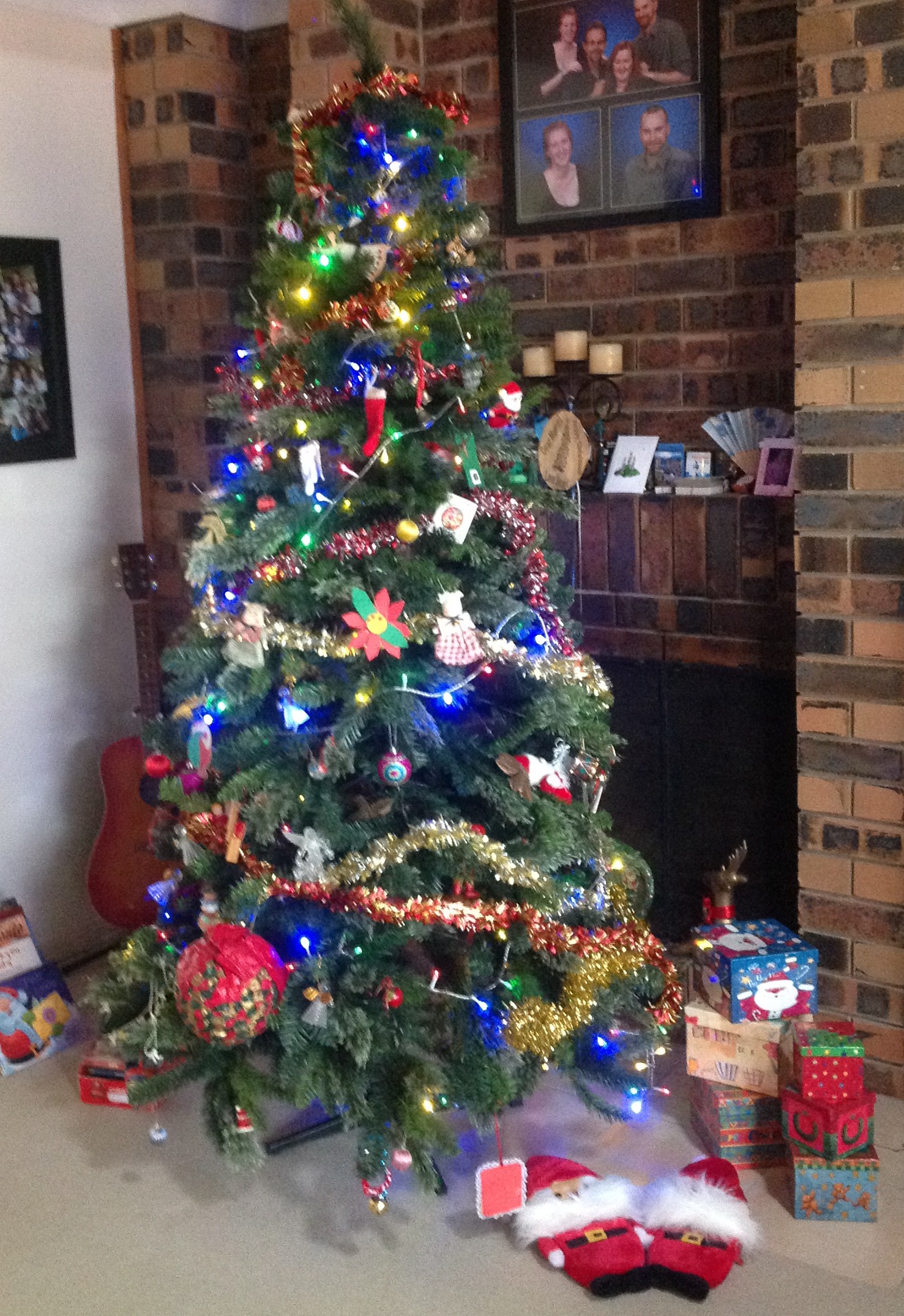
In a previous post I’m (not) dreaming of a white Christmas I talked about some of my family’s Australian ways of celebrating. Sadly most “Australian” resources are simply innovations on, or adjustments to, the European traditions. There are not enough that recognise the summer celebration and “traditions” unique to Australia. I guess our small population keeps us in the minority so it is not economically worthwhile to create alternative resources.
So from my hot sunny days in Australia I wish you and your loved ones happy and safe times, whatever your celebration.
Thank you for reading. I appreciate your feedback. Please share your thoughts about any aspect of this post.
















 Norah Colvin