Live Love Laugh Learn … Create the possibilities

Tag: Children’s literature

  • Finding power in a picture book – the main event

    Finding power in a picture book – the main event

    Teaching critical literacy through picture books

    This is the fourth is a series of posts about the role of picture books, especially The Very Hungry Caterpillar by Eric Carle.

    The purpose of this post is to discuss the importance of critical literacy and the necessity to teach children to

    • think critically
    • not accept everything that is presented in text (oral, visual or print)
    • evaluate the source of the information and the intent of the author
    • match incoming information with prior knowledge,  and
    • question, question, question.

    In these previous posts

    Searching for meaning in a picture book – Part A

    Searching for purpose in a picture book – Part B

    Searching for truth in a picture book – Part C

    I suggested ways of including The Very Hungry Caterpillar in an early childhood classroom and discussed the responsibility that authors have in differentiating between fact and fiction in story books.

    In Searching for truth in a picture book – Part C I pointed out the inaccuracies in The Very Hungry Caterpillar and the pervasiveness of the misconceptions, if not totally attributable to the book, then at least in part. This is verified by Jacqui who, in 2011, wrote on the Monarch Butterfly New Zealand Trust website

    “When speaking to teachers I often find raised eyebrows when I explain that butterflies’ larvae do not make cocoons. The teachers refer to Eric Carle’s book, The Very Hungry Caterpillar, where he refers to a ‘cocoon’.”

    Note that Jacqui refers specifically to this book, rather than to sources in general.

    As shown by Jacqui, though, it can be difficult, even for teachers without specialist entomological knowledge, to sort out fact from the fiction.

    These are two pieces of misinformation contained in the story:

    Misinformation 1:

    Caterpillars eat a lot of different food

    Fact

    Most caterpillars are fussy about their diet, some eating only one specific plant, others eating a variety of plant foods.

    Misinformation 2:

    Butterflies come out of a cocoon.

    Fact

    Butterflies emerge from a chrysalis.

    Moths come out of a cocoon.

    Watch these two videos:

    This one by Strang Entertainment shows the caterpillar becoming a chrysalis.

    This one shows a silkworm caterpillar spinning a cocoon (about 2 mins in).

    They are two very different processes.

    However a quick glance at these Google search results shows just how pervasive the misconceptions are:

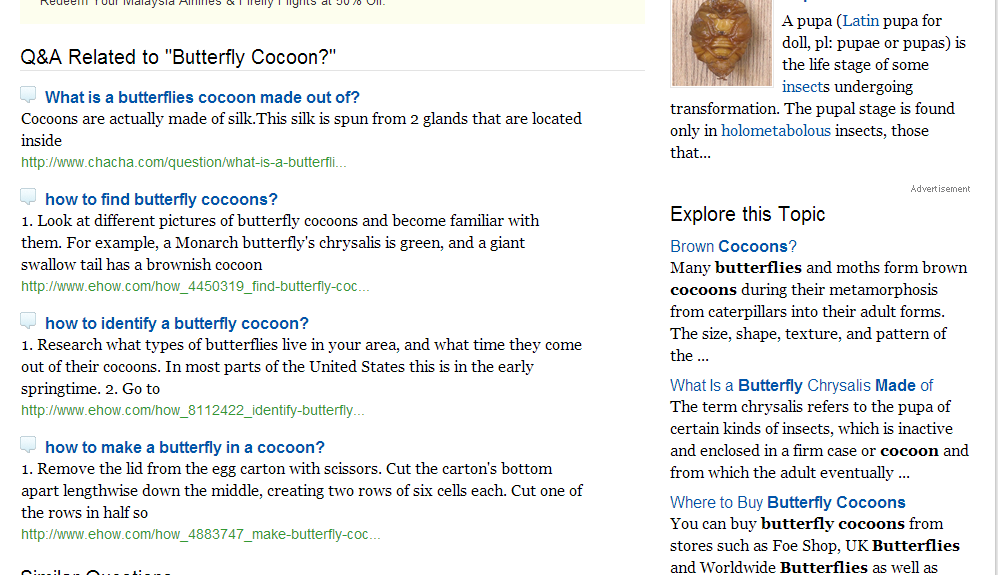
    Cocoon to butterfly

    butterfly cocoons

    Even seemingly authoritative educational websites misinform. Look at the way these two websites promote themselves, and consider the misinformation they are peddling.

    The website Math & Reading Help

    Maths and Reading Help

    states that The Very Hungry Caterpillar is “factually accurate . . . teaches your child to understand this biological process … a butterfly. . .(is) a caterpillar that has emerged from its cocoon”

    Primary upd8 which promotes itself as “UKs most exciting science resource”

    primary upd8

    also suggests using The Very Hungry Caterpillar for teaching about the life cycle of a butterfly.

    primary upd8 knowledge

    If self-professed “authorities” can’t get it right, how are we laypeople meant to make sense of it. Suggestions like these reinforce the need for the skills of critical analysis to be developed.

    Unlike those above, I contend that this book has no place in the science curriculum. Its greatest value is as a tool for teaching critical literacy.

    When children have learned about the life stages of a butterfly and then listen to The Very Hungry Caterpillar, they are very quick to pounce on the inaccuracies and immediately want to write to the author and tell him of his mistake.

    When told that he already knows and that he isn’t going to change it, as confirmed in an interview reported on the Scholastic website, they are incredulous.

    “Why would he do that?” they ask.

    Why indeed.

    When told that he doesn’t care that it isn’t right, they are indignant.

    But herein lies its value:

    I am able to affirm their learning: they know more than Eric Carle; and, more importantly, I am able to reinforce with them that just because something is in print, doesn’t make it true.

    In addition, it is important for them to realise that misinformation does not occur only in picture books, nor only in this picture book. It is just as common in news media, as shown by this article from Brisbane’s Courier-Mail on December 7 2013

    Butterfly emergingtext for photographs

    Nor is misinformation restricted to caterpillars and butterflies.

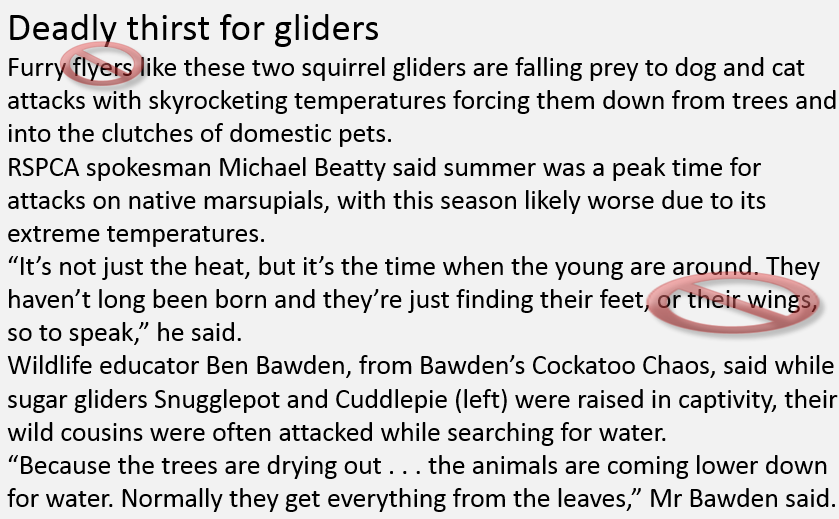
    This article, again from the Courier-Mail, on January 26 2014 also contains inaccuracies:
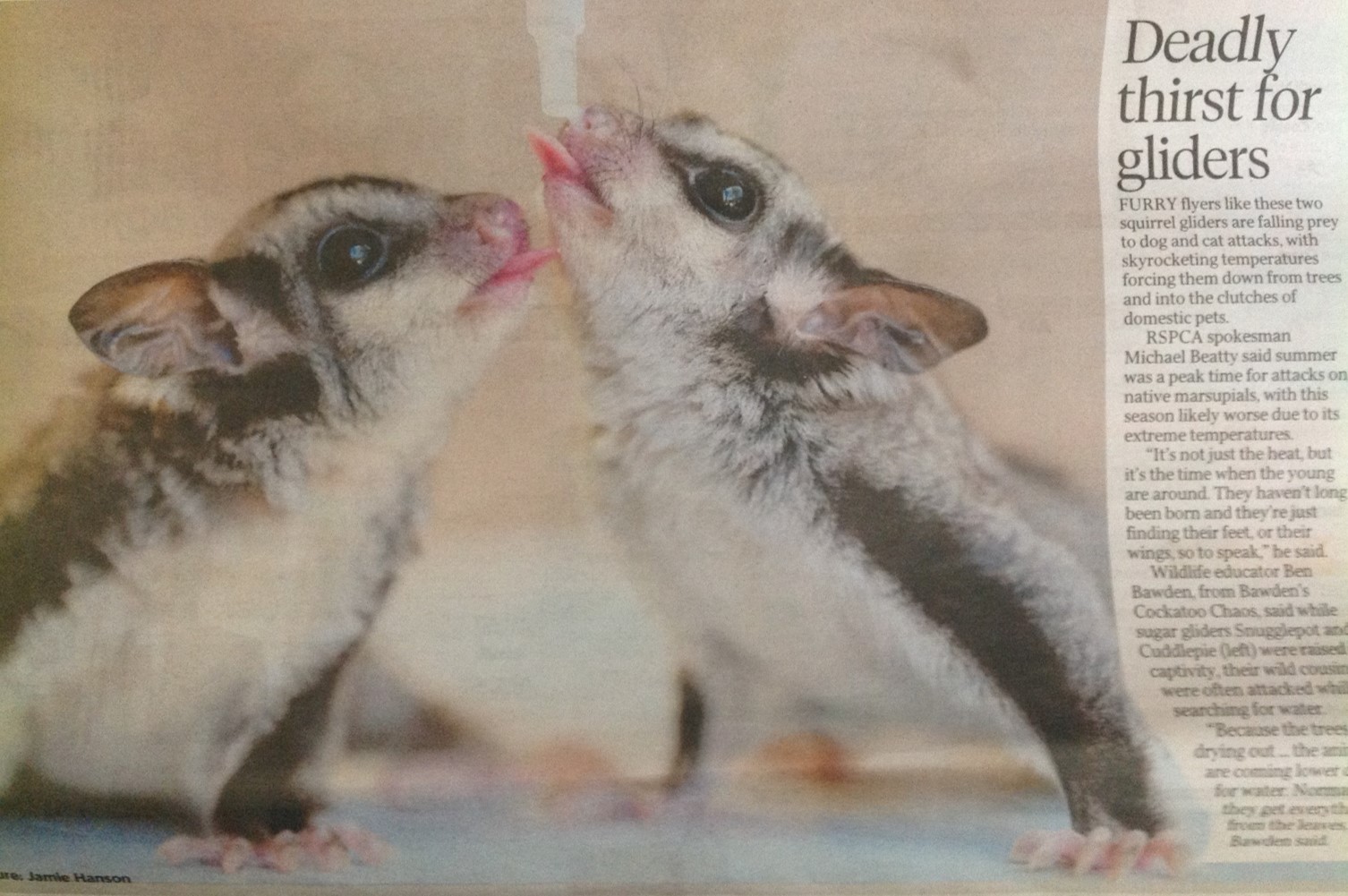
    Deadly thirst for glidersFurry flyers text

    Squirrel gliders don’t fly, and they don’t have wings.

    Suggestions for teachers and parents:

    • point out inaccuracies and inconsistencies
    • encourage children to think about what they are reading and hearing and to evaluate it against what they know
    • support children to verify the source of the information and to check it against other more authoritative/reliable sources
    • help them to recognise that every author has a purpose and to identify that purpose
    • invite children to ask questions about what they are reading and to interrogate the content
    • encourage them to question, question, question.

    As demonstrated by the Google results shown above, there is a good deal of misinformation available, often cleverly disguised as fact. Being able to navigate one’s way through it is a very important skill.

    Eric Carle says “If we can accept giants tied down by dwarfs, genies in bottles, and knights who attack windmills, why can’t a caterpillar (sic) come out of a cocoon?”

    What do you think?

    Do picture book authors have a responsibility for informing their audience? Is a butterfly coming out of a cocoon in the same realm as giants tied down by dwarfs? Would we accept a child hatching out of an egg? What parts of a story should be based in reality and which parts can be imagined?

    “Why can’t a butterfly come out of a cocoon?” asks Eric.

    Well, Eric, they just don’t.

    Please share your thoughts.

  • Reading aloud – sharing stories

    Reading aloud – sharing stories

    I have always loved reading aloud to an audience, be it my own children, a class of children or, more recently, my grandchildren. I love the opportunity to escape into other characters and other worlds. I love to see the expressions on the children’s faces – anticipation, amusement, trepidation, relief, joy.  I love the sounds and rhythms of the language. I love the intricacies of story, poem and information.

    Reading stories aloud to children provides a great opportunity to establish a connection between author, reader and listener, a platform for sharing ideas, thoughts and dreams, an avenue for discussing ethical questions and implications of choices. These discussions may arise spontaneously and be child-initiated, or they may be pre-determined and teacher-lead as in philosophical discussions and bibliotherapy.

    Some parents find reading to their children a chore, something tedious that must be squeezed in around the day’s busyness. I am lucky. I never did.

    Some teachers find it difficult to make time for books in a content-driven classroom; but for me it was always priority.

    boy with books
    http://www.openclipart.org

    Some parents are delighted when their children start reading for it means the daily read-aloud ritual can cease. I never was. Well, I was delighted that they could read, but we kept on reading together.

    I read aloud with my children until they were almost teenagers. The books changed, but the joy of reading and sharing never did. During the teenage, and older, years we continued to discuss and share ideas about books we read and recommendations for reading. We still do: some for ourselves and some for the children, my grandchildren.

    Many of you reading this post take your ability to read and write for granted, as do I. But around the world many children do not have the opportunity to learn literacy skills. According to LitWorld more than 793 million people worldwide remain illiterate. About two-thirds of those are women.

    Like the people at Lit World, I believe that “the right to read and write belongs to all people”.

    I was delighted when I read about World Read Aloud Day on Gail Terp’s blog. I have been following Gail’s blog for a little while now. She titles her blog: “The Best Blog for Kids Who Hate to Read”. She says that one of her top goals is to connect children with books they love and her posts provide recommendations of great books to read to and with children, as well as to be read by children.

    In her post Read Alouds: Supporting Literacy One Book at a Time, Gail suggests 7 reasons for reading (picture books and other books) aloud:

        1. They are fun.
        2. They are motivating.
        3. They are easier to follow.
        4. They often introduce new vocabulary and expressions.
        5. They introduce a variety of writing styles, authors, and illustrators.
        6. They provide an excuse to stay close.
        7. They provide windows to complex subjects and ideas.

    Why not join in reading aloud on World Read Aloud Day this Wednesday, March 5.

    LitWorld, sponsors of the day, urge you to

    “imagine a world where everyone can read . . .”

    “World Read Aloud Day is about taking action to show the world that the right to read and write belongs to all people. World Read Aloud Day motivates children, teens, and adults worldwide to celebrate the power of words, especially those words that are shared from one person to another, and creates a community of readers advocating for every child’s right to a safe education and access to books and technology.

    By raising our voices together on this day we show the world’s children that we support their future: that they have the right to read, to write, and to share their words to change the world.”

    owl_books
    http://www.openclipart.org

    How will you celebrate and share World Read Aloud Day?

  • Happy birthday Dr Seuss!

    Happy birthday Dr Seuss!

    Theodor Seuss Geisel: March 2, 1904 – September 24, 1991

    Picture1

    Today, March 2nd is the birthday of Theodor Seuss Geisel, better known as Dr Seuss, author of over 40 children’s books.

    While several of the Dr Seuss books were published before I was born, and many others published during my childhood, I have no recollection of meeting them prior to my years as teacher and parent. Fortunately those two roles provided me ample opportunity to catch up on the delights that I had previously missed.

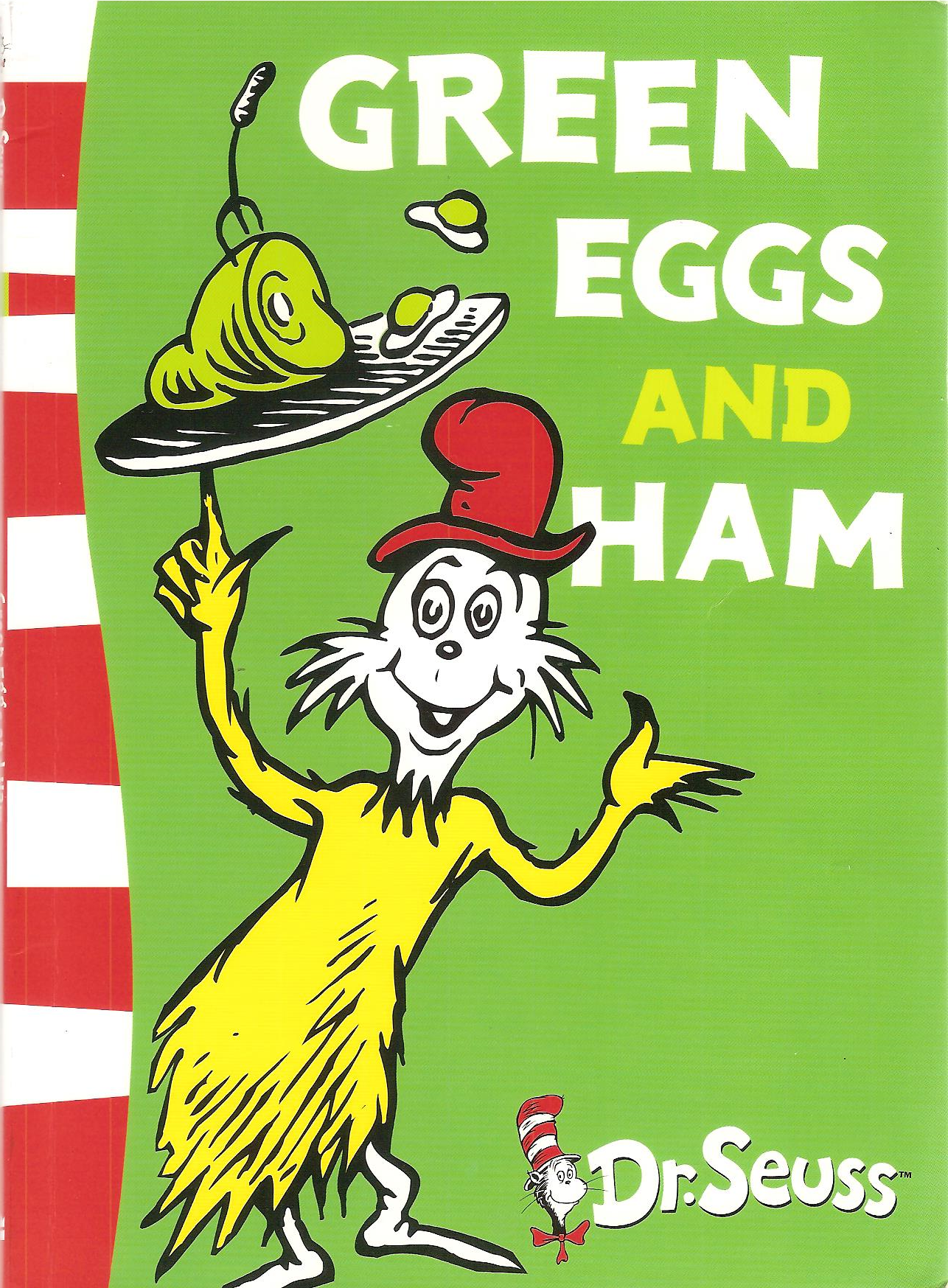
    Green Eggs and Ham

    I even apologised to Dr. Seuss in a previous post for leaning heavily on his book Green Eggs and Ham when writing about my relationship with exercise.  Click on Ode to Exercise to read my poem.

    You could celebrate his birthday by checking out the fun stuff and information on his author site seussville.com

    or pop over to Gail Terp’s Best Blog for Kids Who Hate to Read for lots of other suggestions:

    Celebrate Dr. Seuss’s Birthday with Books

    Dr. Seuss The Perfect Source for Literacy!

    Fun Dr Seuss games for the whole family

    How have the books of Dr. Seuss influenced your life?

    I invite you to share your thoughts.

  • Must read: Neil Gaiman – “Reading and obligation”

    When I first stepped, rather tentatively, into the world of blogging and tweeting I had no idea of the pleasures I would find. I found a whole community of others who share my passion for education, learning, literacy and writing. I found a comfortable niche, discussion group, and a place for sharing ideas like I hadn’t for a long time. I’ve “come home” on the internet.

    In these few short months I have come across some bloggers with very powerful messages that I wish everyone could read and act upon in the ways described. What a wonderful world we would have!

    Over the coming months I will let you know about some  articles I consider  ‘must reads’.

    Please let me know of others you think I should also be reading!

    Thanks for sharing and supporting me on my learning journey thus far.

    The story has just begun!

    This first in the series is a lecture given by Neil Gaiman entitled “Reading and obligation”

    Neil Gaiman lecture in full: Reading and obligation

    Neil captivates me with his opening statement:

    “It’s important for people to tell you what side they are on and why, and whether they might be biased.”

    If you have read any other articles on my blog, you will know that I am biased; biased towards a child-centered, hands-on, creative and innovative approach to education. I believe that children are capable of far more than a structured didactic approach to schooling gives them credit for; and that big changes in the way education is delivered are necessary if we are to make best use of our most valuable resource – human potential.

    As a reader, writer and literacy educator I am biased towards approaches which foster a love of reading and writing. The pleasures to be gained from a literate existence are immeasurable. But more than that, being literate is not only personally empowering, it is a basic human right.

    Obviously the articles on my must read list will be those that share my biases.

    Please follow the link to watch the video or read the complete transcript of Neil’s lecture.

    I offer a few teasers below to incite your interest.

    “everything changes when we read”

    Wow! How powerful is that statement!

    “The simplest way to make sure that we raise literate children is to teach them to read, and to show them that reading is a pleasurable activity. And that means, at its simplest, finding books that they enjoy giving them access to those books and letting them read them.”

    “Fiction has two uses. Firstly, it’s a gateway drug to reading. . .

    And the second thing fiction does is to build empathy.”

    “Fiction can show you a different world. It can take you somewhere you’ve never been. Once you’ve visited other worlds, like those who ate fairy fruit, you can never be entirely content with the world that you grew up in. Discontent is a good thing: people can modify and improve their worlds, leave them better, leave them different.”

    Don’t you love that last statement? I do. If we are always “happy” with the way things are, why would we ever try to improve or change them? A little discontent can be a good thing!

    “We need to read and write, we need global citizens who can read comfortably, comprehend what they are reading, understand nuance, and make themselves understood.”

    Neil goes on to talk about our obligations as readers, writers and citizens of the world.

    He lists the following (read or listen for his explanation)

    • Read for pleasure
    • Support libraries
    • Read aloud to our children
    • To use the language
    • We writers – and especially writers for children, but all writers – have an obligation to our readers: it’s the obligation to write true things, especially important when we are creating tales of people who do not exist in places that never were – to understand that truth is not in what happens but what it tells us about who we are. Fiction is the lie that tells the truth (underlining is mine)
    • not to bore our readers
    • not to preach, not to lecture, not to force 
    • never, ever, under any circumstances, to write anything for children to read that we would not want to read ourselves.
    • to understand and to acknowledge that as writers for children we are doing important work,
    • to daydream We have an obligation to imagine. . . . individuals change their world over and over, individuals make the future, and they do it by imagining that things can be different.
    • to make things beautiful.
    • to tell our politicians what we want

    Neil reminds us that

    Albert Einstein was asked once how we could make our children intelligent. His reply was both simple and wise.

    If you want your children to be intelligent,” he said, “read them fairy tales. If you want them to be more intelligent, read them more fairy tales.

    I couldn’t agree more.

    What about you? What do you think of Neil’s list of obligations? Are there any you would omit, or any you would add?

  • Searching for purpose in a picture book – Part B

    Searching for purpose in a picture book – Part B

    What is the purpose of picture books? Is their purpose simply to entertain with an interesting story and rhythmical language that is fun to read and recite? Is it simply, as I said in my previous post Searching for meaning in a picture book – Part A, “. . . a special time of togetherness, of bonding; of sharing stories and ideas . . . “ Could the purposes of picture books extend beyond entertainment alone? I think most people would acknowledge that reading picture books to young children has a profound effect upon children’s learning and development. In addition to entertainment, picture books can be used for a multitude of purposes, including:

    • to encourage a love of reading and books
    • to develop vocabulary and knowledge of language (through immersion and engagement rather than direct instruction)
    • to provide a link between the language of home and the language used in the wider community and in education
    • to support children embarking on their own journeys into reading
    • to inspire imaginations
    • to provide opportunities for discussing feelings, emotions, ideas, responses
    • to develop feelings of empathy, identification, recognition, hope
    • to instill an appreciation of art by presentation of a wide variety of styles, mediums and techniques

    I’m sure you can think of many more than I have listed here. But what of knowledge, information and facts?

    yves_guillou_question
    http://www.openclipart.org

    How, and when, do children learn to distinguish fiction from fact, or fact from fiction? At the moment that question is too big for me to even think about answering, but it is a question that I ponder frequently and may return to in future posts.

    ryanlerch_thinkingboy_outline
    http://www.openclipart.org

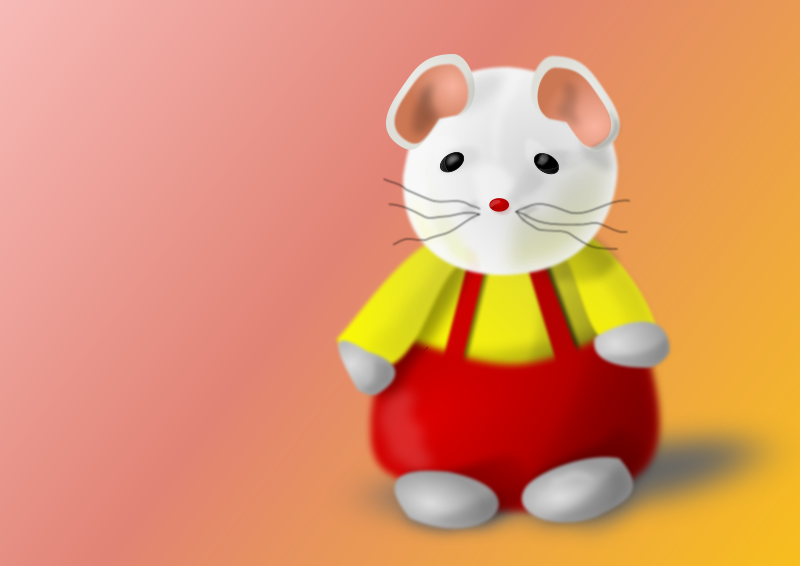
    Children seem to realise early on that animals don’t really behave like humans and wear clothing.

    mouse dressed up
    http://www.openclipart.org

    They don’t expect their toys to come to life and start talking.

    teddy_bear_and_doll
    http://www.openclipart.org

    They quickly understand, when it is explained to them, that unicorns and dragons are mythical creatures and, to our knowledge, don’t exist.

    toy unicorn
    http://www.openclipart.org
    dragon_on_a_leash
    http://www.openclipart.org

    But what happens when the lines between fact and fiction blur and content, though presented in fiction, has the appearance of being based in fact? For example: The lion is often referred to as “King of the jungle” and appears in that setting in many stories. However, lions don’t live in jungles. According to Buzzle, they live in a variety of habitats and jungle isn’t one of them. You knew that didn’t you? But what about the children? When will children learn that lions are not really kings of the jungle? Do you think it matters if children grow up thinking that lions live in jungles?

    Lion_Cartoon
    http://www.openclipart.org

    What about when animals that don’t co-exist appear in stories together? For example: Penguins often share a storyline alongside polar bears. Does this encourage children to think that penguins and polar bears co-exist? When do adults explain to children that penguins and polar bears live at opposite ends of the planet? At what age do you think children will happen upon that information? Does it matter?

    tauch_pinguin_ocal
    http://www.openclipart.org
    lemmling_Cartoon_polarbear
    http://www.openclipart.org

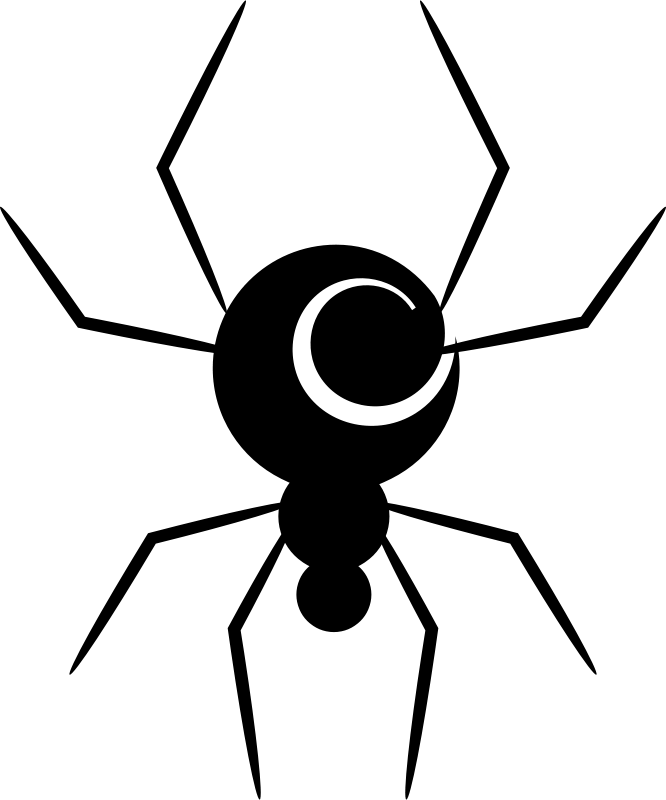
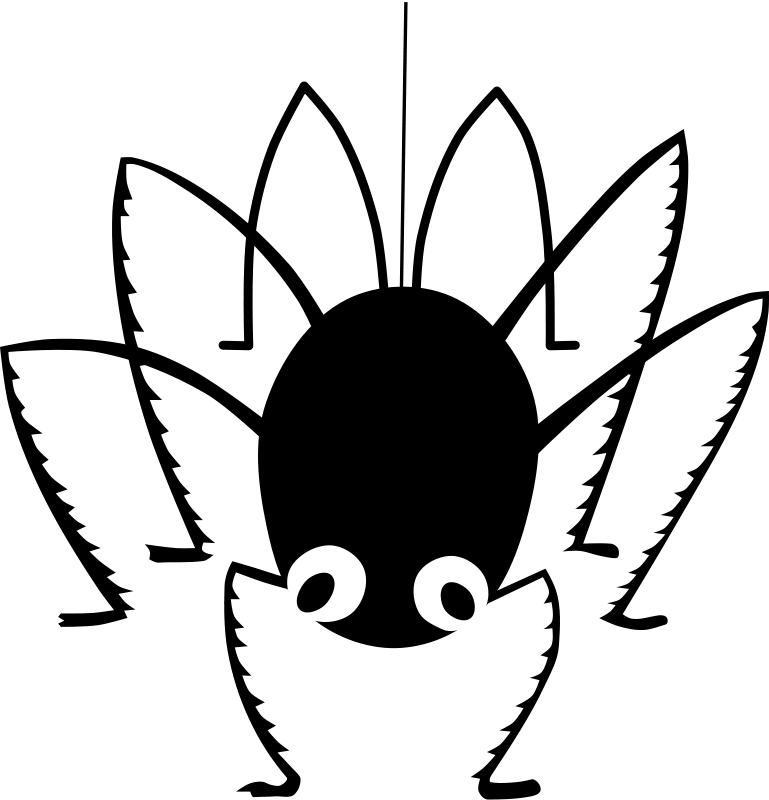
    What about the way animals are visually portrayed in stories? Must the illustrations be anatomically correct? For example: We all know that spiders have eight legs. Right? If I was to ask you to draw a picture of a spider, how would you do it? Have a go. It will only take a second or two. I can wait.

    whistle
    http://www.openclipart.org

    Now compare your drawing with these:

    spiderswirl2
    http://www.clipart.org
    Little_Miss_Muffet_Spider
    http://www.openclipart.org
    spider
    http://www.openclipart.org

    How did you go?

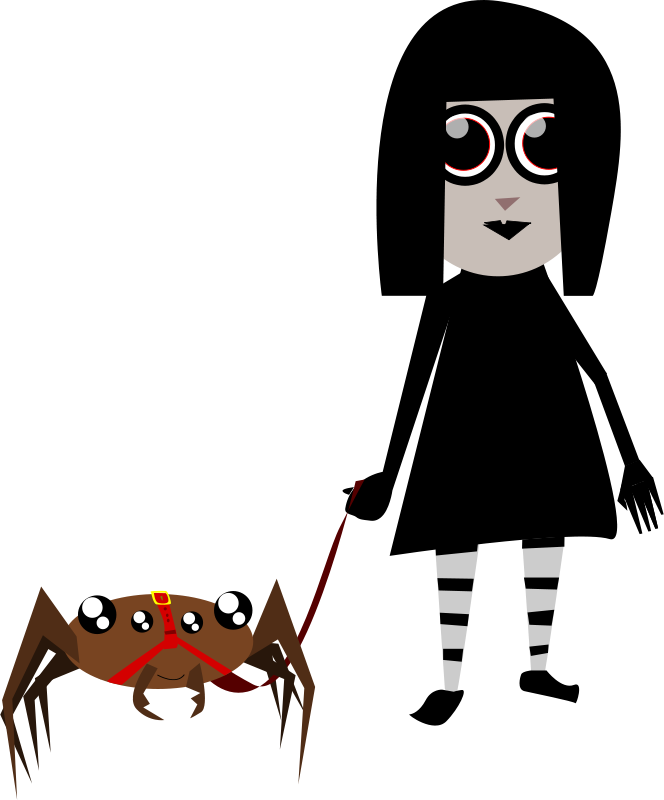
    While children easily realise that this picture is fictional:

    pet_spider_girl
    http://www.openclipart.org

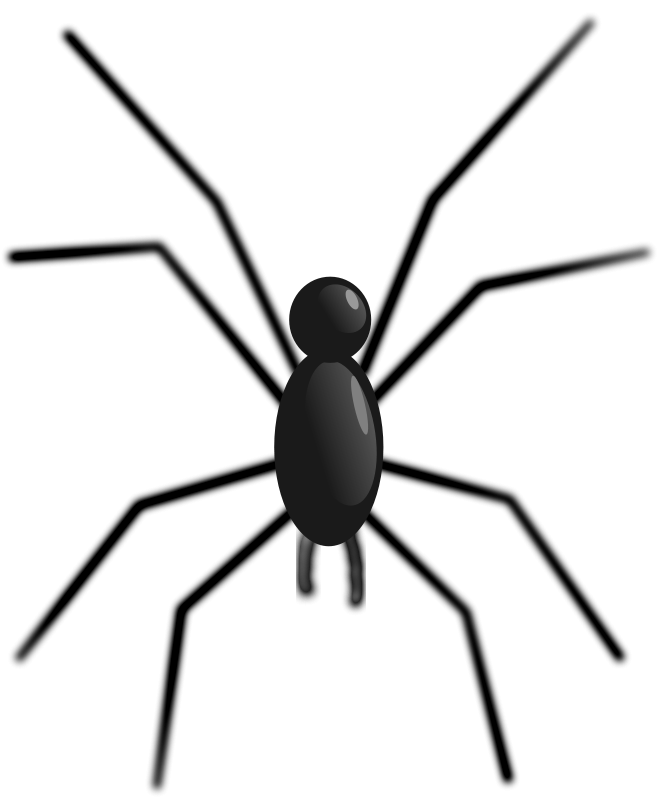
    They have less success is understanding what is wrong with the previous images. Spiders have eight legs. Those drawings show eight legged furry creatures. The story says they are spiders. That must be what spiders look like. Right? Unfortunately, real spiders look more like this one:

    johnny_automatic_spider
    http://www.openclipart.org

    All eight legs are attached to the cephalothorax, not the abdomen (or even one body part) as shown in most picture books. While I am sure you drew a spider correctly (didn’t you?), most children and many adults draw them more as they are depicted in children’s stories. Is this a problem?

    LOVE_2
    http://www.openclipart.org

    I am not for one moment suggesting that we get rid of fictional picture books and stories. I love them! And as I have said, and will continue to say, many times: they are essential to a child’s learning and development. There is no such thing as too many or too often with picture books. Instead, I would like you to consider the misconceptions that may be developed when the content of picture (and other) books may be misleading, and how we adults should handle that when sharing books with children. One of the books that gets me thinking most about this topic is “The Very Hungry Caterpillar” by Eric Carle.

    The Very Hungry Caterpillar

    As I said in a previous post, it has been published in over 50 languages and more than 33 million copies have been sold worldwide. I am almost certain that you will be familiar with it, and upon that assumption, I have one final task for you in this post. Please share your response to the question in this poll:

    To be continued . . .

    I would love to receive any other comments you would like to share regarding the content in this post.

    I do apologize that I have been unable to get the text and pictures in the layout I desire. I obviously have more investigations to carry out and learning to do.  🙂

    Maybe next time I’ll have it mastered, says she, hopefully!

  • Searching for meaning in a picture book — Part A

    Searching for meaning in a picture book — Part A

    Do you recognise this book?

    The Very Hungry Caterpillar

    Chances are you do.

    According to the website of the author Eric Carle, since its publication in 1969 it has been published in over 50 languages and more than 33 million copies have been sold worldwide. It ranks highly in the Wikipedia List of best-selling books.

    Most primary schools, preschools and kindergartens would have numerous copies in their libraries with a copy in most classrooms as well as in teachers’ private collections. Most homes with young children would have a copy in their storybook collection.

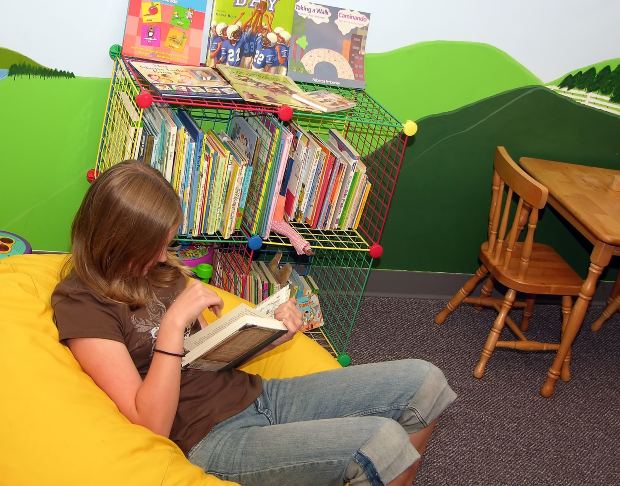
    reading

    In addition to the books, many of those schools, classrooms and homes would have some of the associated merchandise; including toys, games, puzzles, posters and colouring books, which are now available.

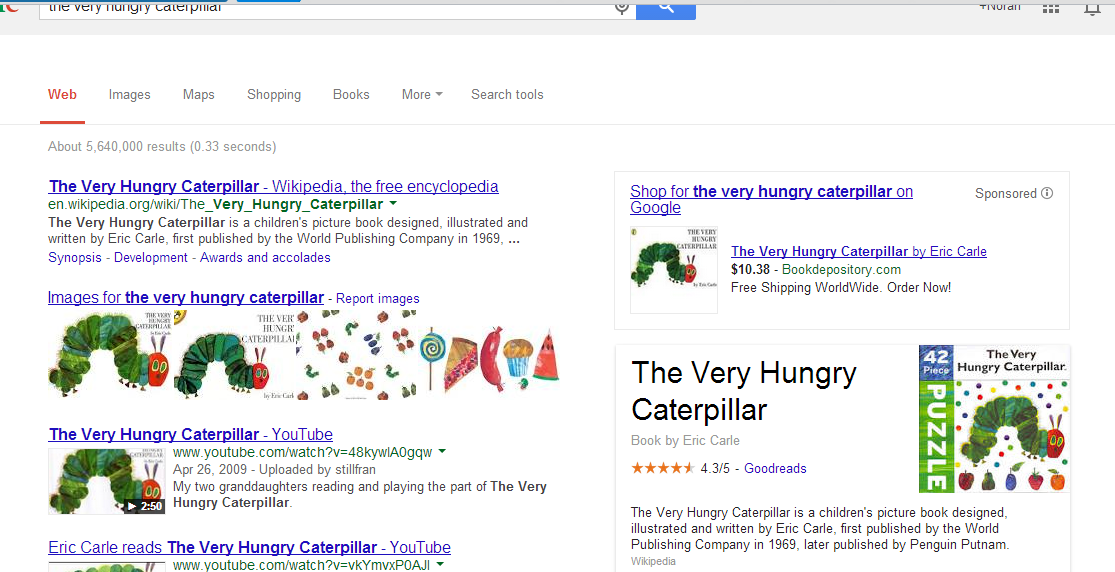
    When I typed ‘the very hungry caterpillar’ into the Google search bar about 5,640,000 results were listed in 0.33 seconds!

     Google search the very hungry caterpillar

    There are activities, lesson plans, printables, videos, and advertisements for merchandise. There is a plethora of suggestions for using the book as a teaching resource, including counting, days of the week and sequencing.

    I think you would be hard pressed to find someone that hasn’t at least heard of the book. That is quite an impact, wouldn’t you say?

    For a book to have done so well, it must have a lot going for it. And it does.

    There are many things I like about this book, including:

    • The bright, colourful, collages with immediate appeal
    • The natural flow and rhythm of the language making it easy to read, dramatize and recall
    • The sequence of numbers and days encouraging children to predict and join in with the reading and retelling
    • The match between the illustrations and the text supporting beginning readers as they set out upon their journey into print
    • The simple narrative structure with an identifiable beginning, a complication in the middle with which most children can empathise (being ill from overeating) and a “happy” resolution with the caterpillar turning into a beautiful butterfly.

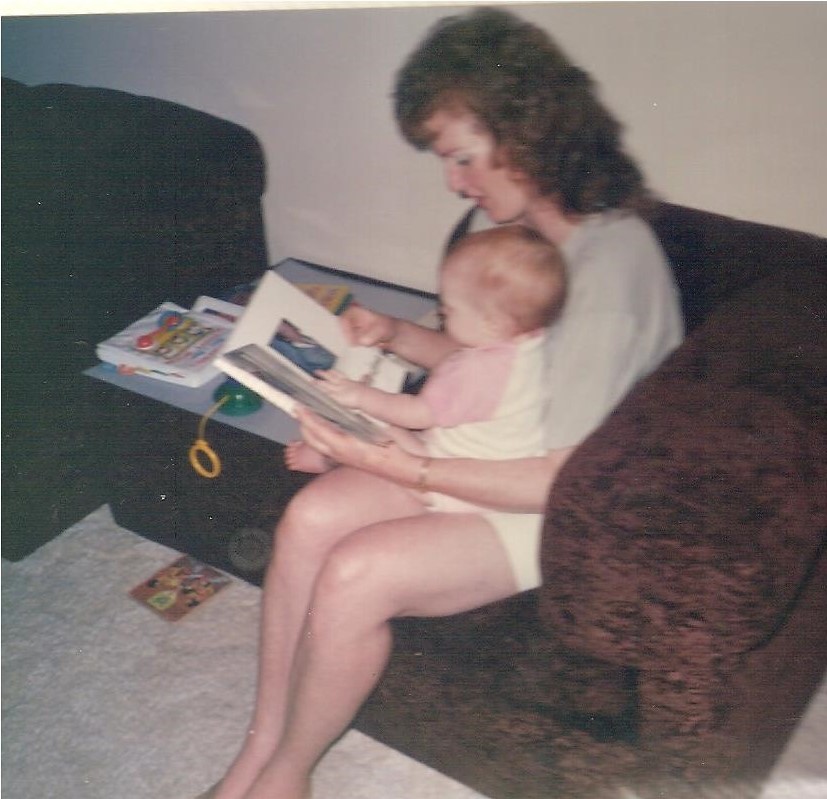
    Reading to children

     Nor and Bec reading

    Sharing of picture books with children from a very young age has a very powerful effect upon their learning.

    There are many benefits to both parent and child of a daily shared reading session.

    clock

    It can be seen as a special time of togetherness, of bonding; of sharing stories and ideas. It can be a quiet and calming time; a time to soothe rough edges and hurt feelings; a time for boisterous fun and laughter; or a time for curiosity, inquiry, imagination and wonder.


    Whatever the time, it is always a special time for a book
    ; and all the while, children are learning language.

    8-12-2013 7-38-33 PM
    © Bernadette Drent. Used with permission.

    They are hearing the sounds and rhythm of their language. They are being exposed to new vocabulary, sentence structures, concepts and ideas. They are learning important understandings that will support them on their journey into literacy e.g. they are learning that the language of a book differs from oral language and that the words in a book always stay the same.

    They begin to realise that it is the little black squiggly marks that carry the message, and they may even start to recognise some words.

    Robert 2

    Many of these, and other, features make “The Very Hungry Caterpillar” suitable for incorporation in an early childhood curriculum, for example:

    The Very Hungry Caterpillar

    • Literature appreciation – love of language, knowledge of story, interest in books
    • Reading – the clear, simple and predictable text make it an easy first reader
    • Maths – counting and sequencing the numbers, sequencing the days of the week
    • Visual arts – learning about collage and composition of a picture
    • Philosophical inquiry —sharing interpretations and discussing feelings about the story, asking questions raised including the ‘big questions’ of life

    ryanlerch_thinkingboy_outline

    Eric Carle, in an interview with Reading rockets, describes it as a book of hope. He says:

    You little, ugly, little, insignificant bug: you, too, can grow up to be a beautiful, big butterfly and fly into the world, and unfold your talents.”

    He goes on to explain that,

    I didn’t think of this when I did the book, but I think that is the appeal of the book.”

    But I’m not going to let him have the last word!

    While “The Very Hungry Caterpillar” has always been one of my very favourite picture books, I do have some misgivings about the impact that this book has had.

    In future posts I will share what I consider to be some limitations of the text, and what I consider to be the most powerful use of all.

    What do you think?

    What appeals to you about this book?

    What questions does it raise for you?

    Please share your ideas. I look forward to hearing what you think.

  • Enhance learning potential – talk and read daily

    Reports in the media this week asserted that parents are not making the time to read to their children on a regular basis. They also stated that children are beginning school unable to talk.

    So what’s new and why does it matter?

    Beckii readingSimilar allegations have been made for decades and it is saddening to see that the situation persists despite the increased volume of good quality children’s books being readily available at affordable prices and the torrent of information available in easily accessible media, including information about the importance of talking with and reading to children.

    Children who start school with a love of reading and learning have an enormous advantage over those who don’t.

    Robert 2Teachers of children in their first years of schooling are easily able to identify the children who have been talked with and read to in their before school years. These children display a broader general knowledge, a larger vocabulary and fluency with language, a comfortable familiarity with books and an expectation of enjoyment with learning.

    Children whose before school years have been bereft of meaningful conversations with adults and lacking in regular and frequent incursions into books, generally present with limited general knowledge, restricted vocabulary, little expectation that books will provide joy and diminished interest in or incentive for learning.

    Why then are parents not making the time to talk with and read to their children?

    Busy schedules and work commitments make it seem as if there is just not enough time to fit in talking and reading to children every day. But how much time does it take to do that?

    Simple changes in routine can open up new avenues for communication without requiring an extra commitment of time.

    reading Spot

    Here are just two suggestions for easily adding a talk and a book to the daily schedule without requiring any more time.

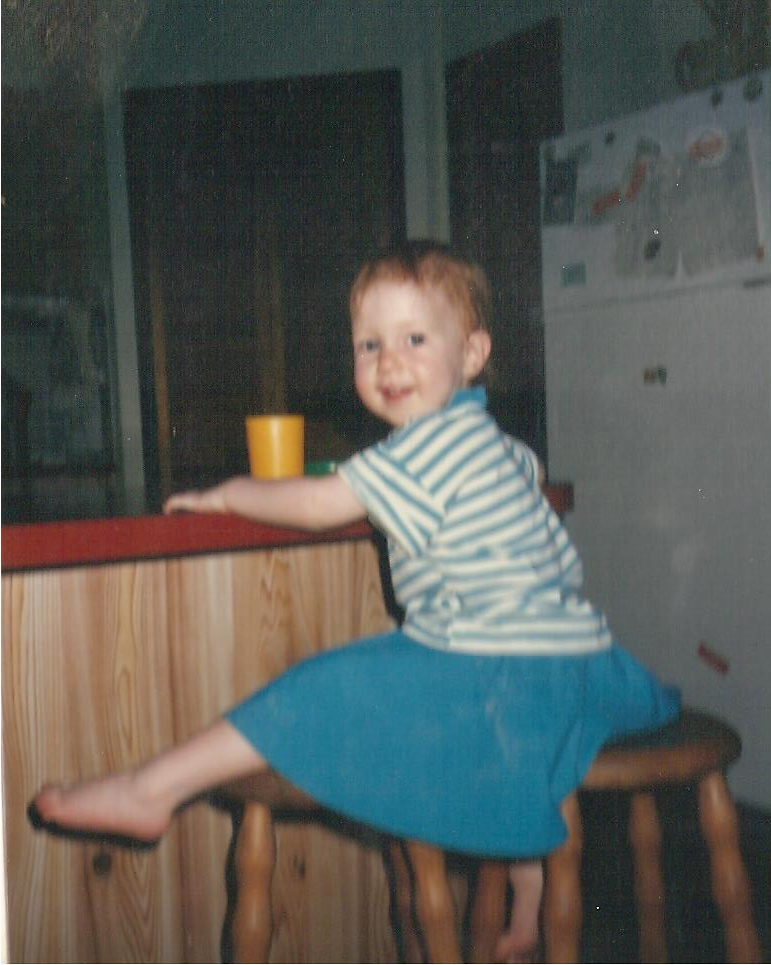
    Sit a child on a stool beside you and chat about the day’s events while preparing the evening meal.

    Beckii on stoolThis simple activity requires no further expenditure of time but greatly enhances the child’s communication skills and the parent-child relationship as well. Vocabulary is extended to include words that name and describe foods and the actions that are used in the preparation. Enlisting their help further boosts their sense of self and independence and may encourage a greater willingness to try a wider variety of foods.

    The promise of a story at bedtime can help to make the transition from a busy day to a restful night easier and more enjoyable.

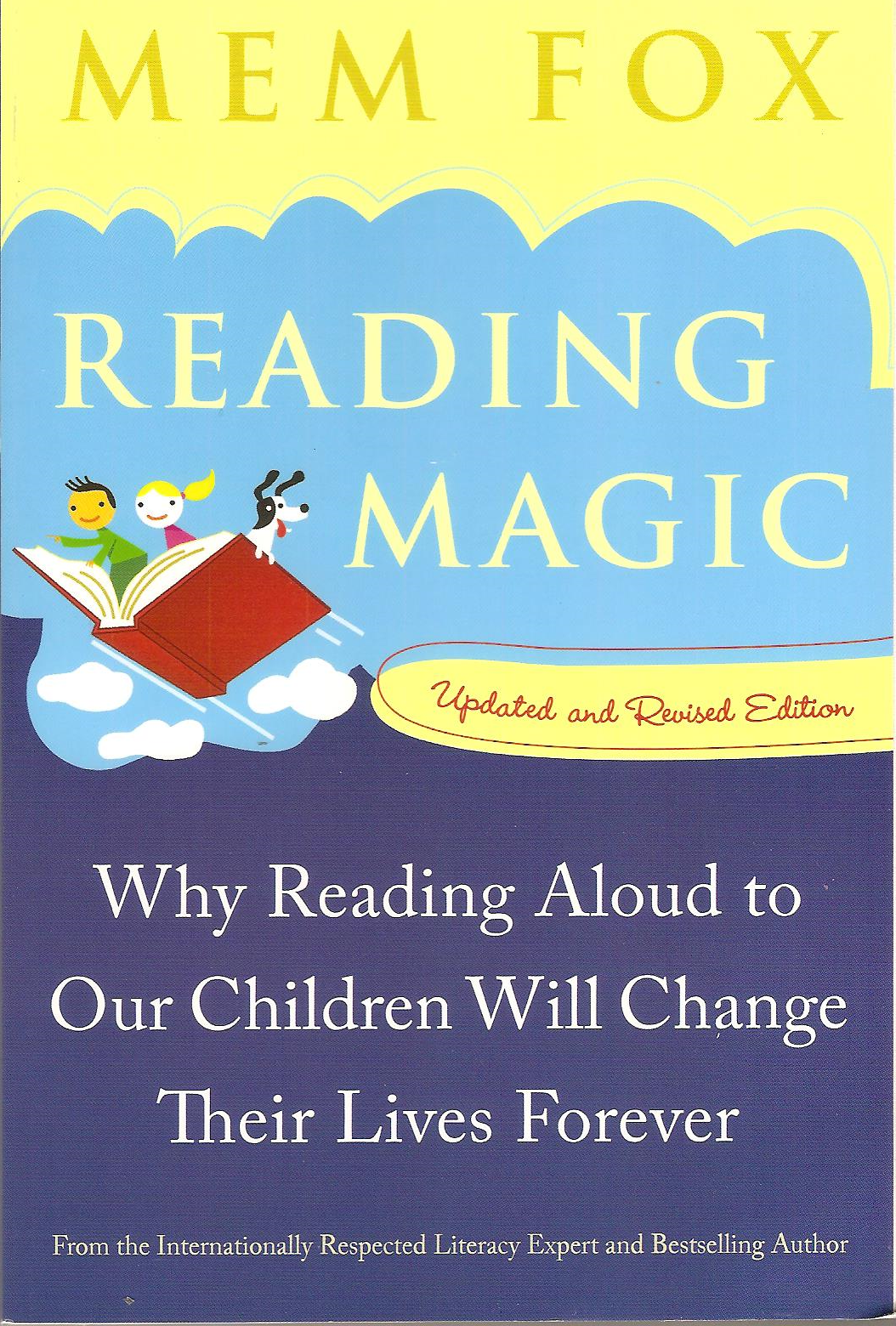
    Reading magicA short time is all it takes to share the joy of a story.  In her book Reading Magic Mem Fox recommends 10 minutes of reading to children every day. Ten minutes of story time gives far more pleasure to both child and parent than ten minutes fraught with coaxing and struggling. Snuggling up in bed for a special quiet story time with a parent eases the child into relaxation and a slowing down in preparation for sleep.

    In addition to strengthening the child-parent bond, a love of books and an enjoyment of language and story is being nurtured; a love that can be maintained throughout one’s life.

    Nor and Bec reading

    How do you fit talking and reading into your busy schedule?