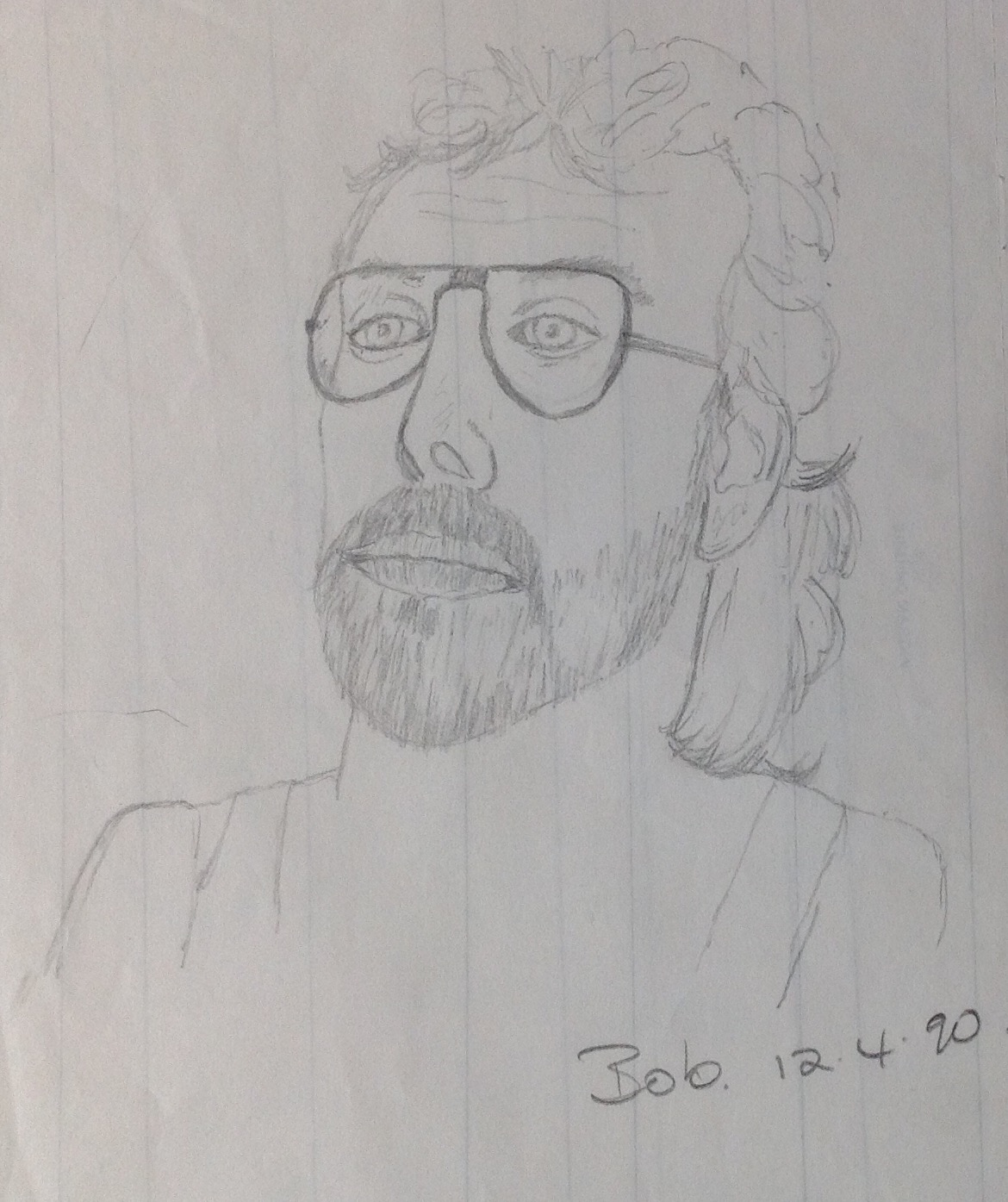
Live Love Laugh Learn … Create the possibilities

Tag: art lessons

  • Can you imagine a world without The Arts?

    Salvador Dalí [Public domain], via Wikimedia Commons
    How much time do you think should be devoted to the creative arts in school? How much time do you think is spent on creative arts in school? Is it a match?

    The arts include such things as:

    • Visual Arts
    • Drama
    • Music
    • Dance

    Educational policies promote The Arts for their potential to develop creativity and critical thinking. For example, the rationale for The Arts in the Australian Curriculum states that

    “The arts have the capacity to engage, inspire and enrich all students, exciting the imagination and encouraging them to reach their creative and expressive potential.”

    Creativity and critical thinking are mentioned first in the aims.

    How do The Arts contribute to our world?

    If nothing else, they add beauty to uplift and inspire. In many ways, they are time capsules, carrying stories from the past through our present and into the future. While I am neither artist nor art connoisseur, I see the value in each form and the importance of sharing them with younger generations.  I also consider it important for young children to have freedom to explore each of the arts as a medium of self-expression.

    I have shared some thoughts about each of the arts in previous posts, including
    Let’s Dance!

    image courtesy of openclipart.org

    I’ve got the music in me!

    Imagine that!

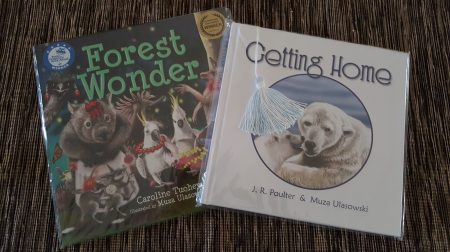
    and introduced you to some amazing illustrators including Jeannie Baker, Kim Michelle Toft, Narelle Oliver, Helene Magisson. Today I have received two beautiful picture books illustrated by the very talented Muza Ulasowski who I’ll be interviewing later this year.
    At the Carrot Ranch this week Charli Mills challenges us to consider what a nation may be like if art was gone. The picture she creates of a possible “post-truth era dystopian” future is not pretty. I’m not into dystopian futures where “everything is unpleasant or bad”. Tell me, we’re not there yet, are we?

    Although The Arts get a good rap in the Australian Curriculum, and other curricula too I’m sure, many teachers grumble that time for creativity and the arts is pushed out as schools focus on the formal tests that pit school against school, state against state, and country against country.

    Hopefully that situation is not as dire in early childhood situations. Fortunately, young children are constantly exposed to some aspects of the visual arts through beautifully illustrated picture books. Hopefully they also enjoy copious amounts of music, song, and movement each day, and lots of time for imaginative play. How much more than that, and how much time for self-expression, may vary from school to school and teacher to teacher.

    Involvement in art programs can also be therapeutic, giving children opportunities for quiet, almost meditative times, in which they can turn off their brains for a little while, relax, and express themselves.

    For Marnie, a character I have been developing through responses to Charli’s flash fiction prompts, art is more than just a release. Art classes with her favourite teacher Miss R., who sees and encourages the possibilities and potential that lie within, offer her welcome respites from the harshness of her reality.

    I introduced this notion in a flash piece Safety, and extended the idea in a longer piece The story behind brown paint.

    In this response to Charli’s prompt to In 99 words (no more, no less) go down the rabbit hole to a place where art is not allowed. It could be a small story or a dystopian vision. Is there a power struggle over art? Would the general public miss it? Is the end of art a natural evolution? I have considered what it might be like for Marnie should her should she be robbed of her treasured art class. I hope you enjoy it.

    No Art

    She’d survived! In just minutes, art class with Miss R. Without Art today, she’d be somewhere else; anywhere. Or nowhere. Breathing deeply, imagining sunshine and calm waters, as Miss R. taught, helped quell the warmth rising from her feet, threatening to explode her heart and head. Somehow she’d avoided Brucie and his bully mates, escaping their lunchtime taunts. Now Art: sanctuary. Suddenly, tears obliterated hope as she read: “No Art today. Classes cancelled.” Where was that white rabbit with a hole down which she could disappear?

    Later, during class, Miss R. asked, “Has anyone seen Marnie?” Brucie just smirked.
    Thank you for reading. I appreciate your feedback. Please share your thoughts.

  • Between the lines

    Morguefile http://mrg.bz/omEd2M
    Morguefile http://mrg.bz/omEd2M

    For a few months I had been aware of the new colouring books for adults craze that is sweeping the world but had chosen to ignore it. That is, until I read a blog post by Alana Munro stating that “According to Psychologists, Colouring is the Best Alternative to Meditation” and I thought I’d add my two cents worth.

    I had already been urged by some writing, publishing and marketing entrepreneurs to quickly create a colouring book and cash in on this new lucrative market. Apparently it’s easy to create a book using royalty free creative images found online and publish the books on Amazon where they have their own genre.  People are buying them by the dozens. The books are also displayed prominently in bookstores, and promoted on social media.  What is there to lose?

    As a teacher and parent I have never been in favour of colouring books for children. I know some argue that colouring does have a (small) place. Children may develop fine motor skills when colouring between the lines, and colouring is sometimes integrated with other things such as graphing, mapping, and colour-by-number activities.

    © Norah Colvin
    © Norah Colvin

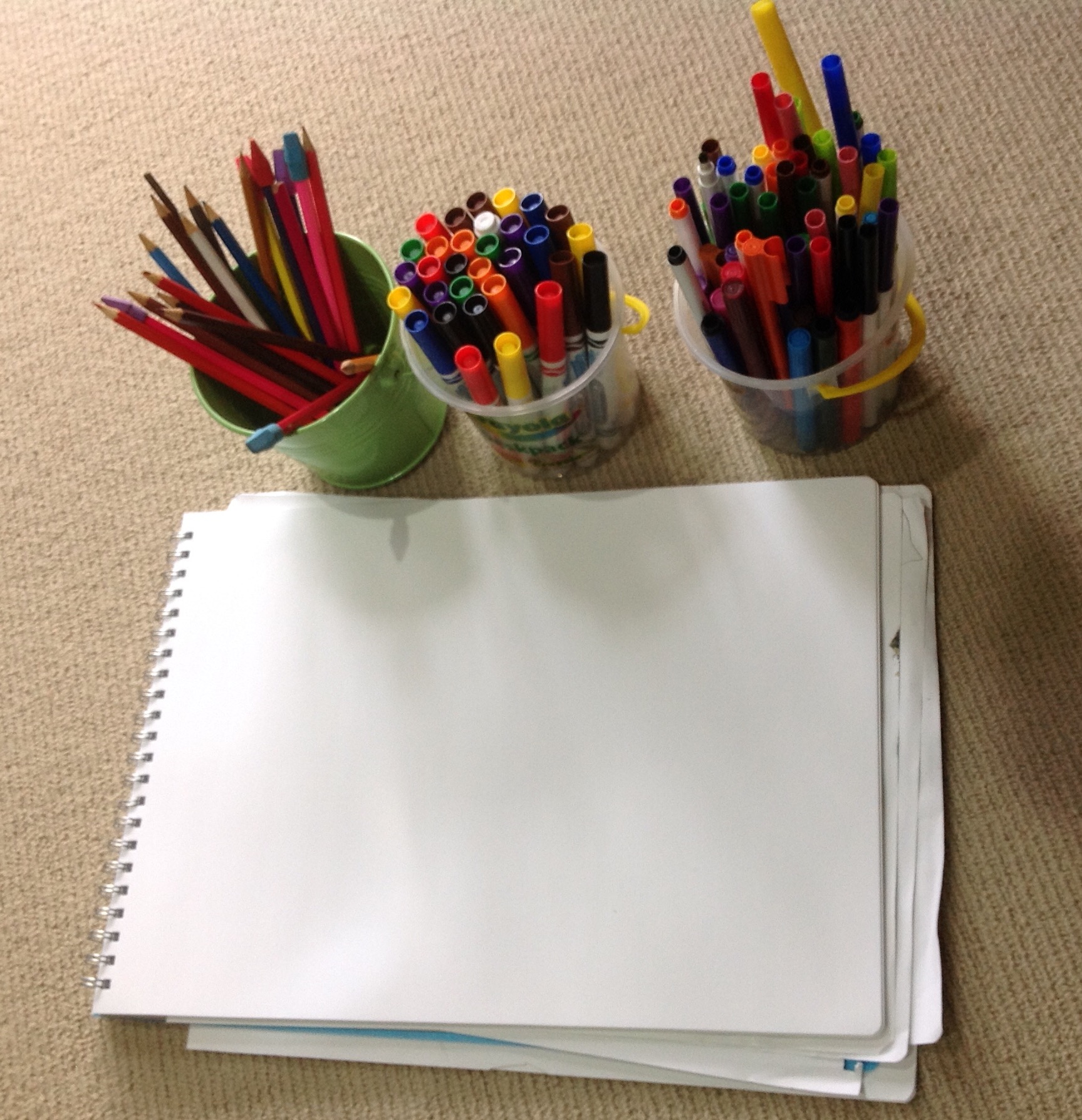
    But I have rarely given a colouring book as a gift. I would rather give a blank art book and a variety of pencils and pens for children to create images from their own imaginings. Their fine motor skills and their creativity will develop perfectly well that way and it may help to avoid the feelings of inadequacy that can develop from spending too much time colouring the works of others.

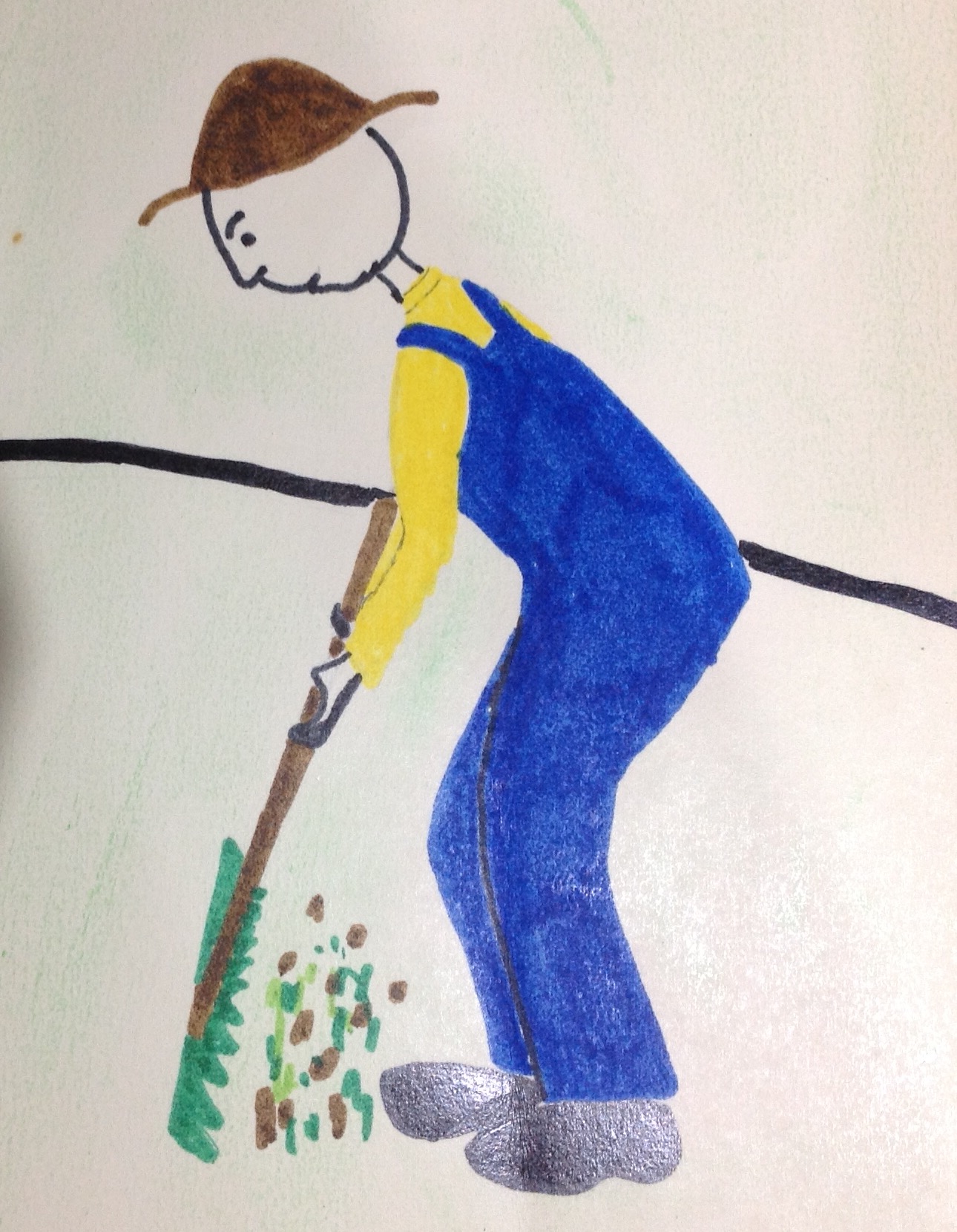
    That’s not to say that learning some of the artist’s techniques is a bad thing. Twenty-five years ago I did a short “Drawing on the Right Side of Your Brain” course, based on the work of Betty Edwards. I didn’t consider myself an artist, and still don’t, preferring to write than to draw. But being interested in learning and anything to do with the brain, I decided to see what I could do. I was amazed at the results. Unfortunately, I don’t have many pre-course drawings to share with you, just this one of a gardener, but please take my word for it that I showed little promise.

    © Norah Colvin
    © Norah Colvin

    In the course I learned the importance of drawing what the eye sees, not what the mind thinks it sees; for example we might think of the roundness of the rim of a cup, but what we actually see is an ellipse. The importance of seeing accurately is true whether drawing an actual or imagined object or scene.

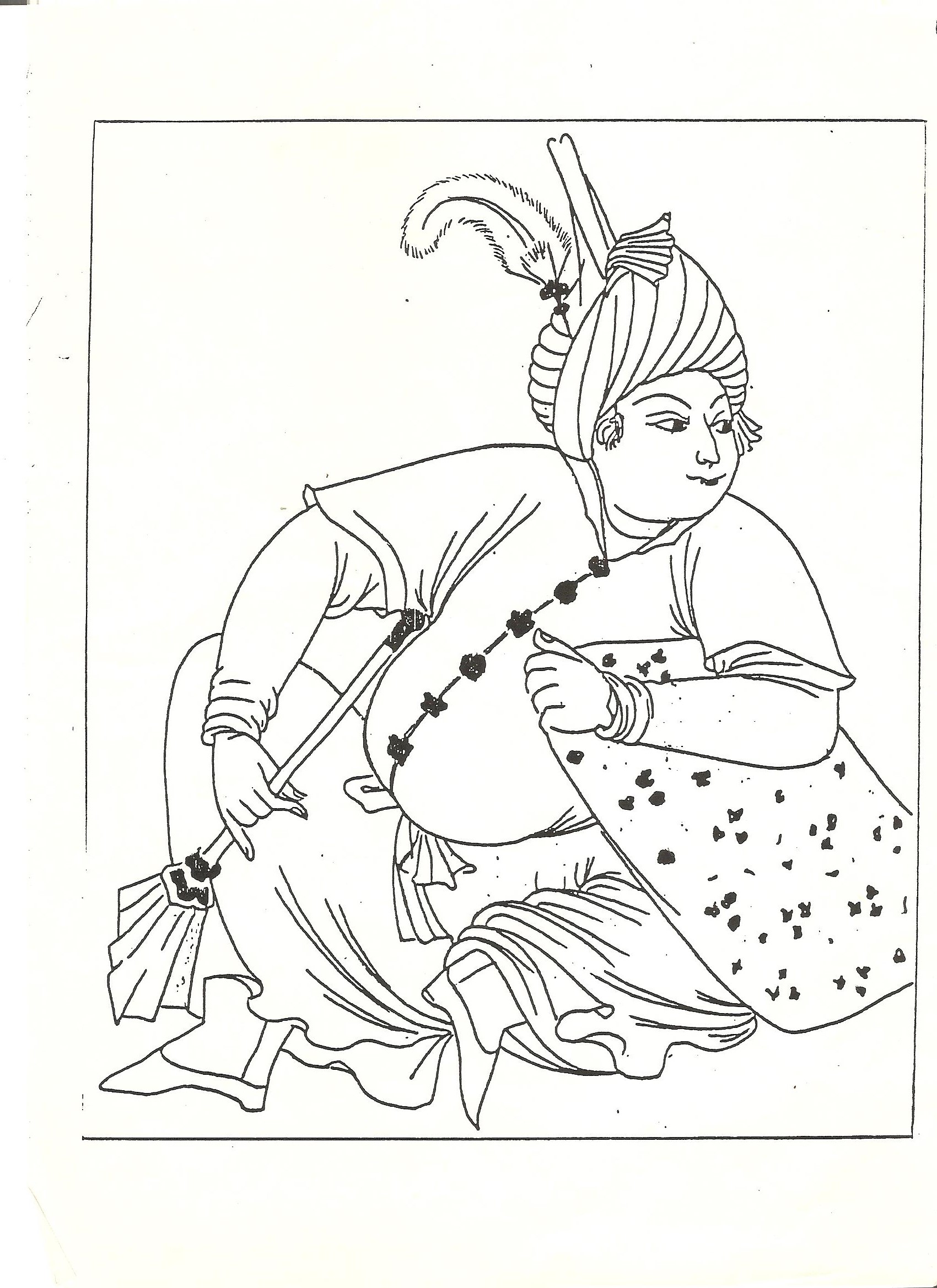
    In the first lesson we were given this picture to copy.

    original

    I admit that I didn’t have high expectations as I began. We were told to turn the picture upside down and to start copying from one corner. In doing this we focussed only on each of the lines, drawing just what we could see. We were not to turn the picture the right way up until we had finished. There was to be no interference from what we thought we were drawing to what we were actually drawing. Everyone in the class was amazed with their results.

    This is mine:

    © Norah Colvin
    © Norah Colvin

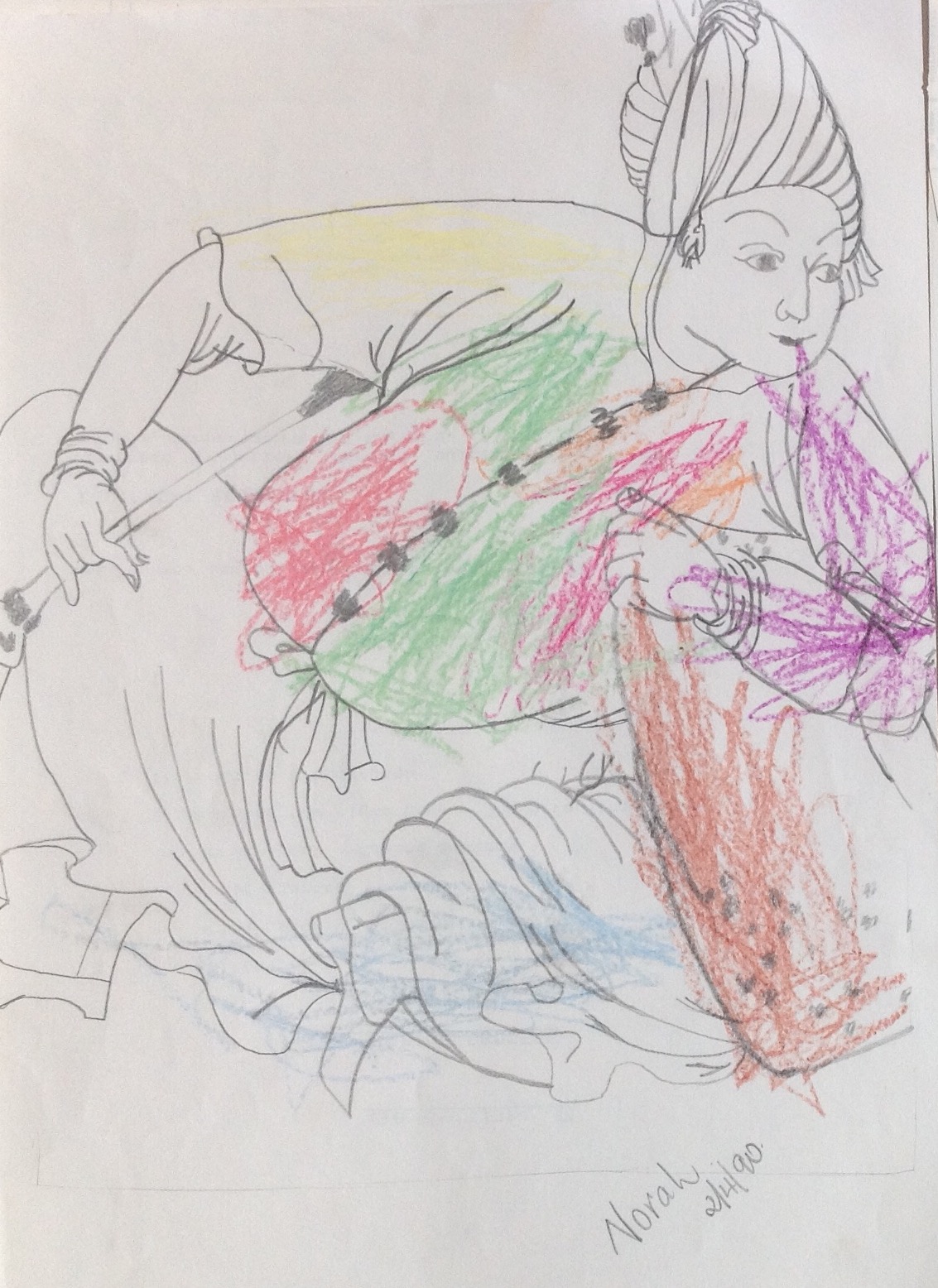
    And thank you to Bec, who was three at the time, for deciding it needed some colour!

    For a short while I engaged in a flurry of drawing activities, but soon abandoned them to other more pressing or preferred activities. I had proved to myself it was possible. That was sufficient. Now someone just needs to come with a singing on the right side of the brain course for me!

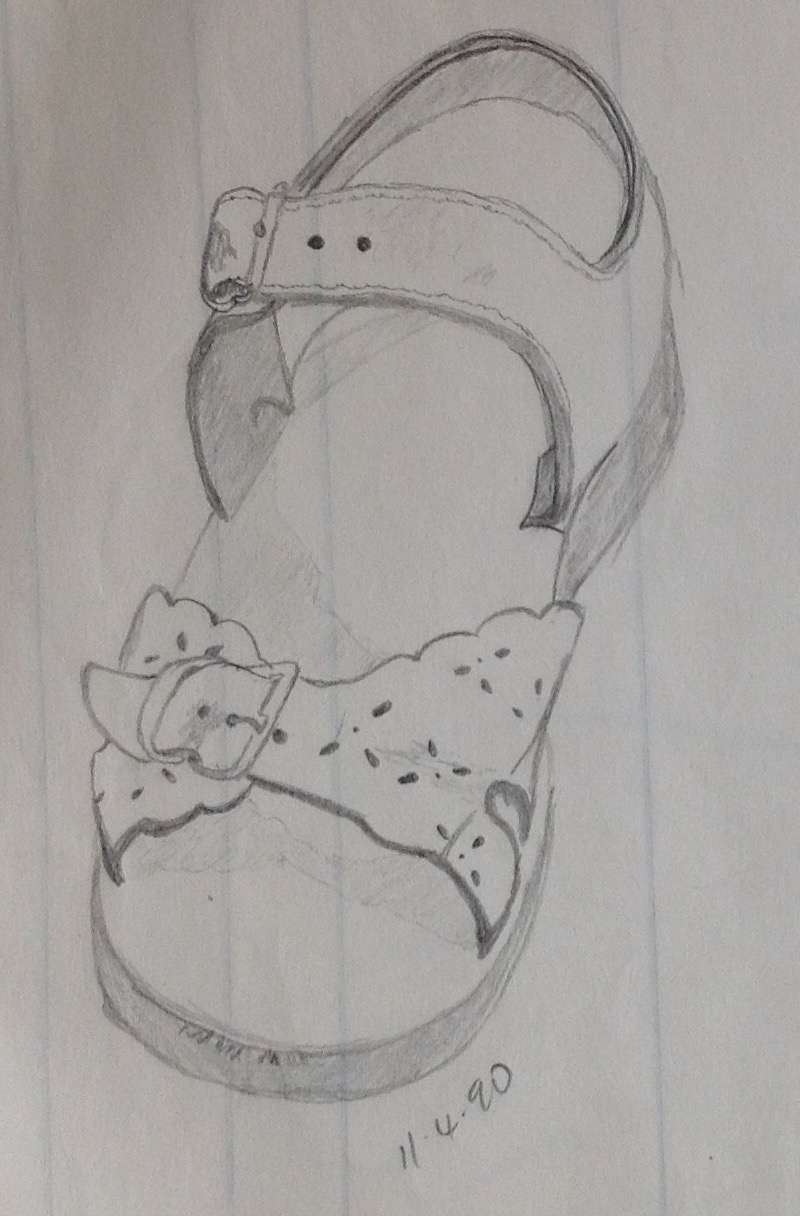
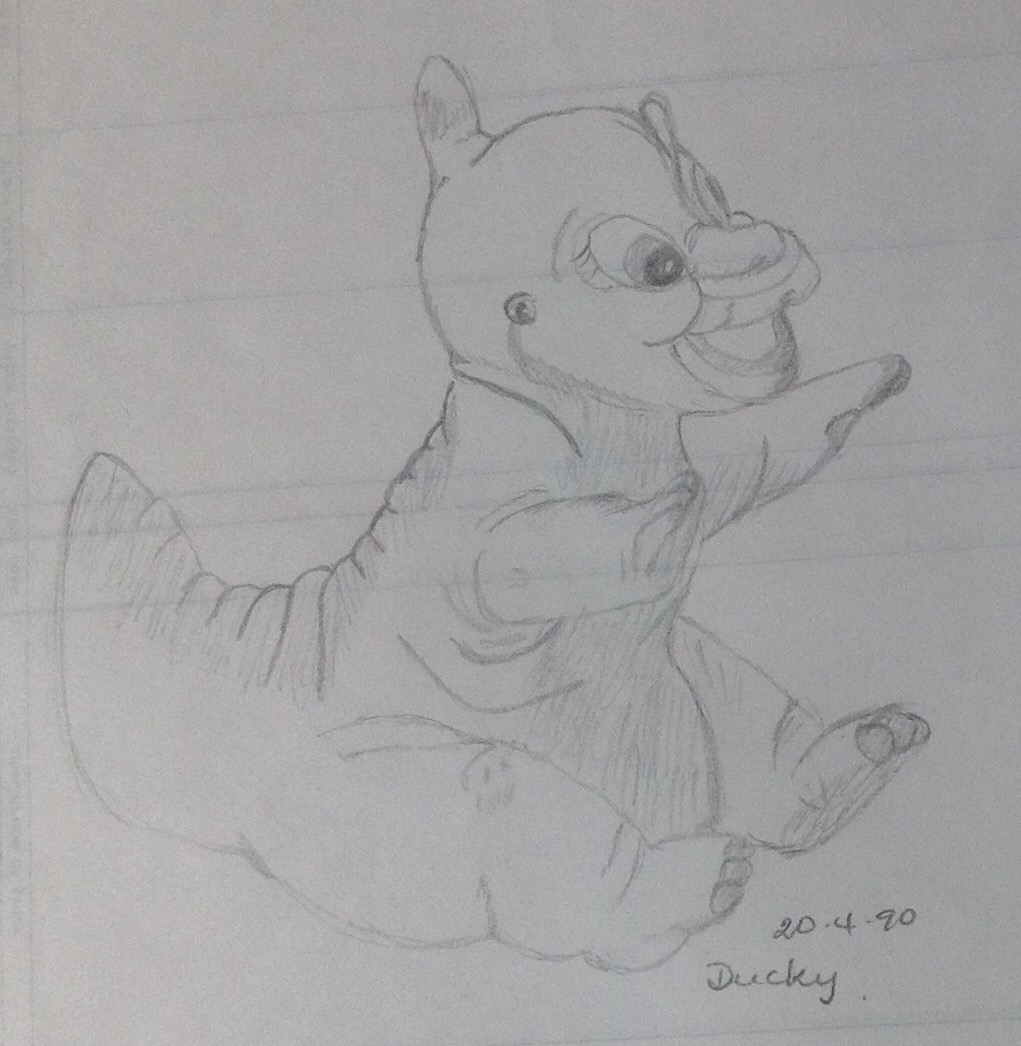
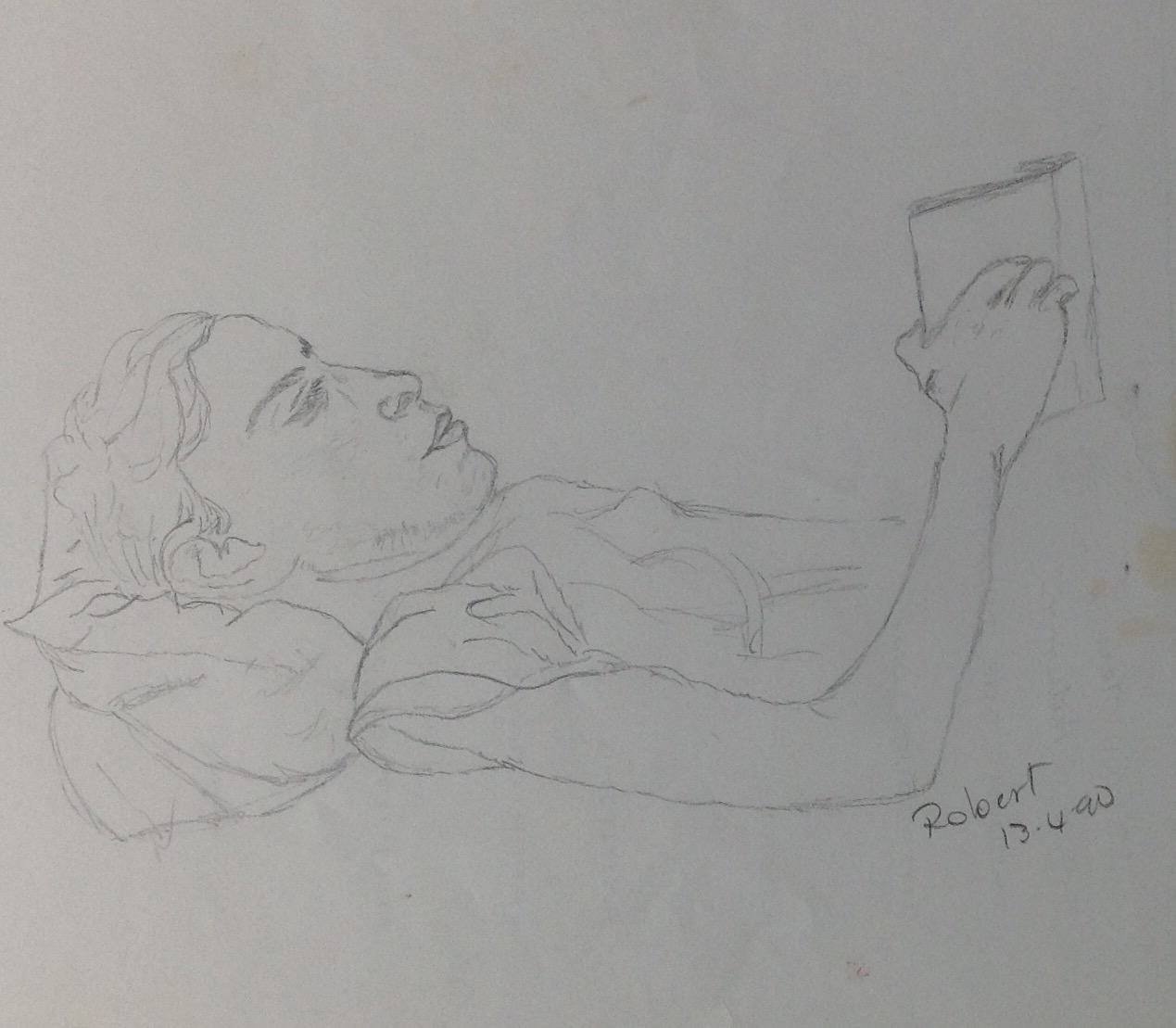
    These are some of the drawings I did at that time, each from observation of a real, not imagined object:

    © Norah Colvin
    © Norah Colvin
    © Norah Colvin
    © Norah Colvin
    © Norah Colvin
    © Norah Colvin
    © Norah Colvin
    © Norah Colvin

    In my pre-service teaching days I was cautioned to not use simple drawings on the board, for example a stick person or a smiley face sun, for the children to copy as it may limit their drawing ability. It was always a concern of mine. I didn’t want to limit anyone’s ability!

    After doing the drawing course I bought a copy of Drawing on the Right Side of the Brain for Children and used its recommendations in art lessons. In his article about How to Teach Drawing to Children Marvin Bartel warns against showing children how to draw and emphasises the need for close observation, and practice, practice, practice. I agree with his advice to not add one’s own changes or lines to a child’s drawing.

    In recent years I came across some fabulous picture books by Mo Willems.

    © Norah Colvin
    © Norah Colvin

    At first I didn’t find the books appealing with their simple black outlined drawings and minimal use of colour. It was only after a colleague’s repeated exhortations that I gave in and reluctantly read one. Halfway into the book The Pigeon Finds a Hot Dog!” I was a fan! With what appears to be a few simple lines, Mo creates a great variety of expressions and moods, telling stories that children can identify with and that have them (and their teachers) holding their sides with laughter.

    In the app Don’t Let the Pigeon Run This App Mo encourages children to add their voices, making the story their own. He also includes videos of how to draw the characters. The app is as much fun as the books. There are many videos by others on youtube sharing how to draw Mo’s characters, but none is better than Mo himself.

    Here is a PDF of his instructions for drawing the pigeon:

    Mo Williams pigeon_draw01

    and a video of Mo talking about how he creates his characters. Sorry, Mo, I underestimated you at first.

    So while I accept that colouring books may have benefits for mental health for adults who choose that activity and understand that colouring can induce a meditative state and be very relaxing, I think a blank piece of paper and a variety of pencils and pens would have the same effect and, who knows, you might unleash the artist within. I certainly don’t consider their use in the best interests of children’s development and creativity.

    What do you think of colouring books for children and adults? Is colouring a recreational pursuit for you? Have you bought your first colouring book for grown-ups yet?

    Thank you

    Thank you for reading. I appreciate your feedback. Please share your thoughts.