Live Love Laugh Learn … Create the possibilities

Category: Writing

  • Five Photos Five Stories — Day four

    Back to Day one (books) and introduction to the challenge

    Back to Day two (writing)

    Back to Day three (Break out)

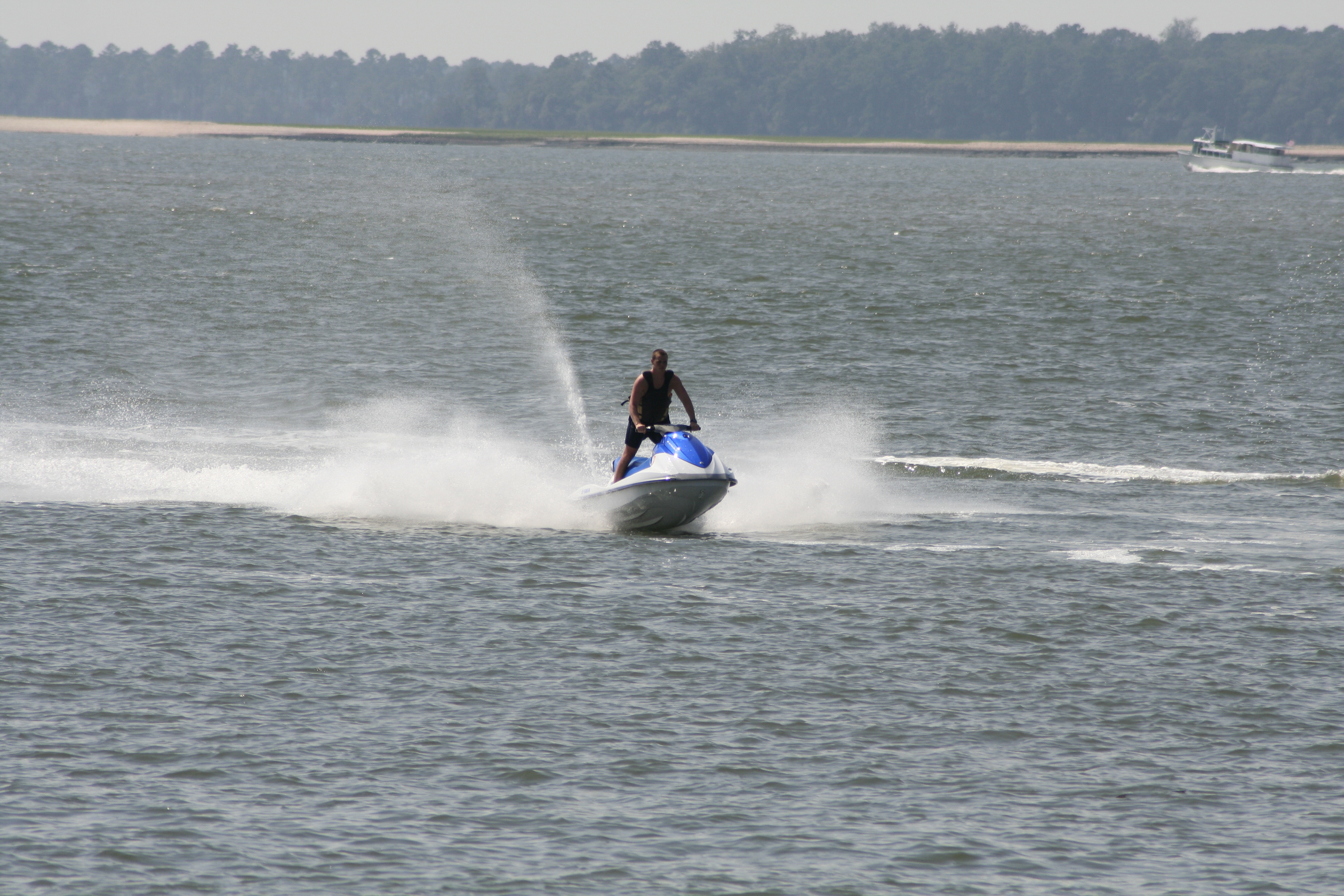
    My retirement jetski

    My retirement jetski
    My retirement jetski

    Geoff Le Pard threw me a challenge to post five photos and five stories over five days. He is probably just as surprised as I am that I took him up on it, especially as this week is particularly busy and significant.

    Tomorrow I finally break up with a relationship that has been on-again-off-again for over forty years. Tomorrow is my last day working for Education Queensland. While I then become “officially” retired, some of you may know that I am not very fond of that “R” word and prefer to think of my life as taking a redirection.

    In a couple of weeks’ time I commence another part-time job at the University of Queensland with the exact number of hours for me to remain “officially” retired, but nominally “working part-time”. The remainder of the week I will continue to write and work towards fulfilling my goal of establishing an online store of educational resources. This is where the jetski comes in.

    There are many expenses involved with preparing content for the website including getting work illustrated, having the website designed and, hopefully, if I can figure out a way, having interactivity added to some resources. Deciding how much cost is acceptable is difficult when there is no guarantee of ever getting any return, and often the time I spend tapping away on my computer keyboard when I could be doing other things comes into question.

    The fact is I love tapping away on my computer keyboard writing works of my choosing, and the expenses involved are necessary in order to make my “creations” available to others through a website. If I were to choose a jetski, a sports car or an around the world cruise as a retirement gift for myself, as many do, and spend hours each day riding the waves or the roads, no one would question my choice of activity or the cost of the initial purchase or ongoing maintenance. They would be pleased that I was having fun, enjoying my later years. Well, for the moment at least, writing is my pleasure and I (try to) justify the expense by calling it my “jetski”.

    As my work targets an early childhood market, illustrations are an essential accompaniment to my work. When I first registered my business and domain name, my (graphic designer) niece designed my logo and beautiful banner, which you see at the top of my blog, and produced illustrations for some stories. Recently I have had other illustrations done by artists from 99designs so I am starting to make headway in that direction.

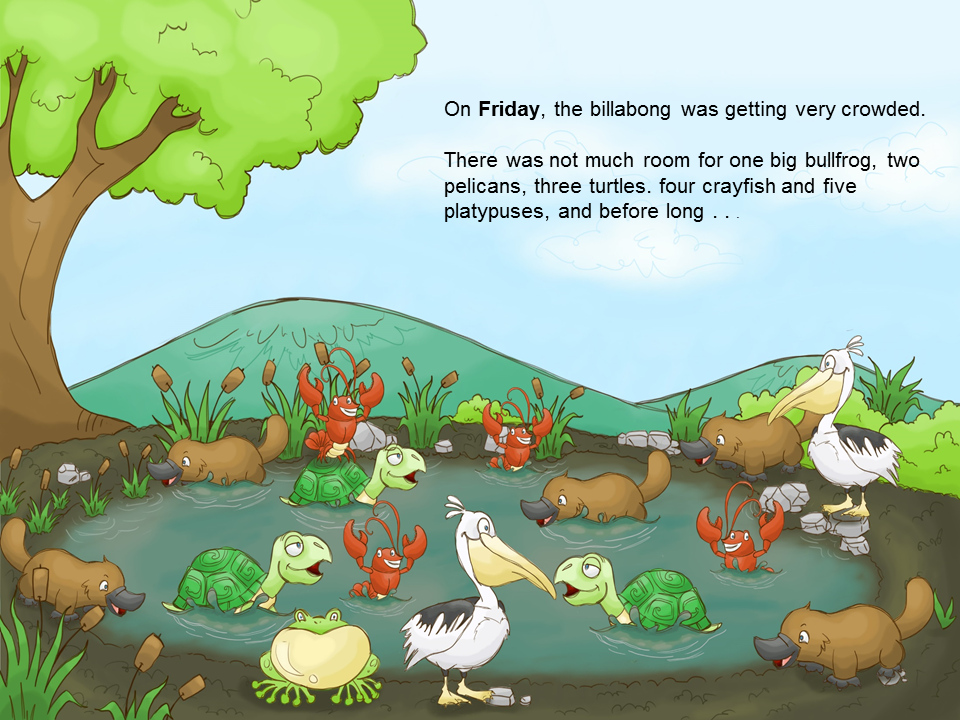
    Kari Jones (ArtbyJonz), who did the S.M.A.G. badge has produced illustrations for two stories. Here is a sneak peek at one illustration from each:
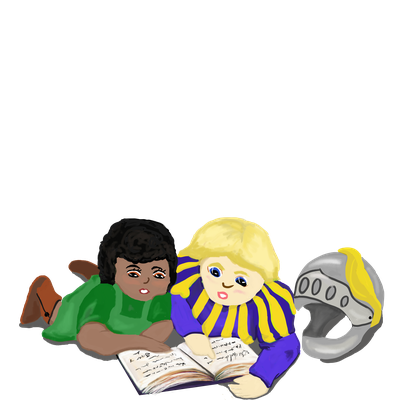
    ArtbyJonz ©Norah Colvin 2015
    ArtbyJonz ©Norah Colvin 2015
    ArtbyJonz ©Norah Colvin 2015
    ArtbyJonz ©Norah Colvin 2015


    and sneak peeks of illustrations for stories by Sketcherlady, Goetia and Tyohermawan, to whom I awarded the first contest.

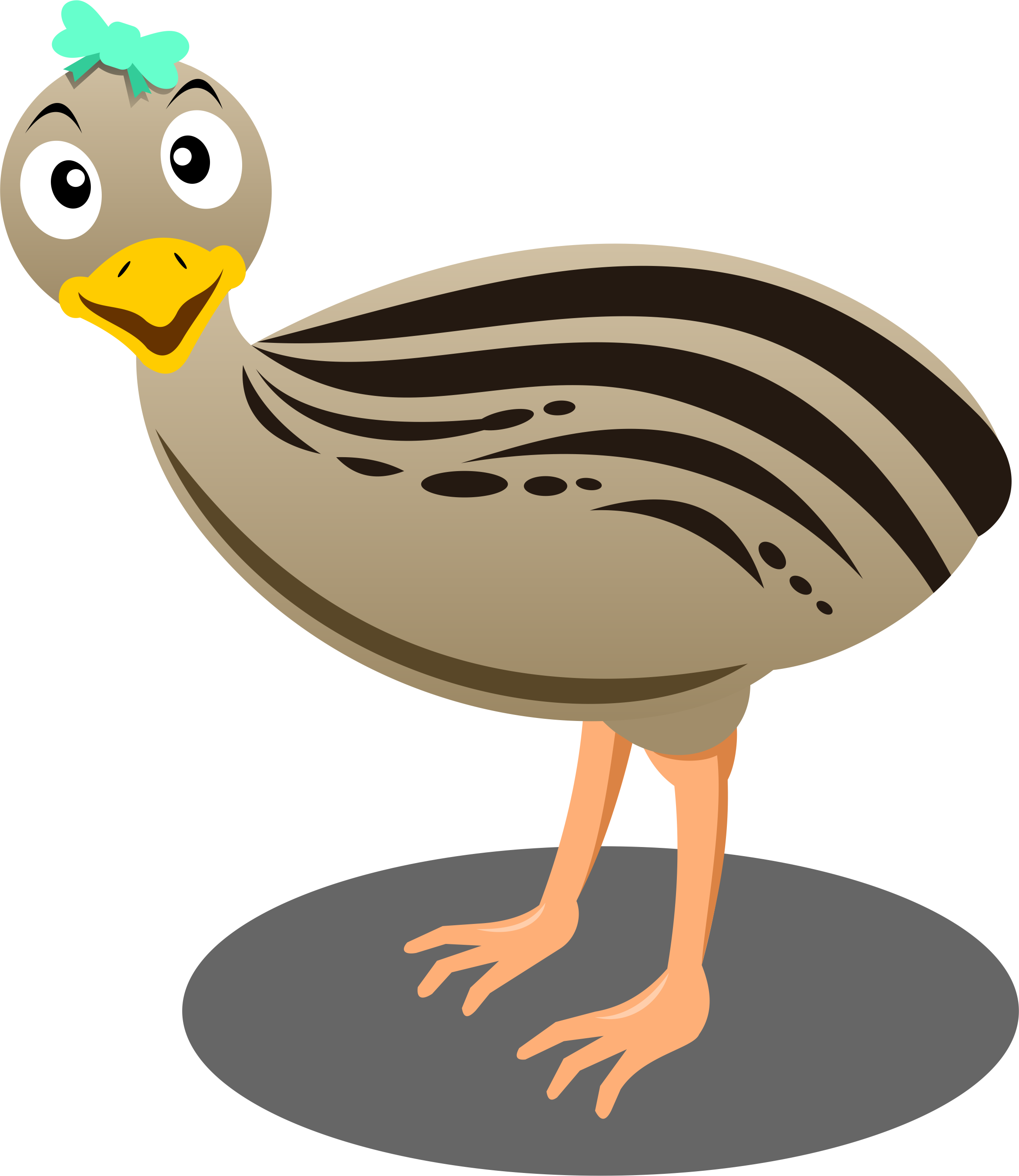
    sketcherlady ©Norah Colvin 2015
    sketcherlady ©Norah Colvin 2015
    Goetia ©Norah Colvin 2015
    Goetia ©Norah Colvin 2015
    tyohermawan ©Norah Colvin 2015
    tyohermawan ©Norah Colvin 2015

    I have been very happy working with each of these designers. They have all been very helpful and accommodating and worked hard to produce illustrations to match my requests. I am happy to recommend any of them if you are looking at getting some work illustrated.

    The next step is to speak with a web designer. I must say I’m a bit fearful of the cost, but hey, it’s my jetski.

    What seems to be more problematic at the moment is adding interactivity to some resources. PowerPoint has some facility but not enough. I looked at another program recently which promised any interactivity I could imagine. But unfortunately the program designers had not imagined what I had! I discussed some of my requirements with a friend who is learning to code and he thought it would even be difficult to code what I want. Since these open-ended interactions are to be a point of difference for me, if I can’t have them, I may need to trade-in my jetski on something completely different. Maybe a novel? (That must be pretty easy, eh Geoff?) I’m not sure I’m ready for that. If you have any suggestions about adding interactivity to resources I’d love to receive them please.

    I nominate my lovely fellow local Queensland bloggers to take up this Five Photos Five Stories challenge should they so wish:

    Irene Waters who writes memoir and blogs at Reflections and Nightmares and already shares many beautiful photos and stories;

    Desley Jane, a girl with a camera who blogs at Musings of a Frequent Flying Scientist; and

    Marigold Dicer who blogs at Versus Blurb but who has popped off the scene temporarily while she completes what used to be called “prac” teaching when I went to college.

    Please be aware that your participation is completely voluntary. I know each of you already post frequent photo stories. However if you choose to participate, I hope you enjoy the challenge as much as I have. 🙂

    The “rules” of the Five Photos, Five Stories Challenge are:

    1) Post a photo each day for five consecutive days.
    2) Attach a story to the photo. It can be fiction, non-fiction, poetry, or a short paragraph. It’s entirely up to the individual.
    3) Nominate another blogger to carry on the challenge. Your nominee is free to accept or decline the invitation. This is fun, not a command performance!

    Thank you

    Thank you for reading. I appreciate your feedback. Please share your thoughts.


  • Five Photos Five Stories — Day three

    Back to Day one (books) and introduction to the challenge

    Back to Day two (writing)

    Break out!

    With this post I am going to “kill two birds with one stone” (though why I would want to kill any birds is beyond me).

    I am posting a Day three photo and story in response to the challenge set by Geoff Le Pard, and responding to the flash fiction prompt set by Charli Mills at the Carrot Ranch to In 99 words (no more, no less) write a story about an animal rescue.


    My children had pet-deprived childhoods. It could hardly have been any other way. Both their parents also had pet-deprived childhoods. I know all the theory about pets helping to develop responsibility, caring for others and compassion and I’m all for it. But with that responsibility comes restriction, and I’m not all for that. For me, a pet-free childhood led to a pet-free adulthood. I’m not certain that I am any less responsible, caring or compassionate as a result.

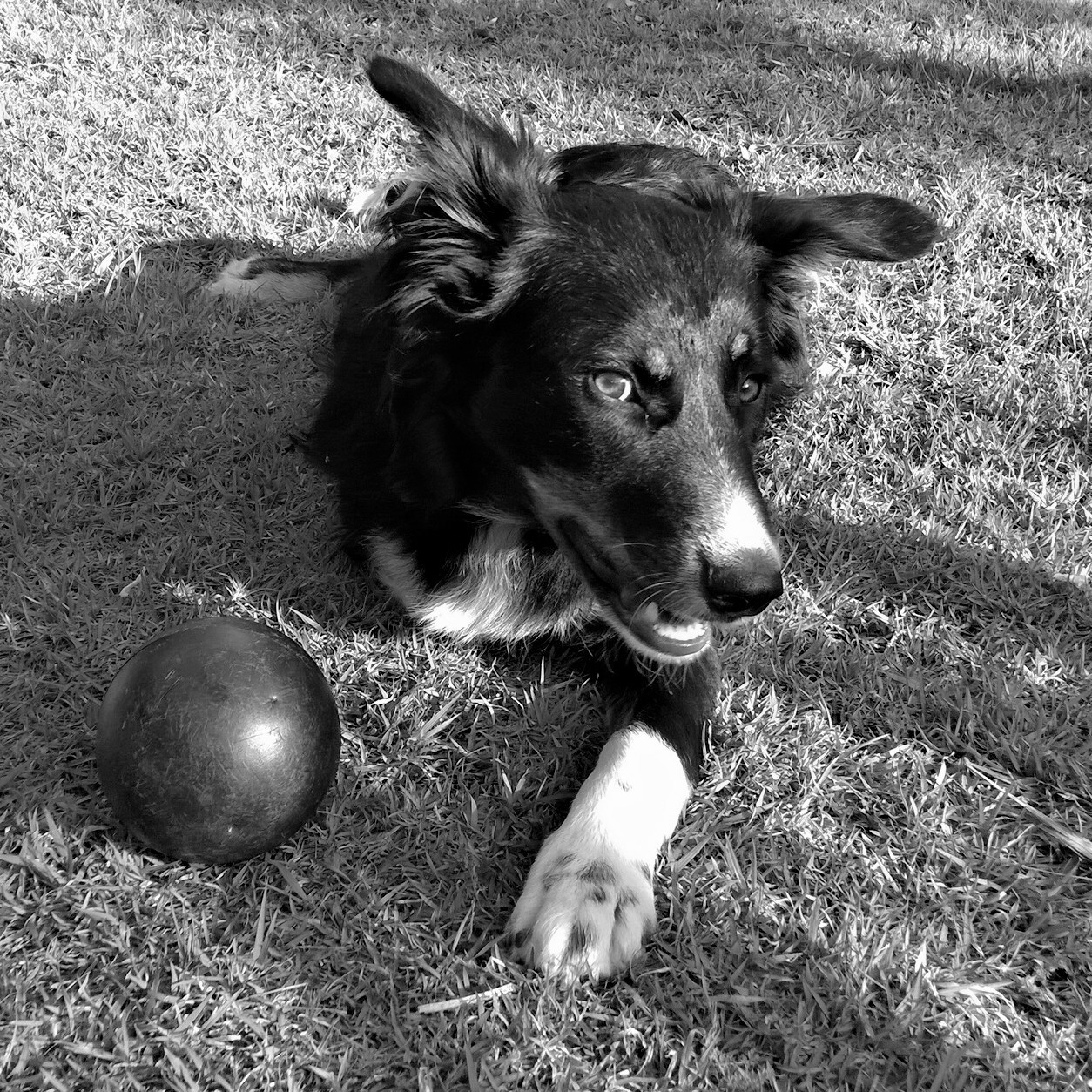
    While Rob may have had the occasional goldfish or Siamese fighting fish and Bec may have had guinea pigs, mice and rats at different times they never got over the deprivation of not having a real pet, of not having a puppy. As soon as the opportunity arose, they each adopted their own puppy. This is a photo of Bec’s puppy.

    My flash fiction deals with a situation in which a rescue is required. I realise that once again I have gone dark rather than light. Apologies. I hope you enjoy it.

    Break out

    Your wide-open eyes fix on me through bars, imploring and accusing at the same time.

    Why am I here? Don’t leave me! I don’t – want – to be here! I want – to go – home!

    My heart tightens in a vice-like squeeze. My palms sweat and hands tremble.

    I meet your stare with overwhelming hopelessness and helplessness.

    I didn’t know . . . I thought . . . I never meant . . . I thought it would help. 

    They close the door, turn the key and lead you away.

    “Damn those rules!” I scream silently, futilely planning your rescue.

    ***

    Today I nominate the lovely compassionate Bec who blogs intermittently at There’s No Food and engages in discussions with challenging suggestions and new ideas in comments on my blog while working diligently towards completing a PhD in Environmental Management.

    ! also nominate the wonderful awe-inspiring multi-tasking Charli Mills to take up the challenge if she so wishes. As well as being a very talented writer and generous supporter of my blog, she also posts beautiful photo stories on a second blog Elmira Pond Spotter.

    The rules of the Five Photos, Five Stories Challenge are:

    1) Post a photo each day for five consecutive days.
    2) Attach a story to the photo. It can be fiction, non-fiction, poetry, or a short paragraph. It’s entirely up to the individual.
    3) Nominate another blogger to carry on the challenge. Your nominee is free to accept or decline the invitation. This is fun, not a command performance!

    Thank you

    Thank you for reading. I appreciate your feedback. Please share your thoughts about any aspect of this post or flash fiction.


  • Five Photos Five Stories – Day two

    Back to Day one and introduction

    What am I?

    One may wonder why I have responded to Geoff Le Pard‘s challenge almost immediately when there are other invitations that have lain opened but unanswered for longer than I like to admit. For example, some months ago Anne Goodwin tagged me in a writing process blog hop. She shared the what, how and why of her writing process and invited me to share mine. She applied no pressure or time constraints and neither nudged me to comply nor chastised me for not having done so.  Not quite as long ago Sherri Matthews tagged me in a work space blog hop. She shared beautiful images and descriptions of her delightful Summerhouse writing space and invited me to share mine. Sarah Brentyn then shared some questions for writers that I hinted I might answer, but haven’t yet.

    Why the procrastination?

    1. I’m still figuring out what kind of writer I am and how to describe my process.
    2. My writing space isn’t all that exciting. It’s a just a laptop sitting on a desktop that is cluttered with books and other paraphernalia waiting to be organised or dealt with, and surrounded by shelves filled with more of the same; not a bad analogy to my writing process perhaps.
    3. I’ve been working in other quadrants, dealing with ‘easier’ stuff as it arises.

    As with Geoff’s challenge, responses to these blog hops are not compulsory and there is no set time-frame but I do wish to, and do intend to, answer them. Thank you Anne, Sherri and Sarah for your patience. I will get there. Eventually.

    My writing space 14 May 2015
    My writing space 14 May 2015

    My procrastination is in part due to the way I view myself as a writer.

    I find it difficult to define the “type” of writer I am. That I am a writer is true. But what kind? I wonder if I am a writer without a label, without a box?

    Perhaps if you can help me answer this I’ll be more confident about joining in conversations about writing.

    I am not a novelist, not a poet, not a biographer or an auto-biographer, not a picture book writer . . . I am an educational writer, incorporating something of each genre.

    I remember doing a psychometric test at some past time. The results suggested that a desire to be everything to everybody would be my undoing. Perhaps that is also an issue with my writing?

    Sometimes when asked by other writers what type of writing I do, for want of another label I refer to myself as an educational writer. I immediately feel a shrinking away as if educational writing isn’t ‘real’ writing and I’m perhaps not a “real” writer.

    “Oh educational writing,” they judge, “that’s so prescriptive. It’s not creative.”

    Sure I have done my share of prescriptive writing. The “writing” for which I have been employed for the past three years is definitely prescriptive – more cross the “t”s and dot the “i”s without a modicum of creativity; and as my list of publications shows, I have written workbooks for other publishers, “prostituting” myself one kind-hearted friend suggested. But there are worse ways to earn a living, right?

    I don’t consider my self-initiated educational writing as prescriptive. Most of what I write is designed to encourage thinking, problem solving, creativity, interest in a variety of topics, or develop literacy and numeracy skills, but definitely not in a structured, skills-oriented, prescriptive approach. I write fiction, non-fiction and poetry; and open ended materials that encourage children to question. I love to add a touch of humour where possible and mostly aim for engaging materials that motivate thinking and learning.

    My current writing schedule involves writing content for this blog and for an in-progress online store of early childhood educational resources.

    So, what sort of writer am I?

    There is one I know I am not. I am not a songwriter.

    I nominate Anne Goodwin, Sherri Matthews and Sarah Brentyn to take up this Five Photos Five Stories challenge if and when they so choose. But they need to be aware that I require no more of them than they have expected of me!

    The “rules” of the Five Photos, Five Stories Challenge are:

    1) Post a photo each day for five consecutive days.
    2) Attach a story to the photo. It can be fiction, non-fiction, poetry, or a short paragraph. It’s entirely up to the individual.
    3) Nominate another blogger to carry on the challenge. Your nominee is free to accept or decline the invitation. This is fun, not a command performance!

    Thank you

    Thank you for reading. I appreciate your feedback. Please share your thoughts about any aspect of this post.

  • Five Photos Five Stories – Day one

    For the love of books

    This week I was surprised to be nominated by, writer extraordinaire, Geoff Le Pard in a Five Photos Five Stories challenge. Geoff blogs at TanGental where he shares numerous and beautiful photos of his garden, family, travels and adventures. He writes an eclectic assortment of prose and poetry, memoir and fiction, with content both challenging and humorous. He also posts at the speed of light with at least one post each day. I can understand why the challenge would appeal to Geoff.

    I’m not like that. I tend to stick to my routine of two posts each week and write mainly expository text about education with a response to a flash fiction prompt by Charli Mills thrown in. I rarely write explanations of or stories about photos and mostly use photos to support and add interest to the page. Why would Geoff nominate me?

    Well it seems Geoff must have known something about me that I didn’t, as I have decided to throw caution to the wind and join in the challenge.

    The rules of the Five Photos, Five Stories Challenge are:

    1) Post a photo each day for five consecutive days.
    2) Attach a story to the photo. It can be fiction, non-fiction, poetry, or a short paragraph. It’s entirely up to the individual.
    3) Nominate another blogger to carry on the challenge. Your nominee is free to accept or decline the invitation. This is fun, not a command performance!

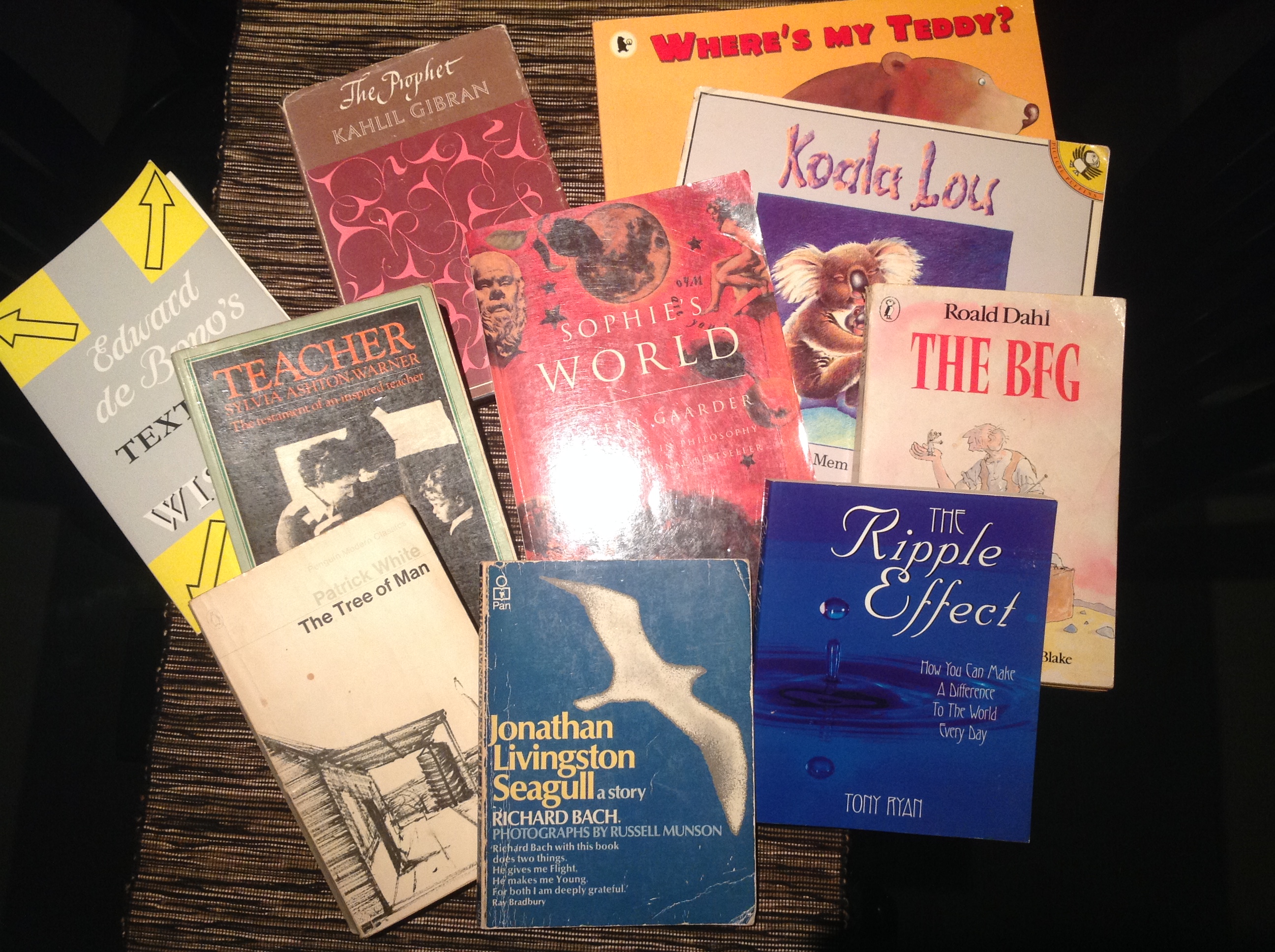
    For my first photo I have chosen, and you won’t be surprised, books:

    books

    These are just a few of my favourites. As you can see I have chosen a range including picture books and chapter books for children and both fiction and non-fiction titles for adults. There are others that should have been there but I could not fit my entire collection into one photo!

    Books have always been an important part of my life and I think a love of reading is one of life’s greatest pleasures. My love of books and reading is one of the reasons, if not THE reason I feel so passionately about education and the teaching of literacy. Sharing a learner’s excitement at becoming literate is both an honour and a joy. I have been privileged to share that excitement with many children during my teaching career, and of course with my own two children who both learned to read well before starting school.

    I have written about the importance of reading many times before, including here, here, and here.

    For this post, and for this photo, I will share ten totally random recollections of books and reading from my younger years.

    I remember:

    • books as gifts for Christmas and birthdays
    • an expedition to the council library, a six-kilometre walk there and back, each Saturday afternoon for an armful of books to read during the week
    • being deaf to the world when totally absorbed in a book for hours on end (particularly so when there were jobs to be done)
    • the eagerness of wanting to get to the end of a book and the sadness and reaching the last page
    • the excitement of finding the next book in a series or by a favourite author
    • marvelling at words and phrases for the imagery or feelings they evoked
    • enjoying an author’s style and trying to emulate it by writing and writing and writing, and wishing to one day be an author too
    • the smell of new books
    • tracing the embossed lettering on the hardcover when the jacket was removed
    • being fiercely protective of my books and having a great dislike of seeing them torn or marked
    • the joy of ownership

    And now I nominate the lovely Michelle James who blogs at Book Chat to take up this challenge if she so wishes. Her love of books is at least as great as my own!

    Thank you


    Thank you for reading. I appreciate your feedback. Please share your thoughts about any aspect of this post.

  • S.M.A.G. is here!

    writing

    In just a couple of months it will be two years since I started blogging. Writing a blog had never been a goal of mine. In fact it would be fair to say that until I started blogging I didn’t have much of an idea of what it was; or of any social media platforms for that matter. I was a latecomer to the party considering, according to Wikipedia, blogging began in the 1990s!

    My goal at the time of beginning blogging was, and still is, to set up a website of educational resources for use in early childhood classrooms or homes. The main message I received when attending a writers’ seminar about digital publishing was the importance of having an “online presence”. I took the advice and started tweeting and blogging.  Here I am now, a semi-experienced tweeter and blogger, still a bit unsure about the online presence.

    tweet bird

    I started blogging with a goal of posting twice a week, which I have pretty much maintained since then. Initially I had just few readers, all of whom were “real” people, family and friends, I already knew. As much as I was, and am, very grateful for their continued support and encouragement, it was very exciting to receive my first “outside” comment two months later.

    It was over four months before any new readers visited and commented regularly. Some of those first readers are still with me (Anne and Caroline), others have moved on, and others have since joined. Now I have a wonderful group of online friends. As with offline friendships we interact when we can, exchanging comments and ideas with each other, mostly on our blogs and Twitter.

    https://openclipart.org/detail/117199/Friendship
    https://openclipart.org/detail/117199/Friendship

    I have been as fortunate with my online friendships as I have with my offline friendships. (I was tempted to use the word “real” instead of “offline”, but I consider my online friendships no less real.) We don’t have to see each other every day, every week, or even every month, for the friendships to flourish. Wherever the friendships form, they require certain ingredients to keep them strong, including:

    respect, acceptance, attention, appreciation, gratitude, and open communication that goes both ways.

    I really appreciate people who challenge and extend my thinking as much as those who are happy to jump on my bandwagon with me, or just come along for the ride.

    Gerald_G, Kids wagon https://openclipart.org/image/800px/svg_to_png/40459/Kids-Wagon.png
    Gerald_G, Kids wagon https://openclipart.org/image/800px/svg_to_png/40459/Kids-Wagon.png

    During the past few months when some of my blogging friends and I have been sharing appreciation for each other and our comments, I have suggested that we belong to S.M.A.G.: The Society of Mutual Appreciation and Gratitude.

    It started off in a light-hearted way (yes, I coined it) but others seemed to appreciate the thought and welcomed the idea of belonging to a group that required of them no extra effort. I decided that a S.M.A.G. badge to be displayed by anyone who wished was in order.

    In a previous post, I discussed the need for Making choices in how I allocate my use of time while working towards achieving my goals (including posting twice weekly). I shared thoughts about using a contest on 99designs to obtain illustrations for some of my work. While I was very happy with the illustrations, I was a bit uncomfortable with the contest process. However I decided that engaging each of the three runner-up finalists to do other illustrations in a guaranteed one-on-one project would (in my mind) help, in a little way, to make up for all the work they had done without reward. I have since done this and feel much happier about the process and am pleased with the results.

    One of the designers, Kari Jones (ArtbyJonz), is now illustrating a second book for me and I approached her for the S.M.A.G. badge. This is what she produced. I love it. I hope you do to.

    SMAG ccbyncnd

    If you would like to display it on your blog, and share it with your blogging friends, I would be honoured for you to do so, but please attribute it to me and link back to this page.

    I have found Kari wonderful to work with. She has been very helpful and accommodating and I am delighted with the artwork she has produced for me. If you are looking for illustrations I am happy to recommend Kari. You can check out some of her other work on her ArtPal page and contact her on Facebook if you have any queries.

    So thank you, all my friends, for your continued support and readership. Whether or not you choose to post the badge, you are still part of S.M.A.G. and it is a pleasure knowing you.

    Thank you

    Thank you for reading. I appreciate your feedback. Please share your thoughts about any aspect of this post.

  • A garden party

    www.openclipart.org
    http://www.openclipart.org

    The purposes of education are many; but perhaps one important purpose of “free” public schooling is to ensure that everyone is provided with the opportunity of being educated. While this goal is achieved to a certain extent, inequalities of opportunity still exist, many of which are related to socioeconomic status (SES).

    letter from Camus

    While there is no doubt that a teacher can have a powerful effect upon the lives of students and any teacher would love to receive a letter such as that written by Albert Camus, socioeconomic status is often considered to be the most reliable predictor of success in school and, therefore, in life. There are many reasons for this, few of which have anything to do with intelligence.

    www.openclipart.com
    http://www.openclipart.com

    According to Macquarie University the majority of students in tertiary education are of mid to high socioeconomic status. The parents of these students may have professional backgrounds and may have attended tertiary institutions themselves.  Most have an appreciation of the benefits of higher education and are able to continue supporting their students, to some extent, while they study.

    While students of lower SES are attending tertiary institutions in greater numbers they are disadvantaged in doing so by a number of factors, primarily financial in origin. Although Australia is supposedly free of class distinctions, attitudes towards those from lower SES areas are often demeaning and unsympathetic. Students from these areas may battle to develop the self-esteem that seems to be a birthright for others from more privileged backgrounds. The negativism with which they are viewed, and some come to view themselves, can become a self-fulfilling prophecy.

    Ready for school - year 2
    Ready for school – year 2

    I was a fortunate one for, while I grew up in a family with low SES background, my parents saw the value in education and sacrificed much for their children to have the opportunities it provided. The high costs of tertiary education that are now incurred could not have been afforded, but I achieved well enough in school to obtain a scholarship to teachers’ college and a three-year bond (guaranteed employment) when that was finished.

    Nowadays there is no such thing as guaranteed employment and few scholarships. Many families cannot afford to have post-secondary/adult students continue to live at home and not contribute to expenses while they undertake further study. This means that students have the additional burden of working while they are studying. Many opt out of study altogether to seek long term employment, often in low paying jobs with little opportunity for advancement. And so the cycle continues. The lack of permanent employment even for graduates makes deferring earnings less desirable again.

    caravan

    Of course the disadvantage doesn’t just begin when approaching final years of school. The impacts can be observed from the earliest age. (My suggestion for an early learning caravan addresses this in part.) Although education is provided “free” to students, there are many other associated costs that families may struggle to meet, such as books, equipment, and extra-curricular activities such as excursions and incursions.

    In most Australian schools, the wearing of uniforms helps to minimize differences that may otherwise be obvious by choices of clothing and footwear. It also helps to reduce costs. Sometimes additional activities can be a drain on family expenses, and while many schools will fund expenses for those in need, not all families are willing to ask for that help.

    DCF 1.0

    Studies have shown that many children arrive at school without having eaten breakfast. While this phenomenon can occur in any family, it is more prevalent in low SES areas. Some schools are now providing a healthy breakfast for students when they arrive at school. I think this great as hungry children tend to have difficulty concentrating and learning, are often lethargic and may suffer from mood swings and negative attitudes. I know how irritated I become when I am hungry. My family “joke” about not getting in the way of me and my food! How much worse for children who come to school with empty bellies.

    Of course these issues are compounded for children who live in dysfunctional families. As much as we may try to be inclusive and equitable in the way we treat them, these students are often the ones who notice their differences and inadequacies and become most self-critical. It can be a very difficult task to change the attitudes and habits of generations.

    This week at the Carrot Ranch Charli Mills talked about attending a garden party. The hosts and guests at this party had obviously enjoyed some of the finer things that life reserves for a few.

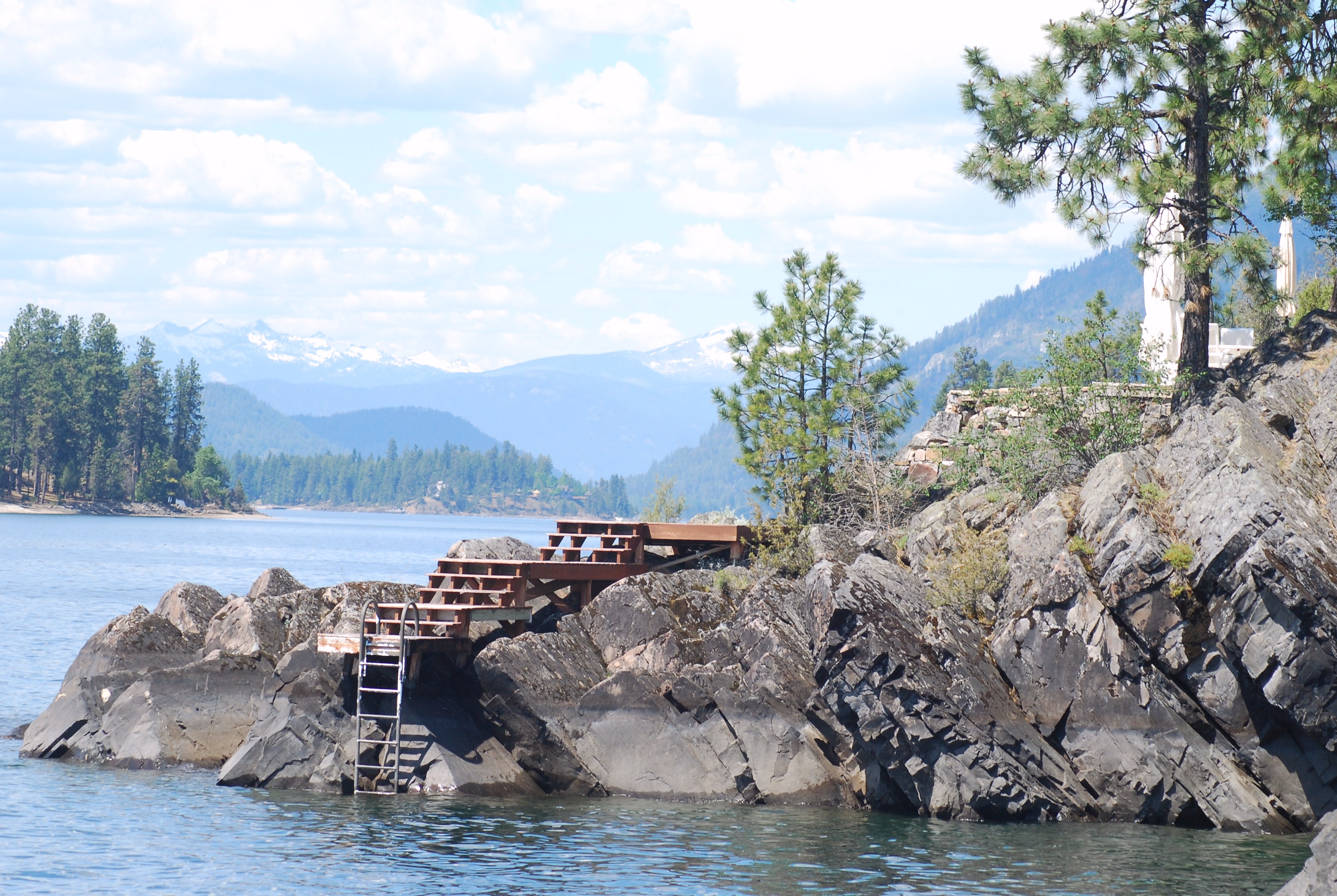
    lake-pend-oreile-cruise-may-21-31

    Charli shared a photo of a rather idyllic spot on an island and challenged writers to In 99 words (no more, no less) write a story, using the above photo as a prompt.

    Well the photo is beautiful, but I couldn’t get away, I was stuck at the garden party. I thought it was a wonderful analogy for the rewards that can be had from an education; rewards that may be obvious and perhaps available to many, but rewards that may be out of reach to others because of circumstances over which they have no real control. I thought of Marnie who suffers the double disadvantage of a dysfunctional family in a low SES area; but who knows there is something better out there and wants it for herself.

    Thanks to Charli for her prompt, here is another episode from Marnie’s life. I hope you enjoy it.

    The garden party

    Marnie’s face pressed into the bars of the tall white gate with amazement: white-covered tables laden with food; chairs with white bows; white streamers and balloons; and a band!

    But the ladies had her spellbound with elegant dresses and high, high heels; flowers in their hair and bright painted lips.

    A man in uniform opened the gate to guests arriving in limousines. Marnie followed.

    “Not you, Miss,” said the uniformed man.

    Marnie held out her invitation, “Jasmine . . .”

    But he’d closed the gate and turned away.

    Marnie looked down at her stained dress. What was she thinking?

    Thank you

    Thank you for reading. I appreciate your feedback. Please share your thoughts about any aspect of this post or flash fiction.

  • Understanding family relationships

    At the Carrot Ranch this week Charli Mills is talking about cold cases and challenges writers to, In 99 words (no more, no less) write about an old mystery in the current time. Is it a discovery? Is it solved? Does it no longer matter, or does it impact innocent generations in between?

    My thoughts immediately turned to a mystery that occurred in my family over one hundred years ago when the two-year old brother of my grandfather disappeared and was never seen again.

    http://www.clker.com/clipart-10083.html
    http://www.clker.com/clipart-10083.html

    Most families do have a skeleton or two in the closet. Not all families like it to be known. Many Australian families who can trace the arrival of ancestors back to before the end of convict transportation in 1868 can find a convict in their ancestry. I have two; one on each side of the family. Generally the reasons for transportation were rather minor so I am not too concerned about sharing that information. In fact, many Australians are delighted to find a convict in the past as it adds a little interest and colour to their family tree.

    Children generally love to hear stories of their own lives and families. I have written about that before here. However young children probably have no need for or interest in delving as far back into family history as the three stories I have mentioned above. An interest in ancestors further back than living relatives (grandparents and great-grandparents) usually develops later, if at all.

    A great place to start thinking about history in early childhood classrooms is sharing stories about the families of children in the class. Most classes in Australia are comprised of children from variety of backgrounds so sharing those stories helps to develop an appreciation for each other as well as knowledge of the world. I developed a unit called Getting to know you for use in early childhood classroom which aims to develop discussion about family histories.

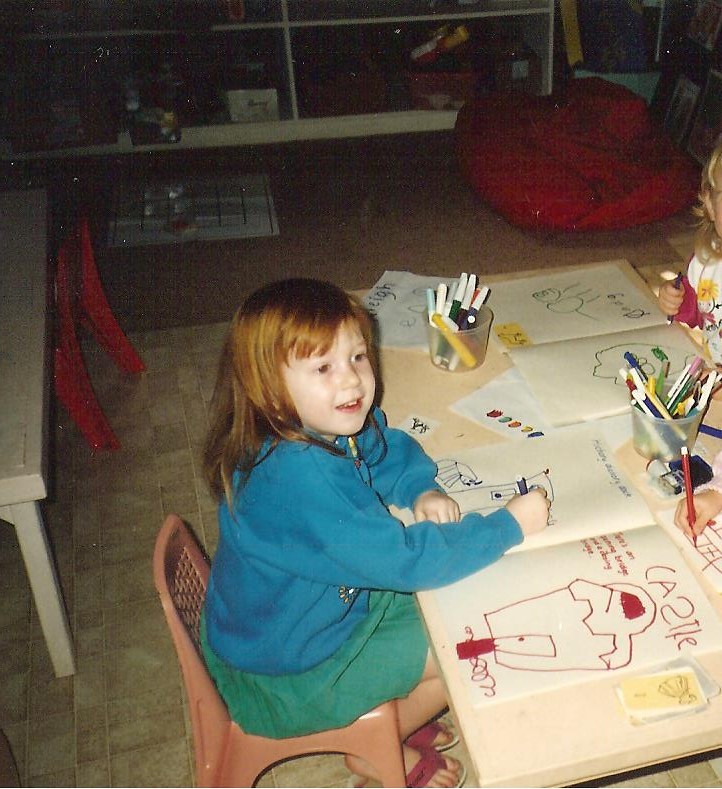
    But children can start learning about family relationships even earlier than that by discussions of who’s who in the family and explanations of the words and relationships; for example father/daughter; brother/sister; aunt/niece; grandmother/granddaughter. Here is a picture of some pages of a book I made for Bec when she was just a little tot, just to give you the idea.

    family book

    Photo books of family members are much easier to make these days with digital photos and programs such as PowerPoint, as well as glossy books you can make and order online.

    I am very proud of my two grandchildren, as any grandparent would be, and am pleased to say that they have a good understanding of who is in their family and their relationships to each other. It is a frequent topic of discussion. However I was very tickled when my three year old granddaughter proceeded to tell me, with some excitement, that her Daddy and her Aunty Bec were brother and sister in real life; in REAL life, she emphasized.

    Regular readers of my blog may be familiar with a character I have been developing in response to Charli’s flash fiction challenges: Marnie. Her story is not real life but, sadly, aspects of it could be, for others. There was a period of about twenty years when, after escaping her dysfunctional family, Marnie was untraceable, living without any connection to her family and past, a mystery. It took authorities five years after both parents had passed to track her down with the ‘news’. This episode takes up there.

    Found

    The officers looked friendly enough but still she tried to hide the tremble in her soul and tremor in her voice behind the blankness of her stare.

    She’d opened the door just a crack, as far as the chain would allow.

    “Marnie Dobson?” they asked. She shook her head. She’d not . . . ; not since . . . ; no longer. She shook again.

    They asked her to step outside. With no other option she reluctantly unlocked and emerged into the glare of daylight.

    “Marnie Dobson,” one said, “We are here to inform you . . .”

    Thank you

    Thank you for reading. I appreciate your feedback. Please share your thoughts about any aspect of this post or flash fiction.


  • My time, your time, springtime!

    This week at the Carrot Ranch Charli Mills has challenged writers to In 99 words (no more, no less) write a story that is a snapshot of spring.


    At the moment approximately 90% of the world’s population are experiencing the season of spring. The rest of us, the 10% who live in the Southern Hemisphere are entering the cooler months. How those seasons are experienced varies from place to place. I have never experienced an autumn that would fit the description of ‘fall’; nor have I experienced a winter with snow. Those concepts are foreign to me. That is not to say that some living in the southern states of Australia haven’t experienced them. It all depends where one lives.

    The Australian Government describes Australia as having two main seasonal patterns in six different climatic zones. The Indigenous Peoples of Australia describe the changes as holistic changes in nature and life. In Australia, attitudes to and understanding of the seasons are as diverse as the experiences. While the weather doesn’t always know it, spring is marked on the Australian calendar from September to November. It doesn’t matter to which part of the country you travel, there is always something to see and do in spring.

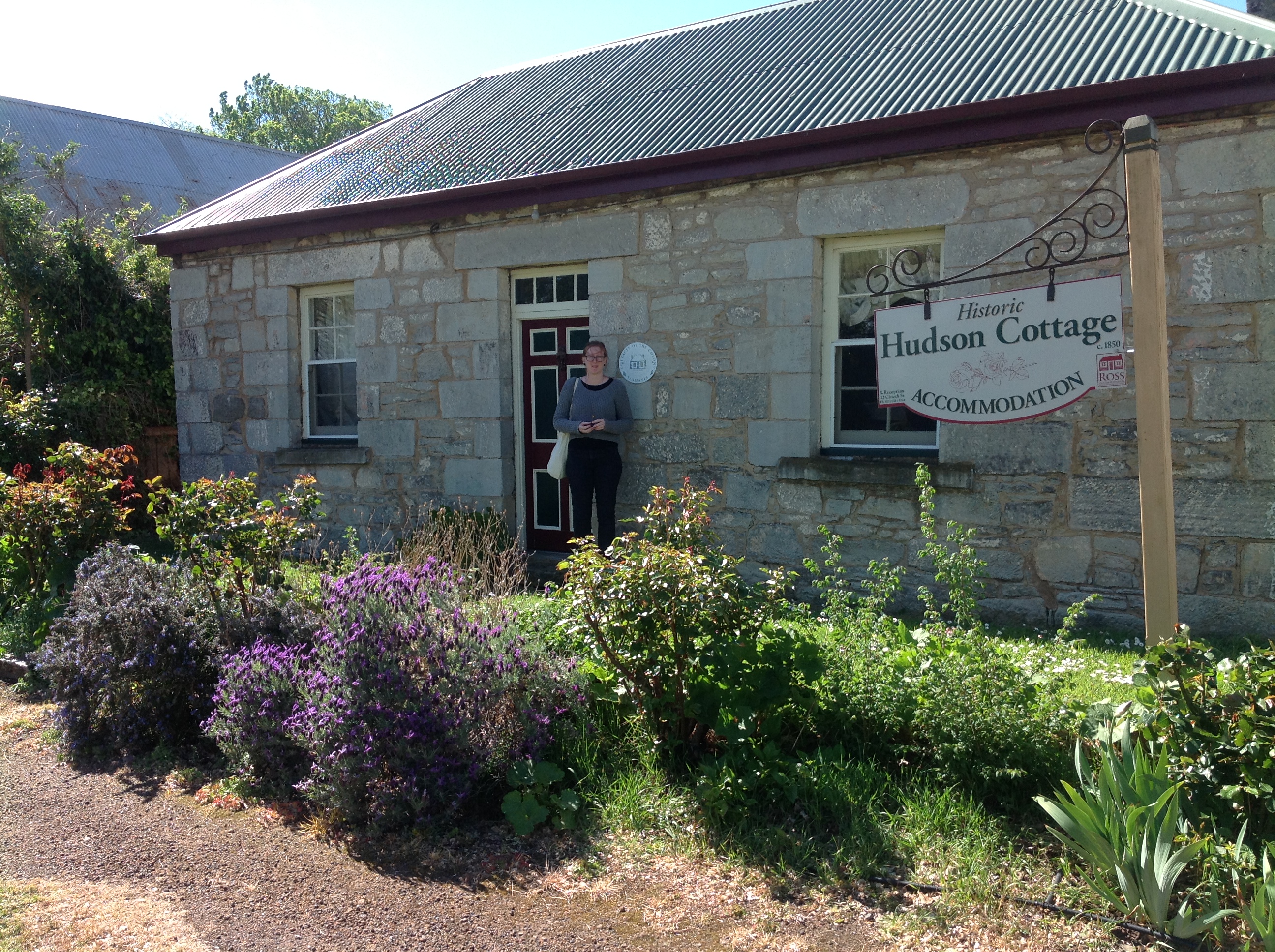
    Springtime in Tasmania 2014
    Springtime in Tasmania 2014

    Part of the daily routine in an early childhood classroom is observing and discussing the daily and seasonal changes in the weather. Each day the children observe the weather and discuss how it may influence their clothing and activities and the impact that changes may have to their local environment and other things including animals.

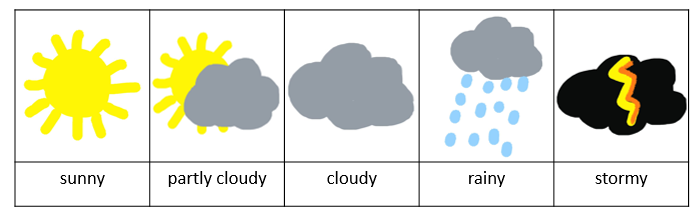
    Many classrooms have a calendar prominently displayed on which the children’s observations can be recorded and compared. Children are often invited to draw symbols and write words such as those shown here.

    weather symbols

    Discussions about how warm or how cool it is may also occur, though in some parts there is never really what could be called ‘cold’, just ‘cooler’.

    temperature chart


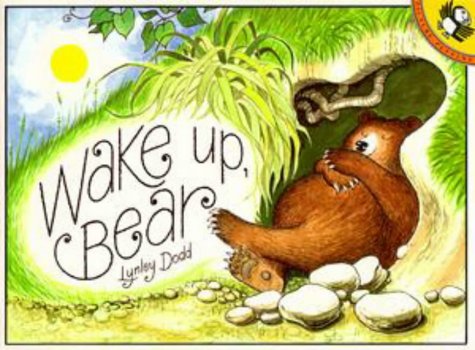
    Reading stories was always an integral part of my classroom practice and I needed little excuse to read another. When the seasons changed I was always looking for suitable books to read and the first I thought of at springtime was Wake Up Bear by Lynley Dodd, a New Zealander.

    Wake up bear

    While we don’t have bears in Australia, just these cute koalas often incorrectly called bears;

    or hibernating animals, except for this cute little mountain pygmy-possum;

    Wake Up Bear is a delightful story to herald spring. In the story, bear has slept all through winter, but when spring arrives he is not quite ready to wake up. The animals each try to wake him up and finally they succeed.

    While it was not Dodd’s intention with the story, it made me think about children learning in their own time, “waking up” when they are ready. Sometimes they need to be shown something just once. Sometimes they need a great deal of exposure and support to “get” it. Sometimes it’s better to leave them alone until the time is right. There have been previous discussions about this here my blog, including In their own time and Not Yet.

    I thought Charli’s spring challenge was perhaps another opportunity for talking about individual differences and the need to respect a learner’s journey. I’ve gone back to my early childhood roots. I hope you enjoy it.


    Springtime in Tasmania 2014
    Springtime in Tasmania 2014

     Spring

    Bees buzz

    Wildflowers bloom

    Cockatoos squawk

    “Gone is the gloom!”


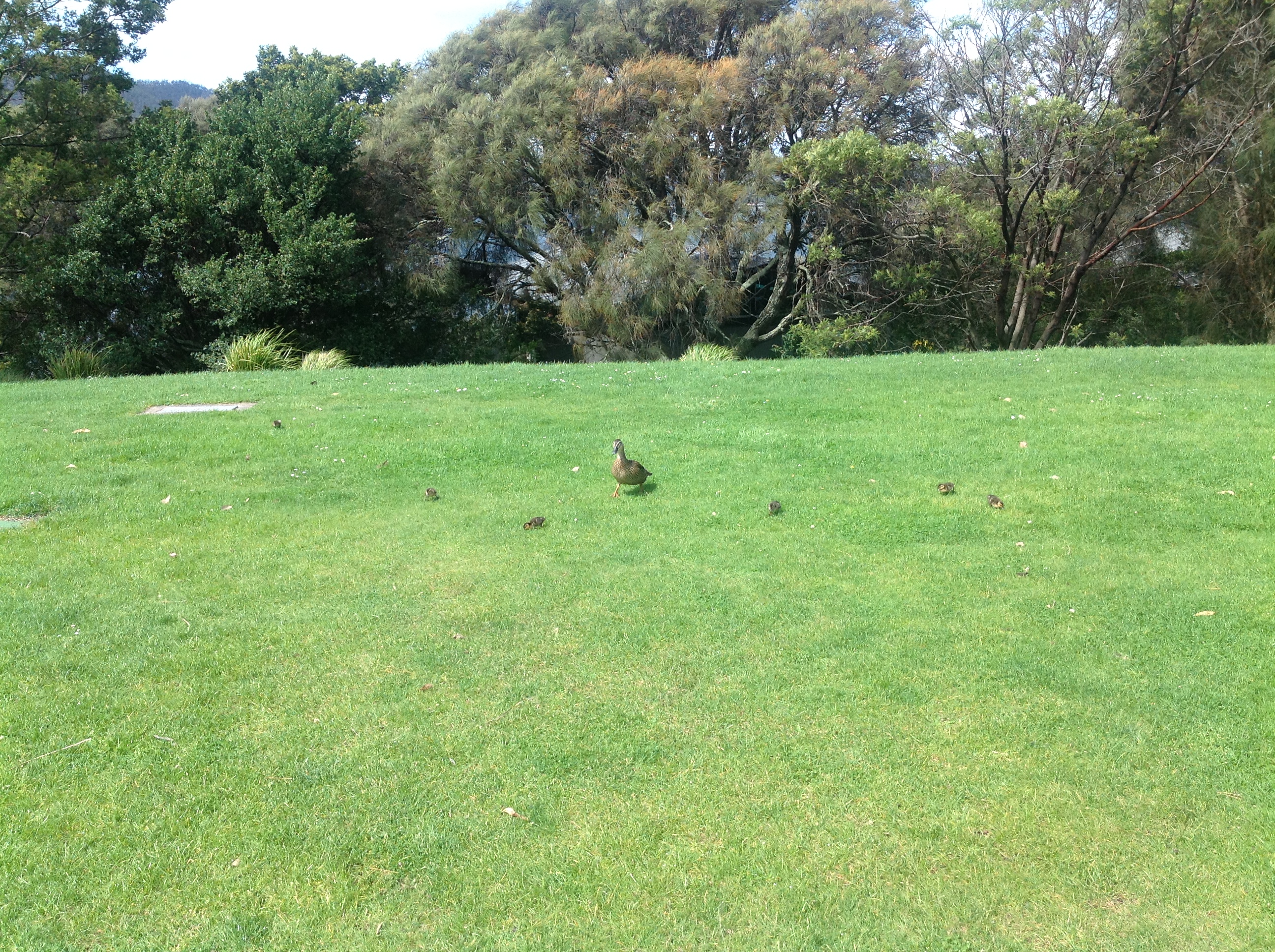
    Mother duck waits

    For her babies to hatch.

    Here they come now

    The first of the batch


    So cute and cuddly

    All covered in fluff

    Eager and ready

    To show off their stuff


    “Patience!“ quacks mother

    “There’s no need to rush.”

    “One more is coming.

    Stand back. Please don’t crush.”


    With one final crack

    Last one’s out of his shell

    “I’m proud of you babies.

    You’ve all done so well.”


    Mother duck smiles

    As they waddle in line

    She knows that each duckling’s

    Own time will be fine.

    Thank you

    Thank you for reading.

    Springtime in Tasmania 2014

    Springtime in Tasmania 2014

    Happy spring to most of you! For the others: enjoy the cooler respite from the relentless heat!


    I appreciate your feedback. Please share your thought about any aspect of this post or flash fiction.

  • The power of words

    writing

    The ability to learn language always amazes me. Given a supportive environment most young children will learn the language of the home effortlessly; forming their own hypotheses about its use and very quickly understanding the complexities of language structures and nuances of meaning.

    I am also impressed by the fluency and comprehension of many for whom English is not their first language. I briefly touched on some of the difficulties experienced even by users of English as a first language in a previous post about spelling.  Sometimes I wonder that communication is possible at all, especially when considering local idioms and sayings that make little sense out of context, but largely go unnoticed. What must a new speaker of English  think when encountering “Bite the bullet, break the ice, butter someone up, or even bring a plate”.

    How difficult it must be too, when words, like vice for example, have multiple meanings.

    This week at the Carrot Ranch Charli Mills has been talking about vice. Her article is about the not-so-pleasant type of vices. As usual, I like to be the contrarian and consider alternative viewpoints. That might be considered one of my vices. Sometimes I laugh when a thought takes me to a context far away from a speaker’s intended message. Other times I fail to see the intended humour, reading beneath the surface intent to hidden messages.

    To illustrate this I will use two recent examples:

    bicycle

    The cyclist and the flight attendant

    He: a cyclist, just entering the last third of his life (about 60, give or take 5 years)

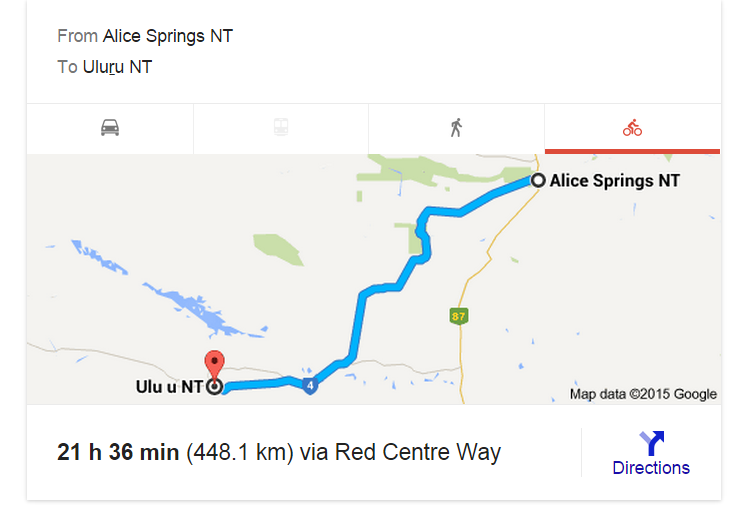
    As his bike was being loaded onto the plane he explained that he had ridden from Alice Springs to Uluru, the long way. (I’m not sure of the distance of the long way, but the direct way would be more than long enough for me!)

    Alice Springs to Uluru

    She: a flight attendant still in the first third of her life (about 25, give or take 5 years)

    “That’s so awesome! I hope I continue to exercise all my life.”

    I didn’t hear his response; I was laughing too hard: the innocence and blindness of youth. How well I remember thinking anyone over about thirty was at death’s door. What amuses me now is the number of people my age who think we are much younger than those of the previous generation at the same age. I think the blindness and selective sight continues throughout life.

    Of course I interpreted her words to mean: “You’re so old. I can’t believe you could do that. I hope I can still exercise when I am as old as you!”

    OLYMPUS DIGITAL CAMERA

    The joy of fatherhood?

    Waiting for the same flight was a father and his daughter, approximately two and a half years of age. The daughter was doing what any child of that age would do: looking around, exploring a short distance away from dad before returning to his side. From what I could see she was doing no harm and was perfectly safe. It was a small airport, she could not wander far.

    Each time she moved away he barked a short command at her. Although his words were not familiar to me, I had no difficulty interpreting them. As with most children, sometimes she heeded them, sometimes she didn’t. Sometimes he repeated the command, or retrieved the child. Sometimes he didn’t.

    Then I saw his t-shirt and read the word emblazoned on the front. I am a reader. Sometimes I wish I were not. The words read, “Guns don’t kill people, Dads of daughters do”.

    I have never “got” the need for messages on apparel, and definitely not a message as negative as this. I assume it was meant to be amusing, but I could see no humour in it. Maybe he didn’t understand the message underlying the words (he was speaking in a language other than English). Maybe I read too much into it. Apparently though, according to this Google search, there is a sizable market for shirts and products extolling these sentiments, some even with the inclusion of the word “pretty”.

    My interpretation of the subliminal message is one of acceptance of a number of vices, and my belief is that until we can obliterate the insidiousness of messages such as these from the common psyche, our society won’t much improve. To me the message commends: disrespect for others, sexism, murder, violence, antagonistic relationships between parent and child/father and daughter, an absence of nurturing, an acceptance that children are difficult and a burden . . .

    Perhaps I should stop there. I think this father and daughter team would be prime candidates for the early learning caravan project I wrote about recently. I would love to help this father see, not only the power in his words, but the treasure his daughter is and the importance of their relationship.

    As I’ve explained, I sometimes see humour in words where it’s not intended, and fail to see it where it is. I’ve attempted to include humour in my flash response to Charli’s challenge to In 99 words (no more, no less) write a story that includes a vice, by using three different meanings of the word. I’ll be interested to know if my “humour” matches yours, but won’t be surprised if it doesn’t!

    This one is definitely not about Marnie!


    Vice-captain

    She almost danced along the verandah. What would it be: medal, certificate, special recommendation?

    The door was open but she knocked anyway.

    “Come in.” The command was cold. A finger jabbed towards a spot centre-floor.

    Confused, her eyes sought the kindness of the steel blue pair, but found a vice-like stare.

    She obeyed.

    “In one week you have led the team on a rampage:

    Smashing windows

    Uprooting vegetables

    Leaving taps running

    Graffiting  the lunch area . . .

    We thought you were responsible. What do you have to say for yourself?”

    “But sir,” she stammered, “You made me vice-captain!”


    Thank you

    Thank you for reading. I appreciate your feedback. Please share your thoughts about any aspect of this post or flash fiction.

  • The story behind brown paint

    muddy brown

    Over the past few months in response to flash fiction challenges set by Charli Mills at the Carrot Ranch, I have been writing snippets from the life a character, Marnie, whose story is beginning to emerge as I respond to the prompts.

    A couple of recent prompts had me writing about a particular situation which involved mixing paints in an art class.  While all flash fiction stories relevant to Marnie’s story can be found on her own page, the two specific to this post can be read here and here (scroll to the bottom of each post for the flash fiction).

    I was appreciative of the comments on both posts, with those specific to Marnie’s story encouraging me to reflect and think more deeply about the art class situation in relation to both Marnie and the teacher. While I am still mulling over the appropriate response the teacher may make, I thought I would write a longer piece to explore one possibility from Marnie’s point of view. This episode also relates to other flash fiction pieces, but hopefully the longer episode will be strong enough to stand on its own.

    Art class

    Marnie looked at the paints. The bright colours reminded her of a rainbow, and her unicorn. Her gaze dropped. She needed her unicorn now, but it was up in the office, drying out on Mrs Tomkin’s desk.

    “It will be here waiting for you at home time,” Mrs Tomkin had said, smiling. “Okay?”

    Marnie nodded, reluctantly, knowing there was no other choice. At least there was only the afternoon session left, and that was art with lovely Miss R.

    Miss R. always wore beautiful dresses with colourful patterns. She had long wavy red hair, the colour of Marnie’s and her nails were always painted brightly, sometimes decorated with stars, sometimes with hearts, and sometimes with other patterns. She smelled of paint, and chalk and crayon and other scents Marnie found delightful. She noticed everything about Miss R.; because Miss R. noticed her. Miss R. always had a kind word to say:

    “I like the way you used this shade of blue for the sky. I can see a storm is brewing.”

    “Tell me about this picture. What’s it all about?”

    “I can see you worked hard to get that looking just right.”

    Marnie liked it best when she said, as she often did, “I like your choice of colour, Marnie. Your pictures are always bright. They make me happy when I look at them.”

    But not today.

    Miss R. stopped and looked at Marnie’s work. Her paper was covered in paint the colour of brown mud.  Marnie felt Miss R.’s eyes on her work, then on her. She didn’t look up. She didn’t want Miss R. to see the tears that were threatening to fall, that would fall whatever was said. Her lip quivered.

    Miss R. moved on.

    “I am not crying. I am not, not, not . . .” but it took all her strength when her insides felt as muddy as the paint on her paper. She felt like mud. Maybe she should look like mud too. She smeared her paint-covered hands on her shirt, and wiped the strand of hair away from her eyes. She wanted to tell Miss R. She wanted to tell her about Bruce and what he had done. But she dare not. Bruce had threatened her and she knew he meant it.

    Bruce had tripped her at lunch time and she’d fallen into the puddle. The mud had covered her from head to toe. She’d tried to hold her unicorn high; tried to keep it out of the mud. But it had fallen as she hit the ground. It was all muddy too. Everyone had laughed. Everyone except Jasmine, that is. Jasmine had taken her to Mrs. Tomkin, who had helped her clean herself up and gave her some clean clothes to wear. Mrs Tomkin had said she’d call her Mum, so that was another problem looming. At least things would be okay in art with Miss R.

    But not today.

    Bruce had pulled faces at her and made threatening arm movements as they lined up. He made fun of the oversized shirt Mrs Tomkins had found for her. Everyone was sniggering at it; at her.

    Marnie looked straight ahead, trying to ignore the stares. “I am not crying!”

    Then Miss R. was there and she suddenly felt protected, like everything was going to be alright; for a little while at least.

    But not today. Today was a bad day, a very bad day. It had been bad in the beginning, and it was going to be bad at the end too. Nothing she could do.

    Miss R. handed out the papers and paints. Everyone had their own brush but a small pot of water was shared by four.

    Marnie couldn’t wait to get started. She knew what she was going to paint: a rainbow and a unicorn! Maybe a tree and some green grass, with some flowers. She couldn’t have her own unicorn but she could paint it. Miss R. would like her bright happy colours, and her pleasure would make her feel better, for a little while at least.

    But not today.

    While Marnie was contemplating which colours to mix for her unicorn’s mane, Brucie reached over and snatched Marnie’s brush. With one flourish he had dragged the brush through the middle of each of her colours leaving a dirty brown trail. Marnie had opened her mouth to speak, but Bruce silenced her with a threatening motion of a finger across his neck, as it to slit it open. He stashed her brush on the shelf out of reach, and turned back to his paper, innocent-like. Marnie’s eyes searched for Miss R.’s hoping she had seen and would come to her rescue. But Miss R. was talking to Jasmine and some others at the front, and didn’t see.

    Marnie looked at her palette. “I am not crying,” she thought as she tried to still her quivering lip and stop the tears that would give Brucie so much pleasure.

    She looked at him and poked her tongue. He held up a fist.

    Marnie rubbed first one hand, and then the other into the coolness of the paint, blending all the colours. It felt soothing somehow, the way her hands slid easily through the paints. She watched each colour disappear into the muddy brown she was creating, wishing she too could slide away and disappear where no one would notice her anymore; where no one would taunt or bully or harm. If they couldn’t see her, if she was invisible, maybe she’d be safe.

    She looked at her palms – covered in brown, just like the mud that had covered them earlier. She smeared the paint on her paper, covering it from edge to edge so nothing of it remained. She wiped what was left on her shirt. What did it matter? She couldn’t be in more trouble than she already was. They were already going to kill her. Sometimes she wished they would. Sometimes she wished she’d never been born. Sometimes . . .

    Miss R. stood beside her desk. Marnie could hear her breathing; could still smell her marvellous scents above that of the muddy brown paint that was now her camouflage. She longed for Miss R. to paint her life away, to ask her about her work and what it meant. But she willed her not; and it must have worked because she walked away. How could she tell her? Her life was as muddy as the paint and she could see no way out.

    Thank you


    Thank you for reading. I appreciate your feedback. I’d love to know what you think of this as a possibility of Marnie’s thinking.