Live Love Laugh Learn … Create the possibilities

Category: Writing

  • The industrious child

    http://www.morguefile.com/archive/display/902642
    http://www.morguefile.com/archive/display/902642

    The advice to go to school, work hard, get a good job seems to be often repeated, as if it is advice given to all young people as they are growing up. Funnily enough, I don’t remember receiving it when I was in school, though I may have been given it. With or without it, I think I was fairly industrious, for the final year anyway, studying six hours long into the evening each day after school. I devoted one hour to each of my six subjects. I needed to work hard to get the job of my dreams: all I wanted to be was a teacher.
    SnipsandClips, Teacher and Child https://openclipart.org/detail/205589/teacher-and-child
    SnipsandClips, Teacher and Child https://openclipart.org/detail/205589/teacher-and-child

    I think I have probably always worked fairly hard, even when I wasn’t ‘working’. Maybe I should rephrase that, and say that I consistently put in a good effort, as long as low marks for exercise and housework are not put into the aggregate.  Effort doesn’t always produce the hoped-for results, and sometimes the results can be achieved without any apparent effort. I have not yet found that in relation to exercise or housework, though. I’ll let you know when I do.

    This week at the Carrot Ranch Charli Mills is talking about being industrious. She says that

    “Making a living as a writer is not exactly the career path any school counselor would promote, but any industrious writer can make it work.”

    Tony Wagner - iterations

    I hope she’s right. In the current iteration, of which there have been a few, of my teaching career, I am combining my passion for education with my love of writing.

    Charli says that

    “You have to find a niche … an outlet and fair payment.”

    I’m working on those and I’m hoping that this time my effort will produce the desired result.

    My niche: early childhood educational resources with a point of difference being interactivity in some

    My outlet: a website readilearn, soon to be launched

    Fair payment: while some resources will be available free of charge, others, including the interactive resources will be available only to subscribers

    The relationship between effort and result is relevant when thinking about growth mindset and praise, both of which have previously been discussed on this blog, here and here for example.

    fixed - growth mindset

    Growth mindset is a way of thinking about learning proposed by Carol Dweck; of viewing learning as occurring on a continuum of possibilities that may not yet be, but have the potential to be, achieved. It differs from thinking about the ability to learn as being fixed or limited in various unalterable ways.

    Much of the discussion about praise, see here, here, and here, referred to how the effect of praising for effort, “I can see you worked hard on this” differed from that of praising achievement ‘Great job!”. Personally, I’m hoping for a bit of both once my website launches. I’d like some praise for the product, but also recognition of the effort. I just have to hope others find it worthy. I definitely don’t want to receive any hollow praise, which I think is a major criticism of the comment “Good job!”.

    ryanlerch_thinkingboy_outline

    Needless to say my interest was piqued by a statement in the opening paragraph of the post Mindset, abundance by Mary Dooms on Curiouser and Curiouser this week:

    “a colleague … and I continue to commiserate on the implementation of Carol Dweck’s growth mindset research.”

    Dooms goes on to say that “nurturing a growth mindset is a daunting task” and explains that their fear “that growth mindset has been reduced to the grit mentality of telling the students to work harder” is shared by Dweck.

    I followed the link provided to an article published in September 2015 in which Carol Dweck revisits the ‘Growth Mindset’. In this article Dweck says that one of the biggest misconceptions about a growth mindset is equating it with effort. She says there is more to achievement than just effort and reminds us that effort has a goal: learning, improvement or achievement. Effort is not made simply for effort’s sake and there is no point if it is not achieving something. She cautioned that we need to be aware of when effort is not productive and to provide students with a range of strategies to use when they get stuck.

    She says

    “Too often nowadays, praise is given to students who are putting forth effort, but not learning, in order to make them feel good in the moment: “Great effort! You tried your best!” It’s good that the students tried, but it’s not good that they’re not learning.”

    She explains that

    “The growth-mindset approach helps children feel good in the short and long terms, by helping them thrive on challenges and setbacks on their way to learning. When they’re stuck, teachers can appreciate their work so far, but add: ‘Let’s talk about what you’ve tried, and what you can try next.’”

    She goes on to say that having a growth mindset is not a destination, it is a journey. We all have some thoughts and responses that are more akin to a growth mindset and some akin to a fixed mindset. It is important to recognise both and continue to grow in growth mindset thinking. I know I still have a lot of learning and growing to do, but with Dweck’s acknowledgment of the same, I know I am in good company.

    Dooms also links to an article by Peter DeWitt published in Education Week Why a ‘Growth Mindset’ Won’t Work. DeWitt states that according to John Hattie, whose work I have previously mentioned here, a growth mindset has little effect on classroom results. Now that’s putting the cat among the pigeons.

    www.morguefile.com
    http://www.morguefile.com

    However, DeWitt explains that the reason for the low effect is that most adults have fixed mindsets which they transfer to students. He says that, for the growth mindset to be more effective, we need to do things differently.

    First of all, he says, ditch the fixed mentality. Don’t see the problem as being with the student, see it in how or what is being taught. Adjust the teaching. (I’ve also mentioned this before here.)

    • Test less for grades and more to inform teaching
    • Provide feedback that supports student learning
    • Avoid grouping students by ability
    • Ask questions that require deep thinking
    • Stop talking!

    In fact, what he is saying is that we need to practice the growth mindset, not just preach it.

    Teachers with a growth mindset appreciate the incremental

    Which brings me back to being industrious, putting in the effort, and responding to Charli’s flash fiction challenge to “In 99 words (no more, no less) write an industrious story.

    I’m thinking of putting in the effort as being industrious. I’m thinking of our impression of it and responses to it in others, particularly of the need to recognise where difficulties lie for students and how to praise to assist learning.

    “Could do better”

    The words blared from the page.

    “Needs to try harder.”

    Down through the years the judgement repeated.

    “More effort required.”

    No one tried to understand his unique way of seeing, his particular point of view.

    “Doesn’t apply himself.”

    He struggled to repeat their pointless words and perform their meaningless tasks.

    “Needs to concentrate in class.”

    Inside his head the images danced in brilliant choreography.

    “He’ll never amount to anything.”

    Outside their white noise words crackled a cacophony of dissonance.

    Finally, school days done, they clamoured for the inspired works of the overnight success.

    “Brilliant!” “Talented” “Exceptional!”

    Thank you

    Thank you for reading. I appreciate your feedback. Please share your thoughts.


  • Life — A “choose your own” adventure?

    This morning Hub mentioned a book he had read about and asked if I had heard of the author Wayne Dyer. “Of course,” I replied and proceeded to explain that I had read many of Dyer’s books, had gone to a seminar to hear him speak and had been swept off my feet by accompanying speaker Deepak Chopra. I mentioned that a favourite book of his was marked now by a gap on my shelves, a phenomena recently mentioned by both Caroline Lodge, who blogs at book word and talked about missing books, and Anne Goodwin, who blogs at annethology and talked about the dilemma of lending books.

    Wayne Dyer
    I think there may be more than one missing from my self!
    Deepak Chopra
    I think. looking at these titles, its time for some re-reading!

    This favourite book, read and lent many times, What Do You Really Want for Your Children? was very influential in shaping the way I parented and taught. It is one of a few books that I read and re-read with a highlighter and sticky notes. There was much in it for me to get my head around. While I am unable to now refer to it for its wisdom, one of the things that I remember most was a hypothetical letter from a child thanking parents for the way they had parented. I considered it a letter any parent would love to receive, personalised of course.

    As often happens, Hub got the long (love) story as it tumbled out in a torrent of reminiscences and of joys in discovering inspiring minds. When I paused long enough to take a breath, I remembered to ask about the book to which he referred. He said it was about the recollections of past lives as told by young children, of children choosing their parents and of being in heaven.  Later research informs me that the book is Memories of Heaven, subtitledChildren’s astounding recollections of the time before they came to Earth.

    I had previously, many years ago, heard the suggestion that children choose their parents. I like to think (though don’t believe) that my children chose me, and often thank them for doing so. They have taught me a lot about life. I am a strong believer in the wisdom of young children: if we are attentive and take the time to observe and listen, we can learn much from them. Sometimes it seems they enter the world with wisdom but “we” do our best to obliterate it as quickly as we can.

    www.openclipart.com
    http://www.openclipart.com

    As it is wont to do, my thinking followed a circuitous path with if, buts, maybes and questions. Children choosing parents may be a nice idea; but what of the children living in poverty, with famine, and in war-torn areas? Why would anyone choose those conditions?

    That question led me through my basic understanding of the Buddhist philosophy in relation to karma and rebirth. I have read a few books on the subject but don’t profess to have any real knowledge. I don’t like to think that these situations may be endured as the result of bad karma from a previous life, and am not even sure if they would be viewed that way in Buddhist thinking. Perhaps these situations could be an improvement on the previous, a step to the next? Maybe that’s not so unpleasant a thought.

    Dalai LamaTibetan book of living and dying

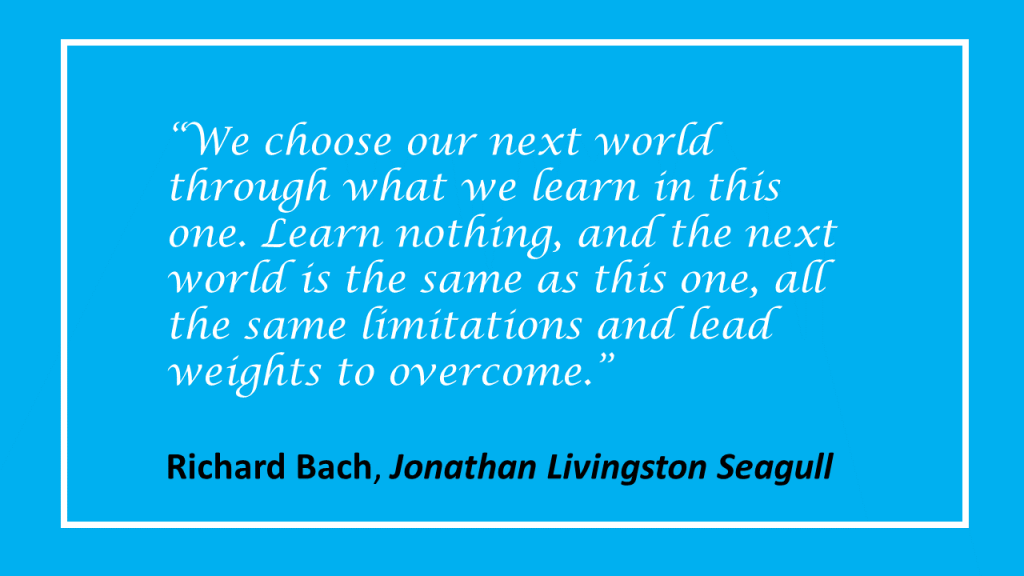
    I like the idea of improvement, of always learning, of striving for perfection and enlightenment. It is probably one of the reasons that the “yet” thinking of a growth mindset fits nicely into my philosophy. It explains why one of my favourite books (I almost wrote “of all time” – what would that say about me and my past lives?) is Jonathan Livingston Seagull by Richard Bach, who dedicated the book “To the real Jonathan Seagull, who lives within us all”.

    Jonathan Livingston Seagull

    Slide2

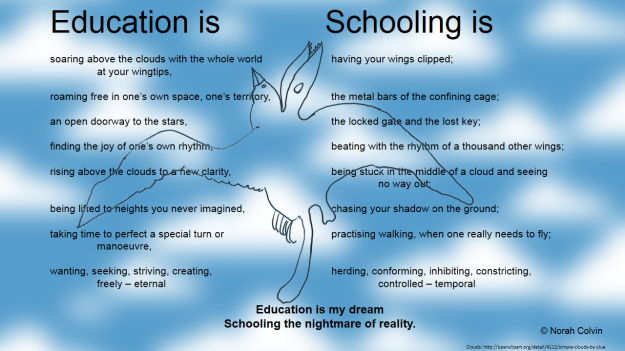
    I had always thought that being a bird would be pretty amazing with the freedom to fly above the world and look down upon its beauty. Maybe this is one reason Jonathan’s story appealed to me. Perhaps it explains the analogy of flight in my poem about education. Maybe it’s why I love to sit at an airplane’s window and marvel at the scenes below.

    education-is-2

    And so my thoughts meandered, drifting through clouds and pockets of time, until they were suddenly interrupted by the voice of the child next door singing, “Let it go”.

    I think those three words “Let it go” may be the only ones that anyone sings along with, but the message of the song is powerful: to let go of insecurities and realise the potential within; don’t care “what they’re going to say” and acknowledge that “It’s time to see what I can do”.

    Slide1

    The message is not unlike that of Jonathan Seagull: to stretch beyond the limits imposed by others and their labels and to attain self-realisation. It is a journey undertaken by most thinking people, as demonstrated by the identity crisis that has befallen Sarah Brentyn who blogs at Lemon Shark. What is that if not a call for release from chains that may bind to enable the freedom for flight?

    The end of a year is generally a time for reflecting on what has been achieved and what is yet to be. Perhaps it is also a time for letting go in preparation for what lies ahead.

    Slide3

    I hope that, as you reflect, you are happy with what you have achieved, with where you are, and with the path that lies ahead. I wish you a safe, fun and fruitful journey along the “road to find out”.

    I have enjoyed your company this year and appreciate your feedback. The conversations are what keep me going, growing and learning. Thank you. I look forward to the journey continuing.

    Thank you

    Thank you for reading. I appreciate your feedback. Please share your thoughts.


  • The intrigue of nature 

    By nature, young children are explorers and discovers. Their purpose is to investigate the world around them and figure out what’s in it, how it works, and how they can get it to work for themselves. It takes little effort on the part of parents and early childhood teachers to nurture this innate curiosity and stimulate an interest in the natural world.

    Sharing in the excitement of children’s discoveries is a marvellous experience and something I loved about having my own young children and working in early childhood classrooms, I now have the additional privilege of sharing in the wonder with my grandchildren. I feel very proud watching my two children, their dad and aunt, as together they explore the flora and fauna in our backyard. I know I have done something right.

    These are just a few of the wonders we found this year:

    The ladybird life cycle on our beautiful wattle tree.

    © Bec Colvin
    © Bec Colvin

    A bee on the same wattle tree.

    © Norah Colvin
    © Norah Colvin

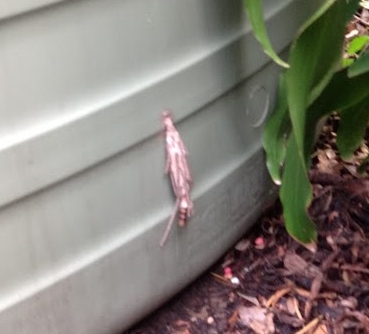
    A case moth attached to the rainwater tank.

    © Norah Colvin
    © Norah Colvin

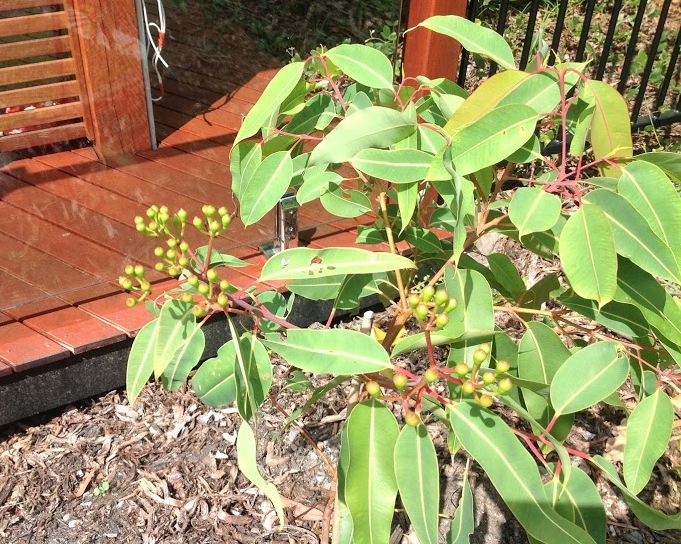
    Nuts already forming on my little gum tree.

    © Norah Colvin
    © Norah Colvin

    Flowers on the native ginger.

    © Norah Colvin
    © Norah Colvin

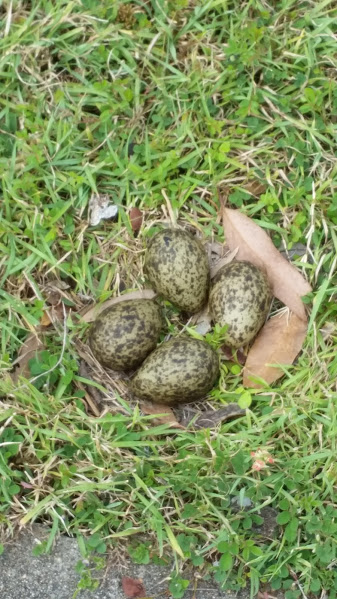
    Plover eggs in a nest.

    © Norah Colvin
    © Norah Colvin

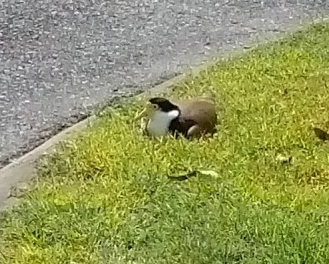
    The plover sitting on the eggs.

    © Norah Colvin
    © Norah Colvin

    Fruit on the sandpaper fig.

    © Norah Colvin
    © Norah Colvin

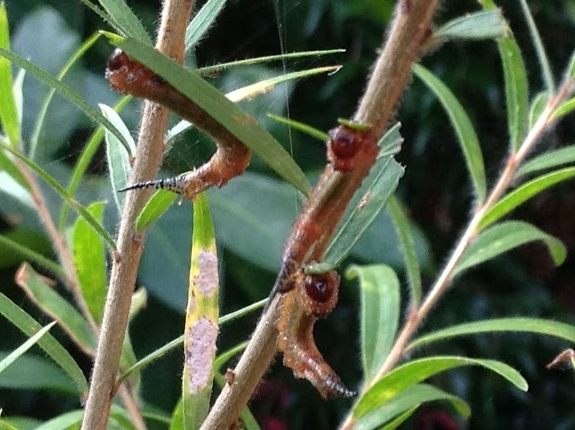
    Bottlebrush sawfly larvae.

    © Norah Colvin
    © Norah Colvin

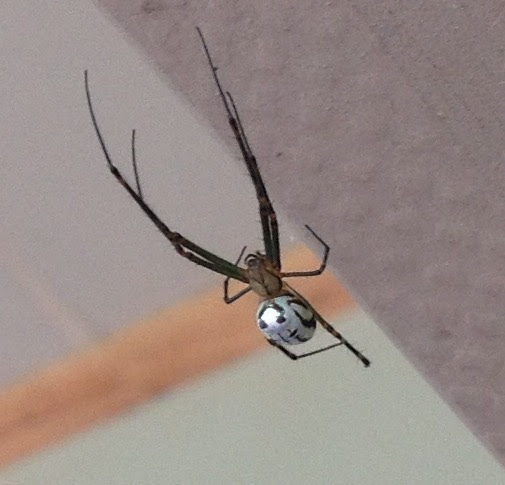
    A silver orb spider.

    © Norah Colvin
    © Norah Colvin

    Flowers on my wattle tree.

    © Norah Colvin
    © Norah Colvin

    This week at the Carrot Ranch Charli Mills was talking about having a “looky-loo”, I’d probably call it a “sticky-beak”, at the effects of a river in flood, and described the way that neighbours help each other out, even if they’ve never met before. But Charli dives deep into the analogy of a flooded river, feeling washed out and overwhelmed by the rising tide of fear fuelled by a lack of understanding and appreciation of difference. She pleads for all of us to find our common ground, to realise that, while we are complex and contradictory, we share the same needs and wants. She says that if we don’t understand we should, “Ask, don’t judge. Learn, don’t isolate.”

    Charli got me thinking about these issues, as she always does. I wondered, if we value, appreciate and marvel at diversity in the natural world, why don’t we appreciate it in other humans? After all, we are merely part of the natural world. That we have done more than any other species in manipulating it doesn’t alter that fact. Why can’t we all just agree to live and let live? Why do some think otherwise?

    These thoughts reminded me of something I had heard in a fascinating TED talk by Ed Yong, called Zombie roaches and other parasite tales. Ed Yong is a science journalist on a mission to “ignite excitement for science in everyone”. He blogs at Not Exactly Rocket Science for National Geographic.

    This particular TED talk is fascinating, funny, disgusting and very informative, with a little of something for everyone. He throws in terms like “mind control”, “eaten alive”, and “bursts out of body”. Science fiction has nothing on science fact.

    www.morguefile.com
    http://www.morguefile.com

    He begins the talk by questioning whether animals choose their behaviour such as gathering in large flocks or herds for safety. He then talks about the popular children’s science “pet” brine shrimp, or sea monkey, and the ways in which a parasitic tapeworm influences the shrimp’s behaviour to enable its own reproductive cycle. He says, “The tapeworm hijacks their brains and their bodies, turning them into vehicles for getting itself into a flamingo.”

    But that is just the first of his stories of animals behaving in ways as a result of the mind-control of parasites. He describes others and says that “Manipulation is not an oddity. It is a critical and common part of the world around us, and scientists have now found hundreds of examples of such manipulators, and more excitingly, they’re starting to understand exactly how these creatures control their hosts.

    He describes a wasp that attacks a cockroach and “un-checks the escape-from-danger box in the roach’s operating system”. I wondered if this same box could be un-checked in humans. Not surprisingly, Ed went on to discuss humans but said that our methods of mind control were fairly primitive compared to the techniques of parasites. He said that this is what makes the study of parasites so compelling. We value our free will and fear having our minds controlled by others, but this situation occurs all the time in nature.

    Yong then asks what he considers an obvious and disquieting question:

    “Are there dark, sinister parasites that are influencing our behaviour without us knowing about it …?

    He talks about a parasite that manipulates cats, a parasite that many people have in their brains. While there is no conclusive evidence of parasitic manipulation of human behaviour, Yong suggests that “it would be completely implausible for humans to be the only species that weren’t similarly affected.” I urge you to have a looky-loo at the now not-so-secret behaviour of these parasites. I’m certain you will be as entertained as you are informed and challenged.

    So from a looky-loo in my backyard to a looky-loo at the world of parasites we come to my response to Charli’s flash fiction challenge to In 99 words (no more, no less) write about a looky-loo.

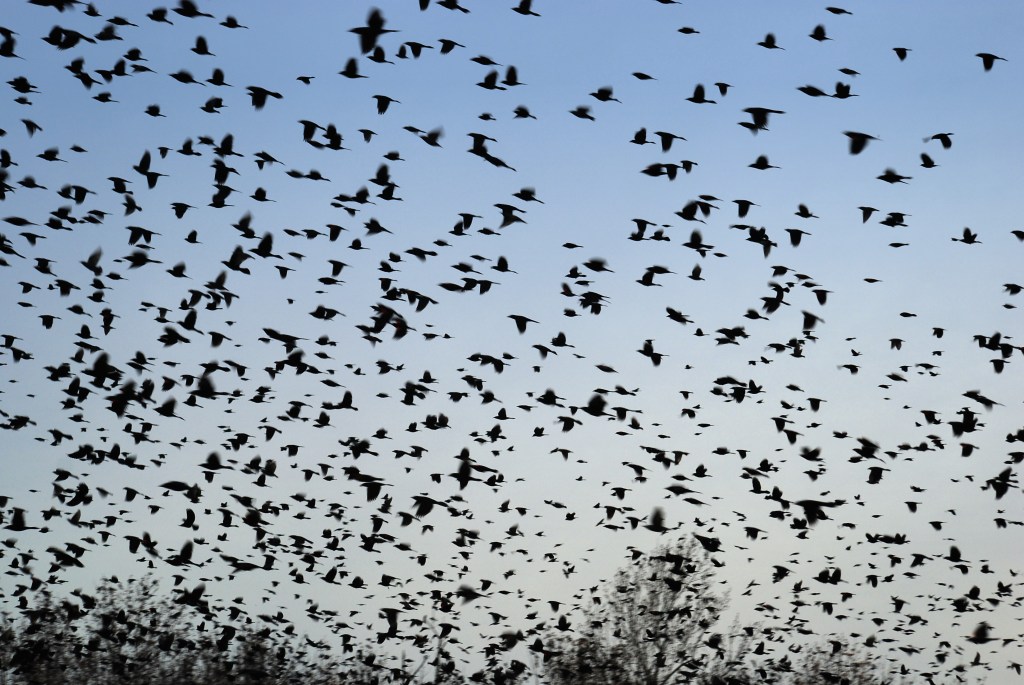
    www.morguefile.com
    http://www.morguefile.com

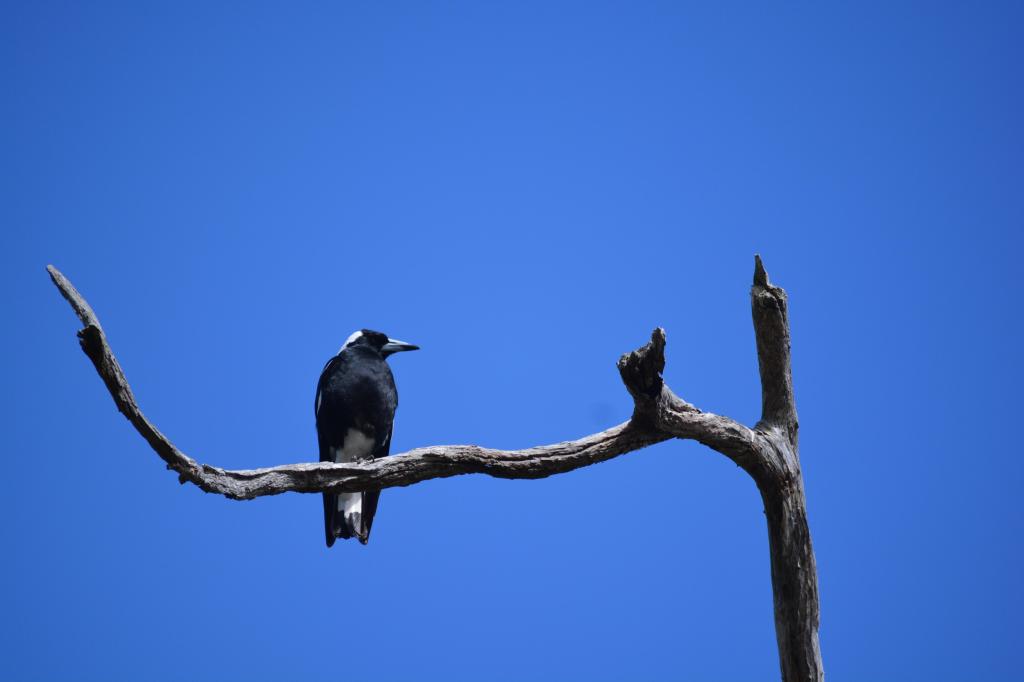
    Copy-cat Sticky-beak

    High in the branches Maggie practised her repertoire.  She watched people scurrying: erecting tents and marking long white lines.  She absorbed the rhythm of new songs: thump-thump, clink-clink.

    She breakfasted on scarab beetles and was ready when the children arrived. But they didn’t notice her playful mimicry. Instead they flooded the field with colourful shirts and excited chatter.

    Maggie watched silently. Soon she heard an unfamiliar song: “Go team, go team, go!” She flew to the top of the biggest tent and joined in. The children listened, then cheered. Maggie felt she’d almost burst. Instead she sang, and sang.

    Perhaps we could learn from the magpie, one who looks, listens and learns and shows appreciation for others in the most sincere form of flattery: singing their song.

    I love awakening to the beautiful songs of the magpie every morning. I chose to share this particular video, as yesterday we were also visited by a beautiful king parrot such as the one featured in this video. Awesome.

    Thank you

    Thank you for reading. I appreciate your feedback. Please share your thoughts about any aspect of this post or flash fiction.

  •  A celebration of Australian picture books #7 — celebrating Christmas


    With Christmas just around the corner it is appropriate to continue my series in Celebration of Australian Picture Books with some Australian Christmas picture books. This post is the seventh in a series celebrating picture books by Australian authors. If you missed earlier posts, please follow these links to the introductionMem FoxKim Michelle ToftNarelle OliverJeannie Baker and Jackie French.

    www.openclipart.org
    http://www.openclipart.org

    Christmas in Australia is unlike that in most other parts of the world that celebrate the holiday. In Australia, Christmas falls in summer and people generally head for the beach or somewhere with air conditioning to cool down. While many still follow the traditions of the Northern Hemisphere with baked dinner and plum puddings, many opt for seafood  and salad, and outdoor barbecues and picnics. Whatever the weather Christmas is a great time for catching up with family and friends (or not, depending on your family!)

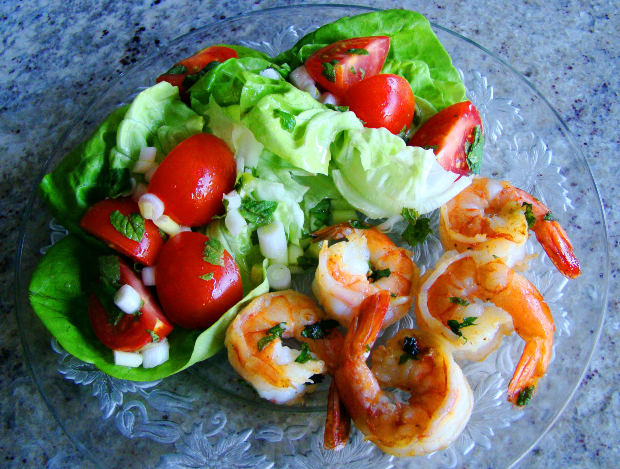
    www.morguefile.com
    http://www.morguefile.com

    I shared some thoughts about Christmas in Australia last year when I posted I’m (not) dreaming of a white Christmas. This year the post is specific to picture books.

    Some Australian Christmas picture books
    Some Australian Christmas picture books

    Because our climate is so different and we have such a small population down here, most of what is available for us to read, sing or view deals with situations very different from our warm sunny days. I’m pleased to say, though, that there is an increasing number of songs and books with an Australian flavour available. However, many are merely innovations on the traditional such, as The Australian Twelve Days of ChristmasAussie Jingle Bells or An Aussie Night before Christmas.

    12 underwater days of Christmas

    One innovation I particularly like is The Twelve Underwater Days of Christmas by Kim Michelle Toft. I celebrated Kim’s work previously in this series. Kim is an Australian who uses her talents as author and illustrator to educate children about things for which she is passionate: ocean life and coastal habitats. The stunning illustrations in this book, as in others, are hand-painted on silk; providing a richness of information through visual as well as textual features. In addition to the information about the animals, Kim includes a stunning six-page foldout poster, and information about the original carol.

    Christmas Wombat

    Jackie French, another whose work I have previously shared in this series, also has a Christmas picture book in the Wombat series, Christmas Wombat. It is just as delightful as the other wombat stories and tells of Wombat’s Christmas Day with sleep, adventure, sleep, and treats.

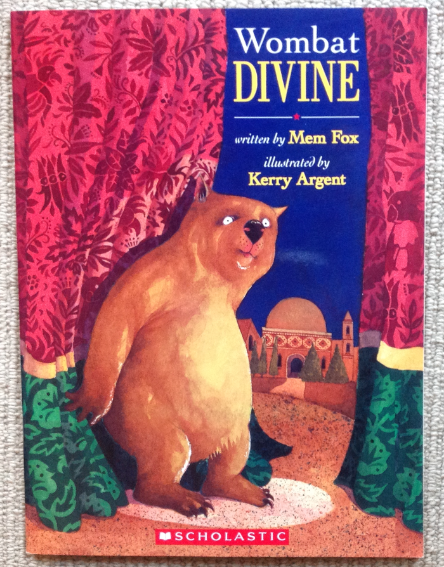
    Wombat Divine

    Using the traditional Nativity play as the setting, Mem Fox, another whose work I shared in this series created an original and fresh story in Wombat Divine. It is a delightful tale of Wombat who loved everything Christmas. When finally he was old enough to be in the Nativity Play he rushed along to the auditions. Unfortunately, it was difficult to find a role that was just right for Wombat. Can you guess which one he got? You’ll have to read the book to find out! Children all over the world will identify with Wombat and his predicament, and enjoy the heart-warming tale.

    PS who stole santa's mail

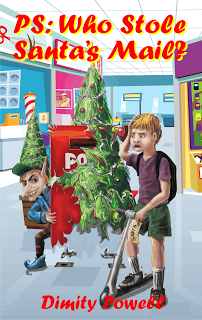
    For slightly older children there is the first chapter book PS: Who Stole Santa’s Mail by Dimity Powell, who is very active in the local SCBWI group. She blogs at  Dim’s Write Stuff. This is a fun story filled with mystery, magic and humour and a great first step into chapter books. I thoroughly enjoyed reading it.

    We do have a few original Christmas songs to listen to as well. One that I enjoyed listening to on the radio as a child, and delight in now hearing my grandchildren sing, is Six White Boomers. It is a lovely tale of a joey kangaroo who is lost and alone in a zoo. Santa rescues Joey and reunites him with his mother on Christmas Day. Of course to get there, Joey is treated to a ride on Santa’s sleigh pulled by six huge white kangaroos.

    Peter Combe has written two albums of original, but with a traditional rather than specifically Australian flavour, Christmas songs for children, including this one:

    Children around Australia are finishing their last few days of the school year within the next week. They will then have five to six weeks of holidays before starting back for a new school year. I have shared previously about the importance of keeping children’s love of learning alive and described easy ways of incorporating learning into everyday family activities. If you know of any families in need of suggestions, please give them a copy of:

    20 suggestions for maintaining reading momentum during the school holidays

    Let the children write! 20 suggestions to get children writing during the school holidays

    Counting on the holidays!

    These are available free download in my Teachers Pay Teachers and Teach in a Box stores. Soon they will also available free on my website.

    rg 1024, gift https://openclipart.org/detail/31159/gift
    rg 1024, gift https://openclipart.org/detail/31159/gift

    Of course books always make wonderful gifts and any of the books mentioned here would be a great addition to anyone’s collection.

    Thank you

    Thank you for reading. I appreciate your feedback. Please share your thoughts about any aspect of this post.


  • Storybook pirates and early childhood learning

    nicubunu, Comic Characters: Pirate https://openclipart.org/detail/21919/comic-characters-pirate
    nicubunu, Comic Characters: Pirate https://openclipart.org/detail/21919/comic-characters-pirate

    Would you believe that with the hundreds of picture books I have in my possession I do not have one about pirates! That surprises me. There must be oodles of books about pirates on the market.

    my granny is a pirate

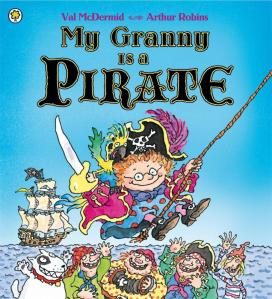
    When I was in London last year I did buy a delightful book for my grandchildren called My Granny is a Pirate by Val McDermid.  We had enormous fun reading it and laughing at the wonderful illustrations by Arthur Robins.

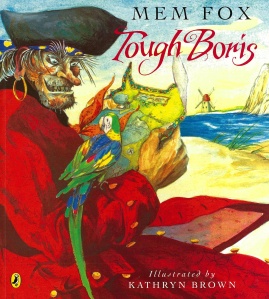
    Although I own many titles by Mem Fox, I don’t own her “all time classic and long-lasting bestselling” pirate book, Tough Boris . In the information about the story on her website, Mem explains how the story came to be and raises issues of sexism, particularly regarding the over-representation of male characters, in picture books. This is a topic that is very familiar to me.

    Tough boris

    In addition to not owning books about pirates, I can remember using a pirate theme for teaching on only one occasion. This surprises me too as pirates seems to be a perennial theme for birthday and fancy dress parties. Children and adults find the idea of pirates fun. You have only to look at the success of the Pirates of the Caribbean series to know that.

    Of course, in this post I am referring only to the pirates of picture books and movies such as these, that were no more real than other fanciful characters such as giants, fairies, elves and dragons.

    The occasion for my using a pirate theme was over twenty years ago when I was running early childhood classes as part of my home-based business Create-A-Way, and the inspiration for it was of a practical rather than literary nature. I was required to wear a patch over an eye after having a pterygium removed. A pirate day seemed like a great way to avoid upsetting the children and to have a bit of fun as well. Perfect!

    https://pixabay.com/
    https://pixabay.com/

    But why am I thinking about pirates you may wonder. Well, it’s in response to the post by Charli Mills at the Carrot Ranch and her challenge to writers to In 99 words (no more, no less) write a pirate story. As always Charli gets me thinking about different things with her prompts. She is talking about the piracy from her internet data service and drinking rum before 10 am, which is apparently something pirates do.

    As usual I take the prompt to the early childhood education setting, and I’m excited by doing so. Ever since reading Charli’s prompt I have had ideas for teaching and learning experiences based on a pirate theme swirling around in my head. I may be late coming to the party, but I’m not coming underdressed.

    https://pixabay.com/
    https://pixabay.com/

    One of the things I have always loved about teaching is the opportunity to be creative: to write and prepare fun educational resources to use with my children. What wonderful things could be done with a pirate theme. I can’t believe I have never done it. And while I am no longer in the classroom and the opportunity is not there for me to use them with my own class, I can make them for my website to share with other teachers. The fun of thinking, writing, and creating is still mine!

    I’m pleased to announce that my website is underway. I have signed with a web designer and developer. It should be ready to go live by the end of January, ready for the start of the new school year in Australia. I can’t wait. Well, I can wait. I still have so much work to do in the meantime. I have resources to finish and new ones to write. There are many “in progress”. While I won’t be rushing into making pirate themed resources, I am putting them on my list. I have lots of ideas.

    Actually now that I think about it, the mix of feelings I have now that the website is imminent may be similar to those experienced by someone walking the plank: there is no way back and the choice for the future is to either sink or swim. If I do manage to hold my head high and above water level, I hope I don’t get eaten by sharks!

    wsnaccad, shark https://openclipart.org/detail/19732/shark
    wsnaccad, shark https://openclipart.org/detail/19732/shark

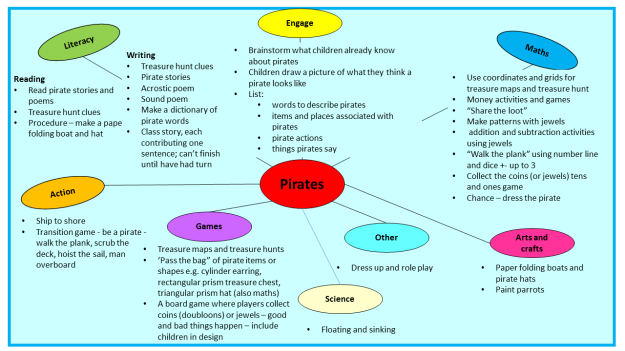
    On my website subscribers will be invited to suggest or request resources to match their requirements. I love thinking of resources to suit particular topics or to teach particular skills or processes. I would love a request for pirate materials so that I could get started on making them sooner rather than later.

    Here are a few ideas I have to start with. I’m sure I would come up with many more given a little longer.

    © Norah Colvin 2015
    © Norah Colvin 2015

    But now here is what got me thinking about pirates in the first place: my flash fiction response to Charli’s prompt. I’m definitely sticking with my early childhood theme and a bit of fun for this one.

    https://pixabay.com/
    https://pixabay.com/

    If I was …

     If I was a pirate

    I would sail the ocean blue,

    In a boat made out of cardboard

    With my parrot Libby-Lou.


    I would wear a red bandana

    And purple polished boots.

    I would flash my pearls and silver sword

    And plunder pirate loot. 


    I would dig for buried treasure

    In the spot marked with an X,

    And all I’d find I’d stow inside

    My handy wooden chest.


    I would have no one to boss me

    I could do just as I please,

    Until my dad would call me

    “Anna, come, it’s time for tea!”

    Thank you

    Thank you for reading. I appreciate your feedback. Please share your thoughts about any aspect of this post or flash fiction.

  • You’ve got a friend in me


    https://openclipart.org/detail/117199/Friendship
    https://openclipart.org/detail/117199/Friendship

    One of the greatest contributors to a child’s happiness at school, indeed for happiness in life, is friendship. Talking with children about their day at school will more than likely contain some reference to their friends; who they played with, who they didn’t, who was absent, who was mean. If they felt sad during the day it was possibly because someone wouldn’t play, wouldn’t let them play, or was mean.

    Getting along with others seems to come naturally to some children, especially to those who see positive social skills modelled by parents and family friends, who are given lots of opportunities to mix with others of all ages, and who are encouraged to express themselves and their feelings. Other children don’t find it so easy, sometimes due to lack of positive role models, but often for other reasons.

    http://www.morguefile.com/
    http://www.morguefile.com/

    Most children require some explicit teaching from time to time, for example to share, take turns and to use friendly words. Many schools incorporate the development of friendship skills into their programs. Some schools, such as one that employed me to write and teach a friendship skills program in years one to three, develop their own programs. Other schools use published materials such as the excellent You Can Do It! program which teaches the social and emotional skills of getting along, organisation, persistence, confidence and resilience.

    In the early childhood classrooms of my previous school, we used the songs, puppets and stories included in the You Can Do It! Program. We also involved children in role play and discussion, providing them with opportunities to learn the language and practice the skills in supportive and non-threatening situations. Having a common language with which to discuss feelings, concerns and acceptable responses meant issues were more easily dealt with. More importantly children learned strategies for developing positive relationships and friendships with others. They came to understand their own responses as well as those of others.

    SMAG ccbyncnd

    I have talked about friendship in many previous posts, including here, here and here. My online friend Anne Goodwin, who blogs at Annecdotal even wrote about it in a guest post here, and I described friendship trees that I used with my class here.

    Friendship tree

    In this post I want to acknowledge a new friend and a long-time friend. (I can’t say ‘old’. She’s younger than I!)

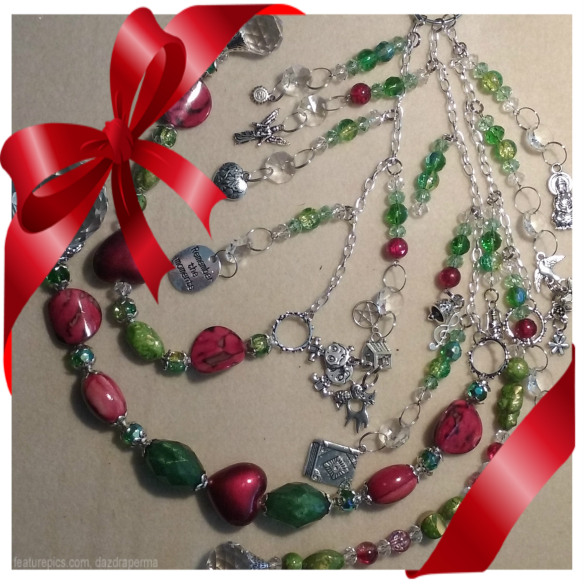
    My new friend is Pauline, The Contented Crafter. At the beginning of last week Pauline announced a very generous giveaway for Christmas which I shared with you here.  Pauline invited readers to nominate someone as a deserving recipient of her beautiful Christmas light catcher. She posted the nominees and their stories here and invited readers to vote for the two they would most like to receive the light catcher.

    pizap1

    I nominated Robin, a friend of over thirty years. That must be deserving of an award in itself! In case you missed her story on Pauline’s blog, I include it here so that you can understand why I value her friendship so highly.

    I have a wonderful friend for whom this beautiful light catcher would be a perfect gift. Each of its strands holds a special significance, as if Pauline had her in mind.

    She gifted her friendship to me more than thirty years ago and, thanks to a miracle and the protection of angels, it is a gift that continues.

    Over twenty years ago, on my birthday, she was involved in a serious car accident. My birthday became her life day, a constant reminder that life and each passing year is a precious gift. 

    Her many injuries, requiring numerous surgeries over the years, did not injure her bright, cheerful nature and positive outlook on life. Although she lives with constant pain you wouldn’t know unless you asked, and then only if she chose to tell you.

    She has an enormous generous and loving heart, and her home is warm and welcoming. Family, especially her two grown daughters and her dear Mum who passed this year, is important to her. She loves to bake and craft individual gifts for her family and friends. She is always busily thinking of others.

    She is a gifted musician and amazing music teacher. She plays the flute and sings like a Robin. She incorporates music and fun into classes for children and lessons for adults learning English. All come to her classes eager to learn and leave singing with joy and acceptance.

    At Christmas the family gather round to decorate the tree and “remember the moments” marked by ornaments made by smaller hands, collected on travels, or signifying achievements and occasions like graduations and engagements.

    I know my friend would treasure this beautiful light catcher as another reminder of life’s precious gifts and moments that make it magic. Thank you Pauline for the opportunity to express openly how much I value her friendship.

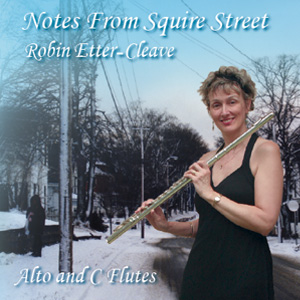
    You can find out more about Robin on her website and even purchase her wonderful CD “Notes from Squire Street”.

    Robin - Notes from Squire Street

    I am very excited to say that Robin is included in Pauline’s list of winners. In fact Pauline’s generosity is being extended to many of the nominees, and even to one for commenting on the post. Very soon Pauline’s light catchers will be dispersing rainbow light of friendship and joy around the world. I think that is a beautiful and generous gesture.

    Thank you

    Thank you for reading. I appreciate your feedback. Please share your thoughts.


  • Have you got a handle on it? Tweet!


    tweet bird

    Each week I read and comment on more than 50 blog posts. If I read a post I enjoy, and I rarely read one I don’t, I like to share it on Twitter. I usually share it immediately and then use Hootsuite to schedule future shares for hashtag days. It is quick, easy, and allows me to assist others to build a wider audience. I am happy to do it and have no expectation or need of “Thank you” tweets in return.

    thank you - rose

    Some blogs and posts are not easy to share as they have no sharing buttons, or their sharing buttons are difficult to find. While it is possible to copy the URL and paste it into Twitter or Hootsuite, it takes a little more effort to do so and is not something a reader should, in my opinion, be expected to do.

    If bloggers wish others to share their posts on any of the Social Media Platforms, I believe they should make doing it as easy as possible.

    I am familiar with WordPress only so am not sure how it works with others. However I do know that when I visit non-WordPress blogs, sharing doesn’t seem to be as straightforward.

    This next section is for WordPress users only.

    To add sharing buttons in WordPress, go to

    Dashboard — Settings — Sharing — Publicize

    WP -publicize

    1. Select in turn each of the social networking sites to which you belong and add your “address” to each. This is important. It means that people will be able to find you on those sites. It means that when your post is shared on Twitter you will know because the tweet will include your “handle”, your Twitter username.

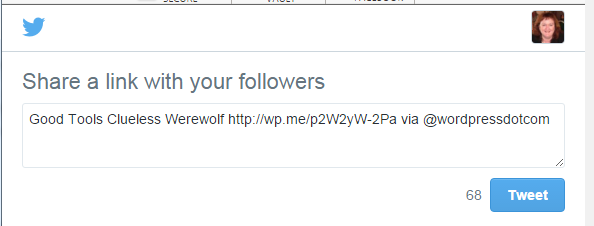
    For example, when my posts are shared the tweet includes my username @NorahColvin and I know it has been shared; like this:

    tweet -me

    If the username is not included the tweet will have @wordpressdotcom; like this:

    tweet - WP

    That’s not very exciting and you will never know that your post has been shared.

    Sometimes, if I know the blogger’s Twitter handle I will change the tweet to include it, but as I said before

    If bloggers wish others to share their posts on any of the Social Media Platforms, I believe they should make doing it as easy as possible.

    More often, if the handle is not included, I am less inclined to share more than once.

    2. Choose the buttons for each platform on which you wish to share your blog.

    sharing buttons

    I think it is a good idea to have the buttons appear on every post and page. Remember to save any changes you make!

    sharing buttons on

    I assume there are similar ways of adding sharing buttons on other sites. I know it is possible in Weebly as Anne Goodwin added her username after I alerted her to its absence. If there are ways, I recommend you use them. If you have chosen to not add your handle to your sharing buttons, I’d be interested to know your reasons.

    Earlier I expressed that I have no requirement for “Thank you” tweets in return for my sharing of a post. I consider the best way of saying “Thank you” to be sharing a post of mine in return. If you have shared one of my posts in a tweet, it is extremely likely that very soon I will sharing one of yours. I’m not talking about retweeting someone else’s shares here. I treat those differently.

    I mentioned scheduling tweets in advance. There are a number of hashtag days on Twitter. These are the ones I use most frequently. Not all posts are suitable for every hashtag. I generally share a post on each of the next 2-4 suitable days.

    Hashtags

    #SundayBlogShare

    #Mondayblogs

    #TuesdayShares

    #TuesdayBookBlog

    #wwwblogs (Wednesday – Women Writers)

    #BeWOW (Wednesday – all)

    #ThankfulThursdays

    #TBT (Throwback Thursday)

    #LinkYourLife (Friday)

    #BluSkyFriday

    #ArchiveDay (Saturday)

    Nothing says that I am right of course. What I have shared here is what works for me, at the moment. I’d love to know what works for you. How do you share on Twitter? Do you think it’s important to include the username in tweets? How often to you share the posts of other bloggers?

    Thank you

    Thank you for reading. I appreciate your feedback. Please share your thoughts.

  • Power tools


    www.openclipart.org
    http://www.openclipart.org

    This week at the Carrot Ranch Charli Mills has challenged writers to In 99 words (no more, no less) include a tool in a story. I open this post with a quote by Jackie French I used to close my previous post.

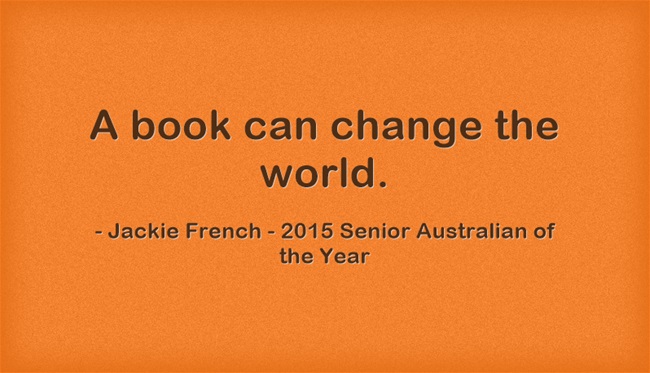
    Jackie French - books - tools

    Books are a great tool. So is the ability to think creatively.

    Being literate is a key that opens many doors. Being able to think opens many more. You could say they are the power tools of education and success.

    In his book The Outliers (recommended to me by Rowena who blogs at Beyond the Flow), Malcolm Gladwell talks about the role of intelligence in success. He says that “intelligence only matters up to a point”, and that “past that point, other things — things that have nothing to do with intelligence — must start to matter more”. He raises the question of what those things are.

    He makes a suggestion to

    “Write down as many different uses that you can think of for the following objects:

    1. a brick
    2. a blanket”

    and calls it a “divergence test”. Rather than asking you to come up with a one right answer, a divergence test “requires you to use your imagination and take your mind in as many different directions as possible.”

    Gladwell describes the test as a measure of creativity, of the ability to come up with imaginative and unique responses rather than a list of commonplace uses. He considers this imaginative thinking combined with intelligence, not intelligence alone, to be what is required to make new discoveries such as those that may be awarded Nobel Prizes.

    www.openclipart.com
    http://www.openclipart.com

    Can this sort of creative thinking be taught?

    Edward de Bono certainly thinks so. As long ago, dare I say, as the late 60s I read (and did) The Five Day Course in Thinking, a series of puzzles to help readers (thinkers) understand their thinking strategies. The puzzles in the book are divided into three sections: Insight Thinking, Sequential Thinking, and Strategic Thinking.

    Over the years I read a number of de Bono’s books including but not limited to Lateral Thinking, Six Thinking Hats, How to Have a Beautiful Mind, Teach Your Child How to Think, Textbook of Wisdom and Why I Want to Be King of Australia. I had a thirst for learning how to think, as thinking had not been encouraged and memorising content had not come easily in my younger years. Discovering that I was able to think, and think outside the box, was empowering.

    www.openclipart.org
    http://www.openclipart.org

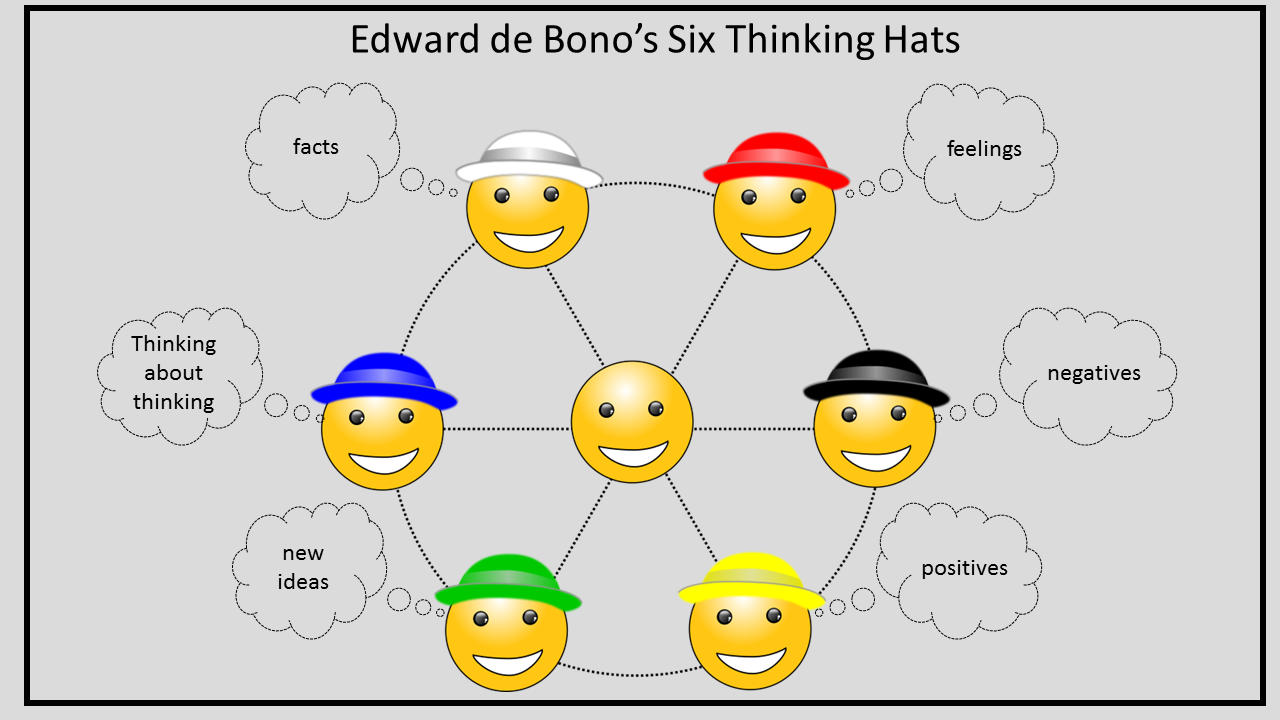
    I enjoyed using de Bono’s strategies and teaching them to my own children as well as to children in my classrooms over the years. His Six Thinking Hats are used in classrooms worldwide as are many others of his thinking strategies.

    six hats

    In this video de Bono talks about creativity, creative thinking, and thinking “outside the box”:

    Tony Ryan is another educator who believes it can. He has published a number of books that aim to get students thinking in creative ways. His Thinkers Keys “a powerful program for teaching children to become extraordinary thinkers” is designed to do just that.

    Tony Ryan says that we now need to think beyond the square and think “outside the dodecahedron”.

    In a comment on a previous post about Lifetime Changes, Steven linked to an amusing video showing the reactions of 21st century children to our earliest computers, tools of technology. This is it in case you missed it:

    I combined the notions of books, creative thinking and technology as tools for learning, productivity and success with a little bit of backward (historical) thinking to inspire my futuristic flash this week. I hope you enjoy it.

    tools for learning

    Relic

    The family shuffled amongst the haphazard collection of primitive artefacts without attempting to disguise disinterest or disdain. The waiting seemed interminable in this “so-last-century” outpost.

    Haven’s seen one of these before,” they’d been told. “I’ll need to order a specialized tool as well as the part. Shouldn’t take long though. Look around while you wait.”

    Confidence in the simpleton’s tools “upstairs”, even if the correct parts arrived, was as low as their interest.

    Hey look!” one called. “Is this …?”

    Can’t be.”

    All destroyed centuries ago.”

    Would be worth a fortune though.’’

    They opened it.

    A book!” they gasped.

    Thank you

    Thank you for reading. I appreciate your feedback. Please share your thoughts about any aspect of this post or flash fiction.

  • A celebration of Australian picture books #6 — Jackie French

    If-you-want-intelligent children

    This post is the sixth in a series celebrating picture books by Australian authors. If you missed earlier posts, please follow these links to the introduction, Mem Fox, Kim Michelle Toft, Narelle Oliver and Jeannie Baker.

    In this post I reintroduce you to Jackie French, prolific and well-known Australian author and advocate for literacy and the environment. She is currently the Australian Children’s Laureate with the task of promoting the importance and transformational power of reading, creativity and story in the lives of young Australians. In January she received an Australian of the Year Award for her contribution to literacy. Jackie’s words from her acceptance speech “If you want intelligent children, give them a book” resonated with me.

    You can listen to Jackie’s acceptance speech in its entirety here:

    These are some of my favourite quotes from the speech:

    Failure-is-not-an-option

    A-book-can-change-the

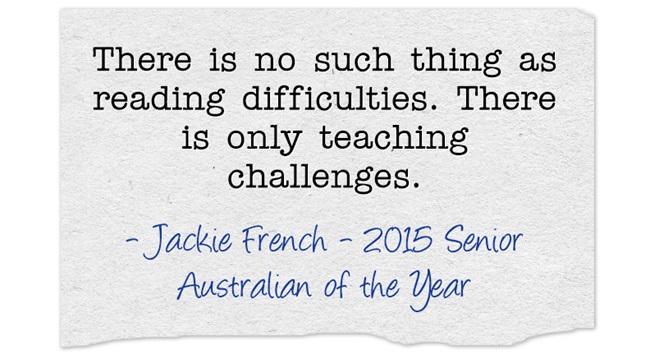
    There-is-no-such-thing

    Jackie has written over 140 books and won more than 60 awards. I am not going to share all of Jackie’s books here; just a few of her picture books that I own. This complete(ish) list of her books indicates the range of genres in which Jackie writes. Although in Standing on the Shoulders of Giants by Mark Rifidi Jackie describes it differently. She says,

    “People assume I write in different genres. From my point of view I don’t. Whether it’s history, ecology, or the fiction I’m writing about now, it’s all grounded in the way of life here and the landscape here.”

    (Jackie lives a self-sufficient life in the Araluen valley on the edge of the Deua wilderness area.)

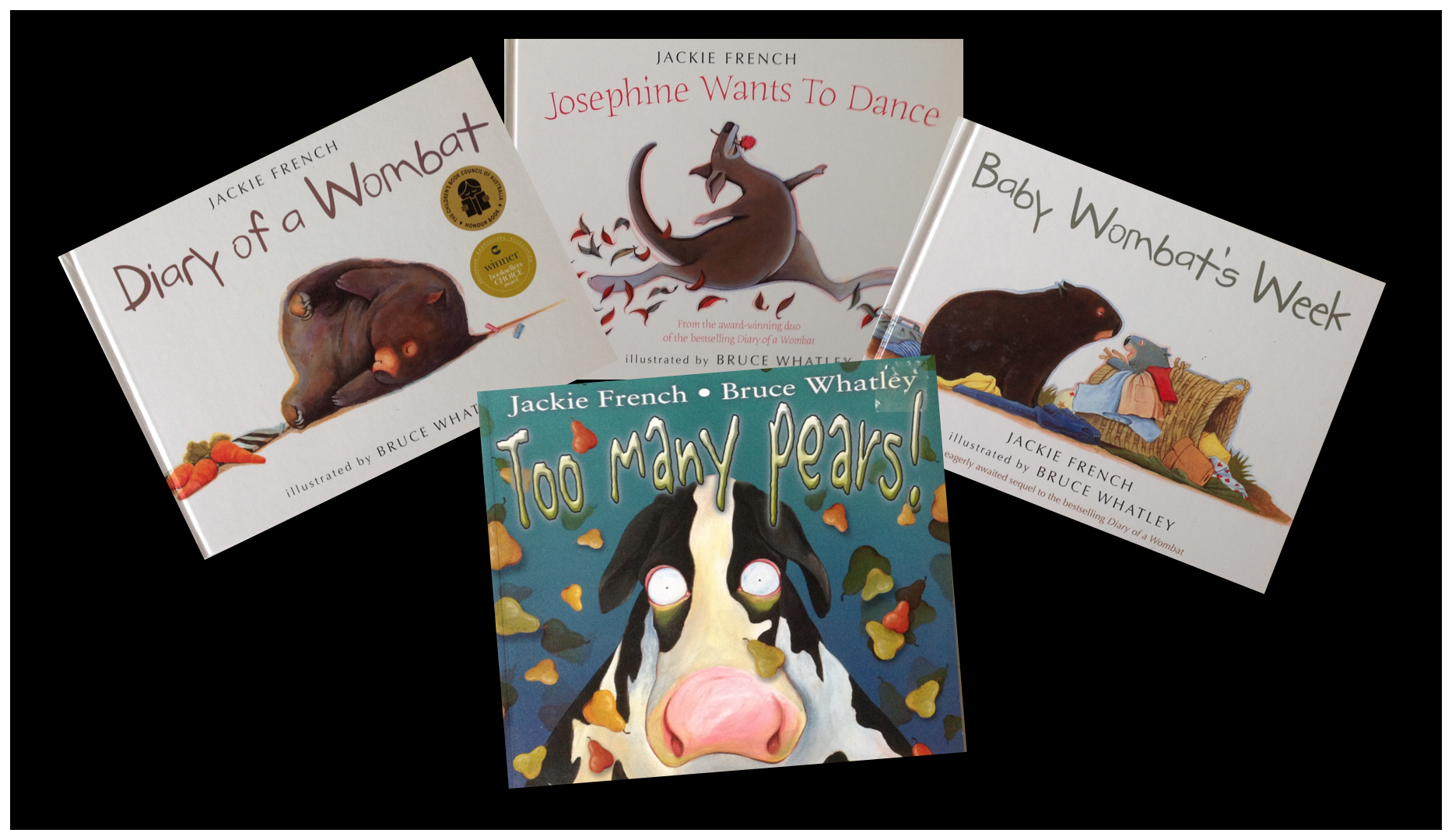
    jackie french's books

    These are the four of Jackie’s picture books that I currently own. I have read others and given others away as gifts. While these four are illustrated by Bruce Whatley, Bruce is not the only illustrator of her work.
    2015-09-19 11.19.08

    Diary of a Wombat is probably Jackie’s best known and most popular picture book. This is what Jackie says about it, as recorded in Standing on the Shoulders of Giants:

    Diary of a Wombat isn’t fiction … (it) is pretty much a week in the life of Mothball, who is one of the wombats that got fed last night” 

    The seeming simplicity of the text coupled with Bruce Whatley’s gorgeous illustrations make this book a joy to read, over and over.

    In the book Mothball sleeps, eats, scratches, eats, sleeps, and easily trains humans to be “quite good pets”.

    You can listen to Jackie read it here.

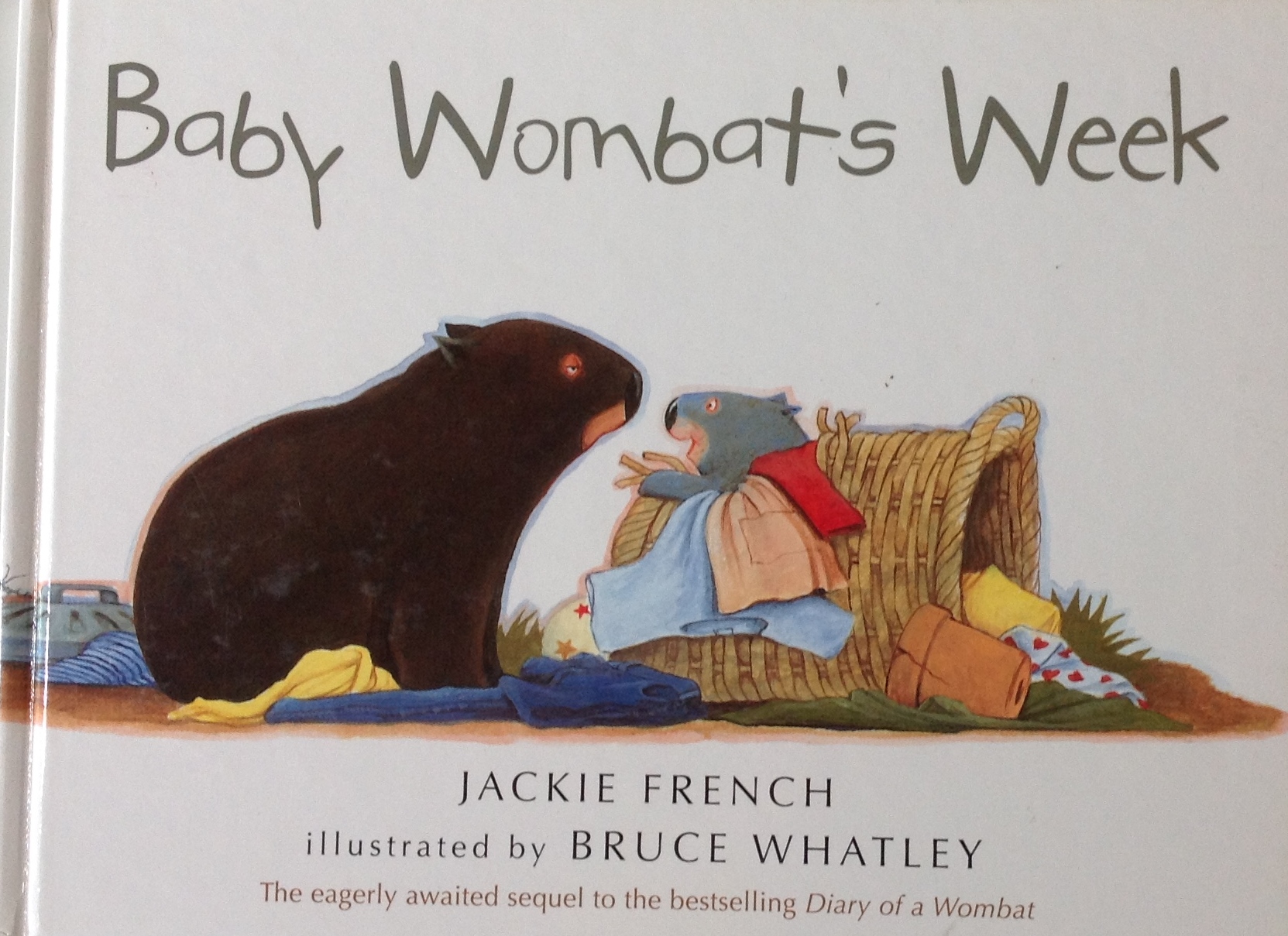
    2015-09-19 11.16.36

    A sequel to the Diary, Baby Wombat’s Week is pretty much a week in the life of Mothball’s baby. It is just as delightful and humorous as the original story with new adventures and escapades; but still lots of sleeping and eating.

    There are two other books in the series: Wombat Goes to School and Christmas Wombat. The Secret World of Wombats is a non-fiction text exploring “everything you ever wanted to know about wombats.”

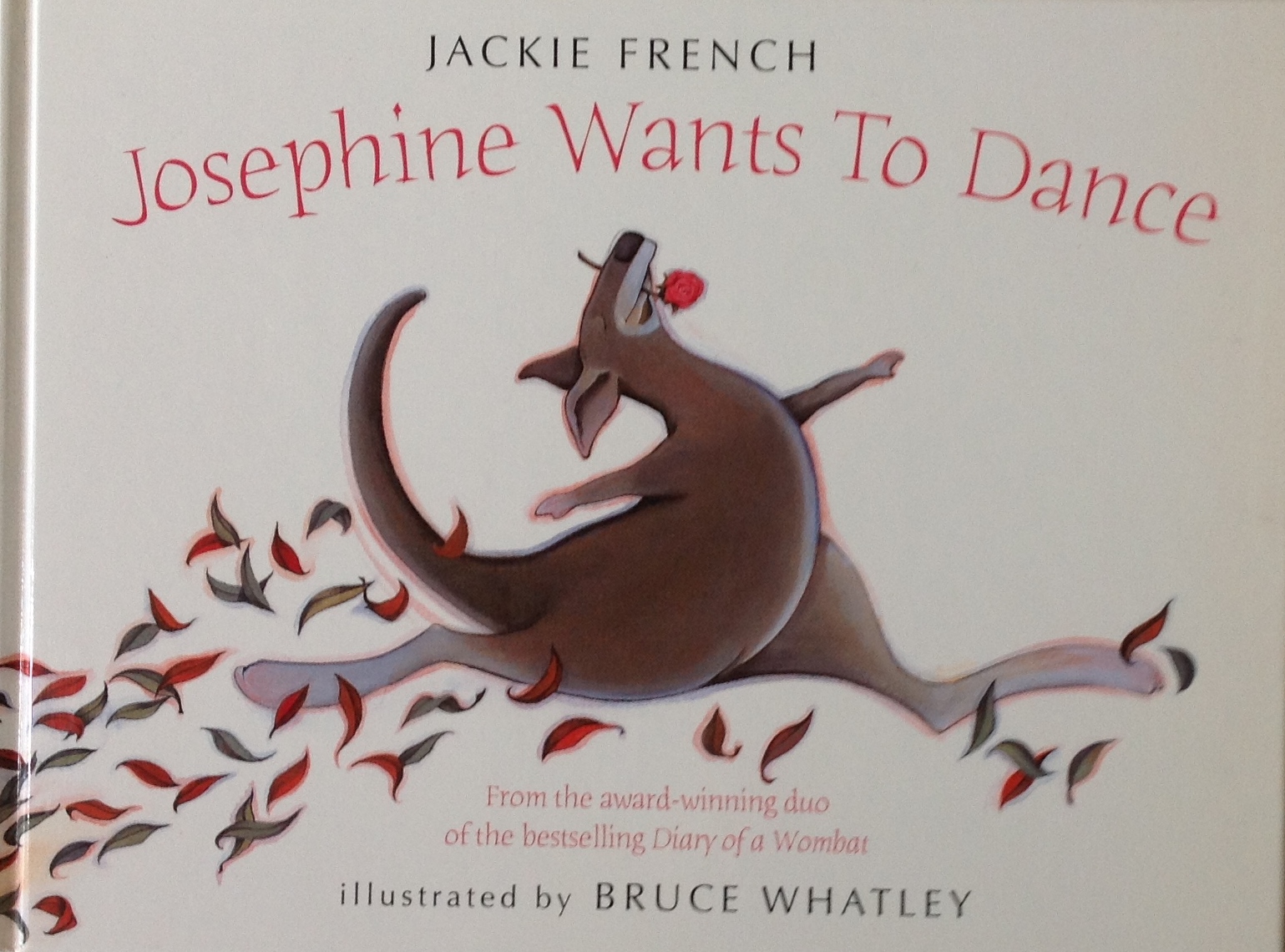
    2015-09-19 11.15.56

    Josephine Wants to Dance is a delightful story of a kangaroo who loved to dance but dreamed of dancing another way. One day the ballet came to town and Josephine decided that was how she wanted to dance. Though others discouraged her, Josephine was determined to give it a try. It is a lovely story of believing in yourself and following your dreams.
    2015-09-19 11.18.32

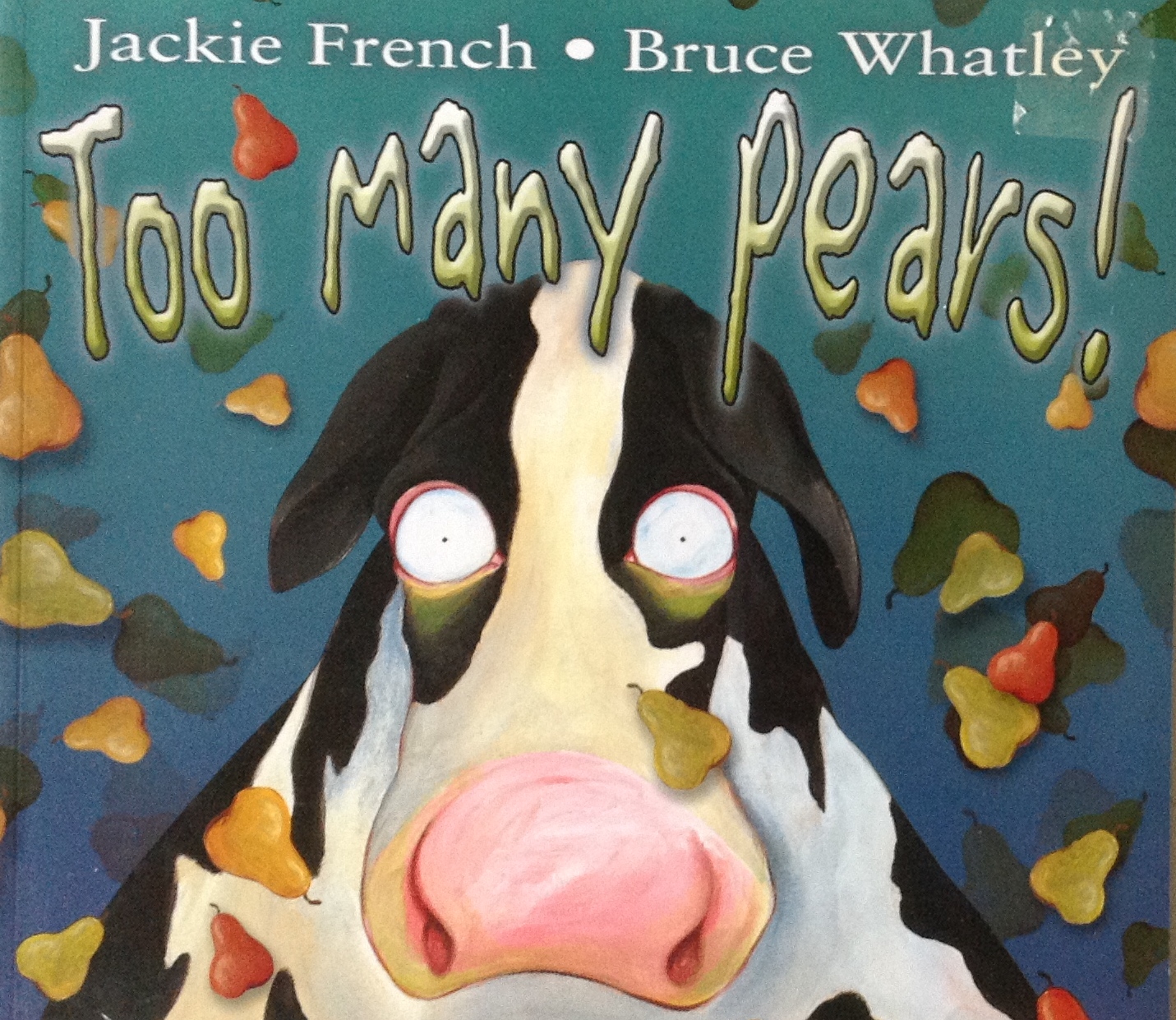
    Too Many Pears is another delightful and humorous story with illustrations that add interest and humour. (It reminds me a little of the battle Charli Mills had with gophers in her vegetable patch.)
    Pamela, a cow, loves pears. She loves them straight from the tree, in pies, with ice cream … any way she can get them. Amy and her family have to figure out a way of stopping Pamela from eating all their pears. They do. But then Pamela spies the apples!

    I am happy to recommend each of these books. They will not disappoint. Jackie’s text coupled with Bruce’s perfectly matched illustrations continue to delight during repeated readings.

    Jackie’s website too is a treasure trove of interesting stuff. On her Kids’ Facts and Info for School Projects page she shares her writing process and a lot of other information that would be of interest to writers as well as to kids. She also has a page of Writing  Tips and Advice and a page about How to Get Kids Reading, topics close to my heart.

    In addition to illustrating Jackie’s books, Bruce Whatley writes and illustrates books of his own as well as those of other authors. In a recent post I talked about drawing on the right side of your brain. In this video Bruce challenges everyone to have a go at drawing with their left hand. Is that engaging the right side of your brain?

    I am very grateful to Sarah Brentyn, who blogs at Lemon Shark, for alerting me to Standing on the Shoulders of Giants by Mark Rifidi just in time for this post. Thank you Sarah and Mark. I’m certain I will be having more to say about Mark’s book in future posts. It is a great resource celebrating the work of 20 Australian picture book authors and illustrators.

    In the final paragraph of her biography chapter in Mark’s book, Jackie says,

    “The one thing you show readers by writing about history is not to be afraid of change. Tomorrow always is going to be different from yesterday. It always has been. But human beings are extraordinarily good survivors, superb adapters. We are very good at creating a sort of world that we want. Books are perhaps the most effective tool to help us find it.”

    I like her thinking!

    Thank you

    Thank you for reading. I appreciate your feedback. Please share your thoughts about any aspect of this post.


  • 20 Lifetime changes

    My big sister and me © Norah Colvin
    My big sister and me © Norah Colvin

    When Bec was little she would often say, “Tell me a story of when you were a little girl.” She would listen in wonder (in my dreams!) as I told her about life on a farm, holidays with relatives and funny things that happened in a large family.

    One day, with perfect comedic timing, she followed her request with the question, “What were the dinosaurs like?” We laughed at the time, and still do, but I think that question may have signalled the end of her interest in my childhood, for a time at least. Some aspects of my childhood would have been as unrecognisable to her as the world of the dinosaurs. It is even more so for the children of today.

     © Norah Colvin
    © Norah Colvin

    Learning about the past from parents and grandparents is one way of piquing young children’s interest in history. When I was in primary school we learned a little of history in what was then called Social Studies. Both ancient and modern history were available as discrete subject choices in high school but seemed to be primarily a list of dates, names and wars with little relevance to my teenage experience. Historical fiction brought otherwise remote and unfamiliar situations to life.

    I have touched a little on the topic of history in previous posts, I’m new here, Understanding family relationships and Whose story is it anyway? including mention of an early childhood unit Getting to know you, which is available in my Teachers Pay Teachers Store.

     © Norah Colvin
    © Norah Colvin

    It amuses me now when visiting museums, particularly small local historical museums as opposed to large national museums, to see artefacts from my childhood on display. Although I don’t necessarily consider myself “old”, definitely not passed my “use by” or even “best by” date, I do realise that to younger ones I am probably a relic from the past, holding as much interest for them as the objects on display. (I am not too old to remember what it was like to be young.)

    This week at the Carrot Ranch Charli Mills declares herself a history buff who digs “hanging out in cemeteries where history reads in the names and dates carved in stone.” I confess that I have rarely visited a cemetery other than to farewell a loved one and haven’t taken to reading gravestones to feed an interest in history.

    The teaching of history in my early childhood classrooms involved helping children to discover and record their own personal histories and the more recent histories of their families and local environment. Celebration or commemoration of historical events such as Australia Day, ANZAC Day or Remembrance Day required some elaboration, without too much detail, of their significance.

    Many of the experiences of children growing up now in the early part of the 21st Century are vastly different from those I experienced growing up in the mid-20th Century. Some of the differences are subtle and others more significant.

    Since I grew up in the 20th Century, as part of my historical record I decided to list 20 (random) changes that have occurred during my lifetime:

    1. I listened to music on vinyl records on turntables with manual arms. The records needed to be turned over after each side was played. There were no CDs, iPods, Youtube or streaming
    2. I spent hours in the sun, getting burnt to a crisp, without the protection of sunscreen.
    3. Polio was still a major threat and I knew children who suffered it. Now, thanks to immunisation, it is almost eradicated worldwide.
    4. We could purchase fireworks and set them off in our backyards and parks. I have no memory of huge firework displays such as are now part of most community celebrations.
    5. Shop opening hours were very different with shops closed half day Saturday and all day Sunday. No shops opened on Public Holidays and planning was required to ensure there was enough food in the cupboard to last the four day Easter Weekend.
    6. There were no huge supermarkets selling everything, mainly smaller grocery stores and some “corner” stores that sold a few “essential” items. Air conditioning was not common and chocolate was not readily available as it melted in the heat.
    7. There were no theme parks or water parks; just a few amusement rides such as merry-go-rounds and dodgem cars at local and state shows and fairs, and council swimming pools. Very few people had pools in their backyards.
    8. There were no computers, tablets or smart phones. When I started school I wrote on a slate, a tablet of a different kind.
    9. Fish and chips was the most popular and one of the few take-a-ways. There were no McDonald’s, pizza stores and few Chinese restaurants. There were no eateries in large shopping malls. In fact, there were no large shopping malls!
    10. We had an outside dunny with a pan that was collected and replaced weekly.
    11. Telephones were not in every home. They were attached to the wall and had a circular dial. Calls were manually connected by operators at telephone exchanges.
    12. Televisions first became available in Australia when I was a young child but my family did not own one until after I left home. I used to visit an aunt, who lived close by, to watch on her set after school some days.
    13. Cars ran on leaded petrol. I remember my Dad using a crank handle to start the car. The seats were hard and uncomfortable and there was no air conditioning (unless you count winding down the window).
    14. We would go to beach or the park to swim or play all day, without adult supervision. The only requirement was to be home before dark.
    15. Photographs were taken with a box camera and a roll of film which needed to be sent away to be developed and took weeks to be returned. It could take months to fill the roll and often the occasions were well in the past before the photos were received. It was expensive and multiple shots of the same image were not encouraged.
    16. There was little traffic and cars were slow so children often played in the street, which were sometimes still dirt and mostly without kerbs. It seemed to take forever to get from one place to another.
    17. To keep food cool we had ice boxes for which an ice man would deliver a large block ice daily.
    18. We used imperial standards of measurement including pounds and ounces, inches and feet; and shopped with pounds, shillings and pence before converting to decimal currency in 1966 and other units soon after.
    19. Smacking by parents and corporal punishment in school was the main form of discipline. If children were in trouble at school (I never was!J) then they were usually in more trouble at home.
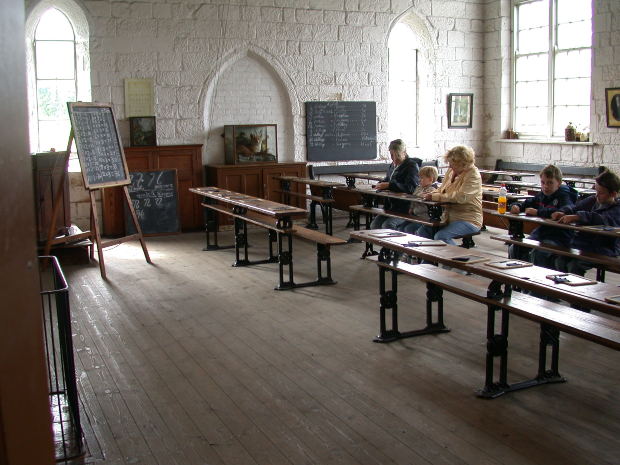
    20. In school we sat in rows of desks nailed to the floor. We listened to the teacher and learned by rote lists of facts which were often chanted repetitively. There was definitely no talking in school and no group work.

    old school room

    I add one wish for another change I’d like to see in my lifetime in the 21st Century:

    For friendship, understanding, tolerance, empathy and peace to rule a sustainable and equitable world!

    I don’t ask for much, do I?

    Now back to the cemetery and Charli’s flash fiction challenge to In 99 words (no more, no less) write a story about a final resting place. I have taken Marnie to the place where her parents rest as she discovers more about them and their history than she had before realised.

    Graveside

    She wasn’t sure why she was here. Miss R., Annette, had suggested she come. So she did. What struck her most, as she read the grave markers, was their ages. She’d never thought of them as young but their life spans were short; both a mere 49 years, going within a year of each other. She worked it out. They were younger than she was now when she’d left home. Who’d have thought? She felt a strange sadness, a familiar hollowness, not for the loss of their lives but for the absence of love, love which had never been.

    Thank you

    Thank you for reading. I appreciate your feedback. Please share your thoughts about any aspect of this post or flash fiction.