This is the third of the Carrot Ranch 2020 rodeo weekly contest, and what a wonderful contest it is, designed by the lovely Marsha Ingrao. I am honoured to be one of her judges and look forward to reading your stories.
If you’re not sure about how to write a three act story, the video by Kurt Vonnegut that Marsha has included in her post could not make it any more clear.
Good luck, writers!
We live for stories, and as writers, we craft them in the written word. A story is about Something (plot) that happens to Someone (characters), Somewhere (setting). Even if it is only 99 words long.
Crafting the Story
Act I, the beginning, the story rises. If a story is about someone, we have to feel something for that character. When we care what happens next for or to this Someone, we come to the middle.
Act II shifts to fear, according to the Greeks. We can interpret this as the emotion that drives the writer and reader to worry about what happens next. Or be curious about what comes next. The driving emotion doesn’t have to be fear, but the middle holds an important shift or build-up of tension or expectation. The story is in motion.
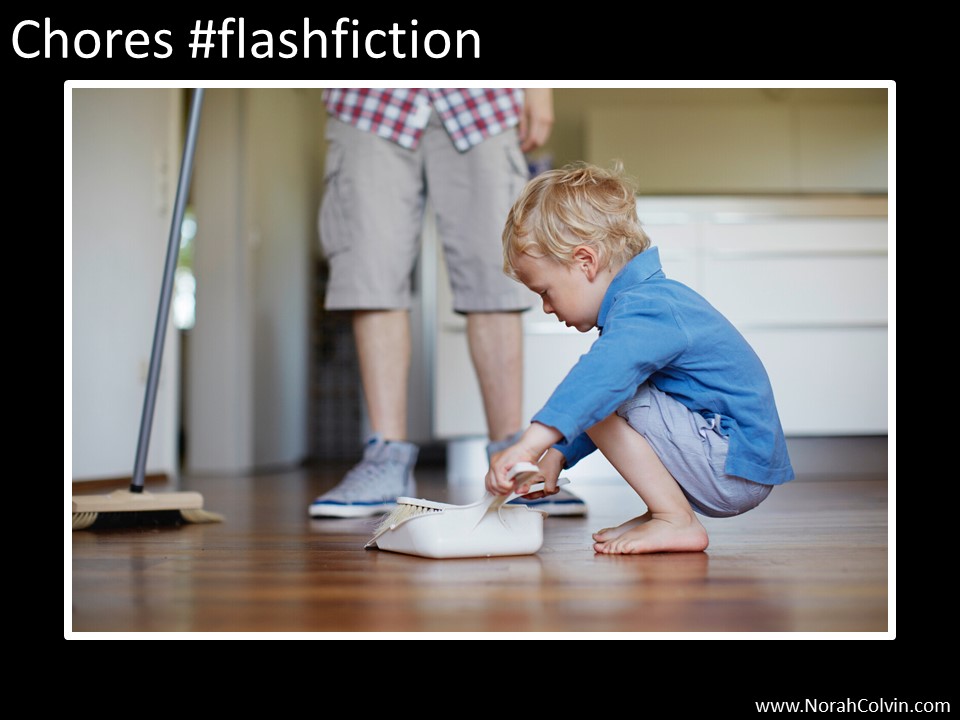
A discussion about whether children should be expected to complete set chores is always peppered with a variety of viewpoints.
I don’t remember having set chores when I was growing up, but there was always the expectation that we kids (ten of us) would do a bit to help out. Some of the tasks included sweeping, doing the dishes, hanging out or bringing in the washing, going to the shops for items such as bread and milk, selling the produce from Dad’s vegetable garden around the neighbourhood or looking after the younger siblings.
Some of the chores were more enjoyable than others and, I must admit, I was often chore-deaf when I was reading a book, which was most of the time. I must also admit that I didn’t always complete the chores to Mum’s satisfaction, particularly sweeping. I don’t know why but I just couldn’t seem to sweep up all the dirt. She would often say that I had given it a ‘lick and a promise’. I probably thought, but never aloud (hopefully), that maybe if she wanted it done well, then she should perhaps do it herself.
I must also admit that some things never change. I am still not fond of housework and would rather be reading or writing than sweeping (or vacuuming and mopping) anytime, and often as I complete (I use this word lightly) these chores, I am reminded of Mum’s words. Next time, I think. Next time.
I, of course, have gone with the lick and a promise of a BOTS (fiction based on a true story). However, before I share my story, I’d like to share with you another post I recently read that has some relevance to the topic.
Jim wondered (not really seriously) if we should ‘pay’ children to not do the things they don’t like doing; for example (if I’ve understood him correctly), I could have been paid to not sweep. Because, if I was being paid to not sweep, my dislike of not sweeping would increase. If the payment was gradually reduced, then removed altogether, perhaps I would so much want to sweep (the opposite of what I was being paid for) I wouldn’t be able to help myself. Since I wasn’t ever paid to sweep (at home – there was no pocket money), I am unable to even consider the difference it may have made. (You might want to read Jim’s post to untangle my faulty thinking from his.)
I’m not sure it would work, but if anyone wanted to pay me to not do housework to test this theory, I’d certainly be willing to give it a try.
Anyway, here’s my story, in memory of my Mum whose words continue to influence my thinking if not my actions.
A Lick and A Promise
Lisa dropped her bag, discarded her shoes, and darted down the hall.
“Where are you off to, miss?” called her mother.
“Read.”
“You’ve got chores first.”
“Did them this morning.”
“Did them? Ha! Was no more than a lick and a promise.”
“But, Mum. I’m up to the last chapter.”
“No buts. You’ll do your chores before anything else.”
Lisa muttered as she stomped to the broom closet.
“And don’t give me any more of that lip or you’ll be reading on the other side of your face for a week.”
When I’m an adult … Lisa promised herself.
Thank you for reading. I appreciate your feedback. Please share your thoughts.
And here’s the second contest in the 2020 Carrot Ranch Rodeo. If you like a challenge – particulalry of the poetic form – then this one’s for you! Rustle on over to Colleen’s blog for all the details.
And the TUFF Carrot Ranch contest continues …
Have you already written your first draft 99-word flash fiction? If not, there’s still time. And now Charli presents us with the second part of the TUFF contest – to write two 59-word reductions, each from a different POV. Pop over to the Carrot Ranch to find out more.
Today I am delighted to introduce you to a new publishing company Ethicool Books.
When I first heard about Ethicool Books, I was intrigued by the name and the play on words. When I delved a little further into their website, I was delighted to find what they were aiming to do.
The statement on their homepage says,
“Hi! we’re Ethicool. We publish remarkable children’s books about the world’s big issues, encouraging kids to make a positive change.”
I couldn’t find anything to argue with there. Or anywhere, in fact.
About Ethicool Books
Ethicool Books aims to encourage parents to engage children in discussions about issues such as climate change, ocean pollution, poverty and gender equality through stories told in their beautiful picture books.
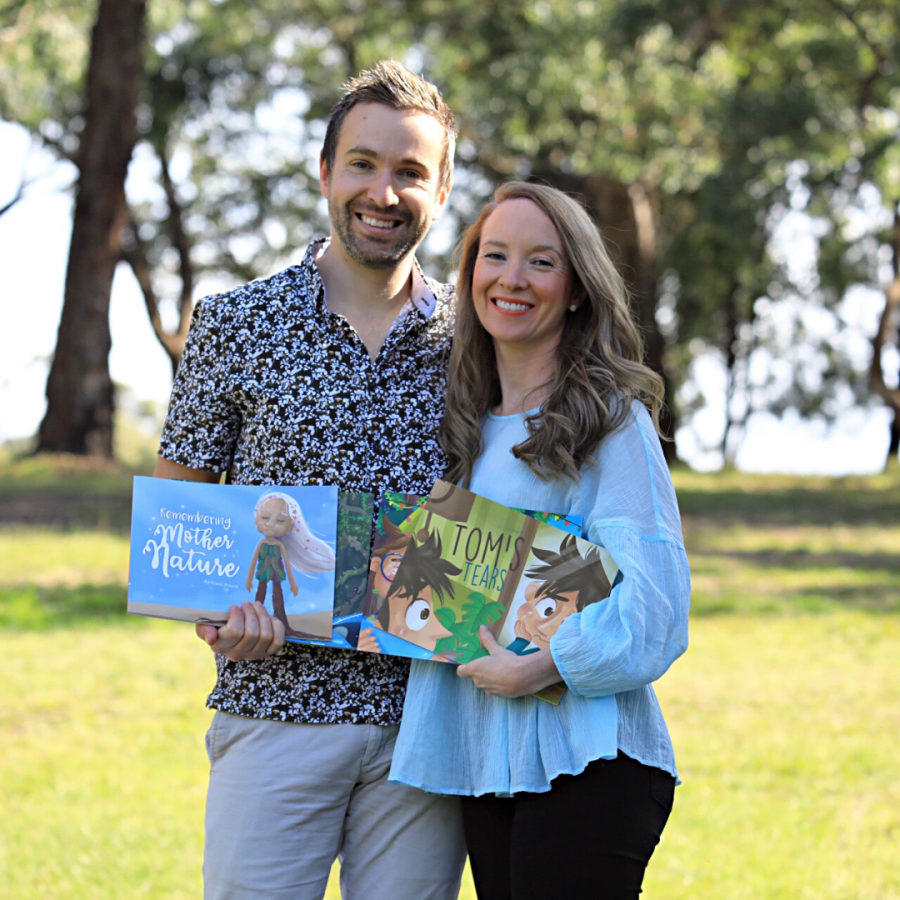
As parents themselves, Stuart French and Teigan Margetts, the founders of Ethicool Books, realised the powerful role that parents have in educating their children for a positive future.
“Our little ones have the opportunity to create a different world, right from the ground up. The future is in their hands and if we give them the gift of knowledge and the inspiration to take action, they can create the world of their dreams.”
Ethicool Books.
But Ethicool Books are not only words. They are action also. They have partnered with 1% for the Planet, donating 1% of all book sales to that organisation. They are also eco-conscious and use soy inks in the printing process. You can read a little more about that here.
The Interview
Today, I have the great pleasure of introducing you to Stuart French, co-founder of Ethicool Books and author of the best-selling picture book Remembering Mother Nature.
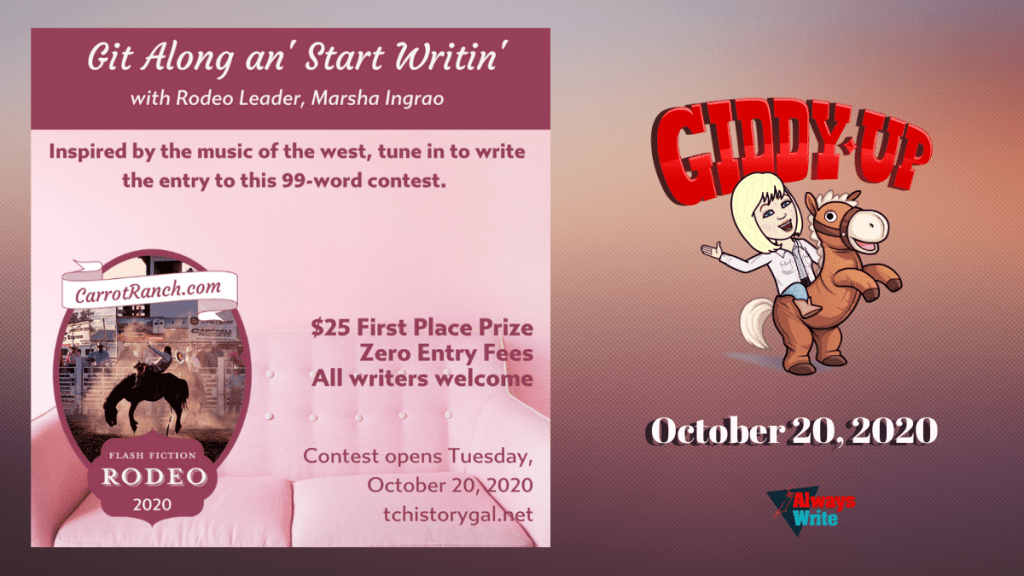
Here’s the first weekly Carrot Ranch Rodeo Flash Fiction Contest for 2020 – a Western Folk Tale or Fable in just 99 words. What could be easier than that, right? Just write.
This year, spin a yarn as long as the Rio Grande (in 99 words, that is) to be a contender in a Western-themed Folk Tale or Fable event of the Carrot Ranch Writing Rodeo!
Yours truly is the leader for this event, so saddle up, round ‘em up, and write those words for a shot at winning a $25 Amazon Gift Card and your work immortalized at https://CarrotRanch.com/
How do you participate?
SIMPLE! Write ONE original folk tale or fable in 99 words. Exactly 99 words (not including title and byline) *Don’t publish the piece anywhere until after the contest is completed (The end of November, 2020) because we want the blind judging to be fair and uninfluenced.
Is there an entry fee? NO, Cowfolk! No Entry Fee!
Can I enter more than one story? No, one only. Sorry.
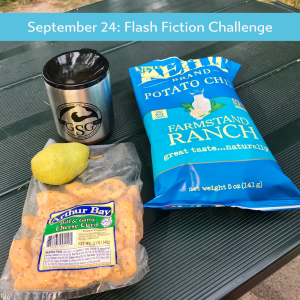
In my response, I’ve concentrated more on the crunch than the snack. It should have been creamy, but that’s how life goes sometimes.
Have you ever had one of those days where nothing seems to go right and, just when you think it’s turned a corner, something else pops up to surprise you? This is about one of those days. I hope you enjoy it.
Crunch Time
“I really need this today,” she said.
“Bad day?” asked the waiter, placing the coffee on the table.
“Yeah,” she sighed.
“Coffee’ll fix it,” he said. “I made it myself.”
She smiled, thinking of all the I-made-it-myself gifts received over the years.
With eyes closed, she scooped the delicious chocolatey froth into her mouth.
Then her eyes popped. There shouldn’t be anything crunchy in a cappuccino. She pushed the crunchy bit out on her tongue.
A fly! She spurted the remaining contents of her mouth over the table as a student and parent passed.
“Are you okay?” they asked.
Thank you for reading. I appreciate your feedback. Please share your thoughts.
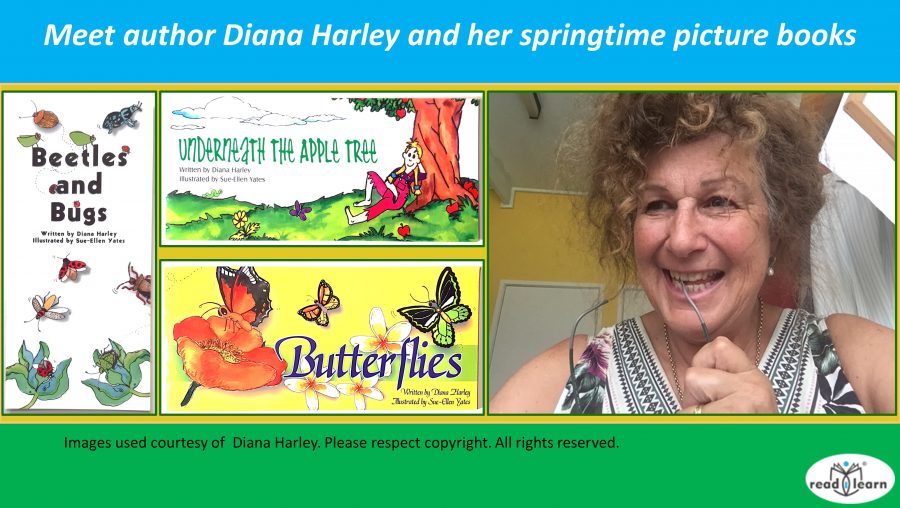
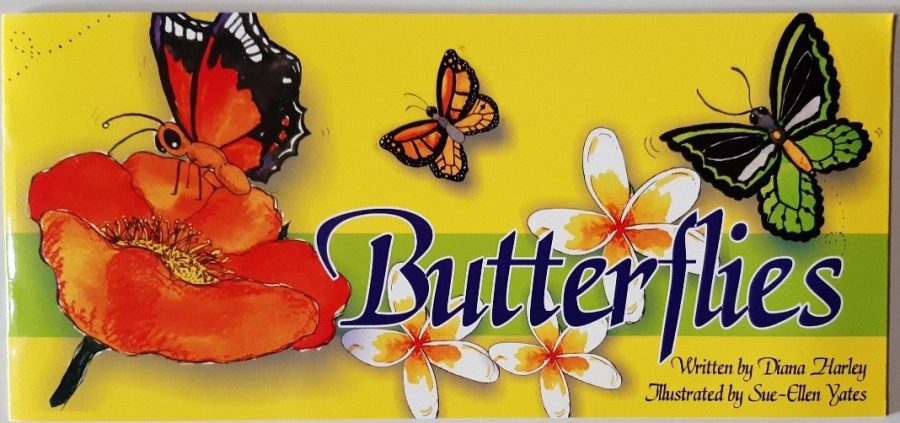
Today it is my pleasure to introduce you to Diana Harley as we discuss her three beautiful picture books that are perfect for sharing at springtime, or any time.
Here at readilearn, we have quite a fascination with minibeasts, especially butterflies, and have quite a variety of teaching resources that focus on them. Naturally, we are attracted to other resources which encourage children’s interest in minibeasts and the environment.
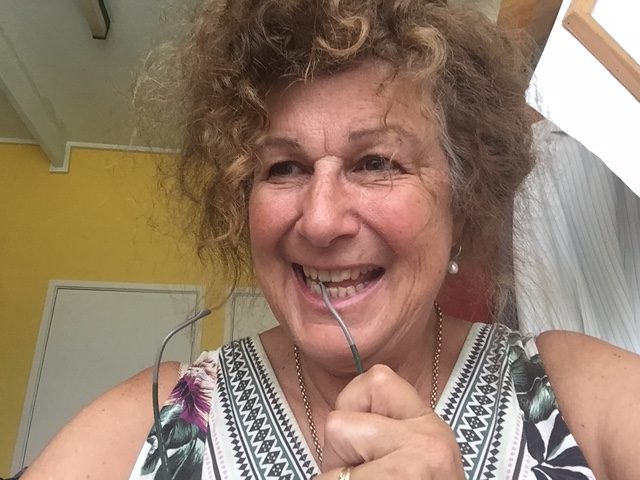
Diana Harley, Australian picture book author
About Diana
Diana Harley is a writer, author, poet and playwright living and working in the Bega Valley of NSW. Diana has written a number of fiction and non-fiction books for children, has had two adult poetry anthologies published and has won numerous awards for her poems and short stories. Many of her poems and stories have been included in various anthologies. She has done a few blogs and two of her short plays have been produced and performed in regional NSW. She has run writing workshops for both adults and children and enjoys getting writers writing! She is a chocoholic, loves wedgetail eagles and reading is her favourite hobby.
It’s almost spring here in the Southern Hemisphere. The garden is dressing up in blooms of many colours and filling the yard with the sweet scents of wattle, jasmine and other flowers. Bees busily collect the pollen, butterflies flutter from one flower to another, the butcherbirds sing joyously from the treetops, while the cockatoos noisily crack the wattle pods and prune the tree.
Things are starting to feel fresh and new again and encouraging me to emerge from my recent writerly hibernation. While, for the previous six years I’d hardly missed responding to a weekly flash fiction challenge at the Carrot Ranch, I’ve not joined in for the past few months due to the demands of other work responsibilities. I finished that work a couple of weeks ago but have found it difficult to shake off the cobwebs and give creativity some air again. Perhaps spring and this week’s (extended) challenge provides the impetus for doing so.
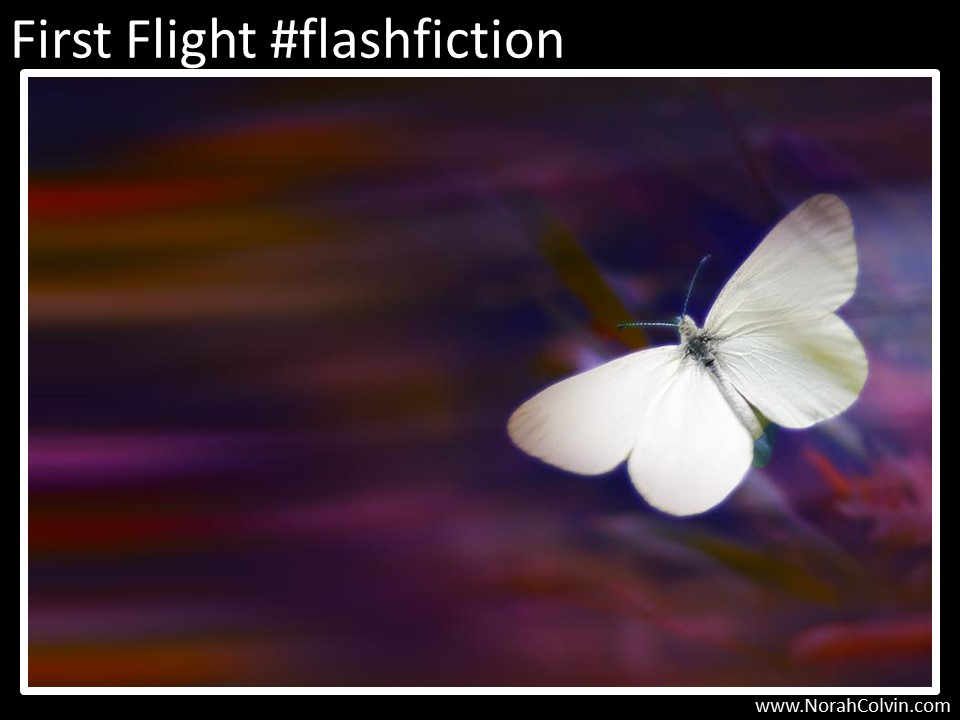
When thinking of a first flight and spring, how could I not think of butterflies?
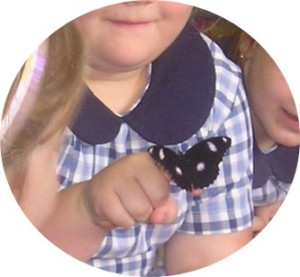
One of my favourite things to do with my children in the classroom was to have a butterfly house and observe the magic of all the life stages from egg to butterfly. It was wonderful to have this special little piece of nature up close in the classroom where we could see what you don’t always get to see in the world outside.
Every day we would watch, fascinated, as the caterpillars munched their way through leaf after leaf, growing bigger and bigger. We eagerly awaited the moment they would form themselves into ‘j’ shapes, alerting us that they were about to pupate.
We were amazed at how quickly they shed their last skin to reveal the beautiful chrysalis they had become. Then we would watch and wait until they were ready to emerge as butterflies.
We knew when it was almost time as the chrysalis would become transparent and we could see the wings through the case. When they finally emerged, we would give them time to spread and dry their wings before releasing them into the garden for their first flight.
The growth of a butterfly is a great analogy for creativity or the development of an idea or project. Sometimes a lot of hard work has to be expended before the idea is ready to take flight and the beauty becomes a reality.
Here is my response to Charli’s challenge. I hope you like it.
Dear Butterfly, Love Caterpillar
Dear Butterfly,
You make the impossible seem possible. You inspire our thoughts, our hopes, our dreams. How can I be like you?
Dear Caterpillar,
Dreams create possibilities but now you are exactly who you were meant to be.
Dear Butterfly,
Life is monotonous. Everyone does the same thing, day after day. Shouldn’t life be more than this?
Dear Caterpillar,
Nothing happens overnight. Patience, determination and persistence will reward you in the end.
Dear Butterfly,
I’m tired. I can’t do this anymore. I think I will sleep forever. Goodbye.
Wake up, butterfly. It’s time to spread your wings and fly!
I thought I’d also share a poem that I wrote many years ago in response to an inspector’s visit to our school. As the title says, it is not really about a butterfly and was written long before I became the Butterfly Lady at another school.
I had always believed, and still do, that the children are the most important thing in the classroom and that we do our best for them every day. The teacher next-door wasn’t of the same view. We were in a large teaching space with our own areas separated by some cupboards arranged between us.
She spent a lot of time sitting at her desk, barking at the children to pay attention to her words. She had little of interest on display in the classroom and even less of the children’s own work. It was quite a contrast to my own space which was filled with activity, colour and children’s work.
When the inspector’s visit was announced, she suddenly decided to decorate her room and display children’s work. I was so flummoxed by this, that I was almost tempted to do the opposite. I believed that if what I did on a daily basis wasn’t good enough for the inspector, then it wasn’t good enough for the children either. I resisted the urge to tear everything down in protest (which might have been considered a flight from the situation) and wrote this poem instead.
Before reading it, I want you to know that the teacher and I were both teaching (perhaps I use that word lightly) year two and she was considerably younger than I.
Not Really About A Butterfly
Look at you now.
You put on your show.
Your butterfly colours are warmly aglow.
It’s hard to imagine
That not long ago
You were a mere silent pupa
With nowhere to go.
You flit and you flutter,
Cry, “Hey, look at me!”
And all turn their heads,
Wondrous beauty to see.
But where have you come from?
And how can this be?
Before . . .
Not one head would have turned.
There was nothing to see
— just a little green ball,
curled up on a tree.
Is it dishonest
to change rapidly?
Thank you for reading. I appreciate your feedback. Please share your thoughts.













 Norah Colvin