Live Love Laugh Learn … Create the possibilities

Category: Teaching resources

  • January — Special Days and Events for Classroom Celebrations – #readilearn

    January — Special Days and Events for Classroom Celebrations – #readilearn

    Throughout the year there are many special days and events that are worthy of celebration in the classroom. They may draw attention to issues affecting our world and its inhabitants or celebrate achievements and contributions to the arts or our collective knowledge.

    On the last Friday of each month, I will provide you with a list of days and events worthy of celebration in the following month. This is the list for January. The list is not exhaustive and is simply some ideas to spark your imagination.

    International Year of Plant Health

    As 2020 is the International Year of Plant Health, January is the ideal time to start thinking about how you can use the theme Protecting Plants, Protecting Life to foster learning throughout the year. It fits perfectly into Science Biology units that focus on living things, habitats and the environment; or perhaps you might consider using it as an overarching theme in your classroom for the year.

    According to the Food and Agriculture Organisation of the United Nations,  the year “is a once in a lifetime opportunity to raise global awareness on how protecting plant health can help end hunger, reduce poverty, protect the environment, and boost economic development.”

    Some ideas:

      • Establish a vegetable or native garden
      • Adopt an area of bushland
      • Decorate your classroom with a plant theme
      • Have potted plants in your classroom
      • Schedule time in your program for exploring outdoors
      • Conduct experiments about the needs and features of living things — plants
      • Read books about plants
      • Discuss the importance of plants to our lives
      • View and discuss this promotional video

    Continue reading: January — Special Days and Events for Classroom Celebrations – readilearn

  • With Best Wishes for the Holiday Season, 2019 – #readilearn

    With Best Wishes for the Holiday Season, 2019 – #readilearn

    I take this opportunity to thank you for your support throughout the year and to wish you and your loved ones happiness during the holiday season.

    May peace, joy and love fill your days.

    with best wishes,

    from Norah at readilearn.

    Continue reading: With Best Wishes for the Holiday Season, 2019 – readilearn

  • Special Days and Events for Classroom Celebrations #readilearn

    Special Days and Events for Classroom Celebrations #readilearn

    Teachers are forward thinkers and future planners. Even though 2019 is not yet done, many will already be thinking ahead and planning for the 2020 teaching year.

    To assist in that planning, I have compiled a list of special days and events you may wish to celebrate in your classroom throughout the year. While the information provided in this list is brief, on the last Friday of each month, I will publish a more detailed list of the special days for the following month with accompanying teaching suggestions. By the end of 2020 we should have a substantial list of days to celebrate and suggestions for doing so. Please let me know of any days I have omitted that you would like to see included.

    Of course, it is not intended that you would celebrate all the days. Rather, that you would choose those of interest to you and your children and those that fit with your program.

    A printable copy of this list is available to download free here.

    Leap into 2020 the International Year of Plant Health

    2020 is a leap year so get ready to celebrate. It is also the International Year of Plant Health with the theme Protecting Plants, Protecting Life.

    According to the Food and Agriculture Organisation of the United Nations,  the year is

    a once in a lifetime opportunity to raise global awareness on how protecting plant health can help end hunger, reduce poverty, protect the environment, and boost economic development.”

    Now would be a good time to begin thinking about what you can do throughout the year to celebrate and protect plants, perhaps using the topic as an overarching theme for the year.

    Ideas for teaching and learning about plant health:

    Continue reading: Special Days and Events for Classroom Celebrations – Readilearn

  • Fly away with Pippa and her author Dimity Powell – reblogged from readilearn

    Fly away with Pippa and her author Dimity Powell – reblogged from readilearn

    Have you ever wished you could fly? Or perhaps wished for a chance to explore but were held back by rules and restrictions?

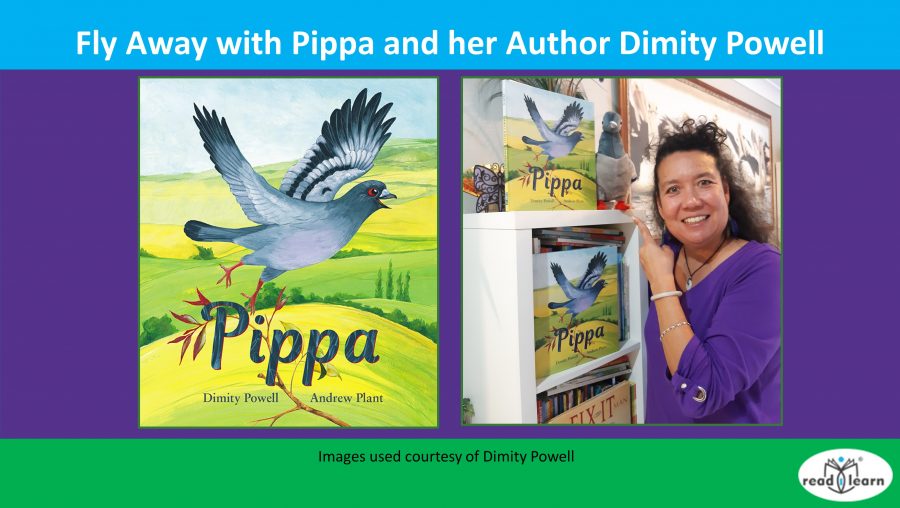
    I always thought it would be marvellous to be a bird, soaring above the earth, looking down upon its beauty. Oh, the freedom it would bring. Looking out at the world from a plane’s window is, for me, the nearest thing. But for Dimity Powell’s latest endearing character Pippa, flight is a reality.

    About Pippa

    You see, Pippa is a pigeon, and, like all pigeons, Pippa was born to fly. She wants nothing more than to spread her wings and go exploring. However, her parents aren’t sure she’s ready and fill her head with fears and days with restrictions to keep her close at home. It works for a while. But, one day when her parents are otherwise occupied, Pippa discovers she can fly, and that’s where her adventures, explorations and discoveries begin.

    Pippa is a delightful new picture book that is bound to win hearts and spread joy. Award-winning author Dimity Powell describes her book thus:

    Pippa is a light-hearted adventure tale about striking out alone, following your dreams and desires and experiencing what it’s like when you get there. It is a tale that acknowledges the sometimes-suffocating affection parents have for their offspring, which can temper and frustrate a child’s sense of freedom and adventure, and suggests that it’s okay to take risks from time to time. Although the adventure may be perilous, it is still worth experiencing for you never know what glorious discoveries lie ahead.

    Pippa is small, determined, stubborn, and wilful, just like many other six-year-olds. And, like many youngsters who’ve wanted more than they can handle, when she finally does return to her flock, she realises that when it comes to true security and contentment, it’s family that matter most.”

    About Dimity Powell

    I previously introduced Dimity to you in her popular guest post Libraries: A wonderous universe to explore and in an interview about her  picture book At the End of Holyrood Lane for which she was recently awarded the Society of Children’s Book Writers and Illustrators’ Crystal Kite Members’ Choice 2019 Award, Australia and New Zealand region.

    Dimity likes to fill every spare moment with words. She writes and reviews stories exclusively for kids and is the Managing Editor for Kids’ Book Review. Her word webs appear in anthologies, school magazines, junior novels, as creative digital content, and picture books including The Fix-It Man (2017), At The End of Holyrood Lane (2018) and Pippa (2019) with more to follow in 2020 and beyond.

    She is a seasoned presenter both in Australia and overseas, an accredited Write Like An Author facilitator and a Books in Homes Role Model Volunteer in Australia.

    Dimity believes picture books are soul food, to be consumed at least 10 times a week. If these aren’t available, she’ll settle for ice-cream. She lives just around the corner from Bat Man on the Gold Coast although she still prefers hanging out in libraries than with superheroes.

    Dimity’s inspiration for writing about Pippa

    Continue reading: Fly away with Pippa and her author Dimity Powell – readilearn

  • Classroom Christmas lessons and activities – reblogged from readilearn

    Classroom Christmas lessons and activities – reblogged from readilearn

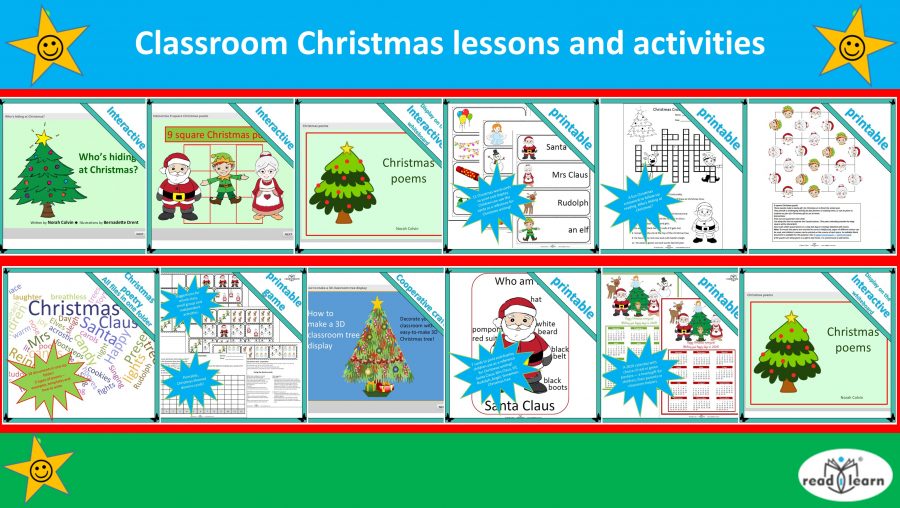
    It’s almost Christmas again and here in Australia we’re on the countdown to the end of the school year and our long summer holidays. Whether you’ll be enjoying a long break or a shorter break over the festive season, here at readilearn we’ve got many ready-to-teach lessons and activities to support your teaching in the lead-up to Christmas.

    Get an early start with these lessons and activities

    You will get most benefit from some activities if you begin them a few weeks before the finish of term.

    Friendship Trees, one of readilearn’s most popular Christmas activities is best begun three to four weeks before school closes for Christmas. Children make their own friendship trees which are then placed on display in the classroom.

    Each day children write anonymous messages of affirmation or friendship to each other and place them in the trees. At the end of term, children take their trees home and read the positive messages contained within.

    The trees help to develop self-esteem, confidence and friendship skills and are perfect for those last few weeks when temperatures soar and children can become edgy with excitement for the holidays.

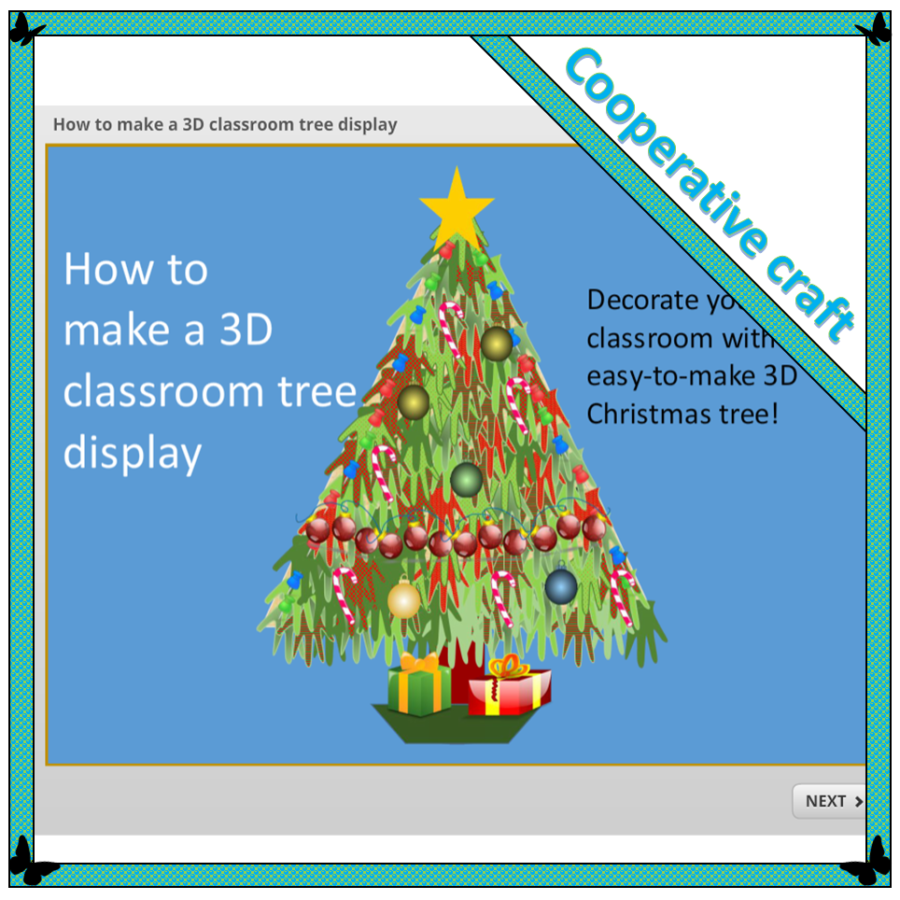
    A 3D Christmas tree makes a beautiful focal point of the classroom Christmas display. Children cooperatively construct the tree by contributing leaves made by tracing or printing their hands. It is a visible recognition of the value of teamwork and will be admired (and envied) by many. It makes a beautiful background for photographs of individual children to be given as gifts to parents or other loved ones.

    Continue reading: Classroom Christmas lessons and activities – readilearn
  • Teaching and learning with nursery rhymes – reblogged from readilearn

    Teaching and learning with nursery rhymes – reblogged from readilearn

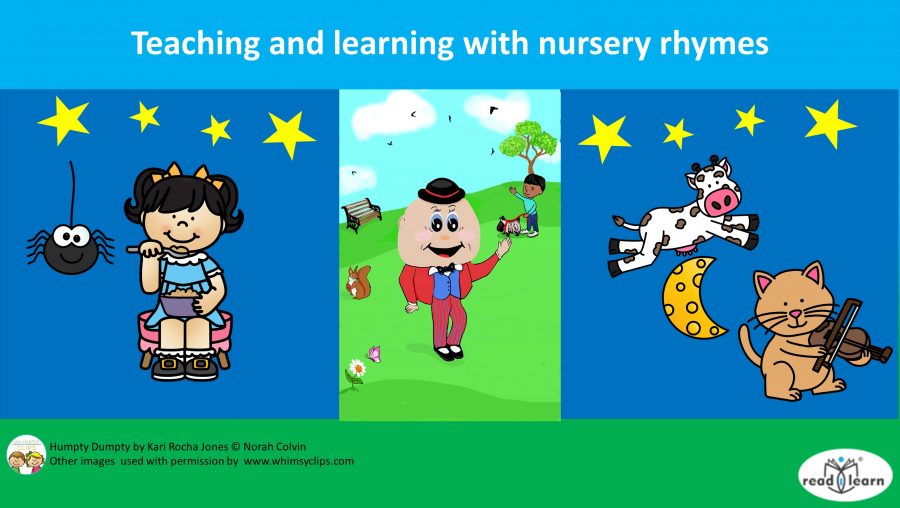
    Nursery rhymes are often a child’s first introduction to our literary heritage. Parents sing nursery rhyme lullabies to soothe their babies to sleep and play nursery rhyme games to entertain them in their waking hours. All the while, children are learning the rhythms and tones of our language, developing vocabulary, ideas and imagination. When children learn the repetitive patterns of nursery rhymes, they are also developing their memories.

    Australian author Mem Fox is often quoted as saying that

    “Experts in literacy and child development have discovered that if children know eight nursery rhymes by heart by the time they’re four years old, they’re usually among the best readers by the time they’re eight.”

    While I am aware that others question the existence of research to back up that statement, I think most teachers would agree that children who have been spoken to, sung to (including nursery rhymes) and read to before school will find literacy learning much easier in our classrooms. Success with literacy learning often correlates with success later in life.

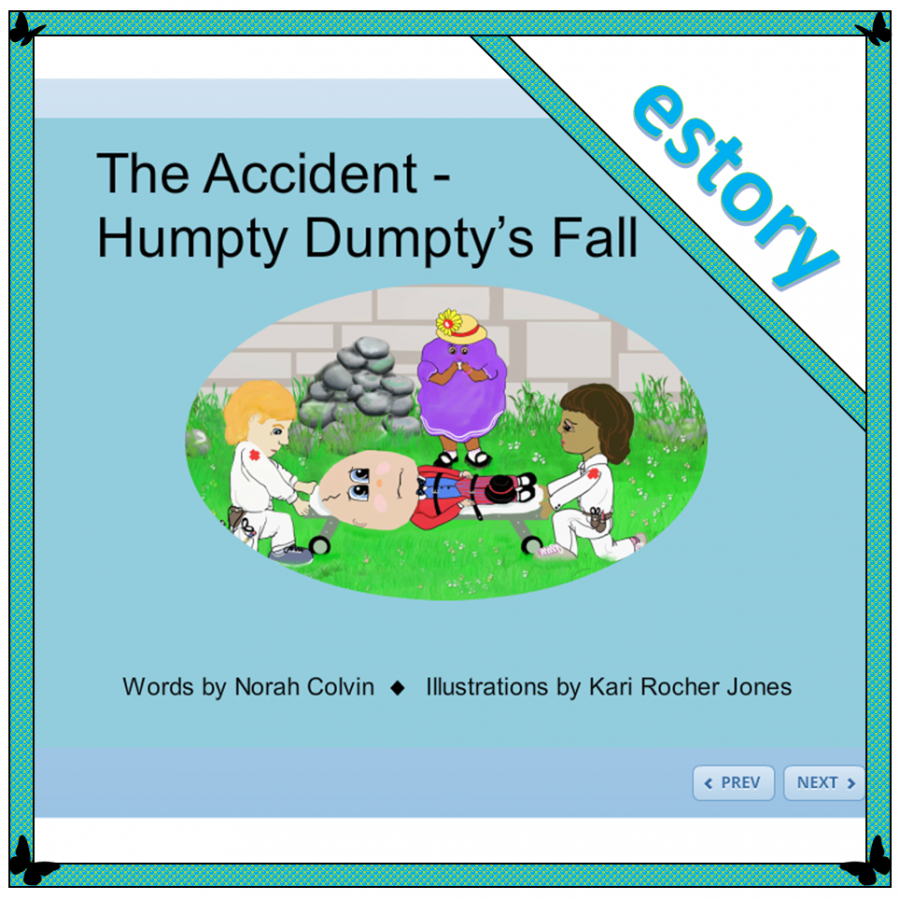
    Already on the readilearn website, there are resources to support your literacy teaching using the nursery rhymes Humpty Dumpty and Little Miss Muffet. More are in development. While some nursery rhymes may be considered to have questionable origins, those origins have no place when teaching them to children. The benefits flow from having fun with the rhythms and rhymes of language.

    Teaching literacy skills & developing creative thinking with Humpty Dumpty

    The Humpty Dumpty suite of resources includes:

    Continue reading: Teaching and learning with nursery rhymes – readilearn

  • Appreciating and exploring poetry in lower primary classrooms – reblogged from readilearn

    Appreciating and exploring poetry in lower primary classrooms – reblogged from readilearn

    Poetry is a wonderful tool for learning language. When children listen to or recite poetry, they are learning the rhythms and sounds of language, exploring ideas and how to express them, expanding vocabularies, deepening understanding in nuances of meaning, and having fun with thoughts and their expression.

    Children are exposed to rhythm and rhyme from their earliest days through nursery rhymes, chants and songs as well as the text of picture books. It is important for children to have opportunities for appreciating and exploring poetry into and throughout their school years. The Australian Curriculum places poetry firmly into the literature strand of English teaching each year. But it is not necessary to relegate poetry just to a poetry unit of work when stipulated by the curriculum. Poetry, rhymes, chants and songs can be easily incorporated into the daily class program.

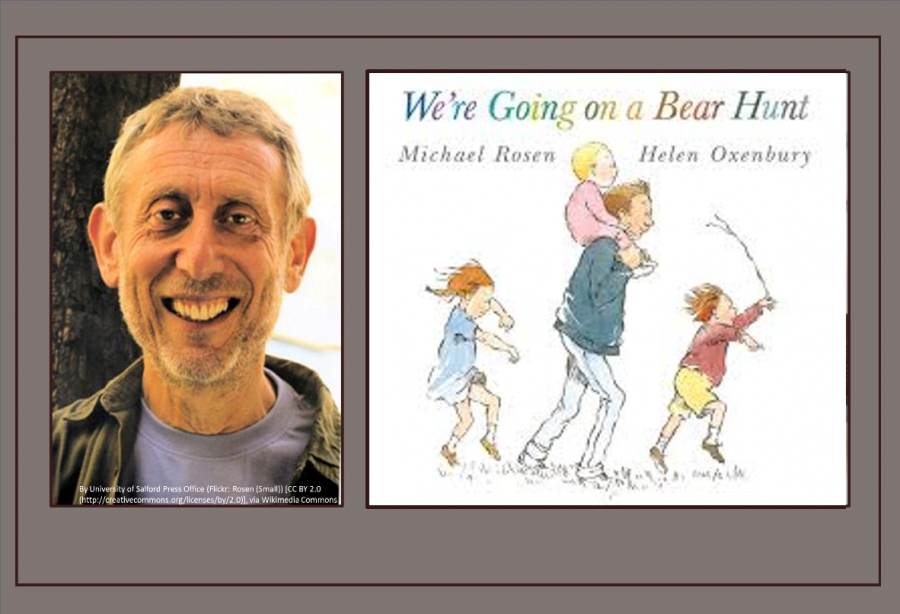
    Michael Rosen, who you may know as the author of Going on a Bear Hunt and who I previously introduced to you in this post, shares some recommendations for teaching poetry on his blog. Although the suggestions were written for a year one teacher, I think the suggestions could be extended out to other years. Following his recommendations would more than cover the expectations of the Australian Curriculum, and what a wonderful way to turn children (and yourself) onto poetry.

    I’m only sharing a few of his recommendations here. Please visit his website to read the others.

    Michael Rosen’s suggestions for teaching poetry

    • Get as many poetry books into your classroom as possible. Encourage the children in pairs to browse, choose and read.
    • Read poems to them every day, use vids of poets (check out Michael Rosen’s YouTube channel) , use national poetry archive. Writing poems with no poems in your head is too big an ask. Fill their heads with ‘What poetry can do’ ie loads of poems.

    Continue reading: Appreciating and exploring poetry in lower primary classrooms – readilearn
  • Empowerment through reading instruction – reblogged from readilearn
    Empowerment through reading instruction – reblogged from readilearn
    The importance of reading to children every day is never far from my mind. It comes from a passion for all things literacy as well as the knowledge that reading means empowerment. Reading is the key that unlocks so much that is meaningful in today’s world.

    Whether at home or in the classroom, children need to listen to stories read aloud to them every day. It should be non-negotiable and prioritised. I would also add time for independent reading of self-selected material to that non-negotiable list and, in the classroom, time for independent writing on self-chosen topics.

    Listening to stories benefits children in many ways; including, but not limited to:

    • Sheer enjoyment
    • Connection with others and other ideas which leads to understanding, respect and empathy
    • Exposure to language and vocabulary which in turns develops language and vocabulary
    • Positive feelings for books as a source of pleasure and information and a stimulus for imagination and creativity
    • A model of fluent and expressive reading behaviour that can be aspired to and emulate
    • A desire to read for oneself.

    Keeping in mind that reading aloud to children and making time for their independent reading are non-negotiable and occur in the classroom every day, children also require purposeful instruction in the process of reading.

    While some children appear to learn easily and without effort before starting school, as my own two children did, others struggle to understand the marks on the page. Most children fall somewhere on a continuum between, benefitting from instruction along the way.

    The readilearn collection of teaching resources for teachers of the first three years of school includes many to support your teaching of reading. Many resources are free, others are available for no more than a few dollars, or you can access all the resources for one low annual subscription of just A$25. (That’s about £13, €15, US$17 or CAN$22) I’m sure you’ll agree that’s great value.

    Browse resources now

    readilearn supports teachers teaching reading

    Reading aloud

    As part of our support for reading aloud, on the readilearn blog we regularly conduct interviews with authors and illustrators about their new books. Many of these interviews are available to download free from the Author and Illustrator Spotlight resources.  We also publish free lists of books on different topics for you to download; for example,

    multicultural picture book

    Continue reading: Empowerment through reading instruction – readilearn

  • Learning with Halloween fun – readilearn

    Learning with Halloween fun – readilearn

    Halloween is just around the corner and many of us wonder how we can have fun with a Halloween theme while ensuring learning is not forgotten in repetitious and meaningless worksheets.

    readilearn teaching resources support teachers in keeping the learning alive while the children are having fun with Halloween-themed lessons.

    trick or treat printable game for Halloween

    The printable Trick or Treat Game for Halloween is a fun board game for two or more players of all ages, suitable for use in maths and literacy groups, with buddies or in family groups. It combines reading, mathematics, activity, and loads of fun and laughter.

    Everything required to play the game is included in the zip folder. All you’ll need to add is a dice and a sense of fun. There are treats to collect and instructions to follow. Try not to be scared by those witches and ghosts and, most of all, look out for your friends.

    The kit also includes additional ideas for lessons in maths and writing.

    Each of the game components are also available individually to use in other ways if you wish.

    Continue reading: Learning with Halloween fun – readilearn

  • A Purr-fect new picture book by Pamela Wight – readilearn

    A Purr-fect new picture book by Pamela Wight – readilearn

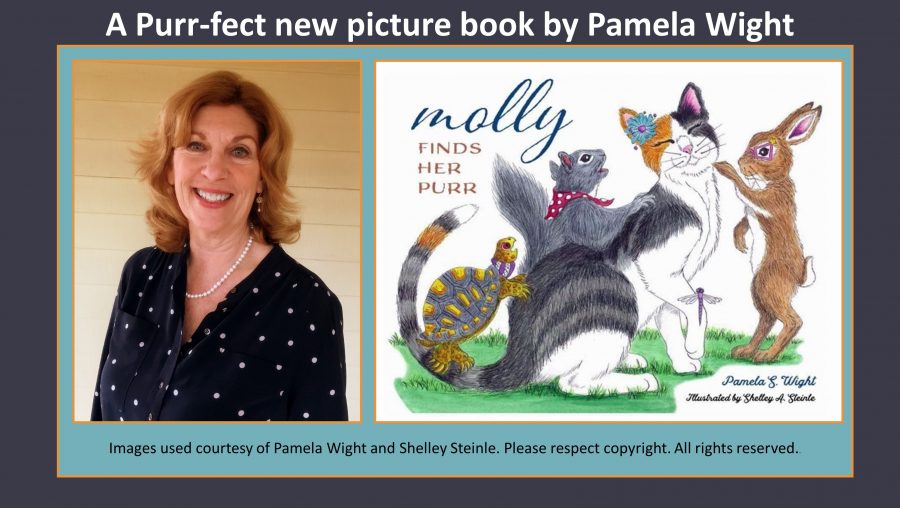
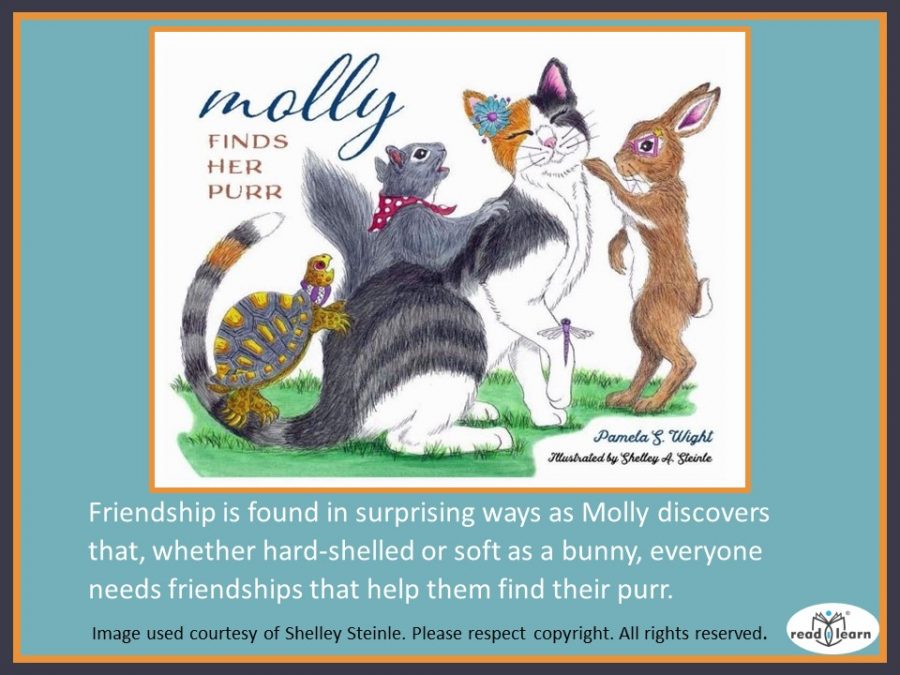
    Today, I am talking with author Pamela Wight about her new picture book Molly Finds Her Purr. I previously introduced you to Pamela when her first picture book Birds of Paradise was released in 2017. You can read that interview here.

    The importance of being true to yourself and the acknowledgment of the strength of friendship, even when differences exist, are strong themes in Pamela’s books.

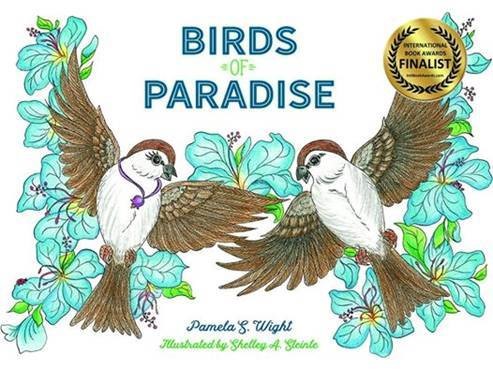
    Birds of Paradise is a delightful story of two sparrows Bert and Bessie who discover that friendship can unite even for two with very different attitudes to life.

    In Molly Finds Her Purr, Molly the cat discovers that a purr comes from finding a circle of friends, and that friendship can be strong despite their outward differences.

    Both books are beautifully illustrated by Shelley Steinle who has added a secret character for children to find on every page.

    I am delighted that some of my words of praise for Birds of Paradise were used on the back cover of Molly Finds Her Purr. I wrote, “Shelly Steinle’s illustrations are gorgeous and perfectly complement Pamela Wight’s lovely story.” I could say exactly the same in praise of Molly Finds Her Purr.

    A little about Pamela Wight

    Pamela S. Wight writes fiction for children and adults. She is the published author of The Right Wrong Man and Twin Desires, and pens a popular weekly blog called Roughwighting (roughwighting.net). She teaches creative writing classes in the Boston and San Francisco areas. Her first picture book, Birds of Paradise, published in 2017, was a finalist in the 2018 International Book Awards.

    About Molly Finds Her Purr

    Continue reading: A Purr-fect new picture book by Pamela Wight – readilearn