
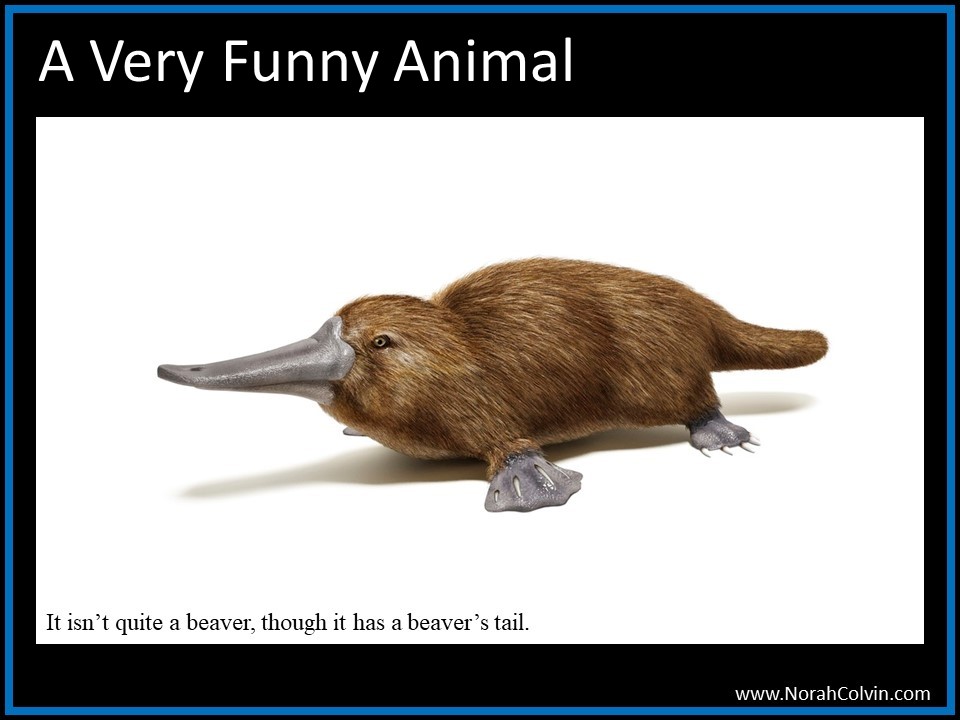
Although we celebrated World Poetry Day with this post earlier in the year, the Australian Children’s Poetry website tells me that August is poetry month and I think there can never be too many days, weeks or months for reading and writing poetry. I even got into the swing of things by having my poem A Very Funny Animal published on the Australian Children’s Poetry website in early August. And just today, my poem Science Questions Everything was published to coincide with Science Week. Who knows, maybe there’ll be a few more this month.
Why read poetry to children?
Poetry is a great tool for learning language. When children listen to or recite poetry, they are learning the rhythms and sounds of language, exploring ideas and how to express them, expanding vocabularies, deepening understanding in nuances of meaning, and having fun with thoughts and their expression.
Children are exposed to rhythm and rhyme from their earliest days through nursery rhymes, chants and songs as well as the text of picture books. It is important for children to have opportunities for appreciating and exploring poetry into and throughout their school years. Our Australian Curriculum places poetry firmly into the literature strand of English teaching each year. But it is not necessary to relegate poetry just to a poetry unit of work when stipulated by the curriculum. Poetry, rhymes, chants and songs can be easily incorporated into the daily class program.
Poetry books and resources
The Australian Children’s Poetry website (mentioned above) is an excellent resource when you are looking for poems to share with children. With a new poem added every day, you will never be at a loss for poems to read. You can search for poems on different topics or by different poets and even find poems with teacher notes.
Another great resource is Science Poems by Celia Berrell with an abundance of poems that link to the curriculum.
The Bill Martin Jr Big Book of Poetry is one of my favourite collections. It contains a variety of poem types on a wide range of topics, including Mother Goose and nonsense rhymes, poems about animals, the seasons and friendships, classics poems and modern. It’s a delight to dip into. You’ll find poems you remember and loved in your childhood and new poems to explore.
Michael Rosen, who you may know as the author of Going on a Bear Hunt shares some recommendations for teaching poetry on his blog. Although the suggestions were written for a year one teacher, I think the suggestions could be applied in other years. Following his recommendations would more than cover the expectations of the Australian Curriculum, and what a wonderful way to turn children (and yourself) onto poetry.
A few years ago, I had the pleasure of interviewing Australian poet June Perkins about her beautiful book of poetry for children Magic Fish Dreaming. You can download and read that interview and find out more about June and her poetry here. Her poems are perfect for discussing poetic language and inspiring children to write poems of their own. Her poem Hunting for a Poem helps child find the magic for poems everywhere. June is one of the poets featured on the Australian Children’s Poetry website.
I also got to interview another wonderful poet Jennifer R. Poulter. Although the interview (which you can read and download here) was about her picture book Hip Hop Hoorah! Zoo Dance, Jennifer is a great advocate for poetry in schools and provides
Continue reading: Make time for Poetry in August, Poetry Month – readilearn













 Norah Colvin