I have always loved reading aloud to an audience, be it my own children, a class of children or, more recently, my grandchildren. I love the opportunity to escape into other characters and other worlds. I love to see the expressions on the children’s faces – anticipation, amusement, trepidation, relief, joy. I love the sounds and rhythms of the language. I love the intricacies of story, poem and information.
Reading stories aloud to children provides a great opportunity to establish a connection between author, reader and listener, a platform for sharing ideas, thoughts and dreams, an avenue for discussing ethical questions and implications of choices. These discussions may arise spontaneously and be child-initiated, or they may be pre-determined and teacher-lead as in philosophical discussions and bibliotherapy.
Some parents find reading to their children a chore, something tedious that must be squeezed in around the day’s busyness. I am lucky. I never did.
Some teachers find it difficult to make time for books in a content-driven classroom; but for me it was always priority.
Some parents are delighted when their children start reading for it means the daily read-aloud ritual can cease. I never was. Well, I was delighted that they could read, but we kept on reading together.
I read aloud with my children until they were almost teenagers. The books changed, but the joy of reading and sharing never did. During the teenage, and older, years we continued to discuss and share ideas about books we read and recommendations for reading. We still do: some for ourselves and some for the children, my grandchildren.
Many of you reading this post take your ability to read and write for granted, as do I. But around the world many children do not have the opportunity to learn literacy skills. According to LitWorld more than 793 million people worldwide remain illiterate. About two-thirds of those are women.
I was delighted when I read about World Read Aloud Day on Gail Terp’s blog. I have been following Gail’s blog for a little while now. She titles her blog: “The Best Blog for Kids Who Hate to Read”. She says that one of her top goals is to connect children with books they love and her posts provide recommendations of great books to read to and with children, as well as to be read by children.
“World Read Aloud Day is about taking action to show the world that the right to read and write belongs to all people. World Read Aloud Day motivates children, teens, and adults worldwide to celebrate the power of words, especially those words that are shared from one person to another, and creates a community of readers advocating for every child’s right to a safe education and access to books and technology.
By raising our voices together on this day we show the world’s children that we support their future: that they have the right to read, to write, and to share their words to change the world.”
Theodor Seuss Geisel: March 2, 1904 – September 24, 1991
Today, March 2nd is the birthday of Theodor Seuss Geisel, better known as Dr Seuss, author of over 40 children’s books.
While several of the Dr Seuss books were published before I was born, and many others published during my childhood, I have no recollection of meeting them prior to my years as teacher and parent. Fortunately those two roles provided me ample opportunity to catch up on the delights that I had previously missed.
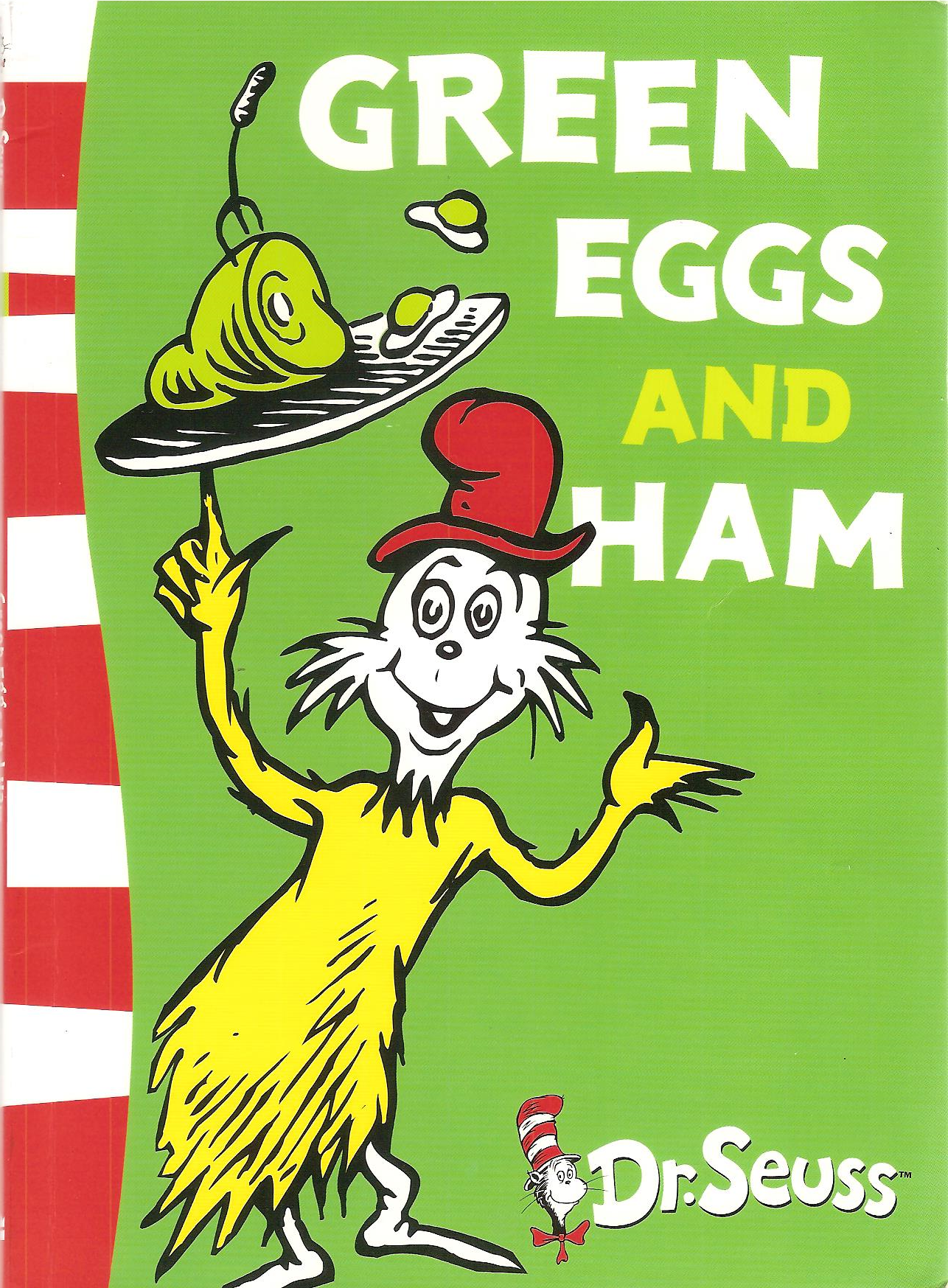
I even apologised to Dr. Seuss in a previous post for leaning heavily on his book Green Eggs and Ham when writing about my relationship with exercise. Click on Ode to Exercise to read my poem.
You could celebrate his birthday by checking out the fun stuff and information on his author site seussville.com
When I first stepped, rather tentatively, into the world of blogging and tweeting I had no idea of the pleasures I would find. I found a whole community of others who share my passion for education, learning, literacy and writing. I found a comfortable niche, discussion group, and a place for sharing ideas like I hadn’t for a long time. I’ve “come home” on the internet.
In these few short months I have come across some bloggers with very powerful messages that I wish everyone could read and act upon in the ways described. What a wonderful world we would have!
Over the coming months I will let you know about some articles I consider ‘must reads’.
Please let me know of others you think I should also be reading!
Thanks for sharing and supporting me on my learning journey thus far.
The story has just begun!
This first in the series is a lecture given by Neil Gaiman entitled “Reading and obligation”
“It’s important for people to tell you what side they are on and why, and whether they might be biased.”
If you have read any other articles on my blog, you will know that I am biased; biased towards a child-centered, hands-on, creative and innovative approach to education. I believe that children are capable of far more than a structured didactic approach to schooling gives them credit for; and that big changes in the way education is delivered are necessary if we are to make best use of our most valuable resource – human potential.
As a reader, writer and literacy educator I am biased towards approaches which foster a love of reading and writing. The pleasures to be gained from a literate existence are immeasurable. But more than that, being literate is not only personally empowering, it is a basic human right.
Obviously the articles on my must read list will be those that share my biases.
Please follow the link to watch the video or read the complete transcript of Neil’s lecture.
I offer a few teasers below to incite your interest.
“everything changes when we read”
Wow! How powerful is that statement!
“The simplest way to make sure that we raise literate children is to teach them to read, and to show them that reading is a pleasurable activity. And that means, at its simplest, finding books that they enjoy giving them access to those books and letting them read them.”
“Fiction has two uses. Firstly, it’s a gateway drug to reading. . .
And the second thing fiction does is to build empathy.”
“Fiction can show you a different world. It can take you somewhere you’ve never been. Once you’ve visited other worlds, like those who ate fairy fruit, you can never be entirely content with the world that you grew up in. Discontent is a good thing: people can modify and improve their worlds, leave them better, leave them different.”
Don’t you love that last statement? I do. If we are always “happy” with the way things are, why would we ever try to improve or change them? A little discontent can be a good thing!
“We need to read and write, we need global citizens who can read comfortably, comprehend what they are reading, understand nuance, and make themselves understood.”
Neil goes on to talk about our obligations as readers, writers and citizens of the world.
He lists the following (read or listen for his explanation)
Read for pleasure
Support libraries
Read aloud to our children
To use the language
We writers – and especially writers for children, but all writers – have an obligation to our readers: it’s the obligation to write true things, especially important when we are creating tales of people who do not exist in places that never were – to understand that truth is not in what happens but what it tells us about who we are. Fiction is the lie that tells the truth (underlining is mine)
not to bore our readers
not to preach, not to lecture, not to force
never, ever, under any circumstances, to write anything for children to read that we would not want to read ourselves.
to understand and to acknowledge that as writers for children we are doing important work,
to daydream We have an obligation to imagine. . . . individuals change their world over and over, individuals make the future, and they do it by imagining that things can be different.
to make things beautiful.
to tell our politicians what we want
Neil reminds us that
“Albert Einstein was asked once how we could make our children intelligent. His reply was both simple and wise.
“If you want your children to be intelligent,” he said, “read them fairy tales. If you want them to be more intelligent, read them more fairy tales.“
I couldn’t agree more.
What about you? What do you think of Neil’s list of obligations? Are there any you would omit, or any you would add?
What is the purpose of picture books? Is their purpose simply to entertain with an interesting story and rhythmical language that is fun to read and recite? Is it simply, as I said in my previous post Searching for meaning in a picture book – Part A, “. . . a special time of togetherness, of bonding; of sharing stories and ideas . . . “ Could the purposes of picture books extend beyond entertainment alone? I think most people would acknowledge that reading picture books to young children has a profound effect upon children’s learning and development. In addition to entertainment, picture books can be used for a multitude of purposes, including:
to encourage a love of reading and books
to develop vocabulary and knowledge of language (through immersion and engagement rather than direct instruction)
to provide a link between the language of home and the language used in the wider community and in education
to support children embarking on their own journeys into reading
to inspire imaginations
to provide opportunities for discussing feelings, emotions, ideas, responses
to develop feelings of empathy, identification, recognition, hope
to instill an appreciation of art by presentation of a wide variety of styles, mediums and techniques
I’m sure you can think of many more than I have listed here. But what of knowledge, information and facts?
How, and when, do children learn to distinguish fiction from fact, or fact from fiction? At the moment that question is too big for me to even think about answering, but it is a question that I ponder frequently and may return to in future posts.
But what happens when the lines between fact and fiction blur and content, though presented in fiction, has the appearance of being based in fact? For example: The lion is often referred to as “King of the jungle” and appears in that setting in many stories. However, lions don’t live in jungles. According to Buzzle, they live in a variety of habitats and jungle isn’t one of them. You knew that didn’t you? But what about the children? When will children learn that lions are not really kings of the jungle? Do you think it matters if children grow up thinking that lions live in jungles?
What about when animals that don’t co-exist appear in stories together? For example: Penguins often share a storyline alongside polar bears. Does this encourage children to think that penguins and polar bears co-exist? When do adults explain to children that penguins and polar bears live at opposite ends of the planet? At what age do you think children will happen upon that information? Does it matter?
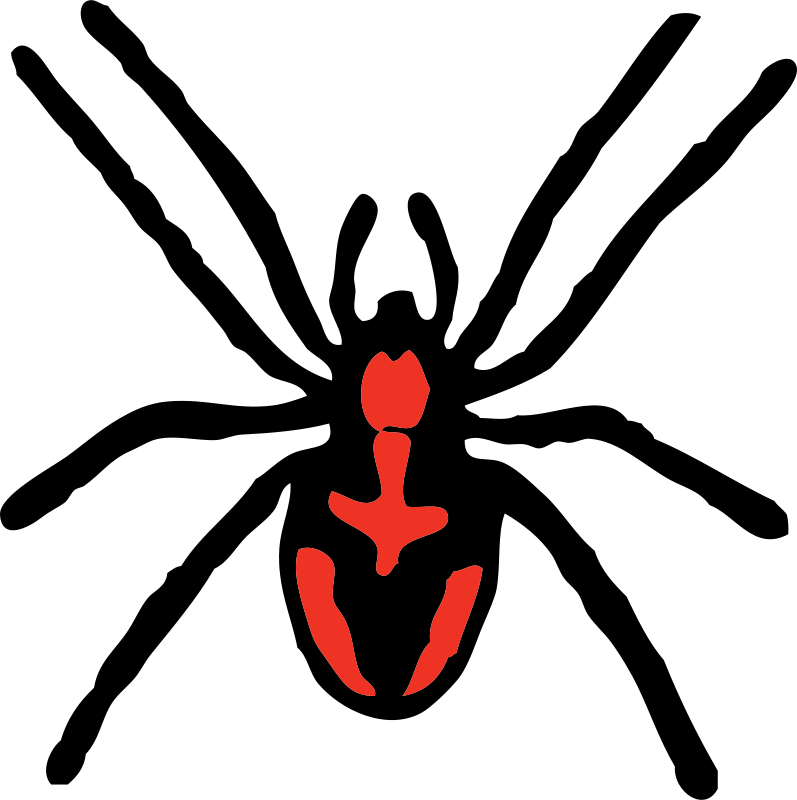
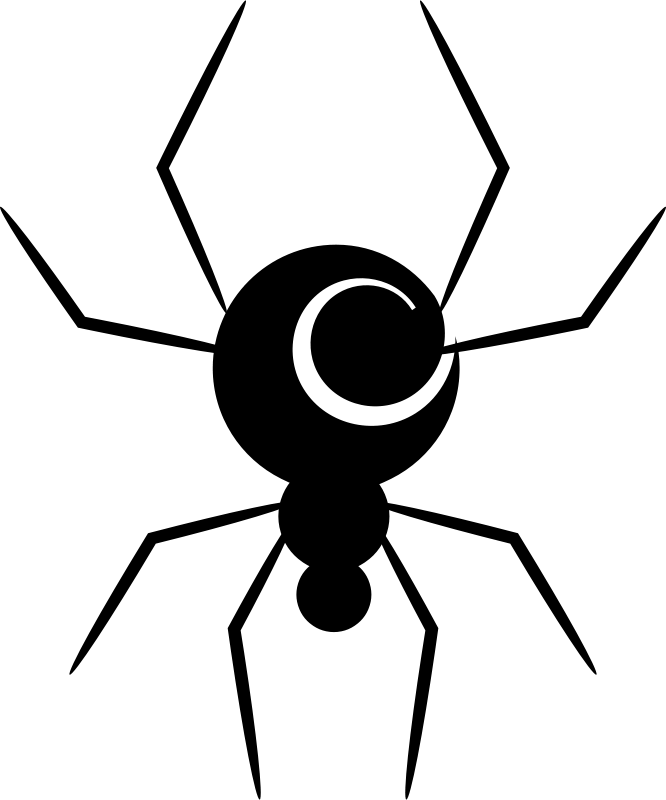
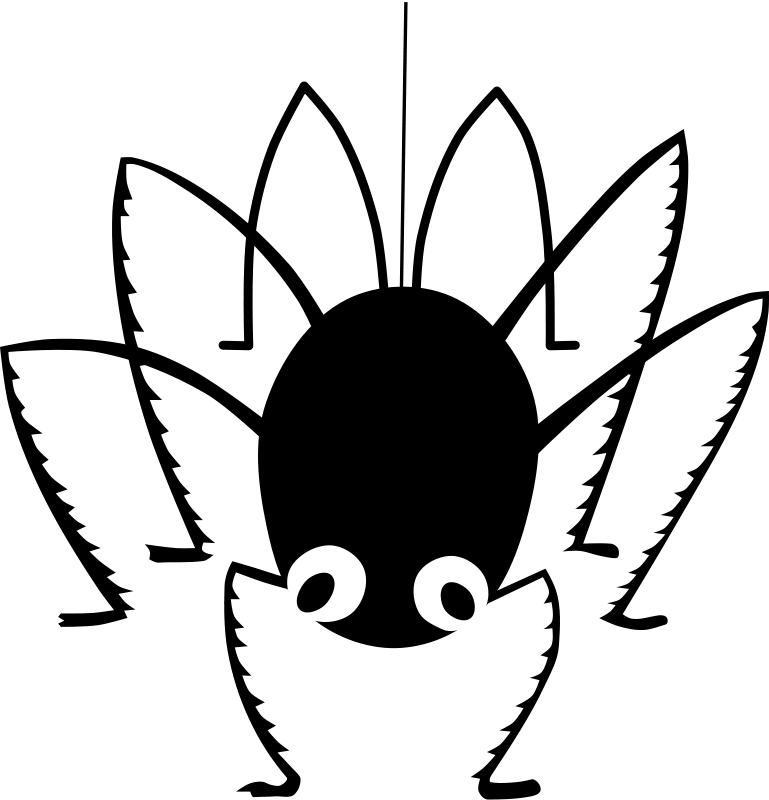
What about the way animals are visually portrayed in stories? Must the illustrations be anatomically correct? For example: We all know that spiders have eight legs. Right? If I was to ask you to draw a picture of a spider, how would you do it? Have a go. It will only take a second or two. I can wait.
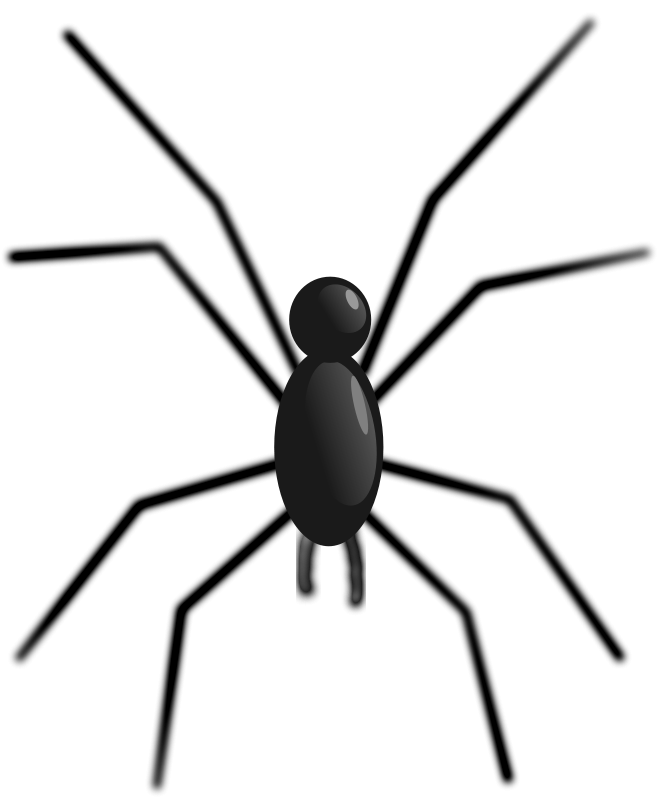
They have less success is understanding what is wrong with the previous images. Spiders have eight legs. Those drawings show eight legged furry creatures. The story says they are spiders. That must be what spiders look like. Right? Unfortunately, real spiders look more like this one:
All eight legs are attached to the cephalothorax, not the abdomen (or even one body part) as shown in most picture books. While I am sure you drew a spider correctly (didn’t you?), most children and many adults draw them more as they are depicted in children’s stories. Is this a problem?
I am not for one moment suggesting that we get rid of fictional picture books and stories. I love them! And as I have said, and will continue to say, many times: they are essential to a child’s learning and development. There is no such thing as too many or too often with picture books. Instead, I would like you to consider the misconceptions that may be developed when the content of picture (and other) books may be misleading, and how we adults should handle that when sharing books with children. One of the books that gets me thinking most about this topic is “The Very Hungry Caterpillar” by Eric Carle.
As I said in a previous post, it has been published in over 50 languages and more than 33 million copies have been sold worldwide. I am almost certain that you will be familiar with it, and upon that assumption, I have one final task for you in this post. Please share your response to the question in this poll:
To be continued . . .
I would love to receive any other comments you would like to share regarding the content in this post.
I do apologize that I have been unable to get the text and pictures in the layout I desire. I obviously have more investigations to carry out and learning to do. 🙂
Maybe next time I’ll have it mastered, says she, hopefully!
The school year in Australia is over and the long summer holidays have begun.
Parents often wonder how they will keep their children entertained during the long days with few structured or timetabled activities.
When returning to school after many weeks without the formal practice of skills taught during the previous year, teachers often lament that children’s reading fluency and level has fallen.
Here are 20 suggestions for keeping your children entertained while maintaining their reading skills.
I’m sure you can think of many more!
Please keep in mind, as you read the list, that the amount of support given, or independence allowed, in each activity will need to be adjusted to the individual child’s age and reading ability. Even young children who are not yet reading independently can be included in most activities.
Read to and with your child every day – continue the practice established throughout the year with special sharing times during the day or at bed-time — or both!
Demonstrate that you value reading by making time for your own reading, or setting aside a special quiet time when everyone in the family reads.
Visit the library and borrow to read, read, read!
Read poetry books, song books, picture books, joke and riddle books, crossword books, information books, chapter books (these can be read to younger children, or with older children – taking turns to read a page or a chapter each) — what are your favourites?
Trade books no longer read for others at a second-hand book store.
When dining out, have your children read the menu and choose their own meal.
Include your child in holiday cooking and have them read the recipe – ingredients and method. Perhaps they could read the recipe book to select the meal for the day.
Suggest your child read the TV guide to find when favourite programs are showing and establish a timetable for viewing, rather than haphazard watching with random flicking through channels.
Provide your child with bookstore catalogues and encourage them to read book descriptions to guide their next selection.
Bestow upon your child the title of ‘Family weather watcher’ and have them consult weather forecasts in the newspaper or online to select the most suitable days for planned outings and activities.
Include your child in making decisions about holiday activities. Give them the guide, or read the guide together and jointly choose the activities.
Make the library, museums and art galleries high on the list of must-dos. Many of these offer a wonderful assortment of free holiday entertainment for children, and reading is an essential part of getting the most from each visit!
Engage your child in some craft activities which require them to follow written instructions. The ability to understand and follow procedures is empowering and requires the ability to read written, as well as visual, instructions.
Encourage your child to ask questions about every day events and phenomena. Help them to research in books at home, in the library or on the internet.
Provide eBooks as well as books in print. Good ones bring a new dimension to the reading experience.
When going out for the day, or journeying further away on a holiday, support your child in locating destinations on a map and in selecting an appropriate route. Engage your child in giving directions while en route.
Include your child when reading bus or train timetables.
When doing the family grocery shop, give your child their own list of items to look for.
Listen to recorded books on long car journeys, or have books for listening to or reading along with in bed.
Make the most of every reading opportunity that occurs throughout the day!
What are your favourite ways of incorporating reading into everyday activities?
When I was a child, I loved receiving books as gifts. I still do! Books are among my most treasured possessions.
I remember the delight when, on awaking in the dark of an early Christmas morning, I would reach down to end of my bed and discover a book there. I couldn’t see it, but I could feel the smooth glossy cover and the familiar roughness of the pages. I would lift the book up and breathe in the rich, delicious smell which promised so much pleasure I almost wanted to devour it. I knew that something delightful was in-store for me, and as the dawn’s soft glow began light the room, I watched the colours, pictures and words slowly take form and reveal themselves to me. What joy!
I am forever grateful to my parents for encouraging my love of reading.
The love of reading is one of the greatest gifts a parent can give a child.
So, here is #21, it probably should have been #1!
21. Give books as gifts!
Read! Read! Read!
You are welcome to download and distribute the 21 suggestions FREE from my TEACHERSpayTEACHERS store.
You can read another post on this topic by Nanny SHECANDO by clicking here.
According to the website of the author Eric Carle, since its publication in 1969 it has been published in over 50 languages and more than 33 million copies have been sold worldwide. It ranks highly in the Wikipedia List of best-selling books.
Most primary schools, preschools and kindergartens would have numerous copies in their libraries with a copy in most classrooms as well as in teachers’ private collections. Most homes with young children would have a copy in their storybook collection.
In addition to the books, many of those schools, classrooms and homes would have some of the associated merchandise; including toys, games, puzzles, posters and colouring books, which are now available.
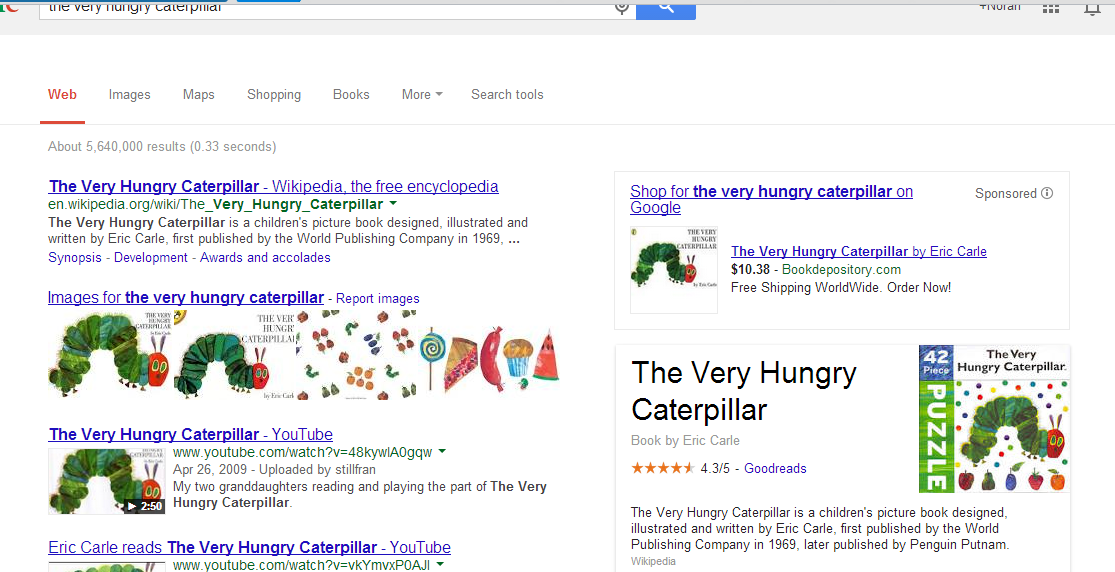
When I typed ‘the very hungry caterpillar’ into the Google search bar about 5,640,000 results were listed in 0.33 seconds!
There are activities, lesson plans, printables, videos, and advertisements for merchandise. There is a plethora of suggestions for using the book as a teaching resource, including counting, days of the week and sequencing.
I think you would be hard pressed to find someone that hasn’t at least heard of the book. That is quite an impact, wouldn’t you say?
For a book to have done so well, it must have a lot going for it. And it does.
There are many things I like about this book, including:
The bright, colourful, collages with immediate appeal
The natural flow and rhythm of the language making it easy to read, dramatize and recall
The sequence of numbers and days encouraging children to predict and join in with the reading and retelling
The match between the illustrations and the text supporting beginning readers as they set out upon their journey into print
The simple narrative structure with an identifiable beginning, a complication in the middle with which most children can empathise (being ill from overeating) and a “happy” resolution with the caterpillar turning into a beautiful butterfly.
Reading to children
Sharing of picture books with children from a very young age has a very powerful effect upon their learning.
There are many benefits to both parent and child of a daily shared reading session.
It can be seen as a special time of togetherness, of bonding; of sharing stories and ideas. It can be a quiet and calming time; a time to soothe rough edges and hurt feelings; a time for boisterous fun and laughter; or a time for curiosity, inquiry, imagination and wonder.
Whatever the time, it is always a special time for a book; and all the while, children are learning language.
They are hearing the sounds and rhythm of their language. They are being exposed to new vocabulary, sentence structures, concepts and ideas. They are learning important understandings that will support them on their journey into literacy e.g. they are learning that the language of a book differs from oral language and that the words in a book always stay the same.
They begin to realise that it is the little black squiggly marks that carry the message, and they may even start to recognise some words.
Many of these, and other, features make “The Very Hungry Caterpillar” suitable for incorporation in an early childhood curriculum, for example:
Literature appreciation – love of language, knowledge of story, interest in books
Reading – the clear, simple and predictable text make it an easy first reader
Maths – counting and sequencing the numbers, sequencing the days of the week
Visual arts – learning about collage and composition of a picture
Philosophical inquiry —sharing interpretations and discussing feelings about the story, asking questions raised including the ‘big questions’ of life
Eric Carle, in an interview with Reading rockets, describes it as a book of hope. He says:
“You little, ugly, little, insignificant bug: you, too, can grow up to be a beautiful, big butterfly and fly into the world, and unfold your talents.”
He goes on to explain that,
“I didn’t think of this when I did the book, but I think that is the appeal of the book.”
But I’m not going to let him have the last word!
While “The Very Hungry Caterpillar” has always been one of my very favourite picture books, I do have some misgivings about the impact that this book has had.
In future posts I will share what I consider to be some limitations of the text, and what I consider to be the most powerful use of all.
What do you think?
What appeals to you about this book?
What questions does it raise for you?
Please share your ideas. I look forward to hearing what you think.
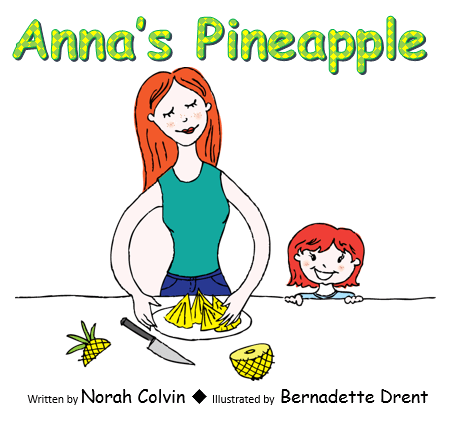
My gorgeous little granddaughter, Anna, turned two last Sunday.
This is a story I wrote for her in celebration of her big day.
It is based on a real event that occurred a week or two earlier. She just could not understand why her grandfather Bob had scoffed all the pineapple and left no more for her. He, of course, didn’t realise that the pineapple had been left for later, and thought that he was merely finishing off the leftovers.
Anna’s Aunty Beckii was most amused, as was the rest of the family, that Bob had eaten it all as he had already earned the title of “Bob the scoffer” by Anna’s big brother Artie. I must add that Aunty Beckii and Uncle Glenn had both given Artie considerable encouragement in bestowing this title!
I am very grateful to Bernadette Drent who illustrated the story so well with only 2 days notice. I think she did a fantastic job and really captured the humour of the story.
Have a read and let me know what you think. I’d love to know if it deserves a readership wider than that of family members.



</a>)














 Norah Colvin