Live Love Laugh Learn … Create the possibilities

Category: Poems

  • Make time for Poetry in August, Poetry Month – #readilearn

    Make time for Poetry in August, Poetry Month – #readilearn

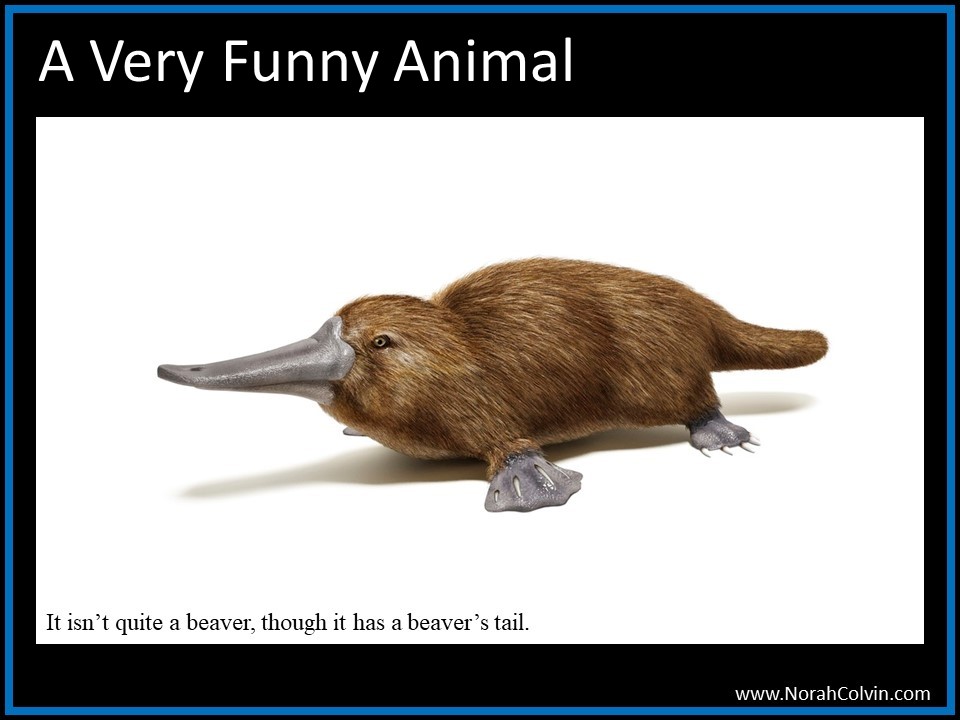
    Although we celebrated World Poetry Day with this post earlier in the year, the Australian Children’s Poetry website tells me that August is poetry month and I think there can never be too many days, weeks or months for reading and writing poetry. I even got into the swing of things by having my poem A Very Funny Animal published on the Australian Children’s Poetry website in early August. And just today, my poem Science Questions Everything was published to coincide with Science Week. Who knows, maybe there’ll be a few more this month.

    Why read poetry to children?

    Poetry is a great tool for learning language. When children listen to or recite poetry, they are learning the rhythms and sounds of language, exploring ideas and how to express them, expanding vocabularies, deepening understanding in nuances of meaning, and having fun with thoughts and their expression.

    Children are exposed to rhythm and rhyme from their earliest days through nursery rhymes, chants and songs as well as the text of picture books. It is important for children to have opportunities for appreciating and exploring poetry into and throughout their school years. Our Australian Curriculum places poetry firmly into the literature strand of English teaching each year. But it is not necessary to relegate poetry just to a poetry unit of work when stipulated by the curriculum. Poetry, rhymes, chants and songs can be easily incorporated into the daily class program.

    Poetry books and resources

    The Australian Children’s Poetry website (mentioned above) is an excellent resource when you are looking for poems to share with children. With a new poem added every day, you will never be at a loss for poems to read. You can search for poems on different topics or by different poets and even find poems with teacher notes.

    Another great resource is Science Poems by Celia Berrell with an abundance of poems that link to the curriculum.

    The Bill Martin Jr Big Book of Poetry is one of my favourite collections. It contains a variety of poem types on a wide range of topics, including Mother Goose and nonsense rhymes, poems about animals, the seasons and friendships, classics poems and modern. It’s a delight to dip into. You’ll find poems you remember and loved in your childhood and new poems to explore.

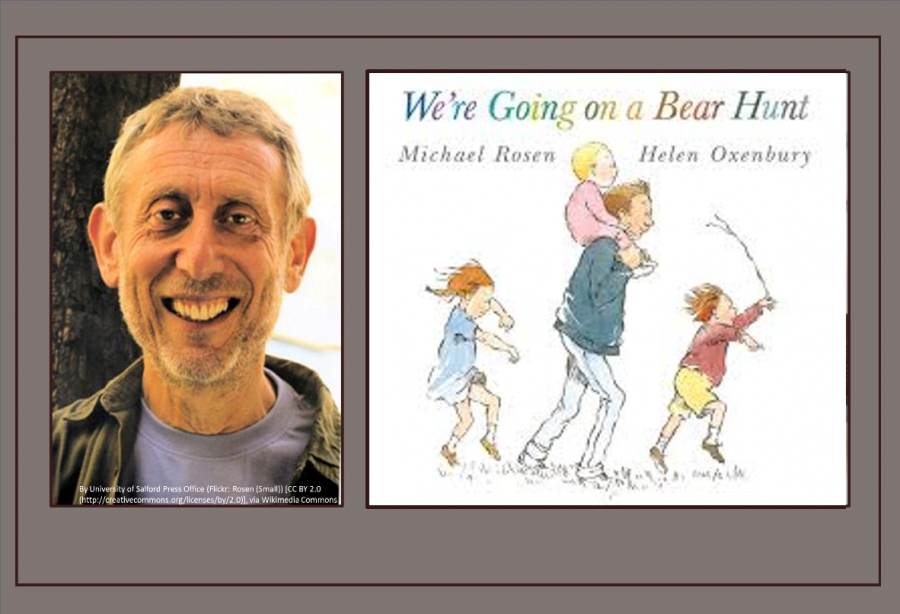
    Michael Rosen, who you may know as the author of Going on a Bear Hunt shares some recommendations for teaching poetry on his blog. Although the suggestions were written for a year one teacher, I think the suggestions could be applied in other years. Following his recommendations would more than cover the expectations of the Australian Curriculum, and what a wonderful way to turn children (and yourself) onto poetry.

    A few years ago, I had the pleasure of interviewing Australian poet June Perkins about her beautiful book of poetry for children Magic Fish Dreaming. You can download and read that interview and find out more about June and her poetry here. Her poems are perfect for discussing poetic language and inspiring children to write poems of their own. Her poem Hunting for a Poem helps child find the magic for poems everywhere. June is one of the poets featured on the Australian Children’s Poetry website.

    I also got to interview another wonderful poet Jennifer R. Poulter.  Although the interview (which you can read and download here) was about her picture book Hip Hop Hoorah! Zoo Dance, Jennifer is a great advocate for poetry in schools and provides

    Continue reading: Make time for Poetry in August, Poetry Month – readilearn

  • Writing Poetry with Children – #readilearn

    Writing Poetry with Children – #readilearn

    With this month being National Poetry Month in the US and 17 April being International Haiku Day,  I thought it was timely to share some of our poetry resources. Here in Australia, we celebrate poetry month in August, but I don’t think we need wait until then. We can celebrate again in August or make every month poetry month. No month should go by without enjoying some poetry anyway.

    Poetry is a great introduction to the rhythms and sounds of our language. Children are introduced to it from a young age through nursery rhymes and picture books. Some of children’s favourite picture books are those that read like poems with rhythm, rhyme and repetition. The books of Dr Seuss and Julia Donaldson come immediately to mind. But, of course, there are many others too.

    When they enter school, children love listening to poetry and experimenting with writing poems of their own. Here at readilearn we have some resources to help you help them get started on their poetry writing journey. All poetry resources are found in their own section of the literacy collection.

    Writing poetry

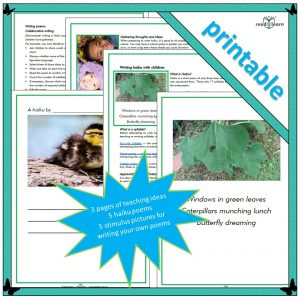
    Writing Haiku with Children — This collection includes five haiku poems for reading and five stimulus photos for writing. It can be used to introduce children to the structure of haiku poetry and to encourage them to write haiku poems of their own. The resource includes information about the structure of haiku poetry as well as teaching suggestions.

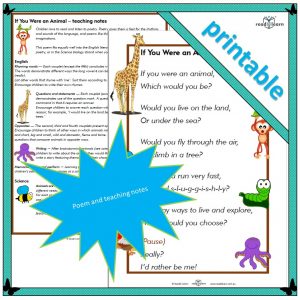
    If You Were an Animal — poem and teaching notes — The teacher notes accompanying this poem provide suggestions for both English and Science.

    English teaching suggestions include:

    • Rhyming words
    • Questions and statements
    • Opposites
    • Writing
    • Recitation and performance

    Science teaching suggestions include:

    • Features of living things
    • Needs of living things
    • Habitats of living things

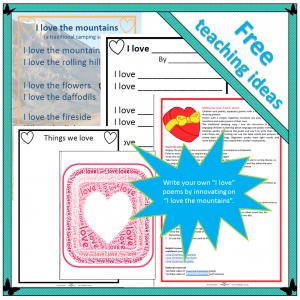
    Write your own “I love” poem — This resource encourages children to write their own poems by innovating on the traditional camping song ‘I love the Mountains’. Great for even beginning writers.

    Continue reading: Writing Poetry with Children – #readilearn

  • Having fun with Haiku Poetry in the Classroom – #readilearn

    Having fun with Haiku Poetry in the Classroom – #readilearn

    Next Saturday 17 April is Haiku Poetry Day. Why not prepare for the day, by reading and writing haiku during the week leading up to it, or for those of us in Australia still on school holidays, celebrate the week after. Of course, any time is good for reading and writing haiku — no excuse is needed.

    What is Haiku?

    Haiku is a short poem of only three lines with a very structured form. There only 17 syllables in the entire poem:

    five on the first line 

    seven syllables come next

    and five on the third 

    The purpose of the haiku is to capture a brief moment in time. Traditionally, it is written about the seasons but can be used to write poems on any topic. Haiku poetry often concludes with a feeling or observation. Sometimes the feeling is not explicit but is left for the reader to interpret.

    What is a syllable?

    Before you begin to teach your children to write haiku, they need to know what a syllable is. Whether you are teaching or revising syllables, readilearn has some resources to support you, including:

    Continue reading: Having fun with Haiku Poetry in the Classroom – readilearn
  • The Results ARe IN For the Winner of the Carrot Ranch Double Ennead Poetry Challenge

    The Results ARe IN For the Winner of the Carrot Ranch Double Ennead Poetry Challenge

    And the results for the second Carrot Ranch 2020 Flash Fiction Rodeo – The Double Ennead Poetry Challenge lead by poet Colleen Chesebro – are in!
    Did you enter? I did, but I didn’t win. Did you? Pop over to Colleen’s to find out.

  • Teaching and learning with nursery rhymes – reblogged from readilearn

    Teaching and learning with nursery rhymes – reblogged from readilearn

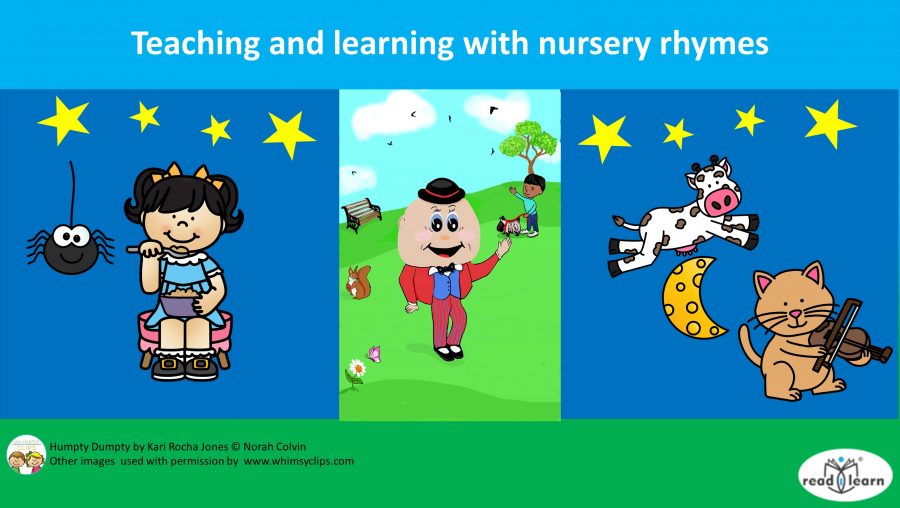
    Nursery rhymes are often a child’s first introduction to our literary heritage. Parents sing nursery rhyme lullabies to soothe their babies to sleep and play nursery rhyme games to entertain them in their waking hours. All the while, children are learning the rhythms and tones of our language, developing vocabulary, ideas and imagination. When children learn the repetitive patterns of nursery rhymes, they are also developing their memories.

    Australian author Mem Fox is often quoted as saying that

    “Experts in literacy and child development have discovered that if children know eight nursery rhymes by heart by the time they’re four years old, they’re usually among the best readers by the time they’re eight.”

    While I am aware that others question the existence of research to back up that statement, I think most teachers would agree that children who have been spoken to, sung to (including nursery rhymes) and read to before school will find literacy learning much easier in our classrooms. Success with literacy learning often correlates with success later in life.

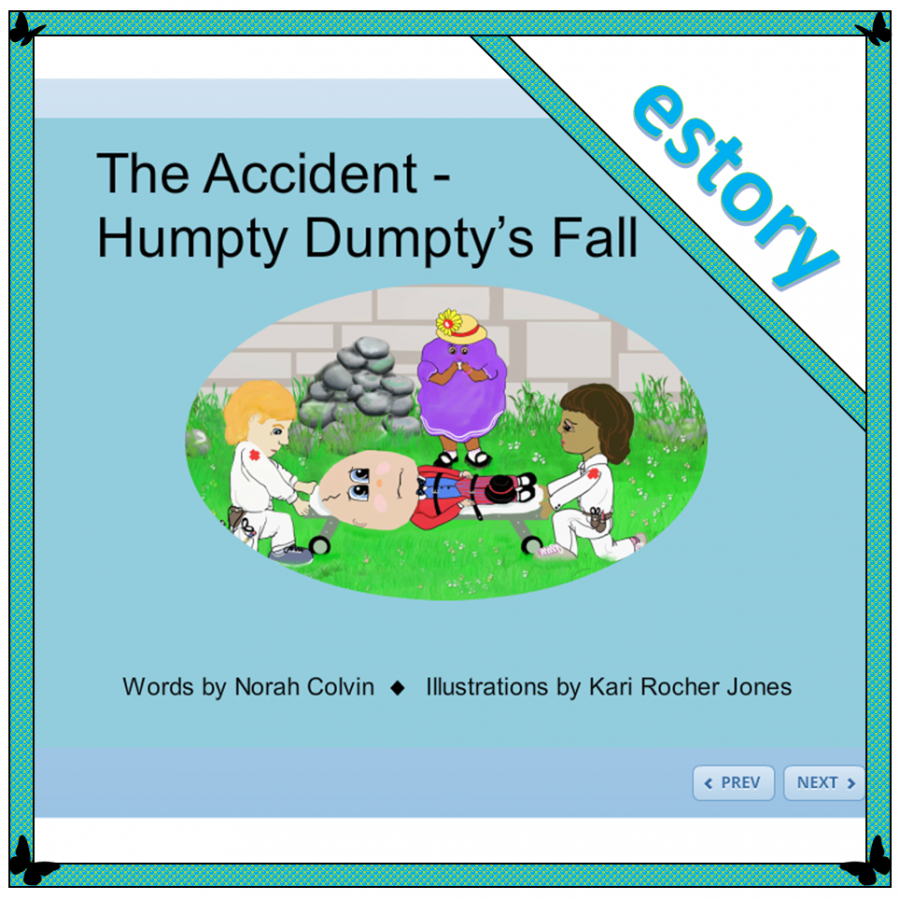
    Already on the readilearn website, there are resources to support your literacy teaching using the nursery rhymes Humpty Dumpty and Little Miss Muffet. More are in development. While some nursery rhymes may be considered to have questionable origins, those origins have no place when teaching them to children. The benefits flow from having fun with the rhythms and rhymes of language.

    Teaching literacy skills & developing creative thinking with Humpty Dumpty

    The Humpty Dumpty suite of resources includes:

    Continue reading: Teaching and learning with nursery rhymes – readilearn
  • Appreciating and exploring poetry in lower primary classrooms – reblogged from readilearn

    Appreciating and exploring poetry in lower primary classrooms – reblogged from readilearn

    Poetry is a wonderful tool for learning language. When children listen to or recite poetry, they are learning the rhythms and sounds of language, exploring ideas and how to express them, expanding vocabularies, deepening understanding in nuances of meaning, and having fun with thoughts and their expression.

    Children are exposed to rhythm and rhyme from their earliest days through nursery rhymes, chants and songs as well as the text of picture books. It is important for children to have opportunities for appreciating and exploring poetry into and throughout their school years. The Australian Curriculum places poetry firmly into the literature strand of English teaching each year. But it is not necessary to relegate poetry just to a poetry unit of work when stipulated by the curriculum. Poetry, rhymes, chants and songs can be easily incorporated into the daily class program.

    Michael Rosen, who you may know as the author of Going on a Bear Hunt and who I previously introduced to you in this post, shares some recommendations for teaching poetry on his blog. Although the suggestions were written for a year one teacher, I think the suggestions could be extended out to other years. Following his recommendations would more than cover the expectations of the Australian Curriculum, and what a wonderful way to turn children (and yourself) onto poetry.

    I’m only sharing a few of his recommendations here. Please visit his website to read the others.

    Michael Rosen’s suggestions for teaching poetry

    • Get as many poetry books into your classroom as possible. Encourage the children in pairs to browse, choose and read.
    • Read poems to them every day, use vids of poets (check out Michael Rosen’s YouTube channel) , use national poetry archive. Writing poems with no poems in your head is too big an ask. Fill their heads with ‘What poetry can do’ ie loads of poems.

    Continue reading: Appreciating and exploring poetry in lower primary classrooms – readilearn
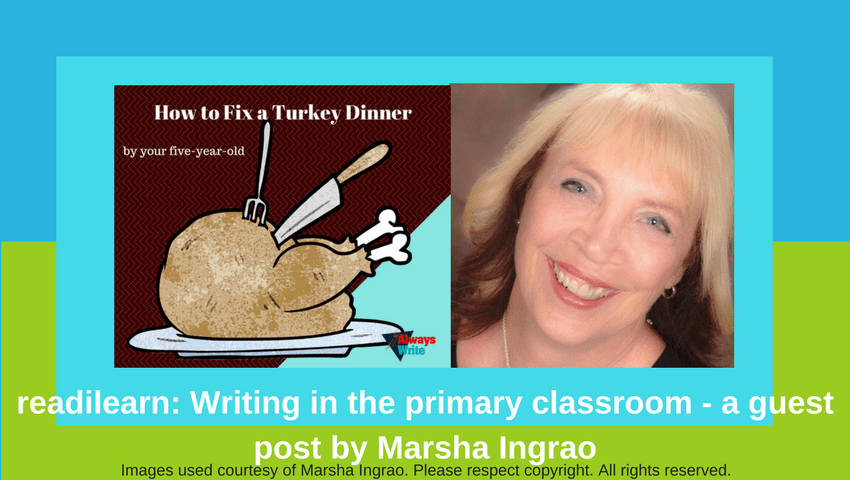
  • readilearn: Writing in the lower primary classroom – a guest post by Marsha Ingrao – Readilearn
    readilearn: Writing in the lower primary classroom – a guest post by Marsha Ingrao – Readilearn

    Providing children with fun and purposeful activities for writing is one of the best ways to encourage a love of writing, to replace the drear with enthusiasm.

    In this post, I introduce guest author Marsha Ingrao who shares suggestions for bringing joy to your writing lessons through the Language Experience Approach.

    “The Language Experience Approach (LEA) is a literacy development method that has long been used for early reading development with first language learners…It combines all four language skills: listening, speaking, reading, and writing.”

    Professional Learning Board

    Although Marsha retired from public education in 2012, her passion for education remains and she continues to educate through blogging, speaking engagements and volunteering for Kiwanis and the Chamber of Commerce. Her classroom experience ranged from teaching kindergarten to fourth grade. She left the classroom to work as a consultant for the county office of education first in math, working with migrant education, then in history and language arts. She is author of Images of America Woodlake, a history of her local Woodlake area, published by Arcadia Press.

    Welcome to readilearn, Marsha. Over to you.

    Because LEA employs all four branches of language arts, listening, speaking, reading and writing, it is perfect for teaching writing to pre-school and primary students as well. With the thrust in the United States for non-fiction reading, the language experience approach becomes the perfect avenue for teaching writing to young children.

    To make the language experience approach applicable to all young students, adult assistance is required.

    The “How To” Essay

    Beginning in pre-school, we tackled one of the hardest types of writing, the “how to” essay. Holiday traditions are the perfect avenue for this

    Continue reading: readilearn: Writing in the lower primary classroom – a guest post by Marsha Ingrao – Readilearn

  • Out of respect, not fear

    Out of respect, not fear

    As an early childhood educator, I believe that children need to be respected. It is only through being shown respect, that children learn to respect. It is not learned through fear. Sure, fear may generate what appears to be respect – compliance, conformity, obedience. But inside, feelings of discontent may simmer until, at some future time they manifest in a variety of unpleasant ways.

    https://openclipart.org/image/800px/svg_to_png/192642/Children_holding_hands.png

    Children also need to respect, and not fear, each other. I frequently write about the need to develop a welcoming and supportive classroom in which children feel valued and respected. They need to understand the diversity that exists in our world and learn to accept, appreciate, respect and embrace it. Fear is often the result of the unknown, so by getting to know each other better, that opportunity for fear, at least, can be erased.

    In a previous post Watching ink dry, I wrote a story about a child being singled out and humiliated for an inability to keep between the lines in a handwriting lesson. An interesting discussion developed in the comments about nuns–teaching nuns, which surprised me. You see, although that particular situation wasn’t one I personally experienced, I did have in mind one of my teachers, who happened to be a nun, as I wrote, but I made no mention of it. I really didn’t think the attitude I portrayed was reserved for nuns during my childhood.

    Within a few days of publishing the post, I visited the optometrist where the assistant, without prompting of any kind, (I have no idea how we got onto the subject) told me about nuns who repeatedly humiliated her at school. I then told her about my story, but not my real experiences which were quite similar to hers. I added this to the discussion, and so the conversation grew, prompting Charli Mills from the Carrot Ranch to entertain the thought of “Nun” as a flash fiction prompt.

    black and white flash fiction challenge

    She did shy away from it in the end, fearing, I think stereotyping nuns unfairly. Instead, she challenged writers to In 99 words (no more, no less) write a story that features something black and white. It could be a nun in a zebra monster truck, a rigid way of thinking, a bird in a tuxedo — be imaginative and go where the prompt leads.

    But it was too late for me to consider the fear, or perhaps to feel the fear and resist doing it anyway. I’d already started recording my black and white view, coloured from years under the rule of those nuns in their black and white habits (literally and figuratively).

    One memorable event occurred when, handing out history test results, the teacher (a nun) distributed everyone’s but mine. She then made a big show of trying to find it while telling the class what a dreadful result it was, and that she must have put it aside out of disappointment. Though I am quite tall, she did her best to make me feel small.

    Funnily enough, when I experienced a similar situation at a writers’ critique session over the weekend–one of the writers had everyone’s story but mine–I was able to accept his apology and not relive the earlier trauma, even though it was brought to mind.

    Perhaps I’m more like the nuns of my childhood than I’d like to acknowledge. Perhaps I find forgiveness no easier than they. So, apologies to all the lovely nuns, whom I am sure must exist, this poem is not for you. It is a reflection of my black and white reflections on my black and white experiences. I’m not sure that I expect you to enjoy this one.

    nun praying

    The nun’s prayer

    Now I lay me down to sleep,

    I pray the Lord my soul to keep.

    I have no need for counting sheep,

    I count the girls that I made weep.


    Lord, I ask Thee, help me please

    To do my job with greater ease–

    Bless them even when they sneeze,

    And keep their skirts below their knees.


    I know the task should be not hard

    And I should never drop my guard

    But if they’re ever marred or scarred,

    It puts a mark upon my card.


    And while she dreamed her cunning schemes,

    Her girls were strangling silent screams.


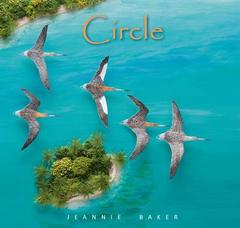
    Circle picture book by Jeannie Baker

    To finish on a more positive note, which is more my way, on her Big Sister Blogs this week, Maria Parenti-Baldey shared a post of wishes creatives have for children. Those wishes are opposite to those of the nun in my disrespectful poem. One of my favourite quotes is that by Jeannie Baker whose books I have previously written about here and here and here.

    According to Maria,

    Jeannie Baker wished for every ‘single’ child ‘to love and be loved’. For children to have a supportive home, a peaceful environment and ‘to be creative and not be criticised’. To go to school with time to ‘exercise their curiosity… use their imagination’ and find and make things. Jeannie wanted children to think for themselves, play outside and engage with nature with feelings of awe and wonder. Some children experience a fear of nature – ‘Nature deficit syndrome’. ‘What one fears, one destroys. What one loves, one defends.’

    I thought it was a perfect quote to round out my post. I wholeheartedly agree with her wishes–they match my dream.

    Please pop over to Maria’s post to read what other creatives; including, Leigh Hobbs, Gus Gordan, Mark Wilson, Anna Fienberg, Kyle Hughes-Odgers and Deborah Abela, wish for children. Great wishes, every one.

    Thank you blog post

    Thank you for reading, I appreciate your feedback. Please share your thoughts.


  • The significance of number

    It’s not always wise to follow the crowd.

    Remember the story of The Emperor’s New Clothes by Hans Christian Andersen?

    A pair of weavers tricked the conceited Emperor into believing they had made him a fine set of clothes; clothes so fine, they would be visible only to those worthy of their position, and invisible to anyone lacking intelligence. Not wanting to appear stupid, his subjects were quick to join in the admiration of his (invisible) clothes. It took a young child to see through the claims and announce the deception.

    Honesty is a trait often admired, even found refreshing, in children. However, the same kind of honesty is not always endearing in an adult. As we grow, many of us learn to use a little more finesse when telling someone what we think of them or their work. It is sometimes wiser to take the side road, rather than the direct route.

    I have always loved the story of the Emperor and his invisible clothes. I found the people’s dishonesty frustrating. I just wanted to shake them, “Can’t you see?” But I loved that it was a child who told it like it was.

    The story is a wonderful allegory for so much that is going on in the world today, and probably always has. (The story was published 180 years ago.) Someone comes up with a bright new idea. It is promoted; and before long everyone is following the trend, proclaiming its, often-questionable, value. It happens in education too. Those who see through the hype are often ridiculed.

    The importance of interrogating ideas to determine their worth cannot be overstated. The ability to question and to think critically is essential for an intelligent society. Just because everyone is doing it, doesn’t make it wise, right, or best.

    This week at the Carrot Ranch, Charli Mills has challenged writers to In 99 words (no more, no less) write a wise story. It can be about wisdom, expressing wisdom or advice for turning 50! It can be a wise-cracking story, too. Go where wisdom leads you.

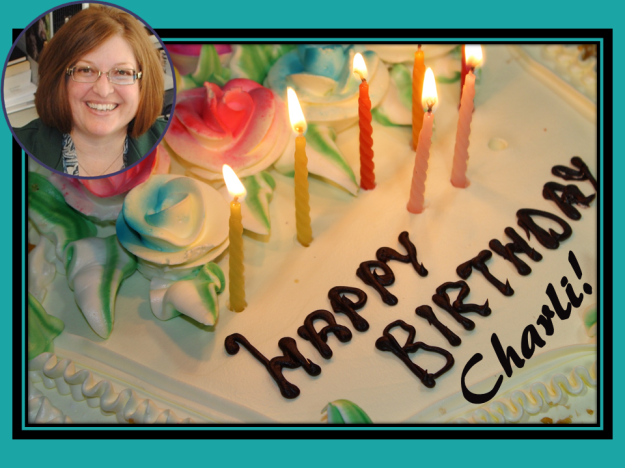
    The reason for the prompt including the suggestion of “advice for turning 50” is that Charli celebrated her significant 50th birthday on the weekend.

    I remember turning 50. I had a big party that I spent months organising. A magician helped break the ice early in the evening and prepared everyone for joining in games that were interspersed throughout the evening. People danced and were entertained by a musical duo who also liked to tell jokes. It was a memorable occasion for me, if not for anyone else. I’m pleased I did it then, as I wouldn’t be bothered now, though the numbers do seem to get significantly bigger each year.

    It was about that time that I realised I wasn’t as mature and wise as I’d expected to be. Didn’t adults give the appearance of wisdom when I was a child? They’d certainly seemed convinced of what they were telling me, and rarely displayed hesitation in decision making. I figured, if I wasn’t mature and wise by then, I was never going to be. So what the hell. I’d just stay a six-year-old for life!

    Remember the A. A. Milne poem?

    “When I was One,
    I had just begun.
    When I was Two,
    I was nearly new.
    When I was Three
    I was hardly me.
    When I was Four,
    I was not much more.
    When I was Five, I was just alive.
    But now I am Six, I’m as clever as clever,
    So I think I’ll be six now for ever and ever.”

    Anyway, I would like to wish Charli a very happy fiftieth birthday, and welcome her to the second half-century. I’ve been there a while and it’s not too bad. I’d hazard a guess that it’s better than the alternative. There are still plenty of new discoveries to be made. But you must make the most those years. They can just fly away.

    Coinciding with her birthday, Charli has announced a new project on her website. Charli is a wonderful source of support and inspiration to writers all over the globe and, as you know, the instigator of the flash fiction I, and many others, write each week.

    Charli says, “If I can raise the funds, I will start an imprint for Carrot Ranch, expand our platform to benefit those who write in this community and seek new ways to inspire and inform other writers beyond the ranch hands.” She is developing a Patreon. If you would like to help Charli get this work started, please ride on over to her website and donate to the project.

    In the meantime, here is my response to her challenge to write a “wise” story. I hope you enjoy it.

    Growing into wisdom.

    “My Dad knows everything!” bragged six-year-old Billy.

    “Parents,” grumbled Will E., at surly sixteen, “They know nothing.”

    For thirty-year-old William, at the top of his game, conversations were strained. One more “In our day…” he’d surely explode.

    By forty-five, with kids of his own, “But kids are different these days,” Will would state.

    Dad would wink and suggest, “Not that different.”

    Throughout the fifties, his recalcitrant teens mirrored those years of his own.

    Into his sixties, with kids gone and more time for chatting with Dad, he discovered, almost too late, they shared more than he had ever appreciated.

    Thank you for reading. I appreciate your feedback. Please share your thoughts.