Live Love Laugh Learn … Create the possibilities

Category: Flash fiction

  • What lies beyond

    This week at the Carrot Ranch Charli Mills has challenged writers to In 99 words (no more, no less) write a story that steps beyond.

    She says,

    “The paths often fork and always seem steep. You just have to keep stepping out, risk being vulnerable, learn as you go from both masters and your own observations, and explore what could be.” 

    How apt a description for learners and teachers alike. The focus of a teacher’s work is always on what lies beyond; encouraging learners to step out, take those risks, embrace vulnerability, and explore the unknown. Each journey is unique with its own periods of calm interrupted by rough patches and inclines that require both teacher and learner to step beyond comfort and what is familiar.

    While learners are appreciated for who they are, and for their achievements, in each moment, a teacher is always stretching them to grow towards the possibilities of an unknown future; preparing learners to grasp, and create, new opportunities.

    In Are you ready to embrace the future? published in July 2014, I introduced you to Tony Ryan, learning consultant and futurist. In his online seminar Future-proofing Kids, Tony says,

    “Many of the children alive today in Western societies will still be around in the 22nd Century. How can we possibly predict what they will experience between now and then? And if we can’t do that, then how do we best prepare them for whatever is up ahead?”

    I listed, as essential to successfully living in that unknown future, the development of the following attitudes and character traits:

    •  Confidence
    • Persistence
    • Resourcefulness
    • Resilience
    • Able to seek solutions to problems
    • Openness to new ideas and possibilities
    • Creativity
    • Divergent thinking
    • Questioning
    • Optimism

    These add to basic levels of literacy and numeracy and the ability to critically evaluate material; for example, using information about an author’s credentials and purpose, and understanding the ways texts are constructed to persuade.

    On his website, Tony Ryan says,

    “The world up ahead will be amazing, but it will take each of us to push our intellect and our spirit beyond all previous possibilities.”

    He describes the focus of his work as supporting others to do just that

    In addition to educating for the future, teachers need to see past the labels to the truths that lie within, encouraging all learners to stretch beyond what they thought was possible. I hope there was a teacher in your life who enriched your journey.

    For the teachers among you: know the importance of your role and the effect on all learners when you help them see the value of self and open their eyes to their own potential. When you help them step beyond the limits imposed by others, you help them create possibilities in their own, and our collective, futures.

    It is from this perspective that I have written my response to Charli’s flash challenge.

    Beyond surface features

    The registrar ushered him to the doorway and promptly disappeared.  He stared blankly: hair askew, face dotted with remnants of meals past, shirt lopsided and collar awry, shoes scruffy. Another needy child. You name it, he had it: split family, mother in jail, successive foster homes, sixth school in two years, learning difficulties, generally unresponsive, prone to aggressive outbursts …  

    No magic ball, just a futures optimism, she saw beyond the exterior to the potential within. In a moment, she was there, smiling, taking his hand, reassuring. “Everyone, say good morning to Zane. Let’s welcome him into our class.”
    Thank you

    Thank you for reading. I appreciate your feedback. Please share your thoughts.

  • You know who you are

    I am one of ten children, though none of us are children any more. The youngest has turned 50, and the oldest is nearing 70 (but don’t tell her that).

    My mother sometimes had difficulty retrieving the correct name and often went through a list before hitting on the child she wanted. I know what it’s like. Sometimes it is difficult enough when there are only two or three to choose from! Maybe you’ve experienced it too. There’s probably a name for this phenomenon, but if there is, I’m not aware of it.

    well-you-know-who-you-are

    One day, when wanting to give me a direction, she rattled off a few names, but not mine.  Finally, exasperated, she said, “Well, you know who you are.” It has become a family joke. It’s mostly true that I do know who I am. However, sometimes I’m not so sure! I must say that Mum had a wonderful memory until the day she passed just a few weeks before her 91st birthday.

    This week at the Carrot Ranch, Charli Mills is talking about the importance of being able to name things and experiences. She says, “Names are such a human attribute,” and asks, “What is in a name?

    The ability to name things is important and a young child’s vocabulary often begins with the names of people and objects in the environment; for example, Mum, Dad, dog, car, cookie, juice.

    I read once that children don’t really become aware of an object until they are able to apply a name to it. This doesn’t mean they must be able to say the name, just recognise it by name. Unfortunately I don’t remember the source and was unable to verify it with a Google search; but there is no denying that a well-developed vocabulary is a definite advantage to learning.

    growing-vocabulary

    Children also quickly learn to recognise their own names. Choosing names for children can be a difficult process for parents, with much to consider; for example:

    • The name’s meaning
    • Whether anyone else in the family has the name
    • How it is spelled
    • What the initials will be
    • How the first and last names sound together

    Teachers always have the extra burden of being influenced by the names of children they have taught.

    Although this blog simply bears my name, choosing a name for my website was a more involved process. Years ago, I ran a home business called Create-a-Way. I chose the name as I thought it expressed the purpose of my business perfectly: children were encouraged to be creative, and it created a way for me to work with children in the way I wanted. I hoped to reuse the name for my website. Unfortunately, the domain names were not available, and I had to think even more creatively.

    registered-logo

    I eventually settled on the name readilearn as I love reading, and I love learning, and the ‘i’ in the centre puts the focus on the individual learner. I wanted the name of my website to show the importance of reading and learning to an individual’s growth and empowerment. However, when I say the name, I pronounce it “ready learn”. This refers to an individual’s innate readiness to learn, as well as to the resources which are ready for teachers to use in their support of learners.

    One of the most important things for a teacher is to get to know the children. I used to pride myself on knowing the children’s names before morning tea on the first day. Of course, I had many strategies in place to help me with that. I have written about some of these strategies before, and there are readilearn resources to support teachers with that as well. In fact, writing this post has stimulated ideas for new resources to create, including resources that help children get to know each other. (Thanks, Charli!)

    I have always found it fun to notice when people’s names are a good match for their profession; for example, Matt Dry the weather forecaster.

    When Charli challenged writers to In 99 words (no more, no less) explore the importance of a name within a story, and reminded us of the classic Abbott and Costello Who’s on First, I decided I’d try a bit of fun with names as well. I hope it works.


    Doctor Morana

    The community hall was abuzz. Everyone was outtalking the other, except Ms Penn who quietly recorded everything.

    “I’m pretty cut up about it,” complained Mr Carver.

    “He fired me,” moaned Mr Burns.

    “Said I was just loafing around,” grumbled Mr Leaven.

    “Could’ve floored me,” griped Mr Lay.

    “He was fishing for something,” remarked Ms Salmon.

    “Said he’d top me,” sprouted Ms Bean.

    “Another nail in his coffin,” whined Mr Chips.

    Ms Chalk took the stand. “It’s not just black or white. He knows why you all avoid him like, well … Give him a chance. He’s not his name.”

    Did you recognise them all: the journalist, the butcher, the fireman, the baker, the tiler, the fishmonger, the greengrocer, the carpenter, the teacher; and, of course, the one they’re all talking about: the new doctor.

    thank-you-1200x757

    Thank you for reading. I appreciate your feedback. Please share your thoughts.


  • Take a gander at this – #early childhood teaching resources


    gander-1559843_1920

    This week at the Carrot Ranch Charli Mills has challenged writers to In 99 words (no more, no less) write using the word gander as a verb.

    Gander, the verb, means to look. Since a gander, a male goose, has a long neck which is, without doubt, suitable for sticking out and into things, the meaning to take a look is probably apt. However, I must say that, until reading Charli’s flash pieces, I was unfamiliar with its use as a verb, and still feel a bit uncomfortable in using it so, but I’ll give it a go – later.

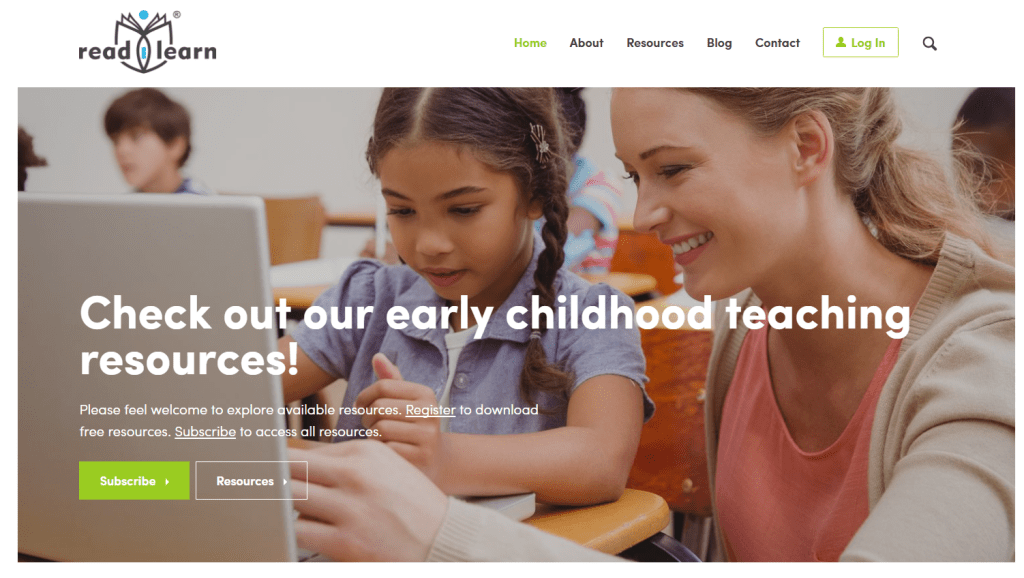
    First: What I would love is for people to take a gander at readilearn, a website I have been working on for more years that I care to tally right now.

    It is a year since I took the leap and engaged a company to develop the site. It was nine months (not the one month promised) before the site was launched, just over three months ago. To use the nine months analogy of pregnancy; it wasn’t an easy gestation or birth, and we’re still experiencing teething problems and growing pains, including “how to grow?” pains.

    Audience wanted

    chairs-1738738_1920

    Marketing, as in attracting, building, and maintaining an audience, is difficult, as any writer knows. It is not just a matter of writing the stuff and hoping an audience finds it. It takes time, effort, and know-how. I’m a bit short on all three, but I’m going to stick my neck out, and ask if you’d be willing to help me a little with the know-how in finding my target audience.

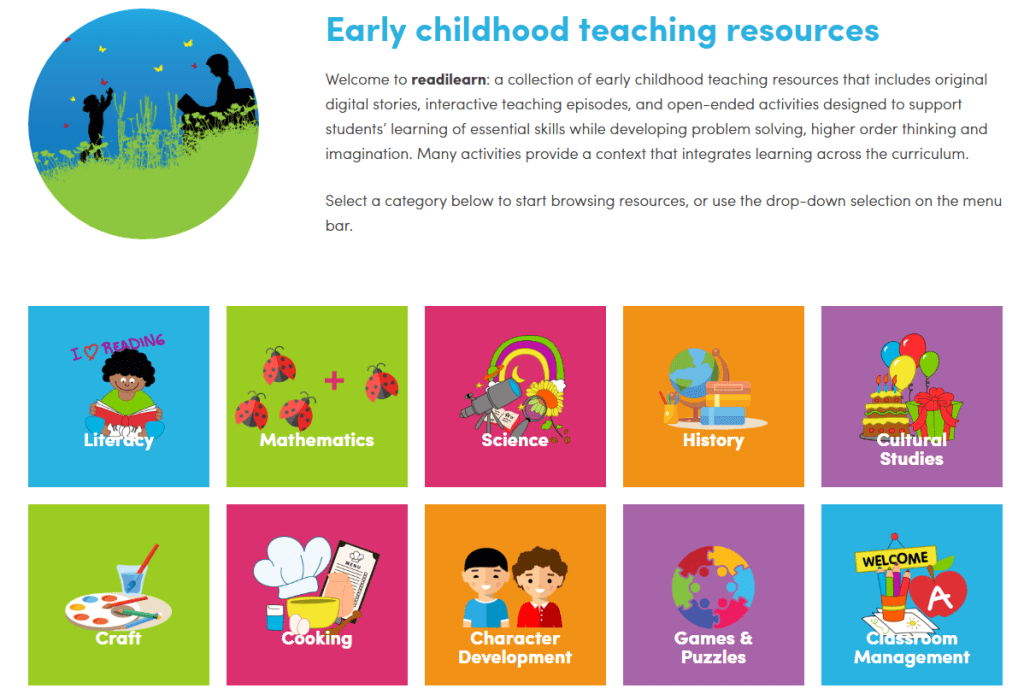
    readilearn-home-page

    readilearn is a collection early childhood teaching resources. The target audience is teachers of children between 5 and 7 years of age, be they teaching in a school environment, or homeschooling their children. The resources are also suitable or use with children learning English as a second or other language, and with children with special needs.

    resources

    There are resources for most areas of the curriculum, with suggestions for integrating learning across curriculum areas in a meaningful context.

    The materials are Australian (I’m Australian) but are suitable for use internationally.

    There are:

    • Digital and interactive resources to access and use online
    • Word and PDF documents to download and print

    Including:

    • Original stories
    • estories (digital stories)
    • Teaching ideas and suggestions
    • Lessons plans
    • Readilessons (lessons ready to use)
    • Games
    • Printouts for parents

    Features

    • New resources are added almost every week
    • Many resources are free to registered users
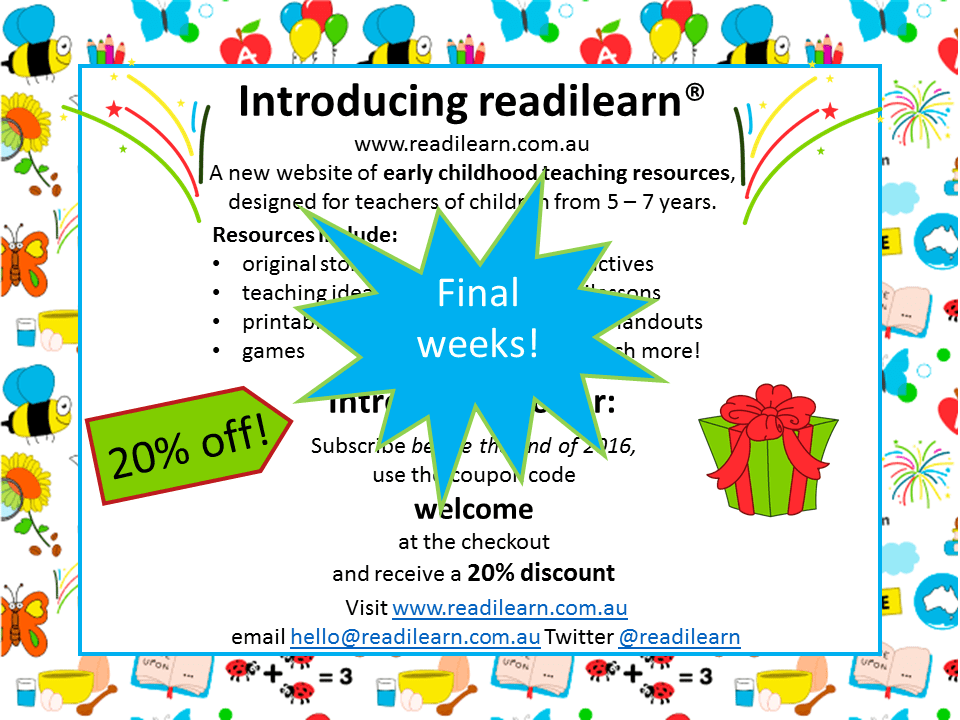
    • An annual subscription of less than 50c per week (or less than the cost of 5 cups of coffee a year!) is easily affordable; and that’s Australian dollars – even less for UK and US subscribers! It’s even discounted until the end of 2016!

    final-weeks

    So what’s different?

    I think that what differentiates readilearn is the integrated resources focusing on purposeful learning in context. The open-ended nature of many of interactive resources allows teachers to adjust the discussion to suit the needs of their students. readilearn is not just bunch of worksheets for repetitive practice of skills in isolation, or endless pretty charts to hang in the room. It is designed to support effective teaching and learning in meaningful contexts.

    More than just resources

    • Each Friday I publish a blog post filled with teaching ideas and information, including how to get the most from readilearn resources.
    • I also email users each Friday to inform them of new resources uploaded during the week – no more wondering if there’s anything new or where to find it.
    • The newsletter, published on the last day of each month, includes a summary of blog posts, a list of new resources, and a preview of events in the coming month.

    I would very much appreciate it if you could spread the word to any of my target audience in your circles: teachers of children from 5 – 7 years. I’d also love some suggestions for ways of connecting with my audience. Although my audience may differ from yours, what you have learned may also be useful for me.

    Maybe you’d like to gift an early childhood teacher their first year’s subscription. It’s easy. Just email hello@readilearn.com.au to find out how.

    special-gift-for-special-teacher-ad

    Now back to Charli’s challenge to include gander as a verb in a 99-word story. It got me thinking about all the bird words in common use, even when not referring to birds. I decided to incorporate as many as I could into a story while still maintaining a certain amount of sense. I have used over twenty. Can you (bird)spot them all? I hope you think it’s grouse! (Well, maybe just a little bit not too bad. 🙂 )

    grouse

    Bird (non)sense

    Finch’d had an eagle eye on the play all day.

    Robin’d been hawking chicken pies. Now sold out, he wandered over to gander with Finch.

    Robin craned his neck, just as “He’s out for a duck!” was announced.

    “He’s out for a duck,” he parroted. “That’s something to crow about.”  One team was swanning around, exuberant as monarchs. The other was as despondent as miners on strike.

    Martin was larking around. “Yeah,” he sniped. “The silly goose was distracted by the kite and missed altogether.”

    “More like a turkey, I’d say,” Robin reterned swiftly.

    “You’re a hoot!” chirped Finch.

    thank-you-1200x757

    Thank you for reading. I appreciate your feedback. Please share your thoughts.

  • You’re not allowed!

    child-1439468_1920

    How many of these did you hear when you were a child?

    • You’re too small
    • You’re too big
    • You’re too young
    • You’re too old
    • It’s too far
    • It costs too much
    • It’s too dangerous
    • Girls don’t do that
    • Boys don’t do that
    • It’s too …

    Sometimes it was difficult to find an activity that, like Baby Bear’s bed, was just right. Oftentimes it was only ‘just right’ in the eyes someone wielding the power; and not always in the eyes of the one wishing to have, do, go, or be. Setting limits is often easier than chasing possibilities.

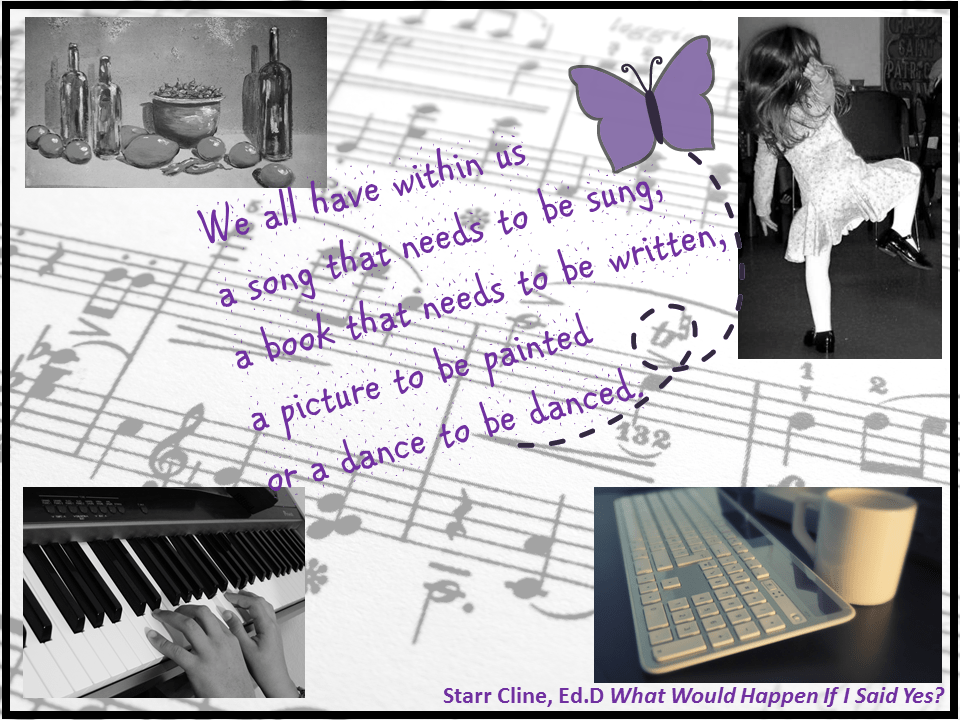
    starr-cline-creativity

    Many years ago I read What Would Happen If I Said Yes?… A Guide to Creativity for Parents and Teachers by Starr Cline.  Cline writes about creativity, emotional intelligence, giftedness, intelligences, diversity, and the power of “Yes”. On her website, she makes this statement:

    “After years of observation and research, I have drawn the following conclusions:

    • Everyone has the ability to create.
    • The external environment is critical in the development of one’s potential, whether it be in mathematics, language, the arts, etc.
    • Individuals may have one or more areas in which they excel
    • IQ scores do not reflect specific talents or abilities
    • Creativity begins diminishing at about third grade”

    I’m inclined to agree, and feel especially sad about the last point she makes.

    What Would Happen If I Said Yes? challenged me to think about ways in which I could parent (and teach) more positively and encourage, rather than inhibit, creativity; encourage a willingness to try new things; and to avoid placing unnecessary limitations upon others and myself. I can’t say I was entirely successful, but I did make some gains.

    In the book, Cline suggests that you “STOP every time you are about to say no. THINK about what might happen if you said yes!”  Consider the worst scenario that could occur if you said yes, and whether it would be really that bad, or even likely.

    She says to consider why you may say No.

    “Is it because …

    You don’t want to be bothered

    It wasn’t your idea

    It’s a habit

    Someone treated you that way

    It makes you feel powerful”

    She reminds that the messages saying “No” often sends are:

    “Your idea is stupid

    You are stupid

    You’re not capable

    You’re not worth it.”

    In the long term, are these negative messages more important than a temporary inconvenience, or than the benefits that would accrue from positive responses?

    But don’t get me wrong. Cline doesn’t suggest you just say “Yes” to everything. She says that sometimes you may need to come up with a creative way of saying no. She provides many ways of doing so in her book, which I recommend as a great read for both parents and teachers.

    Even as adults we can find ourselves in situations where certain things are not allowed and rules are imposed, such as in the workplace or in clubs and other organisations.

    Sometimes the things we are not allowed to do are self-imposed limits; we may not allow ourselves to do things because:

    • It’s scary
    • It’s unfamiliar
    • We feel uncomfortable
    • We don’t know anybody there
    • It costs too much

    camping-1289930_1920

    Sometimes, as I explained about my attitude to camping in a previous post Around the campfire, we make choices and find ways of justifying our decisions, at least to ourselves if not to anyone else. There are many reasons I choose to avoid camping, many other things I’d prefer to do, and I don’t often consider myself to be missing out.

    Although I can appreciate camping’s appeal to others, it was only when I read a late comment by Bruce Mitchell that I began to consider some of the wonders, including Antarctica, I had missed. Maybe I’ll be more adventurous next time round!

    This week at the Carrot Ranch Charli Mills has challenged writers to In 99 words (no more, no less) write a story about something or someone not allowed

    In her post, Charli speaks of many injustices, including the rules that say who is and is not allowed to vote in elections in the United States. The rules affect many, for many different reasons (or petty excuses based on power) and tend to be divisive rather than inclusive.

    charli-mills-gift

    Charli says that,

    “The greatest gift you can give is to allow another. Allow someone else to listen to their favorite music. Allow someone else to tell you their story. Allow someone to connect to you even if you feel harried. Smile back, nod, acknowledge, empathize. Be loving. Some among us have denials you can’t see stamped upon their countenances because of circumstances.”

    While deciding what we will or will not allow our children to do may seem trivial in comparison, surely bringing up our younger generations to be confident, independent, responsible, and accepting of others, allowing them to join in; creating an inclusive society, is something to strive towards. Perhaps if we allow our children, they will allow others.

    For my response to Charli’s flash, I’ve gone back to childhood. Where else? I hope you enjoy it.

    Not allowed

    She knew they were in there. She heard their chatter. Her knocks began timidly, then louder. The room hushed. There was rustling, then padding feet. She waited. The door opened a peek. Her loving sister’s smiling face appeared, then contorted unrecognisably.

    “You’re not allowed!” the monster screeched, and slammed the door.

    She froze – obliterated, erased, smashed to smithereens. She was nowhere, nothing. Why? What had she done?

    She could only shrug when Mum asked why she wasn’t playing with her sister.

    Later, at dinner, she viewed her sister’s sweet smiles cautiously. Was she real? When would the monster reappear?

    thank-you-1200x757

    Thank you for reading. I appreciate your feedback. Please share your thoughts.

  • Around the campfire

    camping-1289930_1920

    You could count the number of times I have been camping on one hand with a few fingers chopped off. And those times, in the main, could not even be considered real camping. They involved cabins, water on tap, and flushing loos. Only once was I required to sleep in a tent, and the experience wasn’t one I wished to repeat: as much to do with other campers as with facilities.

    I am not into roughing it. I like the convenience of warm showers, flushable toilets, and power at the touch of a button. I acknowledge my privilege in being able to take these things for granted and, when I holiday, to choose accommodation at which they are available. I recognise that for much of the world’s population, that privilege is as unattainable as a dream.

    toilet-1033443_1280

    So, for this week, in which the flash fiction prompt by Charli Mills coincides with World Toilet Day, it is fitting to combine the two.

    World Toilet Day is a day to raise awareness and inspire action to tackle the global sanitation crisis – a topic often neglected and shrouded in taboos. Today, 2.4 billion people are struggling to stay well, keep their children alive and work their way to a better future – all for the want of a toilet.

    Anne Goodwin who blogs at Annecdotal has also combined Charli’s flash fiction prompt in her post about Fictional Toilets for World Toilet Day. Anne has included snippets of toileting issues from novelists whose characters, unlike most “fictional characters, (who) like royalty, don’t have to suffer the indignity of urinating or opening their bowels”, deal with the inconveniences of life. Her own novel Sugar and Snails is among those quoted. You can read the post here.

    who-gives-a-crap

    For a while now I have been supporting Who Gives a Crap, a company that takes toileting seriously. In its production of toilet paper, tissues, and paper towels it uses only 100% recycled paper, bamboo, or sugarcane. It also donates 50% of its profits to providing toilets for those in need. I am in favour of both those practices.

    I am also in favour of helping children recognise their privilege and to understand that not everyone in the world can take for granted what they can. With Christmas celebrations just around the corner, a picture book that encourages children to think of others, rather than just what they can get, is useful in starting the discussion.

    dear-santa-please-dont-come-this-year

    Dear Santa: Please Don’t Come This Year written by Michael Twinn and illustrated by Patricia D. Ludlow explains that Santa has tired of children’s requests, of their always wanting more, and of their lack of gratitude. He considers making this Christmas delivery his last; until he receives one final letter that turns his thinking around.

    The letter is from a group of children who write:

    “Dear Santa,

    Please don’t come this year … we have almost everything we want.

    So, we don’t want presents for ourselves this year  …

    We want to help other children, instead.

    And old people and animals in need …”

    Santa feels heartened by the children’s selflessness, and he spends the year travelling the world, sharing the gifts suggested by the children:

    “The gift of food

    The gift of health

    The gift of sight

    The gift of water

    The gift of technology

    The gift of hard work

    The gift of peace

    The gift of learning

    The gift of survival”

    At the end of the year, Santa realises that “The greatest gift is yourself.”

    (Note: I’m not sure if it is still so, but at the time of its publication, sales of the book helped raise funds for UNICEF.)

    Now, I seem to have strayed a little, but I’m thinking that’s probably what happens when a group is sitting around the campfire discussing life. I’m sure no subject is taboo, Blazing Saddles proved that, and that the conversation would flow from one topic to another with just a few meagre threads to hold it together.

    Song, too, would be a big part of the campfire tradition. I learned a campfire song from Bill Martin Jr. at a reading conference years ago. (I’ve written about that previously here.)

    The song “I love the mountains” is perfect for teaching to children and as a structure that children can use to write poems of their own. Sample innovations; for example, “Christmas in Australia” have been included just for that purpose in readilearn resources.

    poetry-examples-and-templates

    Writing “I love” poems is also a good way for children to express gratitude in their everyday lives, which fits perfectly with Thanksgiving celebrations in the United States, also this week.

    Happy Thanksgiving to my American readers!

    This week at the Carrot Ranch Charli Mills has challenged writers to In 99 words (no more, no less) write a story that is told around a campfire. It can be a bonfire, burning trash can, a fire pit, something flaming outdoors. It can be a prop, and you can tell the story of anything — ghosts, ancients, jokes. Who is gathered and listening?

    Even if you don’t intend joining in the challenge, and there is an extra week with this prompt if you are tempted, please pop over to the Carrot Ranch to read Charli’s fascinating report of her explorations of The Zion Valley area and of the historical artefacts and remnants she found there. You’re sure to find a gem or two, as she did.

    Here is my response to her challenge.

    Around the campfire

    “Smile,” they said. “It could be worse.”

    Than what: a compulsory “adventure”? navigating scrub lugging a loaded rucksack? avoiding plant and animal nasties? digging a toilet? erecting a recalcitrant tent? enduring inane chatter and laughter roaring as insanely as the campfire flames?

    “You’ll learn something,” they’d said.

    Fat chance.

    Darkness hung low like her spirits.

    Along with the dying flames, the mood quietened and, one by one, each told a story of horrors beyond her imaginings: of fleeing famine, war, abuse, hate …

    Along with the sky, her heart softened with the light of a new day, and gratitude.

    Thank you

    Thank you for reading. I appreciate your feedback. Please share your thoughts.


  • The end

    © Norah Colvin
    © Norah Colvin

    I have always loved working with beginning writers, rejoicing with them, and sharing their excitement, as they make meaningful marks on paper for the first time.

    Their stories may be just a few writing-like squiggles, one word, one sentence, or one event in length; but the stories in their heads are much more, with elaborate settings, characters and events. Their ability to create stories, for a long time outstrips their ability to express them in written words.

    It is the role of the teacher to acknowledge the effort and, armed with an understanding of the writing process, knowledge of how writing develops, and awareness of each writer’s learning journey and needs, support the learning.

    As soon as they can, many of these beginning writers add the words “The end” to their stories. It gives them a sense of accomplishment, of completion, of a job finished with nothing more to be done.

    But don’t all writers enjoy that sense of accomplishment, of completion, of a job finished?

    However, the reality is that there is usually much more to be done: revisions and rewrites, edits and proofreads, and feedback from readers to consider. The end of the story is only the beginning of the publishing process.

    It is the process of writing that children must also learn. They need to know that not every piece must carry the perfection required of publication. Unrealistic expectations can quickly demolish a child’s willingness to have a go. Appropriate and timely feedback and encouragement is important to the development of beginning writers.

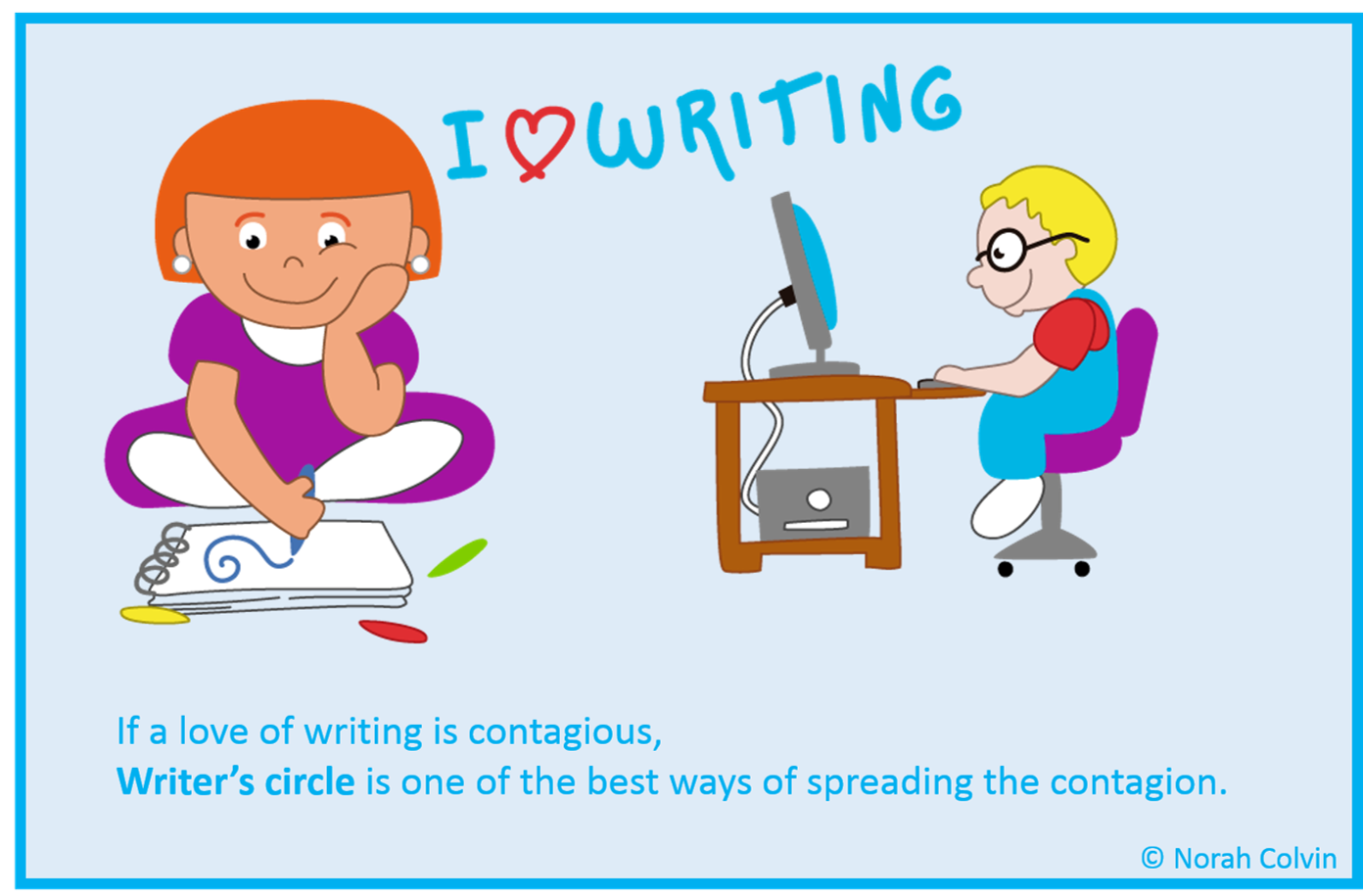
    love of writing

    Providing them with real audiences for their writing provides a purpose and incentive to engage in the process of revision, rewriting, editing and proofreading. Of course, the publication expectations of beginning writers are not as rigorous as for older or professional writers.

    There are many ways of providing young children with readers; including:

    • class books of stories and poems (not unlike the flash fiction compilations of our stories)
    • books made for siblings or children in earlier grades
    • letters written to parents, grandparents, children at other schools
    • blogging, now widely accepted and implemented
    • journal writing

    If all drafts of writing are kept in a folder or portfolio, a favourite can be chosen for improvement and publication. I wrote about this in a previous post: Writing to order. Conferences between the teacher and individual writers are important when choosing a piece and deciding on preparations required for publication.

    The initial conference would be about the content; specifically what the writer wanted to convey, the intended audience, and how the writer wanted the audience to feel.

    When the writer was happy with the message, usually after revisions, edits, and possible rewrites, discussions would focus on choice of words and sentence structures.

    The final conference would target surface features such as spelling and punctuation.

    No red pen is ever used by the teacher to mark a child’s work. All changes are made by the child in pencil. The purpose of conferencing is to help children develop independence in their own writing process. The number of conferences and revisions required would be tailored to an individual writer’s development.

    In order to respond to what has been achieved, it is necessary to understand the individual’s development, and to ascertain whether this piece of writing is reflective of that. Consideration must be given to all aspects of development displayed in the work; for example:

    • is the message clear?
    • is the piece complete?
    • what words are spelled correctly?
    • what language structures are incorporated?
    • does it sounds bookish?
    • does it have elements of figurative or poetic language?

    There is always something new to celebrate in each piece of writing.

    In the end, what is important is to encourage children to write, to wonder, and imagine. The process for young writers is not much different from that of all writers, and their egos are just as tender. We want their engagement with writing to have happy endings.

    This week at the Carrot Ranch Charli Mills wrote that

    “Every good story has a beginning, middle and end. It might be the end of the world as we know it, what comes next?”

    She challenged writers to In 99 words (no more, no less) write a story that pivots around an unexpected ending.”

    The end of my story, I hope, implies a new beginning; and a better one than that of the original I penned. (I’ll let you know at the conclusion.)

    Pretty Princess

    Once upon a time there was a princess, pretty in pink and smothered in cottonwool. In constant preparation for the life arranged for her, there were few opportunities to think outside her royal expectations and obligations: Stand straight. Point your toes. Smile sweetly; and on, and on.

    But think she did: Why does the moon shine? What makes the rain fall? How does the grass grow? Why can’t I: play outside? straighten my hair? eat with my fingers? go to school with other kids?

    One day she said, “That’s it. I’m going.”

    And she did. The end.

    In the original the parents said she’d only leave over their dead bodies. She said that could be arranged!

    “And she did. The end.”

    thank-you-1200x757

    Thank you for reading. I appreciate your feedback. Please share your thoughts.


  • Monkey mischief

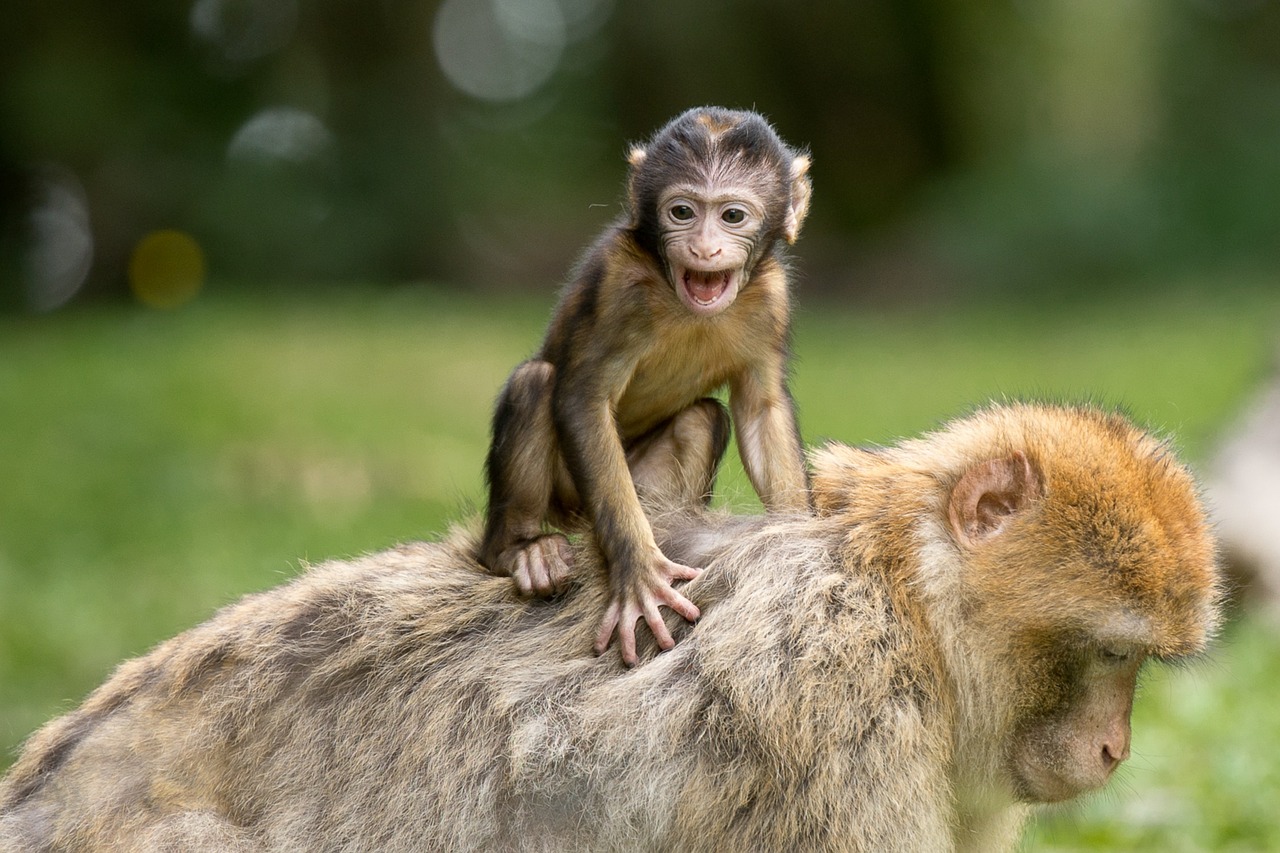
    ape-450151_1280

    Did you ever get up to mischief when you were a child? I believe I did. Or so I was told.

    Mischief includes exploring, checking things out to see how they work, and generally doing stuff that inconveniences parents. Being a kid, in other words; and isn’t it a child’s main purpose in life: to inconvenience parents? Just kidding, but sometimes it can seem like that. Especially when parents are in a hurry or have other things to do and a child has other ideas in mind.

    Although it may seem naughty, wilful, or defiant; young children really just want to find out about the world.

    childrens-questions

    Sometimes they investigate things: what will happen if I turn this knob, open this door, push this button; how does this taste or smell; how does this feel?

    girl-340769_1920

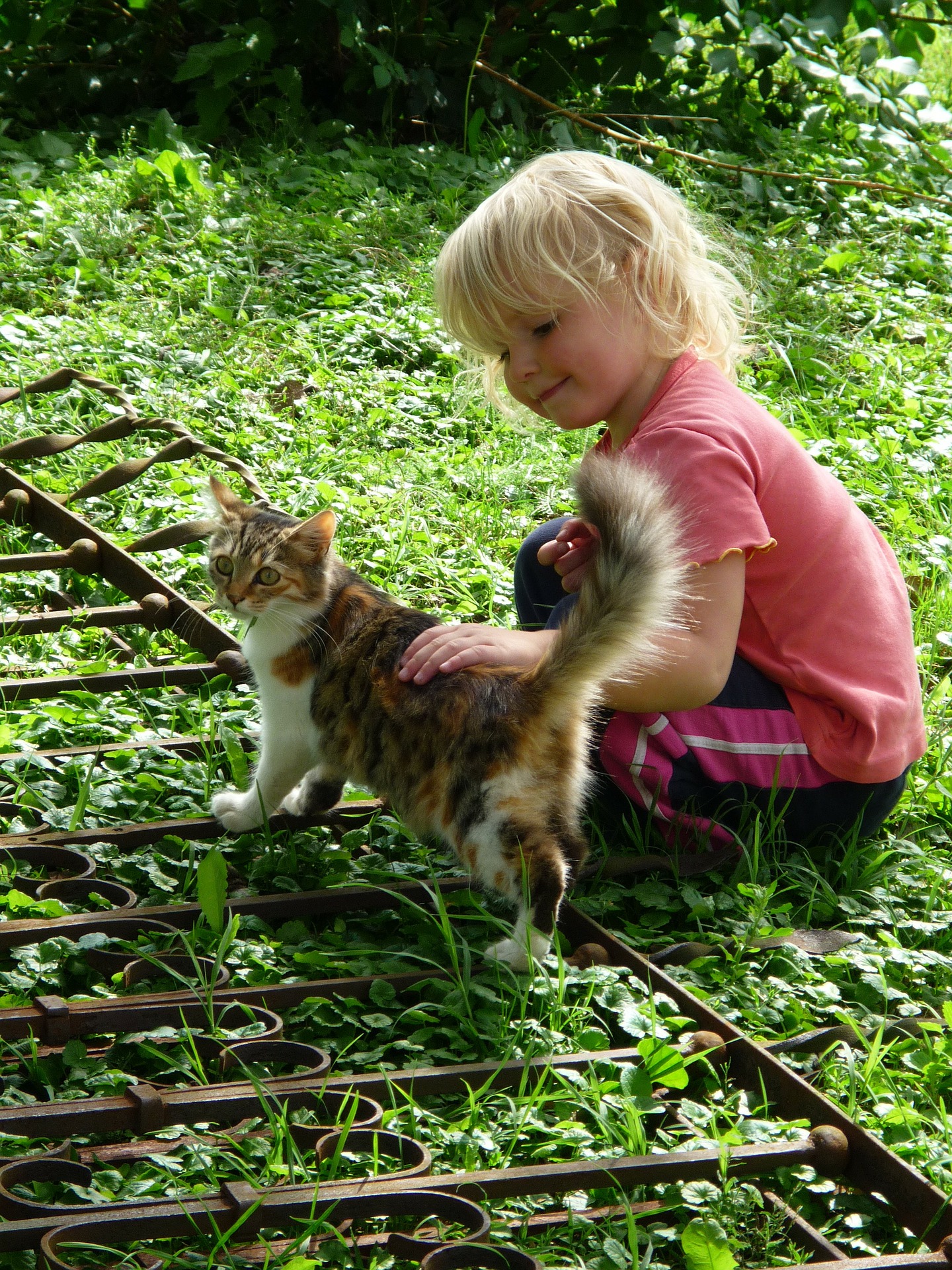
    Other times they are finding out about reactions: what will the cat do if I pull its tail; what will the fish do if I tip it out?

    children-909275_1920

    Human reactions and relationships are also an area of intense study: how will Mum react if I take her keys; what will Dad do if I push this button; what will sister do if I take her toy?

    Allowing children to explore, investigate, and experiment, while ensuring they, and no others, are in no serious physical danger, encourages their curiosity, their understanding of the world, and their innate drive to learn.

    volume-949241_1920

    While it can be annoying to have a child repeatedly adjust the volume of the sound system, for example, it may be better to ignore it and allow the child to discover the effect of the action. Usually once a phenomenon has been explored and understood, it will no longer fascinate, and the child will move on to something else.

    Unless there is a reaction from the parent. Any reaction may encourage repetition, not so much for additional learning from the action itself, but for the interaction with the parent.

    The phrase “You little monkey” is sometimes uttered when a child is engaged in some of this mischievous behaviour. It generally recognizes the harmlessness of the situation and acknowledges that the child is exploring or playing, often with the purpose of gaining attention or engaging a parent in a game.

    The classic picture book Caps for Sale by Esphyr Slobodkina is a story about mischievous monkeys.  A peddler carries the caps he has for sale, one on top of the other, on top of his own cap on his head. When he takes a nap under a tree, a troop of monkeys take all the caps, except his own, and refuse to give them back. Instead of following his instructions, they copy him. When, in frustration, the peddler throws his cap on the ground, the monkeys do the same and he is able to retrieve his caps and continue on his way.

    lauri-and-the-peddlers-bed-900x476

    (Another lovely story about a peddler, but without monkeys, is The Peddler’s Bed by Lauri Fortino which I wrote about here.)

    ten-giggly-gorillas-coverten-giggly-gorillas-page-1

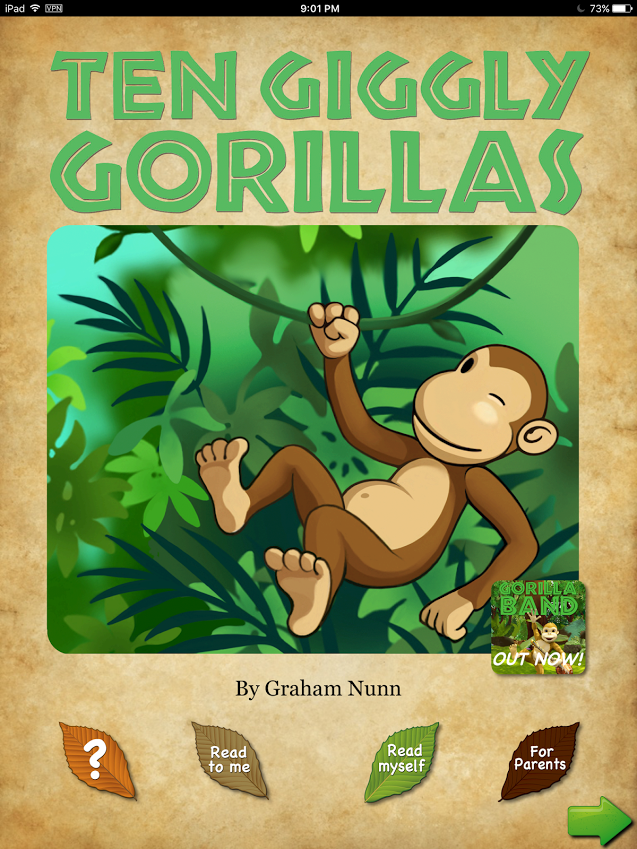
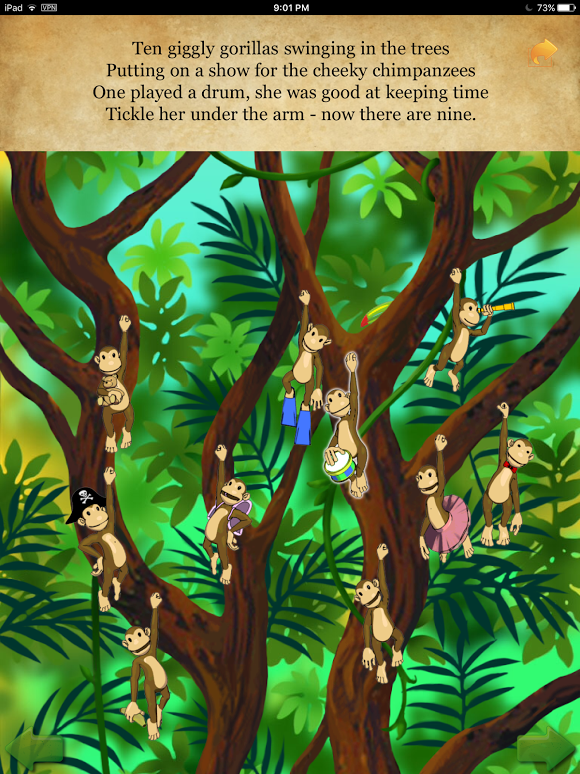
    One of the first picture book apps I bought for my grandchildren was Ten Giggly Gorillas  by Graham Nunn. It’s a cute counting back story that ends happily when the last little gorilla falls and is reunited with all her friends. It’s a wonderful first app for little ones with an easy swipe action to select each gorilla, and a great story to read for beginner readers. (Apologies – gorillas aren’t monkeys, but I like the app!)

    I’m thinking about monkeys because of the flash fiction prompt set by Charli Mills at the Carrot Ranch this week. Charli is talking about flying monkeys; monkeys that were used to test supersonic ejection seats in the desert of Utah in the 1950s. She has challenged writers to In 99 words (no more, no less) write a story using flying monkeys as a device or phrase.

    This is my response. I haven’t quite got the flying monkey as a device or phrase, but I hope you like it anyway.

     Monkey mischief

    A no-show nanny, insistent emails, and bills to pay: the verandah seems the best solution. He can ride his trike or play with toys; with the iPad backup if necessary.

    It’ll be fine, won’t take long.

    Then

    Incident #1: Laptop flat

    Easy: Power cord

    #2: Cord short, stretched high

    Solution: Be watchful – won’t take long

    #3: Trike stuck, wails

    Extricate it

    #4: Again!

    Ignore attention-seeking, almost done

    #5: Demands iPad monkeys

    “Soon!”

    #6: Snatches credit card, laughs, runs, daring

    “You little monkey!”

    #7 Monkey trips. Card flies, disappears between boards.

    Wails.

    “It’s okay, Mummy.”

    Grimaces: It’ll be fine

    thank-you-1200x757

    Thank you for reading. I appreciate your feedback. Please share your thoughts.
     

  • Halloweensie contest: Spider scare

    trick-or-treat-bag

    Happy Halloween everyone!

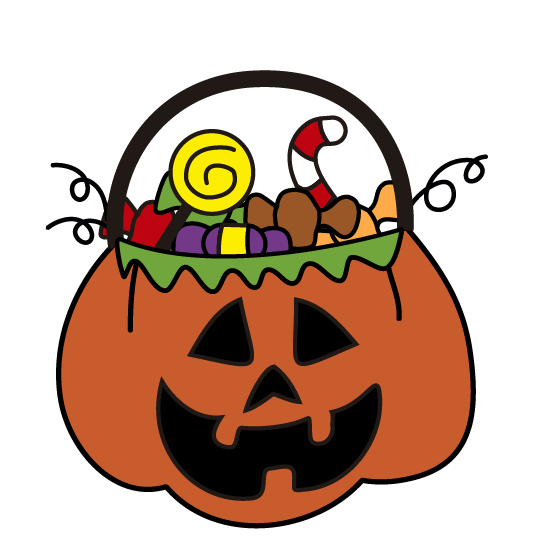
    This year for the very first time I am joining in a Halloweensie contest set up by children’s author Susanna Leonard Hill.

    A Halloweensie is a not-very-long (100 words or less) story for children.

    I’ve been getting plenty of practice writing short stories in response to the flash fiction challenges set by Charli Mills at the Carrot Ranch; and, as my stories often feature children, I thought I’d give Susanna’s challenge a go.

    Rules of the contest are:

    Write a 100 word Halloween story appropriate for children (title not included in the 100 words, children here defined as 12 and under), using the words spiderghost, and moon.   Your story can be scary, funny or anything in between, poetry or prose, but it will only count for the contest if it includes those 3 words and is 100 words (you can go under, but not over!)

    Stories must be submitted before Monday October 31st by 11:59 PM EDT.

    There are some very generous prizes for contest winners.

    For more information, check out Susanna’s post.

    I am submitting mine a little earlier in case some of you don’t know about the contest and would like to join in. There’s still time. There’s also plenty of great Halloweensies to read on Susanna’s post if you have time for some fun reading!

    Here’s mine:

    Spider scare

    No moon was out,

    So ghosts were about,

    Looking for people to scare.

    Little Ghost was unsure,

    He’d not joined in before,

    Anxious, hesitating to dare.

    “You’ll be all right.

    Simply give them a fright.

    It’s easy, just give it a try.”

    Dad sounded brave,

    With advice that he gave:

    Nothing would scare him for sure.

    “I’ll give it a go.”

    Little Ghost followed slow,

    As Dad floated up to the door,

    Then let out a scream

    As, down from a beam,

    A spider descended nearby.

    Little Ghost laughed

    At his Dad taking fright:

    A spider like that wouldn’t bite!


    Thank you for reading. And thanks to children’s author Vivian Kirkfield, who blogs at Picture Books Help Kids Soar, for introducing me to Susanna and her fun contest.

    If you are looking for a fun game to play on Halloween, check out the Trick or Treat board game.

    Thank you

    I appreciate your feedback. Please share your thoughts.


  • Targeting prey

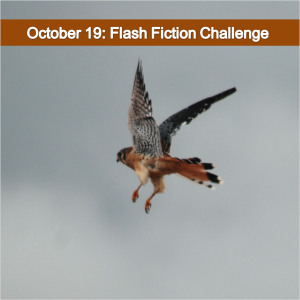
    This week at the Carrot Ranch Charli Mills expresses her admiration for the raptors that “wheel on currents of air high above the La Verkin Overlook” near her new home in Utah. She marvels in their flight and challenges writers to let their imaginations take wing and soar.

    Australia, too, is home to a large number of raptors, many endemic, several threatened. You can read about them in this Conservation Statement by Penny Olsen: Australia’s Raptors: Diurnal Birds of Prey and Owls, or in one of Dr Olsen’s many other publications.

    2015-09-19-11-15-11

    Narelle Oliver’s beautiful picture book Home, which I wrote about in this post, celebrates one of these Australian raptors, the peregrine falcon. The book is based on a true story of a pair of peregrine falcons that nested at the top of a 27-storey building in Brisbane city. The birds, named Frodo and Frieda, fascinated a city and, for a while, had their own reality show “Frodocam”.

    www.openclipart.com
    http://www.openclipart.com

    As often occurs, my thoughts head off in a different direction when thinking of Charli’s prompt. Rather than the beauty and magnificence of these amazing birds, it was the word “prey” that grabbed me and wouldn’t let go. It pummelled me into submission, like a bully that seeks out the vulnerable when targeting prey.

    This may be due to the promotion of October as National Bullying Prevention Month in the US. There the program is called Stomp Out Bullying. In Australia, the The National Day of Action against Bullying and Violence is held on the third Friday of March each year with a program called Bullying. No Way! I wrote about that here. Websites for both programs are packed with useful information and resources for teachers and parents.

    It is probably a good thing that these dates don’t align, as there is no time that is not a good time to eradicate bullying.

    No bullies allowed

    I have previously written about bullying in posts and flash fiction stories, especially those concerning Marnie, about whom I wrote several stories, collected here. Stories about bullying specifically include these:


    ·       Not funny at all! from the post Bully for you!

    In this post, I listed books that feature bullies, including:

    The fairy tales Cinderella and Rumpelstiltskin,

    Roald Dahls stories Charlie and the Chocolate Factory and The Twits, and

    Anthony Browne’s Willy the Wimp.

    ·       Symptoms from the post Displaying symptoms or true colours

    In this post, I shared information about a rap version of “True Colours” with additional original anti-bullying content written by 12-year-old MattyB to support his younger sister who is excluded and bullied because of her “symptoms”. Here is the song. Check back to the post for more information.

    ·       Art class from The story behind brown paint

    For this post I wrote a longer story to provide more information about Marnie and the bullying to which she was subjected.

    ·       Motives from It’s a steal

    In this post, I suggested that children who tease, torment and bully are often themselves victims of similar behaviour. They may feel powerless and lack control in their own lives. They are possibly lowest in the pecking order at home, and targeting someone more vulnerable provides an opportunity to find a sense of power; for a while at least.

    One of the most effective ways of reducing the incidence of bullying is through the development of social-emotional skills; including helping children develop

    • self-esteem
    • confidence
    • resilience
    • friendship skills and
    • empathy;

    in an environment in which they feel welcome, valued, and supported.

    We need to model the behaviour we want children to develop, provide them with alternatives to inappropriate behaviour, and teach them how to respond when the behaviour of others upsets them.

    It is also important to teach children to recognise bullying and to seek help if they see it occurring. Observing and doing nothing is a way of condoning the behaviour, and the bullying may escalate if an audience gathers. Ignoring bullying in a way also condones it. It is important to take action to prevent or stop it.

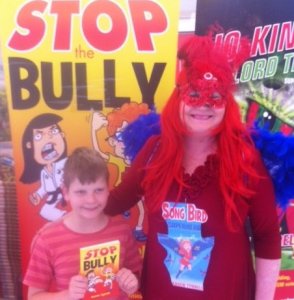
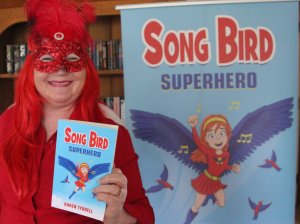
    Karen Tyrrell, “an award winning Brisbane resilience author who empowers you and your children to live strong”, has written books for both adults and children about bullying. Having been on the receiving end of bullying herself, Karen understands what it is like to be targeted.

    stop-bully-jpg-largesongbird-jpg-large

    Karen’s books STOP the Bully, for 9 to 12-year-olds and Song Bird for children of 7+ years, both explore issues related to bullying.

    Karen told me that “The little boy in the photo read STOP the Bully 6 months earlier after my first book shop visit. Then found me again 6 months later to say thank you when Song Bird came out.”

    If you are looking for resources to initiate the discussion about bullying, Karen’s are a good place to start. You may also like to access the free teacher resources and free kids activities Karen has available on her website.

    raptors-prompt

    Now back to Charli and her birds of prey prompt: In 99 words (no more, no less) write a story that includes a raptor.

    With apologies to the magnificent birds, I offer my response about a child in need of understanding, and of learning friendship skills such as getting along, caring for others, and empathy.

    Prey time

    Children chattered like birdsong – not a ruffled feather in sight. If only all playtimes were as peaceful.  Sudden realisation.  She scanned the children. Anxiety stirred.

    “Has anyone seen Zane?”

    Thomas pointed to a distant figure flitting and swooping, arms outstretched.

    “Zane!”

    She couldn’t leave him there. Could she?

    “I’ll get him, Miss.”

    As Thomas approached, Zane screeched and rushed towards him. Thomas fled, missed his footing, and fell. Zane, still screeching, pounced, pinning him down.

    “Zane! Let him go!”

    “I’m a raptor. He’s my prey.”

    Thomas cried. “I’m not playing.”

    If he was, it would be more fun.

    Thank you

    Thank you for reading. I appreciate your feedback. Please share your thoughts.
  • Toes in the sand


    bruny-island-beach
    Bruny Island, Tasmania © Norah Colvin

    I grew up near the beach (but sadly not the one pictured) and my siblings and I would spend many long hours playing on the cliffs, climbing the trees, and splashing in the water. Sometimes we’d even lie on the sand and sunbake. Most of us are paying for it now as our fair skin, even with sunscreen, or without as it was then, was not designed for the hot Queensland sun.

    One of the nicest things to do was to stand at the water’s edge as the waves receded, and feel the sand withdraw from beneath my feet, leaving me standing in hollows. If I stood there through successive comings and goings of waves, I could end up standing in quite large holes. The meditative effect was calming and reassuring, placing me firmly in nature.

    © Norah Colvin
    © Norah Colvin

    Of course, the beach is not the only place that sand can be found. There are the hot red sands of Central Australia; and of Utah, where Charli Mills has recently relocated.

    october-12-ff
    © Charli Mills

    There are the cruel sands of time that flow too fast and can’t be upturned for a do-over.

    1200px-sandpit-public-domain

    But these sands are not the focus of my post. I am thinking of the sandpits, or sandboxes, common to playgrounds for young children in early learning centres, schools, and parks. I would probably not be taking much of a risk if I were to suggest that most of you played in a sandpit when you were young. Maybe you were involved in an accident of some sort: getting sand in your eye or hit by a spade, possibly fighting over a toy.

    There are many friendship lessons to be learned when playing in the sandpit, even if playing alongside, rather than with, others:

    • Play nicely
    • Share
    • Take turns
    • Cooperate
    • Sand stays in the sandpit: it’s for digging, filling, building, and sifting; but not throwing.

    Sandpits are generally popular during lunch breaks at school, particularly if suitable toys and implements are available. I have seen groups of children spend successive lunch times building roads, cities, and rivers; working together constructively in ways we only dream of in our artificially designed group-work activities. The fluidity of the group ensures that fresh ideas are always available; and sees some suggestions implemented, and others discarded.

    But the sandpit is not just for playtime and recess. Utilising it during class time provides a welcome break from the indoors. There is nothing like a bit of physical activity in the fresh air to awaken the brain cells and stimulate thinking. While opportunities for free play may offer the best of learning experiences for children, I’m providing a few suggestions in case justification of something more academic is ever required.

    Introduce each sandpit session with some tactile experiences. It cannot be taken for granted that all children have experienced sand play and may be unfamiliar with how it feels underfoot, to walk on, or hold in their hands. Also, having a bit of play in the beginning will help the children concentrate as the lesson progresses.

    It is also a good idea to set some rules for sand play. Ask the children, they probably know best.

    Experiencing sand

    Have everyone remove their shoes and socks and stand in the sand, then ask them to (for example):

    • twist on the spot, feeling their feet dig into the sand
    • wriggle their toes, feeling the sand squish between them
    • stamp their feet, noticing the difference from concrete, or grass
    • sit at the edge, stretch out their legs, and push their feet under the sand, then slowly lift them up, letting the sand slowly fall off
    • pick up handfuls of sand and then let it slowly fall through their fingers
    • pick up handfuls of sand, bring their hands together, then rub them together as they watch the sand slowly fall

    Counting

    Have children sit around the edge and count the number of children (in ones), feet and hands (in twos), fingers and toes (in fives, and the tens)

    Pouring and measuring volume

    Ask children to estimate and measure; for example:

    • How many of these containers does it take to fill that one?
    • How many of these containers can I fill from that one?
    • Which container holds more?

    Digging for buried treasure

    Hide items in the sandpit for children to find. They may need to find a certain number, follow clues, or understand a grid. It could even be set up like a battleship game with children hiding and guessing the placement of toys in the sand.

    Measuring length

    Have children use arbitrary units to measure the width or length of the sandpit; for example: using feet, hands, blocks, containers.

    Recognising shapes

    Have children look for shapes in the construction of the sandpit and other playground equipment. Have them draw shapes in the sand.

    Creating artworks

    Have children draw a picture or pattern with glue on a heavy piece of card then sprinkle with sand. Mix in some powder paint to add colour.

    Of course, there is nothing better than giving them time to play and conduct their own learning: talking, negotiating, planning, and problem solving. Although I wouldn’t go so far as to say that everything one needs to learn could be learned in a sandpit, it’s probably not too far from the truth.

    The title of a book written by Robert L. Fulgham and published in 1988 declares All I Really Need to Know I Learned in Kindergarten: Uncommon Thoughts on Common Things. Surprisingly, I must confess to not having read it, but the words have infiltrated society and become an oft-repeated adage. I feel as if I have read it, and agree with the simplicity of the truth it espouses.

    Fulgham writes:

    robert-fulgham-everything-learned-in-kindergarten

    According to Lessons from the Sandbox written by Patricia Leigh Brown and published in the New York Times in 1989, the book was almost an accident. I could carry the link a little further and suggest perhaps, an accident occurring in the sandpit. The story of its publication and success should give a writer heart. We can never predict how a story will develop, let alone end.

    This week at the Carrot Ranch, Charli Mills has challenged writers to In 99 words (no more, no less) write a story about a walk across the sand. This is my response. I hope you enjoy it.

    © Norah Colvin
    © Norah Colvin

    Building sandcastles

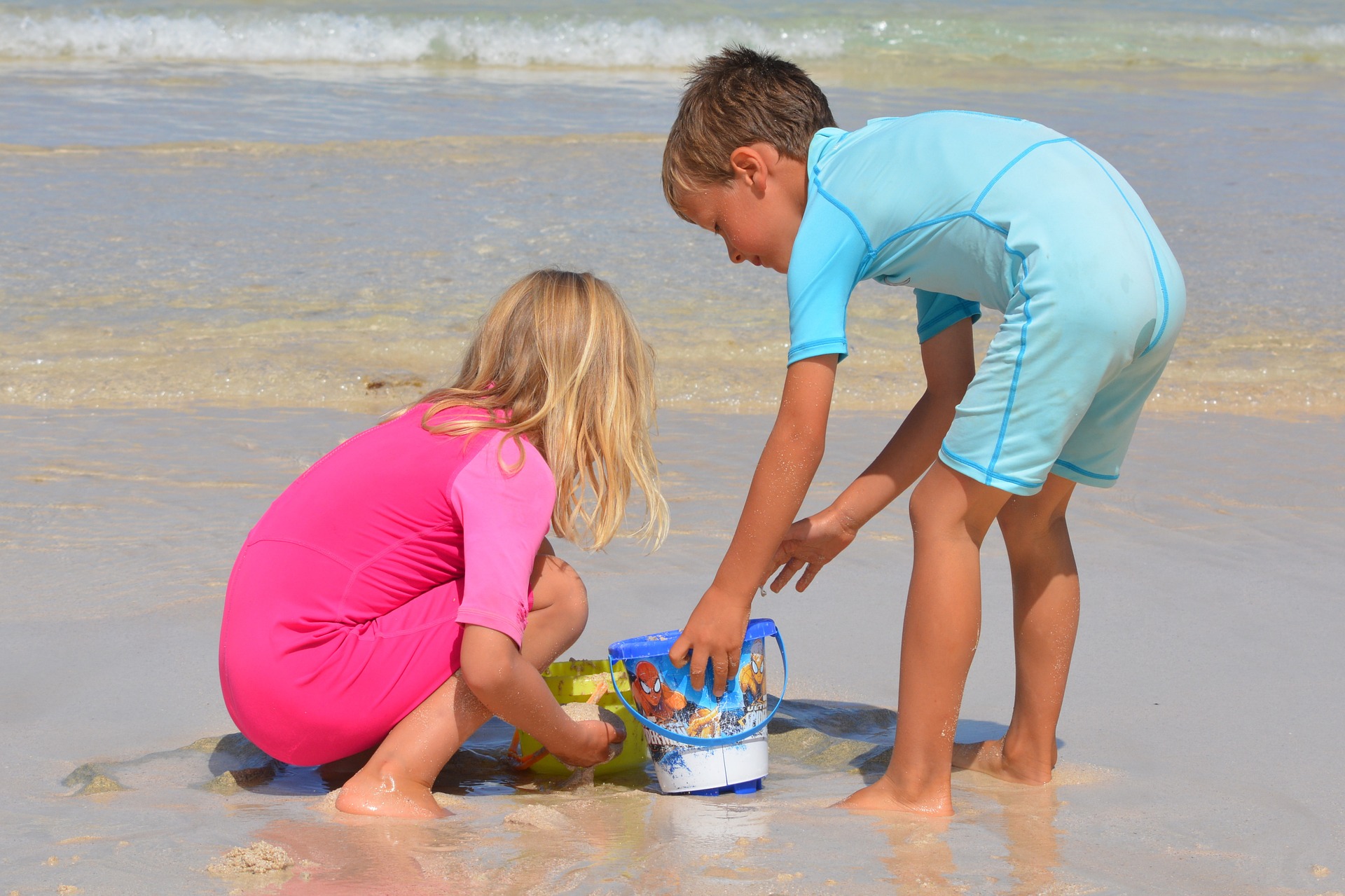
    The sun shone. A gentle breeze kissed the children’s cheeks, cooling them, as they shared the bucket and spade to build castles and dig moats. She gathered shells and seaweed for decoration. He filled the moat. Parents smiled, satisfied.

    Suddenly, he jumped onto the castle, gleefully twisting from side to side. She protested; she’d not finished. He laughed. She cast aside the last of her ornaments and stomped away. He shrugged.

    Remorseful, he went after her, “Wait. I’m sorry. Let’s build it again.”

    “Really?”

    “But make it bigger this time.”

    Hand in hand they raced back to start again.

    Thank you

    Thank you for reading. I appreciate your feedback. Please share your thoughts.